
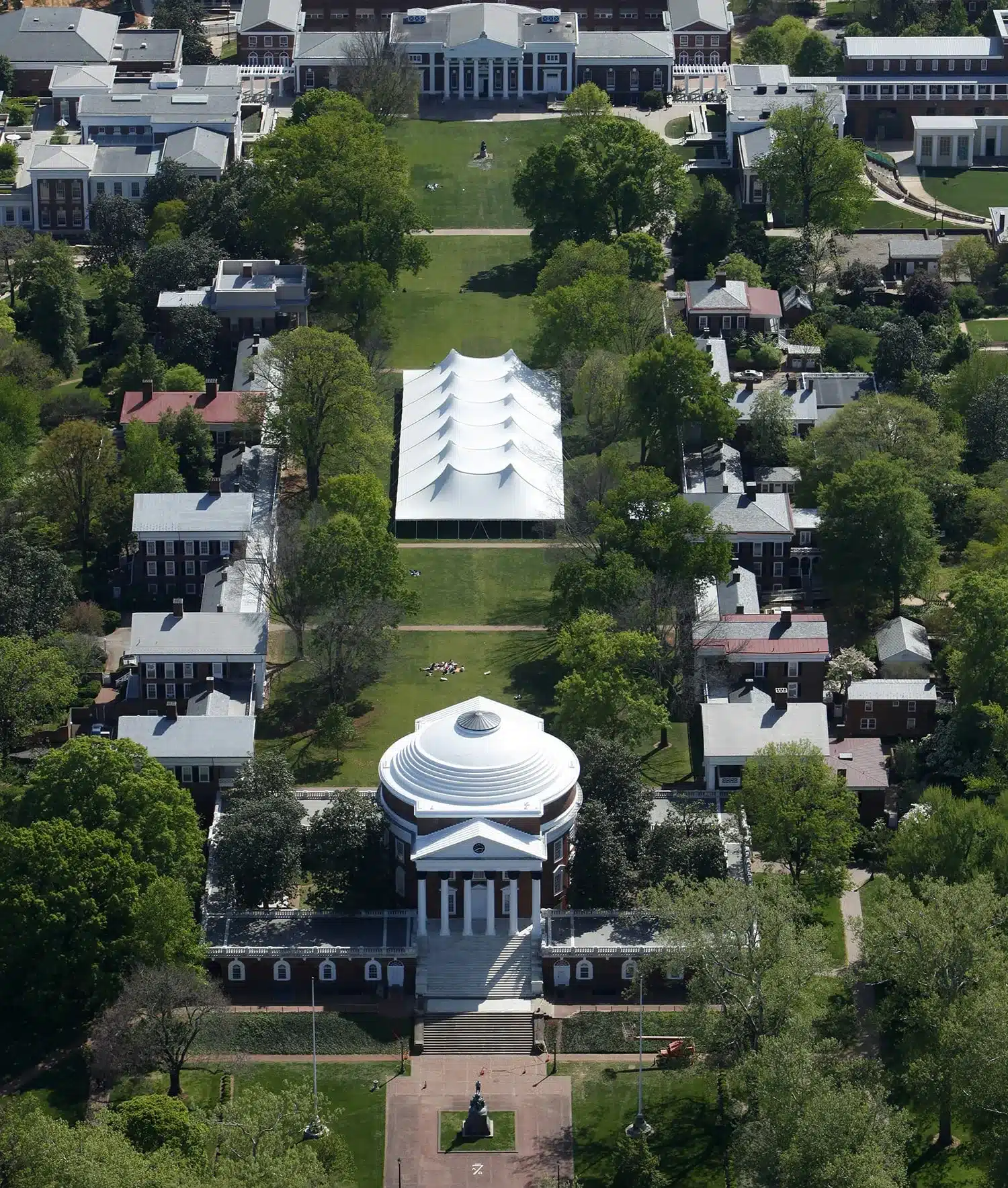
Choosing a Virginia wedding venue is about more than scenery, architecture, or guest capacity. If the celebration will include a tent, couples also need to understand whether the property can physically support the structure and everything that comes with it. Ground conditions, access roads, power availability, weather protection, vendor restrictions, flooring, climate control, permits, and installation schedules can all affect whether a tented wedding works as planned. These questions are especially important for vineyards, estates, farms, private properties, and outdoor venues where permanent event infrastructure may be limited. Evaluating these wedding venue tent requirements before signing a contract gives couples more flexibility and helps reduce last-minute compromises.
Evaluate the Ground and Tent Installation Area
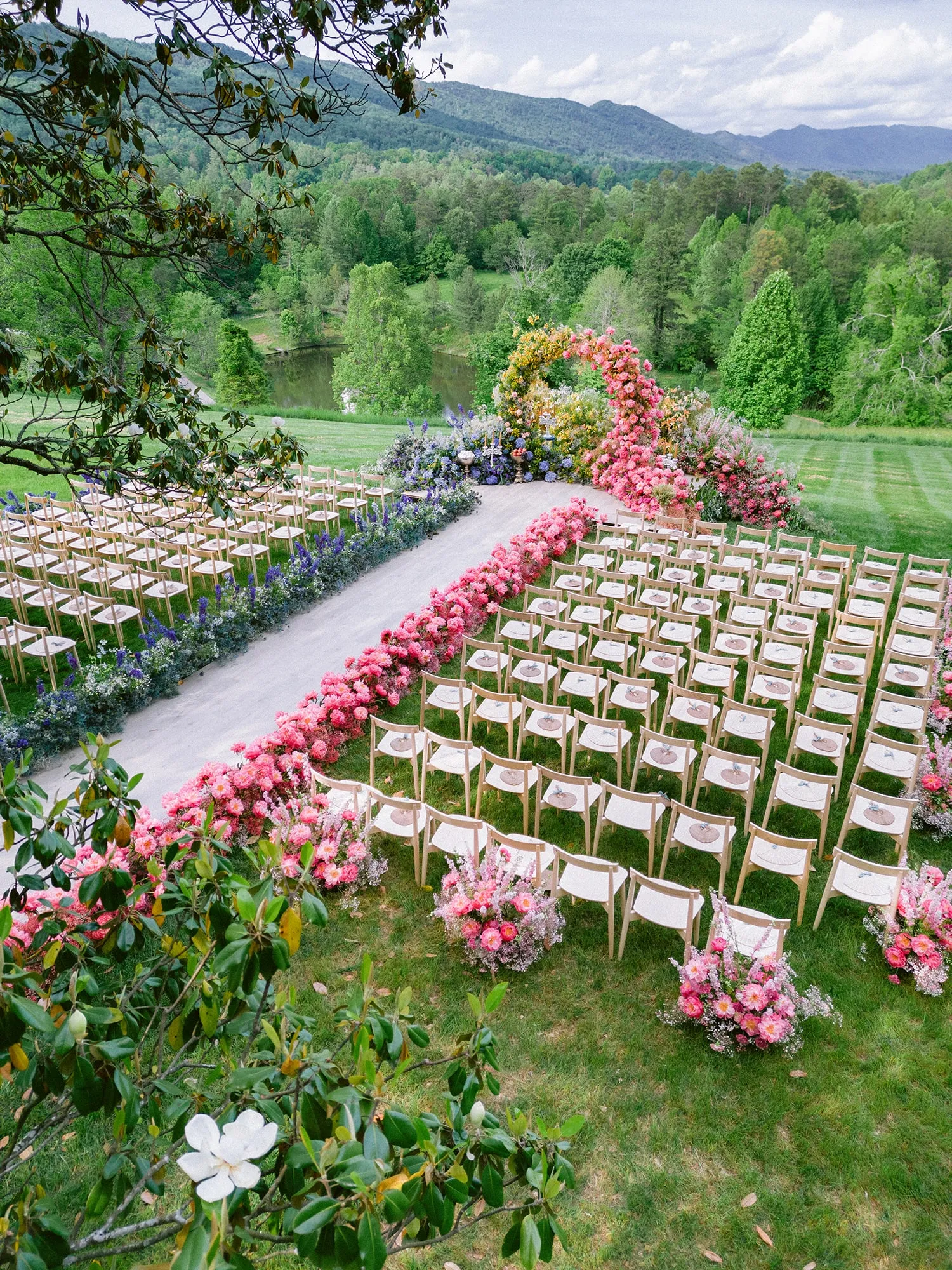
The first requirement is the land itself.A beautiful lawn does not automatically mean a tent can be installed there without additional planning. Terrain, soil conditions, drainage, underground utilities, and overhead obstacles can all affect the structure.Couples should ask about the exact area where the tent will sit rather than assuming any open part of the property is usable.
Confirm the Ground Is Suitable for the Tent
Different tent styles require different installation conditions.Century Pole and Sailcloth tents may rely on staking and adequate surrounding space, while Frame and engineered structures can offer different anchoring possibilities depending on the site.The ground should be evaluated for firmness, drainage, and slope.
Soft ground after heavy rain can create challenges, while very hard or rocky surfaces may require a different anchoring strategy.A professional site assessment helps determine which tent style is appropriate for the property.
Identify Underground and Overhead Obstacles
Utilities are another major consideration.Irrigation lines, electrical lines, septic systems, and other underground infrastructure may run beneath an otherwise open lawn.Tent stakes and anchoring systems need to be positioned carefully around these areas.Overhead clearance matters as well.
Tree limbs, power lines, building overhangs, and other obstacles can limit tent height or placement.These conditions should be identified before the installation plan is finalized.
Plan for Sloped or Uneven Terrain
Many Virginia vineyards, farms, and private estates feature rolling ground.That scenery can be beautiful, but uneven terrain may make dining tables, chairs, dance floors, and service areas difficult to position directly on the lawn.
Skyline Tent Company provides custom flooring and elevated platform systems that can help create a level event surface above sloped or irregular terrain.Glass walls and climate control can then be integrated into compatible structures to create a more finished environment.The key is identifying the grade early enough to build the flooring plan into the overall tent design.
Check Power, Climate Control, and Weather Needs
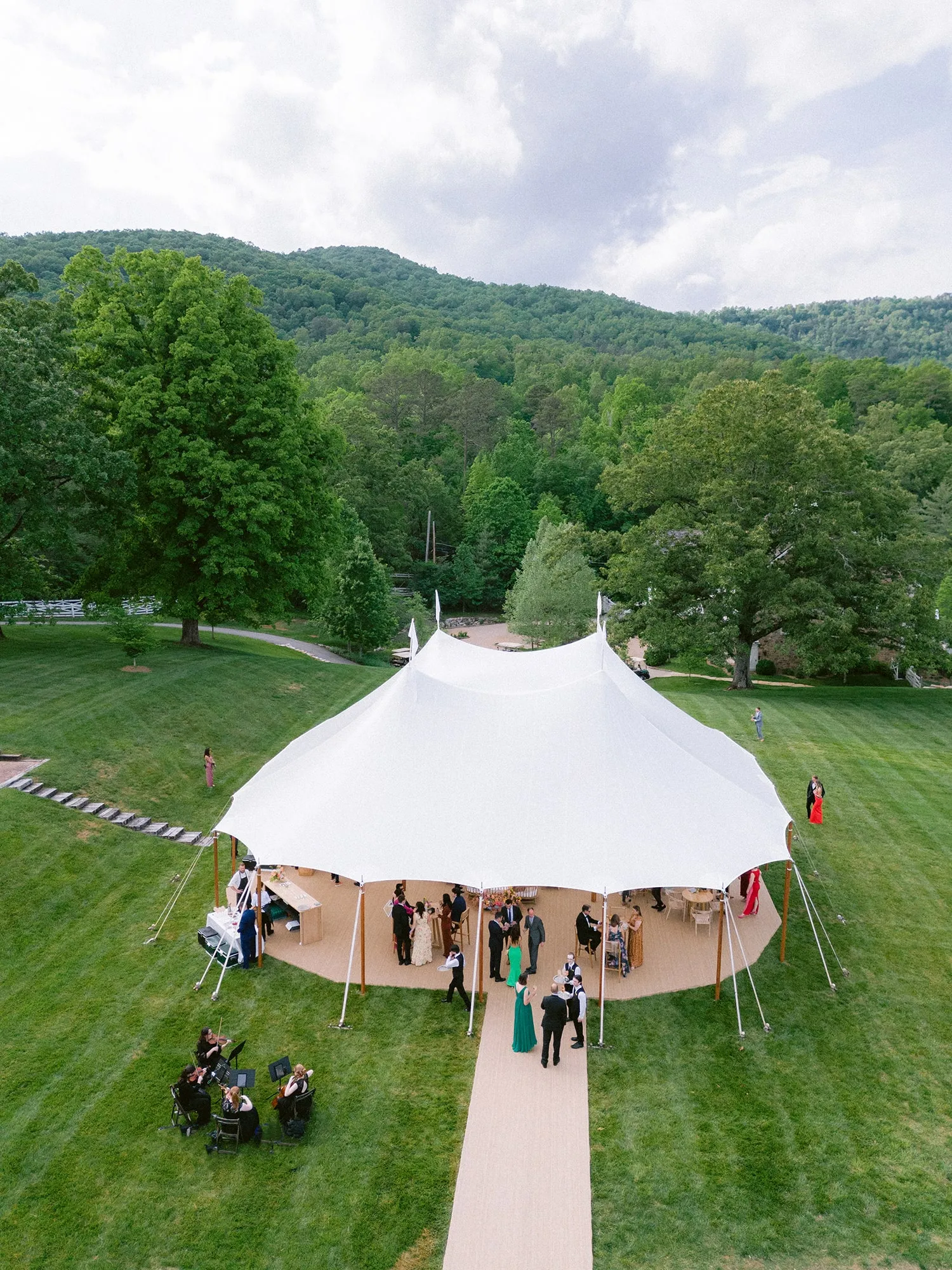
A tented wedding often requires more electrical infrastructure than couples initially expect.Lighting, climate control, catering equipment, entertainment, bars, and other event systems can all require power.The venue may have electricity available, but the important question is whether the available capacity is sufficient for the full event.Weather planning should also be part of this conversation from the beginning.
Ask What Power the Venue Can Provide
Couples should find out what electrical service is available near the tent site.
A few standard outlets may not be enough for a large reception.
The electrical plan may need to support:
Lighting
Heating or cooling equipment
Catering equipment
Sound systems
Entertainment
Bar equipment
Additional service areas
If the venue does not have adequate power, Skyline Tent Company provides power generation that can support the temporary event infrastructure.The power plan should be completed before installation so generators, distribution equipment, and cables can be positioned around the site safely.
Plan Climate Control Around the Season
Virginia weather can vary significantly between seasons and throughout the day.A spring or fall wedding may begin comfortably and become cooler after sunset. Summer receptions may require additional cooling once the tent fills with guests.Climate control should therefore be selected around the tent size, level of enclosure, season, and guest count.
Heating and cooling systems can help create a more consistent interior environment and allow couples to use outdoor properties with greater confidence.Climate control should be coordinated with power generation because the two systems depend on one another.
Build a Weather Plan Into the Tent Design
Weather planning is not only about temperature.Rain, wind, drainage, and changing ground conditions can all influence the setup.Skyline Tent Company’s Sailcloth tents are fully waterproof and highly wind-resistant, making them suitable for outdoor celebrations where weather changes need to be considered.Other structures may provide additional enclosure through walls or glass systems.
Flooring can also help separate guests from wet or soft ground.The goal is to create a complete weather strategy rather than treating the tent itself as the only backup plan.
Confirm Delivery Access and Installation Logistics
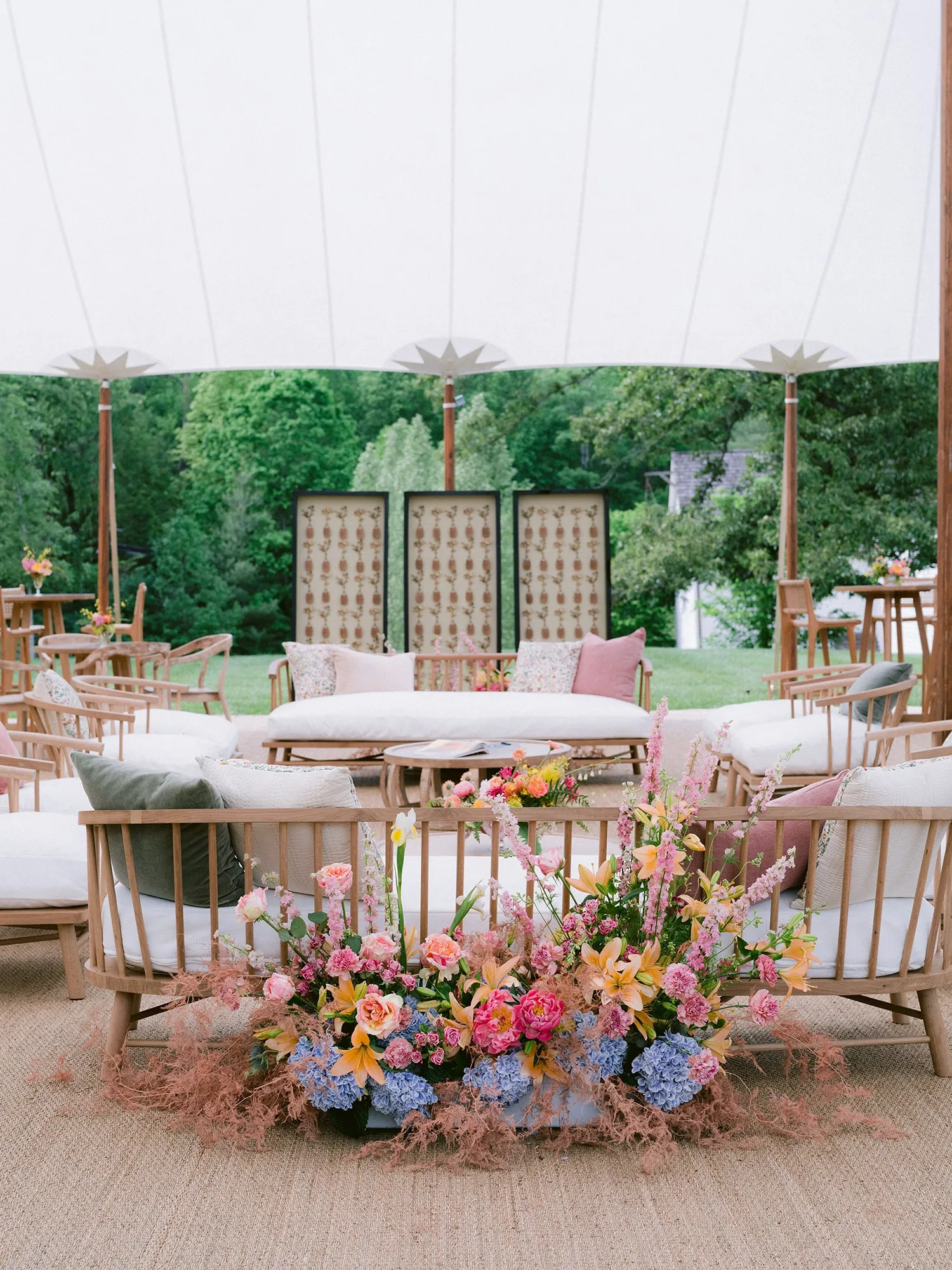
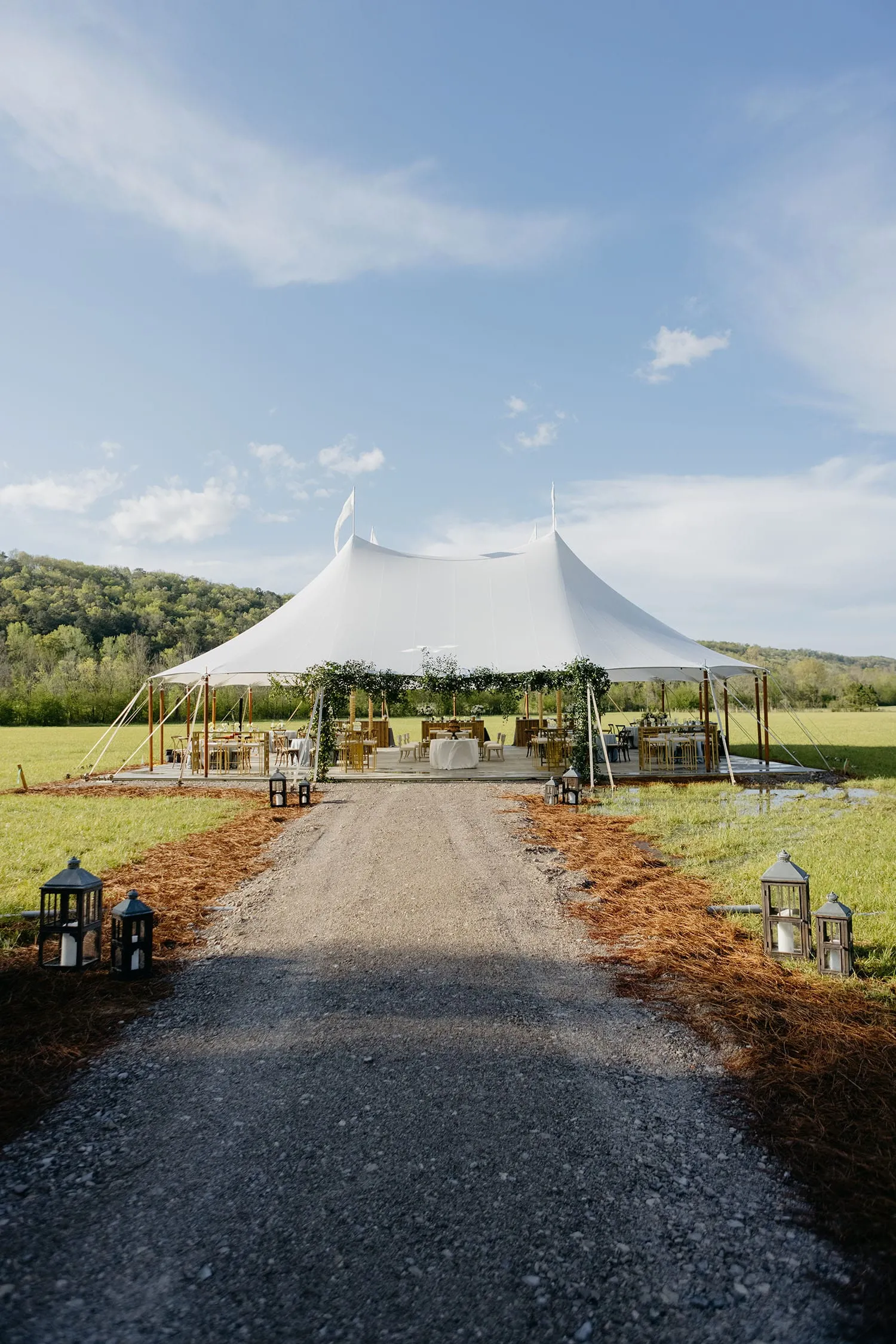
A tent may fit on the lawn but still be difficult to install if trucks and equipment cannot reach the site.Delivery access is one of the most overlooked wedding venue tent requirements.Private estates, vineyards, farms, and historic properties may have narrow driveways, gates, steep grades, soft ground, or tree-lined access routes.These details should be reviewed before the tent is selected.
Check Driveways, Gates, and Clearance
Commercial vehicles need adequate room to enter the property and reach the installation area.
Couples and venue managers should identify:
Driveway width
Gate dimensions
Turning space
Low tree branches
Overhead wires
Steep sections of road
Soft ground or narrow access paths
If installation equipment cannot reach the site easily, the setup process may require additional planning.
This is another reason why an in-person site assessment can be more valuable than relying only on photographs.
Allow Enough Time for Professional Setup
Luxury tent installations involve more than putting up the tent frame.Flooring, glass walls, lighting, climate systems, power generation, furniture, and other elements may need to be installed in a specific sequence.Larger structures may require more setup time than couples expect.
The venue should provide an installation window that gives the tent team enough time to complete the work properly.The same applies to takedown.A realistic strike schedule helps protect both the property and the equipment while preventing unnecessary conflicts with other events.
Protect the Venue During Installation
Historic grounds, vineyards, and manicured estate lawns may have specific requirements for protecting the property.Skyline Tent Company provides engineered flooring systems, including Biljax TF2100, that can help create stable event surfaces while distributing weight across the site.Professional setup crews can also plan equipment movement and anchoring with the condition of the property in mind.This matters particularly when venue owners have strict expectations about lawns, gardens, or other sensitive areas.
Review Vendor Restrictions, Permits, and Insurance
The venue contract can affect tent planning just as much as the physical property.Some venues maintain preferred vendor lists, while others may require specific providers.Couples should understand the difference before signing an agreement.Permit, insurance, and liability requirements should also be clarified early so they do not become last-minute obstacles.
Ask Whether the Tent Vendor List Is Preferred or Required
A preferred vendor list generally gives couples recommendations.An exclusive vendor policy may limit the couple to a particular tent company.That difference can affect the available tent inventory, flooring systems, engineering options, and overall design.Before signing the venue contract, ask whether outside tent providers are allowed and whether exceptions exist for specialized structures.This is especially important for couples who already know they want a particular type of Sailcloth, Frame, Century Pole, Navitrac, Losberger, or other engineered structure.
Clarify Permit Responsibilities
Tent installations may require local approvals depending on the structure, property, and jurisdiction.Couples should ask the venue who is responsible for obtaining required documentation and coordinating with local authorities.Skyline Tent Company’s project management and event consulting services can help coordinate the technical and logistical aspects of installation.The most important point is that permit responsibilities should be assigned clearly.Waiting until installation week to determine who is responsible can create unnecessary delays.
Confirm Insurance Requirements
Venues may require documentation from outside vendors before installation begins.The exact requirements can vary by property.Couples should ask what insurance documentation is required, when it must be submitted, and whether additional forms or venue-specific requirements apply.Clarifying these details early gives the planner and tent provider enough time to coordinate everything before delivery.The venue should also explain any property protection or liability expectations that apply to setup and removal.
Schedule a Site Inspection Before Finalizing the Tent Plan
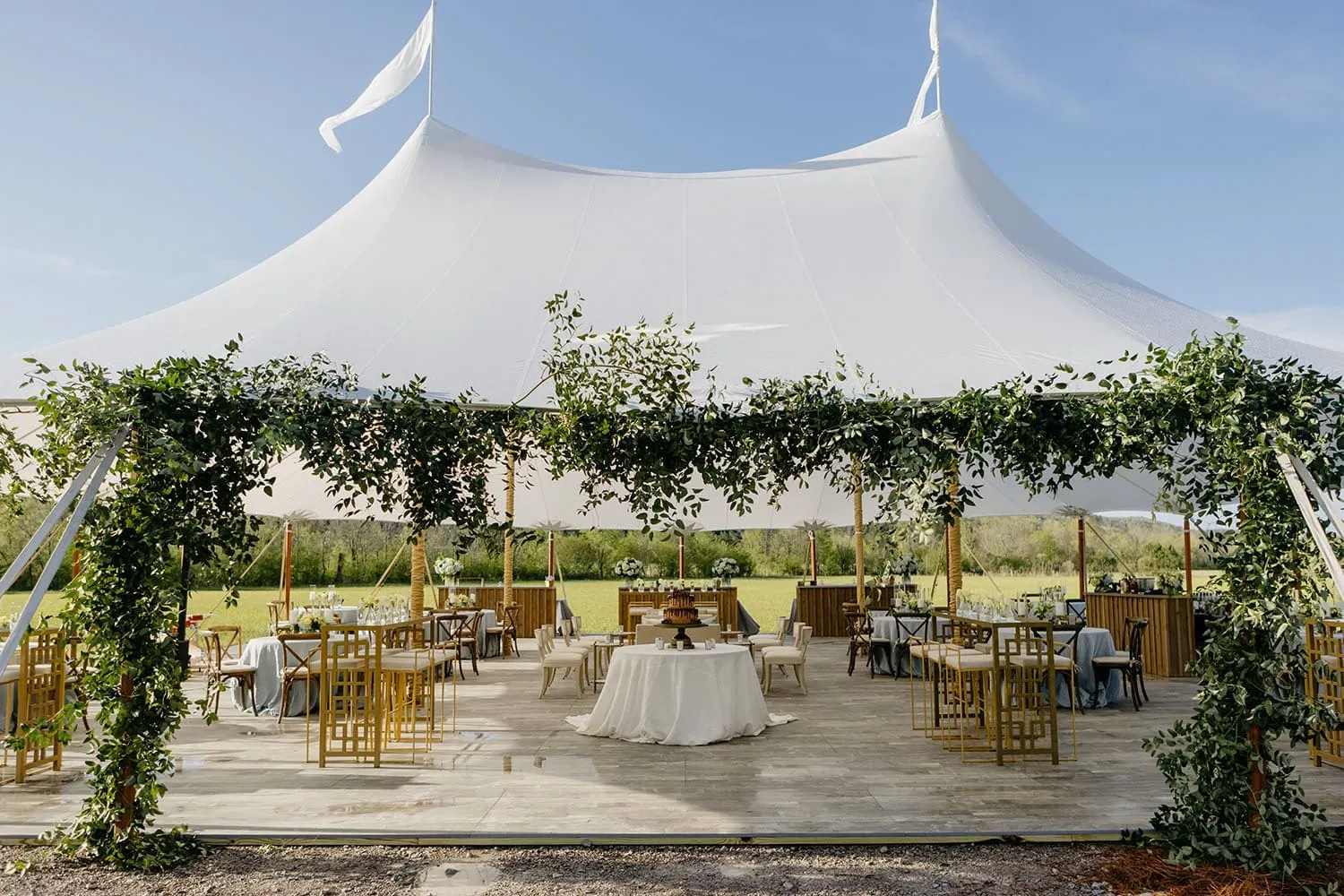
A site inspection brings all of these requirements together.It allows the tent provider, venue, planner, and couple to evaluate the actual property rather than making decisions from maps or photographs.The walkthrough should happen early enough that the findings can still influence the layout, tent style, flooring plan, and infrastructure.
Walk the Property With the Tent Provider
During a site inspection, the team can review the available footprint, ground conditions, access routes, slope, drainage, and potential obstacles.The visit also provides an opportunity to discuss where generators, climate control equipment, bars, entrances, catering areas, and other support systems may be placed.
For complex properties, this step can prevent significant changes later.It is easier to adjust the plan months before the wedding than after furniture, rentals, and décor have already been selected around an unrealistic layout.
Review the Tent and Flooring Options Together
The site conditions should guide the final structure.A Sailcloth tent may work beautifully on one lawn, while a Frame or engineered clearspan structure may be more appropriate elsewhere.Sloped areas may require elevated platforms or engineered flooring.Glass walls may be useful where views need to be preserved while the structure remains enclosed.Reviewing the tent, flooring, and infrastructure as one system helps create a more practical design.
Finalize the Installation Plan Early
Once the site has been assessed, the project team can establish a more detailed plan for the event.That plan may include tent placement, access routes, entry points, flooring, support equipment, climate control, power generation, and vendor setup timing.
An early plan also gives the venue and planner more time to coordinate with caterers, entertainment teams, florists, and other vendors.The result is a more organized installation process and fewer surprises as the wedding approaches.
Frequently Asked Questions
What tent requirements should I ask about before booking a Virginia wedding venue?
Ask about the available tent area, ground conditions, access for installation equipment, power availability, drainage, overhead obstacles, underground utilities, vendor restrictions, permits, insurance requirements, and setup timelines.
Can a wedding tent be installed on sloped ground?
Yes. Custom flooring and elevated platforms can help create a level event surface over uneven or sloped terrain, depending on the site.
What if the venue does not have enough power for the tent?
Dedicated power generation can be used when the venue’s existing electrical service is not sufficient for lighting, climate control, catering, entertainment, and other event equipment.
Can a Virginia wedding venue require a specific tent company?
A venue may have preferred or exclusive vendor policies. Couples should review the contract carefully and ask whether the vendor list is a recommendation or a requirement before signing.
Why is a tent site inspection important?
A site inspection identifies ground conditions, access issues, slope, drainage, utilities, overhead obstacles, and other factors that determine which tent and flooring systems will work on the property.
When should couples begin discussing tent requirements?
The process should begin before or during venue selection whenever possible. Early planning gives couples more flexibility to evaluate the site, review vendor policies, schedule a walkthrough, and coordinate the installation requirements well before the wedding date.
Confirm the Tent Requirements Before You Commit to the Venue
A beautiful Virginia wedding venue still needs to function as an event site.Before signing the contract, couples should understand where the tent will go, whether the ground is suitable, how installation equipment will reach the property, what power is available, and how weather protection will be handled.Vendor policies, permits, insurance requirements, flooring needs, climate control, and setup windows should also be discussed before the wedding plan becomes too difficult to change.
Skyline Tent Company provides Sailcloth tents, Frame tents, Century Pole tents, Navitrac and Losberger structures, engineered flooring, elevated platforms, glass walls, climate control, power generation, project management, professional setup, and takedown for Virginia weddings and outdoor events.If you are evaluating a Virginia vineyard, estate, farm, or private property for a tented wedding, contact Skyline Tent Company to discuss the site and installation requirements. An early site assessment can help determine whether the property supports the structure, infrastructure, and guest experience you are planning before you commit to the final layout.