
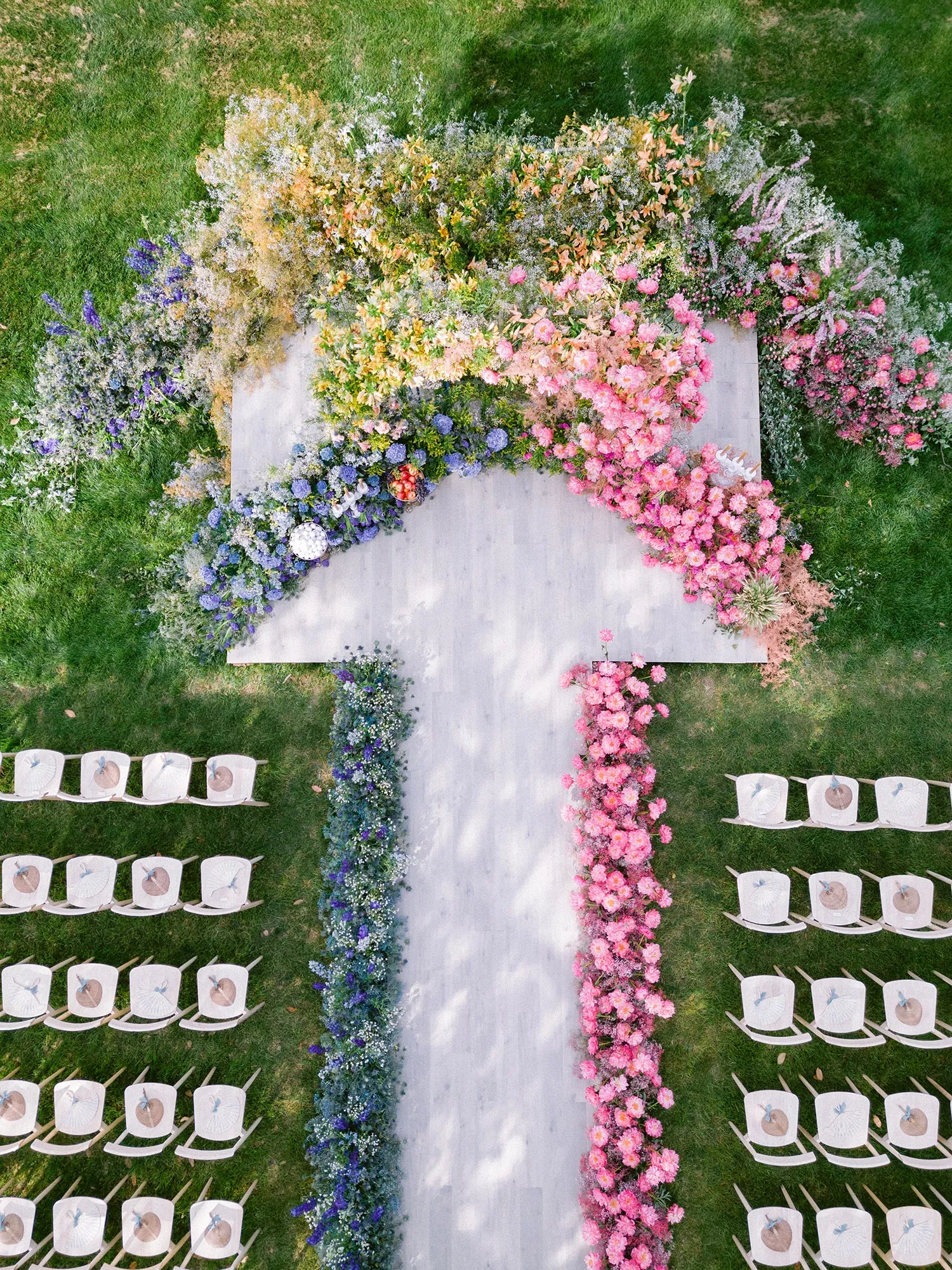
Planning a church ceremony followed by an outdoor tented reception gives couples the opportunity to combine tradition with the flexibility of a custom outdoor celebration. The ceremony can take place in a meaningful church setting, while the reception moves to a private estate, vineyard, farm, or other property where the environment can be shaped around the couple’s vision. An outdoor wedding reception tent becomes much more than shelter. It defines the dining area, dance floor, entertainment space, guest circulation, and overall atmosphere of the celebration.When these elements are planned together from the beginning, the transition from a formal church ceremony to an outdoor reception can feel natural, organized, and intentional.
Coordinate the Church Ceremony and Outdoor Reception as One Event

A split-venue wedding requires more coordination than a celebration taking place entirely at one location. The ceremony and reception may have different parking arrangements, vendor schedules, setup requirements, and guest arrival patterns, but they still need to feel like one continuous wedding day. Couples should begin by securing both locations and understanding the travel time between them before finalizing the reception schedule.
The outdoor reception site should be evaluated at the same time as the ceremony timeline. Guest count, tent placement, available land, electrical capacity, vehicle access, and weather exposure can all influence how quickly the reception can begin after the church service ends. Planning both venues together helps prevent a situation where the ceremony schedule and reception logistics no longer fit one another.
Create a Comfortable Transition Between Venues
Guests should have enough time to leave the church and reach the reception property without feeling rushed. Travel time, traffic conditions, parking, shuttle arrangements, and the wedding party’s photography schedule should all be considered when setting the reception start time.
A cocktail hour can provide a natural transition period while the wedding party finishes photographs or travels separately. By the time guests arrive at the reception site, the tent should already be completely prepared, with tables set, climate systems operating, lighting tested, and catering areas ready.
This approach allows guests to move from the formality of the ceremony into the celebration without experiencing delays or unfinished setup.
Secure Both Locations Before Finalizing the Tent Plan
The church date and outdoor reception property should be confirmed before the tent design is finalized. The reception site determines what size and type of structure can be installed, while the ceremony schedule determines when the reception needs to begin.
A site that appears ideal in photographs may have slope, underground utilities, access limitations, or other conditions that affect tent installation.Early planning also gives couples more time to coordinate the tent, flooring, power, climate control, furniture, and supporting services around the complete wedding schedule.
Treat Guest Flow as Part of the Reception Design
Guest flow begins before anyone enters the tent. Parking areas, pathways, entrances, cocktail spaces, dining tables, bars, and the dance floor should all connect naturally.
The main entrance should lead guests toward the most important areas without forcing them through service zones or narrow walkways. Catering teams should have separate access wherever possible, and technical equipment should remain away from the primary guest experience.
When these details are addressed during the planning stage, the tent feels like a purpose-built venue rather than a temporary structure placed on an open lawn.
Choose the Right Tent for the Reception Site and Guest Count
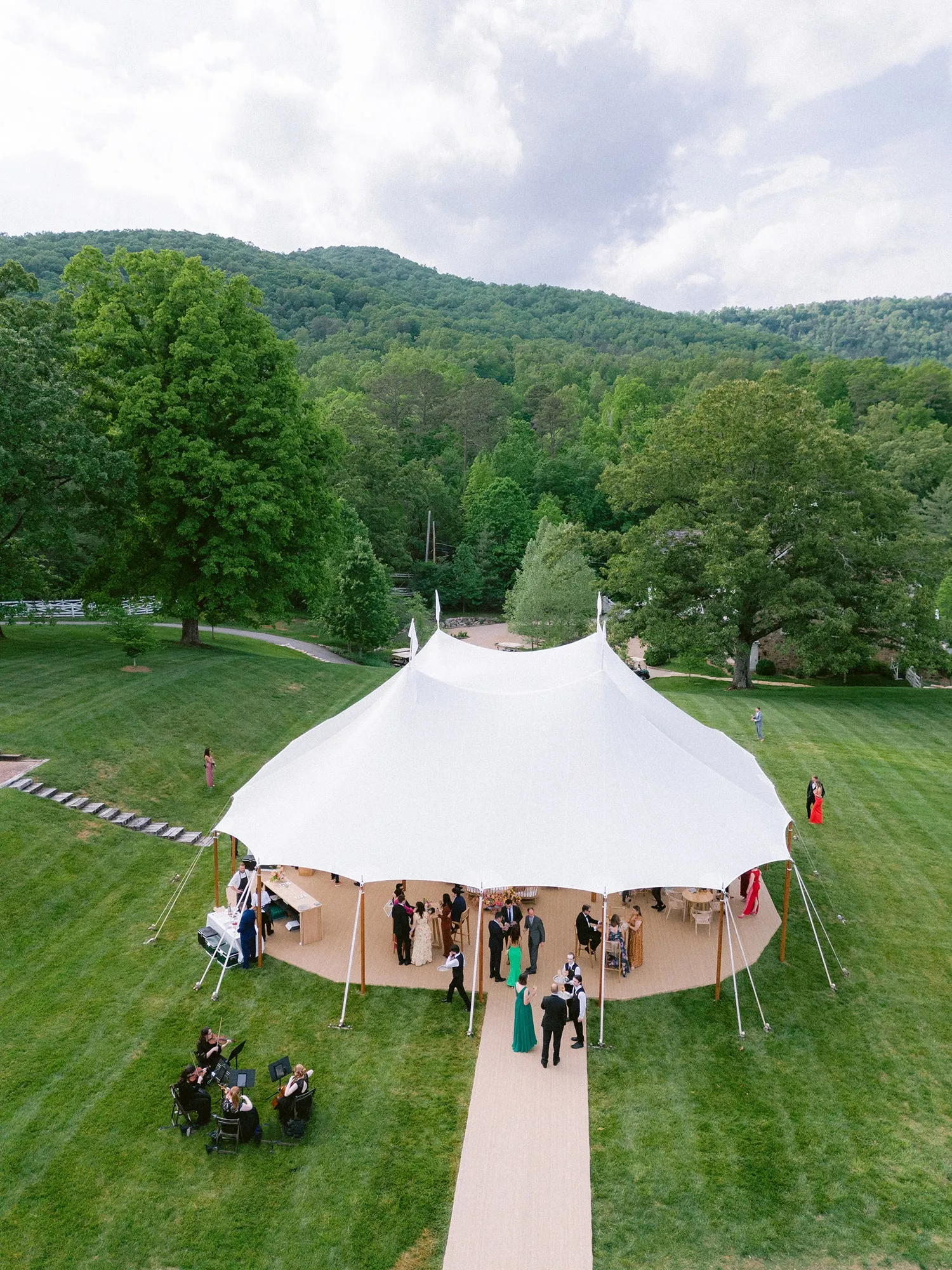
The structure should be selected according to both the property and the event inside it. Guest count matters, but so do dining arrangements, bars, entertainment, the dance floor, lounge areas, catering stations, and circulation space. A tent that only accounts for tables and chairs may feel crowded once the rest of the reception elements are added.
Skyline Tent Company offers Sailcloth tents, Frame tents, Century Pole tents, Navitrac systems, Losberger structures, and other engineered options that can respond to different site conditions and design preferences.
Use Sailcloth or Century Pole Tents for a Classic Wedding Setting
Sailcloth tents can create a light, romantic atmosphere that works well on estates, farms, and vineyards. Their translucent fabric allows natural light to filter into the reception during the day and develops a warm glow once evening lighting becomes more prominent. Skyline Tent Company’s Sailcloth tents are fully waterproof and highly wind-resistant, making them suitable for outdoor receptions where weather needs to be considered carefully.
Century Pole tents offer another classic option. Their high peaks and graceful lines create a strong visual profile and can complement traditional wedding design. These tents can work especially well on open lawns where the site provides enough space for the structure and its anchoring requirements.
Both styles can feel closely connected to the surrounding landscape while still creating a clearly defined reception venue.
Consider Frame or Engineered Structures for Flexible Layouts
Frame tents and engineered clearspan structures can provide more flexibility when the reception requires a complex interior layout. Without center poles interfering with key areas, planners can position dining tables, stages, entertainment, lounge furniture, and dance floors more freely.
This can be especially helpful for larger receptions or events where unobstructed sightlines matter. Engineered structures can also support additional features such as glass walls, climate-control systems, custom flooring, and more extensive interior installations.
The best structure should match the property rather than forcing the property to adapt to a predetermined tent style.
Size the Tent Around the Entire Reception
Tent sizing should account for every major component of the reception. Dining tables are only part of the footprint. The dance floor, band or DJ area, bar, catering stations, entrances, lounge areas, and guest circulation all require space.
An undersized tent can create congestion and make service difficult. An unnecessarily large structure can weaken the atmosphere by spreading guests too far apart.
A thoughtful floor plan allows the tent size to be based on how people will actually use the space throughout the evening.
Build Flooring, Power, and Climate Control Into the Design
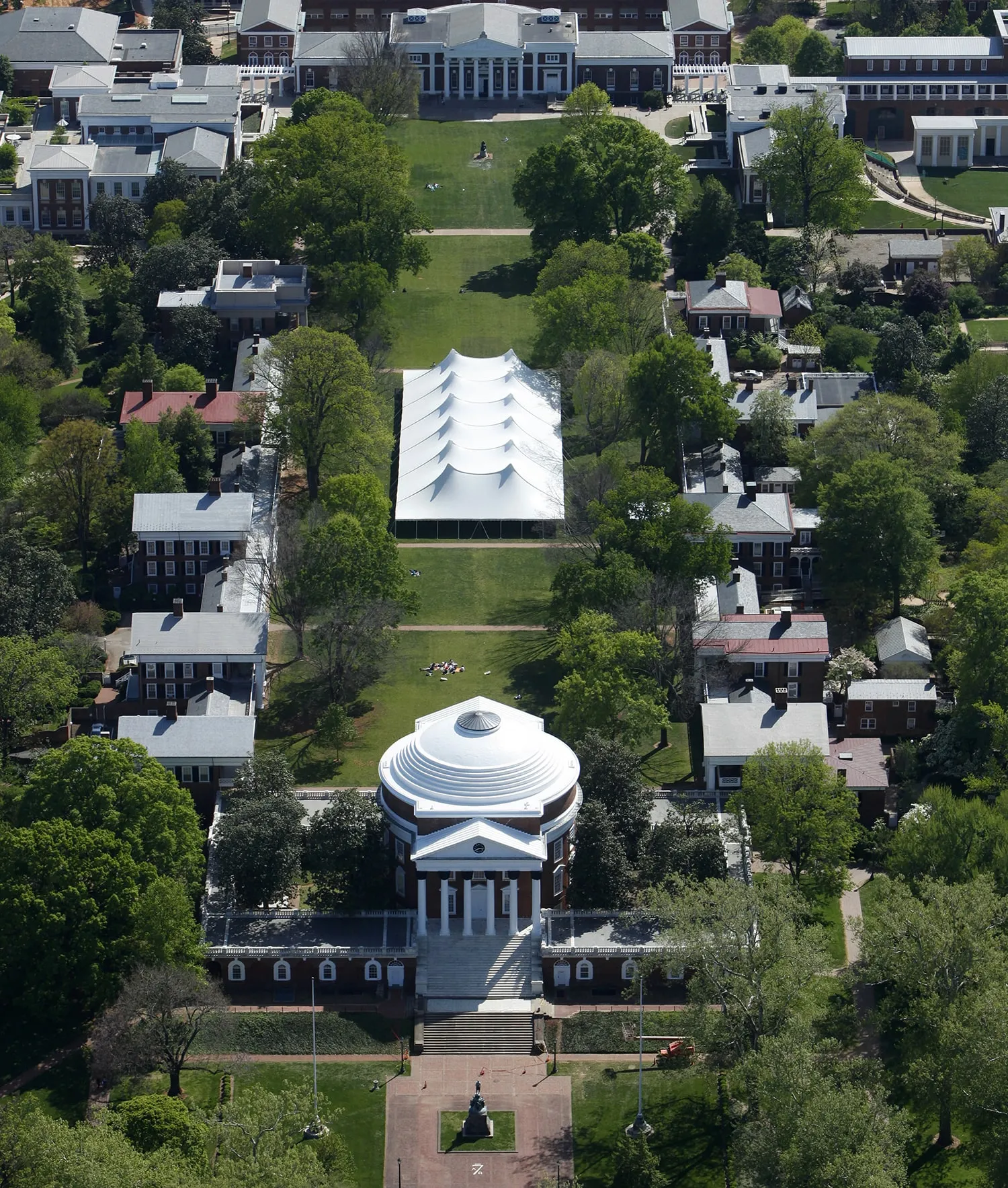
The structure itself is only one part of an outdoor wedding reception tent. A polished temporary venue also needs reliable flooring, electricity, climate management, and appropriate enclosure.
These supporting systems are especially important on private properties where permanent event infrastructure may not exist. A field or estate lawn can become a sophisticated reception environment, but only when the technical requirements are planned as carefully as the visual design.
Use Engineered Flooring to Create a Finished Surface
Grass and natural terrain can be beautiful around the tent but less practical under dining tables and formal footwear. Soft ground can become unstable after rain, heels can sink into turf, and even small changes in elevation can affect tables and chairs.
Skyline Tent Company provides custom flooring, elevated platforms, and Biljax TF2100 engineered flooring systems that can create a more stable event surface.
Flooring can also improve the appearance of the reception by creating a continuous interior finish beneath dining areas, lounges, and dance floors. On sloped sites, elevated platforms may help create a level floor above the natural grade.
The flooring plan should be developed at the same time as the tent because the two systems need to function together.
Plan Reliable Power for the Entire Reception
An outdoor reception may require electricity for lighting, music, catering equipment, climate control, bar equipment, and other systems. The existing electrical service at a private estate or vineyard may not be sufficient, especially when the tent is positioned far from permanent buildings.
Skyline Tent Company provides power generation that can support temporary event infrastructure when additional electrical capacity is required.
Power needs should be calculated before setup so generators and distribution equipment can be positioned appropriately. Cable routes should also be planned away from primary guest pathways wherever possible.
Reliable power allows the reception to continue smoothly without placing unnecessary strain on the property’s existing electrical system.
Maintain Guest Comfort With Climate Control and Glass Walls
Outdoor temperatures can change considerably between afternoon and evening. A warm day may become cool after sunset, while a summer reception may require cooling once the tent fills with guests.
Climate control can help maintain a more consistent interior environment. Heating or cooling requirements depend on the tent size, guest count, season, and level of enclosure.
Glass walls can also be incorporated into compatible structures to provide additional enclosure while preserving views of the property. This can be particularly effective when couples want greater protection from wind or changing temperatures without losing the visual connection to the outdoors.
Climate control, power generation, walls, and flooring should be considered together so each system supports the others.
Design the Reception Around Indoor Comfort and Outdoor Beauty
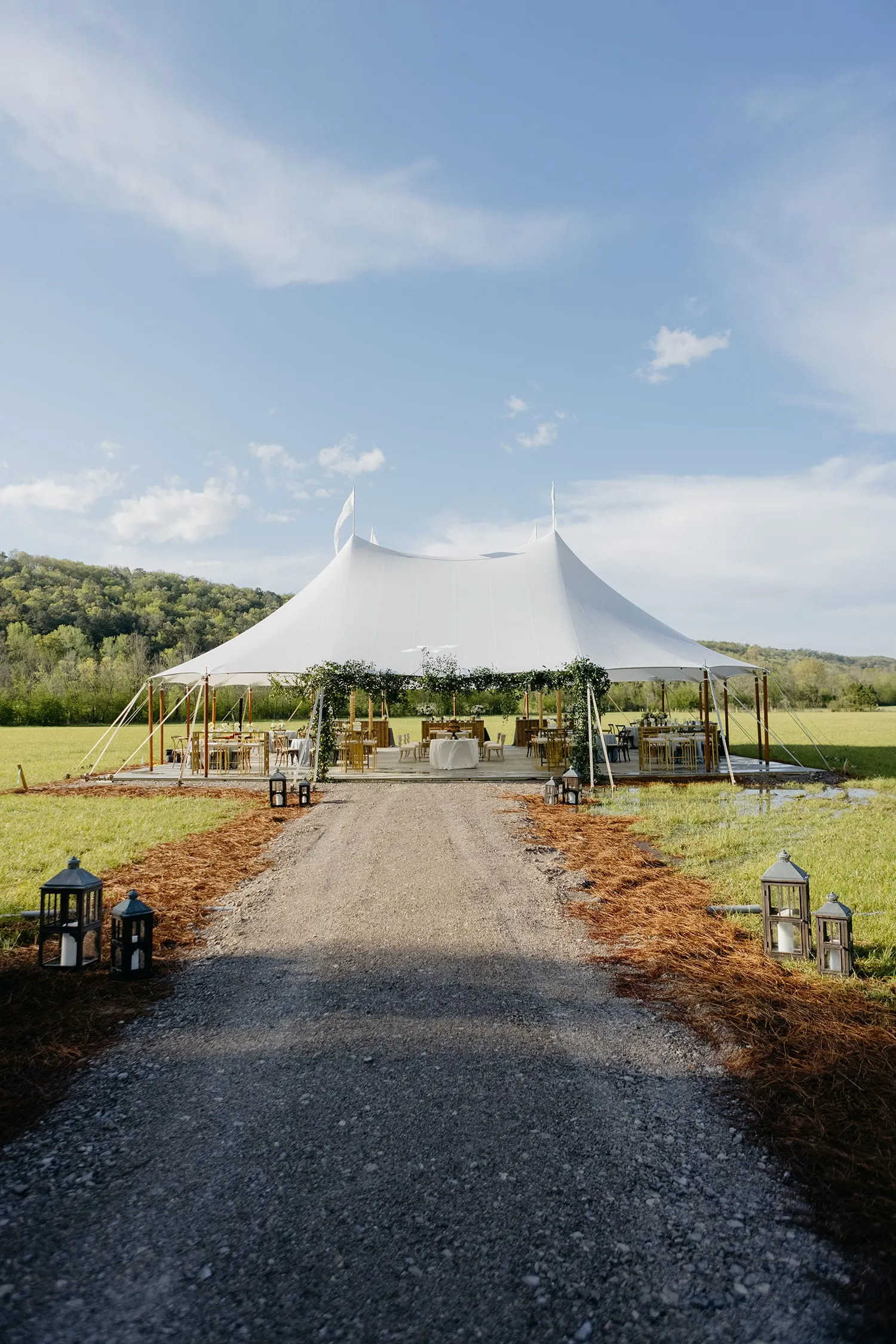
One of the strongest advantages of a tented reception is the ability to enjoy the landscape while creating the comfort and refinement of an interior venue. The structure should frame the surrounding property rather than compete with it.
Lighting, furniture, flooring, glass walls, natural materials, and the orientation of the tent can all contribute to this indoor-outdoor balance. The goal is not to make the tent look like a permanent ballroom. Instead, the design should take advantage of the fact that guests are celebrating within the landscape.
Use Lighting to Transform the Tent After Sunset
The reception may begin while there is still natural light, but the atmosphere will change once evening arrives. Lighting should be designed for both parts of the event.
During daylight, Sailcloth fabric and open sides can allow the surrounding environment to remain part of the interior experience. As daylight fades, overhead and accent lighting can gradually become more prominent.
Lighting can draw attention toward the dance floor, head table, bar, or other focal areas while also supporting safe guest movement throughout the tent. Pathway lighting outside the structure can connect the reception to parking, gardens, cocktail areas, and other parts of the property.
The transition from natural light to evening illumination can become part of the overall wedding experience when it is planned intentionally.
Incorporate Natural Elements Into the Interior
Florals, greenery, wood accents, and other natural materials can help connect the reception design to the surrounding setting.
A vineyard wedding might draw inspiration from the property’s landscape, while an estate celebration may use garden-style elements to connect the tent to nearby grounds.
Because the tent does not come with permanent décor, couples have greater freedom to build the visual environment around their own palette and design direction.
Tables, chairs, linens, lighting, and floral arrangements can all work together without competing against the fixed finishes of a ballroom.
Preserve Views While Protecting the Interior
Tent placement can determine whether guests experience the property’s strongest views throughout the reception.
The structure may be oriented toward a vineyard, garden, mountain view, or another important part of the landscape. Glass walls can help preserve these sightlines when additional enclosure is needed.
Open sides may work well during comfortable weather, while enclosed sections can provide additional protection as temperatures or wind conditions change.
This flexibility allows the reception to remain connected to the property while still providing the functional benefits of an enclosed venue.
Prepare for Weather and the Full Reception Timeline
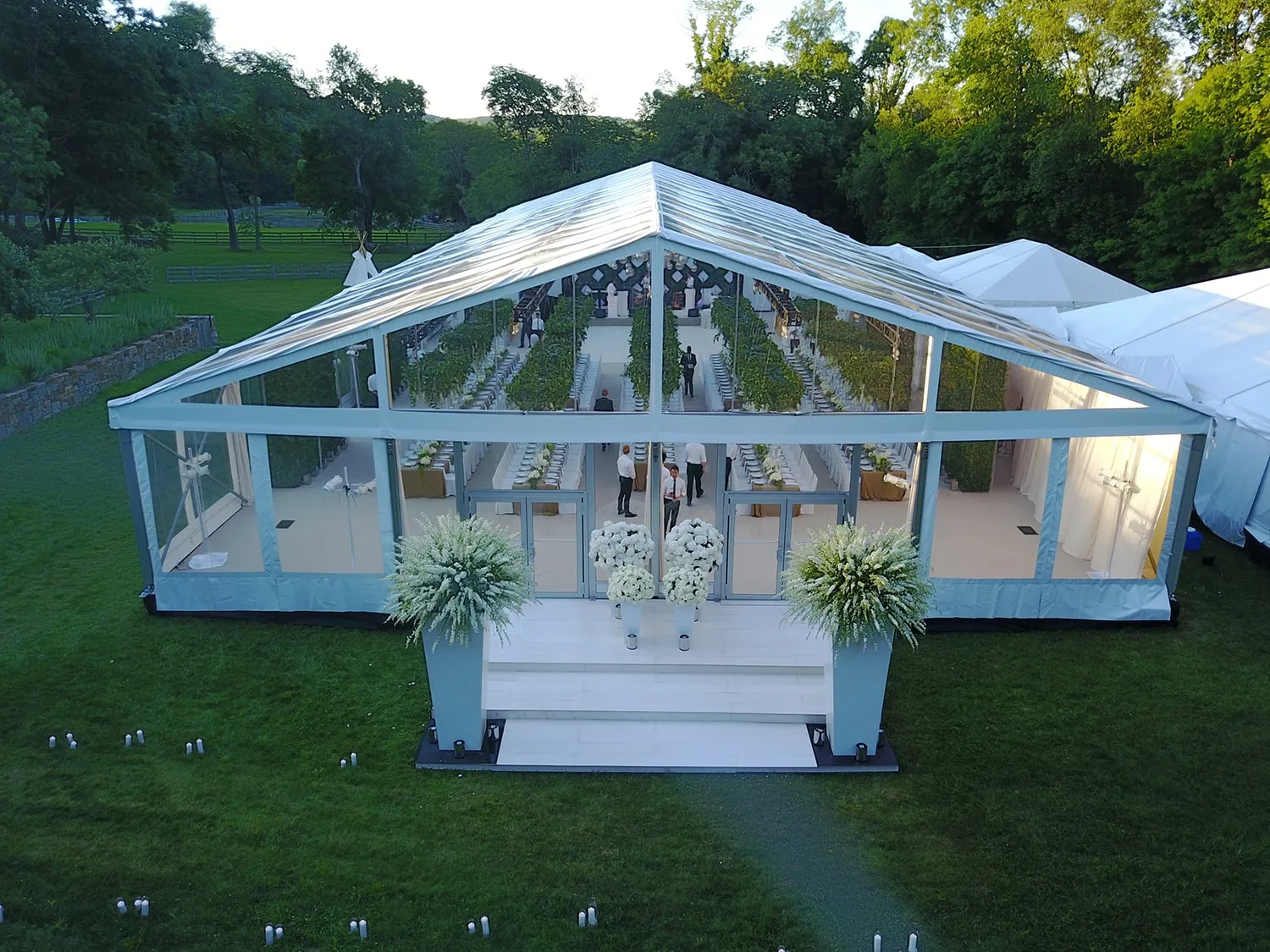
Outdoor wedding planning requires a stronger weather strategy than indoor venue planning. Rain is not the only concern. Wind, temperature swings, soft ground, drainage, and changing conditions throughout the day can all influence the guest experience.
The tent, flooring, climate control, installation schedule, and reception timeline should therefore be treated as parts of one weather plan.
Plan the Structure Around Changing Conditions
Skyline Tent Company’s Sailcloth tents are fully waterproof and highly wind-resistant, providing structural protection for outdoor celebrations. Other engineered structures can offer additional options depending on the site, size, and design requirements.
The tent should be positioned with drainage, exposure, and access in mind. A scenic section of a property may still require additional site preparation if water naturally moves toward the proposed footprint or if the area is exposed to changing conditions.
A professional site assessment can help identify these issues before installation begins.
Install the Reception Infrastructure Before the Wedding Day
Early installation creates more time to test every major part of the reception environment.
Power systems can be checked, climate control can be tested, furniture layouts can be adjusted, and lighting can be reviewed before guests arrive.
Skyline Tent Company provides professional setup and takedown services, as well as long-term and seasonal rental options for venues and private locations when extended installation periods are appropriate.
Having the structure fully prepared ahead of the ceremony reduces the amount of work happening during the most important hours of the wedding day.
Coordinate the Complete Reception Timeline
The timeline should account for the church ceremony, travel between locations, cocktail hour, reception entrance, dinner, speeches, entertainment, and other planned activities.
Project management helps coordinate these elements with vendor arrivals, catering schedules, transportation, and the tent setup.
Skyline Tent Company also provides tables, chairs, and linens, which can reduce the number of separate deliveries that need to be coordinated at the reception site.
A well-planned schedule allows the couple and guests to experience the transition naturally while the operational details remain in the background.
Frequently Asked Questions
What tent style works best for an outdoor wedding reception?
The best style depends on the site, guest count, floor plan, and desired appearance. Sailcloth and Century Pole tents provide a classic aesthetic, while Frame and engineered clearspan structures can offer greater flexibility for larger or more complex layouts.
Can an outdoor wedding reception tent be climate controlled?
Yes. Compatible structures can include heating or cooling systems to help maintain guest comfort during changing outdoor temperatures.
Is flooring necessary under a wedding reception tent?
Flooring can be especially useful on grass, soft ground, slopes, or uneven terrain. Engineered flooring and elevated platforms can provide a more stable and polished reception surface.
Can a tented wedding reception have glass walls?
Yes. Glass walls can be incorporated into compatible structures to create additional enclosure while preserving natural light and surrounding views.
Does an outdoor reception need its own power source?
It may. Lighting, catering equipment, entertainment, climate control, and other event systems can require more electrical capacity than the property provides. Dedicated power generation can support these needs.
How should couples plan the transition from a church to a tented reception?
Couples should account for travel time, parking, guest arrival, cocktail hour, photography, and vendor preparation so the reception tent is fully ready before guests reach the second venue.
Create a Seamless Transition From Church Ceremony to Tented Reception
A church ceremony followed by an outdoor tented reception allows couples to preserve the tradition and meaning of the ceremony while creating a reception shaped entirely around their vision. The success of that combination depends on careful coordination between the two venues and thoughtful planning of the reception infrastructure. The tent must match the property and guest count, flooring should provide a stable foundation, power needs should be planned in advance, and climate control should support changing weather. Lighting, glass walls, furnishings, and natural design elements can then transform the structure into a polished environment that still feels connected to the surrounding landscape.
If you are planning a church ceremony followed by an outdoor reception, contact Skyline Tent Company to discuss your guest count, reception property, tent style, flooring, power, and climate-control requirements. A carefully designed outdoor wedding reception tent can turn the move between venues into a seamless transition from ceremony to celebration.