

Key Takeaways
- Choosing the right sailcloth tent size requires careful assessment of guest numbers and event layout to ensure a comfortable and functional environment.
- Site conditions and tent design features, including interior space and pole placements, are critical in determining the optimal tent dimensions.
- Additional elements such as catering zones, registration areas, and entertainment spaces must be factored into the overall planning process.
- Budgetary and aesthetic goals, along with heating, cooling, and textile considerations, influence cost efficiency and ambiance.
Evaluating Guest Numbers to Determine Appropriate Sailcloth Tent Dimensions
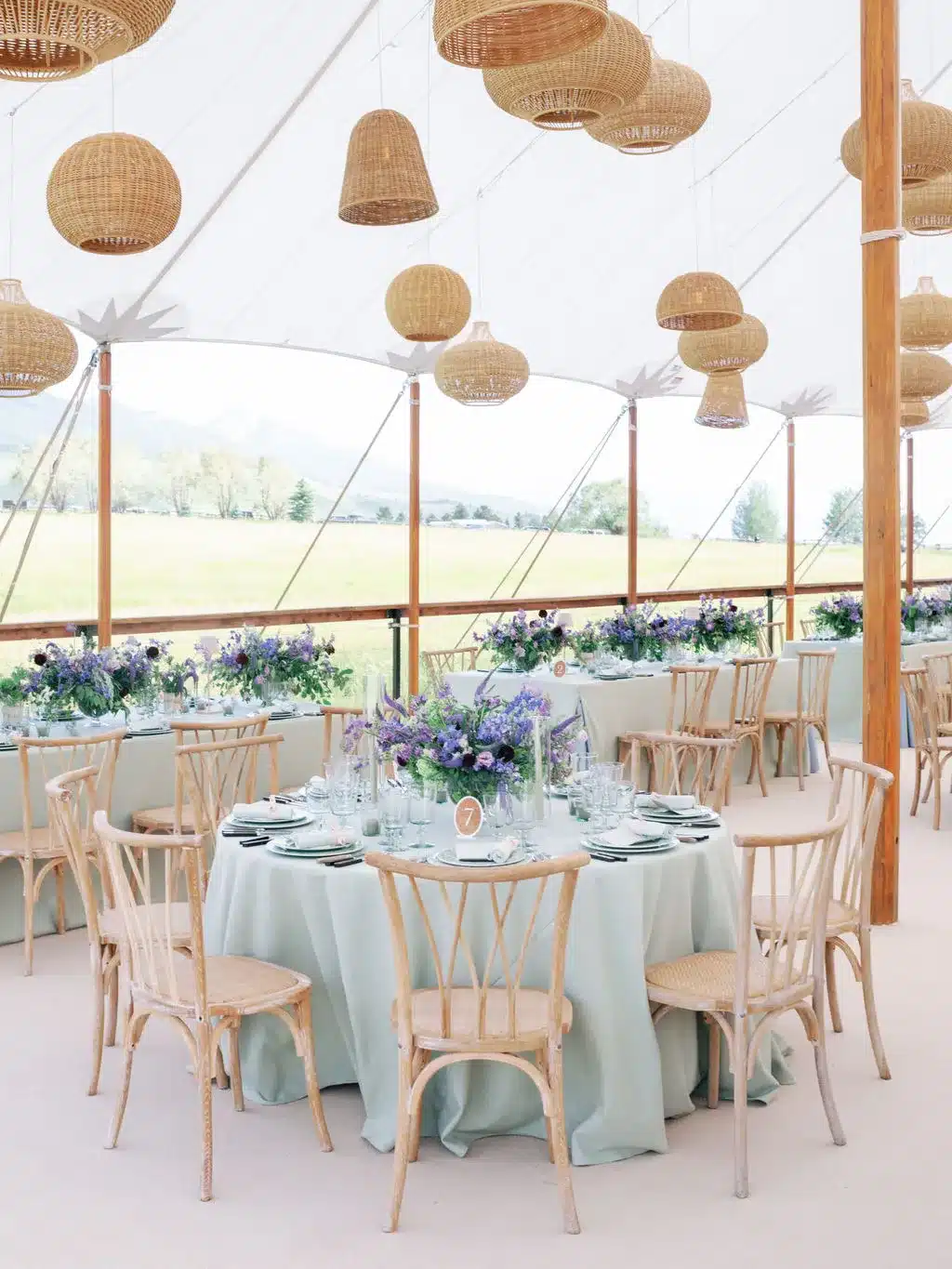
Accurately matching tent size to attendance ensures comfort, safety, and efficient use of space. Start by projecting total guest counts using RSVP data and historical trends. Account for seating style—tables and chairs require more square footage than standing receptions. Include space needs for staff, vendors, and service stations when mapping layouts. Planning for possible attendance changes helps avoid last-minute resizing issues.
Accurately Projecting Your Total Guest Attendance
Gather initial RSVP numbers and cross-reference with past event turnout to estimate likely attendance. Factor in potential last-minute guests by adding a small buffer percentage. Use ticketing or registration systems for real-time updates. Maintain clear communication channels to capture late confirmations. This proactive approach minimizes surprises on the event day and balances tent size with guest comfort.
Accounting for Seated Versus Standing Guest Arrangements
Seated events generally need approximately 10–12 square feet per person to accommodate tables and circulation. In contrast, standing receptions can function comfortably in 6–8 square feet per guest. Adjust calculations based on table sizes and chair types. Incorporate aisle widths and service access paths into the seating layout. Proper spacing maintains flow and prevents congestion during service or transitions.
Considering Staff and Vendor Space Needs Within the Tent
Allocate dedicated zones for catering stations, registration desks, and vendor booths. Each station often requires 50–100 square feet depending on equipment and staff numbers. Position service areas away from primary guest flow to minimize traffic jams. Ensure clear paths for restocking and emergency access. Factoring these needs into initial tent dimensions prevents operational bottlenecks.
Planning for Potential Fluctuations in Guest Count
Design modular tent layouts with adjustable panel options to scale space up or down. Keep extra seating or tables on standby for unexpected increases. For anticipated drop-offs, plan flexible zones that can be repurposed—such as lounge areas that convert to guest space. Communicate contingency plans with rental providers to enable rapid configuration changes as needed.
What Factors Should I Consider for Event Layout When Choosing the Size of a Sailcloth Tent
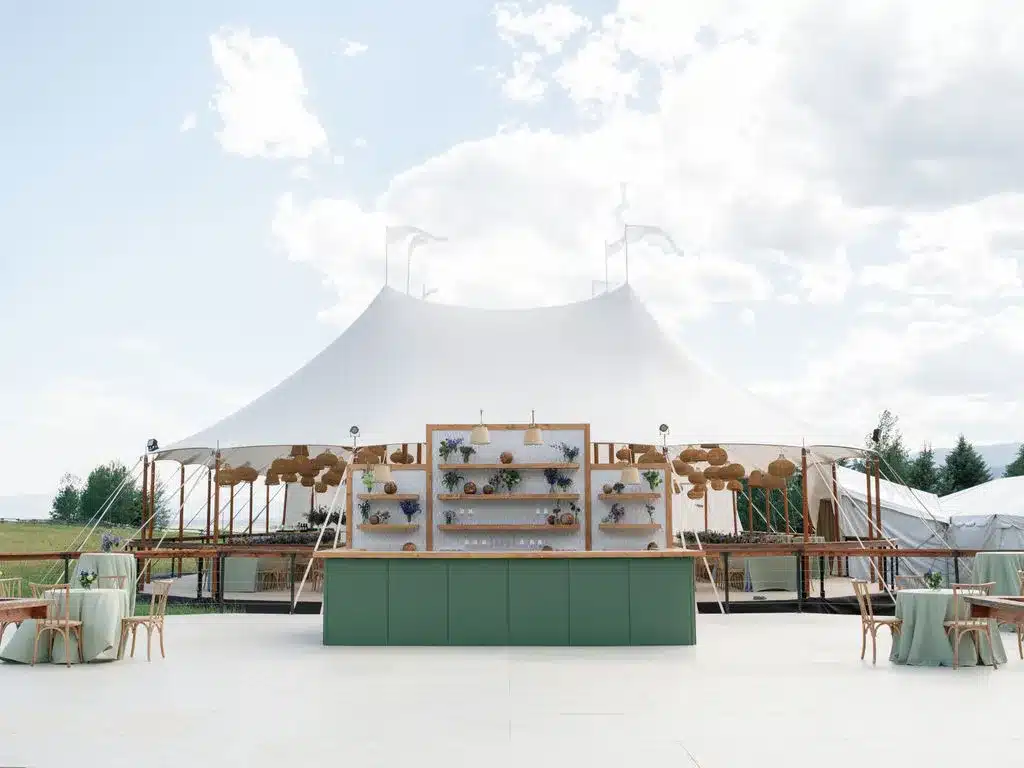
Effective layout planning ensures every activity zone fits comfortably within the tent’s dimensions. Start by defining distinct areas—dining, dancing, lounge, and service—each with clear boundaries. Prioritize guest flow by positioning high-traffic zones away from entry paths. Allow adequate circulation space between zones to prevent bottlenecks. Integrate utility access points and sightlines into the design to maintain both function and ambiance.
Mapping Out Dining Table Configurations and Aisle Space
Arrange tables in rows or clusters with at least 5 feet of clear aisle between them for easy movement. Consider rectangular versus round tables based on guest interaction goals. Leave buffer zones between seating and service stations to avoid congestion during meal service. Mark emergency egress paths clearly. Adjust table footprints as needed to maintain safety codes and comfort standards.
Allocating Room for a Dance Floor or Entertainment Area
Dedicate a central open area of at least 200 square feet for dance functions, scaled upward by guest count. Surround with low-profile seating or cocktail tables to frame the space. Ensure that sound and lighting equipment do not encroach on guest circulation. Provide clear delineation—such as rugs or risers—to signal transition from seated areas. Keep adjacent zones free of obstructions to accommodate performer setups and guest sightlines.
Designating Space for a Bar or Beverage Stations
Position beverage stations near—but not directly at—entries to draw guests through the tent without blocking traffic. Allocate approximately 6–8 feet of counter length per expected server to maintain efficient flow. Provide waiting areas without obstructing paths to restrooms or dining. Ensure backing storage and waste bins are accessible but hidden from main views. Proper spacing streamlines service and enhances guest experience.
Incorporating Lounge Furniture or Casual Seating Zones
Create pockets of comfort with sofas or lounge chairs, grouping pieces to foster conversation. Allocate roughly 50 square feet per lounge grouping to prevent crowding. Position these zones away from service and circulation corridors. Use low accent tables for décor and guest belongings. Light these areas softly to establish a relaxed ambiance while keeping them visible for safety.
Assessing Site Conditions and Their Influence on Sailcloth Tent Size Selection

A tent’s intended footprint must align with actual ground conditions to ensure a seamless setup. Conduct a thorough site survey—measure available flat ground, identify obstructions, and note utility access. Factor ground surface type into anchoring decisions. Map circulation routes to power and facilities. By aligning tent dimensions with real-world constraints, planners avoid costly last-minute changes.
Measuring the Available Flat Ground at Your Chosen Venue
Use surveying tools or GPS mapping to outline the usable area. Account for a 5–10% safety margin beyond the tent’s footprint for rigging and emergency access. Note changes in elevation that may require leveling or stepped platforms. Confirm that the plot meets local permit requirements for event structures. Accurate measurements eliminate spatial surprises during installation.
Identifying Obstructions Like Trees or Structures
Walk the perimeter to mark fixed features—light poles, trees, benches—that could interfere with canopy or guy-line placement. Plan interior zones around these obstacles or adjust tent shape accordingly. Trim low branches if permitted to create clear space. Factor in sightlines for AV setups that may require unobstructed arcs. Proactive obstruction management preserves both safety and aesthetics.
Understanding Ground Surface and Anchoring Requirements for Different Tent Sizes
Different substrates—grass, gravel, concrete—demand specific anchoring methods. For soft ground, use long auger-style stakes; for hard surfaces, employ weighted ballast systems. Verify that anchors meet structural codes for wind load and tent size. Allocate additional space for ballast placement without encroaching on guest areas. Matching anchoring to surface ensures tent stability regardless of size.
Considering Proximity to Power Sources and Restroom Facilities
Map nearest electrical hookups, water, and waste lines relative to the tent footprint. Ensure that cable runs and plumbing connections remain hidden under flooring or within service corridors. Position guest areas within comfortable walking distance—ideally no more than 100 feet—to maintain flow. Confirm that utility access does not conflict with emergency exit paths. Integrating services into tent size decisions prevents logistical bottlenecks.
How Sailcloth Tent Design Impacts Your Choice of Size
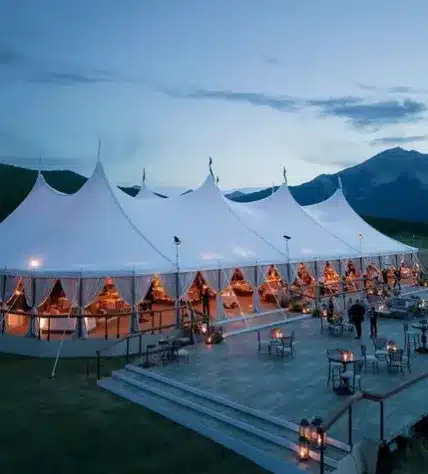
A tent’s structural elements directly influence usable interior space and layout flexibility. Support poles, tension lines, and optional walls all subtract from the raw footprint. Identifying these space consumers early ensures that planned activities fit comfortably within the canopy. Evaluate ceiling height for décor and climate control. Matching tent design features with event objectives leads to both aesthetic and functional success.Recognizing the Usable Interior Space Versus Overall Footprint
Although a tent’s footprint might be large, support poles and entry points can reduce effective interior space. Evaluating the layout ensures there is enough room for planned activities.
Understanding Pole Placement and Its Effect on Layout Flexibility
Central poles may dictate seating patterns, whereas perimeter poles free up the interior. Plan zones around pole locations, using them as natural dividers for service areas or décor installations. Avoid placing key features—like dance floors or entryways—where poles obstruct sightlines. Flexible panel systems can minimize interior supports. Strategic pole planning maximizes functional space.
Considering Wall Options and Their Impact on Interior Capacity
Sidewalls add weather protection but reduce ventilation and slightly shrink the canopy’s usable width. Decide if full-height walls are necessary or if partial panels suffice. Mark wall panel footprints in layout designs. For events requiring views or airflow, opt for roll-up or mesh sections. Balancing wall use with interior needs ensures both guest comfort and spatial efficiency.
Appreciating How Tent Height Affects Perceived Space and Decor Options
Higher peak heights amplify spaciousness and allow for hanging installations—chandeliers, greenery, or projection screens. Measure from floor to peak to confirm clearance for lighting rigs. Taller tents enhance air circulation and temperature regulation. Choose a height that complements event scale without exceeding local permit limitations. Perceived volume elevates the overall guest experience.
Factoring Additional Event Elements Into Your Sailcloth Tent Size Calculation
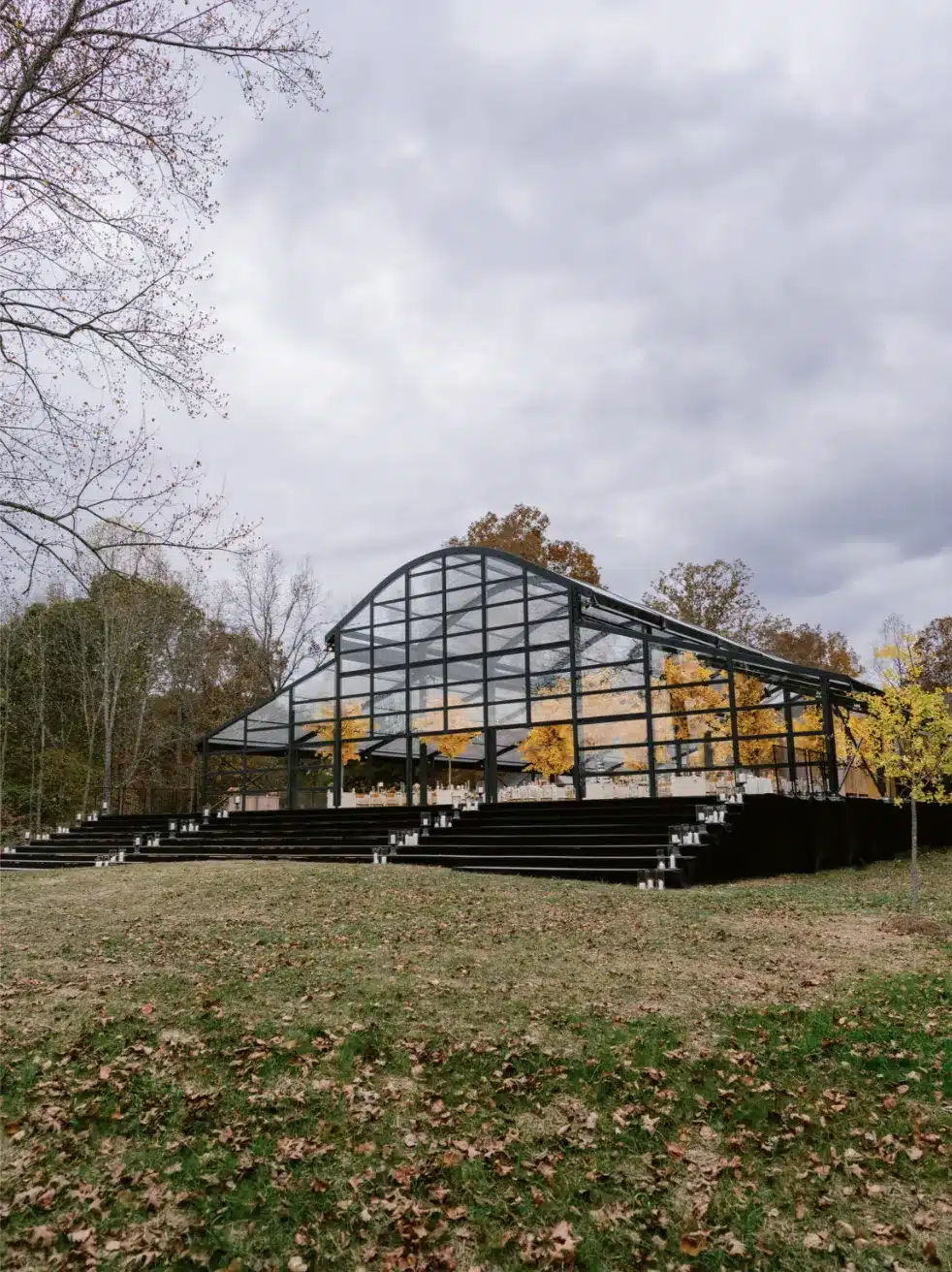
Beyond seating and service areas, incorporate specialty zones—catering, registration, photo booths—that influence tent dimensions. Each element requires dedicated space defined by function and traffic patterns. Including these components in initial size calculations prevents last-minute spatial conflicts. A comprehensive footprint plan leads to seamless event flow and maximized guest enjoyment.
Allocating Space for Catering Setup and Food Service Areas
Assign at least 100 square feet per serving station to accommodate equipment, prep surfaces, and staff movement. Position these areas on the tent’s periphery to keep food traffic separate from guest zones. Ensure clear access from kitchen or delivery entrances. Including service dimensions in the tent layout prevents interference with main event spaces.
Planning for Welcome Areas or Guest Registration Tables
Set aside 50–75 square feet for check-in stations, ensuring space for lines without blocking egress routes. Place registration near tent entry for immediate guest engagement. Provide adjacent storage for signage and materials. Efficient registration layouts enhance first impressions and crowd control.
Incorporating Space for Photo Booths or Other Activities
Photo booths and interactive stations add a fun element to events. Allocating a specific, moderately sized area for these activities helps reduce crowding in more critical zones.
Reserving Room for Cake Tables, Gift Tables, or Displays
For weddings or similar gatherings, clearly designated spaces for cakes, gifts, or displays are important. This not only highlights these focal points but also ensures that they do not disrupt the overall flow.
Aligning Your Sailcloth Tent Size With Budgetary and Aesthetic Goals
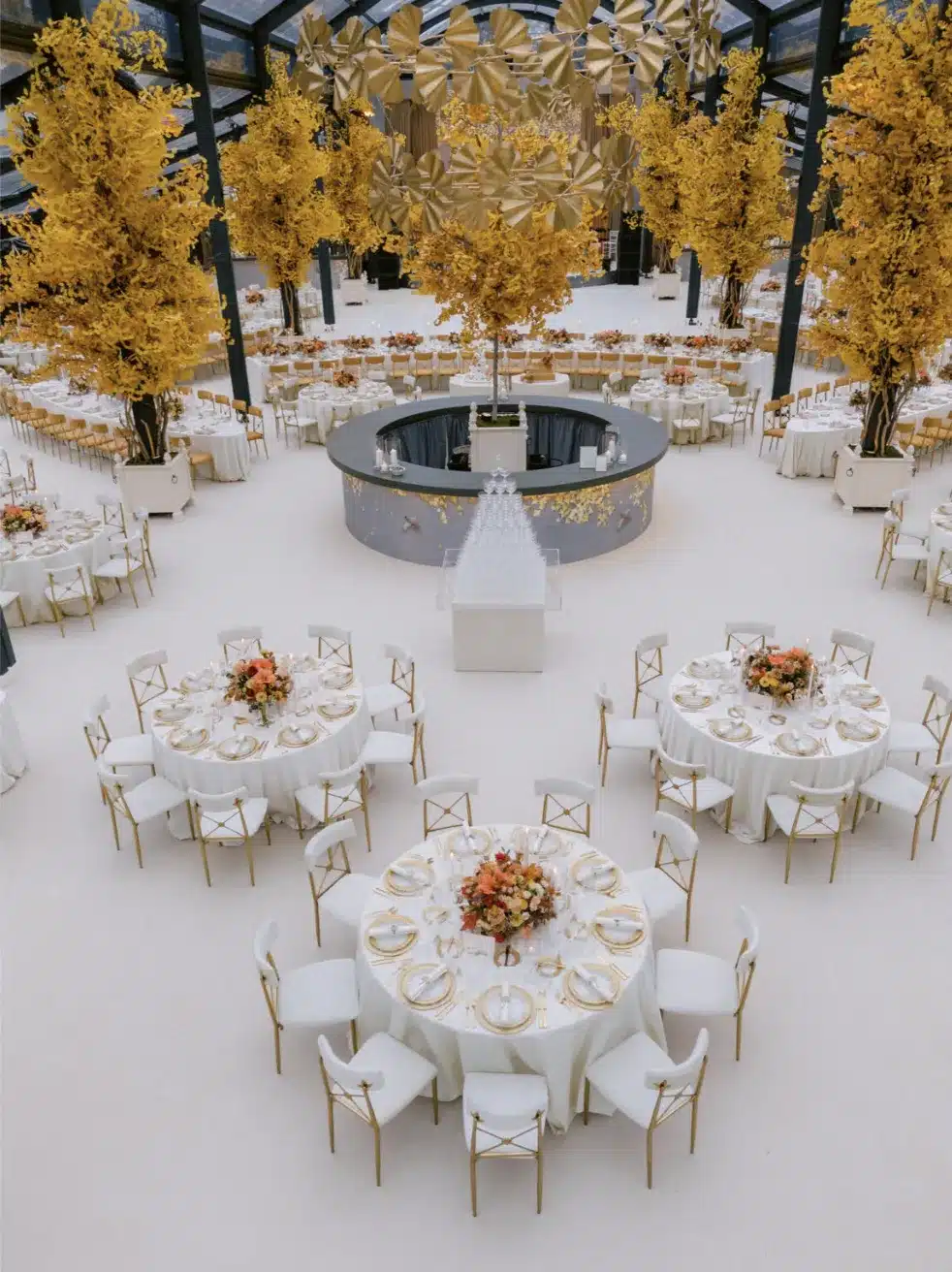
Balancing financial constraints and event vision is vital when choosing tent dimensions. Larger canopies cost more to rent and climate-control, while smaller tents may limit ambiance. Assess the cost per square foot against expected guest count and desired atmosphere. Factor in additional costs—lighting, flooring, and décor—to reach a cohesive budget. This ensures that both practical and aesthetic objectives are met.
Comparing Costs Associated With Various Tent Dimensions
Rental fees typically scale by square footage and canopy style. Larger sailcloth tents command higher base rates and may require more extensive installation crews. Compare quotes for multiple sizes, factoring in setup time and labor. Include climate-control and accessory costs to get a true total. Strategic cost comparisons help optimize budget without sacrificing key features.
Balancing Desired Ambiance With Practical Space Requirements
Intimate gatherings thrive in cozier canopies, while grand events benefit from sweeping vistas under larger tents. Choose a size that enhances your theme—smaller tents for close-knit settings, taller peaks for dramatic presentations. Ensure that the chosen size supports essential functions without feeling cavernous or cramped. Harmonizing ambiance with utility delivers an unforgettable experience.
Considering Heating or Cooling Needs for Different Tent Volumes
Larger tent volumes increase climate-control demands: more floor fans or heaters and greater airflow requirements. Estimate equipment rental costs based on cubic footage. For smaller tents, compact systems suffice, reducing expenses. Match tent size to local climate: generous ventilation in summer; efficient heating in winter. Factoring HVAC needs into size choice ensures guest comfort and budget compliance.
Seeking Professional Advice for Optimal Size and Cost Efficiency
Frequently Asked Questions
How can I accurately determine my guest count for a sailcloth tent event?
Combine RSVP figures with past event turnout and add a modest buffer for late arrivals. Skyline Tent Company’s site consultations use this approach to recommend appropriately sized tents that avoid overcrowding or wasted space.
What if my event layout requires both seated and standing areas?
Divide the tent into distinct zones—allocating roughly 10–12 sq ft per seated guest and 6–8 sq ft per standing guest—and work with Skyline Tent Company’s layout experts to balance table-and-chair setups with open reception space.
How do ground conditions influence tent size decisions?
Assess available flat acreage, note any obstructions, and match anchoring methods to the surface type. Skyline Tent Company’s installation crews adapt staking and ballast techniques to ensure the tent footprint sits securely on grass, gravel, or pavement.
Should additional event elements like catering and registration areas be included in the overall tent size?
Yes—plan for dedicated space (for example, 100 sq ft per catering station and 50–75 sq ft for registration). Skyline Tent Company’s site planners factor these service zones into initial size recommendations to guarantee smooth operations.
How important is professional consultation in choosing a tent size?
Extremely important. Collaborating with Skyline Tent Company’s tent specialists ensures you align budget, aesthetic goals, and functional requirements, leveraging their expertise to select the optimal canopy dimensions for your event.
Conclusion
Selecting the perfect sailcloth tent size involves carefully evaluating guest numbers, event layout, site conditions, and additional elements. This thoughtful approach ensures a comfortable, organized, and visually appealing environment. With proper planning and expert consultation, you can achieve both functional and aesthetic success while keeping costs in check. Future events will benefit from this balanced strategy, making each gathering memorable and well-executed.