
Choosing the right tent structure can transform your event from functional to unforgettable. Century pole tents and frame tents each offer unique strengths in design, layout, and ambiance. Whether you’re planning an elegant wedding, corporate gala, or upscale celebration, knowing the differences between these tents is key. From aesthetics and installation to weather durability and space planning, every detail matters. At Skyline Tent Company, we help clients evaluate structure types based on venue, vision, and budget. This guide breaks down the essential comparisons so you can make a confident, informed choice.
Key Takeaways
- Century pole tents offer iconic peaked silhouettes and are ideal for traditional, elegant events held on grassy venues.
- Frame tents provide clear-span interiors, allowing flexible layouts for stages, dance floors, and modern event designs.
- Setup requirements differ—Century tents need soft ground and stakes, while frame tents use ballasts on hard surfaces.
- Frame tents generally offer greater wind and rain resistance due to their rigid structure and sealed connections.
- Skyline Tent Company offers both tent types, along with flooring, lighting, and climate control solutions for seamless execution.
What Are the Core Structural Differences Between Century Pole Tents and Frame Tents?
Century pole tents and frame tents differ significantly in how they’re engineered, supported, and installed. One relies on central poles and fabric tension, while the other is self-standing with a modular framework. These foundational differences impact everything from layout flexibility to site requirements. Understanding their structure helps event planners choose the right tent for their space, weather concerns, and event style.
What Defines the Classic Structure of Century Pole Tents?
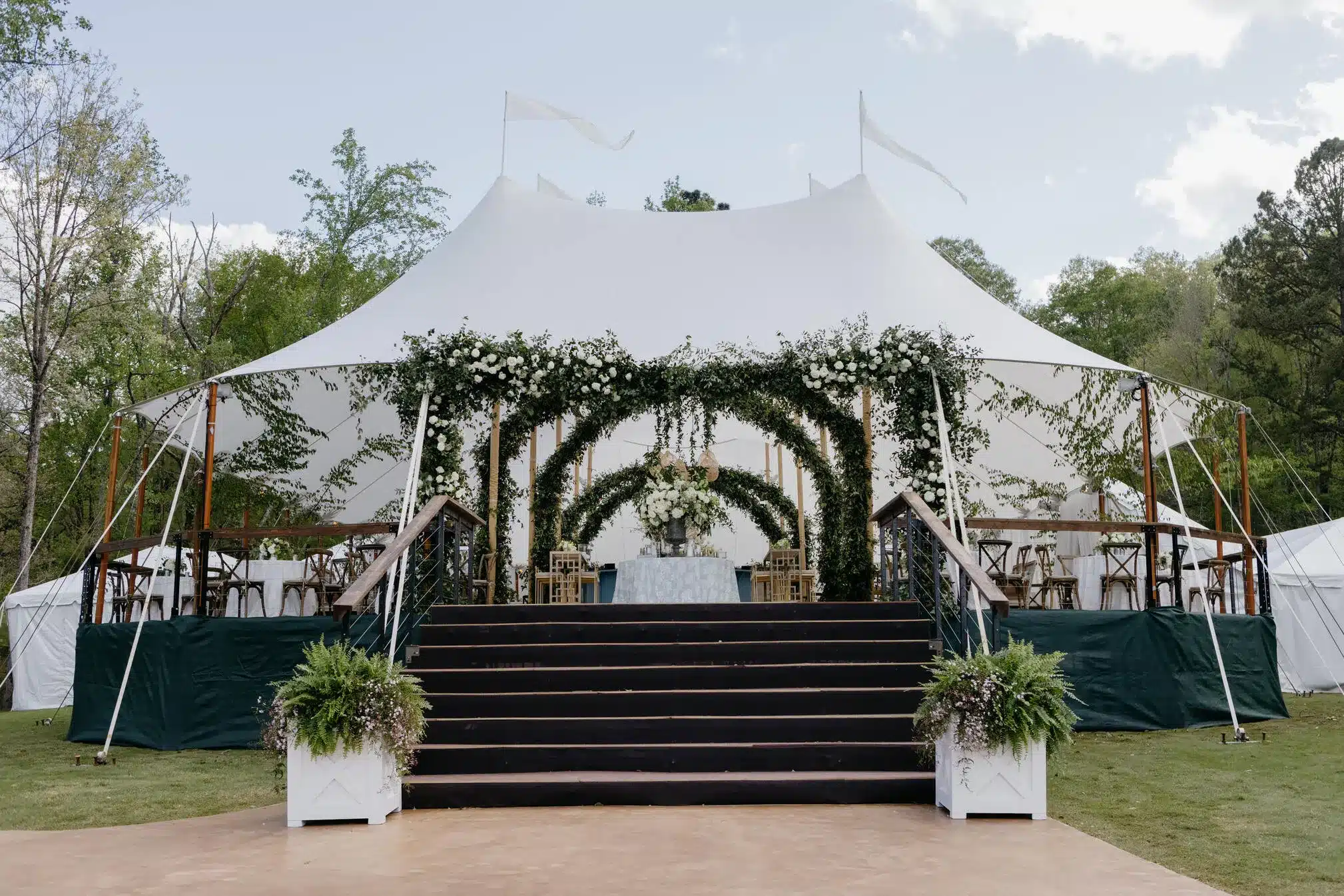
A Century pole tent features tall central poles and tensioned fabric that create dramatic peaks and sweeping lines, delivering an iconic silhouette valued in high-end weddings and garden parties. The central poles transfer fabric tension to ground stakes, producing stability and elegance through simple mechanics. This classic framework offers a timeless canvas for elaborate draping and lighting that seamlessly transitions into an analysis of modern frame tent versatility.
How Does the Modern Frame Tent Structure Provide Versatility?
A frame tent relies on a freestanding aluminum or steel framework without interior poles, unlocking a clear span interior and effortless installation on hard or soft surfaces. Its modular components interlock to form a rigid skeleton, supporting high-quality fabric and ancillary systems. This design principle maximizes usable floor space and paves the way for discussing how poles versus frames affect overall layout and sightlines.
How Do Central Poles and Freestanding Frames Affect Tent Design?
Center poles in Century tents create natural focal points, which can be used for dramatic draping or suspended lighting. However, they require thoughtful layout planning to avoid obstructing sightlines. In contrast, frame tents allow unobstructed interior flow and make it easier to design large open areas. This difference affects stage placement, seating, and traffic paths. Choosing between the two depends on space needs and desired ambiance.
How Do Century Pole Tents and Frame Tents Compare in Aesthetic Appeal and Event Ambiance?
Both tent types offer distinct visual styles that contribute to the atmosphere of an event. Century pole tents provide elegance through sculpted peaks and flowing lines, while frame tents offer modern simplicity with clean spans and minimal obstruction. Choosing between them often comes down to the tone of the event. The structure directly influences lighting, layout, and overall guest perception of the space.
What Makes Century Pole Tents Ideal for Classic and Elegant Luxury Events?
Century pole tents are known for their graceful lines and romantic vaulted ceilings. The tall central peaks create visual drama and offer height for draped fabrics, greenery, or hanging fixtures. Their curved silhouette enhances formal settings like weddings, galas, or garden parties. Interior design elements often center around the poles, which provide opportunities for floral accents or fabric treatments. These tents naturally lend themselves to timeless, upscale themes.
Why Are Frame Tents Preferred for Sleek, Modern, and Flexible Event Designs?
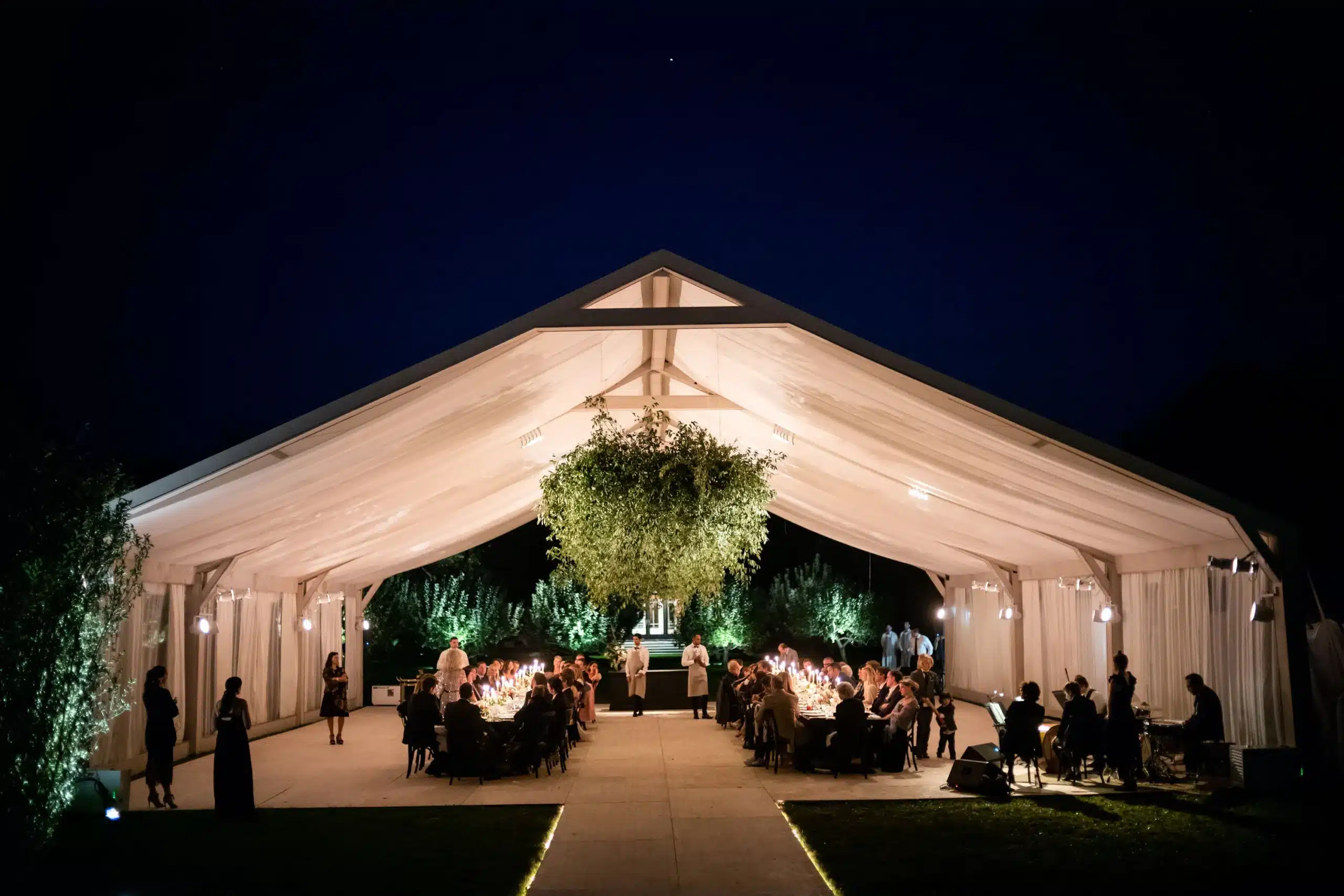
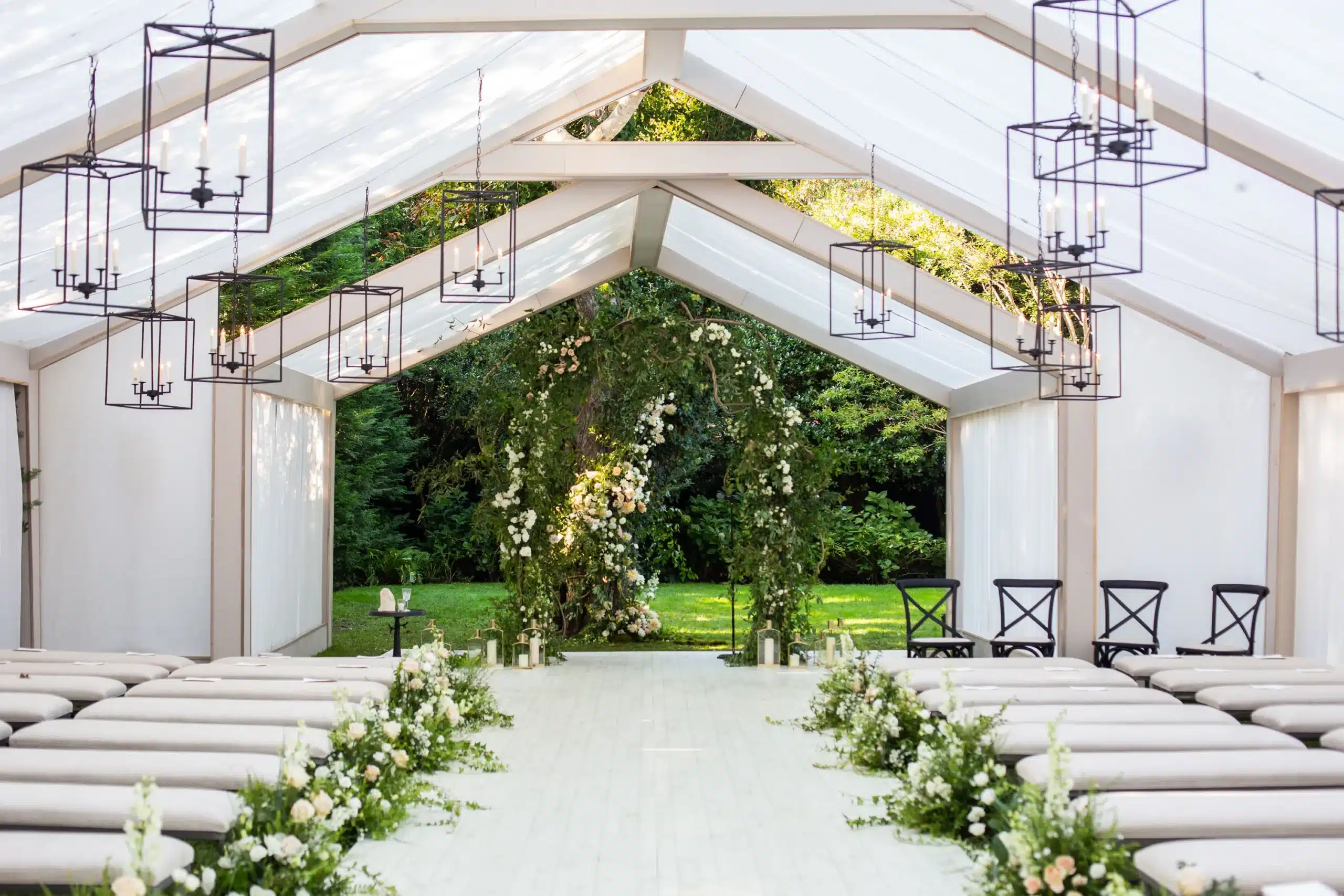
Frame tents feature smooth lines and an open layout that fits clean, contemporary aesthetics. With no interior poles, they support symmetrical arrangements and uninterrupted sightlines. The structure accommodates transparent sidewalls or roof panels for natural light and scenic views. Frame tents also make it easier to integrate modern lighting, screens, or staging. This makes them ideal for events requiring customization, like launches, conferences, or fashion showcases.
How Do Tent Aesthetics Influence Guest Experience and Event Themes?
The shape and structure of a tent help establish the visual tone from the moment guests arrive. Curved fabric peaks suggest warmth and tradition, while sleek frames support crisp, tailored designs. These differences affect how light moves through the space and how decor is displayed. A tent’s appearance supports the storytelling of the event, whether romantic, minimalist, or dramatic. Aligning the tent style with the theme reinforces the event’s overall impact.
What Are the Interior Space and Layout Flexibility Differences Between Pole and Frame Tents?
Tent structure significantly affects usable space and how that space is arranged. Century pole tents include central poles that introduce design opportunities but require thoughtful furniture placement. Frame tents, with their open interiors, allow complete freedom in layout. Each tent type supports different floor plans and flow, making the choice dependent on the type of event and guest interaction.
How Do Center Poles Impact Interior Space and Seating Arrangements in Century Pole Tents?
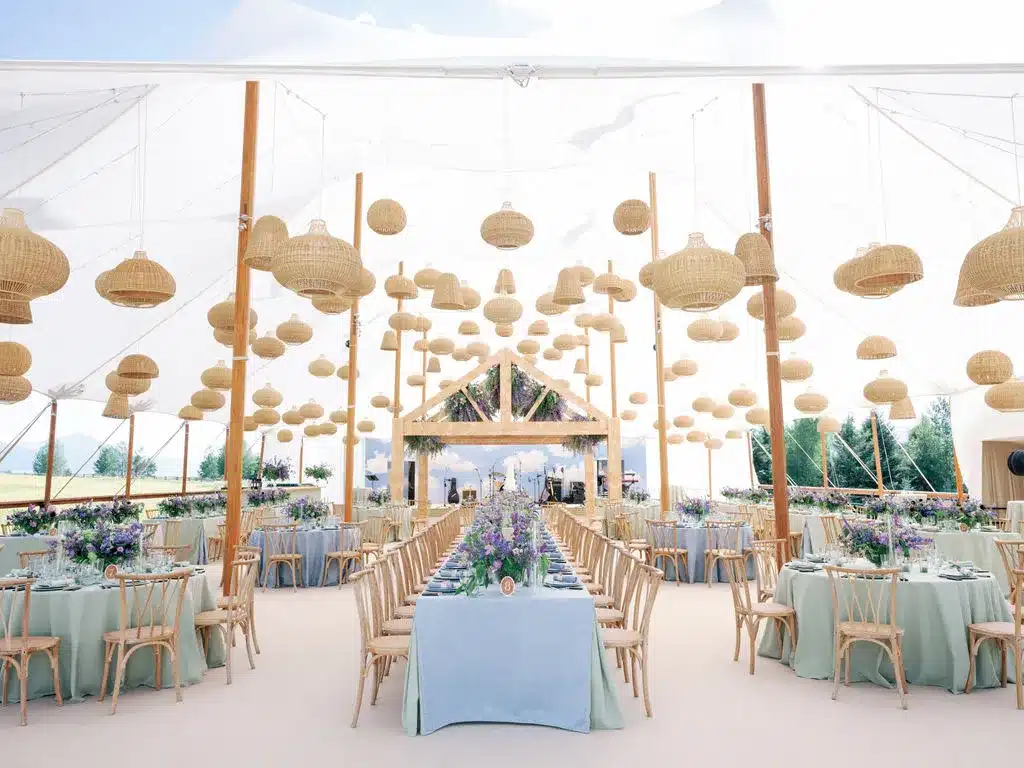
Center poles create natural visual anchors, but they do interrupt floor space. Event planners must arrange seating and décor around these supports to maintain clear sightlines and efficient movement. Circular tables, lounge pods, or floral rings around poles help maximize aesthetics and function. Pathways should account for pole locations, ensuring smooth traffic. With the right design, poles can become stylish focal points rather than obstacles.
Why Do Frame Tents Offer Unobstructed Interiors for Large-Scale Luxury Events?
Frame tents provide a clear span interior, making them ideal for large or complex floor plans. Without center poles, furniture, stages, and installations can be placed freely. This maximizes capacity for banquet-style dining, dancing, and open networking. The open structure also allows for flexible zoning—such as pairing a cocktail area with a formal seating space. This level of freedom supports highly customized, large-scale event planning.
What Are Typical Floor Plan Options for Both Tent Types in Luxury Event Settings?
For pole tents, common layouts include circular seating around central poles or segmented zones separated by fabric draping. Lounge clusters and intimate nooks can also be designed between the poles. In frame tents, long banquet tables, central dance floors, or large-scale exhibits can be executed without layout restrictions. This versatility in frame tents suits high-traffic events, while pole tents cater well to visually layered and romantic atmospheres.
What Installation and Site Considerations Should Event Planners Know for Pole vs. Frame Tents?
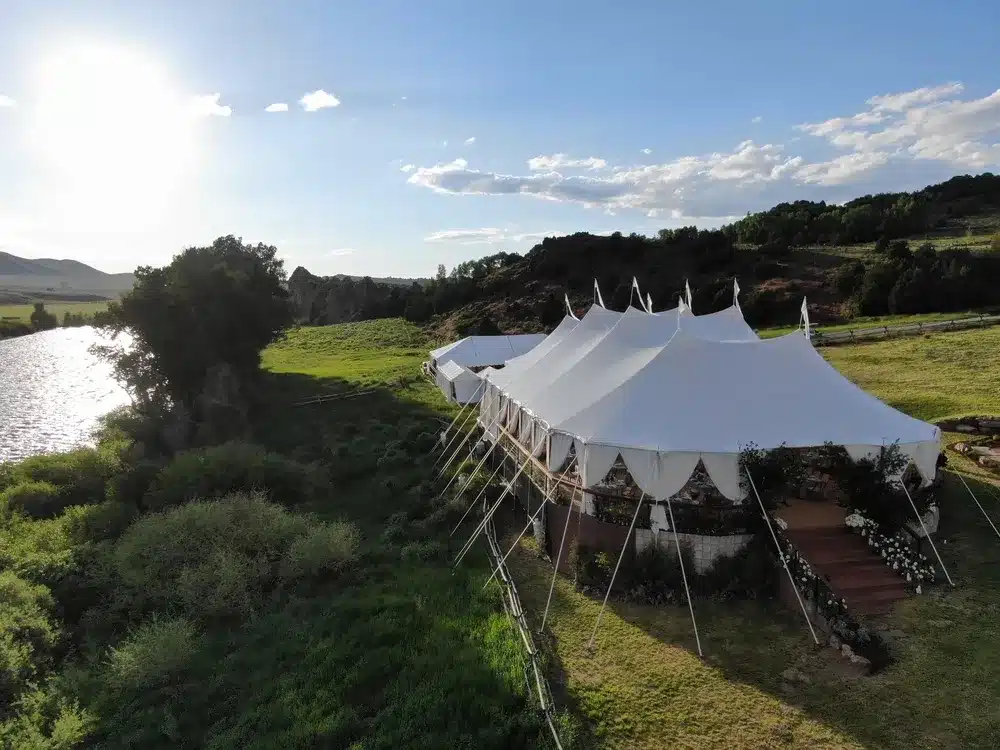
The setup of a tent depends on ground type, anchoring method, and available space. Century pole tents require soft surfaces for proper staking and tensioning, while frame tents offer more flexibility and can be installed on harder ground using alternative anchoring systems. Understanding these considerations helps planners choose the right tent type based on venue conditions and logistical needs.
Why Do Century Pole Tents Require Soft Ground and Anchoring Stakes?
Century pole tents depend on tension created by ground-driven stakes to maintain their iconic peaks and structural integrity. This makes them ideal for grassy fields, gardens, or turf areas where stakes can be securely embedded. Hard surfaces are not compatible without significant alterations. The stakes must hold firm under tension to resist shifting during wind or movement. For events hosted in natural, outdoor spaces, these tents are a strong aesthetic fit.
How Can Frame Tents Be Installed on Various Surfaces, Including Concrete and Asphalt?
Frame tents use weighted systems or engineered anchors to remain stable without staking into the ground. This makes them highly adaptable to settings like asphalt driveways, rooftops, patios, or even indoor venues. Ballast weights, water barrels, or non-penetrative anchors hold the frame securely in place. This setup supports seamless installation in urban or unconventional venues where ground penetration is restricted or impossible.
What Are the Typical Setup Times and Labor Requirements for Each Tent Type?
Century pole tents typically require more time due to their reliance on precise staking and alignment of central poles. Labor teams need to carefully tension the fabric and ensure each pole is set at the correct angle. Frame tents assemble more quickly thanks to pre-engineered components and modular parts that reduce guesswork. They often use fewer crew members and tools, which may shorten overall setup time and reduce labor intensity depending on site conditions.
How Do Century Pole Tents and Frame Tents Perform in Weather Resistance and Durability?
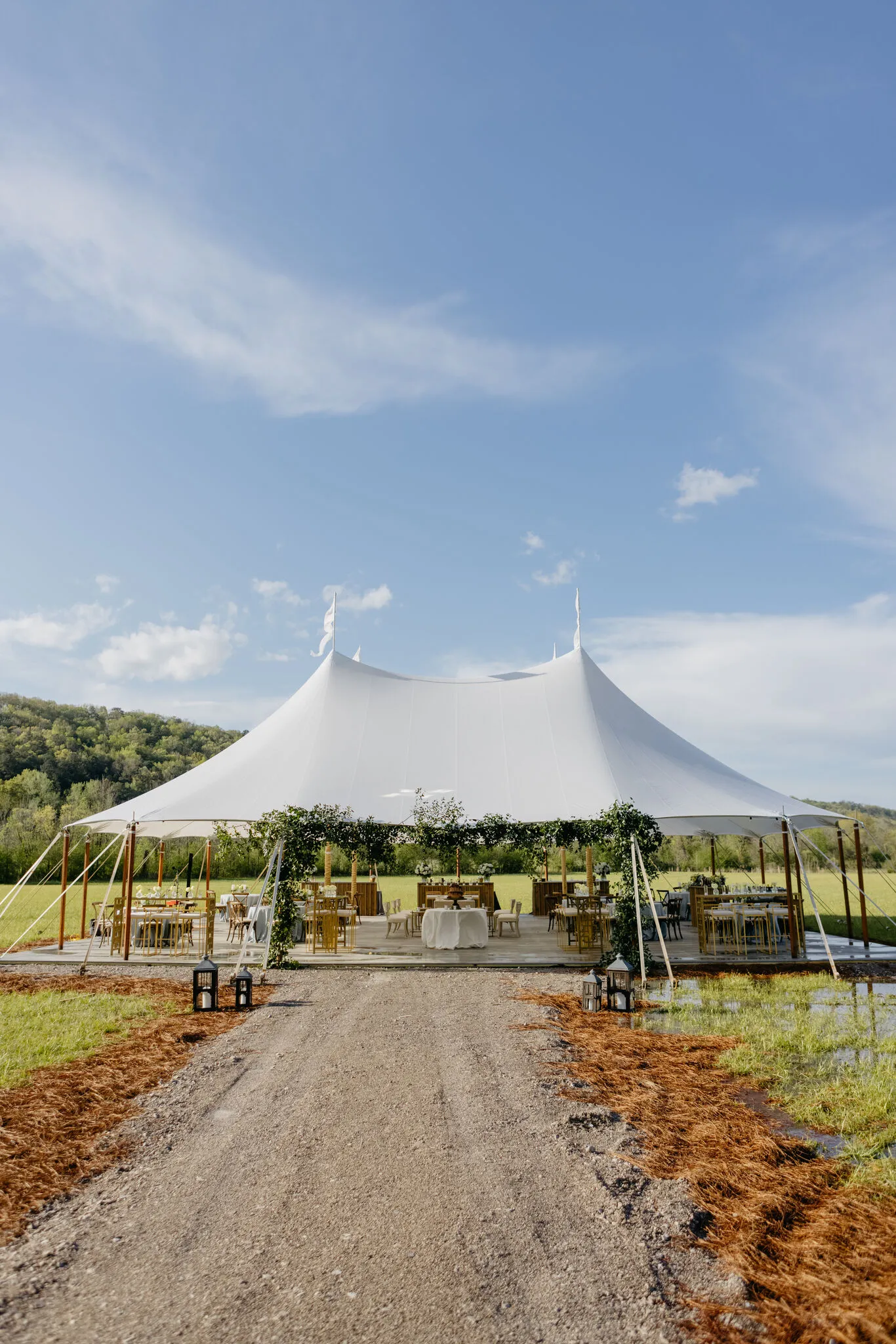
Understanding how each tent type handles wind, rain, and long-term exposure is essential for outdoor event planning. Century pole tents offer good performance in mild conditions, while frame tents typically provide stronger structural resilience under pressure. These differences directly affect event safety and tent longevity across changing weather conditions.
What Weather Conditions Are Century Pole Tents Best Suited For?
Century pole tents perform well in calm to moderately breezy conditions and are especially effective at shedding light rain due to their peaked design. However, their reliance on fabric tension and ground stakes makes them more sensitive to stronger winds. To ensure safety, additional guy lines or sidewalls may be needed during unpredictable weather. These tents are best deployed in well-monitored, controlled outdoor environments where wind levels remain manageable.
Why Are Frame Tents More Resilient to Wind and Rain for Outdoor Events?
Frame tents have rigid aluminum or steel frameworks that resist higher wind speeds and minimize movement during storms. Their structural systems are designed to support heavy fabric loads and secure sidewalls, which helps prevent water intrusion. The enclosed design reduces flapping and protects decor, equipment, and guests during inclement weather. Frame tents are a more reliable option when planning in regions with fluctuating or extreme weather forecasts.
How Should Event Planners Prepare for Weather Challenges With Each Tent Type?
Preparation starts with reviewing weather forecasts and securing backup options for rain or wind. For Century pole tents, this may include reinforcing stake lines and adding weighted sidewalls. Frame tents may benefit from storm-rated anchoring systems or additional ballast support. Both setups should include drainage planning, flooring protection, and extra tie-downs to prevent fabric sagging or movement. Proactive planning ensures an uninterrupted guest experience regardless of forecast changes.
How Can You Enhance Luxury Events Beyond Tent Structure With Flooring, Climate Control, and Lighting?
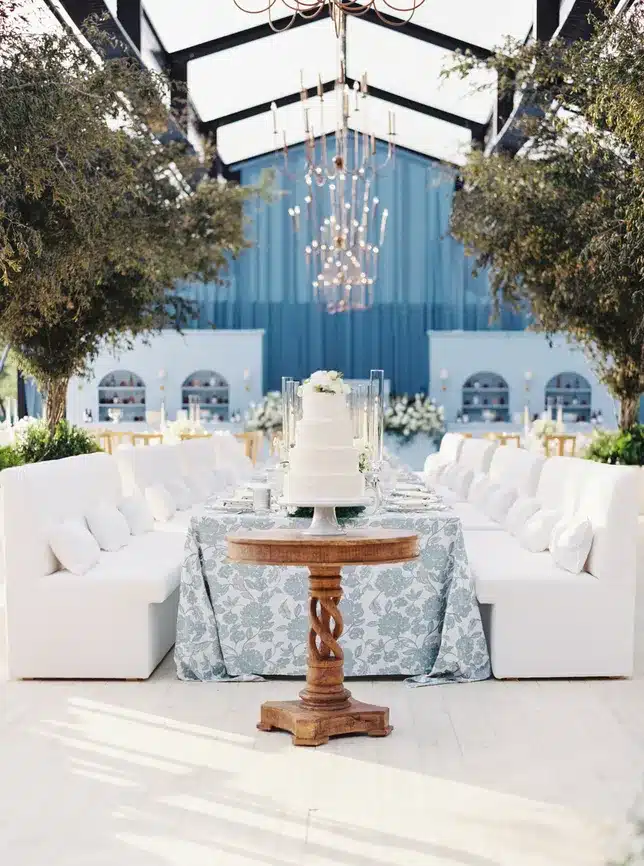
Elevating a tented event means going beyond the frame or fabric to integrate high-end enhancements. Flooring systems, climate control, and lighting transform tents into immersive environments for weddings, galas, and corporate functions. These upgrades enhance comfort and ambiance and ensure the entire event space aligns with luxury expectations. Companies like Skyline Tent Company offer curated options that bring sophistication, stability, and style to every square foot.
What Are the Benefits of Biljax TF2100 Engineered Flooring for Both Tent Types?
Biljax TF2100 engineered flooring provides a durable, level foundation ideal for upscale events. Its interlocking panels can support heavy furniture, staging, and large guest counts without sagging or shifting. Whether used under a pole tent on grass or a frame tent on uneven ground, it ensures guests move comfortably in heels or formal wear. Skyline Tent Company maintains one of the largest inventories of Biljax TF2100 flooring in the event industry, allowing planners to confidently design for safety and style!
How Does Climate Control Improve Guest Comfort in Tented Luxury Events?
Temperature regulation is key to guest comfort, especially in regions with variable weather. Integrated HVAC systems deliver discreet airflow without disrupting decor, maintaining an inviting temperature throughout the event. For cooler months, portable heaters and ducted heat systems are available; in warmer climates, misting fans and portable AC units keep guests refreshed. Our tailored climate solutions that pair seamlessly with our tent structures ensure luxury is never compromised by the forecast.
What Custom Lighting and Decor Options Elevate Century Pole and Frame Tent Experiences?
Lighting transforms tent interiors from functional shelters into immersive spaces. Frame tents support truss-mounted lighting, uplighting, and programmable LED displays that amplify entertainment or branding. Century pole tents, with their soaring peaks, offer natural anchor points for chandeliers, lanterns, or draped string lights. Skyline Tent Company’s lighting inventory includes options designed to enhance both tent types, and their team specializes in creating cohesive lighting plans that align with each event’s aesthetic and functional needs.
Why Choose Skyline Tent Company for Century Pole and Frame Tent Rentals in Luxury Events?
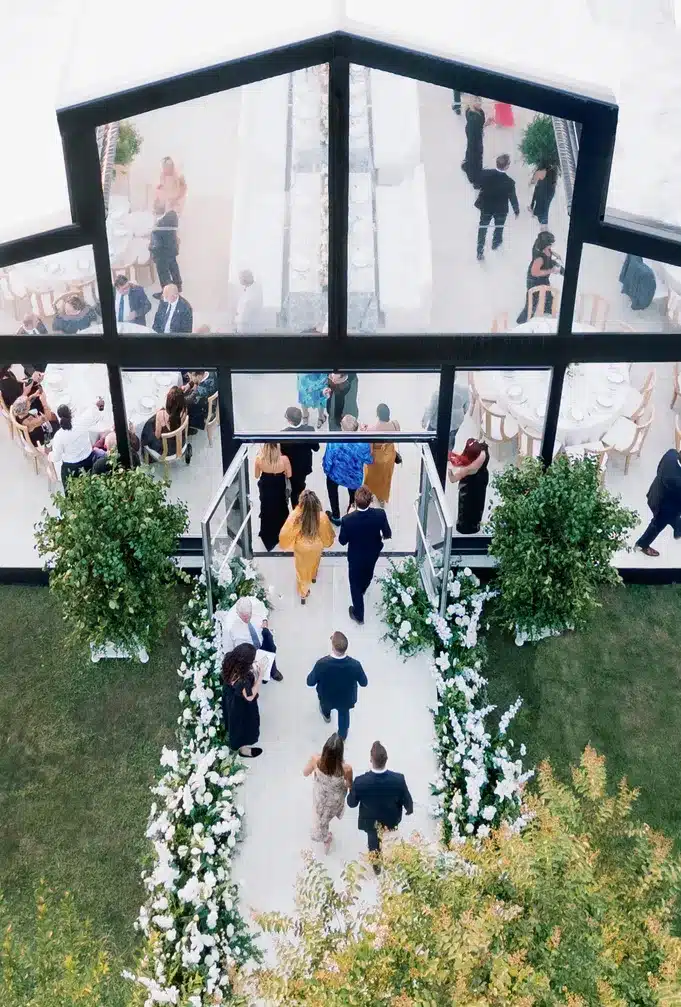
For premium event installations that demand excellence in design, logistics, and experience, partnering with a specialized tent provider is essential. With a reputation built on precision, creativity, and service, Skyline Tent Company stands out as a trusted source for luxury tent rentals. Our team understands the nuances of upscale occasions and delivers custom solutions tailored to both the vision and venue. From structure selection to on-site coordination, we ensure flawless execution every time.
What Unique Expertise and Inventory Does Skyline Offer for Premium Tent Experiences?
Skyline Tent Company brings over two decades of experience in delivering premium tenting solutions across the U.S. Their expansive inventory includes both Century pole tents, known for elegance and dramatic peaks, and frame tents offering modern clearspan interiors. Beyond tents, their selection features engineered flooring systems, custom sidewalls, and lighting packages—all maintained in-house. This depth of resources allows Skyline to tailor each event setup to the highest standards, from intimate gatherings to elaborate productions.
How Does Skyline Customize Tent Solutions for High-Budget Celebrations?
Every event with Skyline begins with a personalized design consultation. Their experts collaborate with planners, designers, and venues to shape tent footprints, sidewall configurations, and climate-control integrations that align with the client’s goals. They offer custom draping, lighting, and layout enhancements that turn structural tents into expressive environments. With a team skilled in logistics, fabrication, and event styling, Skyline ensures each installation reflects the unique tone of the celebration.
How Can You Contact Skyline Tent Company for a Consultation?
To begin planning your luxury event with Skyline Tent Company, visit skylinetentcompany.com/contact-us/ or call (434) 977-8368. Our experienced team is ready to provide customized tenting solutions, detailed quotes, and expert planning support. Whether you’re hosting a wedding, gala, or corporate showcase, we ensure every tented experience reflects your vision and exceeds expectations!
Frequently Asked Questions
Which tent type is better for venues with hard surfaces like asphalt or concrete?
Frame tents are ideal for hard surfaces, as they can be secured using weighted ballast systems instead of stakes. Their freestanding structure makes them suitable for patios, parking lots, and rooftops without damaging the ground. This versatility makes them a top choice for urban events and non-traditional venues.
Can Century Pole Tents be used in windy or rainy weather?
Century pole tents can handle moderate wind and light rain due to their high-tension design and peaked structure. However, they may require additional anchoring and weatherproofing in more severe conditions. Proper installation and weather monitoring are essential to ensure safety and performance.
How much interior space is available in each tent type?
Century pole tents have central poles that create dramatic peaks but may limit layout flexibility. Frame tents offer completely unobstructed interiors, which are ideal for large stages, banquet seating, and open dance floors. The choice depends on the event’s design needs and floor plan priorities.
What types of flooring and lighting enhancements are compatible with these tents?
Both tent types work well with engineered flooring like Biljax TF2100, which provides a stable, level base for upscale finishes. Lighting options range from chandeliers and café lights to truss-mounted LEDs. Skyline Tent Company offers a wide range of flooring and lighting upgrades tailored to each event’s design.
How do setup times differ between Century Pole Tents and Frame Tents?
Frame tents typically have faster setup times due to their modular design and lack of central poles. Century pole tents require more time for precise staking and alignment. For events on tight schedules, Skyline Tent Company can help determine which structure best suits your timeline and venue constraints.
Conclusion
Understanding the structural, aesthetic, and functional differences between Century pole tents and frame tents empowers better event planning. Each tent type serves distinct purposes—from timeless charm to modern flexibility—depending on your goals. With Skyline Tent Company, you gain access to premium tent inventory, expert planning support, and high-end accessories that elevate every event. Whether your venue is a garden lawn or a rooftop patio, we help you choose and customize the ideal setup. Our tailored solutions ensure that the tent enhances—not limits—your creative vision. Let Skyline Tent Company help craft an unforgettable experience under the perfect structure.