
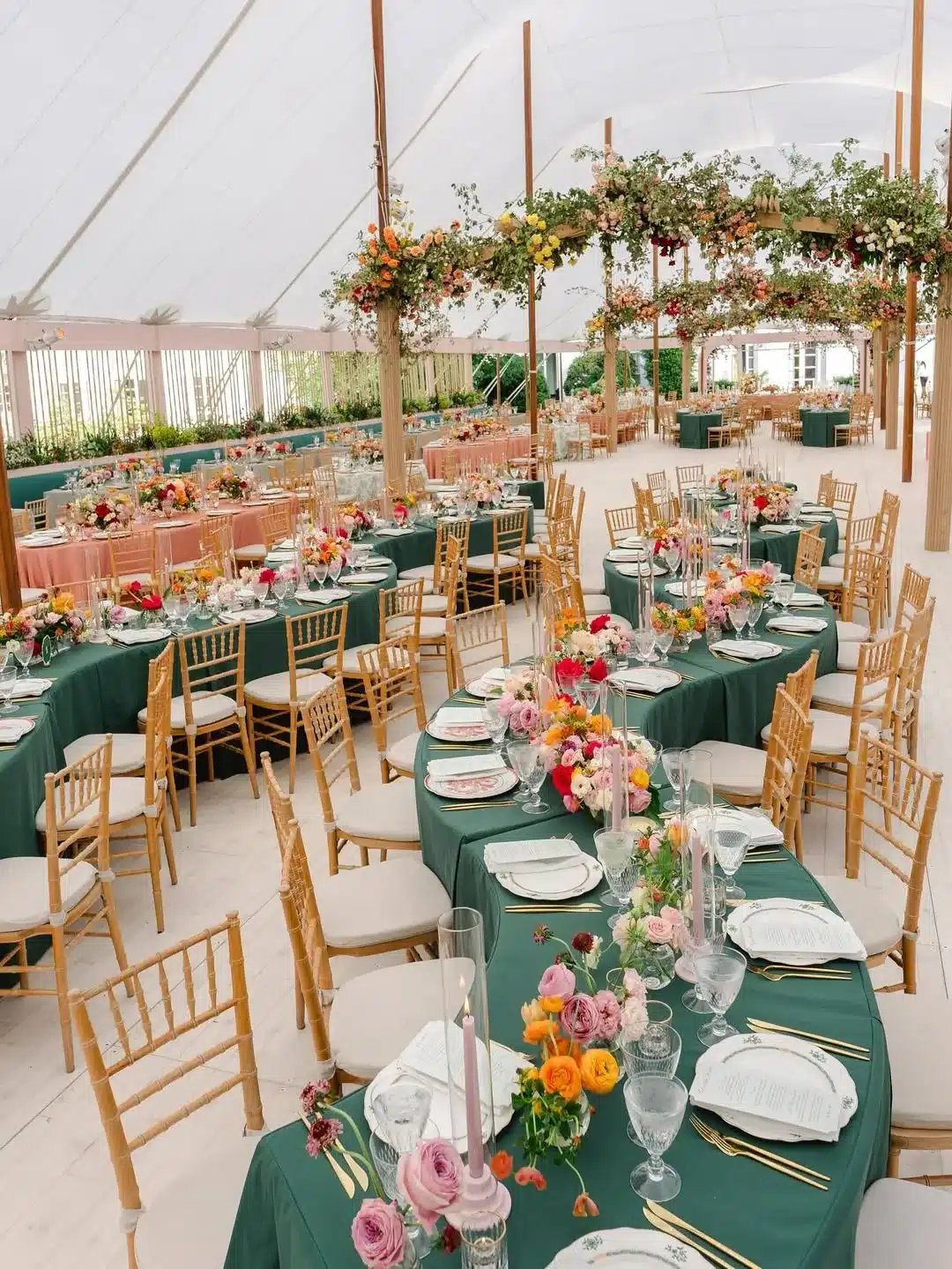
Creating unforgettable events today means balancing elegance with environmental responsibility. Every celebration leaves an impact, but with thoughtful planning and sustainable practices, that impact can be significantly reduced. From eco-conscious tent rentals and energy-efficient lighting to responsible sourcing and waste reduction, sustainability and sophistication go hand in hand. Skyline Tent Company integrates these practices into luxury event design, offering refined solutions that protect the environment while elevating guest experiences. This guide explores how sustainable strategies in tented events, from materials and décor to logistics and energy use, can transform gatherings into celebrations that are both beautiful and responsible.
Key Takeaways
- Sustainable event planning reduces waste, energy use, and environmental impact.
- Eco-friendly tent rentals use recycled materials and energy-efficient add-ons.
- Smart lighting and climate systems lower emissions while enhancing guest comfort.
- Local and ethical sourcing supports communities and minimizes transportation emissions.
- Recycling, composting, and donation programs extend event impact beyond the celebration.
- Partnering with Skyline Tent Company ensures sustainability is integrated into every detail with elegance and precision.
What Are the Key Sustainable Event Management Practices?
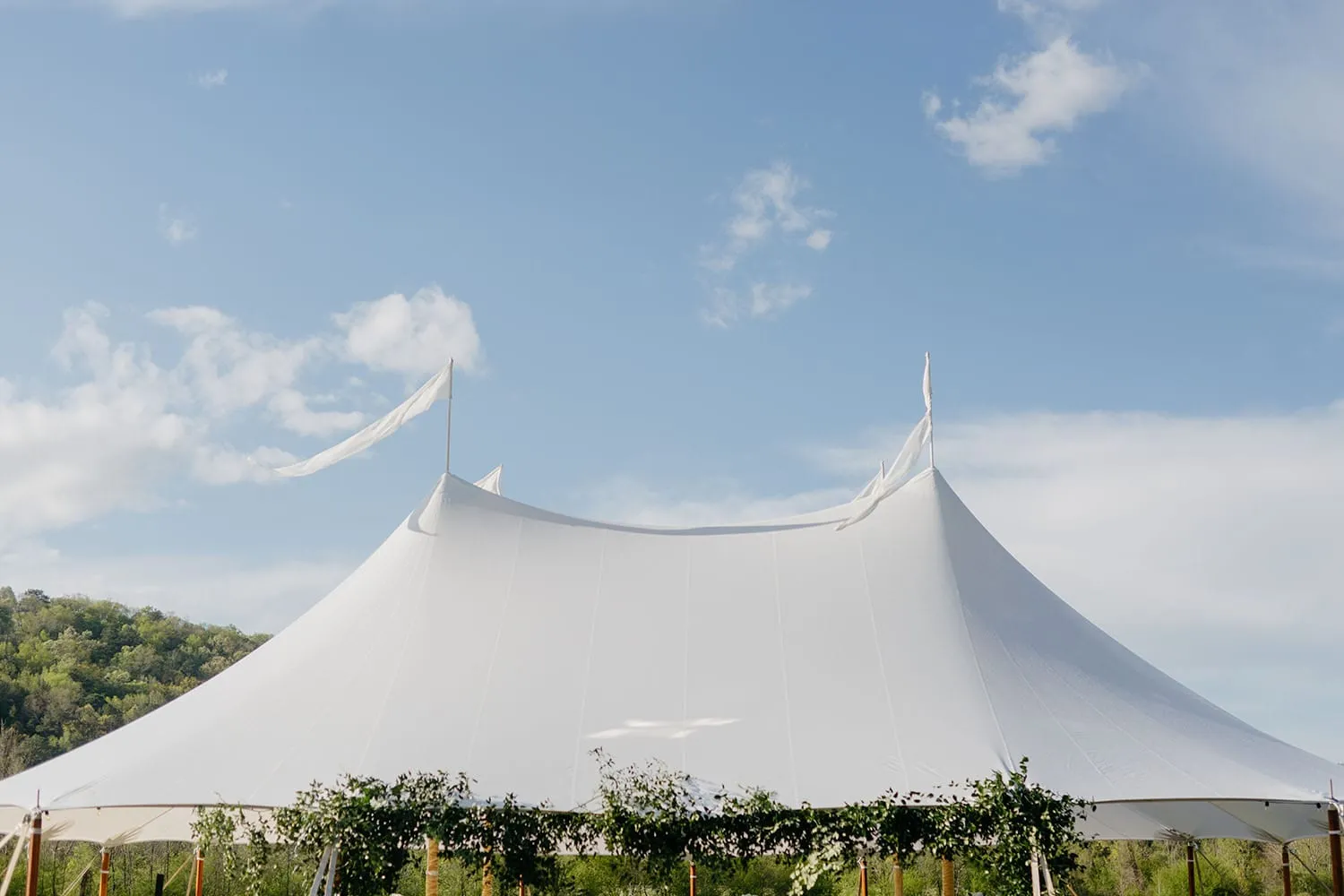
Sustainable event management focuses on strategies that reduce environmental impact while maintaining the highest level of guest experience. At Skyline, this means prioritizing energy efficiency, minimizing waste, and selecting materials that balance performance with responsibility. Practices such as reusable infrastructure, recycled textiles, and eco-friendly power solutions allow events to remain elegant while supporting broader sustainability goals. These efforts not only protect the environment but also demonstrate thoughtful leadership in event planning.
How Does Sustainable Event Planning Minimize Environmental Impact?
Skyline integrates sustainable practices from planning through breakdown to ensure minimal ecological disruption. Choosing recycled tent fabrics, LED lighting systems, and smart climate control reduces energy demand while maintaining comfort. Coordinating with local suppliers and implementing waste diversion strategies further decreases emissions and landfill contributions. By embedding these measures into each project, Skyline helps clients achieve both luxury and sustainability without compromise.
Which Eco-Friendly Event Planning Strategies Are Most Effective?
Several strategies deliver the strongest results in reducing environmental impact when paired with premium tented events:
- Using digital communication and guest tools to reduce paper waste.
- Incorporating renewable energy solutions, such as solar-powered lighting.
- Sourcing locally to support regional growers and minimize transport emissions.
- Installing recycling and composting stations that streamline waste diversion.
- Partnering with vendors who share Skyline’s commitment to reusability and circular design.
These tactics not only reduce environmental impact but also encourage guest engagement with eco-friendly values, creating events that are memorable and responsible.
How Can Eco-Friendly Tent Rentals Enhance Sustainable Event Planning?
Eco-friendly tent rentals play a vital role in building sustainable event environments by incorporating materials and systems that reduce waste, conserve energy, and support responsible logistics. Options such as recycled textiles, modular frames, and lightweight aluminum structures extend the lifecycle of event infrastructure while minimizing environmental impact. Integrating these solutions from the start ensures that luxury events remain both visually stunning and environmentally conscious.
What Sustainable Materials Are Used in Eco-Friendly Event Tents?
Skyline utilizes advanced materials that balance durability with sustainability, ensuring both aesthetic excellence and ecological responsibility.
How Do Energy-Efficient Lighting and Climate Control Support Sustainability?
Incorporating energy-efficient lighting and climate systems significantly reduces event footprints while maintaining guest comfort. LED fixtures with smart controls, solar-assisted power options, and natural ventilation strategies lower overall energy demand. These measures enhance both environmental performance and the guest experience, ensuring luxury without compromise.
What Waste Management Strategies Apply to Tent Setup and Breakdown?
Responsible waste management during installation and dismantling is essential for sustainable event execution. Skyline’s approach emphasizes:
- Reusable packaging systems to cut down on single-use materials.
- Repair over replacement practices that extend the lifespan of tent components.
- On-site material sorting to maximize recycling and diversion.
- Certified recycling partnerships that ensure minimal landfill contributions.
These strategies safeguard the event site and reinforce long-term sustainability goals.
How to Choose a Sustainable Tent Provider for Your Event?
Selecting the right partner is key to aligning luxury design with environmental responsibility. Look for a provider who:
- Uses recycled or renewable materials.
- Offers energy-efficient lighting and climate control solutions.
- Practices carbon-smart logistics and transportation.
- Demonstrates strong waste reduction and recycling protocols.
- Shares case studies that highlight proven sustainability success.
Skyline integrates each of these elements, delivering event environments that are both refined and responsibly designed.
How Do Hybrid and Virtual Events Contribute to Event Sustainability?
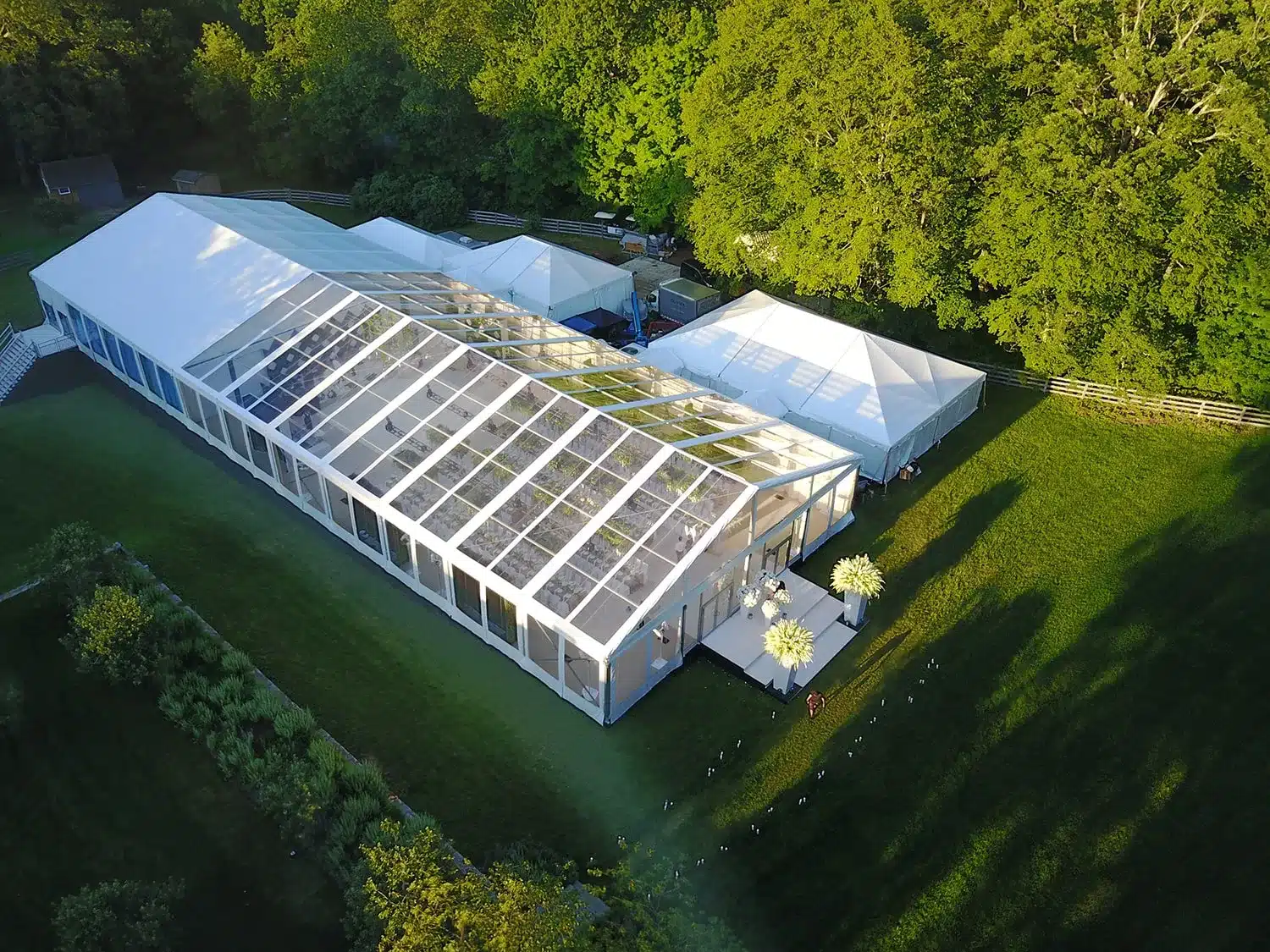
Hybrid and virtual formats offer powerful ways to reduce the environmental footprint of events while still delivering meaningful guest experiences. By combining select in-person elements with digital streaming and engagement tools, planners can limit resource demands such as venue size, catering, and travel. This thoughtful balance maintains connection and impact while reducing emissions and material use, making hybrid and virtual designs integral to modern sustainable event planning.
What Are the Environmental Benefits of Hybrid Event Formats?
Hybrid events merge the best of physical and digital experiences, offering measurable environmental advantages:
- Smaller venue footprints reduce energy demands for lighting, heating, and cooling.
- Less catering and physical staging minimize food waste and material consumption.
- Remote participation options significantly decrease travel-related emissions.
Together, these benefits make hybrid formats a highly effective model for resource-efficient event design.
How Do Virtual Events Reduce Carbon Footprints Compared to In-Person Gatherings?
Virtual events dramatically lower environmental impact by eliminating most onsite energy use, catering needs, and travel emissions. With advancements in streaming and data efficiency, these formats deliver engaging experiences while achieving a far smaller carbon footprint. For large-scale conferences and corporate events, virtual delivery represents one of the most impactful strategies for aligning with sustainability goals.
What Technologies Support Sustainable Hybrid and Virtual Events?
Technology plays a central role in creating seamless, eco-friendly hybrid and virtual experiences:
- Cloud-based streaming optimizes bandwidth and energy use.
- Virtual reality environments replicate immersive venues without physical build-outs.
- Digital collaboration tools support networking, Q&A, and exhibitor interaction.
- AI-powered analytics track engagement and provide insights into environmental impact.
By integrating these tools, event planners can deliver innovative, sustainable experiences that scale responsibly while maintaining the high standards expected of luxury gatherings.
What Are the Best Practices for Reducing Carbon Footprint in Event Planning?
Reducing an event’s carbon footprint begins with smart infrastructure choices. Tents designed with sustainable materials, energy-efficient lighting, and modular layouts directly lower environmental impact. Planners can achieve measurable results that align with modern sustainability goals by prioritizing renewable-ready power setups and minimizing waste during installation and breakdown.
How Do Smart Energy Solutions Optimize Outdoor Event Sustainability?
Smart energy practices within tented environments make a significant difference in reducing emissions and improving efficiency:
- Solar-charged battery systems provide clean, off-grid power options.
- Energy monitoring systems track real-time use to identify opportunities for savings.
- LED lighting with smart controls cuts energy demand by up to 70 percent while offering flexible ambiance.
These integrated solutions ensure that tented events remain both environmentally responsible and visually stunning, proving that sustainability and luxury can work hand in hand.
How Can Event Planners Achieve Green Event Certification Like ISO 20121?
Achieving green event certification such as ISO 20121 provides a structured pathway for embedding sustainability into every planning phase. This international standard outlines requirements for risk management, stakeholder engagement, resource efficiency, and continuous improvement. Certification not only validates an event’s environmental credentials but also drives operational excellence by formalizing policies that align with global best practices and stakeholder expectations.
What Is ISO 20121 and How Does It Guide Sustainable Event Management?
ISO 20121 is a management systems standard that offers a replicable framework for sustainable event planning, focusing on policy, planning, implementation, monitoring, and review. It guides organizers to identify environmental and social impacts, set measurable objectives, and engage suppliers in responsible practices. Organizations that adopt ISO 20121 report enhanced risk mitigation, improved stakeholder trust, and streamlined resource use, demonstrating the standard’s value in professionalizing sustainable management.
How Do Tent Rentals Integrate Into ISO 20121 Compliance?
Tent rentals contribute vital metrics toward ISO 20121 compliance by embodying sustainable procurement, energy efficiency, and waste management principles. Selecting tents made from recycled fabrics, verifying supplier environmental policies, and tracking transportation emissions of rental fleets all feed into certification requirements. By documenting these practices, planners capture critical data that supports management review and continuous improvement, reinforcing that every infrastructure choice matters in achieving certification goals.
What Are the Benefits of LEED and Other Green Event Certifications?
Across multiple certification programs, benefits extend beyond environmental stewardship to encompass brand strength and operational resilience.
- Enhanced venue selection options through certified green meeting spaces.
- Marketing differentiation that attracts eco-conscious attendees and sponsors.
- Potential cost savings from energy rebates and waste disposal reductions.
- Elevated stakeholder confidence through third-party validation.
These advantages underscore why pursuing recognized certifications elevates both sustainability performance and organizational reputation.
What Sustainable Sourcing and Waste Management Strategies Transform Events?
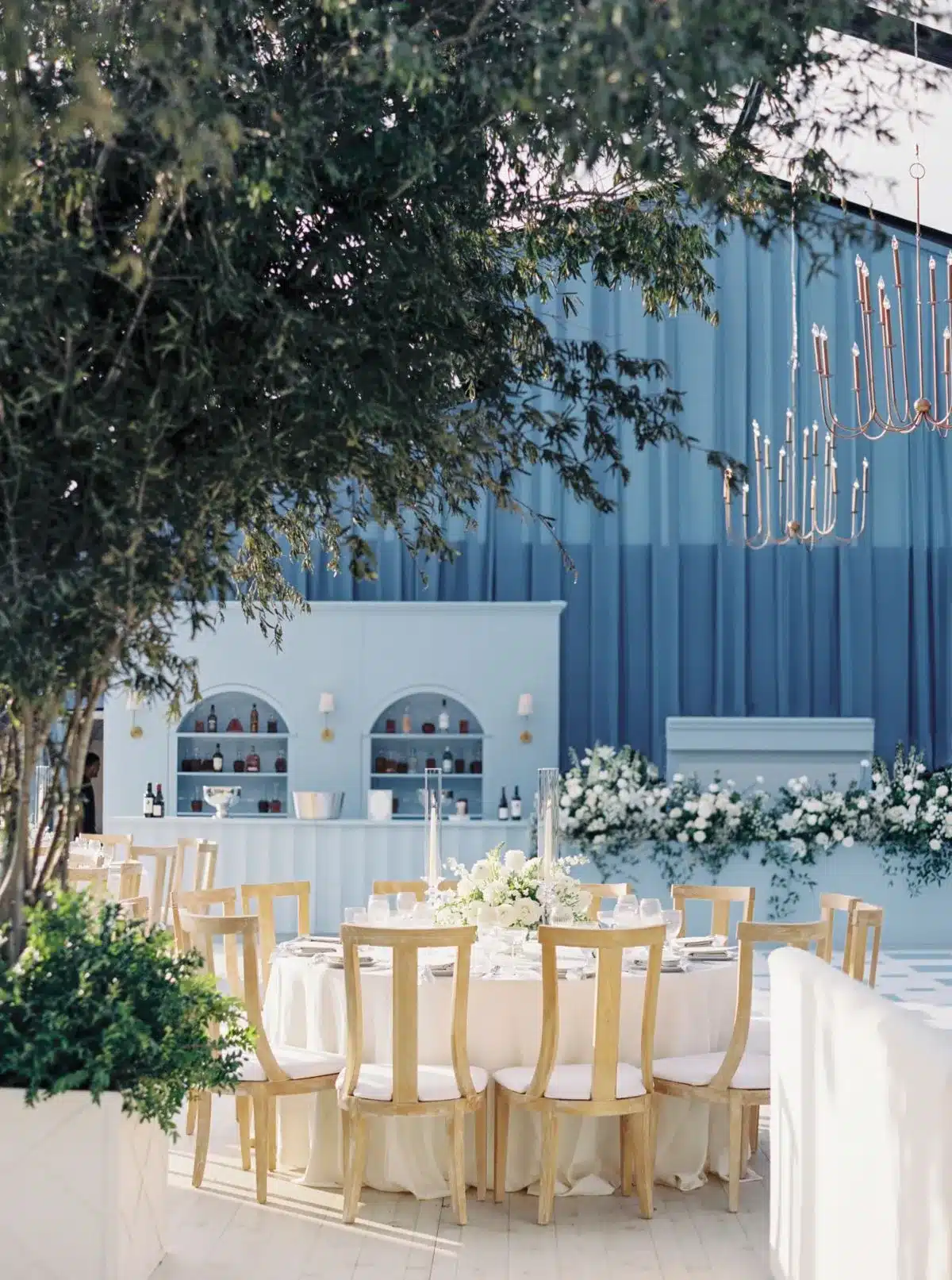
Sustainable sourcing and waste management in tented events focus on choosing materials and systems that minimize waste while extending product lifecycles. Planners reduce environmental impact by prioritizing reusable structures, modular flooring, and eco-conscious décor solutions without sacrificing elegance. These strategies align with evolving expectations for responsible, luxury event design.
How Does Responsible Sourcing Support Green Event Goals?
Responsible sourcing in tent rentals emphasizes durable and renewable materials. Selecting tents with recycled fabrics, aluminum frames, and modular flooring panels lowers environmental impact and extends usability across multiple events. This approach supports both sustainability goals and premium presentation.
What Are the Advantages of Reusable Versus Disposable Event Materials?
Reusable infrastructure ensures both consistency and eco-efficiency:
- Durable flooring and draping systems extend over many installations.
- Modular panels and reusable liners reduce single-use waste.
- High-quality rentals preserve a luxury aesthetic while minimizing replacement needs.
- Long product lifespans lower the carbon footprint of manufacturing and transport.
Planners achieve a refined atmosphere while meeting zero-waste objectives by focusing on reusable event structures.
How Can Effective Recycling and Waste Diversion Be Applied to Tent Installations?
Well-planned recycling and waste diversion practices during tent setup and breakdown streamline operations and prevent unnecessary landfill use:
These strategies ensure Skyline’s installations remain both environmentally conscious and operationally efficient.
Why Choose Skyline Tent Company for Sustainable Event Infrastructure?
Skyline Tent Company combines industry-leading expertise with a deep commitment to eco-responsibility, delivering tent solutions that align with rigorous sustainability goals. With a comprehensive inventory of recycled and modular tent systems, energy-efficient add-ons, and responsible logistics practices, Skyline Tent Company empowers planners to exceed environmental expectations. By partnering early in the planning cycle, clients benefit from tailored strategies that integrate seamlessly with green certification requirements and maximize resource efficiency.
What Expertise Does Skyline Tent Company Offer in Sustainable Tent Solutions?
Years of specialized experience have positioned Skyline Tent Company as a trusted advisor in sustainable event infrastructure, advising clients on material selection, energy management, and waste reduction. Proprietary assessments guide tent configuration to optimize airflow, natural daylight, and minimal ground disturbance. Technical teams collaborate with planners to choose the right tent style and add-ons that deliver both aesthetic impact and environmental performance, reinforcing our role as creative sustainability partners.
How Does Skyline Tent Company Reduce Environmental Impact Through Operations?
Skyline Tent Company incorporates carbon-smart practices across installation, maintenance, and transportation operations. Fleet routing software minimizes fuel consumption by optimizing delivery sequences, while routine equipment refurbishing extends the lifecycle of structural components. Staff training in waste sorting and on-site recycling ensures minimal landfill contributions during setup and teardown. These operational protocols consistently achieve high diversion rates and lower overall emissions, reflecting our commitment to continuous improvement.
What Energy-Efficient Add-Ons and Responsible Logistics Are Available?
Skyline Tent Company offers a suite of energy-efficient enhancements and logistics services that drive measurable sustainability gains:
- LED lighting systems with programmable controls to reduce power draw.
- Solar-charged battery banks for off-grid events.
- High-efficiency portable climate control units with variable-speed compressors.
- Carbon-neutral transportation options leveraging biodiesel and electric vehicles.
These solutions integrate seamlessly with event design, ensuring a cohesive, low-impact infrastructure that supports corporate sustainability commitments.
How Can Skyline Tent Company Support Your Event’s Sustainability Goals?
By collaborating from concept through breakdown, Skyline Tent Company delivers customized planning tools that track carbon metrics, recommend sustainable materials, and provide post-event impact reports. Dedicated sustainability consultants guide clients through green certification processes, ensuring compliance with ISO 20121 and other standards. Our consultative approach and transparent reporting foster trust and empower planners to demonstrate verifiable environmental leadership. To explore tailored tent solutions that elevate your event’s ecological performance, reach out to request a personalized consultation.
Conclusion
Sustainable event planning is no longer an option; it’s an expectation. By integrating eco-friendly tent rentals, reusable materials, and energy-efficient design elements, planners can create elegant and environmentally responsible celebrations. Skyline Tent Company supports this vision by offering premium tent structures and sustainable solutions that minimize environmental impact while maintaining the highest level of sophistication. With thoughtful sourcing, efficient waste practices, and responsible operations, every event can reflect refined style and a commitment to sustainability.