

Lighting is one of the most powerful tools for transforming a winter tent into a warm, inviting, and visually stunning environment. When thoughtfully layered with chandeliers, uplighting, and winter-rated string lights, it shapes the ambiance, enhances your design palette, and ensures guests feel comfortable even on the coldest evenings. This guide explores the most effective lighting options for winter tent weddings, from selecting elegant fixtures to coordinating power and climate systems that perform reliably in seasonal conditions. You’ll also learn how professional rigging, weather-ready equipment, and integrated project management eliminate the common concerns around heating interaction, electrical load, and winter weather. Throughout the sections that follow, you’ll discover practical lighting strategies, refined design approaches, and behind-the-scenes considerations that allow Skyline Tent Company to deliver flawlessly illuminated celebrations all season long.
What Lighting Types Work Best for a Winter Wedding Tent?
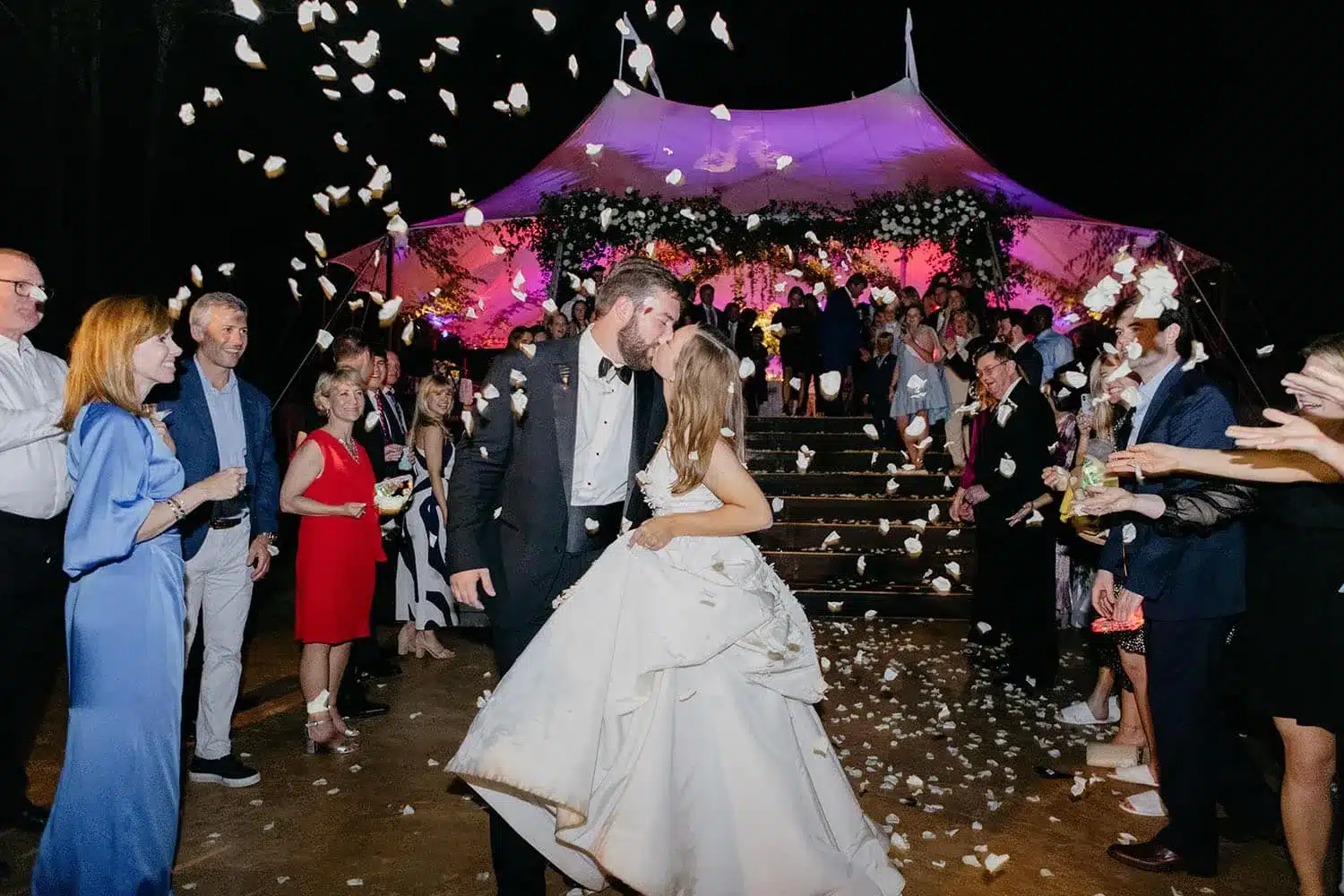
Winter tent lighting falls into a few essential categories, each shaping the atmosphere in a different way. Ambient fixtures provide overall warmth, focal fixtures introduce drama, perimeter fixtures highlight architectural details, and accent pieces add personalization. Selecting the right combination depends on your tent style, event scale, and design direction. Warm-toned string lights create a soft, inviting glow; chandeliers add vertical elegance and visual impact; uplighting emphasizes drapery and structural lines; and gobos or LED candles offer intimate, customized touches. Because each fixture has specific power demands and cold-weather considerations, planners benefit from understanding these distinctions early in the design process.
Quick Comparison of Popular Winter Tent Lighting Types
This comparison helps you match lighting choices to your aesthetic and technical requirements before moving into installation planning and power coordination.
How Do String Lights and Fairy Lights Create a Cozy Winter Ambiance?
String lights and fairy lights create warmth by distributing small points of light across the ceiling and perimeter, mimicking candlelight while remaining energy-efficient and cold-weather friendly. Winter installations often use patterns such as soft ceiling drapes, radial spokes, or bistro-style grids to define zones within the tent. For seasonal reliability, always choose waterproof, low-temperature LED strands, secure suspension points directly to the tent frame, and route cables away from potential snow-melt or high-traffic areas. Warm white light (2700K–3000K) pairs beautifully with heater glow and photographs naturally in winter settings.
How Do Chandeliers Elevate a Luxury Winter Tent Wedding?
Chandeliers instantly shift a tent into a more refined, ballroom-level environment by adding architectural height and focal emphasis. Crystal styles amplify sparkle for formal winter aesthetics, while wood or metal frames suit lodge-inspired or modern themes. Dimmable control also makes chandeliers adaptable from ceremony to dinner to dancing.
Because chandeliers are heavier and require precise rigging, tent type matters. Sailcloth and engineered structure tents typically support these fixtures when paired with rated rigging points and spreader bars. All installations should include secondary safety cables and be handled by licensed rigging professionals. When combined with string lights and uplighting, chandeliers help build the layered lighting plan that defines a polished winter event.
How Do You Design a Romantic, Layered Lighting Plan for a Winter Wedding Tent?
A romantic and well-balanced winter tent lighting plan relies on a three-layer structure: ambient, accent, and task lighting. Each layer performs a specific function and contributes to how the space feels, photographs, and flows. Ambient lighting—such as string lights, chandeliers, and soft uplighting—sets the overall warmth and creates a welcoming baseline glow. Accent lighting highlights key focal points like floral installations, drapery, tent poles, and the sweetheart table using uplights, spotlights, or gobos. Task lighting ensures visibility in essential working areas, including bars, buffet zones, and pathways, typically through low-glare downlights or discreet LED pendants.
Using preset dimming “scenes” allows the lighting to transition naturally from ceremony to dinner to dancing. Integrating basic control systems also minimizes manual adjustments and helps manage color temperature shifts throughout the evening.
How the Three Layers Work Together
- Ambient Layer: String lights or chandeliers set the foundational warmth and overall brightness.
- Accent Layer: Uplights and gobos add depth and draw attention to focal elements.
- Task Layer: Downlights or LED pendants illuminate service areas and maintain clear circulation.
This structure provides a straightforward way to build a cohesive lighting plan before diving into color strategy and scene sequencing.
How Do You Choose Warm, Seasonal Color Palettes for Winter Tent Lighting?
Warm color palettes are essential in winter tents, helping offset cold outdoor temperatures and balancing the visual warmth created by heaters. The ideal temperature range for ambient lighting is 2700K–3000K, which flatters skin tones and photographs exceptionally well. Introducing subtle cooler accents—soft blues, silvers, or icy highlights—can evoke winter themes without making the space feel cold.
Amber and soft white LEDs maintain a warm atmosphere, while cooler accents between 3200K–4200K can enhance metallic décor, crystal chandeliers, or ice-inspired visual themes. To maintain consistent photography quality, use LEDs with a high color-rendering index (CRI 90+), ensuring florals, linens, and attire appear true to color.
Programming these palettes within your control system allows smooth transitions between moments, such as shifting from a warm ceremony glow to a more dynamic reception look.
How Do Layered Lighting Techniques Add Depth and Drama to a Winter Tent?
Layered lighting adds dimension by assigning each fixture a specific visual role. Chandeliers create vertical emphasis and establish visual hierarchy. Uplights frame the perimeter, highlight drapery, and reinforce the tent architecture. String lights soften the ceiling line and create intimacy across large spans.
To maximize depth:
- Use narrow-beam uplights to highlight poles or fabric seams.
- Vary fixture heights and angles to add sculptural interest.
- Sequence your scenes using dimming cues—romantic for ceremony, inviting for dinner, energetic for dancing.
This intentional approach enhances mood while also helping you manage energy use throughout the event. Once the lighting design is finalized, the next step is verifying power distribution, rigging limits, and weatherproofing before installation.
What Practical Considerations Ensure Flawless Winter Wedding Tent Lighting?

Reliable winter tent lighting depends on coordinated planning across power generation, electrical distribution, weatherproofing, and safety protocols. Cold temperatures, moisture, and increased heating loads all influence how lighting equipment must be selected and installed. Addressing these factors early reduces risk and ensures every fixture performs as expected throughout the event.
Below is a streamlined technical checklist to help planners align lighting, power, and climate requirements with confidence:
These specifications create a predictable foundation for installation. The next section expands on generator sizing, grounding, and electrical safety in cold weather.
How Do You Manage Power Generation and Electrical Safety for Winter Tent Lighting?
Effective power planning begins with a precise calculation of total wattage for lighting, heating, and essential event equipment. From there, planners select generators with at least 25 percent redundancy to support peak loads and avoid dimming during heavy demand. Loads should be divided across multiple distribution panels with clearly labeled breakers and secure, weather-protected access.
Cold-weather conditions introduce additional considerations, including battery performance, continuous fuel supply, and moisture protection. All outdoor electrical setups should incorporate GFCI protection, elevated junctions, and insulated cabling pathways. Bringing in a licensed electrician early in the planning process ensures compliance with local permits, grounding requirements, and inspection standards.
How Do Climate Control and Lighting Work Together to Support Guest Comfort?
Climate control and lighting share power resources and directly influence the perceived warmth inside a winter tent. While heaters require significant electrical or fuel capacity, well-designed warm-tone lighting can enhance comfort and help balance the thermostat settings. For more detail, see our article Luxury Linens and Table Settings for Tented Celebrations.
Key considerations include:
- Placing heaters to warm occupied zones without disrupting lighting fixtures or fabric.
- Maintaining safe, code-compliant clearances around all heat-producing units.
- Separating major heating circuits from lighting and AV circuits to reduce load interference.
- Confirming generator capacity supports both peak lighting scenes and heating needs simultaneously.
When coordinated thoughtfully, climate systems and lighting work together to maintain a steady, inviting environment that feels luxurious even in cold conditions.
Which Accent Lighting Options Create Warm, Inviting Moments Inside a Winter Wedding Tent?
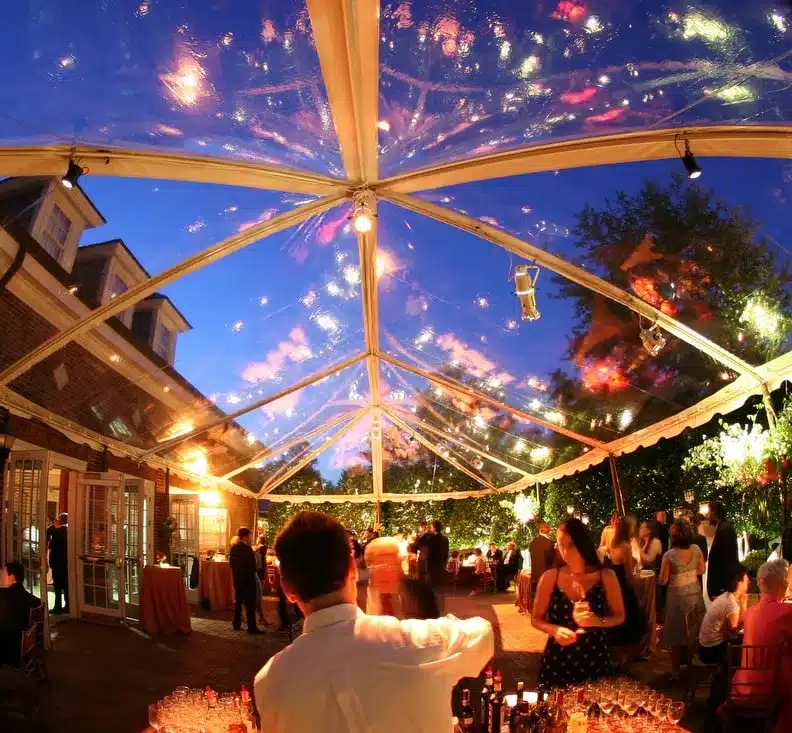
Lanterns, LED candles, and custom gobo projections add intimacy and personalized flair while meeting the strict safety requirements that winter tents demand. Because open flames are often restricted around fabric walls and draping, LED options deliver the same warm glow without risk. Battery-powered lanterns are especially useful for pathways, entrances, and remote corners where wiring is difficult, while gobos introduce stunning visual storytelling through custom monograms, seasonal motifs, or soft pattern washes. Selecting each accent requires thoughtful consideration of safety ratings, power access, runtime, and overall visual impact.
Below is a quick comparison to help planners choose the best options for winter settings:
This table highlights the balance between atmosphere, safety, and practicality. The subsections below refine how to best use each option.
What Are the Safest and Most Stylish Lantern and LED Candle Choices for Winter Tents?
LED candles and lanterns replicate the warmth of an open flame without any of the associated risks, making them ideal in tents with extensive fabric, draping, and décor. Battery-powered LED candles offer long runtimes—often lasting an entire event day—and remote dimming or flicker modes add realism without cluttering tabletops with wiring. Lanterns come in a wide range of styles, from modern metal and glass to natural wood or rattan, allowing planners to match aesthetic themes without compromising safety.
For best results:
- Choose weather-resistant, enclosed lantern designs to protect electronics from cold or moisture.
- Use clusters of LED candles for centerpieces, aisle markers, or lounge accents.
- Keep all lanterns and LED fixtures clear of heaters or ventilation paths.
Next, we’ll move into how custom gobos personalize a winter wedding environment with meaningful, photo-ready effects. Read more in Flooring Ideas to Elevate Your Tented Wedding.
How Can Custom Gobo Projections Personalize a Winter Wedding Tent?
Gobos are one of the most effective ways to introduce personalized visual moments in a winter tent—whether you’re projecting a monogram on the dance floor, creating delicate snowflake patterns on fabric walls, or adding subtle textures to draping. Achieving crisp, impactful projections depends on selecting the right projector lumen rating for the tent size, ceiling height, and ambient light levels. Larger or brightly lit winter tents often require higher-lumen projectors to maintain clarity.
Key considerations for flawless gobo use include:
- Matching projector strength to throw distance and surface type (fabric vs. flooring).
- Ensuring stable mounting and secure wiring for safety and consistent projection.
- Coordinating colors with your uplighting to maintain contrast and avoid washout.
- Positioning gobos outside major walkways to prevent glare or interference with traffic flow.
When planned with intention, gobos create unforgettable signature moments and elevate the winter atmosphere without adding significant power demands.
What Are the Latest Trends and Innovations Shaping Winter Wedding Tent Lighting?
Current lighting trends for winter wedding tents revolve around energy efficiency, improved safety, and expanded design flexibility. High-performance LEDs now offer exceptional color rendering and tunable white options that mimic the warmth of incandescent lighting while dramatically reducing power consumption—an important advantage when heating systems are running simultaneously. Battery-powered uplights and lanterns have also advanced, allowing designers to illuminate remote areas or tricky corners where wired access is limited. These wireless options deliver long runtimes, withstand cold weather, and reduce cable clutter, while wired power still remains essential for large chandeliers, high-lumen gobos, or any installation that demands consistent output. We cover this further in Cozy Lighting Design Ideas for Fall Wedding Tents.
Personalization tech is also evolving: dynamic color-changing fixtures, laser-cut custom gobos, and high-resolution projection mapping provide planners with sophisticated tools to craft unique visual moments. Together, these innovations allow couples to achieve dramatic looks that remain energy-efficient, safe, and fully compatible with winter climates inside heated tents.
How Do Specialized Lighting Designs Enhance Luxury Winter Wedding Themes?
Winter themes come to life when lighting is intentionally matched to the aesthetic. Crystal chandeliers paired with crisp blue uplighting evoke an elegant “ice palace” atmosphere, while warm amber string lights and rustic lanterns beautifully underscore a “cozy lodge” look. A “modern glam” style might feature metallic finishes, programmable color accents, and architectural uplighting that highlights clean lines and polished textures.
Each theme benefits from tailored accents:
- Ice palace: snowflake gobos, cool-white uplighting, high-lumen chandeliers
- Cozy lodge: lantern clusters, amber string lights, soft perimeter uplighting
- Modern glam: metallic reflections, RGB LED highlights, statement chandeliers
Because winter tents often hold significant décor and lighting weight, early rigging and power planning is essential. Heavy chandeliers, multi-fixture grids, and layered projections require confirmed load ratings, dedicated circuits, and safe distribution. When these technical considerations are aligned from the start, your chosen theme becomes both breathtaking and operationally sound.
Planning Tips for Safe, Successful Winter Lighting Designs
- Start early: Secure permits, power distribution plans, and climate-control coordination before décor decisions.
- Use IP-rated fixtures: All lighting must withstand moisture, condensation, and cold-weather shifts.
- Budget for infrastructure: Allocate resources for generators, distribution panels, and licensed rigging professionals.
Which Accent Fixtures Work Best for Winter Weddings?
These recommendations reinforce a key principle: creativity must be paired with precise technical planning, especially in cold-weather tents. When lighting, power, and climate systems are integrated from the outset, even the most ambitious winter designs can be executed safely and elegantly.
Frequently Asked Questions
How can I ensure my winter wedding lighting is safe and compliant with regulations?
Safety begins with selecting fixtures that are fully rated for outdoor and cold-weather environments. Look for IP65 weatherproof connectors, sealed housings, and UL-listed equipment suitable for tent installations. Avoid open flames near any tent fabric and opt for LED candles or enclosed lanterns when warm glows are desired. For more complex lighting plans—especially those involving chandeliers, rigging, or significant power distribution—engage a licensed electrician early. They will verify load calculations, grounding, and local code compliance. Conducting a final inspection before guests arrive ensures every cable, connection, and mounting point remains secure throughout the event.
What role do color temperatures play in winter wedding lighting design?
Color temperature dramatically shapes the mood inside a winter tent. Warm light in the 2700K–3000K range provides flattering illumination, enhances the perceived warmth of the space, and pairs naturally with heater glow. Cooler tones can introduce a subtle winter aesthetic, but using them sparingly prevents the environment from feeling cold. Many modern LEDs allow designers to blend warm and cool tones—warm for general ambiance and cooler highlights for drapery or metallic décor—to create a balanced, visually cohesive look.
How can I personalize my winter wedding lighting with gobos?
Custom gobos are an elegant way to introduce personalization. They can project monograms, seasonal motifs, or textured patterns onto dance floors, tent walls, or draping. For crisp results, choose a projector with the appropriate lumen output for the distance and brightness levels in your tent. Ensure each projector is mounted securely, powered on a stable circuit, and aligned to avoid guest pathways. When coordinated with uplighting, gobos can create striking, photo-ready features that feel both refined and deeply personal.
What are some creative ways to layer lighting for a winter wedding tent?
A well-layered lighting plan blends ambient, accent, and task lighting. Ambient fixtures—string lights, chandeliers, soft uplighting—establish warmth across the tent. Accent fixtures, such as narrow-beam uplights or custom gobos, highlight floral installations, architectural draping, and key focal points. Task lighting, including downlights and pendants, maintains visibility at bars, buffets, and service areas. When programmed with dimming presets, these layers transition smoothly through ceremony, dinner, and dancing, ensuring both aesthetic consistency and guest comfort. For inspiration from past installs, browse our tent gallery.
Conclusion
A beautifully lit winter wedding tent is the result of thoughtful design paired with precise technical planning. By blending warm ambient light, striking focal fixtures, and carefully balanced accents, you can create an atmosphere that feels inviting, elegant, and seasonally expressive. With Skyline Tent Company’s expertise in tents, lighting, power, and climate integration, couples and planners gain a seamless, reliable foundation for executing even the most intricate winter lighting concepts. Reach out to begin crafting a lighting plan that supports your vision and ensures an exceptional guest experience from the first entrance to the final dance.