
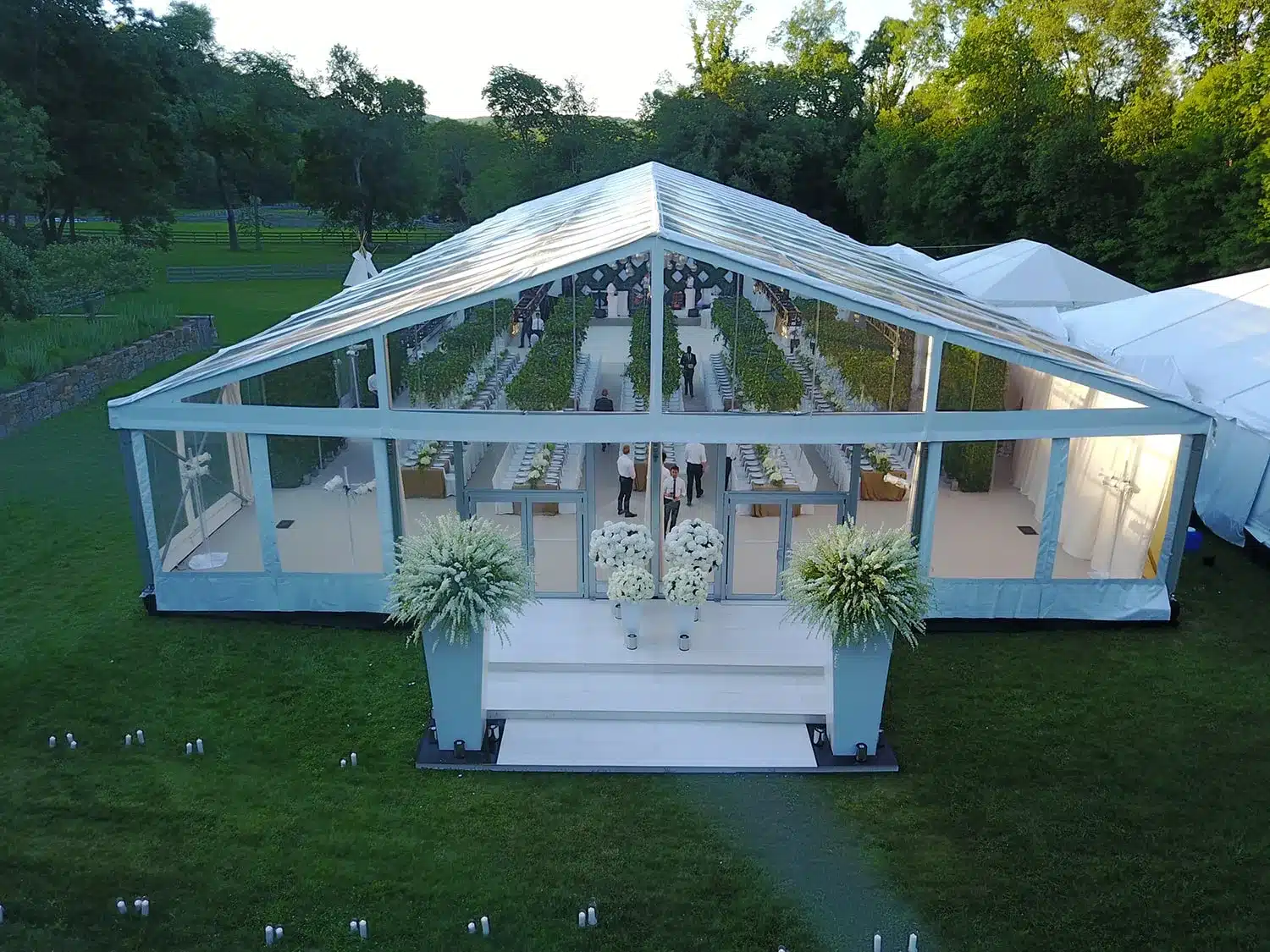
A white tent wedding offers a timeless backdrop for outdoor celebrations, and its elegance becomes even more striking when planned for the winter season. The crisp white canopy reflects light beautifully, supports layered lighting design, and pairs seamlessly with advanced climate-control systems that keep guests warm and comfortable despite colder temperatures. This guide helps couples and planners translate a refined design vision into a fully engineered, winter-ready event plan, covering tent selection, sizing, layout, décor, and the essential logistics that ensure flawless execution.
You’ll explore how different white tent styles perform in various conditions, how to integrate heating and insulated flooring for winter weddings, and how to create a cohesive interior through lighting, florals, and furniture zoning. Throughout, we connect aesthetic decisions to the technical considerations, power, climate, site preparation, and installation, that define a successful luxury tented event. With expert guidance and smart planning, a white tent becomes the perfect architectural canvas for an unforgettable celebration in any season, including the magical winter months.
Why Does a White Tent Create Such a Timeless Wedding Setting?
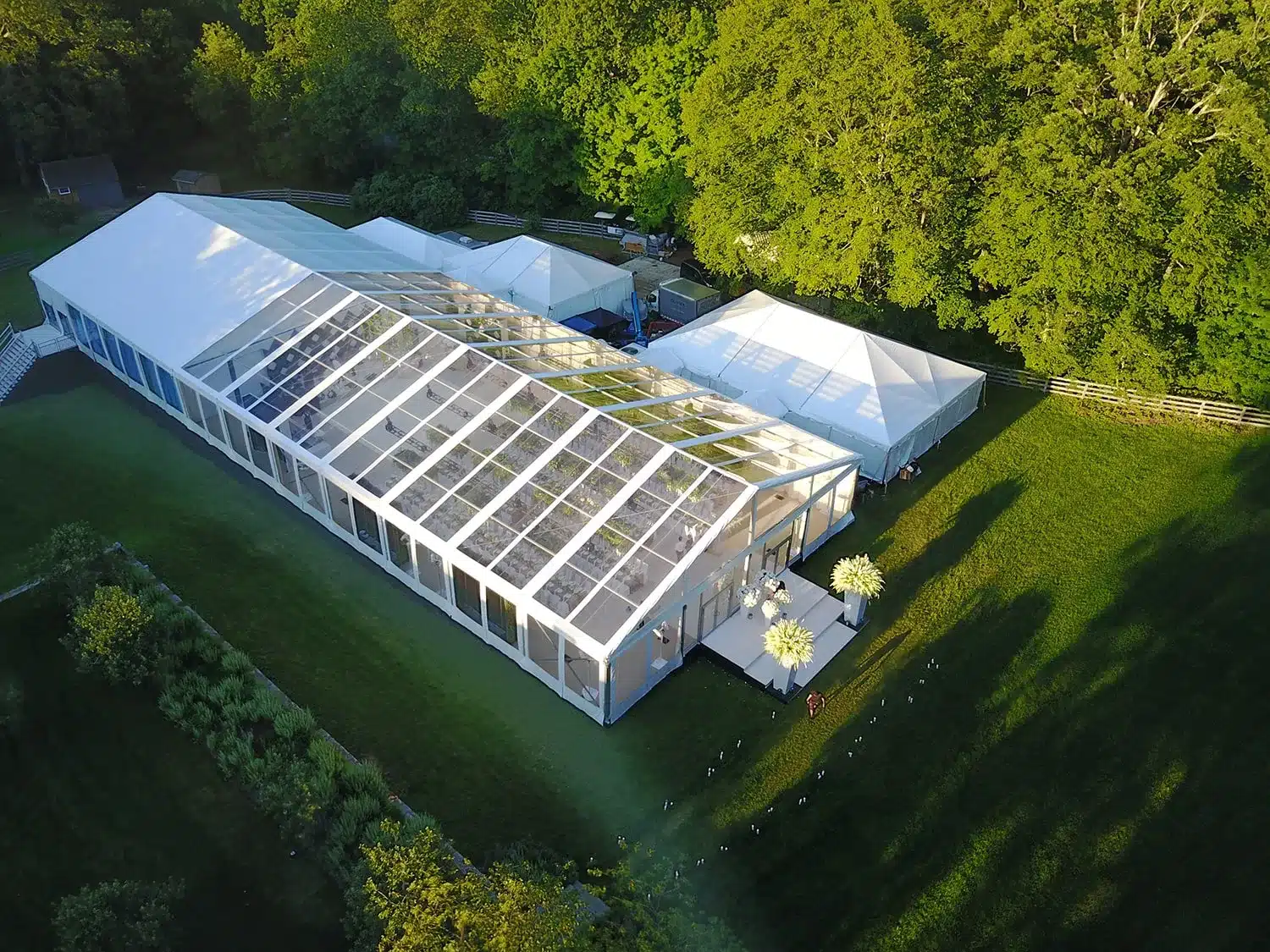
Choosing a white tent for your wedding is both an aesthetic and practical decision. Its crisp canopy reflects and diffuses natural light beautifully, creating an atmosphere that feels serene, photogenic, and visually expansive. This neutral backdrop eliminates visual noise, allowing lighting, florals, and furnishings to stand out with clarity and intention.
From a functional standpoint, white tents perform well in every season, including winter, because their clean, neutral surfaces work seamlessly with climate-control systems and layered lighting. The result is a space that remains warm, inviting, and operationally predictable. A white tent also gives vendors, from florists to caterers to lighting teams, a cohesive framework to work within, making coordination and setup far more efficient.
At Skyline Tent Company, we pair white-tent aesthetics with the engineering and project management required for flawless installations. Our approach ensures that tent selection, site readiness, and logistical planning come together smoothly, eliminating costly surprises and supporting the design decisions that follow.
What Makes White Wedding Tents So Elegant and Versatile?
The elegance of a white wedding tent begins with its materials and structural design. Sailcloth diffuses sunlight into a warm, romantic glow, while vinyl canopies create a bright, polished ceiling that suits more formal styling. Ceiling height, peak shape, and span capacity all influence the tent’s visual character, from the dramatic vertical lift of soaring peaks to the sleek modernity of clear-span engineered structures.
Each structural element, frame, fabric, flooring, and lighting, contributes to the tent’s overall texture, acoustics, and guest comfort. Because these core choices directly influence how florals, décor, and lighting will present, selecting the right tent style early ensures a cohesive and intentional design from start to finish.
How Do White Tents Elevate Luxury Wedding Décor?
White tents function as a clean, distraction-free canvas that beautifully amplifies décor choices. With no competing tones or textures, lighting design, floral installations, and curated furniture pieces stand out as focal points. Designers take advantage of this by layering ambient, accent, and task lighting to sculpt mood and depth throughout the space.
Suspended chandeliers, greenery, or statement light fixtures introduce vertical interest, while carefully placed lounges, heirloom pieces, or modern seating collections create natural vignettes. Because a white tent accommodates both classic and contemporary palettes, it adapts effortlessly to any season or style, making it especially impactful for winter weddings where warm lighting and rich textures take center stage.
How Do You Choose the Right White Wedding Tent Style and Size?
Selecting the ideal tent style and size begins with three essentials: guest count, preferred layout, and site conditions. Each tent category, sailcloth, Century, or engineered structure, offers unique benefits related to translucency, ceiling height, weather performance, and interior span.
Accurate sizing ensures clear sightlines, sufficient service pathways, and ceiling heights that support chandeliers or suspended florals. After determining your guest count and table configuration, incorporate zones for the bar, entertainment, catering access, and lounge elements to confirm the correct footprint.
To help guide your decision, the comparison table outlines how each tent type performs visually, operationally, and in different weather scenarios. Sailcloth tents excel in light-filled romantic settings, while engineered structures provide expansive, uninterrupted interiors ideal for large guest counts or elaborate décor installations.
Why Are Sailcloth Tents a Favorite for Romantic Outdoor Weddings?
Sailcloth tents are prized for their soft translucency and elegant peaks, which naturally diffuse daylight and create an airy, romantic glow. This light quality enhances photography and reduces the need for strong artificial lighting during daytime events.
Because sailcloth canopies are more flexible and less rigid than engineered membranes, they perform best in fair to moderate weather. When conditions require higher wind resistance or additional anchoring, Skyline’s team assesses site factors and recommends appropriate reinforcements or alternative structures to maintain both beauty and safety.
How Do Century Tents and Engineered Structures Compare for Classic vs. Modern Weddings?
Century tents offer the sculpted peaks and traditional white aesthetic ideal for classic, formal receptions. Their shape naturally complements chandeliers, draping, and traditional table layouts.
Engineered structures provide the opposite design experience: clear-span openness, significant height, and the capability to support multi-zone layouts, heavy installs, and integrated HVAC and rigging systems. Because loads transfer to the perimeter frame, no interior poles interrupt sightlines or décor.
For formal, timeless dinner plans, Century tents remain a favorite. For large guest counts, modern styling, or complex installations, engineered structures provide unmatched flexibility and performance.
How Can You Elevate Your White Tent Wedding With Elegant Décor?
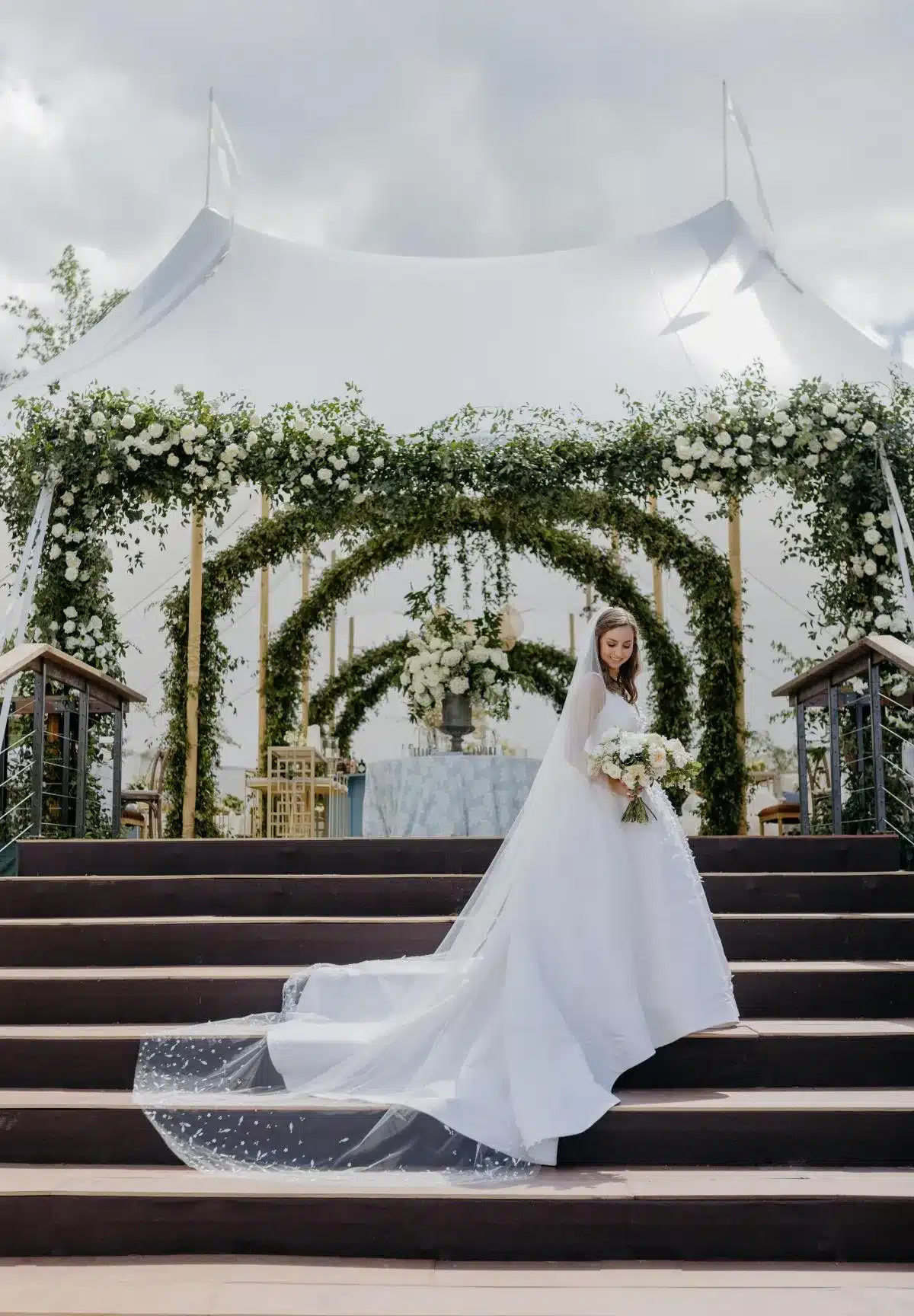
Creating an elegant white tent wedding relies on three core design elements: layered lighting, refined textiles, and intentional furniture zoning that shapes intimate moments within a larger space. Effective layering blends ambient, accent, and task lighting to illuminate faces beautifully, highlight floral installations, and define guest pathways. Textural contrast, soft draping, lush greenery, polished wood, or subtle metallic finishes, adds depth against the clean white canopy.
Thoughtfully designed focal points, such as a refined head table or a welcoming sweetheart lounge, anchor the room visually. Meanwhile, strategic furniture placement and lounge groupings enhance comfort and create natural, photo-ready vignettes that elevate the overall guest experience.
What Lighting Strategies Create a Warm and Luxurious Atmosphere?
Lighting is one of the most influential tools in a white tent, shaping mood, warmth, and depth. A high-impact approach relies on layering different fixture types to achieve balance and dimension:
- Ambient Uplighting: Softens the canopy and unifies the color of the tent interior.
- Statement Chandeliers: Serve as dramatic focal points, emphasizing vertical height beneath tall peaks.
- String Lights: Add warmth and intimacy across lounges or dining areas.
- Task and Accent Lighting: Ensure bars, buffets, and service areas remain functional and well-defined.
Integrating dimmers and appropriate color-temperature control ensures flattering light throughout the event and supports high-quality photography. Once lighting is established, textile and floral layers bring the space to life and tie the entire design together.
How Do You Use Lighting to Shape Ambiance and Define Key Spaces?
Lighting can dramatically transform a white tent by guiding guests’ attention, enhancing material textures, and creating a sense of warmth, especially valuable for winter weddings. Warm white lighting is ideal for dinner areas, while slightly cooler temperatures can differentiate bar or lounge zones.
Place statement chandeliers above focal tables, line ceiling paths with string lights to highlight architectural form, and position uplights at perimeter points to soften rigging or structural elements. A well-balanced plan typically includes dimmable ambient fixtures, a pair of feature chandeliers, and localized task lighting to maintain both atmosphere and functionality.
How Do Draping, Florals, and Furniture Bring Your Tent Interior to Life?
Refined draping and floral installations introduce texture, visual depth, and controlled softness within a white tent environment. High-quality drapery can soften structural lines and create a seamless backdrop for suspended floral features or ceiling treatments. Elevated centerpieces or hanging arrangements draw the eye upward, taking advantage of the tent’s vertical space.
Furniture choices reinforce the overall layout and circulation. Blending formal dining sets with thoughtfully placed lounge areas supports guest comfort and creates natural gathering points. Prioritizing accessibility and clear service routes ensures that décor not only enhances beauty but also supports efficient event flow.
How Do You Plan a White Tent Wedding Layout for Flawless Flow and Guest Comfort?
A successful tent layout starts with allocating the right amount of space for each function and placing zones so guests move naturally without crossing into service pathways. The goal is simple: separate guest circulation from vendor operations while maintaining logical adjacencies, from ceremony to cocktail hour to reception.
This approach improves comfort, minimizes bottlenecks, and elevates the experience end-to-end. Begin by sizing the ceremony footprint, then map out the reception layout based on your preferred table configuration and the dance floor size. Finally, position the bar, band, staging, and vendor access points so service remains discreet and efficient throughout the event.
To support early planning and capacity decisions, use the table below to convert guest counts into recommended square footage.
These benchmarks help determine the ideal tent footprint, ensuring every zone, including focal elements like the head table or hanging florals, has room to shine while maintaining smooth circulation.
What Are the Best Practices for Ceremony, Reception, and Dance Floor Layouts?
Ceremony layouts should prioritize clear sightlines and comfortable spacing. A defined aisle and evenly arranged seating ensure every guest can view the focal point, whether an arch, floral installation, or elevated platform.
For dinner receptions, maintaining 12–15 square feet per guest provides enough room for servers, décor, and guest movement. Include service lanes of at least 4–6 feet to support efficient catering operations.
Dance floors should be sized based on expected participation, typically 2–4 square feet per dancing guest, and positioned adjacent to entertainment to create a natural flow from dining to late-night celebration. These spacing guidelines ensure the room feels elegant, functional, and visually balanced.
How Can Multi-Zoned Tent Designs Create a More Immersive Wedding Experience?
Multi-zoned tent layouts continue to grow in popularity, especially for couples seeking a highly personalized and guest-focused celebration. By dividing the event into distinct areas, such as a cocktail lounge, intimate dining room, kids’ space, or late-night terrace, you create a layered experience with multiple moods throughout the evening.
Smooth transitions are essential. Subtle lighting changes, elegant signage, and shifts in flooring or textiles help guide guests between spaces while maintaining aesthetic consistency. Multi-zone plans may involve linked structures or defined outdoor pathways, along with additional coordination for vendor access and permits.
Although these layouts introduce more logistical considerations, they deliver exceptional guest experiences and align perfectly with 2025 trends centered on personalization, comfort, and curated atmosphere.
What Essential Logistics Ensure a Smooth and Safe White Tent Wedding?
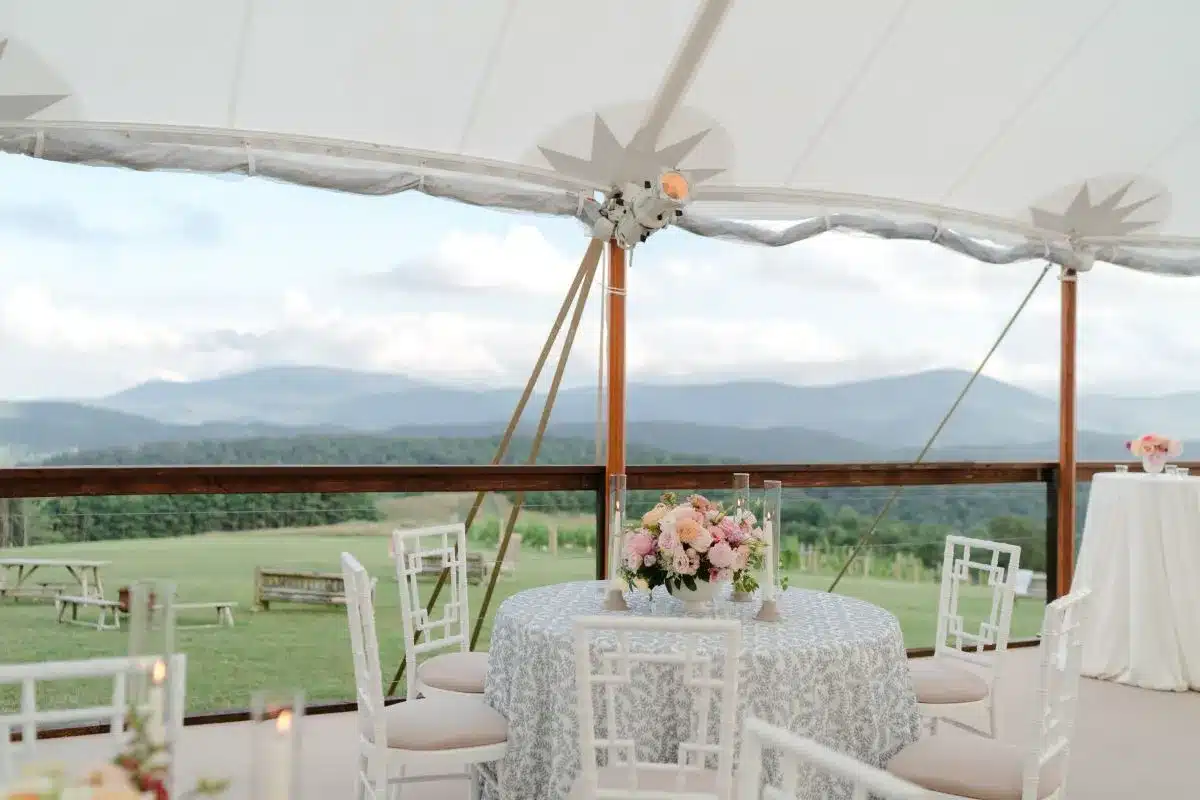
Executing a white tent wedding requires careful coordination of power, climate control, permitting, site preparation, and vendor logistics. Addressing these elements early protects your design vision while ensuring the venue meets all safety and performance requirements.
Reliable power distribution and properly sized climate-control systems support lighting, sound, catering equipment, and HVAC without interruption. At the same time, strategic site preparation, including grading, defined access routes, and protective flooring, preserves the landscape and ensures the tent can safely support its full load. A well-sequenced setup and teardown schedule prevents bottlenecks, protects décor installations, and allows vendors to work efficiently throughout the build.
Below is a streamlined comparison of key logistical services and their impact:
Understanding these logistical components allows planners to request accurate proposals that include appropriate redundancy and safety measures. When reviewing generator or HVAC recommendations, always request load calculations tied to your exact tent footprint, lighting plan, and power distribution layout.
How Do Power and Climate Control Systems Create a Comfortable Guest Experience?
Power and climate systems work together to maintain a warm, reliable environment throughout your event. Adequate generator capacity ensures that lighting, HVAC, and AV equipment operate without dimming or interference, while properly sized heating or cooling units regulate interior temperatures based on tent volume and weather conditions.
Plan for at least 20–30% additional generator capacity to avoid overloads, and choose climate-control systems designed for large clear-span tents if your layout features high ceilings or multiple zones. Redundancy, CO monitoring (for combustion heat), and system cutoffs further protect against unexpected failures, ensuring guests stay comfortable from start to finish.
What Permits and Site Preparations Are Needed for an Outdoor Tent Wedding?
Most outdoor tent weddings require permits such as temporary structure approvals, fire permits, and occupancy documentation. These typically involve engineered drawings, anchoring details, and egress plans that demonstrate compliance with local codes.
Site preparation is equally important. Grading ensures a level foundation, while defined access routes allow trucks and equipment to safely reach the installation area. Ground protection, such as matting or subflooring, reduces turf damage and improves footing for both vendors and guests.
Because permits can take several weeks, begin the process early and involve a surveyor or engineer when dealing with uneven terrain, drainage concerns, or restricted access areas. This proactive approach ensures your tent footprint, anchor layout, and utilities meet both code requirements and operational needs.
For planners seeking streamlined support, many full-service providers offer integrated packages that bundle site assessment, project management, and technical installations. These comprehensive services help ensure power, climate control, and flooring are coordinated seamlessly with your overall design vision.
What Timeless Design Principles and 2026 Innovations Elevate a White Tent Wedding?
As 2026 approaches, white tent weddings continue to evolve through immersive multi-zone layouts, sustainable material choices, and elevated personalization, yet the most enduring design elements remain rooted in classic simplicity. Neutral palettes, luxurious textiles, and refined lighting still form the backbone of an elegant tented celebration, while new advances in planning tools and reusable décor help couples reduce waste without sacrificing beauty.
Modern sustainability practices, such as choosing durable rental furniture, selecting high-efficiency LED lighting, and incorporating locally sourced florals, lighten the environmental footprint of a tented event. These same strategies also complement the crisp, clean backdrop of a white tent, allowing details like layered lighting, premium draping, and sophisticated winter greenery to stand out with clarity.
Below are practical ways to blend timeless aesthetics with forward-thinking wedding design:
• Choose premium rental textiles and furniture to reduce new production while maintaining a luxury standard.
• Use energy-efficient LEDs and lower-heat fixtures to improve comfort inside enclosed or winter tents.
• Incorporate seasonal, locally sourced florals to minimize transport emissions and enhance freshness.
• Add heirloom accessories and personalized signage to introduce meaningful, elegant storytelling elements.
Together, these thoughtful design choices create an atmosphere that feels fresh and modern yet fundamentally classic, ensuring your white tent wedding remains visually stunning for years to come.
How Are Sustainability and Personalization Shaping the Future of Luxury Tent Weddings?
Sustainability is becoming a central consideration for modern tent weddings, with couples gravitating toward reusable infrastructure, lower-energy systems, and high-quality rental inventories that reduce waste. Rather than relying on single-use décor or disposable materials, today’s elevated weddings embrace long-lasting textiles, modular furniture, and efficient climate-control systems that perform beautifully without unnecessary environmental strain.
Personalization works hand-in-hand with sustainability. Reusing meaningful family pieces, incorporating heirloom linens, or integrating vintage furnishings reduces waste while adding emotional depth to the design. Bespoke signage, curated playlists, and intimate design details invite guests into your story without requiring additional material production.
Within a white tent, especially during a winter celebration, these sustainable and personal touches are amplified. The clean, neutral backdrop highlights each layered detail, allowing both the modern innovations and the timeless elements to shine in harmony. The result is a wedding that feels deeply individual, environmentally thoughtful, and visually enduring.
Frequently Asked Questions
What factors matter most when choosing a location for a white tent wedding?
Selecting the right site begins with the basics: accessibility, terrain stability, and proximity to essential utilities. Your location must comfortably support the tent footprint, planned layout, and guest capacity, with room for service corridors and safe equipment access. Evaluate the grade of the land, any uneven areas that may require professional leveling, and the availability of reliable power for lighting and climate control. Confirm any required permits or local regulations early. A well-chosen site enhances guest comfort and allows your white tent wedding, especially in cooler seasons, to run smoothly from setup to final send-off.
How can I make my white tent wedding more sustainable?
Sustainable elegance is easy to achieve with mindful planning. Opt for high-quality rental décor and furniture instead of purchasing new items. Use energy-efficient LED lighting to reduce power demands, particularly helpful for cold-weather or winter tent weddings, and choose locally sourced, seasonal florals to limit transportation impact while maximizing freshness. Reusable elements such as heirloom linens or vintage lounge pieces add warmth and personality while supporting an eco-friendly approach. Pair these choices with a thoughtful recycling and waste-management plan for a lower-impact celebration.
How can we personalize a white tent wedding in a meaningful way?
Personalization shines beautifully inside a white tent’s neutral canvas. Incorporate family heirlooms, curated photographs, or vintage furnishings to create a sense of intimacy and story. Custom signage, personalized table settings, and carefully curated playlists reinforce the couple’s style. For interactive moments, consider a unique guest book alternative or a craft cocktail station where guests can engage directly with the experience. These thoughtful touches add emotional depth and make the event feel truly one-of-a-kind.
What should we consider when managing logistics for a white tent wedding?
Successful logistics rely on early planning and clear communication. Create a detailed timeline outlining deliveries, vendor arrival windows, tent installation, décor setup, and teardown. Ensure all vendors understand access points, power needs, and their specific responsibilities. For larger or winter tent weddings, a professional planner or on-site coordinator is invaluable, they oversee details, manage weather-related adjustments, and allow you to stay present throughout the celebration. Address climate control, power distribution, and site preparation early to avoid last-minute disruptions.
What are the best lighting strategies for a white tent wedding?
Lighting defines the mood inside a white tent. Combine ambient, task, and accent lighting to create depth, warmth, and visual movement. Ambient uplighting unifies the space, while statement chandeliers add drama and elegance, especially beneath tall peaks. Soft string lights introduce intimacy in lounge areas or over the dance floor. Place lighting strategically to highlight focal points such as the head table, bar, or floral installations. Dimmers are essential for transitioning the atmosphere from ceremony to dinner to dancing.
What common mistakes should couples avoid when planning a white tent wedding?
Key pitfalls include underestimating the tent size needed to comfortably fit your layout, overlooking weather contingencies, especially for cool-season or winter weddings, and delaying necessary permits. Many couples also underestimate setup time, which can lead to stress and rushed installations. Plan ahead, confirm climate control requirements, and build generous margins into your schedule to ensure a seamless, relaxed experience for both you and your guests.
Conclusion
A white tent wedding offers an unmatched blend of elegance, versatility, and timeless beauty, ideal for warm-weather celebrations and equally magical for winter weddings when paired with expert climate control and thoughtful layout design. By understanding the unique benefits of each tent style, planning your layout with intention, and coordinating logistics early, you can create a seamlessly orchestrated event that feels luxurious and deeply personal.
As you begin planning, explore Skyline Tent Company’s full-service offerings, from engineered structures and winter-ready climate systems to elevated décor support, to bring your wedding vision to life with confidence. Your unforgettable celebration starts with the right foundation. Let us help you create a white tent wedding that remains beautiful long after the final toast.