
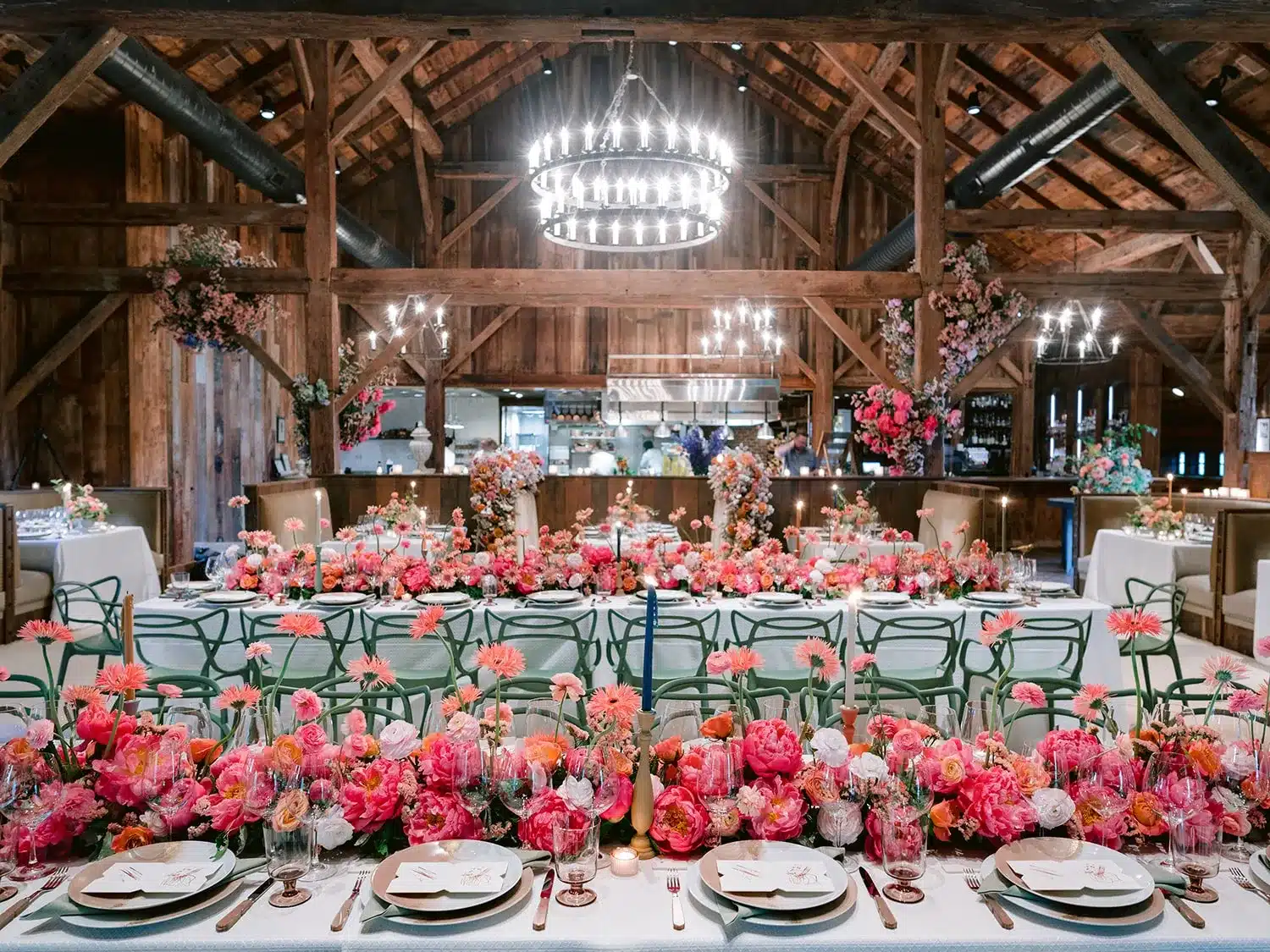
Floral design turns a tent from a simple shelter into a purposeful, photographed moment, shaping scale, color, and movement to match an event’s story and the tent’s architecture. This guide explains how various luxury tent types serve as design canvases and why botanical elements are crucial to creating immersive environments for weddings, galas, and large receptions. You’ll learn how tent attributes, translucency, ceiling height, and pole placement influence palette and installation choices, which suspended treatments create the most impact, and how lighting and draping work with botanical elements.
We cover tent-specific floral strategies for sailcloth, century, and engineered-structure tents, as well as practical rigging, weatherproofing, and florist-selection checklists. By the end, planners and florists will have actionable design patterns, safety‑first installation checklists and clear next steps for aligning floral artistry with tent engineering.
How Do Floral Designs Enhance Luxury Tent Events?
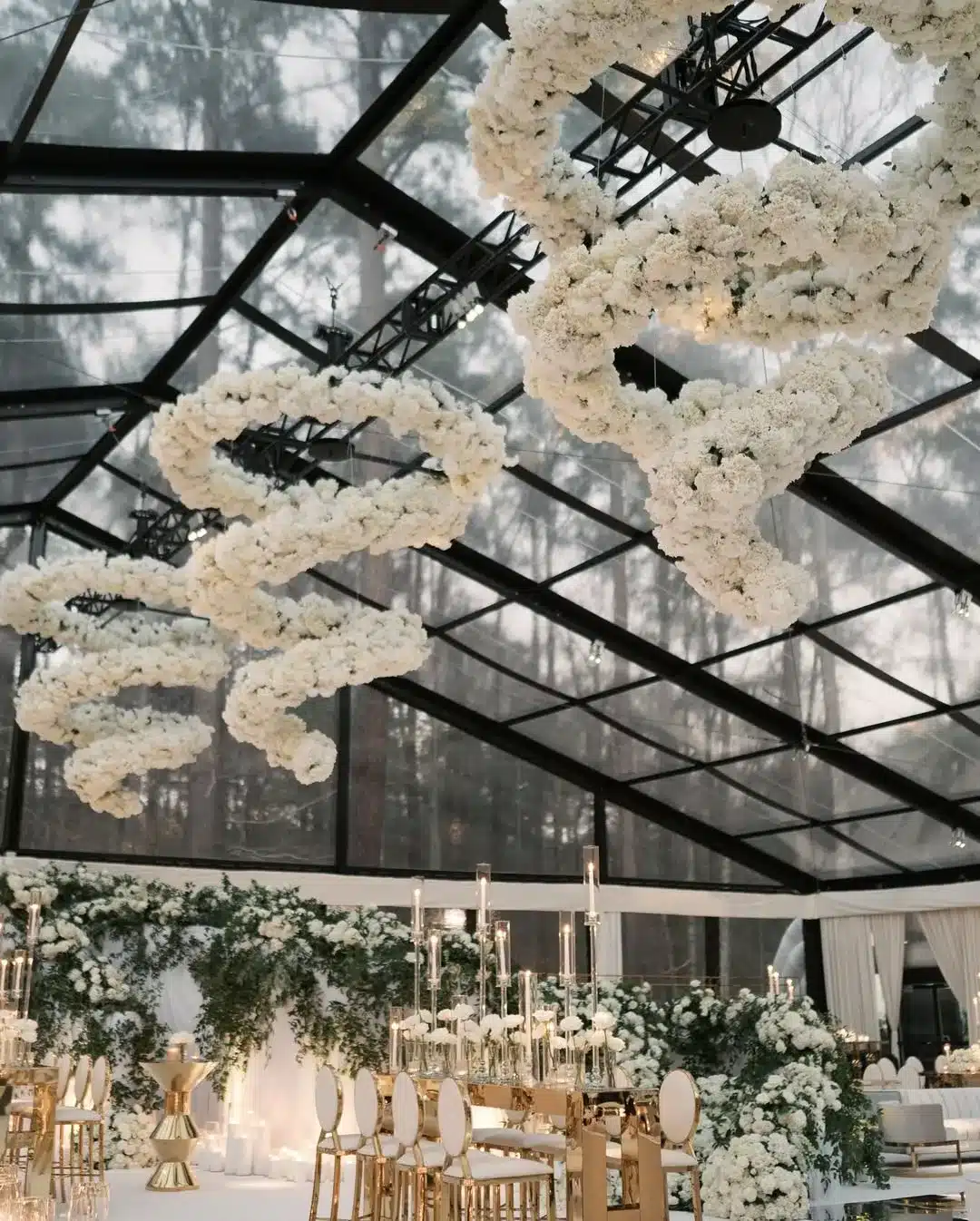
Floral design enhances luxury tent events by creating deliberate sensory and spatial cues that set mood, mark focal points and bridge indoor comforts with an outdoor setting. Vertical installations change perceived scale, organic textures soften mechanical tent lines, and cohesive color stories photograph consistently.
Designers build depth and movement through layering, suspended elements above tables, pole wraps and aisle runners, that guide guests from arrival through ceremony to reception. Practical factors like flower longevity in fluctuating temperatures, wind exposure and water access directly inform material and scheduling decisions, so planners must balance aesthetics with logistics to avoid surprises. Grasping these core effects helps match design intent to each tent’s structural realities.
What Impact Do Floral Arrangements Have on Event Ambiance and Aesthetics?
Floral arrangements shape ambiance by steering warmth, intimacy and formality through palette, scale and texture. Soft, muted palettes with abundant greenery feel romantic and intimate; saturated, monochrome installs read bold and modern in photos. Texture, mixing glossy foliage, feathery grasses and dense blooms, changes how light plays across a piece and how scent moves through a space, both of which influence guest experience.
Thoughtful placement at sightlines and photo anchors creates memorable moments, while choosing hardy varieties and reliable hydration keeps the look intact from first guest arrival to the last dance. These sensory and practical outcomes explain why suspended work is especially transformative in tents.
Why Are Hanging Floral Installations Essential for Tent Decor?
Hanging floral installations are indispensable in tents because they leverage vertical volume to define zones without building permanent structures. Suspended chandeliers, floral clouds and garlands create immersive ceilings that reduce echo, focus sightlines and give a sense of enclosure while preserving the outdoor feel. These pieces demand careful planning around attachment points, distributed weight and wind loads, so early collaboration with tent engineers and certified riggers is non‑negotiable. The visual return, dramatic photography, layered lighting effects and increased guest immersion, makes the extra logistics worthwhile for high‑end events where experience design is the priority. From that starting point, tent‑specific strategies can be selected to align with each tent’s structural character.
What Are the Best Floral Design Ideas for Skyline Tent Types?
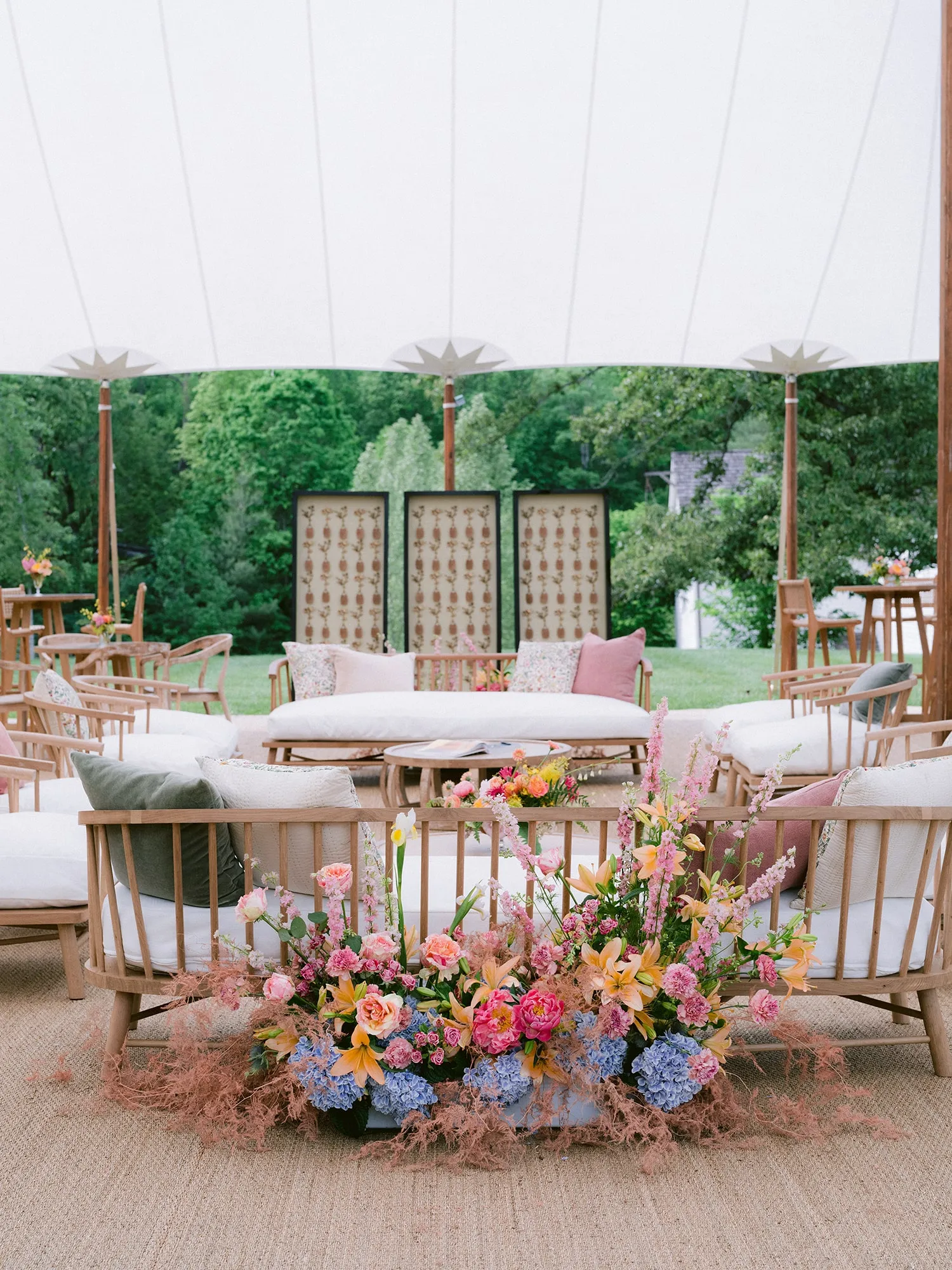
Tent architecture determines which floral strategies will read best and perform reliably. Sailcloth tents, with translucent fabric and soft peaks, favor airy, backlit florals and trailing compositions that float beneath the canopy. Century and engineered‑structure tents, with higher clearspans and stronger rigging, accommodate heavier sculptural installations and grand chandeliers. Flower choices also depend on pole placement and available attachment options, some tents offer distributed rigging points while others require freestanding supports or elevated platforms for large pieces. Evaluate translucency, ceiling height and pole layout early so florists can design within load and sightline constraints. The table below matches tent attributes to recommended floral approaches and attachment notes to guide those early decisions.
Different tent architectures require tailored floral responses to maximize impact while respecting structural limits.
How Do Sailcloth Tents Influence Romantic and Ethereal Floral Arrangements?
Sailcloth tents create a romantic, ethereal backdrop through translucency that softens backlit florals and turns ceilings into luminous canvases at dusk. Choose airy, trailing materials, amaranthus, eucalyptus runners and wispy grasses, paired with soft pastels to make the most of natural light. Lightweight suspensions and dispersed attachment methods protect fabric integrity, while integrated uplighting intensifies translucency after sunset. Because sailcloth sites can be more exposed to wind, plan for flexible, breathable structures and secure hydration systems to preserve bloom health. These tactics contrast with the heavier ambitions possible in structural tents, discussed next.
What Floral Concepts Complement Engineered Structure and Century Tents?
Engineered‑structure and century tents support bold, architectural floral concepts thanks to engineered rigging and greater clearspan. Florists can specify oversized chandeliers, monochrome sculptural pieces and botanical arches that read as installations within the tent volume, using cable systems and engineered mounts for stability. Durable flower varieties and reliable hydration systems are essential for long events and pieces suspended above guests. Teams must account for load distribution and windproofing during design. When coordinated well, these tents enable immersive installations that integrate lighting and multimedia, delivering the dramatic focal points luxury clients expect.
Which Hanging Floral Installations Work Best for Luxury Event Tents?
Choosing the right hanging installation balances desired visual impact against installation complexity and tent capability. Chandeliers provide centralized drama and suit symmetrical receptions; floral clouds create a diffuse immersive effect for lounges and dance floors; garlands offer linear framing along beams, poles and aisles. Selection depends on guest count, sightlines and whether rigging supports distributed or point loads, heavy, centralized chandeliers need engineered anchors, while lightweight clouds can hang from drapery tracks. The table below helps planners match format to tent type and lighting plans without guessing.
Use a clear, stepwise checklist to keep design and execution aligned.
- Define the visual goal: Clarify scale, silhouette and the guest experience you want the hanging piece to deliver.
- Confirm structural capacity: Verify rigging points, load limits and wind‑resistance profiles with your tent provider.
- Select materials: Choose durable stems and supporting hardware that balance lifespan, weight and look.
- Plan lighting integration: Map pin spots and washes to reveal texture without overheating botanicals.
- Schedule installation windows: Allow time for safe rigging, testing and final hydration before doors open.
Following these steps reduces surprises and aligns creative goals with engineering constraints—paving the way for thoughtful lighting and draping coordination.
How to Design Floral Chandeliers, Garlands, and Clouds for Tent Ceilings?
Start with a concise concept that defines silhouette, color and sightline priorities, then translate that to structure and installation method. For chandeliers, specify modular metal or composite frames, calculate distributed loads and plan pin‑spot placements to highlight key blooms. For clouds, use lightweight, foam‑free frames and breathable stems to reduce weight and extend freshness; for garlands, precisely measure runs and anchor points to prevent sagging. Favor long‑lasting stems and foliage where temperature swings are expected, and rehearse with rigging teams to avoid last‑minute conflicts.
What Are the Best Practices for Floral Arches and Entrance Gateways?
Start with proportion: match arch height and width to tent door dimensions to create a welcoming, photo‑ready approach. Use freestanding armatures or secure anchors tied into tent frames when ground conditions stop direct staking, and choose moisture‑resistant bases where soil is damp. Design for flow so entrance florals visually connect to interior installations, use recurring colors and textures to create a seamless narrative from arrival to reception. Mandatory safety checks, anchor points, wind tie‑downs and clear emergency egress, ensure aesthetics and compliance. These precautions make the transition from outdoor approach to tent interior feel effortless and intentional.
How Can Lighting and Draping Integrate with Floral Designs in Tented Events?
Lighting and draping are foundational partners to floral design: they control how color, texture and scale register and how installations perform over time. Pin‑spotting with warm color temperatures preserves floral color fidelity and accents focal blooms; uplighting and color washes set mood and make translucent tent fabrics glow.
Draping softens mechanical lines, conceals rigging hardware and offers anchor points for lighter floral elements; heavier drapes can create intimate zones by lowering perceived ceiling height. Technical integration demands coordination on power generation, cable routing and fixture weight so electrical and support needs are planned alongside floral structures. The table below summarizes common techniques, their effects on florals and practical implementation notes for technical planning.
When planning these integrations, factor in power and climate control to protect delicate blooms and ensure fixtures run safely.
- Prioritize low‑heat fixtures for direct floral illumination to prevent wilting.
- Map circuits early so lighting designers and tent technicians can allocate power without last‑minute changes.
- Run color‑temperature tests during setup to ensure skin tones and floral colors reproduce faithfully in photography.
These priorities inform technical briefs and reduce rework during load‑in, leading naturally to choosing florists who understand tented logistics.
Frequently Asked Questions
What are the key considerations for floral installation in outdoor tented events?
Plan around weather, flower durability and installation timing. Select stems that can withstand temperature fluctuations and wind, and ensure that hydration systems are in place to keep the blooms fresh throughout the event. Coordinate install windows with the tent build to avoid crew conflicts and confirm attachment options and sightlines before finalizing designs. Understanding the tent’s structural features is essential to delivering a look that performs as well as it photographs.
How can florists ensure the safety of their floral installations in tents?
Work closely with tent engineers and certified riggers: confirm load limits, documented attachment points and wind‑resistance capabilities. Use industry‑accepted hardware and fastening methods, perform safety checks during install and throughout the event, and keep contingency plans for adverse weather. Documentation, engineering notes, proof of partner riggers and insurance, keeps everyone aligned and reduces risk.
What role does color psychology play in floral design for events?
Color guides emotion and sets the atmosphere. Warm tones, reds, oranges, create energy and excitement; cool tones, blues, greens, promote calm and sophistication. Choosing a palette that reflects the event’s intent helps steer guest response and ensures visuals that translate well in photos and film. We recommend testing palettes under planned lighting to confirm the desired effect.
How can florists incorporate sustainability into their floral designs for events?
Source local, seasonal blooms to cut transport emissions and support regional growers. Use potted plants and reusable structures that can be donated or repurposed, choose foam‑free methods and biodegradable materials where possible, and document end‑of‑event handling plans. Clear client communication about sustainable options makes tradeoffs and benefits transparent during budgeting and design.
How can lighting enhance floral designs in tented events?
Lighting shapes color, texture and focus. Pin‑spotting highlights focal blooms without overheating them; uplighting accentuates tent translucency; color washes set mood. Run color‑temperature tests during setup and coordinate circuits with tent power plans so florals are shown at their best and equipment runs reliably throughout the event.
Conclusion
Thoughtful floral design is a decisive element in luxury tented events, transforming structural volumes into immersive, visually stunning experiences. By matching floral strategies to tent type, working with engineers and choosing venue‑appropriate materials, planners can create cohesive narratives that perform in every light. Partnering with experienced florists who understand tent logistics ensures ambitious ideas become safe, reliable realities. Request a consultation to align design goals, tent specifications and project management for your next event.