
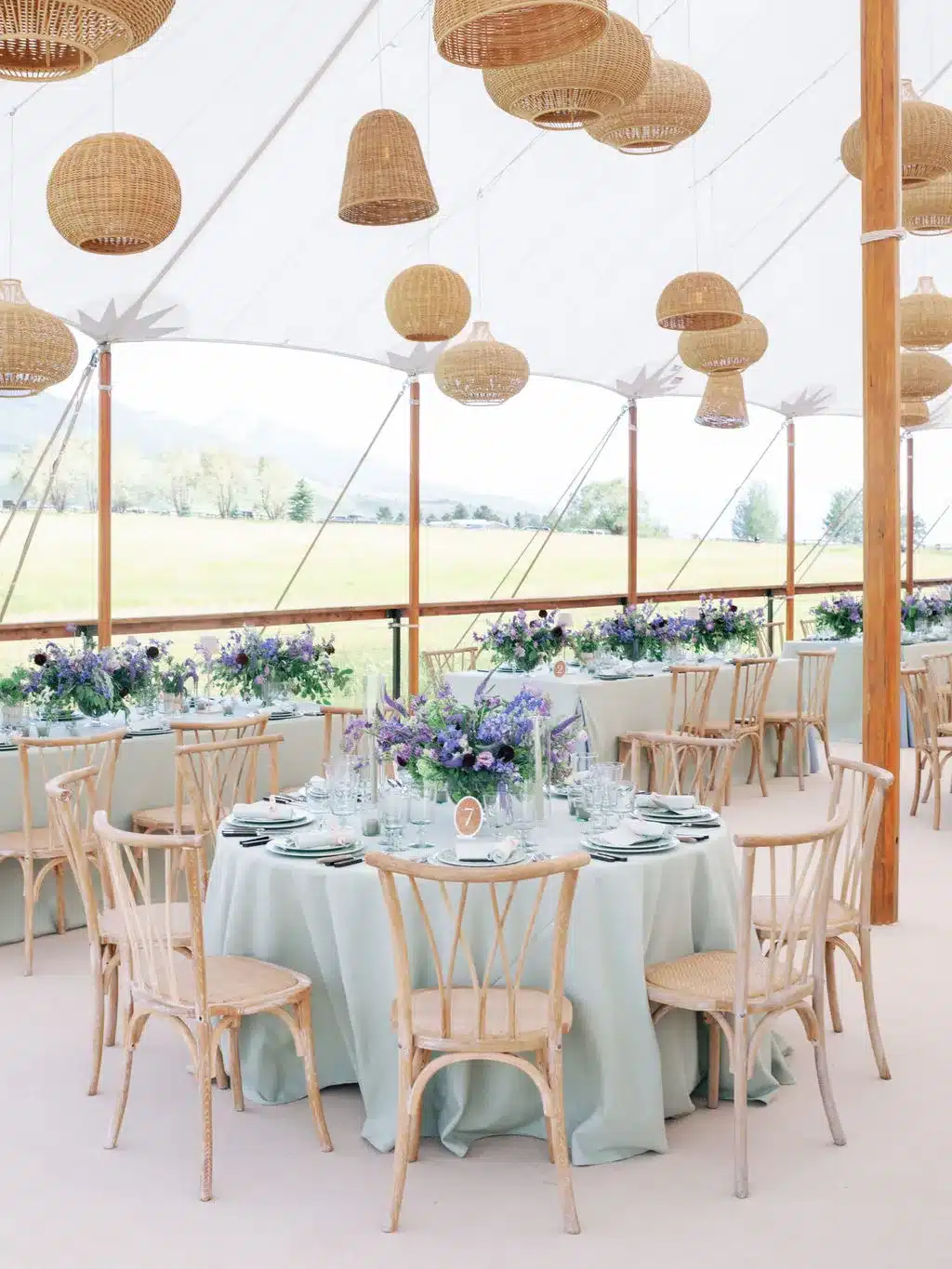
Adding custom tent flooring and draping is what turns a tent into a premium, guest-ready venue, polished underfoot, breathtaking overhead, and built for comfort in any season. Flooring creates a clean, stable surface for seating, dining, and dancing; drapery (liners, pole wraps, and wall treatments) softens the structure and sets the mood with a finished, luxury look.
In this guide, we’ll walk through event tent flooring options and wedding tent draping choices for weddings, corporate celebrations, and private gatherings, plus how weather, site conditions, and timelines shape the right plan. You’ll get clear comparisons and practical coordination tips so your flooring, draping, lighting, and climate control work together seamlessly. When you’re ready, Skyline Tent Company can align the design and the build through a private consultation, from elevated platforms to tailored interior finishes.
Why Is Tent Flooring Essential for Comfort and Safety?
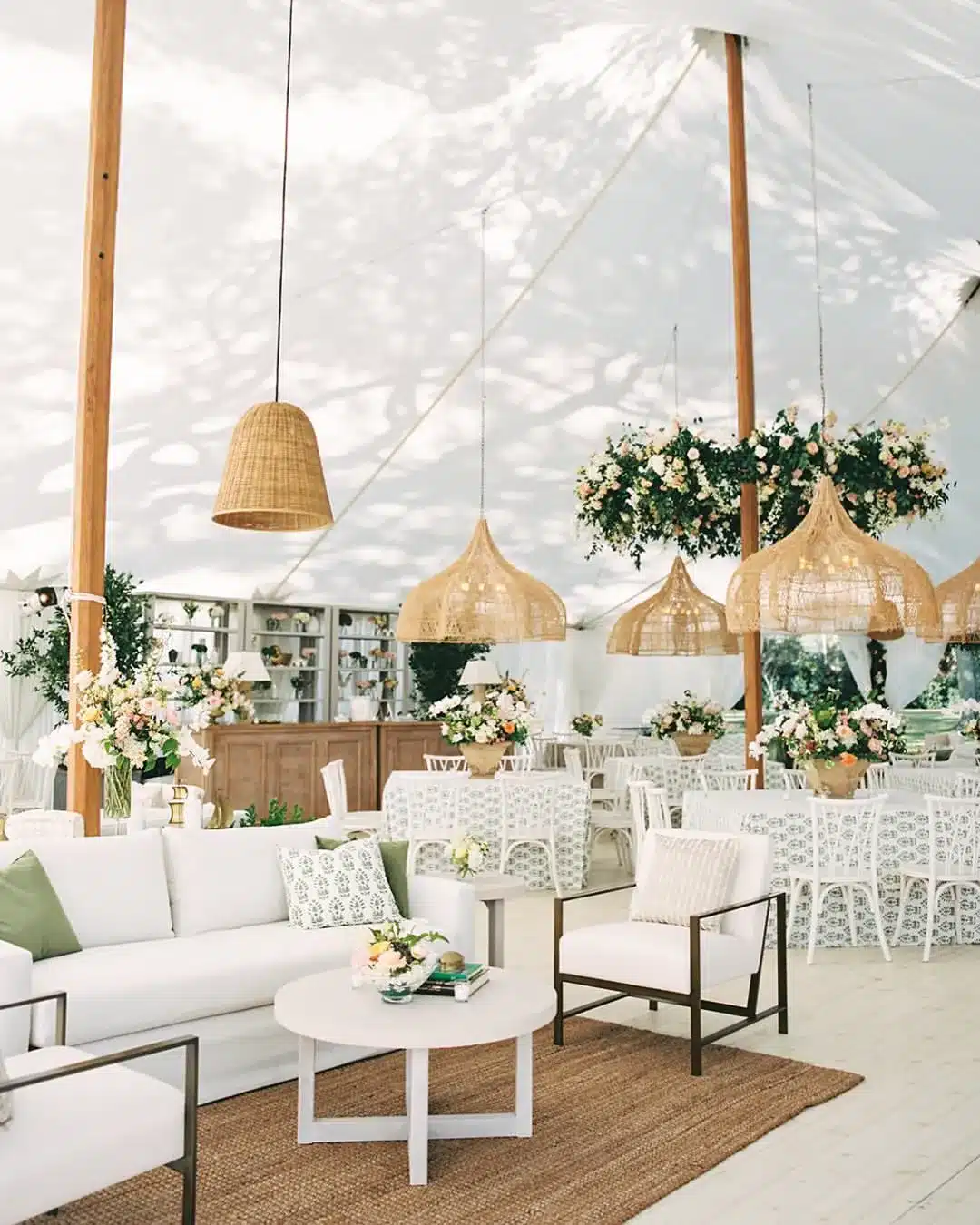
Tent flooring is the finished surface installed over natural ground to create a stable, slip-resistant platform. It evens loads, insulates guests from cold or damp soil, and eliminates uneven footing. Those functions reduce trip hazards, cut material wear, and raise the perceived quality of an event, making flooring a practical must for seated dinners, dance floors, and busy entryways. Flooring also protects lawns and surfaces, preserving relationships with outdoor venues through controlled load paths and moisture barriers. Knowing these basics makes it easy to see why flooring is often non-negotiable.
What should you evaluate when choosing flooring? Prioritize slip resistance, load-bearing capacity, drainage, installation speed, and compatibility with elevated platforms. Those attributes determine whether a solution suits a gala reception, trade show, or festival footprint. The section that follows helps planners weigh the primary benefits for each event type.
What Are the Key Benefits of Adding Flooring to Event Tents?
Flooring delivers measurable gains in safety, comfort, aesthetics, and venue protection, all of which shape guest experience and event outcomes. It creates a level, slip-resistant surface that lowers the risk of falls, especially on wet or uneven ground. Flooring improves comfort by providing underfoot insulation and steady footing, reducing fatigue during long receptions or standing sessions. It also preserves the property by preventing mud, soil compaction, and turf damage, which keeps venue owners willing to host future events.
Beyond function, flooring elevates perceived quality: a clean, consistent floor anchors décor, defines dance areas, and enables predictable lighting effects. Those improvements reduce liability risk and boost guest satisfaction, which leads to better reviews and repeat business for planners. The next section outlines how flooring enhances visual cohesion and event flow.
How Does Flooring Enhance Guest Experience and Event Aesthetics?
Flooring visually unifies zones, dining, dancing, and circulation, while supporting practical elements like modular dance floors and stages. In a vineyard wedding, for example, a wood event floor adds warmth and reflectivity that pairs with string lights to create an elevated atmosphere. Flooring also affects acoustics by limiting ground-borne noise and providing a solid base for sound equipment, improving clarity for speeches and performances. Modular systems let planners create branded walkways or durable exhibition aisles that stand up to heavy traffic.
By anchoring furniture and lighting placement, flooring simplifies load planning for stages and HVAC, improving safety and execution. Smart flooring choices reduce post-event restoration and help build long-term partnerships with property owners. Next, we look at how drapery complements those decisions by shaping the tent’s interior mood.
How Does Tent Drapery Elevate Style and Ambiance at Events?
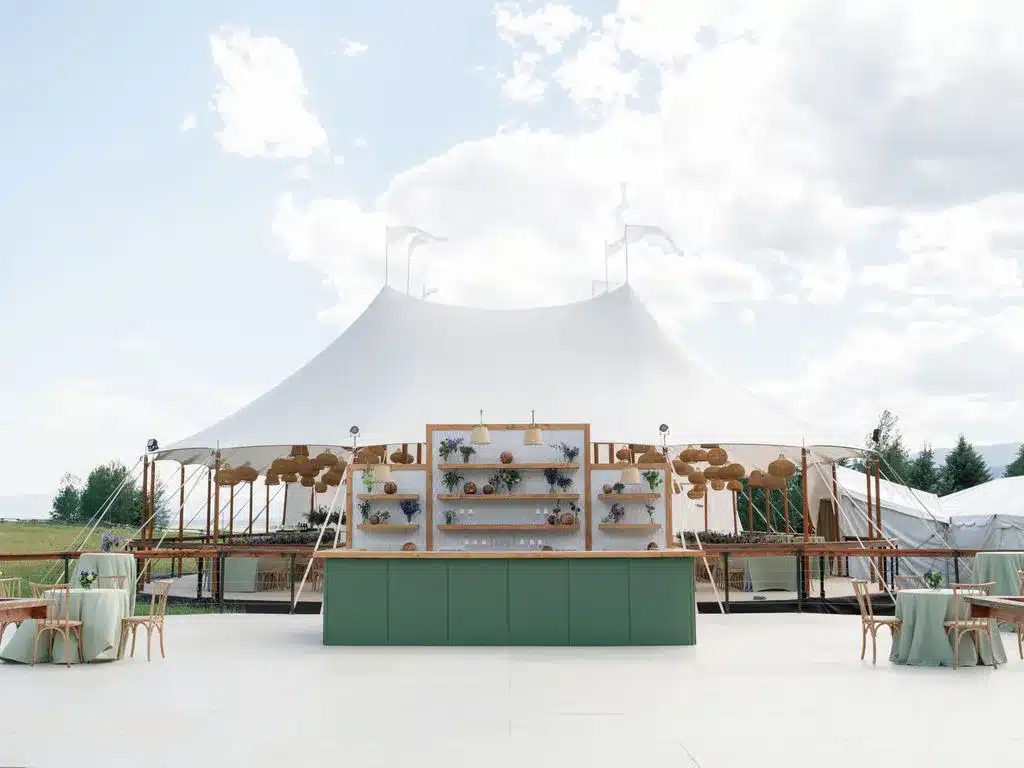
Tent drapery, ceiling liners, wall panels, and pole wraps, turns structure into a curated interior by hiding hardware, managing acoustics, and controlling light. Fabric weight, opacity, and layering soften reflections, absorb sound, and define visual zones: heavier liners add thermal buffering while sheers diffuse daylight. Drapery is one of the fastest ways to transform a sailcloth or engineered tent into an intentional space that meets both design and technical needs. Understanding these functions helps you pick styles that match tone and performance requirements. We cover this further in Century Pole Tent vs. Frame Tent: Which One to Choose.
What Draping Styles and Fabrics Best Transform Tent Interiors?
Different draping styles produce distinct effects: ceiling swags add vertical drama, wall drapes create intimacy and conceal infrastructure, and pole wraps tidy structural elements. Fabric choice, chiffon or voile for soft diffusion, satin for subtle sheen, velvet for acoustic dampening, determines both look and performance. Sheer fabrics work well where airflow and daylight are priorities; heavier liners like velvet or thick satin are better for sound control and insulation. Always check maintenance requirements and fire-code compliance when selecting fabrics, pick materials that balance upkeep with the visual impact you want.
- The table below compares common drapery fabrics and practical use cases.
- Layer fabrics when you need both light diffusion and acoustic control.
- Match fabric color and texture to flooring to keep the interior visually cohesive.
This comparison shows that fabric selection balances mood, function, and maintenance. The next section explains how drapery affects acoustics and comfort in practice.
What Are the Best Flooring and Drapery Options for Different Event Types?
Each event type has different priorities: weddings favor aesthetics and guest comfort; corporate events demand branding, durability, and accessibility; private parties often call for bespoke elements like stages or specialty dance floors. Match those priorities to material properties, wood event flooring for elegance, modular plastic tiles for durability and speed, outdoor carpet for warmth and noise reduction. This approach ensures flooring and drapery support the event’s main goals while fitting budget and schedule constraints.
Use this table to match material performance to event priorities. The next section covers timing and lead times for weddings and luxury events.
When Should You Add Flooring and Drapery for Weddings and Luxury Events?
For upscale weddings and luxury events, book flooring and drapery 8–12 weeks out to allow time for sample approvals, custom finishes, and coordination with lighting and catering teams. Early decisions make it possible to secure premium materials like real wood or custom satin liners that require longer fabrication. Schedule a terrain evaluation and site survey at least six weeks before install to confirm subfloor needs, drainage, and anchor points. Include a checklist with guest count, weather contingencies, dance-floor size, and how staging and HVAC will integrate.
Booking early also frees time to coordinate décor vendors and permits, reducing last-minute changes and smoothing execution. The section that follows describes how corporate and private events benefit from tailored solutions.
How Do Corporate and Private Events Benefit from Custom Flooring and Drapery?
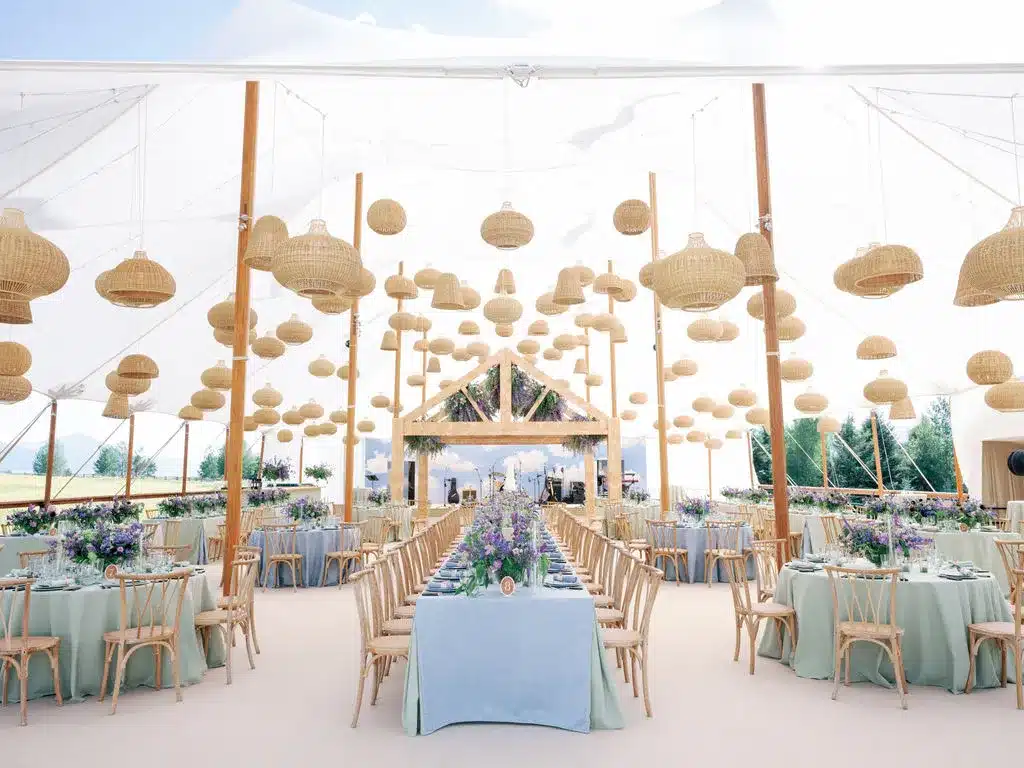
Custom flooring and drapery deliver clear benefits for corporate and private events: stronger branding, optimized traffic flow, and improved accessibility. Durable modular floors support heavy equipment and repeat setups; branded runners and color-coordinated drapes reinforce identity and wayfinding. Accessibility features, ramps, non-slip finishes, and level thresholds, are easier to achieve with well-planned flooring. For private high-end parties, elevated platforms and custom fabrics create distinctive VIP zones and stages that improve sightlines and perceived value. You may also find Clear-Top Tents: A New Perspective on Tent Quality and Style helpful.
Choosing durable, coordinated materials often pays off by reducing downtime, improving guest satisfaction, and allowing reuse across events. The next section explains how to design a cohesive interior using paired palettes, textures, and lighting.
How to Design a Cohesive Tent Interior Using Flooring and Drapery?
Start your interior design with one dominant palette and two supporting accents, then pair textures, hard flooring with soft drapery, to build visual depth. Contrast is the mechanism: smooth, reflective floors highlight fabric textures, while fabrics soften hard lines and absorb sound. Good design accounts for light interaction, sightlines, and functional zones so seating, service paths, and staging feel intentional. Define a primary mood, romantic, rustic, or modern, and choose flooring and drapery that consistently support that atmosphere. You may also find Why Choose Clear Top Wedding Tents for a Magical Wedding helpful.
What Color Palettes and Textures Pair Best for Flooring and Drapery?
Match psychological effects to material choices: white and linen feel light and airy; warm wood and neutrals read intimate and cozy; monochrome with metallic accents reads modern and sophisticated. Follow a simple rule: one dominant texture (for example, wood flooring) plus softer complementary layers (voile panels, satin runners) avoids visual conflict. Practically, pick one primary color, one secondary, and a metallic or patterned accent, then view samples together under event lighting to confirm harmony. Read more in Ultimate Guide to Stunning Summer Event Structures.
- Define the primary mood and gather matching floor and fabric samples.
- Use texture contrast to add depth without overcrowding patterns.
- Always test materials together under the actual event lighting to confirm color and finish.
These steps keep design cohesive and set the stage for lighting integration, which we cover next.
How Can Lighting Be Integrated with Drapery and Flooring for Ambiance?
Lighting shapes how fabrics and floors read: warm color temperatures emphasize wood tones and create intimacy, while cooler temperatures suit modern palettes and sharpen contrasts. Uplighting behind drapery adds depth and silhouette; floor washes and gobo patterns bring movement and focal interest to wood or carpeted surfaces. Choose fixtures and placements that respect fabric reflectivity and avoid hotspots, soft diffusion works well with sheer liners to create an even glow. Coordinate lighting early so electrical loads, power, and rigging align with tent structure and HVAC needs. You may also find Why Choose Century Pole Tents? Key Advantages for Gatherings helpful.
Plan lighting cues that evolve through the event, daylight-friendly schemes for ceremonies and warmer, layered lighting for evening receptions, to maintain visual continuity. The next section explains how seasonal timing and weather affect material and scheduling choices.
When Is the Ideal Time to Add Flooring and Drapery Considering Seasonal and Weather Factors?
Season is one of the biggest drivers of both design and execution. Flooring and drapery should be planned with expected conditions in mind so the space looks polished and stays comfortable from first guest arrival through the final send-off. Rain, wind, heat, and cold don’t just affect the experience, they influence which materials perform best, how the tent is built out, and how much time you’ll want in the schedule for site prep and installation.
In wetter months, prioritize systems that keep the interior clean and stable, often with elevated subfloors and water-resistant finishes. In colder seasons, comfort becomes the focus, which usually means insulated flooring and heavier liners to help retain warmth. No matter the forecast, build in a buffer for weather shifts so you don’t have to compromise finishes or layout at the last minute.
How Do Weather Conditions Influence Flooring and Drapery Choices?
Use the weather as your filter, then select materials that hold up and still look premium.
- Rain / humidity: Choose elevated subfloors and outdoor-rated finishes that won’t trap moisture or turn slick. Avoid materials that absorb water unless they’re properly sealed and intended for exterior conditions.
- Wind: Secure, well-rigged drapery matters, reinforced attachment points and clean tie-backs keep fabrics controlled and the interior looking intentional.
- Hot / sunny weather: Breathable draping and lighter finishes help reduce heat buildup. Plan for shading and climate strategy early so comfort doesn’t depend on the temperature dropping later.
- Cold / snow: Insulated subfloors paired with lined or heavier drapery helps reduce drafts and maintain warmth, supporting a more consistent interior temperature.
These decisions also affect logistics: anchoring, site preparation, and install sequencing can change depending on the conditions, so weather should be considered early, not the week of the event.
Seasonal Planning Guide
What Flooring and Drapery Solutions Enhance Comfort in Different Seasons?
Seasonal upgrades should feel like part of the design, not a workaround. In winter, insulated flooring combined with heavier liners creates a warmer, quieter interior that feels finished and inviting. In summer, breathable draping, lighter flooring finishes, and a coordinated climate plan help the tent stay comfortable through peak heat and into the evening. During rainy seasons, elevated flooring, sealed transitions, and smart entry zones keep the interior clean, dry, and guest-ready.
The most successful results come from planning flooring and drapery alongside layout and technical needs so every element supports the experience, and nothing feels last-minute.
Why Choose Skyline Tent Company for Custom Flooring and Drapery Solutions?
Skyline Tent Company delivers a fully coordinated build, so flooring and drapery aren’t treated as add-ons, but as part of a complete, luxury event environment. From custom flooring and elevated platforms to Sailcloth and engineered-structure tents, plus power generation and climate control, every element is planned to work together for a seamless guest experience. The result is a tent interior that feels intentional, polished, and performance-ready, without compromising design.
How Does Skyline Tent Company Customize Flooring and Drapery for Your Event?
It starts with a private consultation to understand your site, event flow, and aesthetic goals. From there, Skyline aligns material selections with real-world conditions through a site assessment, confirming subfloor needs, anchoring points, and the right approach for the terrain. Flooring finishes and elevated solutions are paired with tailored liners and draping styles to match the tent structure and the overall design direction. With installation and timelines managed as one coordinated plan, including power and climate considerations, your space stays comfortable, refined, and predictable from setup to the final moment.
Frequently Asked Questions
What factors should I consider when choosing flooring for an outdoor event?
Look at terrain, expected weather, and event type. For soft or uneven ground, elevated flooring gives stability and keeps moisture out. Select slip-resistant, durable materials that withstand heavy foot traffic and align with your aesthetic goals. Also consider installation and teardown time, modular systems are faster, and how the floor will affect accessibility and venue restoration.
How can I ensure my tent drapery is safe and compliant with regulations?
Use fabrics certified to meet local fire-safety requirements and check venue regulations up front. Make sure drapery is securely rigged to rated attachment points and inspected during setup. Work with experienced installers who can provide compliance documentation and follow local code for spacing, materials, and fastening methods.
What are the best practices for maintaining flooring and drapery during an event?
Perform routine checks and respond quickly to spills or damage. Keep floors clean and clear of debris; place mats or runners in high-traffic zones. Monitor drapery for sagging or loose tie-backs and make adjustments as needed to keep the interior looking polished. Having a dedicated onsite crew for these tasks preserves appearance and safety throughout the event.
How do I choose the right color scheme for my tent’s flooring and drapery?
Start with the event’s mood and venue surroundings. Pick a primary color, a secondary, and one accent, then test samples together under the event lighting. Warm tones create intimacy; cool tones feel calm and modern. Always view materials in the actual light you’ll use, natural daylight and evening lighting can change how colors read.
What are the advantages of using modular flooring systems for events?
Modular floors assemble quickly, are highly customizable, and handle repeated installs with minimal wear. They’re often weather-resistant and ideal when time is tight or layouts change between events. Modular systems also simplify repairs and replacements, making them a practical choice for high-traffic or multi-day events.
How can I integrate technology with flooring and drapery for my event?
Layer lighting, AV, and control systems into your floor-and-drape plan. LED floor uplighting or recessed channels can create dramatic effects; programmable drape lighting changes mood without swapping fabrics. Coordinate with AV professionals early so power, cabling, and rigging align with flooring penetrations and drape locations for seamless integration.
Conclusion
Flooring and drapery are more than décor, they’re infrastructure that improves safety, comfort, and perception. With the right materials, timing, and coordination, tents become memorable, functional venues tailored to each event’s needs. Skyline Tent Company offers planning expertise and integrated services to help you choose and implement flooring and drapery that meet both design goals and operational requirements. Contact us to discuss options and secure a plan that keeps your guests comfortable and your event running smoothly.