Creating a tented event that reads like a polished indoor venue starts with intentional structure, layered interior design, and engineered systems that work together for comfort and flow. This guide walks event planners and designers through turning an open-air tent into an upscale ballroom or corporate hall by aligning structure, flooring, finishes, lighting, and climate control into a single, cohesive experience. You’ll learn which structural choices convey permanence, how lighting, draping, furniture, and zoning shift perception, and what HVAC and power planning keep guests comfortable.
We also outline customization approaches, measurable benefits, and a practical planner checklist to coordinate flooring, lighting, and climate systems—so you avoid schedule conflicts and costly rework. Throughout, clear product-to-benefit pairings show specific combinations you can apply immediately. By the end you’ll have actionable steps and checklists to make a tented event that performs and photographs like a high-end indoor venue.
What Structural Elements Create an Indoor Venue Feel in Tented Events?
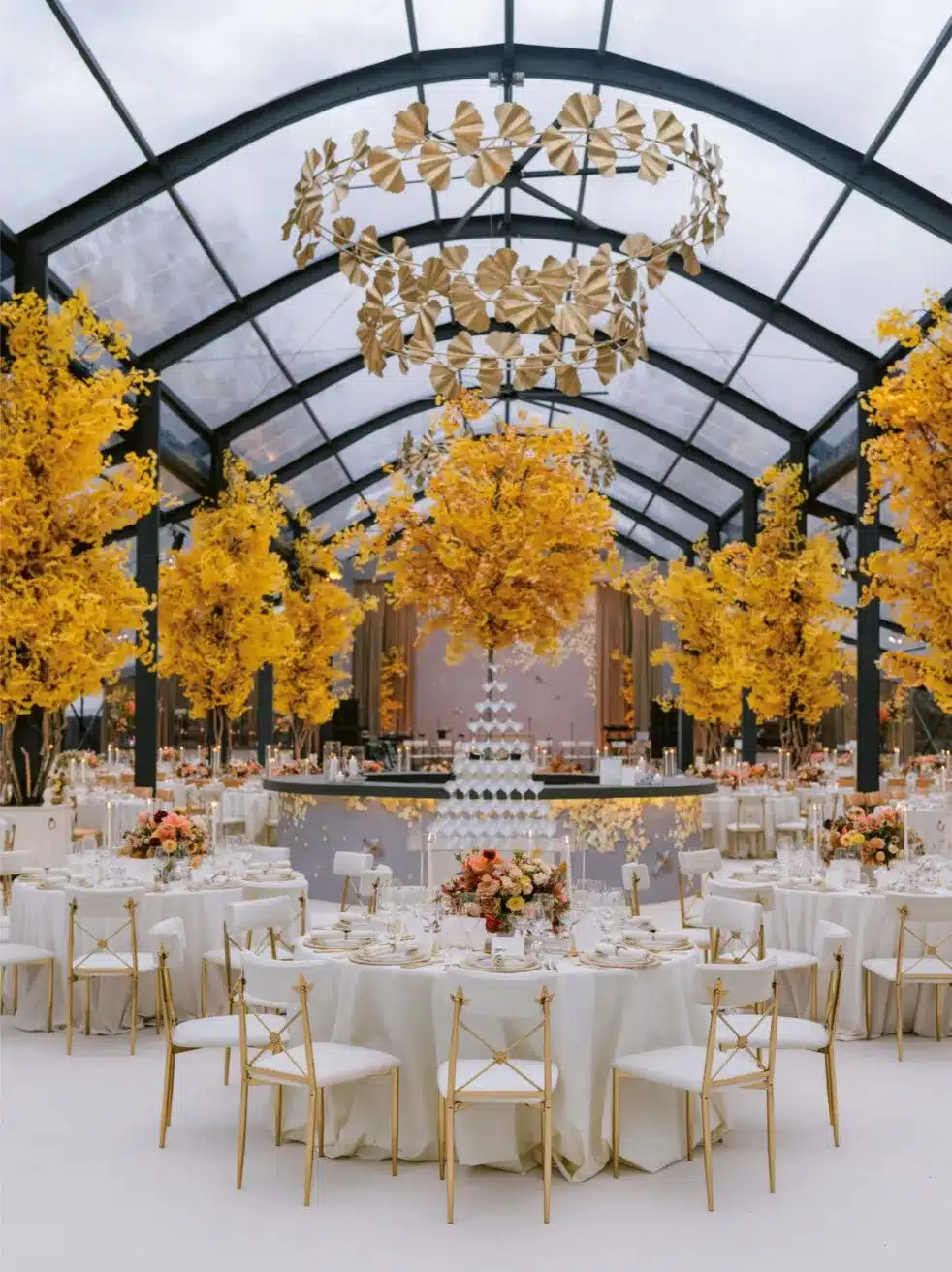
Structure sets the visual and functional baseline that convinces guests they’re inside a purpose-built venue rather than under a temporary shelter. Clear-span engineered frames, solid subfloor systems, and framed glass wall assemblies provide the spatial cues, continuous ceiling planes, defined entryways, and enclosed perimeters, that replicate indoor venues while helping control acoustics, sightlines, and thermal performance. These elements work as a system: the engineered tent gives you a blank canvas, flooring creates a continuous underfoot surface, and glass walls and formal entrances finish the sense of enclosure without cutting off views. Below is a concise comparison of common tent types and the indoor-venue attributes they deliver to help you choose by program and aesthetic goals, followed by practical structural features to prioritize during planning.
Different tent types deliver distinct indoor-like characteristics:
- Clear-span interiors remove sightline obstructions and support suspended chandeliers or technical rigging.
- Subfloor/raised platforms produce a level, insulated surface that feels like an indoor floor and improves acoustics.
- Glass walls and framed doors offer weather protection and formal arrivals that read as indoor-quality.
These structural choices lead naturally into how engineered structures act as the foundation for interior treatments that complete the indoor illusion.
This table highlights the trade-offs: engineered structures prioritize interior openness while sailcloth emphasizes profile. The tent type you choose determines how easily you can integrate flooring, glass walls, and heavy interior finishes.
How Do Engineered Structure Tents Provide Expansive Indoor Spaces?
Engineered structure tents are clear-span shells designed to recreate indoor volumes by eliminating interior columns and offering modular bay widths that scale with guest counts. Their engineering supports suspended elements—chandeliers, trusses, HVAC ducting—and provides reliable load parameters for flooring and glass wall connections. The result is a versatile blank canvas for ballroom seating, banquet layouts, and large dance floors without sightline interruptions. Because engineered tents are built for durability and integration, they simplify coordination with flooring systems and climate control infrastructure, making them the preferred choice when the goal is an indoor-grade experience in a temporary setting.
What Are the Best Flooring Options to Mimic Solid Indoor Surfaces?
Flooring turns soft ground into a continuous, stable surface that reads as indoor-quality and improves acoustics, accessibility, and photography. Temporary hardwood panel systems deliver a classic ballroom look and are heel-friendly, while raised platform systems level uneven terrain and add insulation against ground chill. Vinyl or luxury carpet tiles define lounge zones and dampen echo, and dedicated dance floors provide clear activity surfaces. Consider weight, leveling, and installation sequencing—flooring should be set and tested before final lighting and decor to avoid rework and to integrate HVAC ducting and wiring properly.
Before the flooring comparison, here is a quick table comparing common floor options and their practical attributes.
Choosing the right floor assembly affects aesthetics, insulation, acoustics, and the ability to support heavy decorative loads.
How Do Glass Walls and Defined Entrances Enhance the Indoor Ambiance?
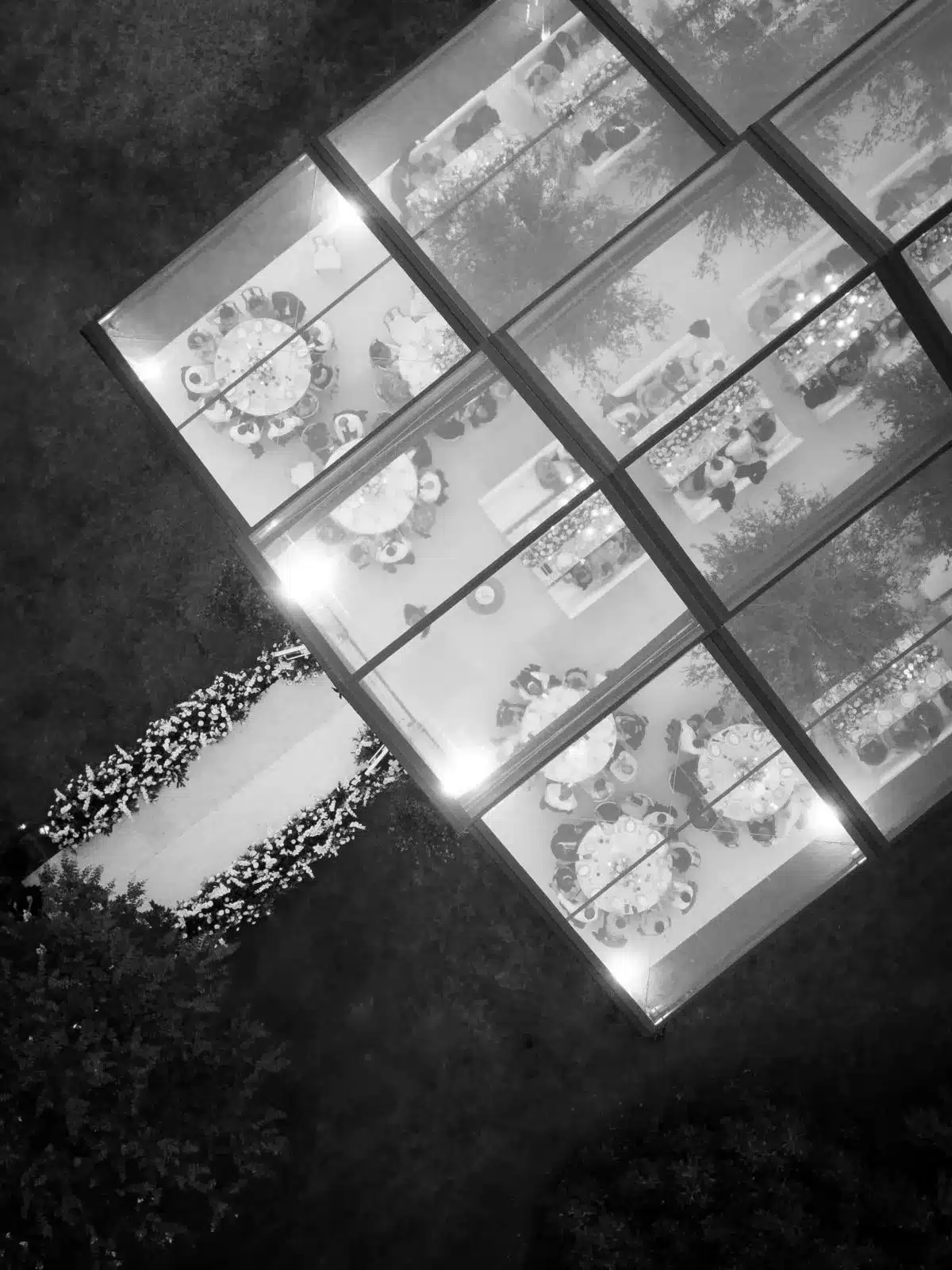
Glass walls and framed entrances create psychological and physical boundaries that read as indoor venues by controlling weather, sound, and sightlines while preserving a connection to the surroundings. Transparent wall systems give daylight control and panoramic views; operable French doors or framed entryways create formal arrival sequences and improve circulation. Glazed walls also support more effective HVAC zoning and reduce drafts, helping stabilize interior temperatures. For clients who want a secure, enclosed feeling without losing outdoor vistas, glass walls strike a balance between openness and enclosure and pair naturally with clear-span tents and solid flooring to complete the indoor venue illusion.
How Can Interior Design Transform a Tent into a Luxurious Indoor Venue?
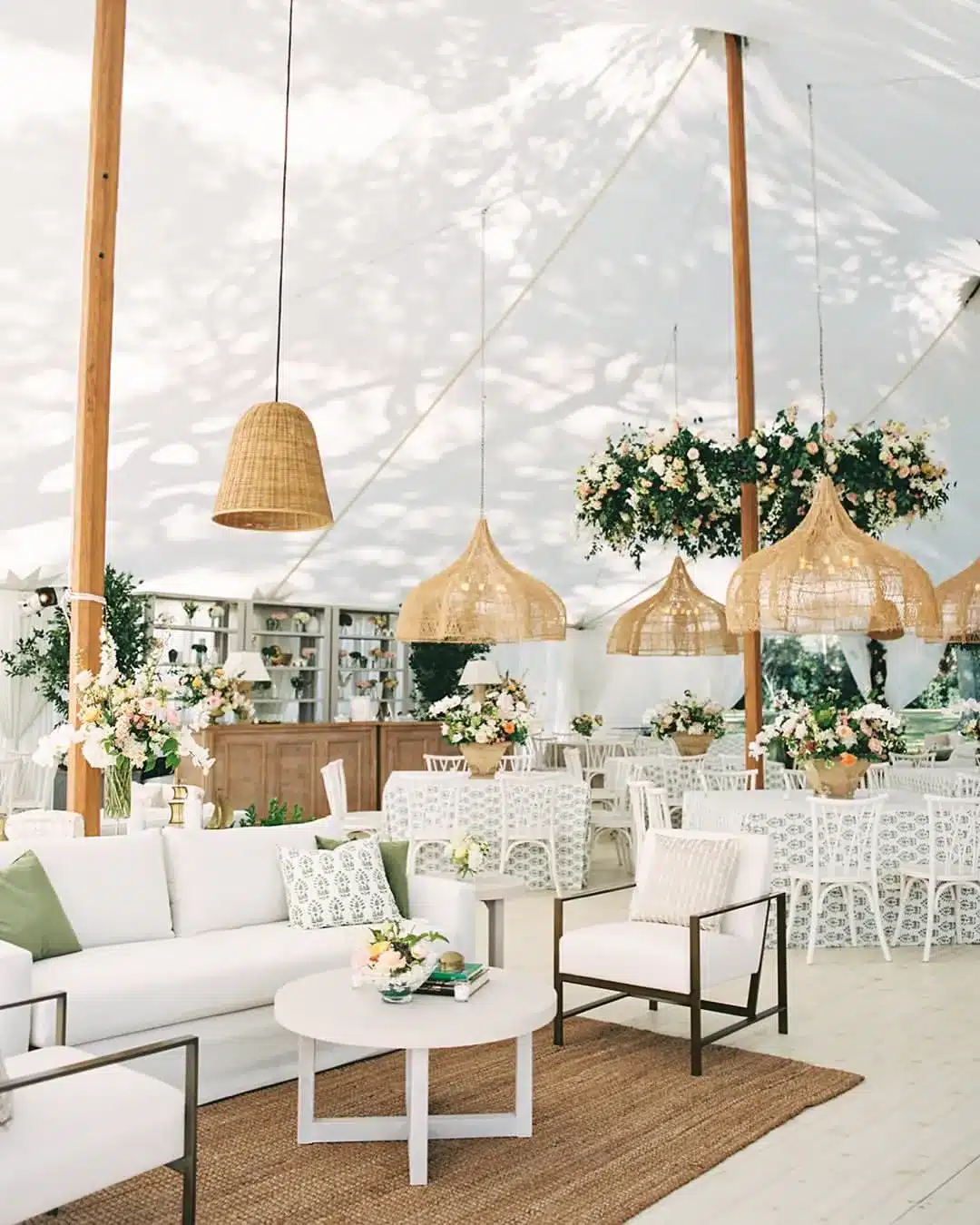
Interior design converts a structural shell into an emotionally resonant place by shaping scale, texture, and light—those core cues guests associate with indoor quality. In tents, layered lighting (ambient, accent, decorative) creates depth; ceiling draping and cloud treatments conceal structure and reframe the volume; and furniture clusters plus modular zoning define functional “rooms.” These strategies control acoustics, circulation, and sightlines and rely on earlier structural choices—stable floors and clear-span roofs—to anchor installations. Below are focused techniques, especially around lighting and draping, that planners should prioritize to achieve an indoor-ballroom feel.
Interior design choices follow structural decisions and establish the atmosphere and operational flow for the event.
What Lighting Techniques Create Elegant and Inviting Tent Interiors?
Lighting sculpts perception inside tents by setting hierarchy, mood, and focal points; a layered approach—ambient, accent, and decorative—creates an indoor-quality atmosphere that flat, uniform light cannot match. Chandeliers and pendants become focal anchors when hung from engineered trusses; uplighting on draped walls or architectural elements adds depth; task lighting supports bars and food stations; and programmable LEDs enable scene changes that match event moments. Plan power distribution early and coordinate fixture loads and rigging points with structural engineers to ensure safe, quiet installations that don’t interfere with HVAC runs.
Lighting choices will then shape decorative treatments and circulation planning.
Lighting layering checklist:
- Ambient lighting: Soft, even illumination for overall visibility and comfort.
- Accent lighting: Focused fixtures to highlight architecture, centerpieces, or signage.
- Decorative lighting: Chandeliers and pendants that establish indoor focal points.
This layered plan provides visual interest and operational clarity across different program phases.
How Does Draping and Ceiling Treatment Soften and Elevate Tent Spaces?
Draping and ceiling treatments remove the industrial or temporary look of tents by creating continuous planes, concealing mechanical systems, and diffusing light for a softer, indoor-quality ceiling. Ceiling clouds, swag draping, and fabric baffles visually lower overly tall volumes to foster intimacy, while heavier acoustic fabrics improve reverberation and speech intelligibility. Use dedicated rigging points and proper tensioning so fabrics stay taut and safe beneath lighting and HVAC components. Fabric weight and color affect light reflection and acoustics—coordinate samples with lighting designers to see how treatments will register both on camera and in person.
Draping decisions also guide furniture placement and zoning, which we address next.
How Do Furniture and Zoning Define Functional Indoor-Like Areas?
Furniture and zoning establish the familiar “rooms” guests expect in an indoor venue: lounge areas for conversation, dining zones for seated service, clear dance floors, and staged presentation spaces. Use furniture clusters—sofas, coffee tables, area rugs—to form lounges; modular partitions, planters, or low walls to delineate circulation; and carpet or subtle level changes to orient transitions between ceremony and reception. Circulation planning is critical: maintain 44–60-inch clear aisles for service and ADA access while creating intentional thresholds between zones. Thoughtful furniture selection, consistent materials, and proper scale complete the move from tented shell to cohesive indoor-like venue.
What Climate Control Solutions Ensure Comfort in Tented Indoor-Style Events?
Climate control turns an assembled tent into a comfortable occupied space by managing temperature, humidity, and ventilation the way guests expect indoors. Options range from portable HVAC and ducted systems to forced-air heaters and strategically placed fans—each has trade-offs in noise, footprint, and power. Proper sizing must consider tent volume, occupancy, insulation from flooring and draping, and external weather loads; engaging mechanical planners early prevents undersized systems and last-minute generator needs. The table below compares common climate systems and offers operational notes on power provisioning and zoning for multi-room tents.
How Do Heating, Cooling, and Ventilation Systems Maintain Ideal Temperatures?
Heating and cooling systems exchange conditioned air and control humidity to keep guests comfortable and protect fabrics and decor. Portable HVAC gives rapid temperature response and flexible zoning but needs careful duct routing and exhaust planning; ducted systems are quieter and more even but require attachment points and space for plenums. Heaters are effective for cold-season events but demand fuel logistics and safe venting; proper ventilation prevents condensation and maintains air quality. Use BTU/tonnage estimates tied to tent volume and occupant density as a starting point, but always finalize sizing with an experienced mechanical planner to match program needs and local conditions.
Choosing the right system lowers noise and improves guest experience—important considerations when designing sound strategies.
What Are Sound and Privacy Considerations for Indoor-Quality Tent Events?
Sound control and privacy matter because fabric shells can transmit noise and reduce speech clarity if untreated. Acoustic strategies include heavy draping, area rugs, portable acoustic baffles, and soft furnishings to absorb mid-to-high frequencies and improve intelligibility for speeches and presentations. For music events, directional speaker arrays and cardioid subwoofer placement limit spill into neighboring zones, while temporary partitions and glass walls provide physical separation for private conversations. Integrate acoustic treatments early alongside HVAC noise controls so temperature and sound systems don’t compete—preserving the indoor-quality experience for guests.
How Can Customization Personalize a Tented Event to Feel Like a Unique Indoor Venue?
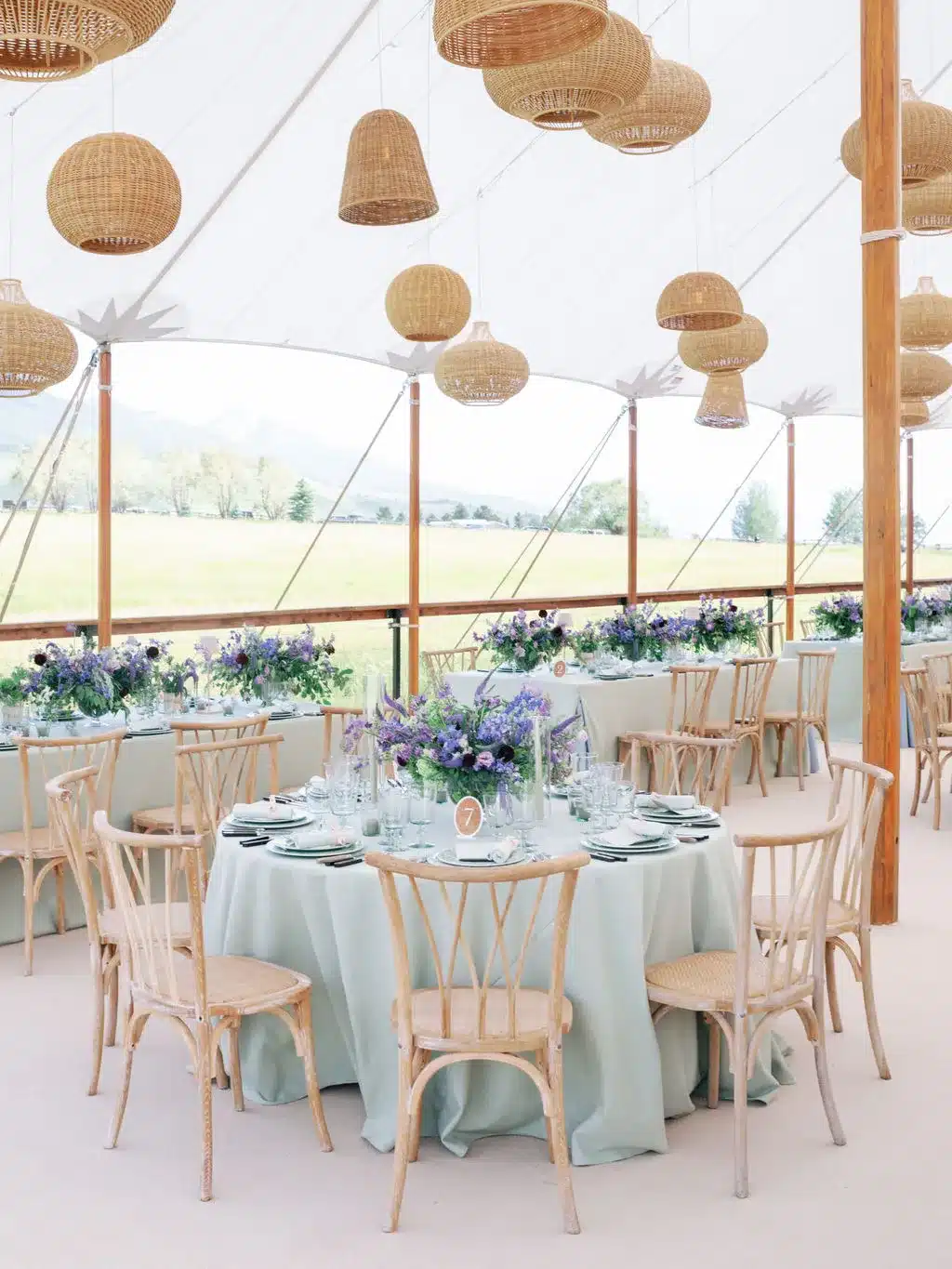
Customization aligns the space with the client’s brand and emotional goals by layering bespoke elements—custom bars, branded lighting, signature furniture, and unique focal installations—that make the tent feel intentionally designed rather than temporary. Personalization raises perceived value through tactile finishes and memorable moments. Modular partitions, tent-in-tent arrangements, and tailored floor plans enable planners to create distinct “rooms” for ceremonies, networking, and private meetings within a single space. The practical examples below show how targeted custom touches elevate both weddings and corporate gatherings.
Customization choices often follow from lighting and zoning decisions to create a cohesive thematic experience.
What Custom Touches Elevate Tent Interiors for Weddings and Corporate Events?
Personalized elements turn tents into bespoke venues: for weddings, use a custom ceremony backdrop with suspended floral work and contiguous wood flooring to frame the aisle; for receptions, a signature lounge with custom upholstery and monogrammed rugs creates a VIP feel. For corporate events, branded gobos and curated experiential zones with tailored signage reinforce identity, while modular breakout rooms with sound-treated partitions support confidential meetings. These touches combine visual branding with tactile finishes to translate temporary structures into memorable indoor experiences. Customization ideas list:
- Monogrammed lighting and gobos to project branding and set tone.
- Bespoke bar fronts and furniture to create premium activation areas.
- Signature focal installations such as floral arches or sculptural centerpieces for photo-ready moments.
Choose each custom element to support the event narrative and logistical flow for maximum impact.
How Do Modular Designs and Zoning Create Distinct Indoor Spaces?
Modular design lets planners divide large tent volumes into multiple functional rooms—ceremony, cocktail, dining, production—while keeping a cohesive aesthetic. Zoning tools include floor treatments, furniture clusters, planters, and temporary walls to create thresholds and transitions that mimic indoor hallways and vestibules. Tents-in-tents or marquee-with-annex setups provide backstage areas, green rooms, or equipment storage that stay out of guest sightlines but are essential to operations. When modular zoning is coordinated with HVAC and lighting zones, each area receives appropriate comfort and illumination without undermining the overall indoor feeling.
Modular zoning supports complex programs while preserving the unified ambiance guests perceive as indoor-grade.
What Are the Key Benefits of Transforming a Tent into an Indoor-Style Venue?
Turning a tent into an indoor-style venue delivers three main advantages: location and scheduling flexibility, a platform for bespoke aesthetics and brand expression, and improved guest comfort through environmental control. Tents let you create site-specific experiences—setting a ballroom on a lawn with a view or within a private estate—while providing indoor comforts like stable flooring, acoustic treatment, and temperature control. That mix allows planners to combine the experiential benefits of outdoor settings with the predictability and serviceability of indoor venues. The benefits below explain why many clients choose tented indoor-style solutions for exclusive, highly customized events.
These benefits guide planners weighing tented solutions against fixed indoor venues.
How Does a Tented Venue Offer Flexibility Compared to Traditional Indoor Spaces?
Tented venues offer unmatched location flexibility and scalable capacity: tents can be sited to capture vistas, adapt to unusual topography, and be sized precisely for guest counts. This flexibility enables bespoke circulation and layout options that many fixed venues can’t accommodate—elevated platforms, extended lounge gardens, or direct connections to outdoor activations. Tents also give schedule flexibility for installation sequencing and let planners stage build, lighting, and HVAC installs to minimize conflicts with other venue activity. Portability and configurability make tents ideal for events needing a custom footprint or a unique setting.
What Comfort and Aesthetic Advantages Do Luxury Tent Events Provide?
Luxury tent events reach indoor-grade comfort through coordinated systems and high-end finishes: wood floors deliver heel-friendly surfaces and camera-ready visuals; draping and acoustic fabrics reduce reverberation and create intimacy; and correctly sized HVAC systems hold temperature and humidity for guest comfort. Aesthetic benefits include the freedom to curate materials, lighting palettes, and furniture to match a brand or wedding theme, producing a cohesive premium presentation. When structure, flooring, climate, and decor are coordinated, a tented event can outshine many traditional indoor venues in both uniqueness and guest experience.
How Can Event Planners Maximize the Indoor Feel of Tented Weddings and Corporate Events?
Achieving an indoor-quality tent event comes down to sequencing, vendor coordination, and early systems testing. Begin with a detailed site survey to establish tent footprint and load constraints, then finalize flooring and structural choices before ordering lighting and draping so rigging points and power runs are clear. Confirm power planning and HVAC sizing early to avoid equipment conflicts, and run a full systems rehearsal—lighting scenes, HVAC set points, and sound checks—at least 24–48 hours before guest arrival. The checklist and timeline below help planners coordinate key trades and reduce install-day surprises.
The next section lists practical steps and a simple timeline planners can use to sequence installations and vendor responsibilities.
What Are Expert Tips for Coordinating Flooring, Lighting, and Climate Control?
Sequence work as follows: site survey → structure install → subfloor/flooring installation → climate system install and ducting → lighting rigging and decor → systems testing and rehearsal. Installing flooring before HVAC ducting avoids lifting floors for vents, and completing HVAC before final lighting prevents rework when duct routes shift. Confirm electrical load calculations and generator capacity early, and record responsibilities in a shared timeline with vendor milestones. Run a complete systems test including sound checks, lighting scenes, HVAC set points, and door/entrance operation to validate integration and guest flow.
Planner checklist:
- Site survey: Confirm slope, access, and rigging points.
- Power plan: Lock down electrical loads and generator requirements.
- Installation timeline: Sequence flooring, HVAC, lighting, then decor.
- Systems test: Full rehearsal for lighting, sound, and temperature control.
Following this timeline reduces coordination errors and gives you a clear path to a seamless, indoor-quality event.
How Does Skyline Tent Company Support Successful Indoor-Style Tent Events?
Skyline Tent Company supplies engineered structure tents, custom flooring, glass wall systems, climate control, lighting, draping, and project management to coordinate multi-trade installs. Our service model maps to the structural, interior, and systems elements described above, so planners can source integrated solutions from a single partner who understands sequencing and load requirements. Combining engineered structures with luxury floors and climate systems, Skyline supports both the technical and aesthetic elements that make tents feel like indoor venues. Contact us for a consultation or quote to align scope, timeline, and budget with your event goals.
Frequently Asked Questions
What are the key considerations when selecting a tent type for an indoor-style event?
Start with the desired aesthetic and guest capacity, then evaluate which structural features support an indoor feel. Engineered structure tents give you clear-span interiors and heavy suspension capacity; sailcloth tents offer a refined silhouette; frame tents are flexible but often need added wall systems for full enclosure. Also assess how each tent handles flooring, climate control, and lighting—those systems are crucial to comfort and the overall look.
How can I ensure effective climate control in a tented event?
Choose heating, cooling, and ventilation systems based on tent size, occupancy, and expected weather. Portable HVAC units deploy quickly and are flexible for zoning; ducted systems offer quieter, more even temperature control; forced-air heaters work well for cold-weather events. Work with mechanical planners to size equipment, plan power needs, and place units so they deliver comfort without creating excessive noise or draft.
What role does acoustic treatment play in a tented event?
Acoustic treatment is essential for speech clarity and privacy. Fabric shells transmit sound, so use heavy draping, rugs, acoustic baffles, and soft furnishings to absorb mid- to high-frequency energy. For music, directional speaker arrays and careful subwoofer placement reduce spill. Integrating acoustics early ensures sound and HVAC systems complement each other rather than compete.
How can I personalize a tented event to reflect a specific theme or brand?
Personalization comes from curated, branded details: custom lighting and gobos, bespoke furniture and bar fronts, and signature focal installations. For weddings, consider unique ceremony backdrops and contiguous flooring; for corporate events, branded experiential zones and tailored signage reinforce identity. Choose elements that support the narrative and guest flow to make the space feel thoughtful and intentional.
What are the best practices for coordinating multiple vendors for a tented event?
Begin with a detailed site survey and a shared installation timeline. Clarify responsibilities, power needs, and rigging points early, and hold regular coordination meetings. A full systems rehearsal before guests arrive—testing lighting scenes, sound, HVAC set points, and door operation—will reveal any integration issues and prevent last-minute surprises.
What are the advantages of using modular designs in tented events?
Modular design lets you create distinct functional areas within one tent—ceremony, dining, cocktail, and production—while maintaining a unified aesthetic. Temporary walls, floor treatments, and furniture clusters form clear thresholds and transitions that mimic indoor circulation. Modular layouts increase operational efficiency and let you tailor comfort, sound, and lighting to each zone.
Conclusion
Turning a tent into an indoor-style venue gives you location flexibility, custom aesthetic control, and improved guest comfort—ingredients for memorable events. By integrating structure, flooring, climate, and thoughtful design, planners can create luxurious environments that rival traditional indoor spaces. If you’re ready to elevate your next event, contact us to explore solutions tailored to your vision and logistics.