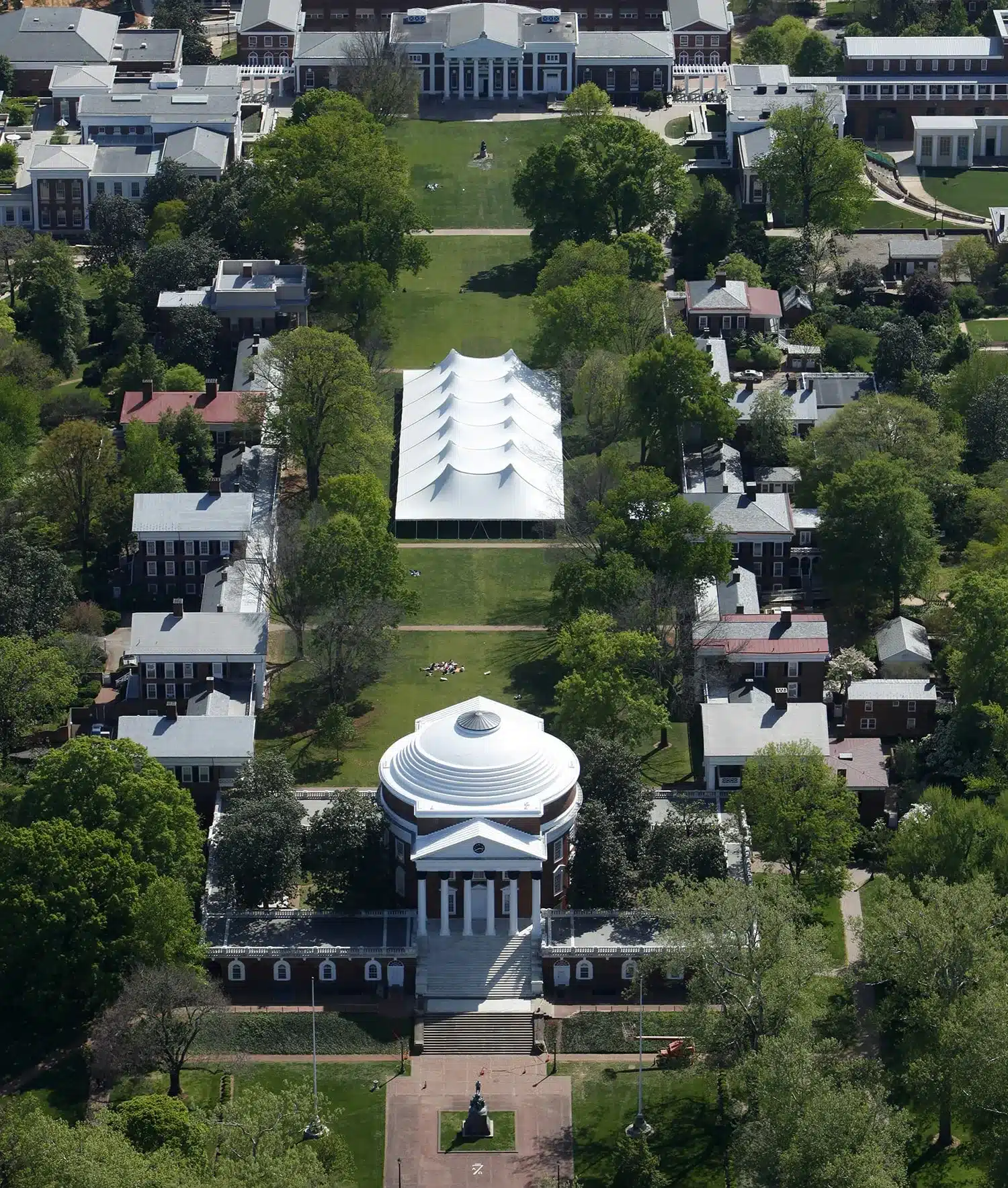
Luxury tents combine high-quality materials, engineered structures, refined interior finishes, and coordinated services to deliver comfort, visual impact, and reliable performance for premium events. In this guide we explain which physical features, environmental systems, and finishing touches consistently separate a luxury tent from a basic rental, and how those choices influence guest experience and operational risk for planners. Many event teams must balance dramatic aesthetics with dependable operations, a true luxury tent pairs design-grade fabrics and engineered frames with systems for climate control, durable flooring, glass walls, layered lighting, and clear project management so the result looks exceptional and runs smoothly. We map the core attributes of luxury tents, cover climate and acoustic solutions, detail interior finish options, and outline the logistical services that make a tent turnkey. Throughout, we use terms like luxury tent features, sailcloth tent, engineered-structure tent, and weather-resistant event structures to connect practical recommendations to planning decisions.
What Defines a Luxury Event Tent? Key Characteristics and User Expectations
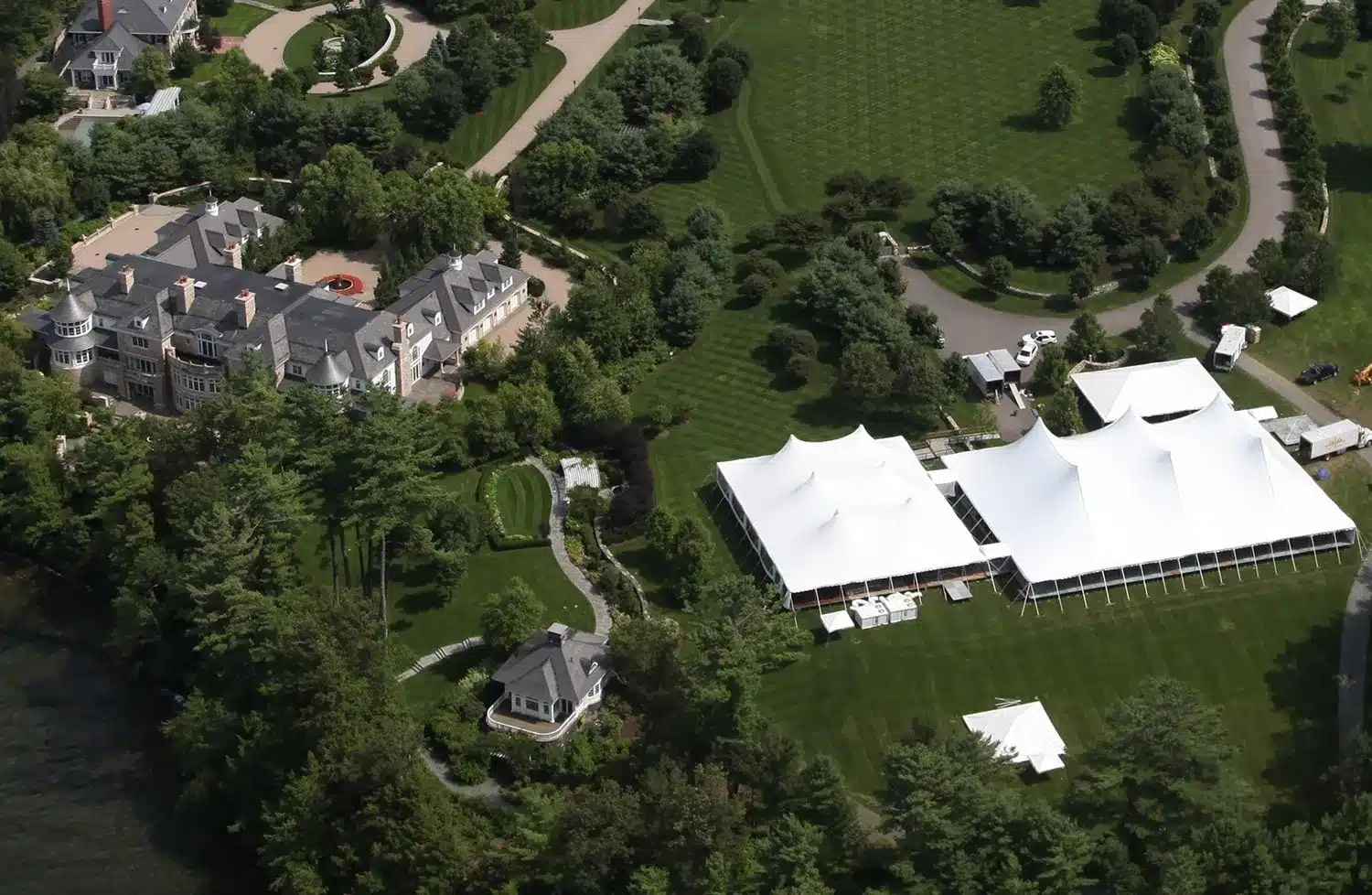
A luxury event tent rests on five consistent pillars: premium materials, engineered structural safety, refined interiors, integrated environmental systems, and professional turnkey services that ensure flawless execution. These attributes combine so a tent not only looks elevated but performs predictably under changing conditions, protecting the guest experience and reducing venue risk. Luxury tent features emphasize durability and finish (fabric translucency, robust frame engineering, precision-fit wall systems) while enabling lighting design, clear sightlines, and comfortable circulation. Planners should expect transparent load ratings, material specifications, and a coordinated service plan covering power, climate control, and project management so the elevated experience actually feels effortless.
Luxury is both form and function. The sections that follow unpack the materials and engineering behind that promise and explain why weather resistance is a practical, non-negotiable luxury differentiator.
How Do Superior Materials and Engineering Establish Luxury?
Premium fabrics and engineered frames define luxury by combining tactile quality with measurable performance: fabric choice controls translucency, seam detail, and lifespan, while frames determine load capacity and wind resistance. Sailcloth, for example, yields a soft translucency and textured finish that flatters daytime light. Vinyl or PVC membranes prioritize waterproofing and a clean reflective surface for evening events. Frame alloys such as aluminum offer a high strength-to-weight ratio for faster installation and reliable load-bearing, engineered-structure tents add truss geometry and anchoring specifications to meet elevated wind and snow loads. These material and frame choices affect safety certifications, installation complexity, and cost, so specifying fabric type and frame class early prevents last-minute scope changes. Knowing these trade-offs helps planners pick a tent that achieves the intended look and the necessary performance for a given site.
This materials-and-engineering foundation directly determines how a tent behaves in weather, the next subsection explains the weather-resistance features that make a tent dependable.
Before the comparison table, consider these primary luxury fabric and frame attributes:
- Sailcloth: Soft translucency that creates an upscale daytime ambiance.
- Vinyl/PVC: Strong waterproofing and an easy-to-clean finish for busy events.
- Aluminum frame: Lightweight, strong, and efficient to install.
Why Is Weather Resistance Essential for Premium Tents?
Weather resistance is a core luxury trait because it safeguards the guest experience and the event’s investment: rated wind and snow loads, reinforced seam treatments, and secure anchoring lower the chance of damage or interruptions. A luxury tent is specified with manufacturer-rated wind and snow figures and uses welded or taped seams to preserve long-term waterproofing, these details prevent water ingress, fabric failure, and structural compromise in adverse conditions. For planners, weather-resistant design reduces contingency costs (last-minute HVAC runs, emergency labor) and keeps vendor schedules and guest safety on track. Verifying performance metrics and requiring site-specific anchoring plans turns weather-resistance from a marketing claim into contract-ready specifications you can include in bids and insurance documentation.
Clear weather-performance expectations also inform choices about climate control and interior finishes, the next major luxury categories.
How Do Advanced Climate Control Systems Enhance Luxury Tent Comfort?
Advanced climate systems raise luxury by maintaining consistent temperature, humidity, and air quality so guests stay comfortable regardless of outdoor conditions. Properly sized HVAC, ducting, and ventilation prevent hot spots, condensation, and excessive noise that would otherwise undermine a premium event. System choice, packaged HVAC, ducted AC, radiant heat, or dehumidification, should match tent volume, guest density, and the thermal properties of the fabric and wall systems. Operational factors such as generator capacity, noise control, and duct routing are essential to integrating climate control without compromising the interior aesthetic or delaying setup.
Choosing the right system starts with matching capacity to tent volume and guest load, the following subsections outline common system types and how insulation and acoustic treatments improve perceived comfort.
Common climate control systems for luxury tents include:
- Packaged HVAC: Self-contained heating and cooling with controlled airflow, suited to medium and large tents.
- Ducted air conditioning: Distributed cooling with quieter operation and better zoned control.
- Radiant heating: Silent, even warmth for colder-weather events without moving air.
What Types of Heating, Cooling, and Ventilation Are Used in Luxury Tents?
Luxury installations often pair packaged HVAC with ducted distribution for even climate control across large spaces, while radiant heaters and targeted forced-air units provide warmth in colder months. Dehumidifiers are common in humid locations to prevent condensation on fabrics and protect finishes like hardwood floors. System selection depends on event type, for seated dinners in large ballroom-style tents, low-noise ducted AC preserves ambience, for receptions that open to outdoor areas, portable packaged units with ducting offer flexibility. Maintenance and noise mitigation matter: quiet generator enclosures, remote compressors, and acoustic duct lining reduce mechanical intrusion into the event soundscape. These choices ensure climate systems support, rather than distract from, the luxury experience.
How Does Insulation and Sound Reduction Improve Guest Experience?
Insulation and acoustic treatments stabilize interior temperatures and reduce reverberation so speeches and performances remain clear and comfortable. Thermal liners raise the tent envelope’s effective R-value, lowering HVAC load and improving efficiency, sound-absorbing drapery and acoustic baffles reduce echo and peak decibel levels. Paired with correctly sized HVAC, insulation prevents temperature gradients and condensation that can damage finishes like dance floors and AV gear. When planners specify acoustic goals (speech intelligibility, live-music response) alongside thermal targets, designers can propose integrated solutions that address both comfort and sound. The result: measurable improvements in guest comfort and perceived event quality.
What Custom Interior Finishes Elevate Luxury Tent Aesthetics?
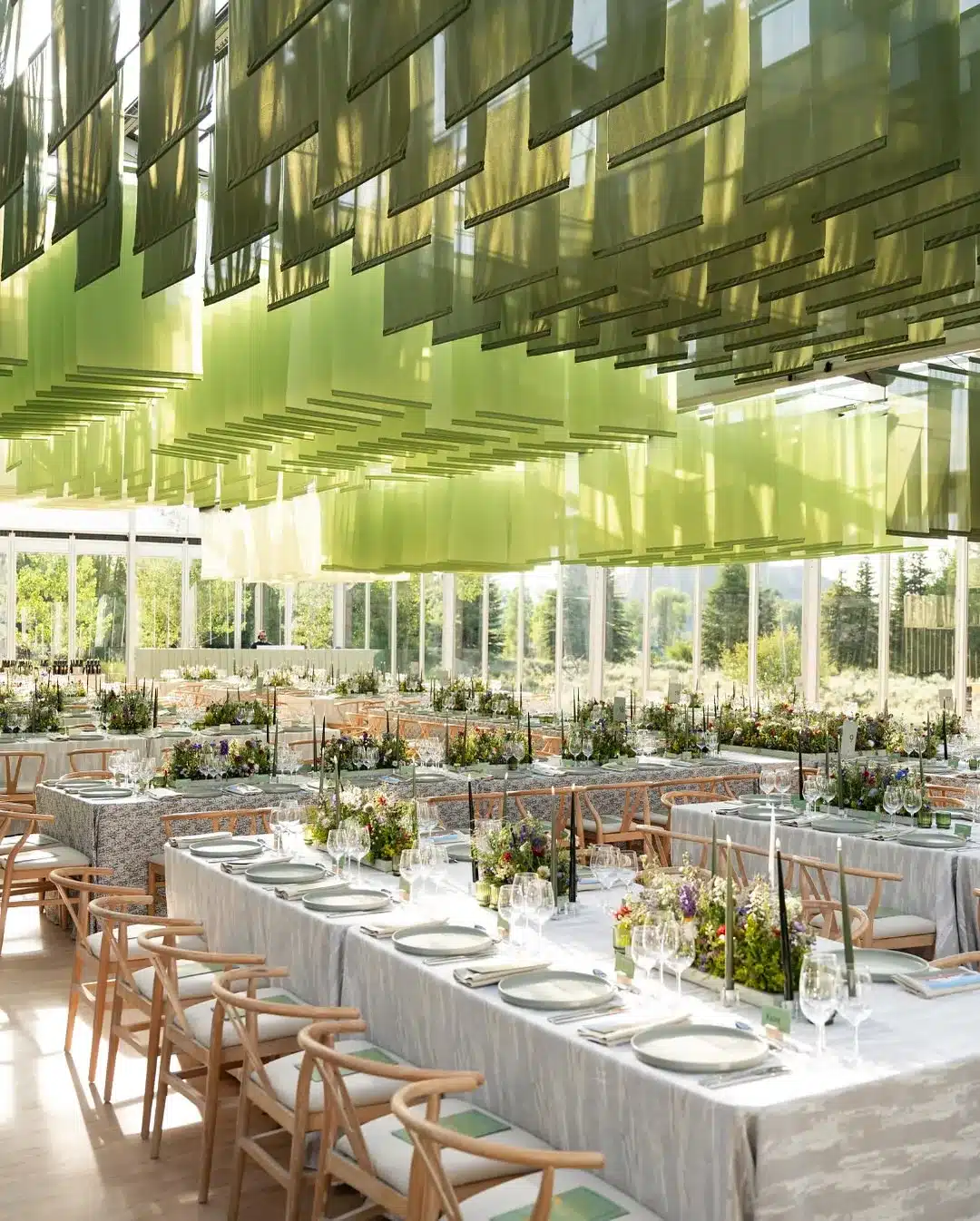
Custom interior finishes, flooring, wall systems, lighting, draping, and furnishings, transform a tent’s structure into a curated setting that reads as luxury. High-end finishes should respect the tent’s architecture and the event program, whether that means a hardwood ballroom for a seated dinner, glass walls for panoramic views, or layered lighting and draping to sculpt mood. Finish selection interacts with operational constraints: flooring needs correct load support and thresholds, glass walls require structural integration and weatherproofing, and lighting plans demand power distribution and rigging rated for suspended fixtures. Prioritizing finishes that are both durable and visually refined helps planners create an ambiance that holds up to guest traffic and photography.
Before the flooring table, here are common interior finishes you’ll evaluate:
- Hardwood floors for ballroom elegance and long-term durability.
- Carpet and pad for comfort and acoustic control in lounge areas.
- Elevated platforms for leveling on uneven or waterfront sites.
Which Elegant Flooring Options Are Available for High-End Events?
High-end flooring options include hardwood overlays, carpet with sound-absorbing underlay, elevated platforms for uneven terrain, and interlocking dance floors designed to resist moisture and heavy foot traffic. Hardwood creates a refined focal surface for seated dinners and supports heavy furniture and stages, while carpet systems add warmth and reduce impact noise in lounge and ceremony zones. Elevated platforms are essential on sloped or waterfront sites, they provide a level, secure surface and protect the ground beneath. Installation details, including subfloor ventilation, weight distribution, and accessibility, must be coordinated with the tent frame and foundation plan to ensure safety and longevity. The right floor depends on intended use, guest capacity, and the tent’s engineering specifications.
How Do Glass Walls and Sophisticated Wall Systems Create Panoramic Views?
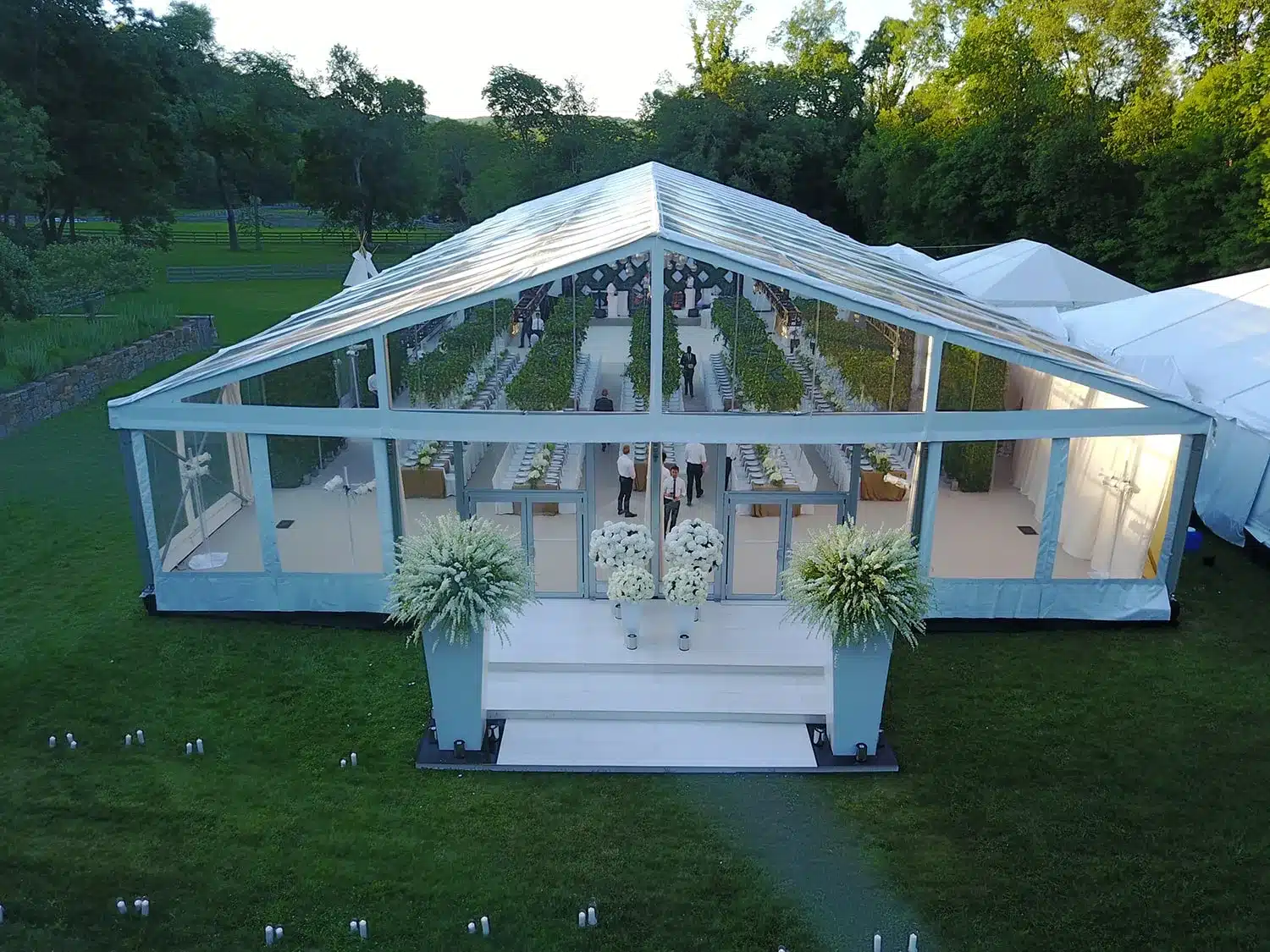
Glass walls and framed wall systems open sightlines and turn a tent into a seamless indoor‑outdoor venue, but they require structural integration, weatherproof seals, and thermal planning. Options range from full-height framed glass panels with French doors to modular framed walls with operable sections, each needs a secure perimeter frame and anchoring that transfers loads into the tent structure. Glass walls enhance daylight and scenery for photography and guest experience, but they also affect insulation, glare, and HVAC load. On exposed sites, tempered glass, weep systems, and compatible flashing prevent water ingress and preserve finishes. Properly engineered, glass wall systems make views a primary design feature without sacrificing weather performance.
What Role Do Ambient Lighting and Draping Play in Luxury Tent Interiors?
Lighting and draping shape mood, conceal structural elements, and enhance perceived scale. Layered approaches, chandeliers, LED uplighting, string lights, and fabric treatments, create visual depth. Chandeliers provide a focal point for formal dining, LED uplighting adds color washes that emphasize architecture, draping softens trusses and offers a clean backdrop for projection or florals. Practical rules, warm color temperatures (2700–3000K) for dining, consistent fixture spacing, and early electrical planning to avoid overload, ensure lighting supports the design without showing gear or creating noise. Draping should be flame-retardant and, where insulation or HVAC ducting is present, installed with breathable backing to reduce condensation risk. Thoughtful lighting and draping combine technical requirements with visual goals so interiors feel intentionally curated.
How Do Customizable Layouts and Furnishings Define Luxury Tent Versatility?
Custom layouts and high-quality furnishings create distinct zones that support event flow, sightlines, and guest comfort while preserving the tent’s open, airy character. Spatial planning for luxury events emphasizes unobstructed sightlines, generous per-guest square footage for circulation, and deliberate zoning, separating arrival, dining, lounge, and performance areas with furniture groupings and subtle floor changes. Furniture should be chosen for aesthetic cohesion and durability; modular pieces let crews reconfigure quickly between ceremony, cocktail, and seated-program modes. Logistics, freight access, staging timing, and furniture placement relative to HVAC or power feeds, must be coordinated to avoid last-minute changes that can erode perceived quality. Luxury reads as effortless because it is planned and rehearsed.
Personalization lets clients imprint identity and program needs onto the physical layout, the next subsections outline spacious design principles and a practical personalization workflow.
Spacious interior design increases perceived luxury through circulation, sightlines, and reduced crowding.
- Per-guest space: Allocate more square feet per guest than standard rentals to communicate exclusivity.
- Sightline planning: Arrange focal points so they remain visible from primary guest areas.
- Zoning: Use furniture and floor finishes to create distinct program areas without adding partitions.
Why Is Spacious Interior Design Important for Luxury Events?
Spacious design signals luxury by giving guests room to move, socialize, and appreciate curated elements without feeling crowded. Achieving this requires generous per-guest allocations, clear circulation paths, and unobstructed sightlines to focal areas. A relaxed physical environment reduces noise buildup and makes dining and movement more comfortable, which supports higher perceived service quality. Planners often justify larger tents or fewer guests per square foot for premium events with simple metrics. Open space also simplifies lighting and AV sightlines and allows flexible staging. In short, spaciousness reads as considered hospitality and reduces friction across service and guest flow.
How Can Clients Personalize Tent Layouts and Furnishings?
Clients personalize layouts by defining zones (welcome, dining, lounge, stage), selecting furniture and branded finishes, and approving mockups before installation, following a clear consult → mockup → approval → install timeline. Practical steps include an initial design brief, a 2D or 3D mockup showing circulation and sightlines, a definitive furniture and finish schedule, and a site walk-through to confirm access and utilities. Coordination with vendors, caterers, lighting designers, flooring installers, ensures furniture aligns with rigging and load limits. A checklist capturing guest counts, key moments, accessibility needs, and branding streamlines decisions and avoids late changes. This structured approach delivers a cohesive, predictable result on event day.
The right finishes and layouts depend on services that make them operationally sustainable, which we cover next.
What Comprehensive Services Complement Luxury Tent Rentals?
Comprehensive services turn premium tent features into a turnkey experience by supplying power generation, climate control, flooring, glass walls, elevated platforms, and project management to coordinate every technical and logistical detail. These services drive operational reliability, redundant generators, correctly sized HVAC, waterproof flooring installation, and experienced crews reduce interruption risk and help maintain the luxury standard through setup, the event, and teardown. For planners, the value is a single partner who translates design intent into a safe, code-compliant, guest-ready environment without ad hoc technical problem solving. The market increasingly values providers who bundle these capabilities for consistent outcomes.
How Does Integrated Power Generation Support Event Amenities?
Integrated power generation supports luxury events by delivering reliable, correctly sized electrical capacity for lighting, HVAC, catering, AV, and special effects while providing redundancy to avoid outages. Generator sizing should follow a load summary that includes peak lighting draws, HVAC startup currents, kitchen equipment, and AV demands, modest oversizing for runtime fluctuation avoids brownouts and reduces equipment stress. Quiet enclosures and remote placement minimize noise, and professionally designed distribution with labeled panels and dedicated circuits simplifies troubleshooting. Integrated power planning prevents last-minute compromises and helps ensure lighting schemes and climate systems perform consistently throughout the event.
Why Is Expert Project Management Vital for Luxury Event Success?
Expert project management matters because it aligns technical execution, vendor schedules, permits, and on-site troubleshooting into a single accountable workflow, reducing risk and delivering the client’s expectations. A project manager creates timelines, coordinates deliveries and crew access, verifies structural and electrical compliance, and runs rehearsals for lighting cues or stage changes. Typical checklists include permit acquisition, ground protection plans, rigging load calculations, and weather contingency plans. Clear communication protocols during setup and runtime minimize surprises and allow last-minute changes without disrupting the guest experience. Professional project management turns complex technical requirements into a seamless guest-facing moment.
When a provider bundles these services with premium tents and design expertise, it simplifies the planner’s workload. The final section explains why a full-service premium partner is advantageous and how to request next steps.
Frequently Asked Questions
What are the benefits of using a luxury tent for outdoor events?
Luxury tents combine striking visuals with practical performance. They offer enhanced weather resistance to keep guests comfortable, use high-quality materials that photograph well, and integrate climate control to maintain a pleasant environment. Custom finishes and considered layouts let you shape a memorable atmosphere that matches your event. In short: luxury tents help you deliver beautiful moments without sacrificing reliability.
How do I choose the right luxury tent for my event?
Start by defining your event type, guest count, and site constraints. Evaluate tent materials and structural features for weather performance and desired aesthetics, then consider the integrated services you’ll need (HVAC, power, flooring). Work with a provider to review sample floor plans and load ratings, a short consultation will align your vision with practical options like sailcloth, century, or engineered-structure tents.
What is the typical setup time for a luxury tent?
Setup time depends on tent size, complexity, and site conditions. Small installations can take only a few hours, larger engineered structures or tents with custom flooring, glass walls, or advanced climate systems often require a day or more. Coordinate timelines with your provider to allow time for installation, systems testing, and a full site check before the event.
Are luxury tents suitable for all types of events?
Yes. Luxury tents are highly adaptable and can be tailored for weddings, corporate functions, galas, and social celebrations. With flexible layouts, finishes, and integrated systems, they can create formal dining rooms, relaxed cocktail spaces, or performance-ready venues, while offering weather resistance that keeps the event running smoothly in most conditions.
What are the key considerations for lighting in luxury tents?
Lighting shapes mood and highlights key moments. Consider fixture type, placement, power needs, and color temperature (warm tones for dining). Plan electrical circuits and rigging early so your lighting design can be executed without compromise. Layered lighting, chandeliers for focal points, uplighting for architecture, and string lights for atmosphere, creates depth and photographs well.
How can I ensure my luxury tent is environmentally friendly?
Choose recyclable or responsibly sourced materials where possible and opt for energy-efficient systems (LED lighting, efficient HVAC). Discuss sustainable practices with your provider, many companies offer solar lighting, responsible waste plans, and green operations. Thoughtful choices during planning make your event more sustainable without sacrificing luxury.
Conclusion
Luxury tents deliver both elevated aesthetics and operational reliability, giving guests a memorable experience while minimizing logistical risk for planners. By understanding core features, premium materials, engineered structures, advanced climate control, and customizable finishes, you can specify tents that meet design and performance goals. Working with a full-service provider like Skyline Tent Company streamlines coordination and helps turn a design concept into a safe, beautiful, and predictable event. Request a consultation today to see how our luxury tent solutions can bring your next event to life.