
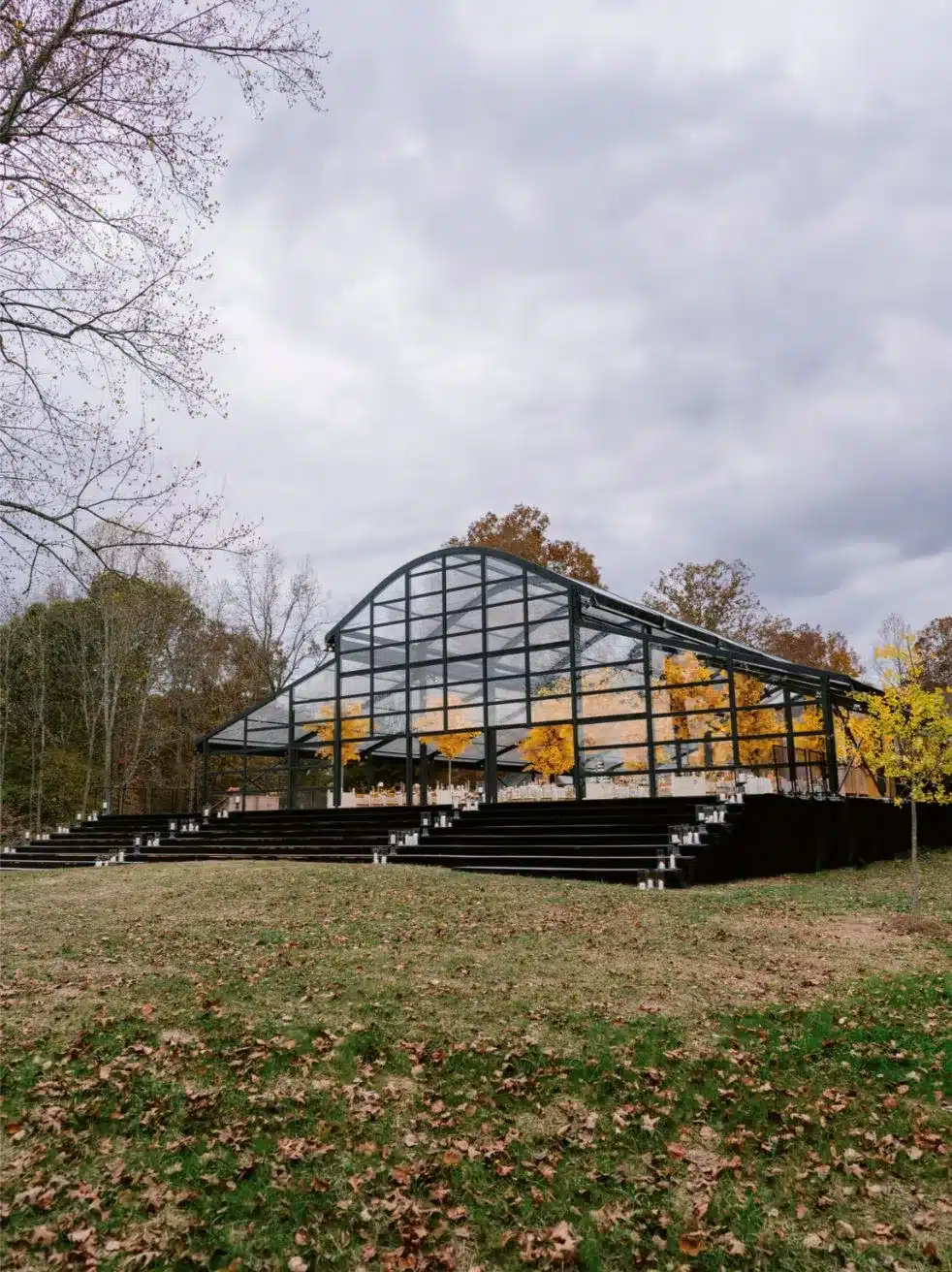
Weather planning is more than checking the forecast—it’s about preparing for Charlottesville’s real-world conditions so guests stay comfortable, design details stay pristine, and your event feels seamless from start to finish. In our region, that often means choosing a tent style that can handle shifting skies, pairing it with the right sidewalls, flooring, and quiet heating or cooling, and building in smart upgrades for rain, wind, humidity, cold evenings, and the occasional snow.
This guide breaks down Charlottesville’s seasonal patterns, the “upgrade moments” that call for more weather-ready tenting or climate support, and practical options—from sailcloth’s romantic glow to more enclosed, winter-ready structures. You’ll find site walk-through essentials, tent selection guidance, comfort planning tips, and a clear contingency checklist for weddings, corporate events, and multi-day celebrations. We’ll also cover flooring, platforms, ventilation, and permitting considerations so your vision stays intact and your plan stays confident—no matter what the weather decides.
What are the key weather challenges for luxury outdoor events in Charlottesville?
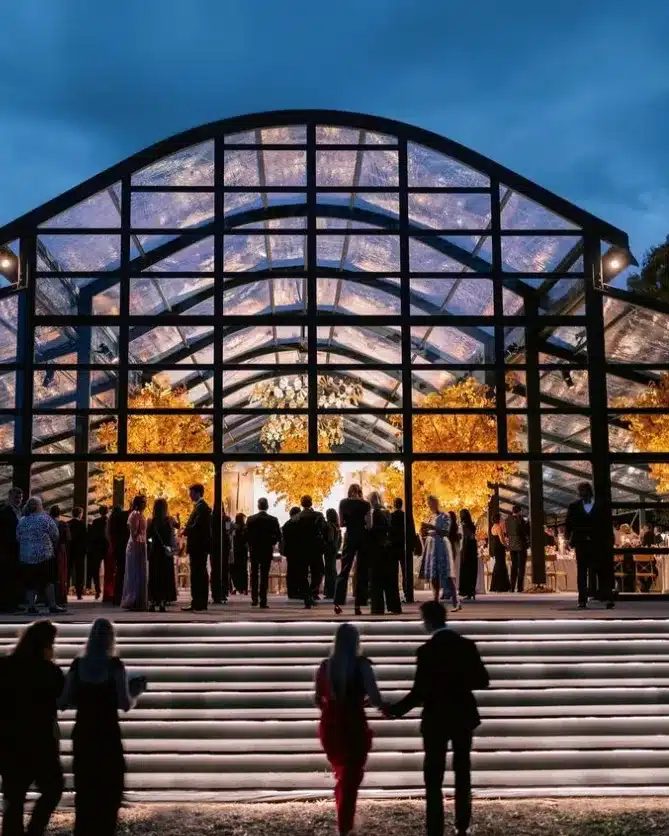
Charlottesville outdoor events typically contend with five recurring weather factors: rain, wind, heat, cold, and the occasional snow. Any one of these can affect guest comfort, flooring conditions, décor, and even power and production needs—so the best plans anticipate them early and build in the right tent style, sidewalls, anchoring, and climate support.
- Rain: Heavy showers and saturated ground can lead to muddy entrances and slippery walkways—making weather-tight sidewalls, raised flooring, and a drainage plan essential.
- Wind: Gusts can quickly change what’s comfortable (or safe). Windy sites often require stronger anchoring, added ballast, or a more robust tent structure.
- Heat + humidity: Charlottesville summers can feel intense, especially for dinner and dancing. Plan for cooling, airflow, shade, and hydration, plus dehumidification to keep the space feeling fresh.
- Cold evenings + occasional snow: Even in shoulder seasons, temperatures can drop after sunset. Colder forecasts call for reliable heating, appropriate walling, and—when needed—winter-ready structures.
These realities shape seasonal decisions and help determine when to stay with an aesthetic-forward setup and when to upgrade to a more weather-ready plan.
How do seasonal weather patterns impact outdoor event planning?
- Spring: Beautiful but unpredictable—expect swings in temperature and more rain. Prioritize sidewalls, solid ground prep, and drainage.
- Summer: Heat, humidity, and pop-up storms are common. Prioritize cooling capacity, airflow, shade, and quick-deploy walling to protect guests and finishes.
- Fall: Often the most comfortable, but evenings can cool quickly and fronts can move in fast. Plan for light heating and flexible walling so the tent adapts as conditions change.
- Winter: Less common, but doable with the right approach. Cold snaps and light snow call for winter-ready structures and dependable heat, plus a clear plan if conditions shift.
Use these seasonal tendencies to guide your tent choice, flooring strategy, and comfort plan—especially if your event runs into the evening.
Which weather conditions require specialized tent and climate solutions?
Some forecasts (or site conditions) are clear signals to upgrade beyond a standard setup:
- Higher winds or exposed sites: Consider stronger anchoring, added ballast, or a more robust structure.
- Prolonged rain + poor drainage: Plan for weather-tight sidewalls, raised flooring, covered entry points, and moisture barriers.
- Heat waves + humidity: Add larger cooling support and dehumidification to prevent condensation and keep guests comfortable.
- Freezing temps or snow potential: Choose winter-ready structures, reliable heating, and a clear snow/rain response plan.
Catching these “upgrade moments” early makes it easier to protect the guest experience—without compromising the look and feel of the event.
How do Skyline Tent Company’s weatherproof tents protect comfort and safety?
Weatherproof tents combine thoughtful material choices, structural engineering, and the right accessories to protect guests while preserving a refined look. Properly specified systems keep water out with waterproof membranes, resist wind through engineered anchoring and tensioning, and provide secure attachment points for HVAC and lighting without compromising the envelope.
The table below shows how three common tent types perform across weather attributes important to planners, helping you balance appearance and function for luxury events.
What are the features of sailcloth tents for rain and wind protection?
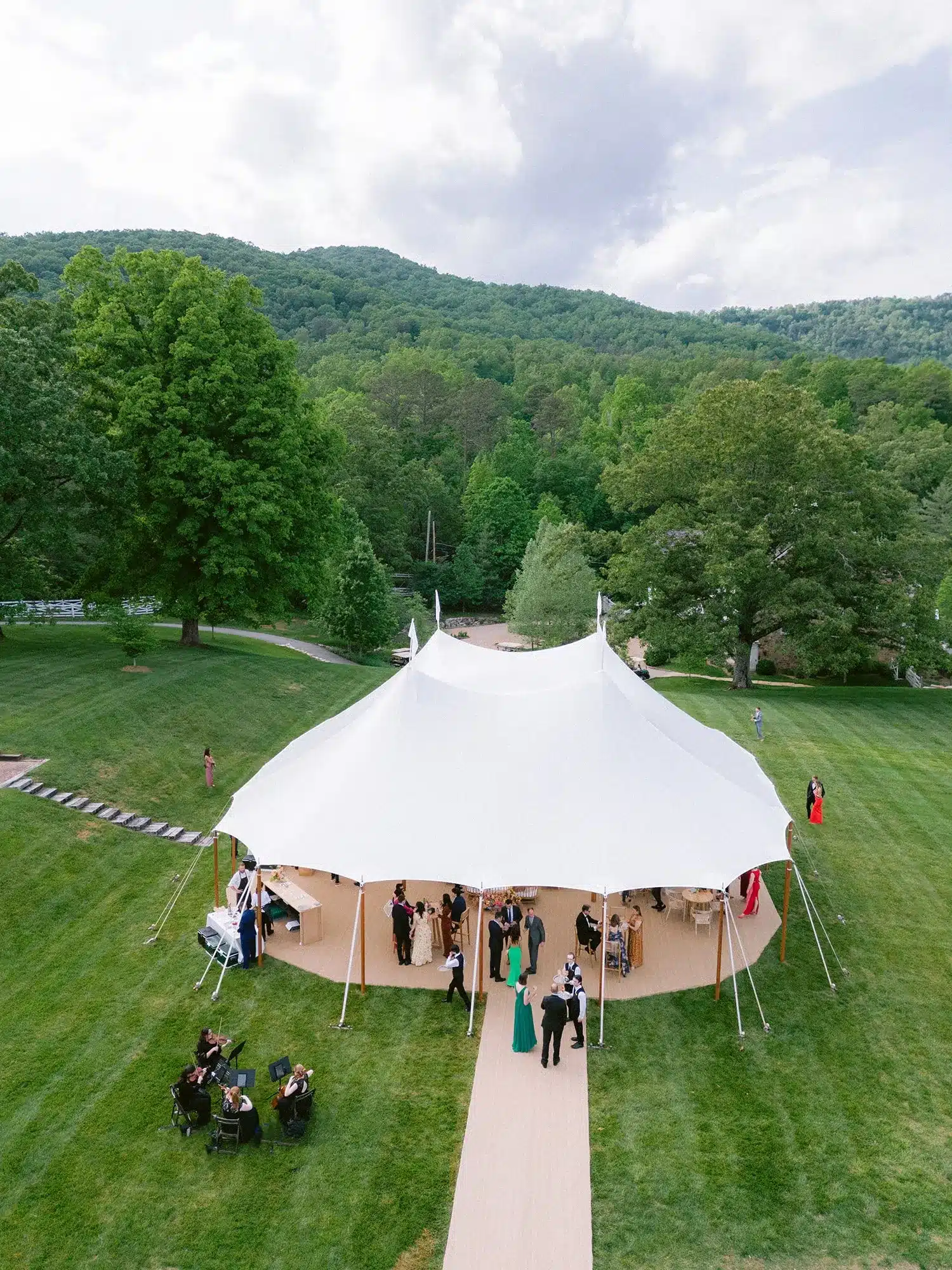
Sailcloth tents offer flowing peaks and warm natural light that enhance a luxury setting. The fabric sheds light rain but performs best paired with waterproof liners, sealed seams, and glass or vinyl sidewalls when heavier precipitation is expected. Wind tolerance is moderate; proper guying, perimeter anchoring, and added engineered stakes or ballast improve stability in gusts. When translucency and visual warmth matter, sailcloth combined with drainage, raised flooring, and flexible HVAC mounts protects décor and guests without sacrificing style.
How do Century tents provide durable, weather-tight coverage?
Century (vinyl tension) tents prioritize waterproofing and durability over translucency. Their reinforced vinyl membranes and taped seams create a reliable, weather-tight interior for receptions and equipment. Properly tensioned and anchored, Century tents usually outperform bare sailcloth in rain and wind resistance and accommodate sidewalls, glass walls, and integrated HVAC without compromising the envelope. Their wipe-clean surfaces and inspection access simplify maintenance and reduce exposure risk for linens, AV, and lighting rigs, a practical choice when a controlled interior is needed.
What are the benefits of engineered structures for extreme weather events?
Engineered span systems are temporary but designed and certified for specific structural loads, making them the right choice when event size or credible extreme-weather exposure creates safety concerns. Their frames distribute wind and snow loads through engineered connections and anchor systems, delivering predictable performance under quantified conditions. Engineered structures support long clear spans, heavy chandeliers, climate-control units, and elevated platforms while providing the permitting documentation required for large public events. The tradeoffs, higher cost, longer lead time, and coordination with engineers, are worth it when scale or risk demands verified structural reliability.
How do engineered tents withstand heavy snowfall and high winds?
Engineered tents are specified with snow-load and wind-rating values that define safe occupancy and allowable loads. Structural elements such as trussed rafters, reinforced footings, and defined ballast systems transfer loads to the ground, while operational protocols identify when to remove snow or limit suspended fixtures. Practical controls include scheduled inspections during storms, active roof de-icing, and guidance from a structural engineer for evacuation or load reduction. Combined with certified ratings, these measures give planners reliable safety margins for events facing heavy winds or snow.
Understanding certified load capacities is essential, it’s a technical area covered in specialized references on snow and temporary structures.
What event sizes and types are best suited for engineered structures?
Engineered structures are ideal for large-capacity events that require long clear spans and high load allowances corporate galas, multi-day festivals, and weddings with elaborate staging or heavy suspended décor. They support multiple zones (dining, performance, back-of-house) and integrate with custom flooring and elevated platforms to create refined, functional environments. Because permitting and site logistics require documentation and inspection windows, planners should allow lead time for engineering approval and site evaluation. When event scale or weather exposure makes standard tents risky, engineered systems provide the performance envelope to protect safety and the guest experience.
Which climate control solutions enhance guest comfort year-round?
Climate solutions for temporary structures include portable HVAC units, forced-air heaters, evaporative coolers, and ventilation fans. Choice depends on season, tent envelope, and event size, factors that determine capacity, placement, and power needs. Noise, fuel or electrical requirements, and footprint also influence equipment selection for luxury events. The table below helps match system types to capacity, seasonality, and installation considerations.
How do heating and cooling systems adapt to Charlottesville’s seasonal variations?
HVAC sizing typically follows rules of thumb based on tent volume, desired temperature change, and occupant heat loads. Summer requires a focus on dehumidification and more cooling capacity to offset humid air. In spring and fall, smaller units with strong circulation often suffice. For rare winter events, forced-air heaters sized to maintain comfortable temperatures through cold nights are essential. Power plans must include HVAC startup loads and continuous consumption; placing equipment out of sight and using ducting keeps noise down and ambiance intact. Coordinate HVAC placement with tent structural points and flooring to avoid drafty zones and ensure even comfort throughout the guest area.
What are the advantages of ventilation and air circulation in outdoor tents?
Ventilation manages humidity, reduces condensation on glass and fabric, and improves perceived comfort and air quality. Passive options, ridge vents and partial sidewall openings, work in mild conditions, but sealed tents need active, balanced supply and exhaust systems. Proper mixing prevents stagnant pockets and helps control CO2 in dense seating, supporting guest wellbeing. Integrating ventilation with HVAC ensures temperature control and air exchange work together while minimizing noise and visual impact on the event design.
How can custom flooring and elevated platforms improve event stability and elegance?
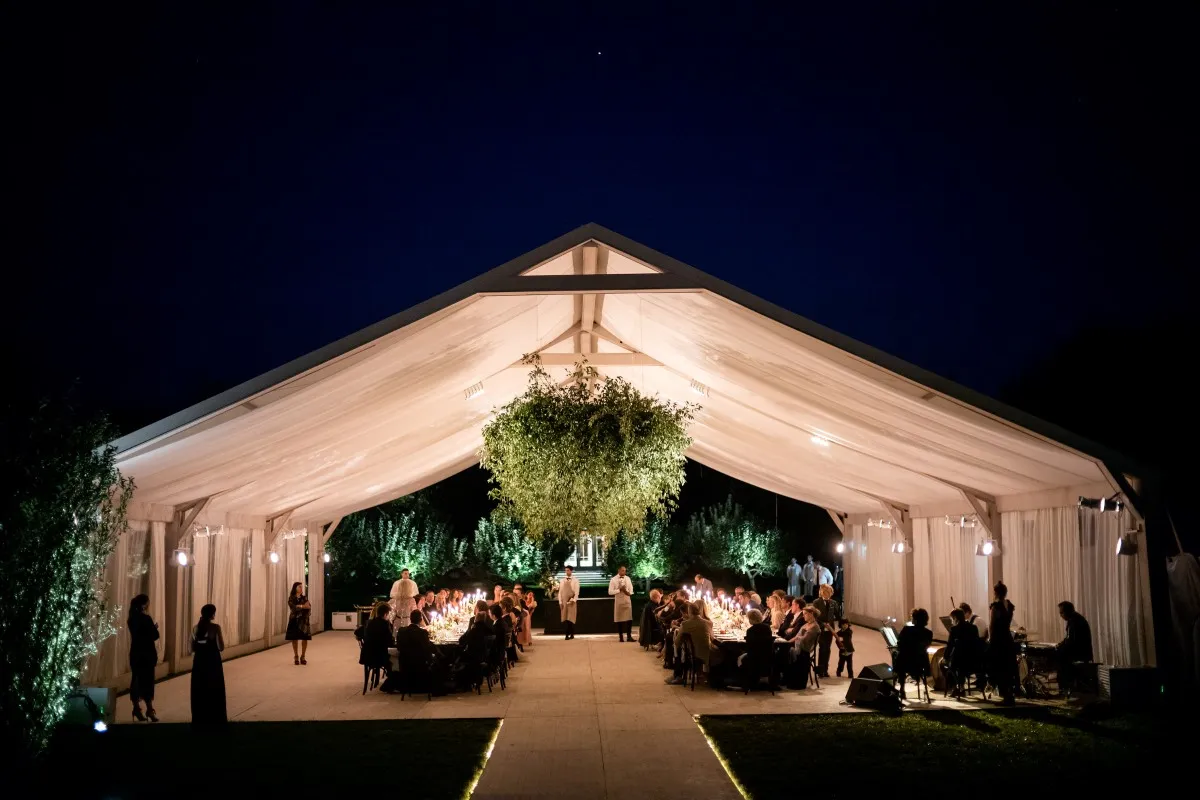
Custom flooring and platforms create level, dry, attractive surfaces that protect furnishings and guest attire while optimizing sightlines and service routes. Options range from temporary decking to modular panels with moisture barriers; these systems handle uneven terrain, prevent mud tracking, and stabilize the thermal plane for HVAC efficiency. Elevated platforms add visual hierarchy, stages, head tables, and dance floors, while addressing drainage and accessibility with ramps. The right floor and platform choices both stabilize operations and elevate the luxury look.
What flooring options address uneven terrain and moisture management?
Temporary decking is a fast, cost-effective fix for modestly uneven sites and can be leveled locally and paired with moisture barriers. Modular interlocking panels provide a smooth finish ideal for dancing and furniture layouts but typically need a compacted base and perimeter sealing. For steep slopes or chronically wet ground, raised platforms with engineered understructures lift the event plane above saturation and offer superior drainage and load distribution. Always perform a site evaluation before final flooring selection, floors affect HVAC efficiency, guest safety, and preservation of décor.
How do elevated platforms enhance safety and aesthetic appeal?
Elevated platforms improve sightlines for ceremonies and performances, separate key moments like head tables and stages from general traffic, and simplify catering and electrical runs. Platforms must be specified to handle live and static loads and integrate with tent anchoring so footings aren’t compromised. Finish choices, finished wood, lacquered panels, or carpeting, shape the luxury look and should include non-slip surfaces and ramped ADA access. When coordinated with lighting and HVAC, platforms become safe, elegant focal points that enhance the guest experience.
What are effective weather contingency plans for luxury outdoor events?
The best contingency plans don’t feel like “Plan B”—they feel like a seamless event, even when the weather shifts. A luxury-ready approach starts early with a site walk-through and smart specifications, then carries through to an on-site plan that’s calm, discreet, and ready to deploy without disrupting the guest experience.
A simple, high-end contingency framework:
- Before the event: Confirm site drainage and access, finalize the tent style, sidewalls, and flooring, and secure any required permits/inspections. If you’re adding climate control or a larger lighting/power plan, build in backup capacity where appropriate.
- On-site: Monitor conditions, keep sidewalls and anchoring resources staged for quick adjustments, and have a crew plan for water management, wind response, or temperature changes.
- If conditions escalate: Follow clear safety guidance, coordinate with the appropriate local officials when required, and use a communication plan that keeps vendors aligned and guests informed—without alarm.
Layering these steps protects safety and comfort while preserving the polished, intentional look a luxury event requires.
How should event planners prepare for rain, wind, heat, and cold?
While every event is different, the most successful weather plans follow the same principle: match the tent “envelope” and comfort strategy to the conditions.
- Rain: Prioritize weather-tight sidewalls, covered entry points, raised flooring where needed, and a clear drainage/mud plan to protect attire, décor, and walkways.
- Wind: Choose the right structure for the site, reinforce anchoring/ballast, and establish straightforward wind guidelines so everyone knows what happens if gusts increase.
- Heat + humidity: Plan for cooling, airflow, shade, and hydration, with equipment placed discreetly to keep noise and sightlines clean. Dehumidification can be key for comfort and condensation control.
- Cold + occasional snow: Use reliable heating, thoughtful walling, and designated warm zones for guests. For winter-ready installs, ensure you have a clear plan if conditions change overnight.
Most importantly, assign clear roles—who adjusts sidewalls, who monitors conditions, who coordinates vendors—so responses are quick, quiet, and guest-first.
What safety protocols and permitting requirements support weather-ready events?
A smooth event starts with the right approvals in place. Depending on the scope and structure, this may include tent permits, electrical inspections, and fire safety requirements in line with local codes. Start early so inspections happen well before guest arrival.
For larger structures or more complex installations, additional documentation may be required. Keep essential information organized and accessible—site notes, anchoring plans, power needs, and key contacts—so everyone stays aligned and the event remains calm, compliant, and beautifully executed.
Frequently Asked Questions
What should I consider when choosing a tent for my outdoor event?
Start with expected weather, guest count, and event type. Check materials for waterproofing and wind resistance, confirm ventilation options, and evaluate how the tent’s look fits your design. Don’t overlook site conditions like drainage, slope, and access. A professional site evaluation and sizing consultation will ensure your tent balances aesthetics with operational needs.
How can I ensure my outdoor event remains safe during inclement weather?
Build a contingency plan that includes advance weather monitoring, clear activation triggers, and on-site resources like rapid-deploy sidewalls and extra ballast. Prepare drainage, secure necessary permits, and train staff on deployment procedures. Establish guest and vendor communication channels and evacuation routes, and conduct regular inspections before and during the event to keep risk low.
What are the best practices for managing heat during summer events?
Use appropriately sized portable HVAC units and fans, prioritize dehumidification, and provide shaded waiting areas and hydration stations. Open sidewalls when conditions allow or create shaded breakout zones. Schedule key activities during cooler parts of the day when possible and choose lighter tent fabrics to reduce heat absorption.
How do I determine the right size tent for my event?
Estimate space for guests, dining, and features like stages or dance floors. Typical planning metrics are roughly 10 square feet per person for seated dinners and 5–7 square feet for cocktail-style events, but layouts and service areas change those numbers. Consult a tent professional to translate guest count and layout into an accurate tent size.
What types of flooring are best for outdoor events?
Temporary decking is quick and cost-effective for modestly uneven ground. Modular interlocking panels provide a smooth surface ideal for dancing and ADA access, and raised platforms lift the event above wet or sloped sites. Choose flooring based on a site evaluation, intended use, and moisture conditions to protect décor and enhance comfort.
How can I enhance the aesthetic appeal of my outdoor event?
Combine elegant tent styles with high-quality furnishings, layered lighting, and thoughtful details like draping and florals. Elevated platforms add visual interest and improved sightlines; custom flooring adds polish. Integrating discreet AV and ambient lighting elevates atmosphere while preserving a refined presentation.
What are the key elements of a successful weather contingency plan?
A solid plan includes a pre-event site survey, real-time weather monitoring, and clear activation thresholds. Keep rapid-deploy sidewalls and ballast on hand, train staff for weather actions, and maintain open communications with guests and vendors. Regular rehearsals and documented procedures ensure everyone knows their role when conditions change.
Conclusion
Weather-ready planning keeps luxury outdoor events in Charlottesville comfortable and elegant no matter what the sky brings. By understanding local patterns and selecting the right tent systems, flooring, and climate control, planners protect the guest experience and preserve design intent. Layered contingency plans and professional-grade equipment further reduce risk. For hands-on help building a weather-ready event, contact Skyline Tent Company, we’ll work with you to create a safe, beautiful, and resilient event environment.