
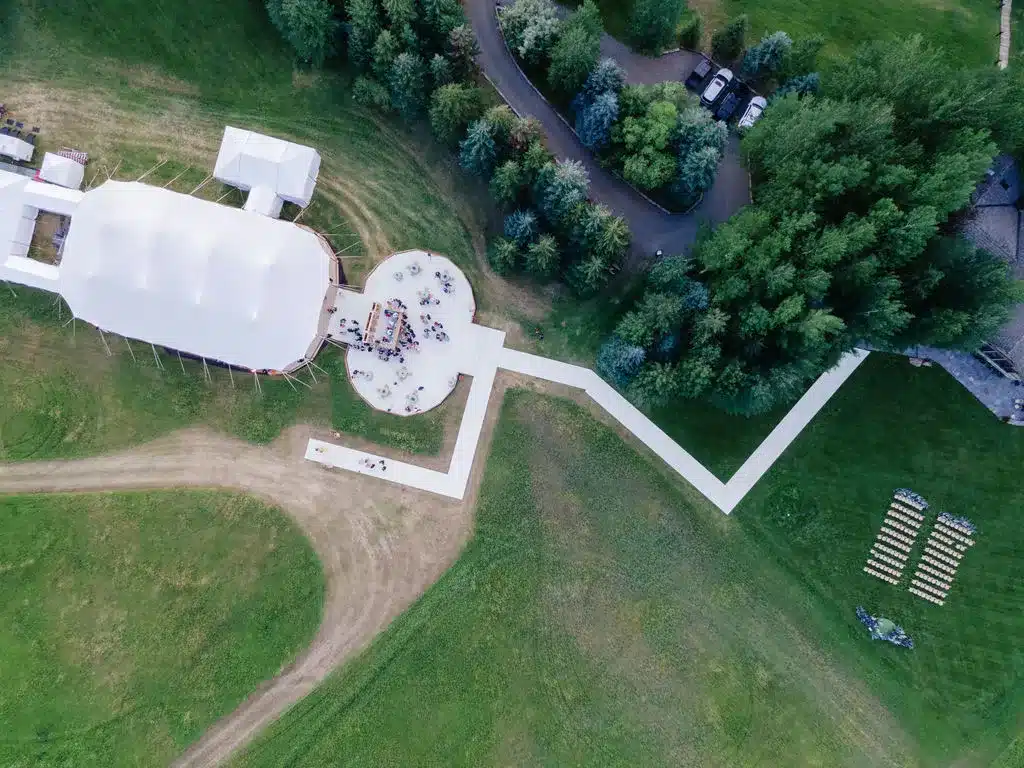
Cold, wet ground and swingy winter weather create unique challenges for tented events: chilly guests, higher heating bills, and soggy or slippery walkways. This guide lays out reliable insulated and heated flooring approaches that cut heat loss, control moisture, and deliver safe, attractive surfaces for weddings, corporate gatherings, and private parties. You’ll learn why insulation matters, which floor systems stand up to snow and frost, how to install temporary subfloors and vapor barriers, and how heated floors can work with tent climate control to trim energy use. Practical site‑prep advice covers drainage, anti‑slip finishes, and a winter maintenance checklist so planners and production teams can choose with confidence.
Why Is Insulated Tent Flooring Crucial for Winter Events?
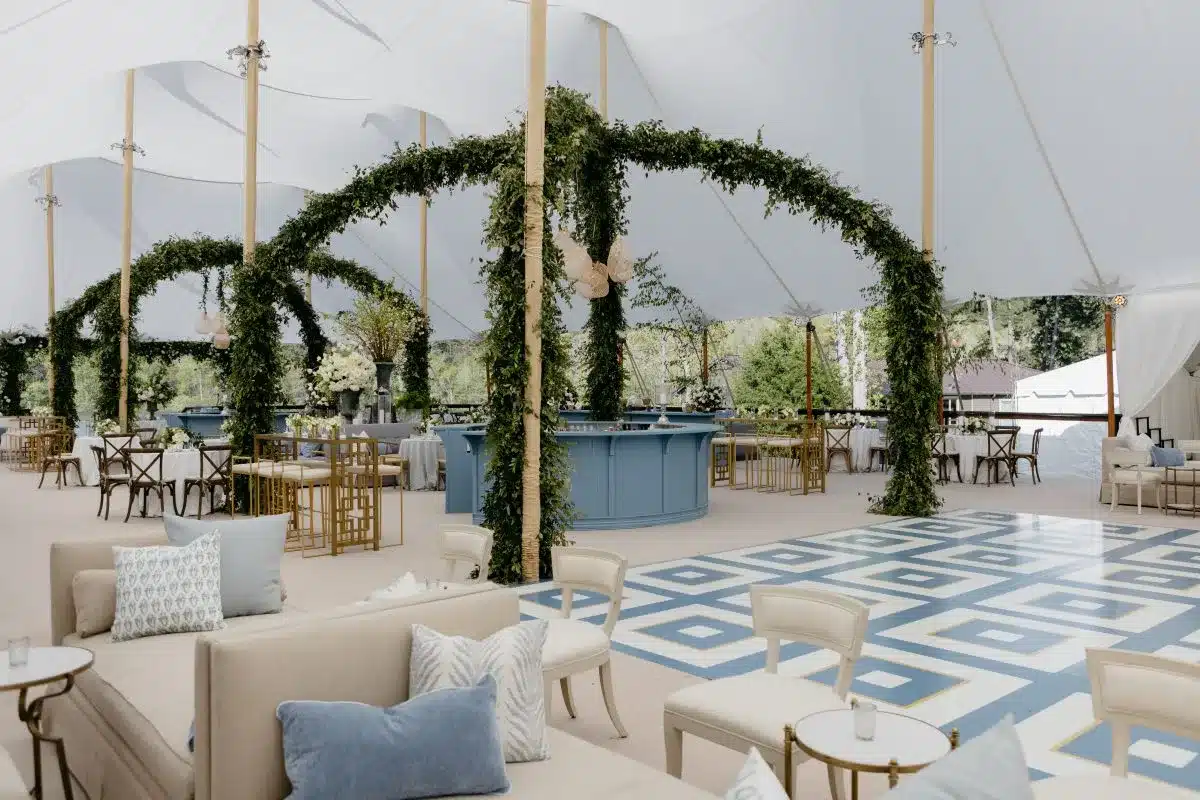
Insulated flooring creates a thermal break between guests and the cold ground, reducing heat loss and making the tent interior feel significantly warmer. Adding insulation raises the effective R‑value of the floor assembly, shortens heater run‑time, and evens out temperature differences across the footprint—improving comfort and lowering operating costs. Insulated systems also block moisture from frozen or saturated soils and stabilize the walking surface, reducing trip hazards caused by frost heave or soft spots. Below are the main reasons event teams choose insulated subfloors for winter setups.
- Insulated floors cut heat transfer to the ground and make walking surfaces feel warmer for guests.
- A continuous thermal layer limits condensation and moisture migration into the tent envelope, protecting finishes and décor.
- Raised or stabilized subfloors provide a firmer, level surface that reduces tripping and slipping risks.
Those benefits mean insulated flooring does more than improve comfort—it enhances safety and reduces heater demand. Understanding how insulation and waterproofing work together makes it easier to select the right materials and installation sequence for a given site and event type.
How Does Insulated Flooring Enhance Guest Comfort and Safety?
Insulation increases resistance to conductive heat loss where the floor meets cold soil, raising the effective R‑value of the subfloor assembly. Breaking that thermal bridge with closed‑cell foam mats, rigid insulation panels, or purpose‑built subfloor systems raises surface temperatures enough to change perceived comfort—often allowing operators to lower heater setpoints or runtime. A warmer floor reduces cold spots that draw guests toward heaters, improving circulation and the evenness of comfort. Those thermal gains also boost safety: a drier, warmer surface cuts condensation‑related slipperiness and helps maintain consistent footing across the tent footprint.
This combination of warmth and stability is especially important when guests wear light shoes or go barefoot—common at weddings. Knowing the relative R‑value of proposed assemblies helps right‑size heating equipment and set realistic comfort expectations. Next, we review weather‑resistant finishes that protect insulated assemblies in wet winter conditions.
What Are the Benefits of Weather-Resistant and Waterproof Flooring?
Weather‑resistant and waterproof finishes shield the subfloor assembly from standing water, melting snow, and tracked‑in moisture—keeping the finish dry and preventing material failure. Sealed seams and waterproof materials stop insulation and structural panels from saturating; without that protection thermal performance falls and freeze/thaw damage or heavy‑load failures become risks. Waterproof surfaces also make operations easier: cleanup is faster, overlays last longer, and sudden sleet or melts cause fewer service interruptions.
Choosing a waterproof finish should be paired with perimeter drainage and positive details that move water away from the tent footprint. The next section compares common flooring options so planners can match performance needs with the desired look.
What Are the Best Flooring Options for Winter Tent Events?
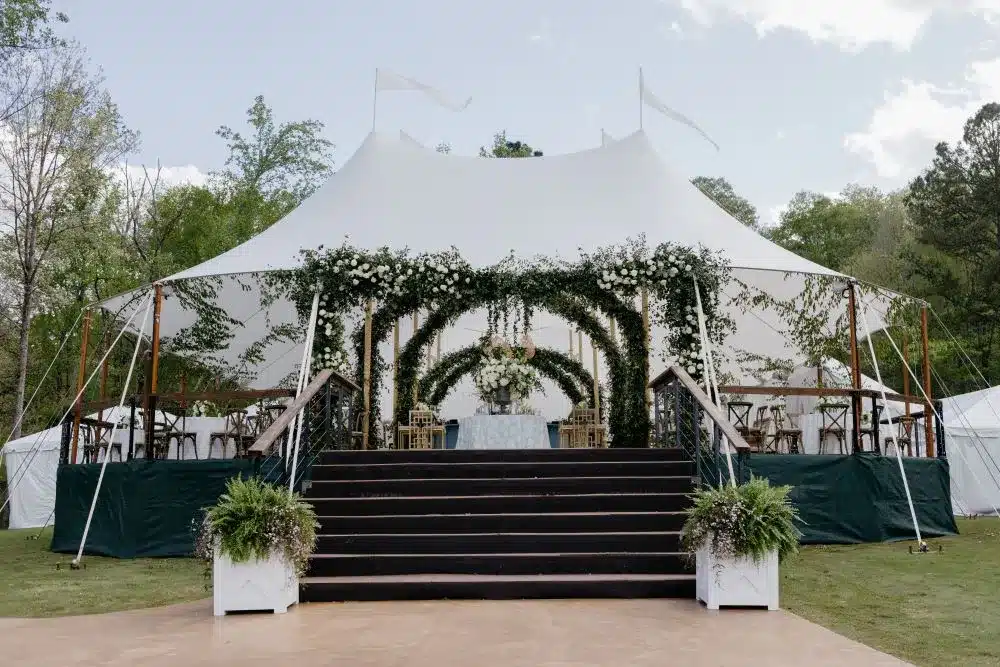
Selecting a winter flooring system balances insulation, waterproofing, durability, install speed, and appearance. Common solutions include modular plastic subflooring, elevated wood floors and platforms, carpet or turf overlays, and systems that accept radiant or electric heat. The best choice depends on event type—luxury weddings usually prefer warm wood finishes and raised platforms, while busy corporate events may rely on heavy‑duty modular tiles that install quickly and tolerate moisture. The table below compares core performance attributes and installation complexity.
Floor systems differ in thermal resistance, water tolerance, installation time, and visual impact.
No single floor is perfect for every winter event—each option trades off speed, thermal performance, and looks. After you select a base system, consider overlays and finishes that boost insulation or add slip resistance where needed.
How Do Modular Plastic Subflooring Systems Perform in Cold Weather?
Interlocking modular plastic tiles provide a stable, waterproof walking surface over uneven ground and are valued for fast installs and reuse. In cold climates, plastics manage surface water and freeze cycles better than some composites, but they still benefit from an insulation layer—rigid foam or insulated mats—beneath the panels to limit thermal bridging. In very low temperatures some plastics can become a bit more brittle, so specify cold‑rated materials and include a post‑install inspection. Modular systems accept a wide range of overlays—carpet, wood planks, or dance tiles—making them a flexible base for different looks and heating approaches.
Understanding these traits helps decide when modular systems are the practical choice for short‑term rentals or tight turnarounds. Next, we explain why elevated wood platforms are often chosen for high‑end winter weddings.
What Makes Wood Flooring and Elevated Platforms Ideal for Luxury Winter Weddings?
Elevated wood floors offer visual warmth and a naturally warmer walking surface than bare ground, delivering the premium feel couples expect. Raising the deck off saturated or irregular soil allows for insulation and ventilation under the floor, reducing frost heave risk and keeping wood finishes out of direct moisture contact. Elevated platforms make it simple to integrate dance floors and stages that meet load and finish standards, and they create clean transitions to tent walls and built‑in millwork. Stained planks, inlays, or seamed carpeting deliver the refined experience many clients want.
Because framing and finish work require more time and skilled labor, elevated wood is best when budget and schedule allow a premium setup. The next section outlines the field sequence professionals follow to install temporary flooring safely in cold weather.
How to Install Temporary Flooring for Cold-Weather Tent Events?
Temporary winter flooring begins with a site‑specific assessment and follows a clear sequence: ground prep and drainage, vapor barrier, insulation, subfloor panels or platform framing, then finishing overlays. Correct sequencing prevents trapped moisture and ensures the assembly delivers thermal performance and a durable walking surface. Safety checks during install—verifying load paths, anchor details, and peripheral drainage—reduce the risk of mid‑event failures.
Key installation steps for a winter tent subfloor assembly include site assessment, drainage work, layered insulation, panel installation, and finish installation.
- Assess and Mark: Inspect soil conditions, identify frost‑prone zones, and mark utilities and elevation changes before work begins.
- Establish Drainage: Install temporary trenches, compacted gravel pads, or geotextile underlayers to direct water away from the tent perimeter.
- Lay Vapor Barrier and Insulation: Place a protected vapor barrier over prepared ground, then add closed‑cell foam or insulated mats to reach the target R‑value.
- Install Subfloor or Platform: Lock modular panels in place or build framed platforms atop insulation, ensuring tight seams and correct load distribution.
- Apply Finishes and Access: Install final finishes—wood planks, carpet, or dance tiles—and verify safe transitions, ramps, and perimeter seals.
Following this order avoids common mistakes like trapped water under insulation or uneven settlement during freeze/thaw cycles. A final check of anchors and clearances prepares the flooring and tent for climate control and event staging.
For complex or large installs, professional project management improves outcomes. Skyline Tent Company provides design coordination, custom flooring systems, elevated platforms, and turnkey installation so the sequence above is executed safely and on schedule. Using a single, experienced team for site assessment and installation reduces risk and streamlines logistics on demanding winter sites.
What Are the Key Steps in Ground Preparation and Drainage Solutions?
Ground prep focuses on removing organic debris, creating a level base for your subfloor, and managing water so it doesn’t collect under the tent. Grading, a compacted gravel pad, and geotextile fabrics form a stable, permeable base that limits saturation and supports insulation. Temporary drainage—shallow channels, perforated French drains, or tapered slopes—helps carry meltwater away from the perimeter and reduces pooling risk. For frost‑prone sites, consider a deeper gravel base or insulating the shallow layers to limit freeze/thaw movement that can deform subfloors.
These measures reduce the chance of water damaging insulation and finishes and lead into the next key choice: insulation layers and vapor barriers for thermal and moisture control.
How Do Insulation Layers and Vapor Barriers Improve Flooring Performance?
Insulation and vapor barriers work together to preserve thermal resistance and block moisture from entering the floor assembly—the order of installation matters. Crews typically place a durable vapor barrier directly over compacted ground to stop upward moisture, followed by rigid or closed‑cell foam insulation to provide R‑value and a compressive surface for subfloor panels. Temporary‑event R‑value targets vary by venue, but pairing a vapor retarder with R‑1 to R‑3 insulation layers noticeably reduces conductive losses to the soil. Detail work—sealed seams, overlapping perimeters, and protection from mechanical damage—prevents condensation and keeps assemblies performing through repeat use.
Understanding these material roles helps planners specify floors that lower heater runtime and keep finishes dry and stable, which leads into the section on heating integration.
How Does Heated Tent Flooring Integrate with Climate Control Systems?
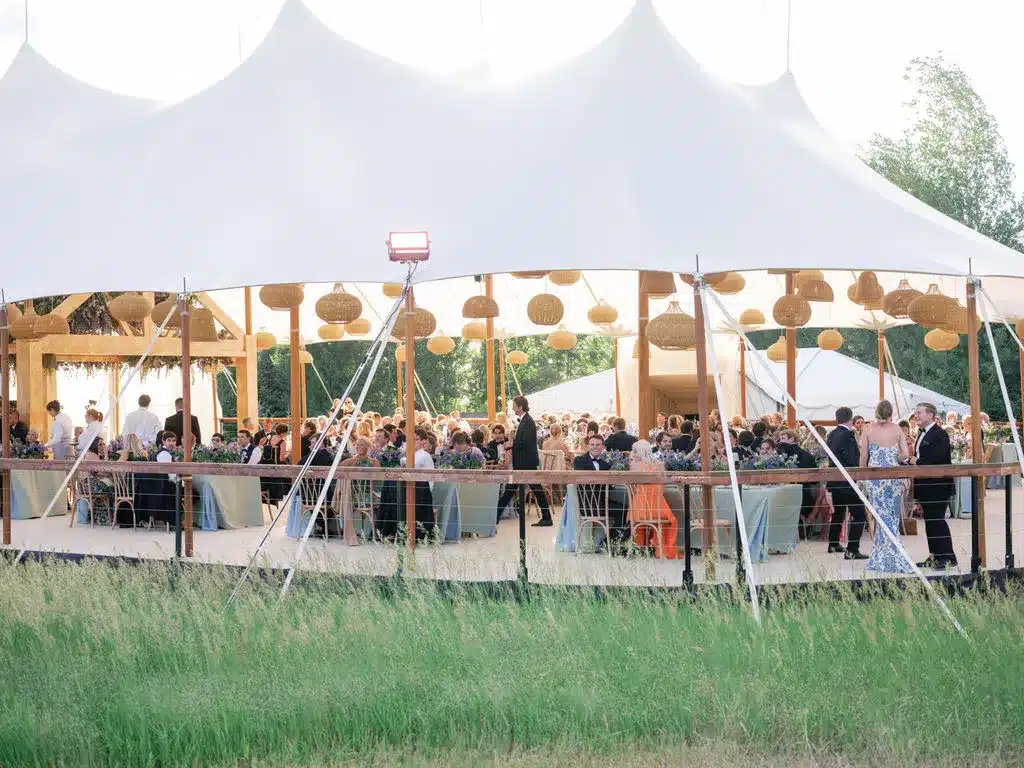
Heated flooring—electric radiant mats, hydronic loops, or portable heated panels—can be integrated with tent climate control to keep temperatures even and reduce overhead heater load. Integration requires confirming compatibility with chosen subfloor materials, power or fuel availability, and control strategies for consistent warmth. Radiant floors warm the walking surface directly, improving perceived comfort and often allowing lower air temperatures; forced‑air tent heaters then maintain air temperature and humidity. The table below summarizes common heating types and compatibility considerations to guide technical decisions.
The table highlights trade‑offs: electric systems are flexible but power‑hungry, hydronic setups need plumbing and a heat source but scale well, and portable panels deploy quickly and target specific zones. Planning for reliable fuel or electrical supply and safe routing of lines or cables is essential.
Skyline Tent Company offers climate‑control services that pair with heated flooring and can deliver combined packages—coordinating power generation, engineered structures, and heated‑floor solutions—to simplify installation and ensure safe, code‑compliant operation. Working with a single provider who coordinates flooring and heating reduces integration risk and eases scheduling for winter events.
What Types of Heated Flooring Systems Are Available for Winter Events?
Common heated flooring options include low‑profile electric radiant mats, hydronic loop systems that circulate hot water, and self‑contained portable heated panels. Electric mats are relatively simple to place under a finished overlay but require adequate electrical capacity and GFCI protection. Hydronic systems are more involved—boilers and plumbing—but are efficient for large areas or long runs. Portable panels deploy fastest and are ideal for spot‑heating high‑traffic zones like entrances or dance floors.
Choose based on coverage area, power or fuel logistics, installation time, and the level of surface temperature control required; always verify compatibility with the subfloor assembly for safety.
How Does Climate Control Synergize with Flooring to Maintain Warmth?
Pairing insulated flooring and floor‑level radiant heat with tent air heaters creates a layered strategy that reduces total energy use while keeping temperatures even. Insulation limits downward losses so radiant systems can warm surfaces efficiently; once the floor is warm, overhead heaters can run at lower setpoints to maintain air temperature without excessive cycling. This approach often reduces heater runtime and improves comfort uniformity—especially in tall tents where warm air can stratify. Zoning heaters and using thermostats that consider surface temperature further optimize energy use and guest comfort.
Understanding these interactions lets event teams size equipment properly and define controls that minimize fuel consumption while maintaining comfort—an area that benefits from coordinated engineering and vendor input.
How to Ensure Safety and Maintenance of Winter Tent Flooring?
Winter flooring maintenance focuses on preventing slips, responding quickly to wet conditions, and regularly inspecting for wear under heavy traffic. Textured finishes, abrasive coatings, and anti‑slip overlays reduce fall risk; frequent snow clearing and absorbent entrance mats limit tracked moisture. Routine inspections—checking interlocks, joists, and support points—reveal stress or movement caused by freeze/thaw cycles. The table below is a quick reference for winter maintenance tasks, recommended tools, and the safety benefits they provide.
Keeping to a straightforward maintenance rhythm reduces disruptions and preserves floor integrity during winter events.
What Are Effective Anti-Slip and Durability Features for Winter Flooring?
Effective anti‑slip and durability features include textured surface profiles, abrasive or slip‑rated coatings, and overlays with engineered grip patterns that remain effective when wet. Specify finishes with tested coefficient‑of‑friction ratings and choose materials rated for abrasion to extend service life under heavy foot traffic and event gear. For temporary traction, removable anti‑slip strips or adhesive grip tape work well on ramps and stairs. Durability checks should include freeze/thaw resistance and UV exposure if the tent will remain up for extended periods.
These measures help flooring meet accessibility and safety standards and make maintenance predictable over an event run.
How Should Flooring Be Maintained During Snow and Moist Conditions?
Active winter maintenance combines prompt snow removal, effective entry matting, and staffed procedures for handling spills and saturation. Set clear triggers for when to clear snow from the footprint, how to deploy absorbent runners at entrances, and when to rotate or dry wet overlays. On saturated sites, plan for emergency pumping or diversion and keep replacement panels or mats on standby to avoid downtime. Train crews on safe snow‑removal techniques and use non‑corrosive de‑icers to protect finishes and the underlying structure.
How to Choose the Right Flooring Solution for Your Winter Tent Event?
Choose flooring by weighing event type, expected foot traffic, budget, desired look, and site constraints like ground condition and power availability. Luxury weddings often favor elevated wood platforms with soft overlays and optional radiant warming for a premium feel; modular plastic subfloors with carpet overlays work well for fast installs and high‑traffic corporate events. Budget‑sensitive productions can use modular systems with protective overlays to balance cost and performance, while last‑minute events typically prefer rapid‑deploy tiles. The checklist below organizes these criteria to guide selection and procurement.
- Event Type and Aesthetic: Elevated wood for premium weddings; modular systems for utilitarian or high‑traffic events.
- Budget and Timeline: Choose quick‑install modular floors for tight schedules and limited budgets.
- Site Conditions and Power: Match heating options to available electrical capacity and ground conditions to ensure compatibility.
Using this checklist helps focus vendor conversations and ensures performance goals line up with client expectations. The next subsection explains how Skyline Tent Company supports custom flooring needs when you prefer a turnkey approach.
What Factors Influence Flooring Selection: Event Type, Budget, and Aesthetics?
Event priorities shape flooring choices: weddings emphasize warmth and appearance, corporate events prioritize accessibility and durability, and short social gatherings often require the fastest install. Budget determines whether framed elevated floors and premium finishes are feasible; timeline pressures favor modular systems that reduce labor hours. Aesthetics guide overlay, trim, and transition choices—stained wood signals luxury, while carpet runners soften sound and add slip resistance. Evaluating these factors together produces a short list of suitable systems rather than a one‑size‑fits‑all answer.
With a shortlist, planners can request site assessments and proposals that spell out installation sequences, insulation targets, and how heating and tent structure will integrate.
How Does Skyline Tent Company Support Custom Flooring Needs for Winter Events?
Skyline Tent Company simplifies complicated winter installs with custom flooring design, elevated platform construction, climate control coordination, and engineered structure support. Our turnkey process typically begins with a consultation and site assessment to align flooring type, insulation strategy, and heated‑floor compatibility with your event goals.
We then coordinate scheduling, supply appropriate subfloor systems or elevated decks, and integrate climate control or power generation as needed so systems operate safely and efficiently. For planners who want a single point of responsibility, working with a full‑service partner reduces coordination overhead and ensures technical integration between flooring, heating, and tent engineering.
Frequently Asked Questions
What are the key considerations for selecting flooring for outdoor winter events?
Consider insulation, waterproofing, durability, and installation speed. Site conditions matter—confirm the flooring can handle moisture and potential frost heave. Factor in aesthetics and expected foot traffic, plus whether the system needs to work with heating. Balancing those elements delivers a comfortable, safe environment for guests.
How can I ensure my flooring is safe for guests during winter events?
Specify anti‑slip surfaces (textured finishes or abrasive coatings) and maintain a consistent snow‑ and moisture‑management routine. Place absorbent mats at entrances, clear snow promptly, and inspect high‑traffic zones for wear. Establish clear protocols for snow removal and moisture control so safety is consistent throughout the event.
What maintenance tasks should be prioritized for winter tent flooring?
Prioritize snow clearing, daily surface drying, and scheduled inspections. Remove snow right after accumulation to avoid load and slip hazards. Dry surfaces and rotate mats daily during operations, and perform weekly inspections during multi‑day events to check interlocks and fasteners. A simple schedule keeps the floor safe and reliable.
How do I prepare the ground for winter tent flooring installation?
Clear organic debris, level the site, and establish reliable drainage. Grade the area, install a compacted gravel pad, and consider geotextile fabric for stability. Temporary drains or shallow channels help divert meltwater away from the tent. Proper ground prep prevents moisture issues and extends flooring life.
What are the advantages of using heated flooring systems in winter tents?
Heated floors improve guest comfort and can lower overall heating costs by reducing heater runtime. They deliver consistent surface warmth, cut cold spots, and help control condensation. Integrating heated floors with tent climate control increases efficiency and makes the interior more comfortable without overworking overhead heaters.
What types of flooring are best suited for high-traffic winter events?
Modular plastic subflooring and heavy‑duty elevated wood platforms are excellent choices for heavy traffic. Modular systems install quickly, tolerate moisture well, and are durable. Elevated wood offers a premium look plus insulation and stability. Both accept overlays like carpet or dance tiles to enhance comfort and safety.
How can I integrate climate control with my flooring system for winter events?
Plan for compatibility between heating elements and the subfloor. Options include electric radiant mats, hydronic systems, or portable heated panels—each has specific power, plumbing, and installation needs. Place heating strategically for even coverage and plan safe routing for cables or fuel lines. Coordinating flooring and climate control ensures comfort and efficiency.
Conclusion
Choosing the right winter flooring keeps guests comfortable, safe, and events running smoothly. When you understand the roles of insulation, waterproofing, and heating integration, you can make informed choices that meet both aesthetic and operational goals. Working with a professional partner like Skyline Tent Company streamlines planning and execution—delivering a reliable, code‑compliant installation so you can focus on the event. Contact us to explore solutions for your next winter tent event.