
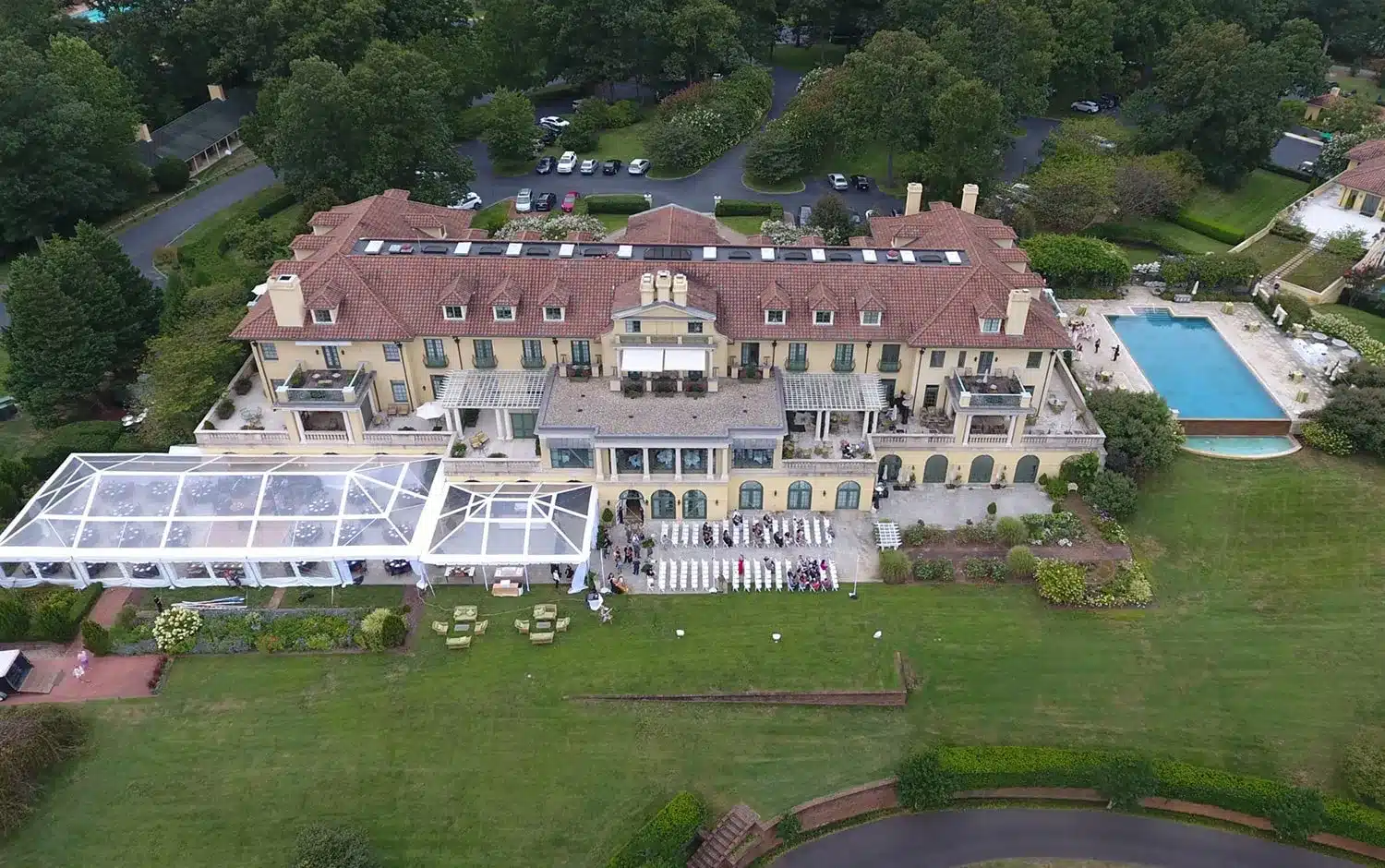
Planning a high-end outdoor event in Virginia takes more than a beautiful tent and a perfectly paced guest experience. When a tent reaches certain size or occupancy thresholds, local building and fire officials may require a temporary structure permit—along with specific documents and an inspection-ready site plan. This guide explains when permits apply, what documentation is required, and how approvals are reviewed in Virginia. Skyline Tent Company designs and installs elevated tent systems and supports clients with permit-ready documentation and coordination for larger or engineered installations. Read on for practical thresholds, a streamlined checklist, and a realistic planning timeline so your install stays compliant—and your event stays effortless.
What Are the Essential Virginia Tent Permit Requirements for Luxury Outdoor Events?

In Virginia, tent permitting is typically triggered by size and occupant load—thresholds designed to protect structural stability and life safety. Once a tent (or a connected group of tents) exceeds those thresholds, the local building department generally requires a formal submission that demonstrates safe installation, compliant exits, and emergency access.
Luxury event layouts often reach permit territory quickly. Connected tent plans (dining + lounge + entry corridors), larger sailcloth profiles, and engineered systems may require stamped drawings, anchoring details, and a scaled site plan that reflects the full guest flow and vendor footprint. In most cases, you should also be prepared to provide flame-resistance certification, an occupant load/egress calculation, and a plan that preserves fire lanes and responder access. Preparing these items early helps reduce plan-review back-and-forth and keeps setup day inspection-ready.
Tent permit triggers at a glance
- Size/occupant thresholds: Permits are commonly required when a tent exceeds certain square-footage or occupant limits (requirements can vary by jurisdiction).
- Connected tent layouts: Adjacent or open-connected tents are often treated as one structure for total area and egress.
- Engineered installations: Larger sailcloth or engineered systems may require stamped plans and calculations, plus detailed anchoring documentation.
Quick reference table
This quick reference helps align your layout with typical submission expectations and minimize revisions during review.
Which Tent Sizes and Occupancy Levels Trigger Permit Needs in Virginia?
Most jurisdictions look at tent area and occupant load together. A commonly referenced benchmark is around 900 square feet or 50 occupants, but local departments may use different cutoffs—especially when tents are connected or when the installation is engineered.
Occupant load is typically based on your seating and floor plan (tables, rows, dance floor, lounge areas). And when tents are connected with open sides or passageways, reviewers often combine areas and occupant counts. For example, a 1,000 sq ft main tent plus two 600 sq ft dining tents may be treated as a single 2,200 sq ft temporary structure, which can shift the project into engineered review depending on the jurisdiction and tent type.
Getting occupant load and egress right early also helps guide practical choices—like number and width of exits, clear aisles, and whether emergency lighting/signage will be expected.
What Documentation Is Required for Tent Permit Applications?
A strong tent permit submittal is consistent, clear, and inspection-ready. Most reviewers want to see documents that confirm where the tent sits, how it’s anchored, and how guests exit safely, along with the manufacturer certifications required for fire safety.
Commonly requested items
- Scaled site plan showing tent footprints, setbacks/clearances, entrances/exits, fire access routes, and key site elements (often including generators or equipment placements).
- Flame-resistance certificate for the tent fabric (and labeled material tags available for inspection).
- Engineered documents when required (stamped drawings and calculations, anchoring plan, and wind-load documentation for engineered systems).
Some jurisdictions may also request proof of insurance or additional event documentation—but for a tent-focused permit, the items above are typically the core of what drives approval.
Avoid these common delays
- Missing stamps or incomplete engineered pages
- Site plans that don’t show access lanes, exits, or adjacent structures
- Unclear combined-area calculations when tents are connected
Confirming your packet early streamlines review and helps ensure setup-day inspection goes smoothly.
How Do Virginia’s Building Codes and Fire Safety Regulations Affect Event Tent Permitting?

In Virginia, tent permits are shaped by two checkpoints: the Virginia Uniform Statewide Building Code (VUSBC) and the local fire marshal. Together, they influence what documents you’ll need, how your tent is anchored, how guests exit, and how the site stays accessible for emergency response. For luxury events—where layouts often include connected tents, flooring, climate control, and higher guest counts—these requirements can affect everything from tent selection to final floor plan. Planning with code and fire review in mind early helps avoid last-minute layout changes that disrupt the design or timeline.
Code, fire priorities to plan for
- Flame certification: Have current flame-resistance certificates (and material tags available on site).
- Exits and egress: Confirm exit counts, widths, and travel paths based on the finalized guest layout.
- Anchoring and engineering: Provide anchoring details and engineered documentation when required for larger or engineered systems.
- Emergency access: Keep fire lanes and responder access clear in the site plan and on setup day.
What Does the VUSBC Typically Require for Temporary Tents?
The VUSBC sets the baseline for temporary structures, including expectations around wind/snow load resistance, safe installation, and egress sized to occupant load. Smaller tents below local thresholds may follow simpler approval pathways, but larger footprints, connected tent plans, or engineered systems commonly trigger requests for stamped drawings, anchoring plans, and supporting calculations.
For planners, the practical takeaway is straightforward: your permit packet usually needs to show what’s being installed, where it’s going, how it’s secured, and how guests will exit safely—all reflected in a clear, scaled plan.
How Do Fire Marshal Requirements Impact Tent Permits?
Fire marshal review is typically focused on life safety and inspection readiness. That often includes verifying flame documentation, checking that exits are clear and appropriately sized, confirming fire extinguisher placement (as required), and ensuring the layout preserves unobstructed emergency access.
Inspections frequently happen during setup or just before the event, and if access lanes are blocked or exits shift due to décor, staging, or equipment placement, adjustments may be required on site. The easiest way to avoid surprises is to keep the plan aligned with the real install—especially for connected tent layouts, generator placement, heaters (when used), and vendor staging zones.
Next, we’ll cover how local jurisdictions can vary on submittal format, review timing, and inspection coordination across Virginia.
Which County-Specific Requirements Should Luxury Event Planners Know in Virginia?
The VUSBC and local fire marshal guidance create a consistent baseline across Virginia—but county and municipal processes can still shape your timeline and the level of detail your submittal needs. In practice, the biggest differences aren’t “new rules,” but how each jurisdiction accepts applications, what they want shown on the site plan, and how quickly they schedule reviews and inspections.
For luxury events—especially those using connected tents, flooring, power, climate control, or higher guest counts—these local nuances can affect everything from tent placement to setup sequencing. Early outreach to the local building department (and, when applicable, zoning and the fire marshal) helps ensure your permit packet matches local expectations before you’re up against a deadline.
County-level items to confirm early
- Submission requirements: online vs. in-person, PDF standards, required plan sheets, review steps
- Site plan detail: setbacks, access lanes, equipment placement, adjacent structures, parking flow (if requested)
- Inspection coordination: lead times, required inspection points during setup, on-site contact expectations
- Connected tent interpretation: whether multiple tents are treated as one structure for area/egress
How Do Counties Like Prince William, Rockingham, and Loudoun Differ in Practice?
Rather than relying on one-size summaries, it’s safer (and faster) to assume process differences and verify early. Counties may vary on:
- whether they recommend or require pre-submission conversations for larger temporary structures
- how strictly they interpret setbacks, access routes, and site constraints
- how they route approvals between building + fire (and occasionally zoning, depending on venue and parcel)
If your event is in areas like Prince William, Rockingham, or Loudoun, plan for local variation in review workflow and site plan preferences—especially for larger or engineered installations. Skyline’s team is familiar with building and fire review expectations for temporary structures and can help align the tent plan, documentation, and setup approach with what inspectors typically look for.
Where Should Planners Go for Official County Resources and Contacts?
For the most current forms, thresholds, and turnaround times, start with:
- the local building department (temporary structure/tent permit requirements)
- the local fire marshal (inspection timing, access, extinguisher expectations, flame documentation)
- zoning/land use only when the venue or parcel requires confirmation for event use
When you want to avoid rework, request written confirmation (email is fine) of what the jurisdiction expects for your specific layout. Keeping that guidance in your permit file helps prevent last-minute changes during plan review or setup-day inspection.
Next, we’ll cover additional approvals that can come up depending on venue, guest count, and event scope—while keeping the focus on what impacts the tent plan and inspection readiness.
How Does Skyline Tent Company Assist with Permit Acquisition and Event Planning in Virginia?
Skyline Tent Company pairs high‑end tent systems with hands‑on project management and permitting support to reduce friction for large outdoor events. Our capabilities include engineered installations (sailcloth and Century tents), power generation and climate control, custom flooring, and full operational support, services that intersect directly with permitting requirements because of their scale and technical needs. Our project managers typically run early permit reviews, prepare required site‑plan materials, coordinate with inspectors, and perform on‑site compliance checks during set‑up. That helps clients submit complete applications and respond quickly to agency questions. For planners who prefer to focus on the guest experience, our integrated services handle much of the regulatory heavy lifting while preserving design intent.
What Project Management and Consulting Services Support Permit Compliance?
Our permit‑focused project management begins with a documentary review and pre‑application consultation to identify required permits. We prepare or review site plans, gather flame‑resistance documentation, and assemble structural information for engineered tents. We liaise with county building departments and fire marshals to clarify submission expectations, sequence permit applications to respect interdependencies like zoning sign‑offs, and manage inspection scheduling during set‑up. On site, our installation teams follow approved anchorage and egress plans and ensure emergency access aligns with submitted drawings. We often deliver a permit‑ready packet that includes manufacturer flame certificates and engineer‑stamped drawings when needed, reducing administrative burden and minimizing inspection issues.
When Should Luxury Event Planners Start the Permitting Process in Virginia?

Begin permitting well in advance. Simple tent permits for small, non‑engineered installations can often be prepared in a few weeks, but complex events with engineered structures, food service, VDOT impacts, and TAP requirements commonly need four to six months to secure all approvals. Early planning allows time for engineering drawings, zoning confirmations, pre‑application meetings, and staggered submissions when one approval depends on another. Many counties publish minimum submission windows that range from a few business days for simple permits to 30–45 calendar days or more for zoning or VDOT approvals, factor in buffer time for revisions and inspection scheduling. The timeline matrix below summarizes recommended lead times by permit type.
To help prioritize tasks, use these planning milestones:
- Initial feasibility and site survey: Allow six months or more for complex sites.
- Engineering and drawings: Plan 4–8 weeks for stamped plans on engineered tents.
- Agency submissions and coordination: Allocate 4–12 weeks depending on permit types.
What Are Typical Permit Application Deadlines Across Virginia Counties?
Processing windows vary by jurisdiction, but many counties handle basic tent permits within two to four weeks, zoning or special‑use approvals in three to six weeks, and VDOT or complex environmental reviews in three to eight weeks or longer. Timelines reflect agency workloads and the time needed for engineering review or inter‑agency coordination; they do not replace direct confirmation with county offices. Confirm whether agencies use business days or calendar days and account for public holidays. Adding a one‑ to two‑week buffer beyond official minimums reduces the risk of schedule slips from agency clarifications or requests for additional documentation.
Why Is Early Planning Critical for Complex Luxury Outdoor Events?
Complexity drivers, engineered sailcloth structures, multiple vendors, on‑site catering with extensive prep, and traffic control, create interdependent permit paths that lengthen lead time and increase the chance of sequential delays. Starting early enables phased submissions (for example, sending site plans and structural drawings while zoning determinations are pending) and scheduling pre‑application meetings that surface agency concerns before formal submission. Mitigation strategies include retaining a permit‑savvy project manager, scheduling pre‑construction inspections in advance, and preparing contingency layouts that shrink or shift footprints if authorities request changes. Early engagement preserves event quality while reducing operational risk from late approvals.
If you want assistance, Skyline Tent Company can accelerate permitting steps through integrated project management and targeted consultations to keep your timeline on track and approvals aligned with your event goals.
Frequently Asked Questions
How can planners ensure compliance with local fire safety regulations?
Coordinate with the local fire marshal during planning: verify flame‑resistance documentation, confirm egress distances and exit illumination, and plan extinguisher placement. Schedule pre‑event inspections and resolve any fire‑safety concerns before guests arrive. Familiarity with local fire codes combined with early marshal engagement prevents last‑minute adjustments.
What are the common pitfalls to avoid when applying for tent permits?
Common mistakes include submitting incomplete documentation (missing structural calculations or flame‑resistance certificates), overlooking the need for an engineer’s stamp on larger installs, and providing unclear site plans that omit access routes or emergency exits. Double‑check requirements and consult permitting officials before submission to reduce revisions and delays.
How do local zoning laws affect event planning in Virginia?
Local zoning rules determine what events are allowed in specific areas and under what conditions. Restrictions can cover noise, parking, and land use, and some events may need special‑use permits. Engage zoning administrators early to confirm allowable uses and streamline permitting.
What should planners consider regarding environmental impacts for outdoor events?
Assess potential impacts on wildlife, vegetation, and water resources, especially in sensitive areas. Some events may trigger environmental reviews or require additional permits. Plan for waste management, parking, and sustainable materials to minimize ecological footprint, and consult environmental agencies when necessary.
What role does Skyline Tent Company play in the permitting process?
Skyline offers project management and technical support to streamline the permitting process. We help prepare site plans, gather flame-resistance certificates, coordinate engineer-stamped drawings as needed, and communicate with local authorities. Our goal is to reduce the administrative burden, allowing you to focus on the event itself.
How can planners effectively manage timelines for securing permits?
Start early, ideally six months out for complex events. Build a detailed timeline that maps each permit’s lead time and interdependencies, book pre‑application meetings, and include buffer time for revisions and inspections. Regular communication with stakeholders keeps the process moving and reduces surprises.
Conclusion
Successfully navigating Virginia’s permitting landscape protects guest safety and preserves the event experience. By understanding permit triggers, assembling a complete documentation package, and engaging with local authorities early, planners reduce delays and costly changes. Partnering with specialists like Skyline Tent Company brings technical expertise and permit coordination to the table so your luxury outdoor event opens on time and runs smoothly. Start the permitting process early and let experienced project managers guide you from plan to inspection to an exceptional guest experience.