
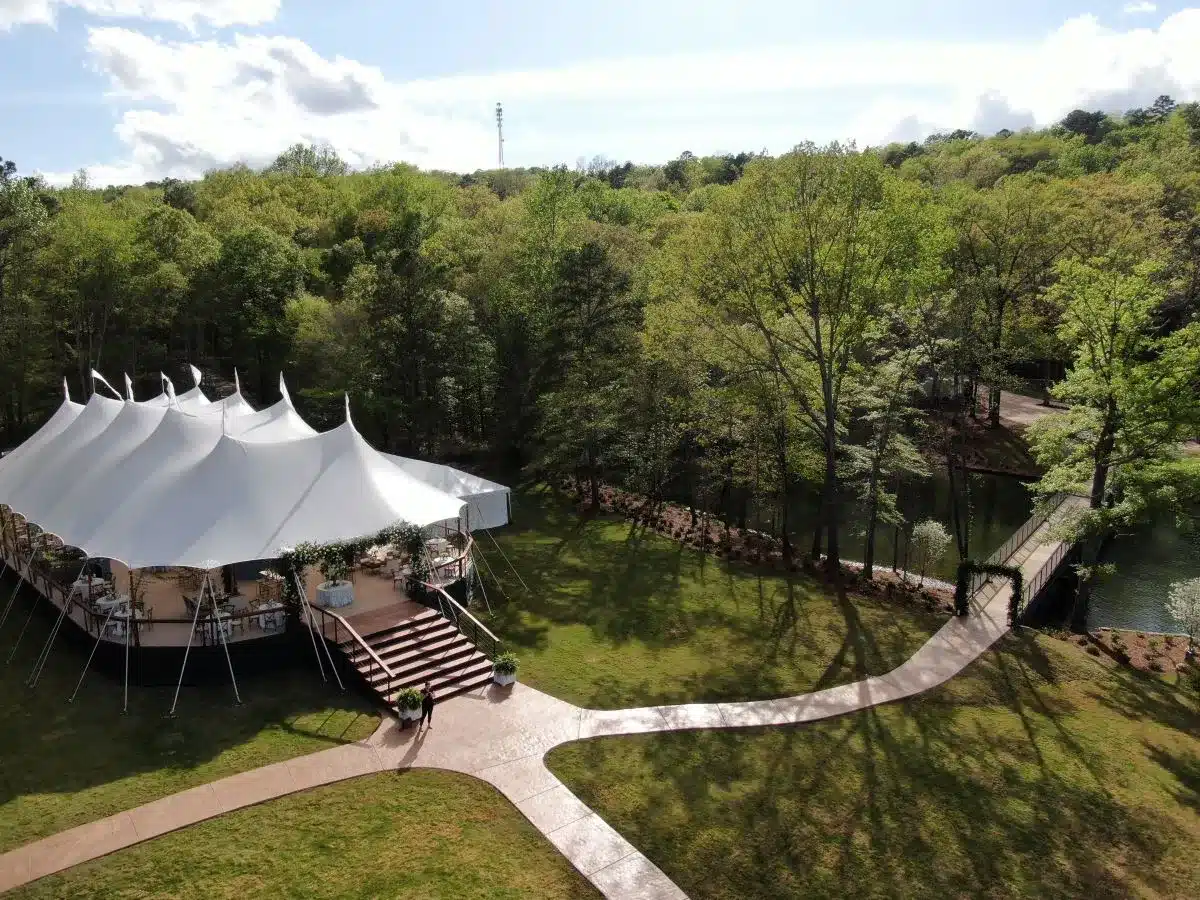
Professional tent installation is the full-service process of planning, engineering, anchoring, and commissioning temporary structures so they meet code and perform reliably for guests. Below, we explain how certified installation lowers failure risk, improves wind resistance and anchoring, and coordinates HVAC, flooring, and layout to boost comfort and circulation. Event planners face liability when site surveys are incomplete, anchors are undersized, or materials lack certification, risks that engineered installations address with calculations, tested components, and documented inspections. You’ll find clear explanations of core safety controls, terrain-matched anchoring methods, comfort integrations like climate control and custom flooring, the role of certified crews and project management, essential emergency planning, and permit best practices.
Why Is Professional Tent Installation Crucial for Event Safety?

Professional tent installation translates site conditions and event requirements into a stable, code-aware temporary structure, one that protects guests, supports smooth inspections, and reduces avoidable risk. A professional team starts with a site evaluation, selects the right tent system (sailcloth, frame, or engineered clear-span), and confirms the installation approach can perform under expected conditions like wind, rain, and seasonal loads. Done correctly, this work strengthens the structure, improves weather resilience, and keeps egress paths clear and compliant.
At the center of safe installation is matching the tent system and anchoring method to the actual site, soil, slope, utilities, and layout, so the structure is secured as designed and the guest experience stays uninterrupted.
How professional installation reduces risk
- Site survey + placement planning: Identifies underground utilities, soil/grade constraints, and access routes to guide tent placement and anchoring choices.
- Anchoring matched to conditions: Uses the appropriate anchoring method and installation specs for the surface and soil to resist uplift and movement.
- Flame documentation ready for inspection: Provides flame-resistance certificates and ensures required material tags/documentation are available on site.
- Disciplined setup + quality checks: Uses manufacturer procedures, trained crews, and documented checks during installation to reduce assembly errors and support inspection readiness.
These steps are what prevent the most common issues inspectors flag—and what helps tents perform reliably when weather or guest loads change during an event.
How Does Expert Installation Prevent Tent Structural Failures?
Expert installation prevents failures by ensuring the tent is built exactly as designed, using manufacturer-rated components and a setup plan that accounts for the site and the event layout. Crews verify key details, correct connections, proper tensioning, and anchoring installed to specification, so the structure can handle expected forces and remain stable throughout the event.
When conditions or event scope increase risk (higher winds, longer duration, connected tent layouts, or larger footprints), professionals can recommend an engineered structure and the supporting documentation needed for permitting and inspections, without compromising sightlines or design intent.
What Safety and Code Requirements Influence Tent Installations?
Tent safety requirements are typically driven by state/local building code pathways and fire marshal expectations. While the exact requirements vary by jurisdiction, reviewers commonly focus on:
- Flame-resistance certification (and documentation available for inspection)
- Occupant load + egress planning (exit counts, widths, and clear travel paths)
- Anchoring and structural documentation (especially for larger or engineered installations)
- Inspection readiness (site access, clear exits, and installation matching the submitted plan)
Professional installers streamline this by maintaining organized documentation (certificates, drawings when required, and installation notes) and coordinating with inspectors so approvals are smoother and setup-day changes are minimized.
Next, we’ll look at anchoring strategies, and how choosing the right method for the terrain is one of the biggest drivers of safety and stability.
How Do Secure Tent Anchoring Techniques Protect Guests and Structures?

Secure anchoring resists uplift, overturning, and sliding forces caused by wind or unbalanced loads. Anchoring transfers lateral and uplift forces into the ground using driven stakes, screw anchors, ballast systems, deadman anchors, or engineered foundations, each chosen for soil type and site constraints. Properly designed anchors, sized with safety factors and redundancy, reduce the chance of catastrophic failure during gusts or sustained winds. The comparison below pairs common anchors with terrain and typical use cases to guide early planning.
The table below summarizes anchoring options and when each is recommended, giving planners and technicians a quick procurement and field reference.
Choosing the right anchor for site conditions improves resilience and reduces guest risk. The checklist below summarizes inspection and maintenance practices installers follow.
- Verify anchor embedment depth and torque values before occupancy to confirm holding capacity.
- Use redundant anchors on primary load paths and apply safety factors above calculated loads.
- Log anchor type, embedment depth, inspection times, and any corrective actions in project records.
Next we discuss how terrain influences anchor selection in practical terms.
Which Anchoring Methods Are Best for Different Terrains?
Anchor selection depends on soil composition, site access, and underground utilities. Driven stakes work well in firm soils but are unsuitable for paved or rocky ground. Ballasts deliver predictable resistance on asphalt or concrete without penetration. Screw anchors perform reliably in medium soils where stakes lack uplift capacity. In sand or loose soils, deadman anchors, buried concrete blocks or engineered bodies—provide higher uplift resistance when properly designed and installed. For steep slopes or mixed geology, a geotechnical-informed engineered solution is often required so field performance matches calculated capacities.
Picking the right anchor at each site improves wind resistance and overall stability, which we discuss next.
How Does Proper Anchoring Enhance Wind Resistance and Stability?
Proper anchoring increases uplift capacity and channels lateral loads into the ground through controlled load paths. Anchors sized above expected uplift, with an appropriate safety margin, reduce overturning risk; redundancy prevents a single failure from becoming a collapse. For example, designing anchors to 1.5–2× the calculated uplift noticeably lowers failure probability during gusts and helps meet local wind-rating requirements. Routine inspections for corrosion, movement, or loose connections keep performance steady over the event, standard practice for certified installers.
Anchoring must be coordinated with HVAC, flooring, and electrical systems to preserve both safety and guest comfort, which we cover next.
In What Ways Does Professional Installation Improve Guest Comfort and Experience?
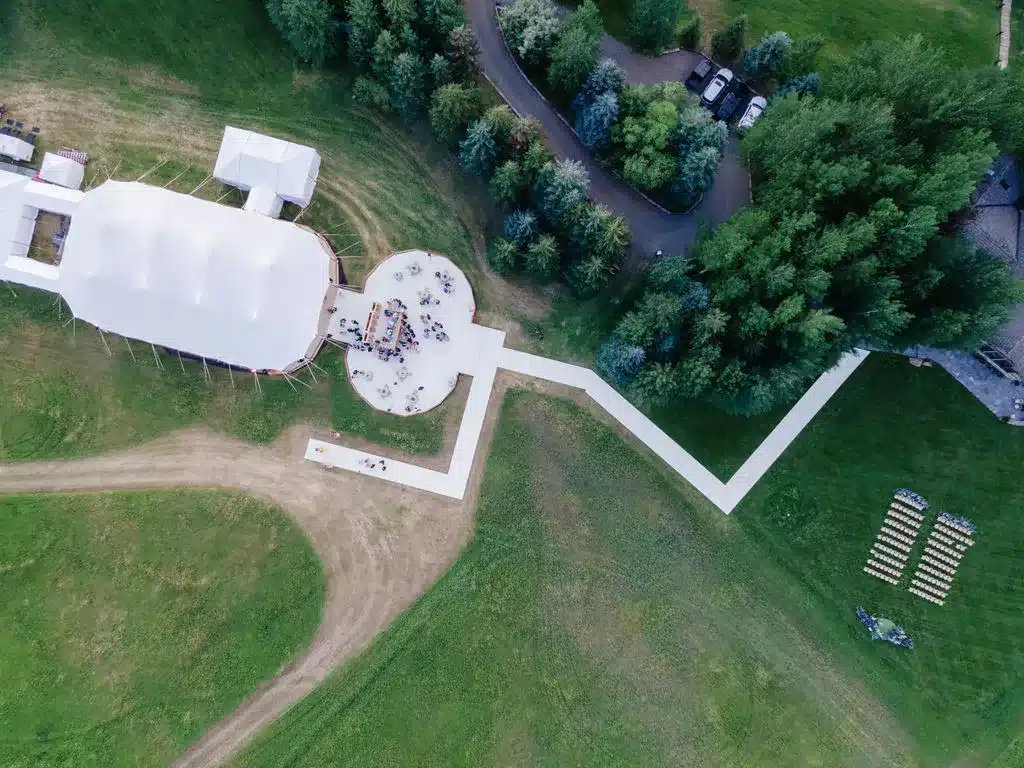
Professional installation improves comfort by integrating climate control, level and attractive flooring, and layouts that prioritize accessibility and circulation. Installers size HVAC systems to tent volume and occupancy, coordinate power distribution, and specify flooring that levels surfaces, reduces trip hazards, and improves acoustics and presentation. Thoughtful layouts balance sightlines, service corridors, and egress while honoring the event design, creating spaces that feel both safe and inviting. The table below helps planners prioritize comfort features by impact and power needs.
Use this comparison to allocate budget and power capacity effectively. Below are concrete guest benefits tied to these systems.
- HVAC maintains comfortable temperatures and prevents condensation that can harm fabrics or create slip hazards.
- Custom flooring provides firm, level routes for mobility devices and reduces trip incidents.
- Professional lighting and well-planned layouts improve sightlines and reduce congestion, boosting comfort and perceived safety.
Coordinating these systems requires advance planning and often specialist contractors; next we explain climate-control selection and its power and ventilation implications.
How Does Climate Control Integration Enhance Event Tent Comfort?
Climate control enhances comfort and protects the structure by managing temperature, humidity, and airflow. System sizing is based on tent volume, expected occupancy, and local conditions so equipment can handle heat gain or heating needs. Installers coordinate ducting, ventilation routes, and condensation control to avoid microclimates and fabric stress, and they plan power distribution or generator capacity for HVAC units. Addressing these needs early prevents last-minute power issues and ensures HVAC meets guest expectations.
Climate planning ties closely to flooring and layout choices that affect accessibility and perceived quality, which we cover next.
What Role Do Custom Flooring and Layout Play in Guest Satisfaction?
Custom flooring and smart layouts shape guest satisfaction by creating stable, clear circulation and minimizing slips, trips, and crowding. Options, such as temporary wood platforms, insulated panels, or raised stages, manage drainage, thermal comfort, and acoustics while supporting the decor. Accessibility features, such as ramps and firm surfaces, should be integrated to meet regulations and promote inclusive design. Thoughtful placement of entrances, service zones, and sightlines produces intuitive flow and supports both safety and the event experience.
Many installers combine these comfort services with project management and onsite coordination to support code compliance and smooth execution, discussed next.
How Do Certified Tent Installation Services Ensure Compliance and Expertise?
Certified installers deliver compliance and expertise through trained teams, repeatable QA processes, and documented inspections that align installations with code and client requirements. Certifications and practical competencies, rigging, engineered installation, and safety protocols, are shown through procedures and records, not marketing claims. Installers keep inspection logs for authorities and use project management to schedule permits, coordinate vendors, and manage contingencies. The checklist below shows common quality controls that produce consistent, compliant results.
- Pre-install checklists and manufacturer-specific assembly procedures to ensure reliable setups.
- Onsite inspections and sign-off that record torque values, anchor embedment, and exit clearances.
- Post-install reports compiling material certificates and load calculations for jurisdictional review.
These controls depend on installer training and certifications, which we summarize next.
What Certifications and Training Do Professional Installers Hold?
Professional installers typically train in rigging, fall protection, load handling, and safe assembly techniques that support engineered installations. Training covers safe use of lifting equipment, correct connector installation, and reading manufacturer load tables so field teams translate calculations into safe practice. Installers also receive emergency-response training, basic first aid, and site-evacuation coordination. Certification names vary by region, but core competencies, rigging, engineered installation, and safety procedures, define the professional baseline.
Clear project management turns these competencies into predictable events; we explain how next.
How Does Project Management Contribute to Seamless Tent Events?
Project management keeps events on schedule and compliant by coordinating site surveys, deliveries, vendors, and installation sequences. A dedicated project manager handles permit submissions, confirms power and HVAC needs, and sequences crews so anchors and flooring teams avoid rework. Onsite supervision monitors weather, authorizes contingency measures, and documents inspections, creating a single point of accountability. This coordination reduces errors and ensures engineered anchors, HVAC connections, and other technical measures are implemented correctly and on time.
Project management and documentation also support emergency planning, which we cover next.
What Emergency Planning Measures Are Essential for Safe Tented Events?
Essential emergency planning includes clear evacuation routes, adequate exits with signage and emergency lighting, fire-prevention measures, and trained staff with defined incident roles. Evacuation planning must align with layout and anchoring so egress paths remain unobstructed and sized for occupant loads. Fire safety, using flame-retardant materials, placing extinguishers, and coordinating with local fire services, is fundamental. Use the checklist below to confirm core emergency measures are in place.
- Confirm evacuation routes and exits meet occupant-load requirements and remain unobstructed.
- Verify flame-retardant material certification, extinguisher placement, and emergency lighting are documented and inspected.
- Train onsite staff in emergency roles, establish communications protocols, and hold at least one pre-event briefing.
Below we explain how evacuation procedures are integrated into tent installations.
How Are Evacuation Procedures Integrated into Tent Installations?
Evacuation procedures are built into layout and installation: exits, signage, and emergency lighting are planned from the start so egress is straightforward during an incident. Installers avoid obstructive flooring transitions or decor and verify exit widths and counts against occupant calculations. Staff roles and rehearsal protocols define who directs guests, who liaises with emergency services, and who performs accountability checks, creating a predictable flow that reduces confusion and speeds orderly evacuation when necessary.
Fire safety measures complement evacuation planning and are implemented at installation and during operations, as described next.
What Fire Safety Protocols Are Implemented in Professional Tent Setups?
Professional setups require flame-retardant materials with documented NFPA-compliant certificates, clear extinguisher placement, and unobstructed access for fire services. Installers verify material documentation against local codes, maintain exit clearances, and place portable extinguishers at defined intervals for rapid response. Coordination with local fire authorities before occupancy aligns expectations and reduces inspection surprises. Staff training in extinguisher use and immediate response procedures completes the operational safety plan.
With emergency planning in place, permitting and documentation make installations legally ready for occupancy; we cover that next.
How Does Professional Installation Support Local Permits and Event Regulations?

Professional installation helps keep permitting straightforward by delivering an inspection-ready plan set and the documentation most jurisdictions expect for temporary structures. For larger footprints, connected tent layouts, or engineered systems, that typically means a clear site plan, anchoring information, and the appropriate structural documentation (when required). A professional team also helps coordinate details ahead of time so the installation in the field matches what was submitted, one of the biggest factors in avoiding last-minute corrections during inspections.
Just as importantly, professional installation clarifies responsibility: what the tent provider supplies versus what the planner/venue/client must confirm for the permit file.
Common permit items and who typically provides what
To reduce delays, planners can move faster by preparing these items early:
- Confirm site basics: dimensions, access points, known constraints (utilities, paved areas, slopes)
- Define event use: estimated guest count, seating/dance/lounge zones, and any connected tent configuration
- Request permit-ready documents early: especially if the installation may require engineered drawings
- Verify the jurisdiction’s submittal format: PDF requirements, review steps, and inspection scheduling
What Are Common Permit Requirements for Outdoor Event Tents?
While specifics vary by jurisdiction, most tent permits focus on a few consistent essentials:
- A scaled site plan showing tent footprint, entrances/exits, egress paths, and emergency access
- Flame-resistance documentation for the tent fabric (and documentation available on site)
- Structural/anchoring information, with engineered drawings/calculations when the tent type or size triggers that requirement
- Inspection sign-off after installation (often scheduled during setup or before occupancy)
Depending on the site and scope, reviewers may also ask for notes on generators, heaters, HVAC equipment, or flooring, since these can affect access, clearances, and the final layout.
How Do Installers Maintain Inspection-Ready Compliance?
Rather than relying on broad “standards” language, the most reliable approach is practical and documentation-driven: installers maintain a clear compliance file and set up the tent to match the approved plan.
Typical installer practices that support smooth inspections
- Maintaining manufacturer certificates and required documentation for tent materials
- Using installation checklists to confirm critical details (anchoring installed to spec, exits kept clear, access lanes preserved)
- Providing engineered documentation when required for larger or engineered systems
- Coordinating setup timing so inspectors can verify the structure as installed, not just as planned
These practices reduce uncertainty during inspection and help keep the event timeline intact—especially for larger, design-forward installations where layout and equipment placement matter.
Frequently Asked Questions
What types of events benefit most from professional tent installation?
Large gatherings, weddings, corporate receptions, festivals, and trade shows, benefit most from professional installation. These events require reliable spacing, specific configurations, and safe guest circulation. Professional installers deliver structures that meet local rules and the event’s functional and aesthetic goals. Events in unpredictable weather especially benefit from engineered solutions and documented safety measures.
How can I ensure my tent installation is compliant with local regulations?
Work with certified installers who know local requirements and handle permits, fire standards, and structural documentation. Installers will prepare site plans, load calculations, and material certificates for submission. Engaging local authorities early in planning helps surface any jurisdictional nuances before installation.
What should I consider when choosing a tent type for my event?
Consider guest count, event duration, expected weather, and site conditions. Pole tents, frame tents, and clear-span or engineered structures offer different levels of stability and visual impact. Terrain and underground utilities influence anchoring choices. A professional installer can recommend the best system based on your priorities and the site survey.
How do I prepare the site for a tent installation?
Start with a thorough site assessment to locate utilities, check slopes, and identify obstacles. Clear debris and ensure equipment access. Confirm the ground’s suitability for your planned anchoring method. Collaborate with your installer early so any site work or access needs are scheduled before setup.
What are the benefits of using climate control systems in event tents?
Climate control keeps guests comfortable and protects tent fabric and interior finishes by managing temperature and humidity. Proper HVAC sizing prevents condensation and maintains a pleasant environment during long events or extreme conditions. Professional installers can size and integrate HVAC and plan the required power distribution.
How often should tent installations be inspected during an event?
Inspections should take place before occupancy and periodically during the event—especially after weather changes. Check anchor integrity, structural connections, and exits. Certified installers follow set inspection protocols and can provide documented logs with frequency recommendations based on event duration and conditions.
What should I do if severe weather is forecasted during my event?
Have a clear emergency plan: monitor forecasts, be prepared to relocate guests or pause the event, and follow installer guidance on securing the tent. Communicate with your event team and staff, and follow any contingency steps the installer recommends. Early planning and rehearsed procedures reduce risk and help protect guests.
Conclusion
Professional tent installation improves guest safety and comfort by combining engineered design, certified materials, and coordinated onsite execution. When climate control, secure anchoring, and thoughtful layouts are planned and installed to code, events run more smoothly and inspections go more predictably. Engaging certified installers also streamlines permitting and documentation. For a tailored consultation that aligns your event’s needs with regulatory and safety standards, contact our team at Skyline Tent Company, we’ll review your site, recommend engineered options, and provide a code-ready quote.