
Hosting successful cold-weather events requires overcoming distinct challenges, from maintaining consistent temperatures in temporary structures to managing logistics and ensuring an exceptional guest experience. This comprehensive guide provides event planners, venues, and teams with the expertise to create warm, luxurious winter gatherings. We’ll explore essential topics including advanced tent-heating technologies, practical BTU sizing, the role of engineered structures and insulation, interior design strategies for perceived warmth, event-specific planning for weddings and corporate functions, and critical safety protocols. Discover actionable insights and recommendations to keep your attendees comfortable, safe, and impressed, ensuring your next winter event is a resounding success.
What Are the Best Tent Heating Solutions for Winter Events?
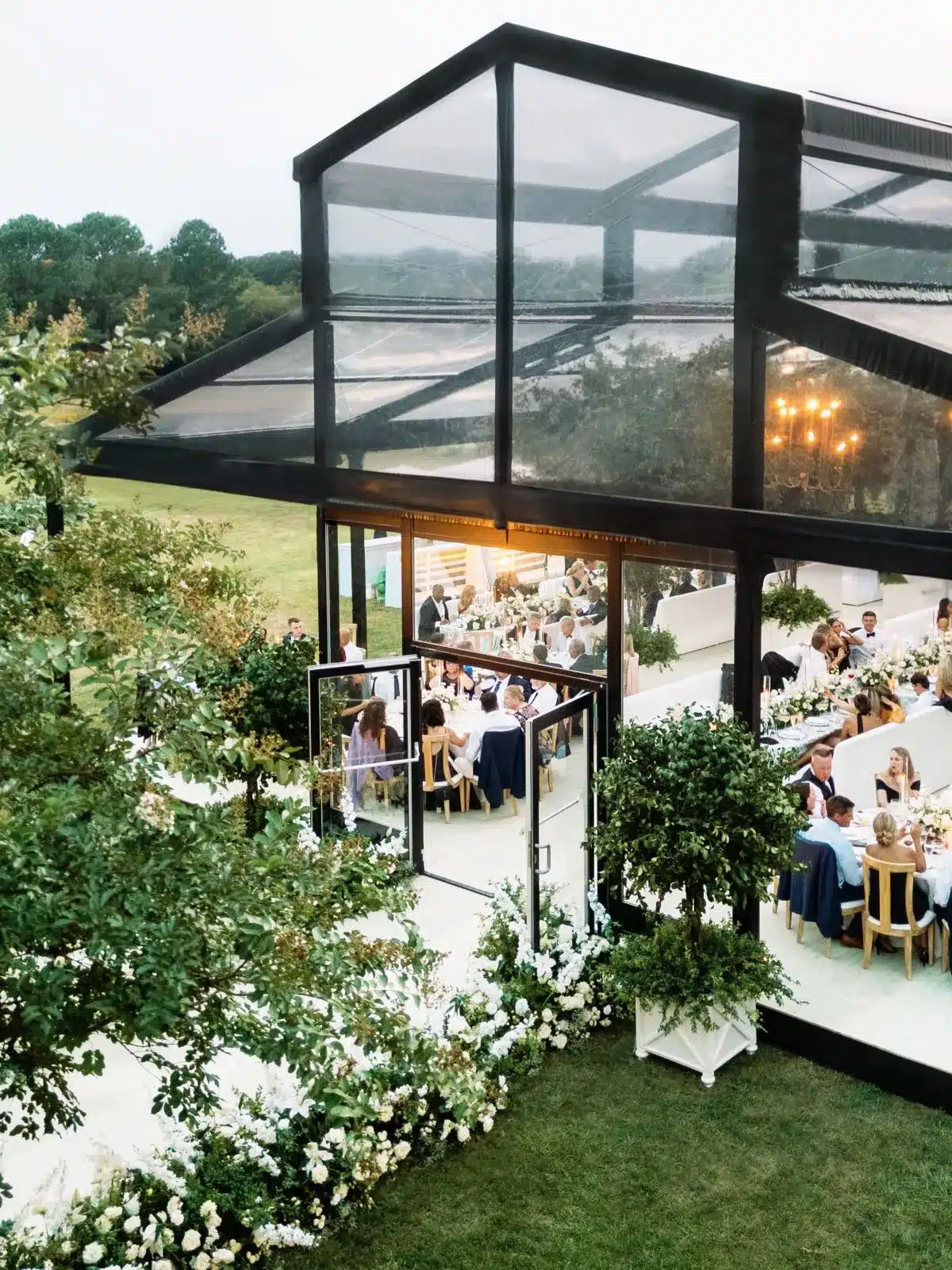
For winter tented events, the goal isn’t “industrial heat”—it’s steady, comfortable warmth that feels invisible to guests. The best heating plan depends on how enclosed the tent will be, the size of the space, and how refined you want the experience to feel (quiet air, no drafts, no hot/cold corners).
Here are the most common heating approaches—explained in planner-friendly terms:
The four go-to heating options for winter tenting
- Ducted “clean-air” heating (best for fully enclosed luxury tents) Heat is delivered through ducts so the air feels even and comfortable, and the equipment stays out of sight. This is the go-to choice for larger, enclosed receptions where you want a polished, consistent temperature.
- High-output warm-air heaters (best for quick warm-ups, with the right setup) These warm the space quickly and can be budget-friendly for medium to large tents, but they need thoughtful placement and ventilation planning so the event still feels elegant and comfortable.
- Radiant perimeter heat (best for edges, entries, and semi-open areas) Radiant heat warms people (not just air), which makes it ideal for tent edges, lounge vignettes, bars, and entry zones—especially if doors are opening frequently or parts of the tent are intentionally open.
- Quiet electric infrared (best for small premium spaces) Clean, low-noise warmth that works well for small lounges, tented portraits areas, or VIP nooks, as long as the site can support the electrical needs.
A simple way to choose the right approach
- Big, enclosed reception tent: prioritize ducted clean-air heating for comfort + quiet.
- Medium tent or shorter event window: consider high-output warm air, planned carefully.
- Open edges, frequent doors, or outdoor-adjacent zones: add radiant heat where guests feel it most.
- Small luxury spaces: use electric infrared for discreet warmth.
Most winter events use a combination—for example, clean-air heating for the main tent plus radiant warmth near entries or lounge areas.
Which types of heaters are ideal for outdoor winter tents?
If you’re aiming for a luxury feel, the “best” heater is usually the one that delivers warmth evenly and quietly, with equipment kept out of guest sightlines. Fully enclosed tents typically benefit from ducted heating, while mixed-use layouts (open lounge areas, vestibules, covered walkways) often work better with targeted radiant warmth in specific zones.
A good provider will help you plan this around your layout—dining, dance floor, bar, entrances—so comfort is consistent where guests spend the most time.
How do you estimate how much heat you’ll need?
Instead of getting stuck in technical math, use this planning-friendly rule:
The larger and more enclosed the tent, the more heating capacity you’ll need—especially with high ceilings, frequent door openings, or exposed, windy sites. You’ll typically need less heat when you have solid sidewalls, liners, and controlled entry points—and more when the tent is tall, drafty, or has lots of traffic in and out.
The most reliable next step is to share:
- your tent size, layout, and guest count
- whether you’ll use sidewalls (and what kind)
- the event date/time (day vs. evening)
- the site exposure (open field, mountain view, sheltered yard, etc.)
From there, your tent team can recommend a heating plan that feels warm and refined—not noisy or overbuilt.
How Do Engineered Structures and Insulation Enhance Winter Event Comfort?
Engineered-structure tents and proper insulation change how efficiently heat is retained and how safely a structure responds to snow and wind. Engineered tents are manufactured to specific load ratings and anchoring standards, which reduces air infiltration and keeps the envelope tight so heating systems work more efficiently and predictably. Insulated sidewalls and thermal liners add layers that trap air and slow convective and conductive heat loss, improving comfort and lowering total BTU demand. Choosing a structure that supports insulation, sidewall strategies and integrated HVAC mounting enables planners to create a climate-controlled environment that meets both comfort and safety goals. The combined effect of structure plus insulation informs heater sizing, distribution layout and the cost–benefit trade-offs between adding heater capacity and investing in passive thermal measures.
The next table contrasts common tent structure types by weather performance and insulation compatibility to guide selection.
Comparing structure types makes it clear when to prioritize engineered solutions for safety and heating efficiency. After you choose the structure, specify insulation methods and obtain engineering sign-off for snow and wind loads.
What Are the Benefits of Engineered Structure Tents for Snow and Wind Resistance?
Engineered-structure tents are designed with stated load capacities, engineered anchoring systems and materials chosen for weather tightness and durability. That engineering minimizes air infiltration and reduces stress points where snow or wind can gather, which delivers steadier interior temperatures and safer operations. In snow- or wind-prone areas, engineered structures let planners budget heating loads predictably and lower the chance of weather-related shutdowns. Practical steps include requesting engineering documentation from your provider and following manufacturer anchoring and inspection protocols. Choosing an engineered structure when conditions demand it is a proactive move that preserves comfort and reduces operational risk.
How Do Insulated Sidewalls and Thermal Liners Retain Heat in Event Tents?
Insulated sidewalls and thermal liners add layers that trap pockets of air and reduce heat flow through conduction and convection, slowing the rate at which warm interior air escapes. Options range from quilted thermal liners to insulated wall panels, selected for R-value, fire rating and visual impact. Combining liners with sealed sidewalls reduces drafts. Beyond thermal performance, liners improve acoustics and give the interior a refined finish that enhances perceived warmth. Proper installation tensioning liners, sealing seams and integrating with doorways maximizes benefit and limits cold spots, enabling heaters to perform more efficiently and improving guest comfort.
Research supports the importance of understanding a tent’s thermal properties and insulation to manage its internal climate effectively.
What Interior Elements Create a Cozy and Luxurious Winter Event Ambiance?
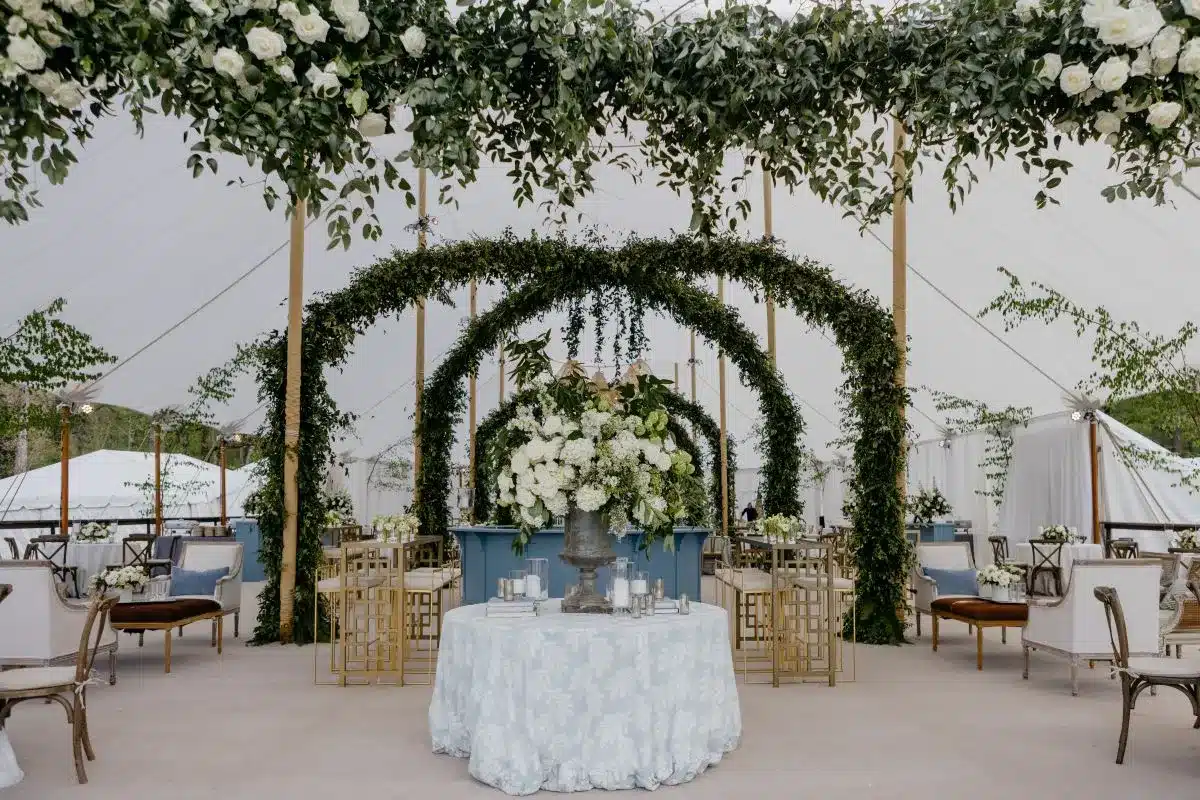
Perceived warmth depends as much on interior design as air temperature. Heated flooring, layered textiles, warm lighting, purposeful lounge areas and beverage stations all boost guest comfort and the sense of luxury. Heated, insulated flooring separates guests from cold ground temperatures and stabilizes the microclimate underfoot; plush seating groups and area rugs add thermal mass and invite guests to linger. Warm-color lighting and dimmable fixtures change how warm a space feels visually, while hot beverage stations create social hubs that reduce movement through entryways. Combined with proper HVAC zoning and circulation, these interior touches turn an efficiently heated tent into a memorable, comfortable environment. The table below compares interior comfort elements by impact and setup complexity to help prioritize investments.
These interior choices affect where people gather and how heaters should be zoned, which in turn guides equipment placement and BTU distribution planning.
How Does Custom Flooring and Heated Platforms Improve Guest Warmth?
Custom flooring and heated platforms create a thermal barrier from cold ground, preventing heat loss through contact and making standing or seated guests more comfortable. Heated flooring systems typically use a raised platform with integrated heating elements or warm-air ducting; they can be finished with carpet, runners or event-grade surfaces to match the design while improving thermal performance. Benefits include reduced ambient temperature requirements (guests feel warmer at lower air temps), improved acoustics and a polished look ideal for luxury events. Installation needs coordination with power distribution and structural load planning, but the guest-satisfaction return is significant for weddings, VIP areas and long receptions where underfoot comfort matters.
Which Accessories Enhance Comfort: Warm Lighting, Lounge Areas, and Beverage Stations?
Accessories that increase perceived warmth include warm-color lighting, layered lounge seating, strategically placed hot beverage stations and small amenities like blankets and staffed coat checks. Lighting in the 2,700–3,200K range creates a warm visual field that complements thermal comfort, while seating clusters with rugs and low tables encourage guests to remain in heated zones. Beverage stations serving hot drinks and soups not only warm guests but also help manage flow and reduce repeated exits. Small details blanket baskets, hand warmers and efficient coat services address friction points in circulation and help maintain the interior climate. Layering these accessories concentrates occupancy where comfort measures are strongest and reduces the need to overheat the whole space.
The following accessory categories reliably raise comfort:
- Warm Lighting: Choose fixtures and bulbs that deliver warm color temperatures to create a cozy atmosphere.
- Lounge Areas: Arrange seating clusters with rugs and throws to encourage stationary warmth and social interaction.
- Beverage Stations & Coat Services: Offer hot drinks and efficient coat storage to limit exposure and circulation loss.
These choices work with heating systems to improve perceived warmth and lower overall BTU demand, leading into event-specific planning for weddings and corporate functions.
How to Plan Winter Weddings and Corporate Events for Maximum Guest Comfort?
Planning winter weddings and corporate events benefits from a checklist approach that covers ceremony vs. reception heating, guest transitions, vendor needs and logistics like power and load-in sequencing. Start by mapping guest flow ceremony entry, reception, restrooms and outdoor photo locations and identify transition zones that need covered, heated walkways or vestibules. For weddings, prioritize the bridal party’s prep area and plan photo movement to avoid long exposure to cold. For corporate events, use zoning and staged heating so key activations stay in reliably heated spaces to protect AV gear and the guest experience. Logistics must include power provisioning for heaters, backup heating options and a fuel staging plan if using combustion units. Addressing these operational details early keeps the climate-control strategy aligned with the event timeline and luxury goals without last-minute compromises.
Here’s a brief operational checklist planners can follow:
- Map guest circulation and identify transition/entry zones that need vestibules or heated paths.
- Stage heating zones so ceremony and primary reception spaces are prioritized first.
- Confirm power generation and redundancy for heating and critical AV equipment.
Following these steps reduces thermal risk and creates a comfortable sequence for guests and vendors, which leads into more specific wedding and corporate recommendations.
What Are Key Comfort Considerations for Winter Wedding Tent Rentals?
Weddings require attention to both aesthetics and warmth: ceremony timing, bridal-party prep and transitions between heated and unheated spaces are critical. Provide a separate heated prep area for the wedding party and a covered, heated path for first-look or photo movement to protect delicate attire. Consider elevated flooring and seating warmth for ceremony locations to shorten standing times in cold air, and schedule vendor load-in during the warmest parts of the day when possible. Coordinate early with your tent supplier to confirm insulation options, heater counts and any interior customizations that preserve the design while maintaining thermal performance. Addressing these items ahead of time prevents uncomfortable moments and keeps the luxury feel intact.
How Can Corporate Events Benefit from Advanced Climate Control Strategies?
Corporate events benefit from scalable zoning, staged heating and redundancy planning to protect AV equipment and preserve brand experience across large footprints. Zoning lets you concentrate heating where the audience gathers presentation halls, hospitality suites and activation spaces while using lower-intensity solutions for circulation. Power planning is essential: specify dedicated circuits for HVAC and prioritize backup generation to avoid downtime during keynote sessions. Integrate climate-control strategy into load-in schedules, rigging plans and site management so temperature-sensitive equipment stays operational and the guest experience aligns with brand expectations. These practices maintain continuity and reinforce a professional, polished event.
What Safety Protocols Ensure Secure Use of Heating Systems at Winter Outdoor Events?
Safe heating in temporary structures starts with proper ventilation and carbon-monoxide (CO) mitigation, certified equipment and inspections, plus strict fuel handling and placement rules. Make sure combustion heaters are installed with exhaust vented away from occupied zones, maintain manufacturer-recommended clearances from fabrics and decor, and deploy CO detectors in enclosed or low-flow areas. Use certified equipment, follow maintenance schedules and have trained personnel monitor heater performance during events. Include emergency procedures clear evacuation routes, accessible fire extinguishers and documented refueling protocols in your site-specific safety plan.
Prioritizing these measures reduces risk, preserves comfort and helps ensure compliance with venue or jurisdictional requirements.
Key safety items can be expressed as a short checklist for onsite teams:
- Provide ventilation and CO monitoring for any combustion heating system used inside enclosed spaces.
- Use certified heaters and complete pre-event inspections and operator training.
- Establish dedicated fuel storage zones with spill containment and authorized refueling protocols.
These steps protect guests and staff and lead naturally to equipment checks and placement rules installers must follow.
Which Safety Features Are Essential for Tent Heating Equipment?
Essential safety features include CO detectors, tip-over and overheat protection, protective guards and the clearances required around combustion units, plus documented maintenance logs for each heater. Place CO detectors in occupied volumes where combustion products could accumulate, and rely on overheat cutoffs to protect units from failure modes. Physical barriers and specified clearances prevent accidental contact and limit fire risk; maintenance logs show units received timely inspection and service. Requiring certified operators and following manufacturer installation standards reduces liability and operational disruption. Layering these safety measures supports effective heating without compromising event security.
How to Implement Proper Heater Placement and Fuel Management?
Place heaters so exhaust paths don’t terminate near guest areas, route ducting for even warm-air distribution, and position units with the clearances required from sidewalls, fabrics and decor. For fuel management, locate tanks in ventilated, secured areas with secondary containment, schedule refueling during low-traffic windows and use trained personnel for on-site fueling. Coordinate placement with tent anchoring, egress paths and vendor load-in routes to avoid interference, and have spill response materials and an emergency shutdown plan on hand. These operational steps help heaters deliver reliable warmth while minimizing exposure to combustion byproducts and ensuring a quick response if something goes wrong.
How Can Skyline Tent Company’s Services Provide Comprehensive Winter Event Comfort?
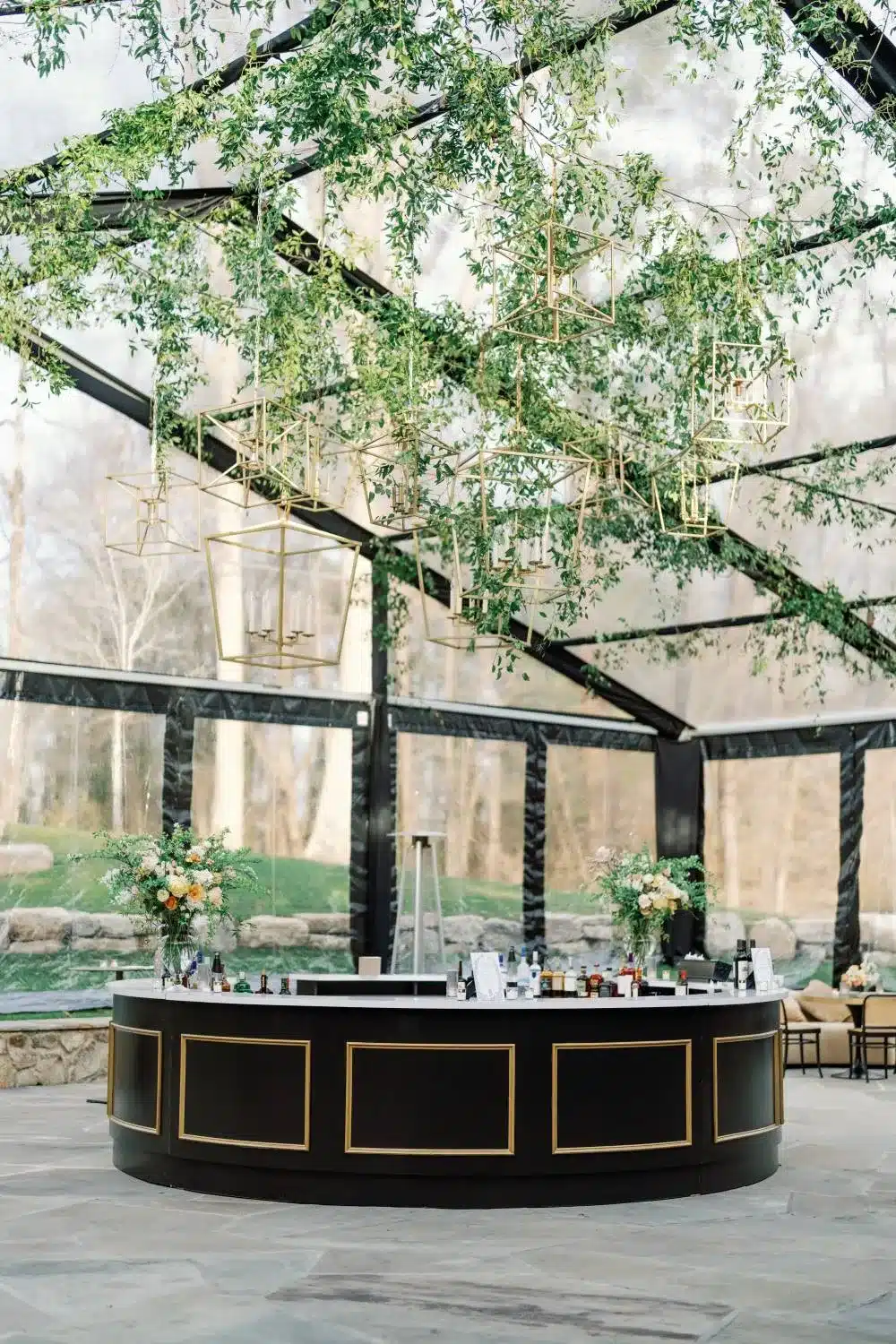
Skyline Tent Company offers tents and event services designed explicitly for winter comfort, combining engineered structures with integrated climate control options. Our inventory includes Engineered Structure tents, built for weather resistance, as well as sailcloth and Century tents for varied aesthetics, and climate-control solutions with heater rentals to keep guests comfortable. Complementary services include power generation, custom flooring, elevated platforms, glass walls and project management to coordinate complex installs. Pairing engineered tents with climate control, insulated liners, heated flooring and coordinated power logistics creates a turnkey solution that reduces planning complexity and increases the likelihood of a reliable, luxurious guest experience.
What Climate Control and Heated Tent Rental Options Does Skyline Offer?
Skyline provides heater options for tent rentals and comprehensive climate-control solutions to support events in cold weather. We offer complementary rental items and services to support heating installations, including power generation, custom flooring, elevated platforms and glass walls that integrate with HVAC systems. Coordinate with our team early to define tent type, insulation approach and heater layout so we can size equipment and sequence installations correctly. Request a consultation to receive a site-specific plan, confirm fuel or power logistics and ensure the solution meets both safety and luxury objectives.
How Do Customization and Project Management Enhance Luxury Winter Events?
Customization bespoke flooring, glass walls and refined interior finishes plus dedicated project management streamlines the creation of a luxury winter environment that performs thermally and visually. Our project-management approach connects tent engineering, HVAC and ducting plans, flooring installs and power scheduling so each element supports the others operationally. That coordination reduces the risk of mismatched specs, prevents last-minute power shortages and ensures safety protocols for heating, fuel storage and ventilation are integrated into execution. The result is a seamless guest experience where comfort measures feel intentional and invisible, supporting both safety and elevated event design.
Frequently Asked Questions
What are the key factors to consider when selecting a tent for winter events?
Focus on the tent’s structural capacity, insulation compatibility and overall weather resistance. Engineered-structure tents are the best choice for heavy snow and wind; sailcloth tents work well in milder winters. Evaluate tent volume to calculate heating needs and make sure the tent can accept liners or insulated walls. Finally, design the layout to support guest flow and plan heating zones and transition areas from the start.
How can I ensure proper ventilation in heated tents?
Ventilation is critical for air quality and safety. Install combustion heaters with exhaust routed away from occupied areas, include passive ventilation (vents or windows) for fresh air exchange, and place CO detectors in enclosed or low-flow zones. Regularly inspect and maintain ventilation systems to prevent buildup of harmful gases and keep the space comfortable for guests.
What are the best practices for managing fuel logistics for tent heating?
Plan fuel logistics early. Choose fuel type based on your heater selection, store tanks in secure, ventilated areas with secondary containment, and schedule refueling during low-traffic windows. Use trained staff for handling and refueling, keep clear communication with your heating provider and have backup options ready for unexpected demand or supply issues.
How can I enhance the aesthetic appeal of a heated tent?
Use warm lighting, layered textiles and custom flooring to elevate both appearance and comfort. Rugs, throws and upholstered seating make spaces feel cozier; draping, floral arrangements and coordinated decor preserve the event’s style while supporting thermal performance. Thoughtful design choices deliver a luxurious guest experience without sacrificing comfort.
What role does project management play in winter event planning?
A dedicated project manager ensures all pieces fit together tent installation, heating systems and power generation while managing timelines and vendor communication. This role reduces miscommunication, enforces safety protocols, and aligns logistics so the guest experience remains comfortable and consistent from load-in through breakdown.
How can I prepare for unexpected weather changes during winter events?
Be proactive: monitor forecasts, keep contingency plans like additional heaters or insulated barriers ready, and verify equipment condition and backup power. Communicate weather expectations to guests and provide amenities such as blankets and hot beverages. Planning ahead allows quick adjustments to preserve comfort if the weather turns.
Conclusion
Delivering guest comfort at winter outdoor events is entirely achievable with the right mix of tent structure, heating strategy and interior design. By selecting appropriate heating solutions, choosing engineered tents where needed and layering interior comforts, planners can create warm, inviting events that impress attendees. Use the guidance here to make informed, safety-first decisions and if you want a turnkey solution, contact our team to design a tailored plan for your next winter event.