
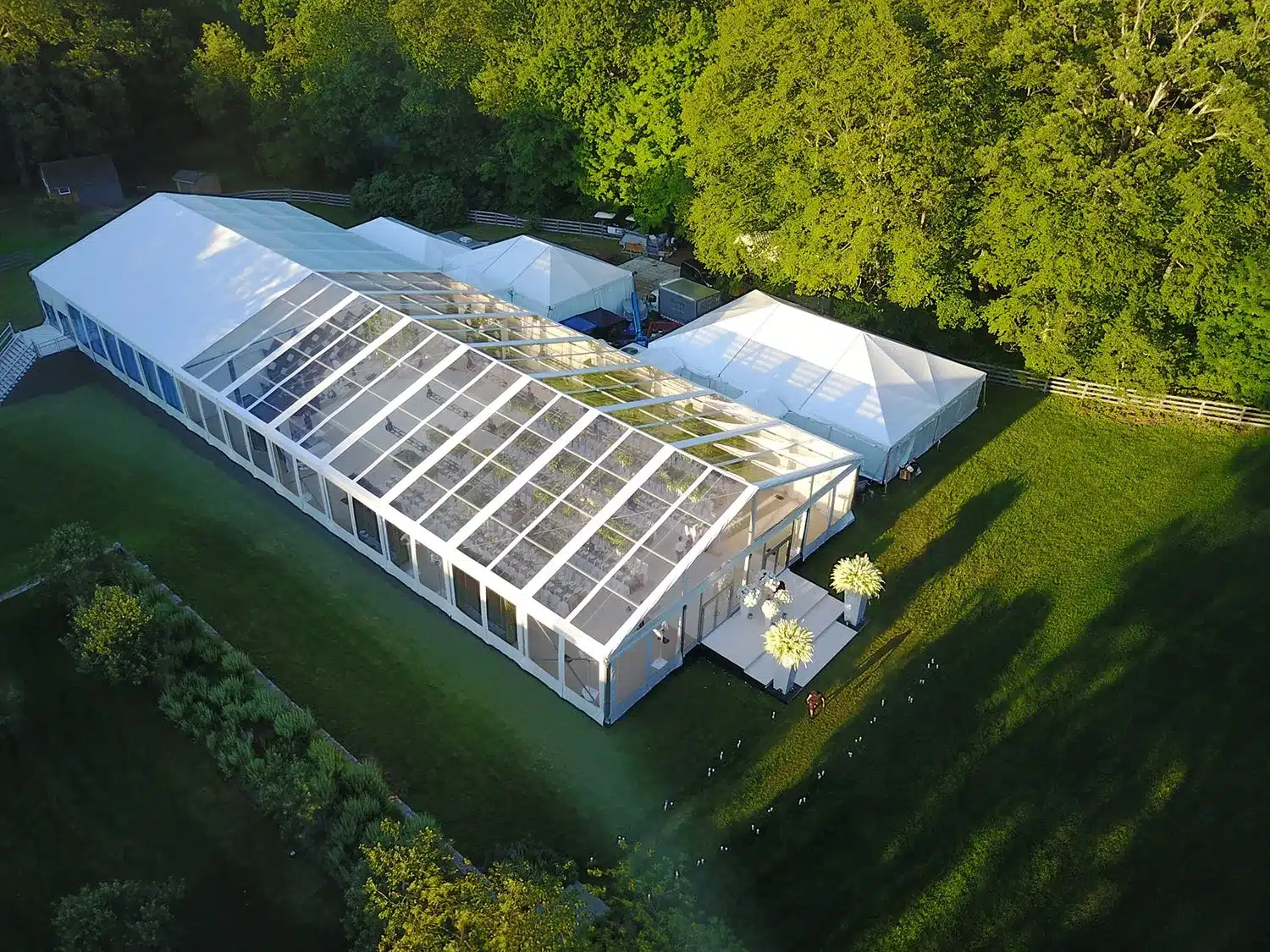
A tent can turn an ordinary yard into a comfortable, memorable event space, elevating any gathering from casual to extraordinary. Whether you’re planning a wedding reception, a milestone birthday, a corporate picnic, or a simple family reunion, a well-chosen and properly set-up tent provides shelter, defines the space, and creates an inviting atmosphere. This comprehensive guide gives you straightforward, practical advice for renting, installing, and decorating a backyard tent so your gathering looks great and stays safe. We’ll walk through common pitfalls, like choosing the wrong size or style, and offer simple solutions for layout, setup, décor, and basic safety so your event runs smoothly from start to finish. By understanding the nuances of tent selection and installation, you can transform your outdoor space into a truly unforgettable venue, ensuring comfort and enjoyment for all your guests.
How Do You Choose the Right Party Tent Size for Your Backyard Event?
Picking the right tent size keeps guests comfortable and makes the space work for the activities you have planned. An undersized tent can feel cramped and unwelcoming, while an oversized one might feel cavernous and impersonal. Base your choice on guest count, how you’ll use the space (dining, dancing, lounge areas), and your yard’s layout. A correctly sized tent protects guests from the elements and creates the right feel for your event, ensuring everyone has ample room to move, socialize, and enjoy themselves.
Calculating Space Requirements Based on Guest Count and Activities
To accurately determine your tent size, consider not just the number of guests, but also how they will interact within the space. A general rule of thumb is to allocate approximately 10-15 square feet per person for seated dining, 5-8 square feet per person for cocktail-style standing events, and 20-30 square feet per person if you plan to include a dance floor, stage, or extensive buffet lines. For example, a seated dinner for 100 guests would require a tent of at least 1000-1500 square feet. If you add a 200 sq ft dance floor and a 100 sq ft buffet area, your total space requirement increases significantly. Always factor in additional space for service areas, bars, gift tables, and any other amenities.
Considering Your Event’s Flow and Zones
Beyond raw square footage, think about the flow of your event. Will guests move from a cocktail area to a dining area, then to a dance floor? Creating distinct zones within your tent can enhance the guest experience. Use furniture, lighting, and decor to delineate these areas. For instance, a lounge area with comfortable seating can be separated from dining tables, or a bar can be strategically placed to avoid bottlenecks. Consider the placement of entrances and exits to ensure smooth traffic flow and easy access for guests and catering staff. Mapping out these zones on a simple diagram can help visualize the best layout and confirm your tent size is adequate for all planned activities.
What Tent Styles Are Best Suited for Backyard Parties?
Common tent styles each bring a different look and function, significantly impacting the aesthetic and practicality of your event. Matching the style to your vision and the site conditions is crucial for a successful and visually appealing setup.
- Sailcloth Tents: These tents are the epitome of elegance, featuring a high peak and translucent fabric that beautifully diffuses natural daylight, creating a warm, inviting glow. Their sculpted peaks and flowing lines make them ideal for weddings, upscale backyard gatherings, and events where a sophisticated, airy ambiance is desired. They perform best on level ground and require ample space for their guy lines.
- Frame Tents: Known for their versatility, frame tents utilize an aluminum or steel frame structure, meaning they have no center poles obstructing the interior space. This allows for maximum flexibility in layout and makes them an excellent choice for uneven ground, smaller yards, or situations where you need every inch of usable interior space. They are highly adaptable for various events and can be easily customized with sidewalls, flooring, and lighting.
- Pole Tents: Offering a classic, traditional peaked look, pole tents are supported by center poles and perimeter poles, which are anchored by ropes and stakes. They are best suited for larger, flat lawns where the poles won’t get in the way of guest flow or planned activities. Their dramatic peaks create a grand impression, making them popular for large festivals, fairs, and significant outdoor celebrations.
- High Peak Frame Tents: A popular hybrid, high peak frame tents combine the structural benefits of a frame tent (no interior poles) with the aesthetic appeal of a pole tent’s high, dramatic peaks. They offer excellent headroom and a more open, airy feel than standard frame tents, making them a fantastic choice for events that require both elegance and functional interior space.
- Clear Top Tents: These are a variation of frame tents, featuring transparent vinyl tops that allow guests to enjoy natural light during the day and stargaze at night. Clear top tents create a unique, immersive outdoor experience, perfect for evening events or daytime gatherings where you want to bring the outside in, regardless of weather. They are particularly stunning when combined with elegant lighting.
- Clear Span or Engineered Structures: These are heavy-duty, customizable modular systems that can span wide areas without any interior supports, offering maximum open space and superior stability. Engineered structures are ideal for very large events, long-term installations, or when you need robust protection against extreme weather conditions. They are often used for corporate events, large festivals, and temporary exhibition spaces.
Matching Tent Style to Event Theme and Aesthetics
The choice of tent style significantly contributes to your event’s overall theme and aesthetic. A sailcloth tent naturally lends itself to a romantic, rustic, or bohemian wedding, while a clear top tent can create a modern, chic vibe. Frame tents, with their clean lines, are highly adaptable and can be dressed up or down to suit almost any theme. Consider the formality of your event, the desired atmosphere, and how the tent will integrate with your existing backyard landscape. Each option supports a different atmosphere and function, so choose one that truly complements your vision.
What Are the Essential Steps in Professional Backyard Tent Setup?
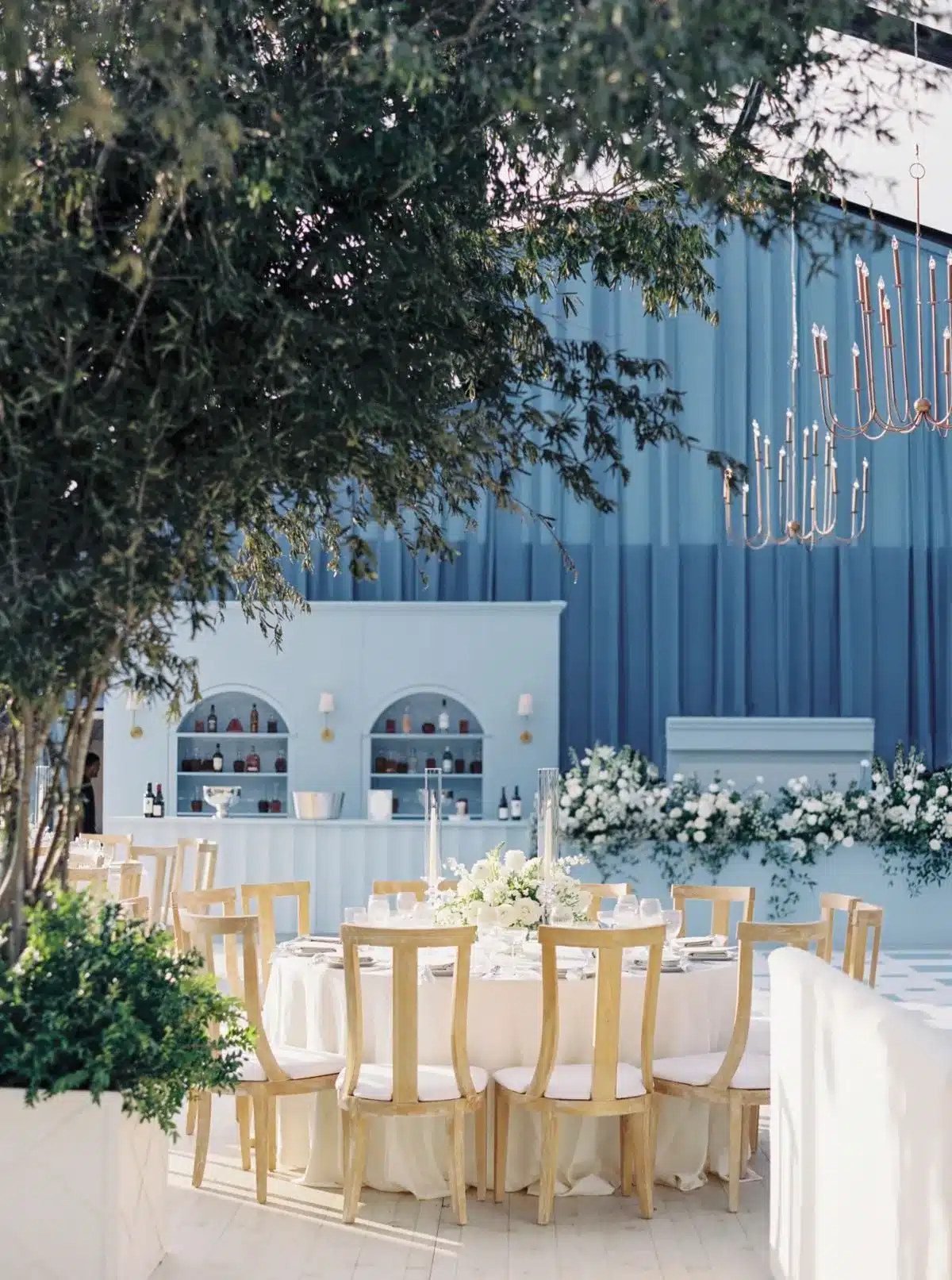
A professional-feeling setup starts with meticulous planning and ends with a secure, tidy installation. Focus on stability, guest access, and clean sightlines to make the tent both safe and welcoming. This involves more than just pitching the tent; it encompasses site assessment, regulatory compliance, and careful execution.
How Does Site Selection and Ground Preparation Impact Tent Stability?
Where you place the tent matters immensely for its stability and the comfort of your guests. Keep these site basics in mind:
- Level Ground: Pick the flattest area available in your yard. Significant slopes can lead to uneven tension on the tent fabric, create tripping hazards, and make furniture placement difficult. If a perfectly level spot isn’t available, discuss options with your rental company; sometimes, minor leveling or specialized flooring can mitigate slight inclines. Remove rocks, branches, or other trip hazards to ensure a smooth, safe surface.
- Soil Type: The ground’s composition directly affects anchoring effectiveness. Soft or sandy soil may need longer stakes or supplemental anchoring techniques like deadman anchors (buried objects) to ensure adequate hold. Hard surfaces, such as concrete or asphalt, often require weighted anchors (water barrels, concrete blocks) instead of stakes, as stakes cannot penetrate these materials.
- Preparation Steps: Before any equipment arrives, mark the exact footprint of the tent. Clear the area of any debris, furniture, or landscaping elements that might interfere with setup. Crucially, map any underground utilities or sprinkler lines by calling 811 (or your local “Dig Safe” equivalent) several days in advance. This prevents costly damage and dangerous accidents during staking.
Doing this prep work reduces surprises during setup and helps the tent perform well in changing conditions, ensuring a safe and stable environment for your event.
Permits and Regulations: Navigating Local Requirements
Before you even select a tent, it’s vital to check with your local city or county building and zoning departments regarding permit requirements. Regulations vary widely based on tent size, duration of setup, and local fire codes. Larger tents, or those with sidewalls, often require permits, fire marshal inspections, and adherence to specific safety standards. Failure to obtain necessary permits can result in fines, delays, or even the forced dismantling of your tent. Inquire about wind load requirements, exit signage, fire extinguisher placement, and accessibility guidelines. A reputable tent rental company can often assist with this process or advise on what information you’ll need to provide.
Which Anchoring and Weatherproofing Techniques Ensure Tent Safety?
Secure anchoring and basic weather protection are paramount to keeping your tent safe through wind, rain, or unexpected changes in conditions. This is not an area to cut corners.
- Types of Anchors: The choice of anchor depends on the tent style, size, and ground type. Use heavy-duty stakes (e.g., steel rebar stakes, auger stakes) for soft ground, ensuring they are driven deep enough to withstand anticipated forces. For hard surfaces like asphalt or concrete, ballast weights (water barrels, concrete blocks, or specialized weight plates) are essential. The total weight of the ballast must be sufficient to counteract potential wind uplift. Always ensure anchor size and quantity match the tent’s specifications and expected weather conditions.
- Weatherproofing Materials: Equip the tent with quality sidewalls to protect against wind, rain, and even excessive sun. Sidewalls come in various types (solid, clear, cathedral window) and should be installed correctly to prevent drafts and water intrusion. Rain gutters are crucial for connecting multiple tents or directing water away from entrances. Consider wind-rated attachments and reinforced seams when storms are possible, and ensure all fabric is taut to prevent flapping and water pooling.
- Safety Standards: Always check local codes and any permit requirements, as these often dictate specific anchoring methods and safety features. Crucially, follow manufacturer guidance for wind ratings and anchor spacing. Professional installation includes proper tensioning of the tent fabric and guy lines, which is critical for stability. Regularly inspect anchors and tension throughout the event, especially if weather conditions change.
Combine proper anchors, quality materials, and code compliance for the safest possible setup. Never underestimate the power of wind; a properly anchored tent is a safe tent.
Understanding Wind Ratings and Emergency Protocols
Every professionally manufactured tent has a wind rating, indicating the maximum wind speed it can safely withstand when properly installed. It’s crucial to know this rating and monitor weather forecasts closely. If wind speeds are predicted to exceed the tent’s rating, an evacuation plan must be in place. This includes identifying a sturdy indoor fallback location, clearly communicating the plan to guests and staff, and having a designated person responsible for making the call to evacuate. For severe weather, the tent may need to be partially or fully dismantled by professionals to prevent damage or injury. Always prioritize guest safety over the event schedule.
How Can You Enhance Your Backyard Party Tent with Decorations and Accessories?
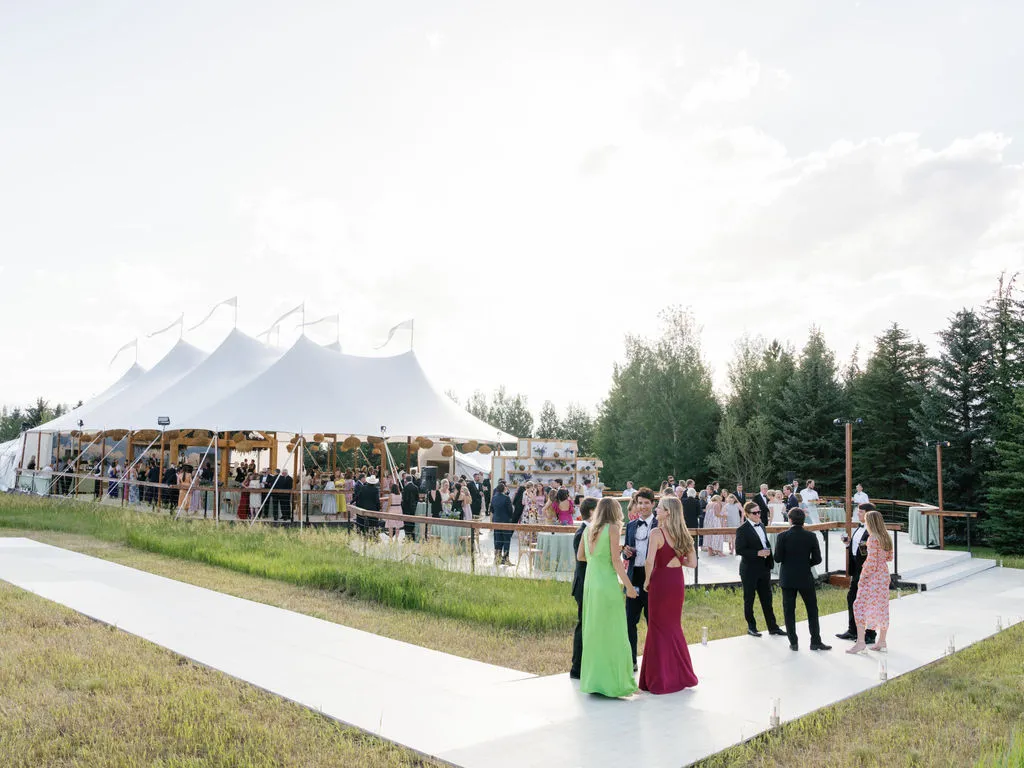
The right lighting, flooring, and furnishings turn a tent from a simple shelter into a warm, usable, and inviting room. Thoughtful choices keep guests comfortable and reinforce your event’s style, creating an immersive experience.
What Lighting and Flooring Options Elevate Tent Ambiance?
Good lighting and flooring are foundational elements that set the mood and significantly improve usability and comfort within the tent.
- Types of Lighting: Lighting is key to ambiance. String lights and bistro bulbs create a relaxed, festive glow, perfect for casual gatherings or adding warmth to any event. Chandeliers add formality and a touch of luxury, ideal for weddings or elegant dinners. LED uplights can wash the tent walls in color, creating drama and matching your event’s theme while being energy-efficient. Consider wash lighting for general illumination and spotlights to highlight specific features like a stage or a centerpiece. Dimmers are essential for adjusting the mood throughout the event, and ensure all lighting is rated for outdoor use and properly installed to avoid electrical hazards.
- Flooring Materials: While grass is natural, temporary flooring makes the surface safer, more comfortable, and more elegant. Interlocking dance floors are a must for any event with dancing, providing a stable, smooth surface. Temporary wood flooring offers a more upscale look and can cover uneven ground, creating a solid, level base. Carpeted flooring adds warmth, reduces noise, and can be chosen to match your color scheme, making the tent feel more like an indoor room. Plastic matting or turf can be used for more casual events or as a base layer. Pick materials that suit your activities, budget, and the formality of your event.
Select lighting and flooring that fit the event tone and the way people will move through the space, ensuring both aesthetic appeal and practical functionality.
Climate Control: Heating, Cooling, and Ventilation
Guest comfort is paramount, especially in a tent. Depending on the season and local climate, you may need to consider climate control. For cooler weather, propane or electric tent heaters can keep the space warm and cozy. Ensure heaters are placed safely, away from flammable materials, and have proper ventilation. In warmer climates, fans, evaporative coolers, or even portable air conditioning units can make a significant difference. Proper ventilation, even without active cooling, is important to prevent stuffiness. Discuss these options with your rental company, as they can advise on the appropriate equipment and safe installation.
Which Furniture and Decor Ideas Create a Memorable Outdoor Event?
Comfortable, well-placed furniture invites guests to linger and enjoy the space. Use décor to tie the space together, reinforcing your theme and creating a cohesive, memorable experience.
- Furniture Styles: Mix dining tables with lounge seating to create distinct zones and cater to different guest preferences. Banquet tables (rectangular) are efficient for seating many guests, while round tables encourage conversation. Choose chair styles that complement your theme, from classic Chiavari chairs to modern ghost chairs or rustic cross-back chairs. Sofas, armchairs, and coffee tables in a lounge area provide a relaxed space for conversation and mingling, adding a touch of sophistication.
- Decor Themes: Pull in centerpieces, linens, and lighting that reflect your event’s theme for a cohesive look. For a rustic theme, think burlap, wildflowers, and string lights. A modern theme might feature minimalist decor, sleek furniture, and LED uplighting. Bohemian themes can incorporate macrame, floor cushions, and natural textures. Don’t forget ceiling decor like fabric draping, lanterns, or floral installations to add visual interest and soften the tent’s interior.
- Guest Comfort Considerations: Beyond seating, think about practical comforts. Leave clear walkways to prevent congestion and allow easy movement. Allow ample room for serving stations, bars, and buffet lines to prevent bottlenecks. Position seating so guests can socialize easily, avoiding awkward arrangements. Consider adding small touches like throw blankets for cooler evenings, charging stations for phones, and clearly marked, easily accessible restroom facilities (even if they are portable luxury restrooms).
Small design choices—like layered lighting, defined seating areas, and thoughtful amenities—have a big impact on guest experience and contribute significantly to the overall success and memorability of your event.
Sound Systems and Entertainment Integration
For many events, sound is as important as sight. Plan for a professional sound system if you’ll have music, speeches, or live entertainment. This includes speakers, microphones, and a mixing board. Ensure power requirements for all audio equipment are met and that cables are safely run and taped down to prevent tripping hazards. If you have a band or DJ, allocate sufficient space for their setup, including a stage if desired. Consider the acoustics of the tent; fabric draping can help absorb sound and improve clarity. Test all equipment well in advance of the event.
What Are Key Safety Guidelines for Backyard Event Tent Setup?
Safety is not just a recommendation; it’s essential. A few straightforward precautions protect guests and equipment and keep your event stress-free, allowing everyone to relax and enjoy the celebration without worry.
How Do You Prepare for Weather and Emergency Situations?
Plan ahead so weather or small emergencies don’t derail the event and, more importantly, don’t compromise guest safety.
- Weather Monitoring: Track forecasts for several days before the event, not just on the day itself. Use reliable weather apps or services that provide hourly updates and radar. Be ready to adjust plans if conditions change, such as high winds, heavy rain, or extreme temperatures. Have a clear threshold for when to implement contingency plans.
- Emergency Supplies: Keep a basic, well-stocked first aid kit readily accessible. Have flashlights or headlamps on hand in case of power outages. Extra blankets can be a lifesaver on unexpectedly chilly evenings. A charged phone or two-way radio is crucial for communication, especially if cell service is spotty. Consider having a fire extinguisher easily accessible, particularly if you have heating elements or cooking equipment inside or near the tent.
- Contingency Plans: Identify an indoor fallback location or a nearby sheltered area (e.g., your house, a community center) that can accommodate guests if the tent becomes unsafe due to severe weather. Communicate this plan clearly to key helpers, staff, and even guests (via signage or announcements) before the event starts. Practice an evacuation route if necessary.
Being proactive and communicating plans keeps guests safe and confident, no matter the weather, demonstrating responsible event hosting.
Fire Safety and Electrical Considerations
Fire safety is paramount in any temporary structure. Ensure that all heating elements, cooking equipment, and generators are placed at a safe distance from tent fabric and other flammable materials. All electrical wiring should be heavy-duty, properly grounded, and protected from moisture. Avoid overloading circuits. If using a generator, ensure it is placed outdoors in a well-ventilated area, away from the tent, and properly fueled and maintained. Clearly mark all emergency exits and ensure they are unobstructed at all times. Have fire extinguishers strategically placed and ensure someone knows how to use them. Local fire codes often dictate specific requirements for tent events, so always consult with your local fire marshal.
Frequently Asked Questions
What is the best time to rent a tent for a backyard party?
Reserve a tent as early as you can—ideally several weeks to a month ahead during busy seasons like spring, summer, and fall. For peak dates or larger, more specialized tents, booking 3-6 months in advance is highly recommended. Early booking locks in the style, size, and any extras you want, and gives you ample time to arrange permits, site prep, and coordinate with other vendors without last-minute stress. Last-minute rentals often mean limited availability and fewer choices.
How can I ensure my tent is secure during windy conditions?
Security in windy conditions starts with proper anchoring. Use anchors suited to the surface—heavy-duty stakes for soil, and sufficient ballast weights (water barrels, concrete blocks) for hardscapes. Ensure all guy lines and straps are properly tensioned. Add sidewalls only when appropriate for wind direction and ensure they are securely fastened to the tent frame to prevent flapping. Check tension points during the event, especially if winds pick up, and have a weather contingency ready. For high winds exceeding the tent’s wind rating, follow the tent’s wind-rating guidance and consider professional assistance for partial or full dismantling.
How do I handle food and beverage service in a tent?
Set up clear service zones away from main walkways to prevent congestion. Keep perishable items chilled in coolers or refrigerated service units, especially in warm weather. Use covered stations for all food items to maintain hygiene and protect against insects. Consider a licensed and insured bartender if you serve alcohol. Place hand sanitizer stations near food and beverage areas for added hygiene. Ensure there are sufficient waste receptacles, clearly marked for recycling and trash, and plan for timely waste removal.
What should I do if it rains during my outdoor event?
Preparation is key. Make sure sidewalls and rain gutters are installed correctly to channel water away from the tent and entrances. Have extra tarps or waterproof covers ready for any exposed equipment or sensitive areas. A designated indoor or sheltered spot should be identified ahead of time as a fallback. If heavy rain threatens safety (e.g., combined with strong winds or lightning), move guests calmly and efficiently to the alternate location and update them on the situation. Ensure pathways to the alternate location are well-lit and clear of hazards.
Are there any permits required for setting up a tent in my backyard?
Permit requirements vary significantly by city, county, and even homeowners’ association. Always check with your local building or zoning office, and potentially the fire marshal, before you book a tent. Inquire about any size limits, fire-code rules (e.g., exit signs, fire extinguishers), or inspection needs. Larger tents, those with sidewalls, or those used for public events are more likely to require permits. Getting permits ahead of time avoids fines, ensures your setup meets local safety standards, and prevents last-minute complications.
What about power for my tent?
Power is essential for lighting, sound systems, catering equipment, and climate control. You’ll need to determine your total power requirements (wattage) and plan accordingly. This might involve running heavy-duty extension cords from your house (ensuring they are rated for outdoor use and properly grounded) or renting a generator. If using a generator, ensure it’s placed a safe distance from the tent, in a well-ventilated area, and properly grounded. All electrical connections should be protected from moisture, and cables should be taped down or covered to prevent tripping hazards.
How do I choose a reputable tent rental company?
Look for a company with a strong track record, positive reviews, and proper insurance. Ask for references and check their portfolio. A reputable company will offer site visits, provide detailed quotes, explain permit requirements, and have experienced staff for setup and takedown. They should also be able to advise on tent styles, sizes, accessories, and safety protocols. Don’t hesitate to ask about their emergency procedures and maintenance of equipment.
Conclusion
With the right planning and attention to detail, a backyard tent can deliver unparalleled style, comfort, and safety, transforming your outdoor space into the perfect venue for any celebration. By carefully choosing a tent that fits your guest list and yard, meticulously preparing the site, and thoughtfully adding lighting, flooring, and furnishings, you can create an atmosphere that perfectly supports the mood you want to achieve. Prioritize secure anchoring, adhere to all safety guidelines, and have robust weather planning in place so your guests can relax and enjoy the event without a single worry. Start with these comprehensive basics, and you’ll be well on your way to hosting a successful, memorable, and stress-free outdoor gathering that leaves a lasting impression on everyone involved.