
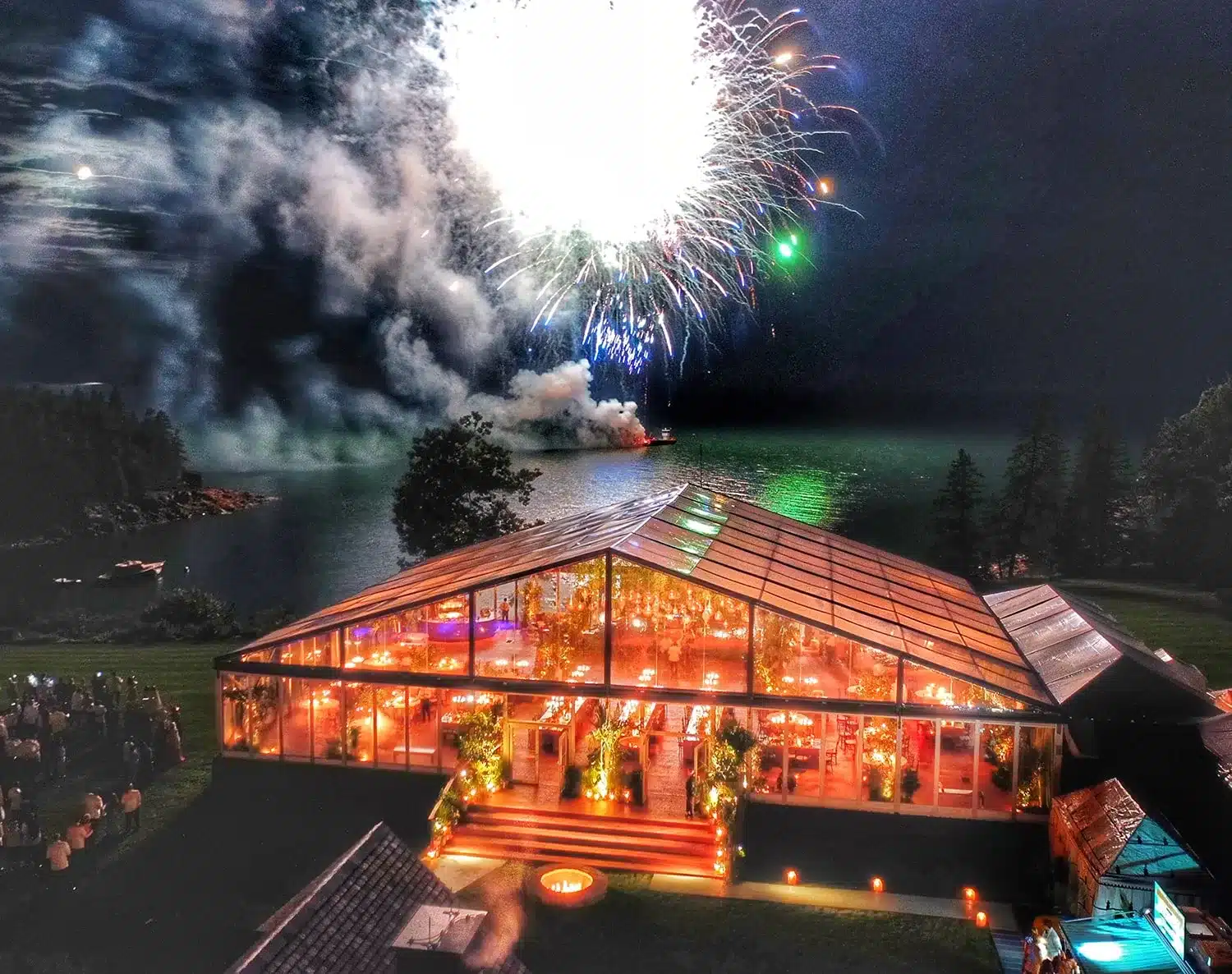
At Skyline, we know that professional tent installation does more than hold up fabric, it protects guests, supports logistics, and sets the tone for your event. This guide walks you through practical, field-tested steps for setting up tents for any outdoor occasion. You’ll get clear advice on site evaluation, safety checks, anchoring, tent selection, climate control, and post-install inspections. We’ll also address common pain points event planners face, from tricky terrain to shifting weather, with solutions you can use on-site.
What Are The Essential Steps For A Professional Event Tent Installation?
A reliable tent installation follows a clear sequence: evaluate the site, assemble components carefully, and verify safety at every stage. Each step reduces risk and keeps your event running smoothly, from the first layout to the final tension checks.
How To Conduct A Thorough Site Assessment Before Tent Setup
A solid site assessment saves time and prevents surprises. Walk the space with a checklist and pay special attention to access, utilities, and ground conditions. Key items to review include:
- Obstacle review: Note trees, poles, curbs, and other features that could affect placement or guy lines.
- Utility verification: Confirm there are no underground or overhead utilities in the footprint. Call local utilities to have lines marked before you dig or drive anchors.
- Ground and drainage: Test soil firmness and slope to determine the best anchoring strategy and tent type.
Completing a thorough site assessment helps you pick the right equipment and prevents last-minute changes during setup.
Also document access points for delivery vehicles, staging areas for parts, and the routes crews will use while moving heavy components. Measure and mark the intended footprint, tent orientations, and emergency egress paths so you can visualize staging and load-bearing needs before crews arrive. If the site will host multiple tents or vendors, sketch a simple plan showing service access for generators, HVAC equipment, and crew parking to avoid conflicts on install day.
What Are The Key Tent Assembly And Anchoring Procedures?
After the site check, follow a consistent assembly routine and use anchoring methods matched to the location. Focus on organization, manufacturer instructions, and secure connections.
- Systematic assembly: Lay out parts, confirm hardware, and assemble the frame per the manufacturer’s sequence to avoid rework.
- Appropriate anchors: Choose stakes, ballast, or engineered anchors that match soil type and wind exposure.
- Orderly sequence: Raise and tension the structure in a controlled order so every component supports the next.
Careful assembly and the correct anchors are the backbone of a safe, stable tent installation.
Label parts and pre-count fasteners during staging to speed assembly and reduce on-site errors. Use the manufacturer’s torque or tension guidance where provided and keep spare fasteners and shims available. When raising larger frames, assign clear roles (lead, sweep, stabilizer) to each crew member and use tag lines to control fabric as it goes up. These small process controls limit damage to components and keep the timeline predictable.
How Do You Ensure Safety During Large Event Tent Installation?

Safety must be built into every phase, planning, setup, and event operations. Use checklists, train crews, and keep an eye on changing conditions to lower risk for workers and attendees.
Which Safety Protocols Should Be Followed For Commercial Tent Setup?
For commercial installations, follow established safety measures and make them non-negotiable for every crew member:
- Utility and hazard checks: Confirm marked utilities and clear the area of potential obstructions.
- Emergency planning: Create and circulate an emergency response plan for severe weather or structural issues.
- Personal protective equipment: Require helmets, gloves, high-visibility gear, and any specialty PPE needed for the job.
Consistent safety practices protect your team and reduce liability for organizers.
Include load and capacity checks for flooring, stages, and suspended elements, and post plainly visible signage noting maximum loads where appropriate. Use qualified personnel to inspect any complex structural connections and keep permits and inspection paperwork accessible. Run a brief safety briefing each morning on multi-day jobs so new crew members hear the same expectations and emergency points as the rest of the team.
How To Monitor Weather And Manage Emergency Preparedness
Weather can change quickly. Use reliable forecasts, assign a weather lead, and rehearse your emergency steps.
- Weather tools: Track conditions with a trusted app or service and set alert thresholds for action.
- Clear procedures: Decide in advance when to lower peaks, add ballast, or evacuate the site.
- Team communication: Keep radios or phones handy and confirm roles so everyone knows what to do if conditions worsen.
Proactive weather management keeps installations secure and gives you time to execute safe responses.
Create a communication ladder that specifies who makes the call at each alert level and how that decision is relayed to vendors, venue staff, and clients. Predefine safe holding areas for guests and crew in the event of evacuation and ensure those spaces are accessible from the tent footprint. Rehearse the sequence for rapid deconstruction or securement of sensitive elements so every team member knows their task if time becomes short.
Which Tent Types Are Best Suited For Different Outdoor Events?
Different tents meet different needs. Match the tent’s structure and look to your event scale, site, and aesthetic goals to get the right fit.
What Are The Installation Considerations For Sailcloth, Century, And Engineered Structure Tents?
Each tent family brings its own benefits and installation needs:
- Material and look: Sailcloth offers a soft, luminous look; engineered structures deliver predictable performance in tougher conditions.
- Setup complexity: Some tents require more crew, heavier anchors, or specialized equipment — plan resources accordingly.
- Visual fit: Think about how the tent’s profile and fabric complement the event’s design.
Knowing these differences helps you match tent type to function and style.
Consider maintenance and care when choosing a fabric: some materials need more frequent cleaning to maintain a premium appearance, while others prioritize durability for long-term or repeated use. Also factor in transport logistics, larger engineered frames may require trucks with lift gates or forklifts for efficient handling, and check how the tent’s profile affects lighting and AV placement once interiors are dressed.
How To Choose The Right Tent Type Based On Event Size And Terrain
Select a tent that suits guest counts and ground conditions:
- Size guidance: Scale the tent to your expected attendance and program needs, larger layouts need more supports and space planning.
- Terrain fit: Grass, pavement, and sand each require different anchoring and footprint considerations.
Choosing the right tent for your size and site prevents last-minute compromises and keeps the event comfortable.
When in doubt, mock up layouts on site using flags or chalk to understand sight lines, circulation, and vendor space. Factor in lighting and rigging needs for stages or suspended décor, since higher peaks may simplify lighting placement but add anchoring complexity. If multiple tents will be combined, plan walkways and drainage between them to preserve guest flow and protect equipment from standing water.
What Advanced Anchoring Techniques Enhance Tent Stability?

When conditions demand extra security, use advanced anchors and tensioning strategies that match the site and weather exposure.
How To Secure Tents Using Stakes, Ratchet Straps, And Heavy-Duty Anchors
Use a combination of hardware to lock down a structure properly:
- Correct stakes: Match stake type and length to soil conditions for reliable holding power.
- Ratchet straps: Add tension and redundancy where extra resistance to uplift is needed.
- Heavy anchors: In high-wind or critical installs, choose ground screws or engineered anchors for maximum security.
Layered anchoring methods reduce the chance of movement or failure in adverse conditions.
Where possible, include redundancy in anchor plans so a single point of failure won’t compromise the whole structure. Conduct a simple pull check on representative anchors after initial tensioning and again during the event’s opening hours to verify they’re holding as expected. Keep anchor spare parts and a small toolkit on site to quickly address minor slippage or hardware failures without stopping operations.
What Are Best Practices For Anchoring On Different Ground Surfaces?
Adapt anchors to the surface you’re working on:
- Grass: Use long stakes or ground screws for deep holding.
- Concrete: Rely on ballasts, concrete blocks, or screw-in anchors engineered for hard surfaces.
- Sand: Employ sand-specific anchors or sandbags and increase the contact area for better hold.
Matching anchors to the ground is one of the quickest ways to improve overall stability.
On mixed sites, apply the most conservative anchoring method required by any portion of the footprint. For temporary urban installs, place weights and ballast thoughtfully to maintain pedestrian access while meeting load requirements. Document each anchor type and its placement in your site map so teardown crews know how components were secured and can disassemble without risk of damage.
How To Integrate Climate Control And Custom Flooring In Event Tents?
Comfort and functionality matter. Proper HVAC and flooring choices make the space usable and welcoming, regardless of weather.
What Are The Installation Steps For Climate Control Systems In Tents?
Follow a step-by-step approach when adding HVAC:
- Choose the right system: Select AC units, heaters, or ventilation based on tent volume and occupancy.
- Install per specs: Follow manufacturer and electrical guidelines to ensure safe operation and airflow.
- Confirm power: Verify power capacity, distribution, and backup needs before finalizing equipment placement.
Correctly sized and installed climate systems keep guests comfortable and equipment running efficiently.
Plan ducting and exhaust so airflow doesn’t blow directly on guest seating or sensitive equipment; use baffles or directional vents to create even temperature zones. Consider zoning HVAC for multi-use events so different areas can be conditioned independently, improving comfort and reducing energy use. Also anticipate condensation control by providing adequate ventilation and moisture barriers when cooling large volumes overnight.
How To Select And Install Custom Flooring And Elevated Platforms
Flooring choices impact both look and safety:
- Material selection: Pick carpet, vinyl, wood, or modular systems that meet the event’s style and wear requirements.
- Installation best practices: Level, secure, and transition flooring properly to avoid trip hazards.
- Elevated platforms: Build stages and dance floors with adequate support, bracing, and anchoring for load and use.
Well-chosen flooring and platforms complete the guest experience and keep the event running smoothly.
Use moisture barriers beneath flooring over soft ground to prevent warping and to keep surfaces stable during rain. Plan cable runs and power drops under raised floors or through protected channels to avoid trip hazards and to keep systems accessible for troubleshooting. When installing temporary stages, clearly mark edges and transitions and incorporate guardrails where required for safety.
What Are The Best Practices For Post-Installation Checks And Tent Teardown?
Final inspections and a disciplined teardown protect equipment and people. Treat both as essential parts of the job.
How To Conduct Final Safety And Stability Inspections After Setup
Before guests arrive, run a thorough checklist:
- Inspection points: Verify anchors, seams, structural connections, and tensioning across the entire tent.
- Safety checks: Confirm exits are clear, lighting is operational, and emergency plans are accessible.
- Recordkeeping: Document inspections and any corrective actions for compliance and future reference.
These final checks reduce risk and give you confidence before the event starts.
Establish a sign-off procedure that lists who performed each check and when it was completed. For multi-day events, schedule routine inspections at specified intervals and after any notable weather event. Keep a bag with spare parts, repair tape, and basic tools near the tent so minor issues can be resolved quickly without pulling crews away from other tasks.
What Are Efficient Procedures For Professional Tent Takedown And Storage?
Efficient takedown keeps gear in service longer and gets crews off site faster:
- Systematic takedown: Dismantle top-down and follow a repeatable sequence to avoid damage.
- Proper storage: Clean, dry, and store components in ventilated spaces to prevent mold and wear.
- Team coordination: Assign roles and communicate timing to keep the process organized and safe.
Clear procedures shorten teardown time and protect your investment in equipment.
Label packed components and keep a running inventory to speed future jobs and make maintenance planning easier. When possible, lay out fabric and components to dry before folding and packing; moisture left in bags accelerates wear. Use protective padding around frames during transport to avoid dents and scrapes that can weaken connections over time.
How Does Skyline Tent Company Deliver Expert Tent Installation Services?
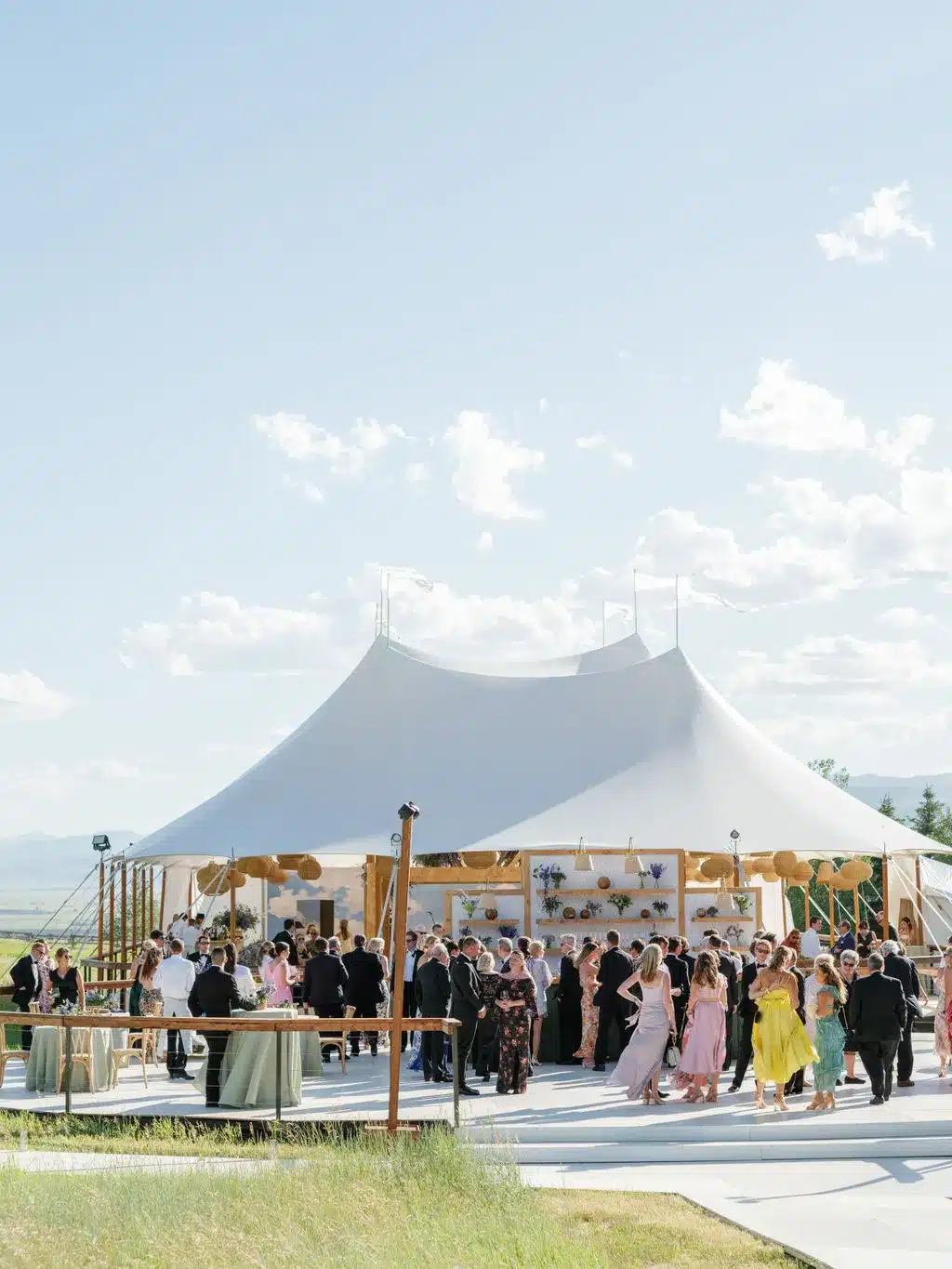
Skyline provides tailored installation services built on experience, quality gear, and professional crews. We plan installations with safety and logistics in mind so your event runs without hiccups.
What Unique Value Propositions Does Skyline Offer For Event Tent Rentals?
Skyline stands out because we blend flexibility with industry know-how:
- Custom solutions: We adapt tent layouts and features to meet each event’s specific needs.
- Large-event expertise: Our team has handled complex, high-capacity installs and understands the logistics involved.
- Quality-first approach: We use proven materials and tested equipment to minimize risk on site.
These strengths ensure a dependable experience from planning through teardown.
During events we provide on-site supervision and a single point of contact so clients have real-time updates and a direct line for urgent requests. We coordinate with other vendors on timing and service access, and we prepare contingency plans for power, weather, and late changes so the client’s program remains uninterrupted whenever possible.
How Does Professional Project Management Enhance Tent Installation Success?
Dedicated project management keeps every installation on schedule and mitigates surprises:
- Coordination: Clear communication among crew, vendors, and clients avoids last-minute conflicts.
- Efficiency: Thoughtful scheduling and resource planning reduce downtime and labor costs.
- Risk reduction: Anticipating site or weather issues lets us put safeguards in place before they become problems.
Skilled project management turns complex setups into predictable outcomes.
Project managers maintain a detailed run sheet that covers equipment arrival, staging, install windows, and teardown, and they circulate updates as conditions change. This documentation reduces ambiguity for crews and vendors, supports permitting and inspection processes, and helps track costs and timelines so clients know exactly what to expect at each milestone.
What Common Questions Do Event Planners Have About Tent Installation?
Planners want reliable answers so they can move forward with confidence. Here are the most frequent concerns, and practical guidance.
How Do You Set Up Large Event Tents Safely And Efficiently?
Large tents require planning, the right crew size, and disciplined execution:
- Pre-install planning: Map roles, equipment, and timing before you arrive on site.
- Safety-first approach: Follow established protocols and keep a safety lead on every job.
- Streamlined workflow: Use a repeatable sequence so teams work together smoothly and quickly.
With planning and the right team, large installations become routine and safe.
Use staged checklists that crews sign off on as they complete each phase to keep progress visible and to prevent steps from being skipped. When timelines are tight, break the install into parallel tasks (for example, frame assembly in one area while anchoring is completed in another) so the crew uses time efficiently without compromising safety.
Do Event Rental Companies Provide Setup And Takedown Services?
Yes. Most full-service rental companies, including Skyline, handle delivery, installation, and teardown. Typical benefits include:
- Full-service options: End-to-end support from delivery through takedown.
- Experienced crews: Trained teams ensure installations meet safety and performance standards.
- Operational ease: Outsourcing logistics frees you to focus on programming and guest experience.
Hiring a full-service provider simplifies logistics and reduces the burden on your staff.
Confirm which services are included in a proposal (site visits, permits support, power coordination, monitoring during the event) and how emergency responses are handled. Clear scopes and predefined responsibilities reduce surprises and ensure everyone understands expectations and deliverables.
Frequently Asked Questions
What Are The Common Challenges Faced During Tent Installation?
Typical challenges include inaccurate site assessment, sudden weather shifts, and improper anchoring. Trees, utilities, or uneven ground can force on-the-spot changes. We recommend a pre-site visit, marked utilities, and contingency anchors so you’re prepared for common surprises.
How Can I Ensure My Tent Is Suitable For Different Weather Conditions?
Match tent type and anchors to the weather you expect. Use heavier anchors and engineered structures in high-wind areas, ensure good drainage for rain, and plan HVAC for temperature extremes. Monitor forecasts and have a clear action plan if conditions change.
What Are The Benefits Of Hiring A Professional Tent Installation Service?
Professionals bring the right equipment, experienced crews, and a safety-first mindset. That means faster installs, fewer headaches, and reduced risk. Hiring experts also gives you access to proper anchors, power solutions, and insurance-backed practices.
How Do I Choose The Right Tent Size For My Event?
Choose size based on guest count, layout, and program needs. As a rule of thumb, budget around 10 square feet per seated guest and 5 square feet per standing guest, then add room for stages, bars, and aisles. A rental specialist can help finalize the ideal footprint.
What Should I Do If My Tent Is Damaged During An Event?
Safety first: evacuate if the structure is unsafe. Assess damage, document it for insurance, and contact your rental provider immediately. Many companies offer emergency response and can repair or replace components quickly.
Are There Specific Regulations For Tent Installations In My Area?
Yes, permits and rules vary by municipality. Local codes may dictate tent size, anchoring, and egress requirements. Check with your city or county permitting office early in planning to ensure compliance and avoid last-minute issues.
Conclusion
Thoughtful tent installation ties together safety, comfort, and event design. Follow site assessment, assembly, and inspection best practices to protect guests and streamline operations. If you’d like experienced support, Skyline Tent Company offers tailored solutions and professional crews to help bring your event to life.