
Planning a wedding means balancing big-picture vision with daily logistics, and seating quietly shapes how the whole day feels. Thoughtful, custom tent seating turns a basic need into a seamless part of the experience: guests who are comfortable, traffic that moves without hassle, and a setting that supports your style. This guide walks you through tent styles, reliable seating charts, popular setups, and the floor‑planning steps that make your layout feel intentional and easy to manage.
As you refine details, remember how tent type, rental choices, and finish selections influence both comfort and look. We explain why custom tent rentals matter, offer practical ways to improve guest flow, and highlight the accessories that elevate a tent from functional to refined.
Which Wedding Tent Styles Shape Your Seating Plan?
The tent you pick sets the practical limits and the overall mood. Each style has its own capacities, sightlines, and design cues, and those differences should guide your seating decisions from the start.
How Do Sailcloth, Century, And Engineered-Structure Tents Differ In Capacity And Feel?
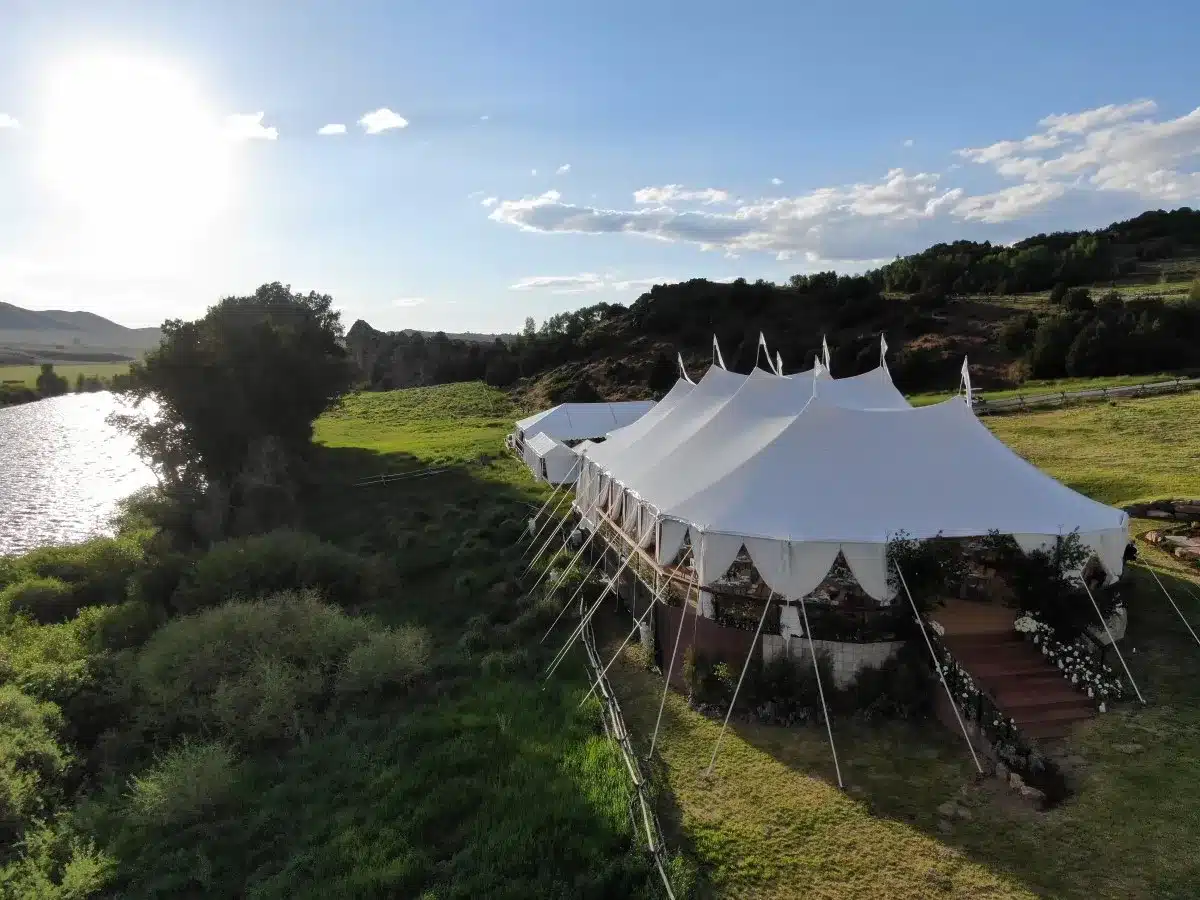
Sailcloth tents bring soft, flowing lines and semi‑translucent fabric that bathes the space in warm, romantic light. They work beautifully for intimate and mid‑sized weddings where the look is as important as the logistics.
Century tents offer a traditional, peaked silhouette that often accommodates larger table groupings and a more formal presentation.
Engineered structures are designed for scale and flexibility, they give you large, clear spans when you need uninterrupted floor space for adaptable seating plans.
Each tent type carries a distinct personality; choose the one that fits your guest count, sightline needs, and the atmosphere you want to create.
When evaluating tents for a specific site, pay attention to small but important site conditions: slope, nearby trees or buildings that limit leg‑in placements, and access for delivery or emergency vehicles. A site visit shows where anchors can go, how wind or sun will affect the footprint, and whether you should favor clear spans or post‑supported sections. These on‑site details often change how many tables fit comfortably and where focal elements, like the head table or ceremony arch, should sit.
Why Choose Custom Tent Rentals For Your Wedding?
Custom rentals give you control: the exact size, layout, and finishes that match your vision. A rental partner brings sizing expertise, reliable materials, and scheduling support so beauty and function stay aligned.
Working with a rental partner usually follows a practical sequence: share your guest count and inspiration images, schedule a site visit or provide clear site photos and measurements, review layout and accessory options, and lock in delivery and install windows. A collaborative process also builds in contingency planning for weather, staging access, and vendor coordination so tents, flooring, lighting, and catering arrive and install in a sensible order. Clear expectations up front reduce last‑minute changes and help planners, caterers, and crews move efficiently on setup day.
How Do You Plan An Efficient Wedding Tent Seating Chart?
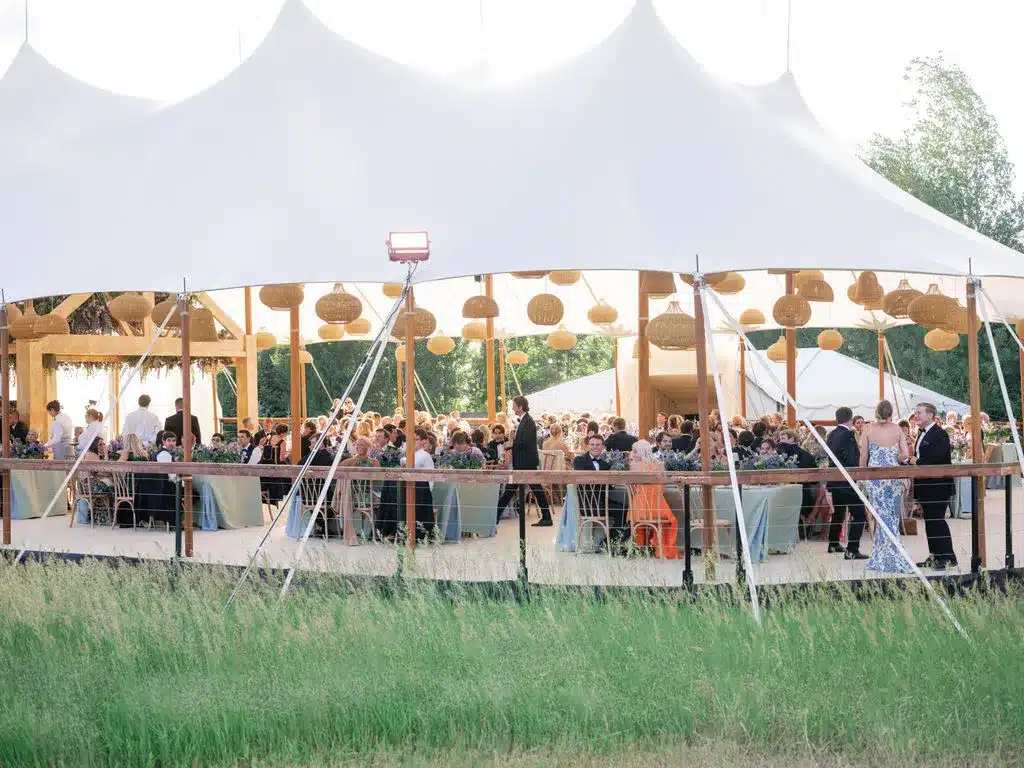
A clear seating plan removes guesswork on the day and improves guest comfort. Smart seating balances comfort, conversation, and circulation so guests can eat, move, and mingle without bottlenecks.
A well‑thought seating chart is essential to guest comfort and keeps the celebration moving smoothly.
What Guest-Capacity Guidelines Should You Follow For Comfort?
Use space guidelines to set realistic expectations. A practical rule of thumb is 10–12 square feet per guest for seated dining, that covers table and chair footprint plus circulation. For context, a 20×20 tent (400 sq ft) typically seats about 30–35 guests comfortably; a 30×30 tent (900 sq ft) usually fits roughly 70–80 guests, depending on layout and extras like bars or a dance floor.
When you turn guidelines into a working chart, layer in functions that affect capacity: beverage stations and bars need room for queues and service, buffet lines require extra circulation and space away from the head table, and a generous dance floor or band area reduces available table space. Rather than squeezing the maximum chairs into a footprint, prioritize sightlines and service aisles so servers can reach tables without interrupting conversations.
These metrics are a dependable starting point for translating guest counts into usable floor plans.
How Can You Improve Flow And Accessibility Inside The Tent?
Organize key zones, dance floor, buffet, bar, restrooms, so pathways are direct and wide enough for easy movement. Keep service aisles clear and locate high‑traffic elements away from intimate seating clusters. Circular, U‑shaped, or semi‑open arrangements encourage conversation while preserving clear walkways for guests and staff.
Tactical steps to improve flow include marking primary circulation routes on early sketches, reserving a continuous service lane for staff, and clustering utility areas (kitchen, bar storage) to reduce crossings through guest zones. For accessibility, place seats near entrances and restrooms, allow turning space for mobility devices, and provide ramps where tent edges meet flooring. Well‑placed lighting, clear signage, and a small staff staging zone by the entrance help guests orient themselves without crowding seating areas.
What Seating Styles Are Popular For Wedding Tents And Why?
Your seating style defines the room’s energy. Whether you want communal warmth, formal dining, or relaxed lounge moments, choose layouts that support conversation, service flow, and the visual focus you prefer.
How Do Banquet, Round, Theater, And Lounge Seating Compare?
- Banquet Seating: Long tables create a communal, family‑style atmosphere and work well for large groups or rustic, dinner‑forward receptions.
- Round Seating: Round tables promote conversation and feel intimate; they’re a classic wedding choice that balances guest access and décor.
- Theater Seating: Ideal for ceremonies or presentations where everyone faces forward. It boosts capacity but isn’t suited to served meals that require interaction.
- Lounge Seating: Sofas, low tables, and mixed seating form relaxed social areas perfect for cocktail hours or breakout spots during a reception.
Match seating style to service: plated dinners often pair best with round tables that balance service access and sightlines; buffet service benefits from mixed table types to keep traffic flowing; and cocktail‑first events can lean into lounge elements that invite circulation. We cover this further in Top Best Seating Options Under Tents for Elegant Gatherings.
When Should You Introduce Unique Table Shapes And Social Zones?
Nontraditional table shapes can reinforce a modern aesthetic or shape how the room flows. Social zones, lounge areas, high‑top cocktail stations, or kid zones, are smart when you want guests to move and mingle. They break the room into choices so attendees can engage however they prefer.
Use nonstandard tables to create a visual path toward a focal point (for example, a head table or stage), work around sightline challenges, or make efficient use of an awkward footprint. When mixing shapes, keep a consistent scale and material palette so the space reads as one cohesive room rather than a patchwork of mismatched elements. We cover this further in Create a Magical Wedding Tent with Lights and Decorations.
How Do You Design Your Tent Floor Plan, Step By Step?
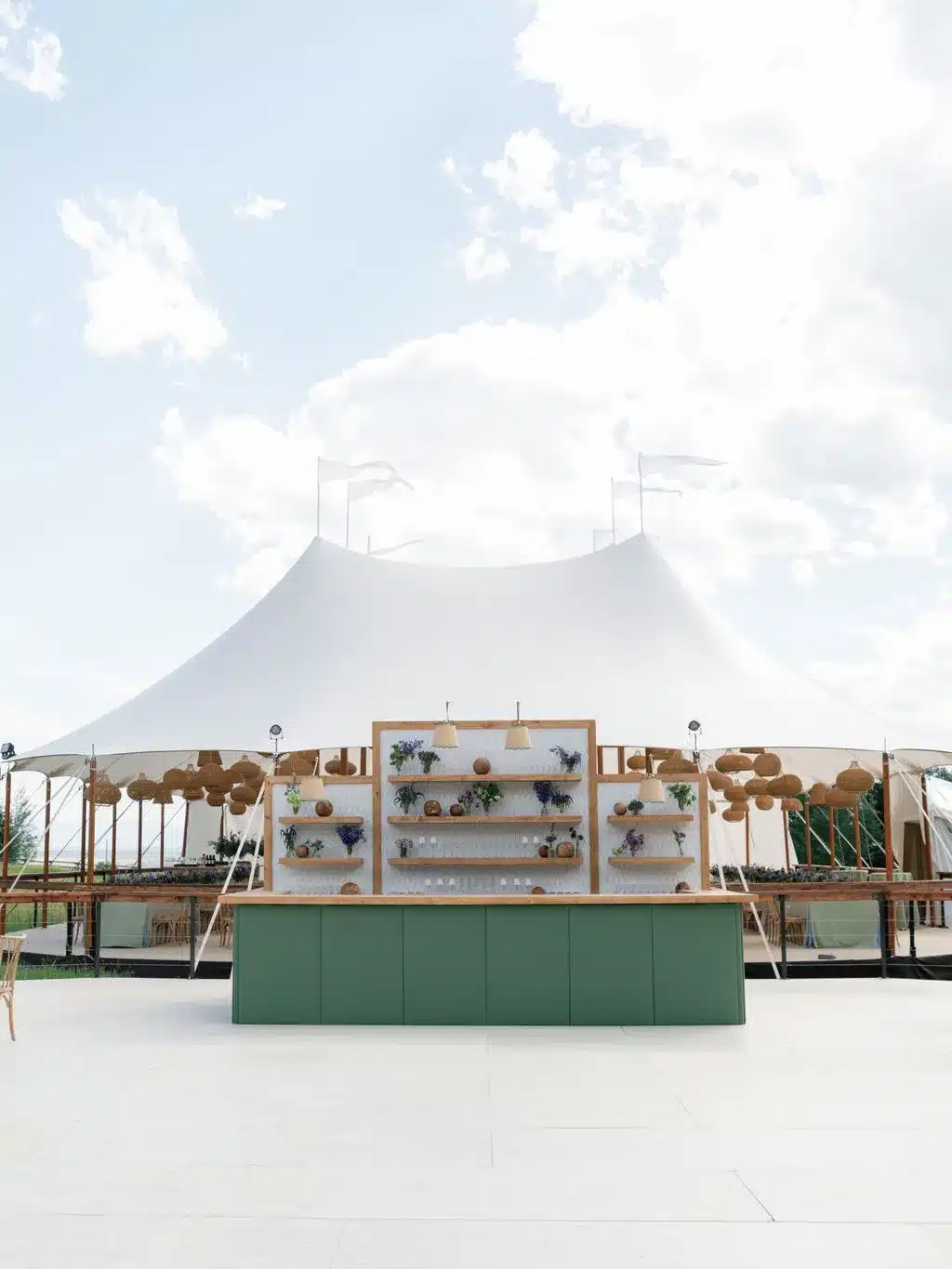
Start with priorities: guest count, ceremony sightlines, food service style, and entertainment. Sketch zones, place the largest elements first (dance floor, head table, buffet), then add tables and circulation paths. Iterate with floor‑planning tools or your rental partner until sightlines and spacing feel right.
A reliable workflow is: define priorities and nonnegotiables; place anchors (dance floor, band, stage, main service areas); draw primary circulation routes; add seating and secondary zones; review with vendors for service access; and run a plan‑view walk‑through, and, if possible, an in‑person check. Allow time for at least two iterations: an initial layout for count and flow, and a final layout that reflects confirmed rentals, vendor needs, and timeline constraints.
Thoughtful spatial design, where function meets atmosphere, is what makes a wedding both comfortable and memorable. Read more in Creative Event Lighting Design Ideas for Tents.
What Tools And Techniques Help Create Custom Tent Layouts?
Floor‑planning software speeds accurate iterations, test table counts, aisle widths, and sightlines virtually. For a hands‑on approach, graph paper and scaled cutouts are still effective. And working with an experienced rental partner gives you practical feedback on spacing, anchoring, and service flow.
Test layouts in layers: a footprint layer with tent edges and anchors; a furniture layer with tables and chairs; a service layer showing catering and bar paths; and a guest‑experience layer that checks sightlines to the head table and stage. When you can, sketch a simple elevation or perspective to confirm tall centerpieces won’t block views. Before final sign‑off, confirm vendor load‑in access, electrical needs, and any perimeter treatments like draping or uplighting.
How Does Skyline Tent Company Support Personalized Layout Planning?
We specialize in custom tent solutions and bring hands‑on planning experience to every consultation. Our team helps match tent style and size to your guest list, suggests efficient traffic patterns, and recommends finishes and accessories that meet your design and comfort goals. The result is a layout that looks intentional and runs smoothly on the day. We cover this further in Transform Your Wedding with Custom Tent Decor Ideas Today.
To make consultations productive, come prepared: bring your guest list and a site sketch, note accessibility needs, and collect photos of tent setups you like. Expect the vendor to discuss install windows, anchoring options, and sequencing, what arrives first, what’s staged offsite, and how weather contingencies will be handled. Clear communication up front shortens decisions and minimizes last‑minute changes.
Which Accessories And Enhancements Lift A Tent Seating Plan?
The right accessories turn a tent from shelter into a comfortable, cohesive venue. From flooring to climate control, these choices shape how guests feel and how the space performs.
How Do Custom Flooring, Elevated Platforms, And Climate Control Add Comfort?
Solid flooring creates a level, stable surface for tables and walking and makes staging and dancing easier. Platforms and stages define focal areas and improve visibility. Climate control, fans, heaters, or portable HVAC, keeps guests comfortable whatever the season, and it’s often an underrated part of tent planning.
Beyond comfort, practical accessory choices improve operations: non‑slip dance surfaces, carpeted aisles for quieter movement during ceremonies, and durable runners near service zones to reduce wear. Plan power routing for climate control and lighting so cords and equipment don’t become trip hazards; a clear equipment plan eases setup and teardown.
What Luxury Décor And Lighting Pair Well With Tent Seating?
Lighting establishes mood: chandeliers for formal elegance, string lights for a warm glow, and uplighting to emphasize structure. Thoughtful centerpieces and layered textures on tables finish the look while keeping the room functional.
Layer lighting for flexibility: an ambient wash for the entire tent, task lighting for bars and service areas, and accent lighting to frame the head table or cake. Choose centerpieces that preserve sightlines, lower arrangements for dining tables, taller installations in lounge zones, and pick materials that travel well with the rental schedule to avoid on‑site assembly headaches. For more detail, see our article Stunning Flower Arrangements to Brighten Your Wedding Tent.
How Do You Choose Tables, Chairs, And Linens For A Tent?
Furniture and fabric choices tie comfort to the visual story. Choose chairs that stay comfortable for the expected length of sitting, table sizes that match your layout goals, and linens that support your color story and service needs.
Consider durability and maintenance along with appearance: outdoor receptions may need fabrics that tolerate temperature shifts and cleaning, while delicate linens work best when installation timing keeps them away from food prep. Test chair comfort early, a chair that looks right but is uncomfortable will be noticed before most décor choices.
What Accessories Are Essential For Different Seating Styles And Tent Types?
Banquet setups benefit from long runners and minimal centerpieces so conversation can flow. Round tables often call for layered linens and centerpieces that preserve sightlines. Lounges need durable, comfortable seating and soft textiles to encourage lingering.
How Do Rentals And Custom Options Upgrade A Tent Setup?
Rentals give you flexibility: swap chair styles, try different table footprints, and choose linens that suit the season and theme. Custom touches, unique place settings, bespoke signage, or tailored centerpieces, are the finishing notes that make the design feel personal.
Because rentals are modular, you can prototype a look in a walk‑through or on a scaled plan and tweak it without committing to permanent elements. That flexibility helps you refine both form and function from inspiration to final layout.
Frequently Asked Questions
What factors should you consider when choosing a tent size for your wedding?
Consider guest count, seating style, and activity spaces like the dance floor, buffet, and bars. Use the 10–12 square feet per guest guideline for seated dining, and always review layout needs with your rental partner so they can recommend a size that fits your plan comfortably.
How can you incorporate personal touches into your tent seating arrangements?
Personal touches make seating feel intentional: custom place cards, meaningful centerpieces, or tabletop items that tell your story. Photos, heirlooms, and curated signage can be woven through tables and lounges to reflect your personalities.
What are some tips for managing guest seating preferences?
Collect special seating requests early, accessibility needs, family dynamics, or dietary considerations, and use that information to create sensible table groupings. Online seating tools help you visualize changes and keep the final chart organized.
How do you ensure accessibility for guests with mobility issues?
Plan clear, wide pathways and place accessible seating close to key areas. Use ramps instead of steps where possible, and choose chairs that are easy to get in and out of. Confirm surfaces are smooth and stable for wheelchairs and walkers.
What are the benefits of using floor planning software for your tent layout?
Floor planning software lets you test configurations quickly and accurately, check sightlines, and confirm table counts and circulation before setup day. Many tools include templates and measurement features that reduce surprises.
How can you create a flow between different areas of your tent?
Map major zones first, ceremony, dining, bar, and dance, then create clear paths between them. Avoid clustering high‑traffic features near seating that should remain peaceful. Signage and subtle zoning (rugs, lighting, furniture groupings) help guide guests naturally.
How Much Space Is Needed Per Person In Various Seating Configurations?
Space needs vary by setup: banquet seating generally needs about 10–12 square feet per guest; round tables are more comfortable at 12–15 square feet per guest; theater seating can fit 6–8 square feet per person but limits dining interaction.
What Are Best Practices For Arranging Seating In Different Tent Sizes?
In smaller tents, favor round tables and tighter groupings to keep the atmosphere intimate. In larger tents, mix seating styles to create distinct zones for dining, dancing, and socializing, and use focal elements like a raised head table or central dance floor to organize the room.
Finally, run a simulated service walkthrough on paper or with your vendors: visualize where servers will stage trays, where plates will be cleared, and how guests will enter and exit. This operational view often reveals pinch points a purely aesthetic review misses, letting you smooth flow before the rental trucks arrive.
Conclusion
Custom tent seating is where design and logistics meet. When it’s done well, guests are comfortable, service runs smoothly, and the room reflects your vision. Use tent type, seating style, and practical planning tools to shape a layout that supports the flow of your day. Partnering with an experienced rental team like Skyline Tent Company means the details are handled so you can enjoy the celebration. Start with a clear plan, test your layout, and leave room to refine, your tent can be both beautiful and effortless. For inspiration from past installs, browse our tent gallery.