
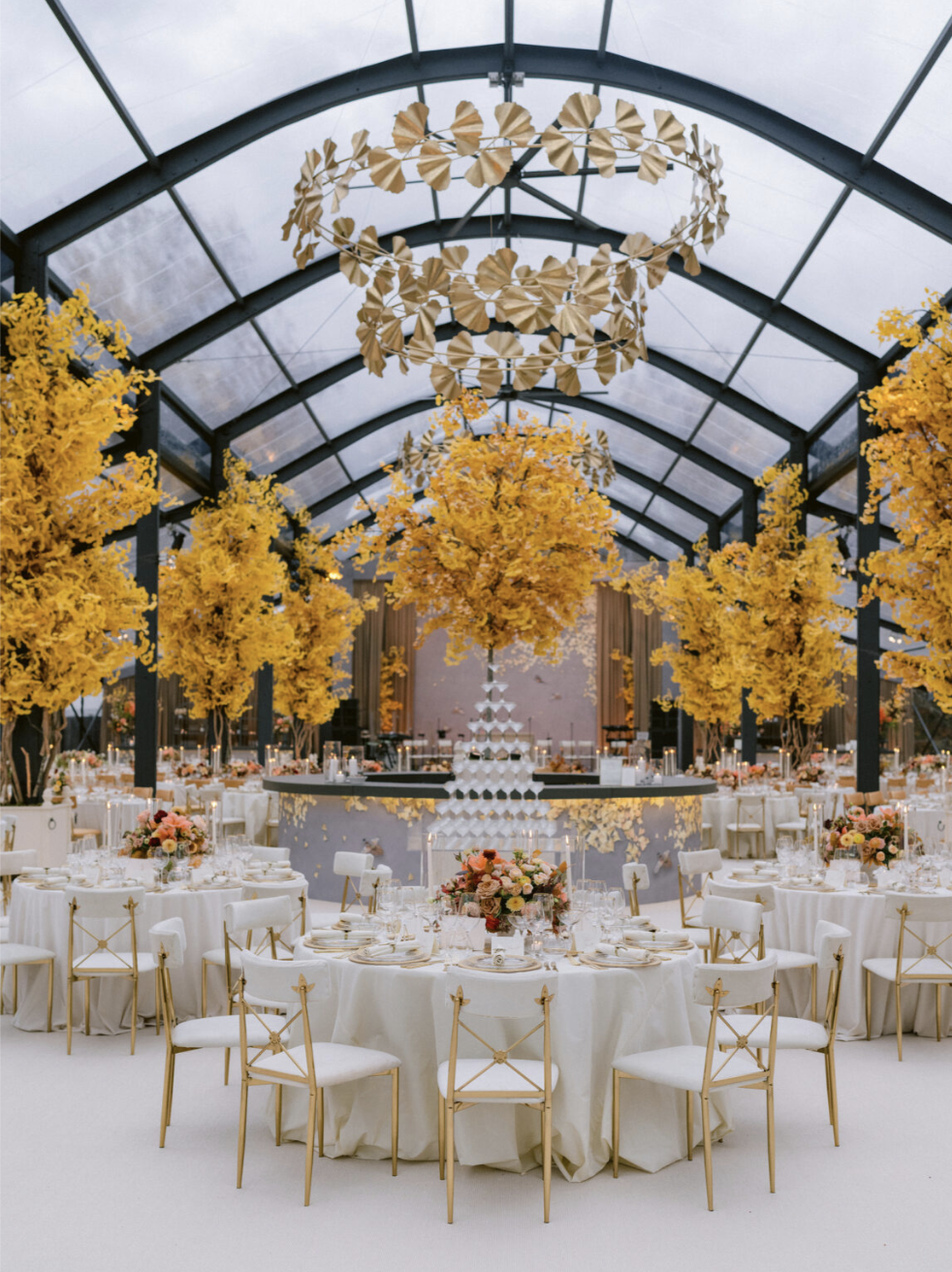
Temporary flooring is one of the most important structural elements in outdoor event planning. While tents, lighting, and décor often receive the most attention, flooring directly impacts guest comfort, accessibility, operational efficiency, and overall safety. A properly installed flooring system transforms uneven outdoor terrain into a stable and visually refined environment that supports dining, entertainment, staging, and guest circulation.
Outdoor venues present unique logistical challenges that permanent indoor spaces do not. Grass, gravel, soft ground, moisture, drainage issues, and changing weather conditions all affect how an event functions. Temporary flooring helps stabilize these environments while improving movement for guests, vendors, catering teams, and production crews.
Beyond functionality, flooring also contributes to the visual identity of an event. Elegant finishes create a more polished atmosphere for weddings and luxury gatherings, while durable modular systems support high-volume corporate functions and festivals. Choosing the right flooring solution requires balancing aesthetics, durability, installation efficiency, maintenance requirements, and environmental conditions.
When flooring is planned strategically from the beginning of the event-development process, it reduces operational disruptions, improves scheduling efficiency, and supports a more seamless guest experience from setup through breakdown.
Importance of Temporary Flooring in Outdoor Events
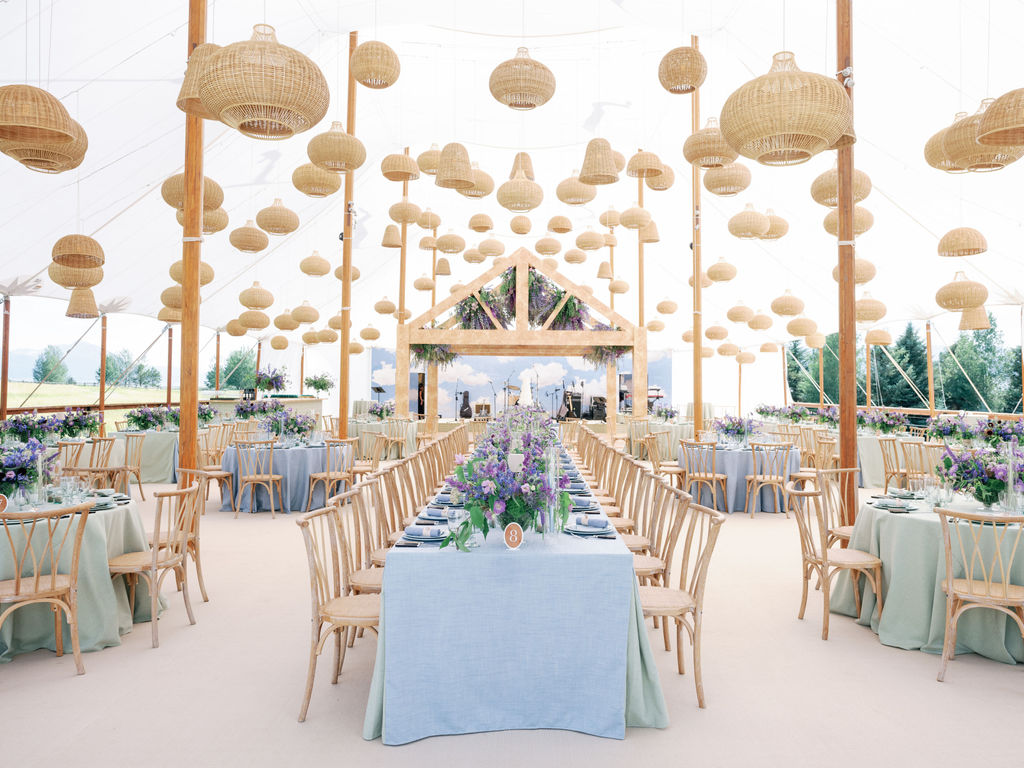
Temporary flooring improves safety, enhances presentation, and creates a more functional environment for both guests and event staff. Outdoor venues often contain uneven terrain, soft ground, and weather-related challenges that can quickly affect event operations if surfaces are not stabilized properly.
A stable flooring system also protects furniture, staging equipment, and heavy installations from shifting or sinking during the event. This becomes especially important for weddings, corporate events, galas, and luxury tented environments where guest experience and operational precision are major priorities.
Improving Guest Safety and Accessibility
Guest safety should always be one of the primary considerations when planning outdoor events. Temporary flooring minimizes common hazards caused by unstable or slippery surfaces.
A properly designed flooring system helps:
- Reduce slip-and-fall risks during wet conditions
- Improve wheelchair and stroller accessibility
- Create smoother circulation paths between event zones
Ramped transitions and edge treatments are also important because they prevent trip hazards and improve accessibility compliance for guests with mobility limitations.
Well-planned flooring layouts allow guests to move comfortably between dining areas, stages, dance floors, lounges, and service spaces without disruption.
Enhancing Event Appearance and Operational Efficiency
Flooring significantly influences how guests perceive the quality of an event environment. Uneven ground or exposed surfaces can make even well-designed venues feel unfinished or poorly coordinated.
Professional flooring installations improve:
- Overall venue presentation and visual consistency
- Stability for tables, staging, and production equipment
- Efficiency for catering and operational teams
In large-scale outdoor events, flooring also simplifies logistics by creating designated pathways for equipment transport, vendor access, and guest movement.
When operational flow and aesthetics work together, the event environment feels more refined and professionally executed.
Types of Temporary Flooring Systems
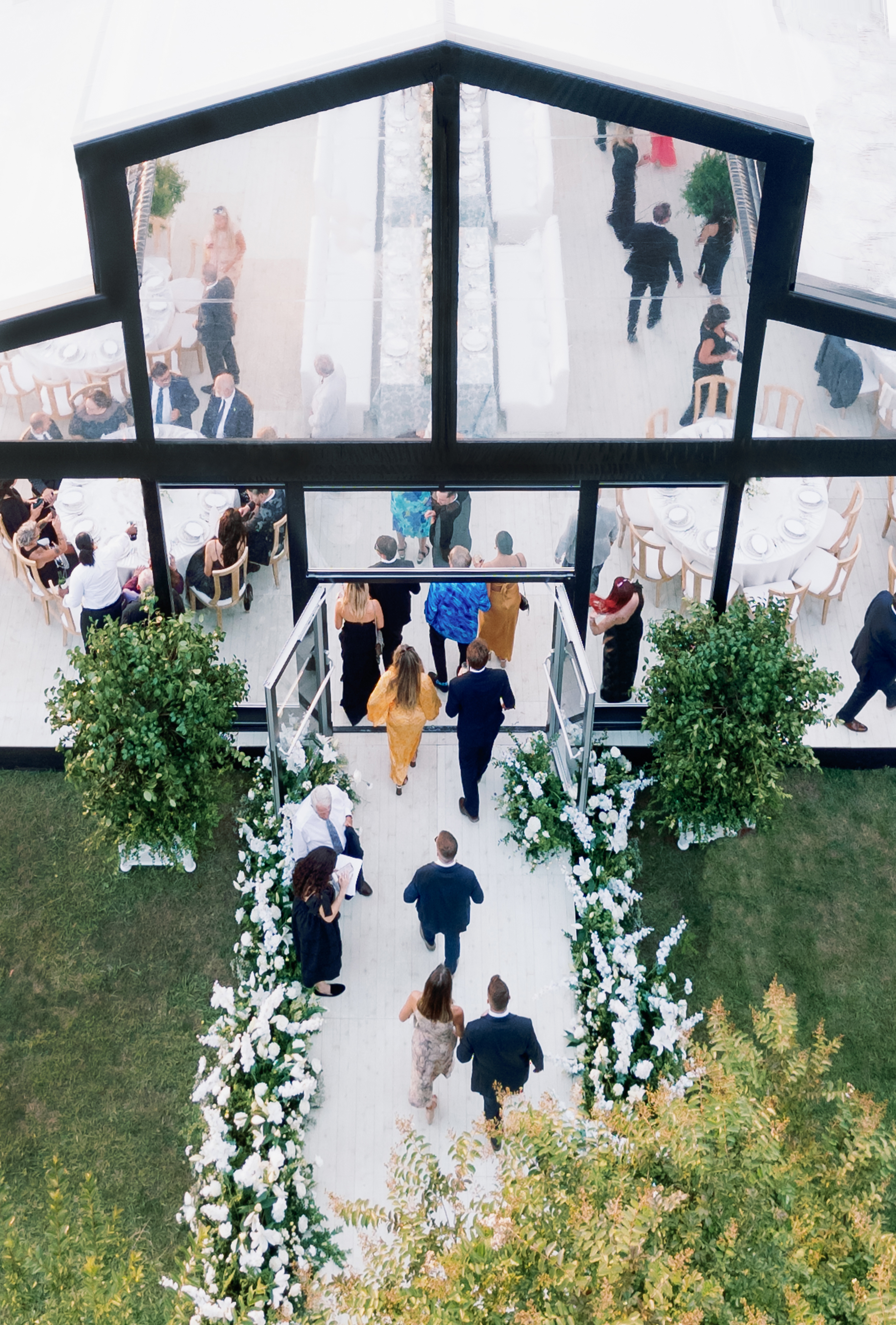
Different flooring systems serve different operational purposes. Some prioritize quick installation and durability, while others focus on elegance, comfort, or adaptability to uneven terrain.
Selecting the right flooring type depends on guest count, event style, site conditions, weather exposure, and installation timelines.
Interlocking Tiles and Modular Flooring Systems
Interlocking tile systems are widely used because they provide fast installation, strong traction, and layout flexibility. These systems are especially useful for festivals, outdoor walkways, trade-show environments, and high-traffic event areas.
Their modular construction allows crews to:
- Expand layouts quickly for changing event needs
- Install flooring without specialized tools
- Replace damaged sections without rebuilding entire surfaces
Many tile systems are manufactured from weather-resistant polymers that tolerate moisture and repeated use, making them practical for long-term event operations.
Modular flooring systems offer additional structural support by creating elevated or leveled platforms above uneven terrain. These systems are commonly used beneath stages, seating platforms, and hospitality structures where consistent surfaces are essential.
Portable Dance Floors and Carpet Installations
Portable dance floors are specifically designed for high-activity zones where durability and appearance are equally important. These systems support heavy foot traffic while maintaining structural stability during dancing and entertainment.
Dance-floor systems improve:
- Guest comfort during long periods of activity
- Visual consistency between entertainment zones
- Stability under amplified sound and lighting systems
Outdoor carpets provide a softer and more refined finish often used in weddings, luxury lounges, and formal event spaces. Carpet systems also help reduce noise levels and improve overall comfort underfoot.
However, carpets require more maintenance than modular systems and should always be selected in outdoor-rated materials capable of handling moisture exposure and debris accumulation.
When combining carpet with other flooring systems, transition zones should be carefully planned to avoid uneven seams or trip hazards.
Planning Installation and Preparing the Site
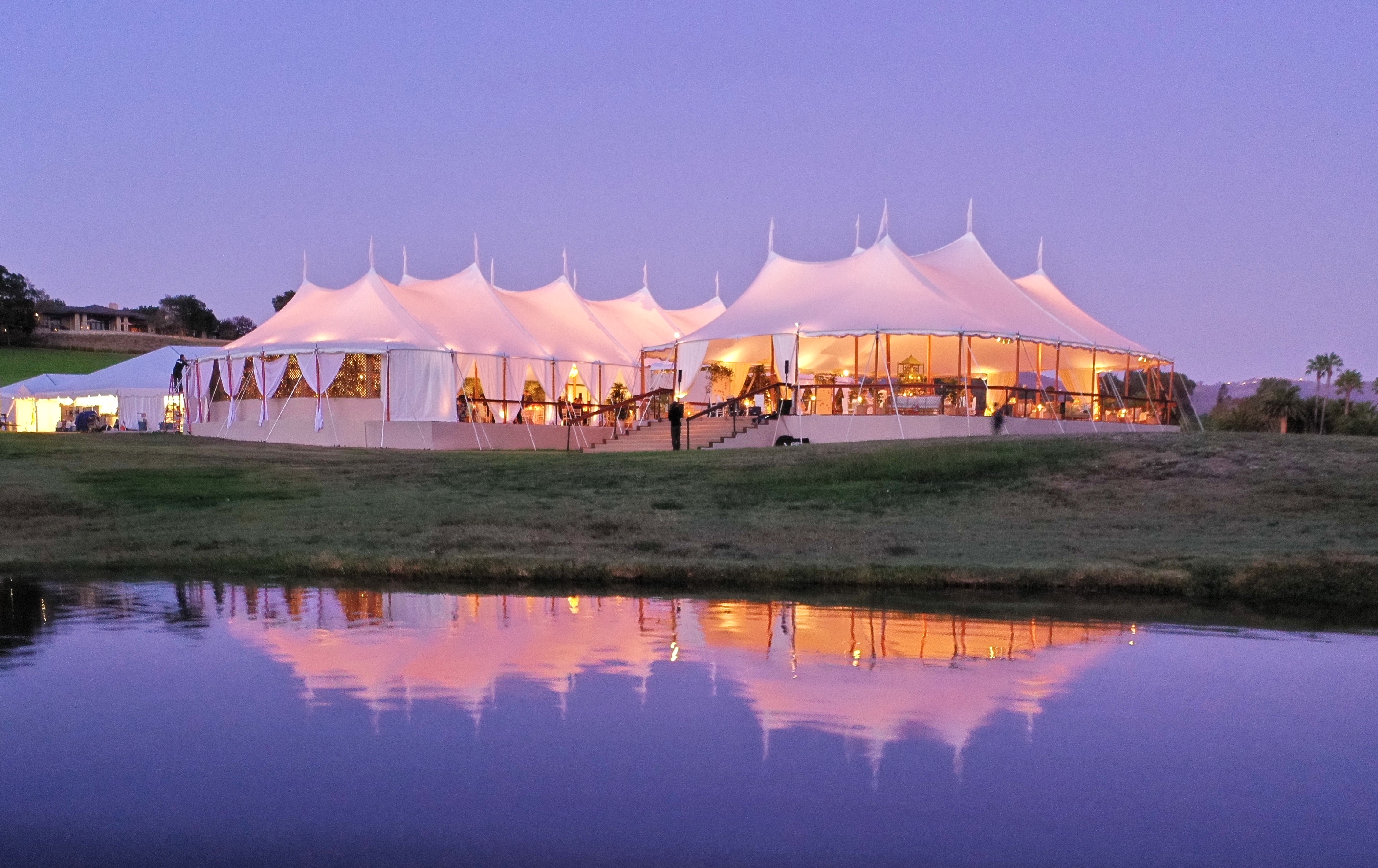
Successful flooring installation begins long before panels or tiles arrive on-site. Site preparation, logistics planning, and installation sequencing all affect how efficiently the system performs during the event.
Proper preparation also reduces the likelihood of safety issues, structural instability, or costly delays during setup.
Conducting Site Assessments Before Installation
Every outdoor venue presents unique environmental and logistical conditions. A full site inspection allows planners to identify uneven ground, drainage concerns, utility conflicts, and equipment-access limitations before installation begins.
Important site-assessment considerations include:
- Ground stability and moisture conditions
- Equipment access routes and staging areas
- Underground utilities and anchoring restrictions
Soft or uneven ground may require stabilization materials or raised sub-floor systems to maintain structural integrity throughout the event.
Drainage planning is especially important because standing water beneath flooring can create long-term stability and safety problems.
Organizing Installation Logistics and Crew Coordination
Efficient installation depends heavily on sequencing and communication between crews. Flooring systems should be installed in a way that prevents unnecessary equipment traffic over completed sections.
To improve installation efficiency:
- Separate machinery routes from pedestrian work zones
- Install edge ramps and safety transitions early
- Coordinate closely with tent, lighting, and staging teams
Documenting the flooring layout through diagrams and photographs also simplifies troubleshooting and helps crews restore the site efficiently during breakdown.
Installation schedules should include extra time for weather delays, adjustments, and final safety inspections before guests arrive.
Choosing Flooring Based on Event Style and Venue Conditions
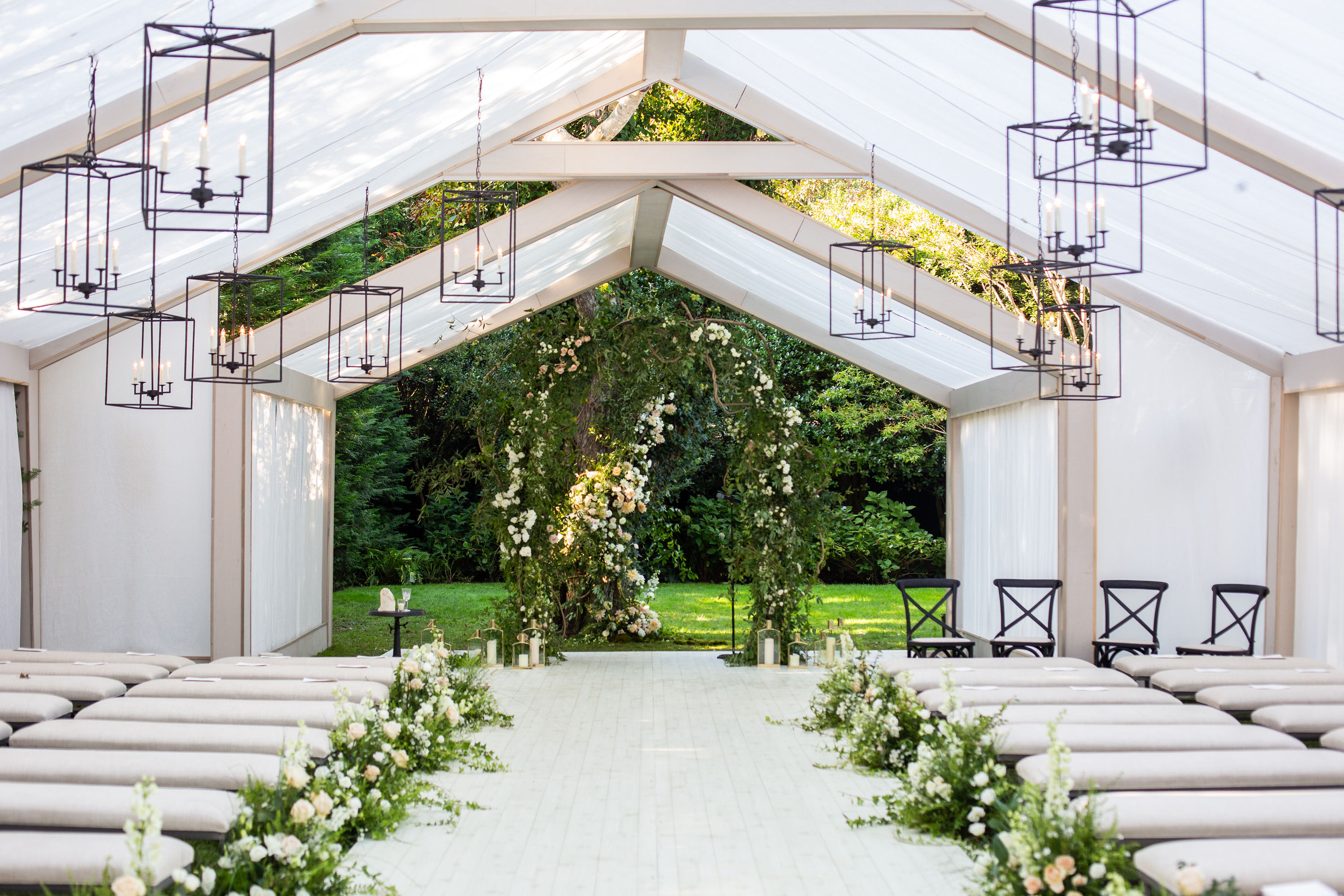
Flooring selection should align with the event’s operational goals, environmental exposure, and design expectations. Different venues and event formats require different combinations of durability, comfort, and visual presentation.
A flooring system that works well for a corporate expo may not be appropriate for a luxury wedding or outdoor gala.
Matching Flooring Systems to Event Requirements
Large-scale festivals and public events often prioritize durability and installation speed, while luxury events focus more heavily on aesthetics and guest comfort.
Before selecting a system, planners should evaluate:
- Guest count and expected foot traffic
- Equipment loads and staging requirements
- Desired visual style and atmosphere
Corporate events frequently benefit from modular flooring systems capable of supporting heavy production equipment and high guest circulation.
Luxury weddings often incorporate carpeted aisles, premium dance floors, and wood-look finishes to create a more elevated environment.
Matching flooring performance to operational requirements improves both efficiency and guest satisfaction.
Environmental Sustainability and Material Considerations
Sustainability has become increasingly important in modern event planning. Many event organizers now prioritize flooring systems that reduce waste and support long-term environmental goals.
Eco-conscious flooring strategies include:
- Selecting recyclable or reusable flooring materials
- Reducing single-use adhesives and coverings
- Choosing modular systems designed for repeated deployment
Protective underlayers can also reduce turf damage and minimize site restoration work after the event concludes.
In addition to material selection, cleaning products and maintenance procedures should be evaluated to ensure they align with broader sustainability objectives.
Maintaining Temporary Flooring During Outdoor Events
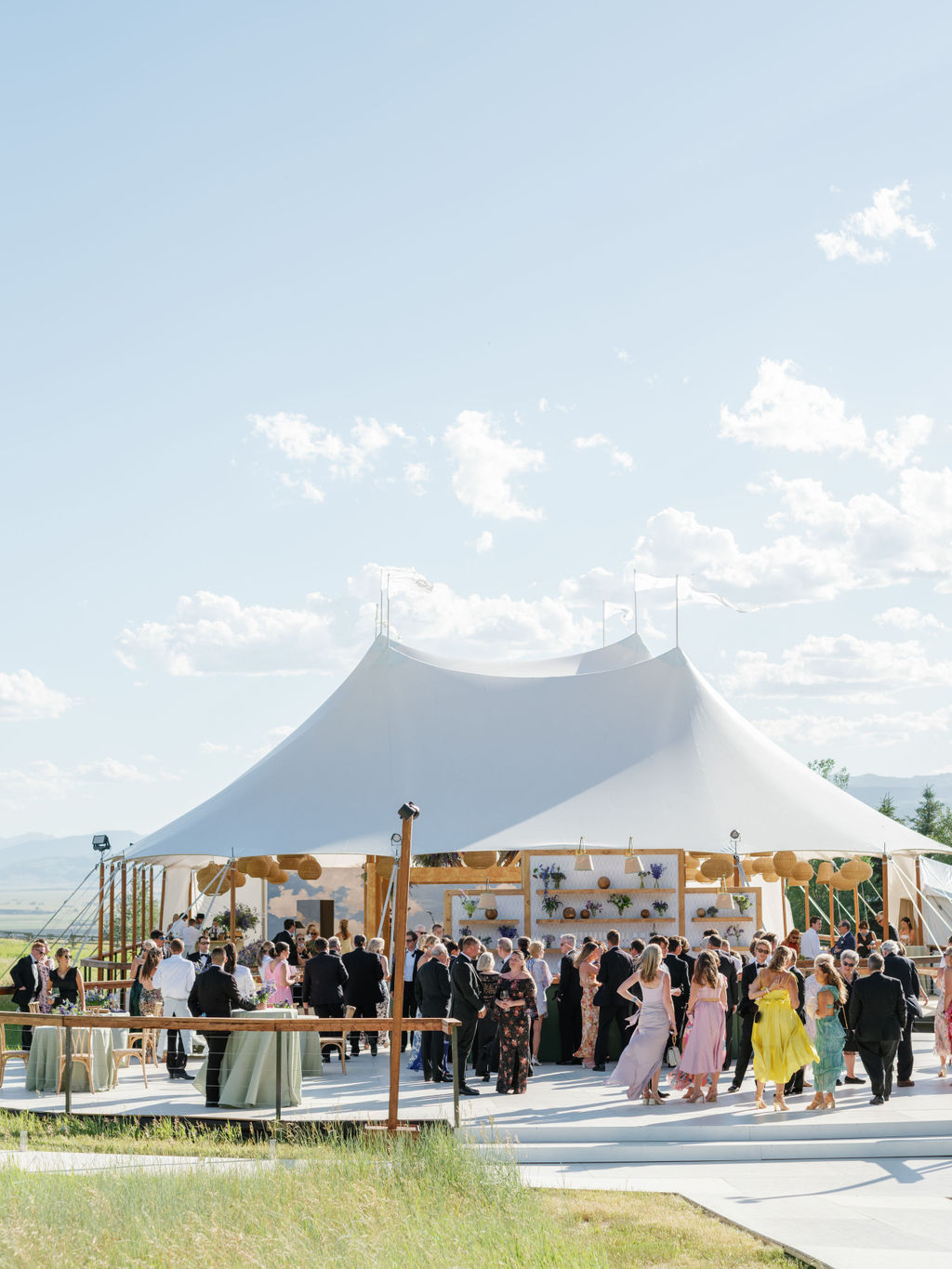
Flooring maintenance does not stop once installation is complete. Active maintenance throughout the event helps preserve appearance, reduce hazards, and maintain structural integrity during high-traffic periods.
Dedicated maintenance planning also improves the lifespan of reusable flooring systems.
Cleaning, Repairs, and Safety Monitoring
Outdoor flooring is exposed to dirt, spills, moisture, and heavy use throughout the event. Without regular maintenance, surfaces can quickly become unsafe or visually inconsistent.
An effective maintenance strategy should include:
- Scheduled inspections of seams and edge transitions
- Immediate spill response and debris removal
- Spare materials for temporary repairs during the event
Maintenance crews should regularly inspect high-traffic corridors, dance floors, entrances, and food-service zones where flooring wear occurs most rapidly.
Quick response procedures help prevent small issues from becoming larger operational or safety problems.
Weather Management and Long-Term Flooring Performance
Weather conditions can change quickly during outdoor events, making contingency planning essential. Rain, humidity, and excessive heat all affect flooring performance differently depending on the material used.
To improve long-term performance:
- Protect vulnerable areas with covered walkways
- Use absorbent materials during rain conditions
- Monitor flooring movement caused by moisture or shifting ground
Proper weather preparation reduces damage to flooring systems while helping maintain guest comfort and safety throughout the event.
Routine inspections during setup, operation, and breakdown also help preserve reusable flooring systems for future deployments.
Frequently Asked Questions
What is the best temporary flooring option for outdoor weddings?
Luxury modular flooring, wood-look panels, and premium dance floors are commonly used for weddings because they combine elegant presentation with structural stability and guest comfort.
Why is temporary flooring important for outdoor events?
Temporary flooring improves safety, accessibility, guest comfort, and operational efficiency while protecting equipment and stabilizing uneven terrain.
How do modular flooring systems work on uneven ground?
Modular systems often include adjustable sub-structures that compensate for slopes and uneven surfaces, creating stable and level event environments.
What flooring option is best for high-traffic outdoor events?
Interlocking tiles and reinforced modular systems are ideal for high-traffic environments because they provide strong traction, durability, and fast installation.
Can multiple flooring types be combined in one event?
Yes. Many events combine systems such as modular flooring, carpets, and dance floors to define different zones while maintaining a cohesive appearance.
How can flooring systems support sustainability goals?
Reusable modular systems, recyclable materials, and reduced use of single-use coverings help minimize waste and improve sustainability in outdoor event planning.
Why should I work with a professional flooring provider?
Professional providers ensure proper installation, safety compliance, layout coordination, and compatibility with site conditions and event infrastructure requirements.
Conclusion
Temporary flooring plays a critical role in creating safe, functional, and visually refined outdoor event environments. From modular flooring systems and portable dance floors to luxury carpet installations, each solution offers unique advantages depending on the event’s goals, venue conditions, and operational requirements.
Proper planning, installation coordination, and ongoing maintenance all contribute to successful flooring performance throughout the event lifecycle. Flooring systems influence guest comfort, accessibility, logistics, and overall event perception far more than many planners initially realize.
SkyLine Tent Company provides professional event infrastructure solutions designed to support weddings, corporate events, luxury gatherings, and large-scale outdoor productions. By combining expert planning with carefully selected flooring systems, event organizers can create outdoor environments that balance elegance, durability, and operational reliability.
With thoughtful preparation and experienced coordination, temporary flooring transforms outdoor venues into polished and efficient spaces capable of delivering exceptional guest experiences under a wide range of environmental conditions.