
Lighting defines atmosphere for outdoor tented events, and investing in high end lighting for event tents can dramatically elevate the overall guest experience. This guide summarizes high-end fixtures, practical installation steps, and ambient concepts that enhance weddings, corporate functions, and private parties. It also explains how to size and style lighting by guest count and event type to help planners deliver reliable, polished results. Understanding the nuances of lighting can transform a simple tent into a breathtaking venue that captivates guests and enhances the overall experience. From the initial design phase to the final installation, every lighting choice plays a crucial role in setting the mood and ensuring functionality throughout the event.
What Are the Best Luxury Event Lighting Solutions for Outdoor Tents?
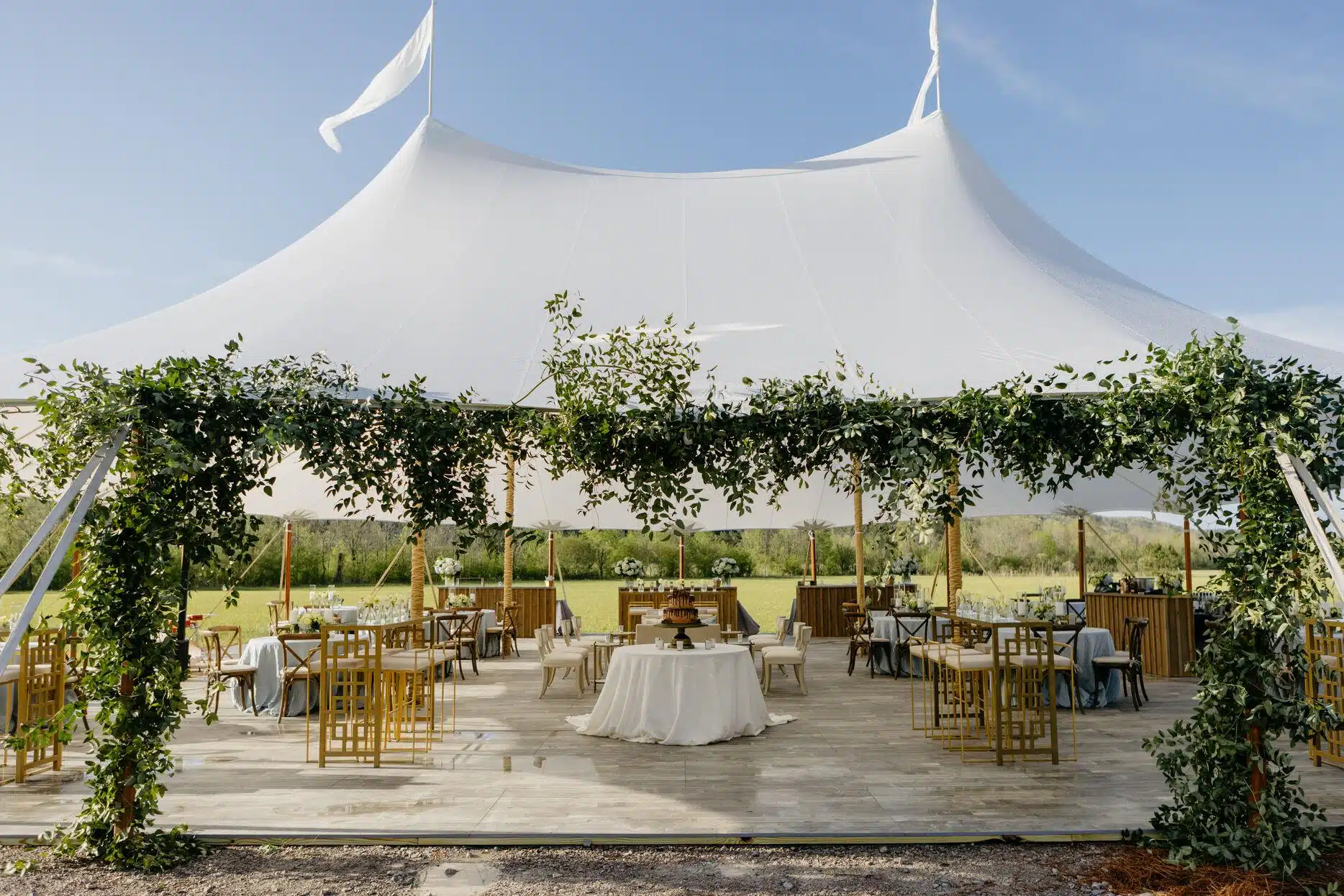
Modern lighting, particularly LED and uplighting technologies, effectively creates dynamic event environments. These technologies offer energy efficiency, longevity, and a wide range of color options that can be tailored to any event theme or style. The ability to control lighting intensity and color remotely allows event planners to adapt the ambiance in real-time, responding to changes in the event flow or guest preferences. High-end lighting solutions not only illuminate the space but also contribute to the storytelling aspect of the event, highlighting key moments and architectural features.
A few reliable luxury options consistently lift tent design:
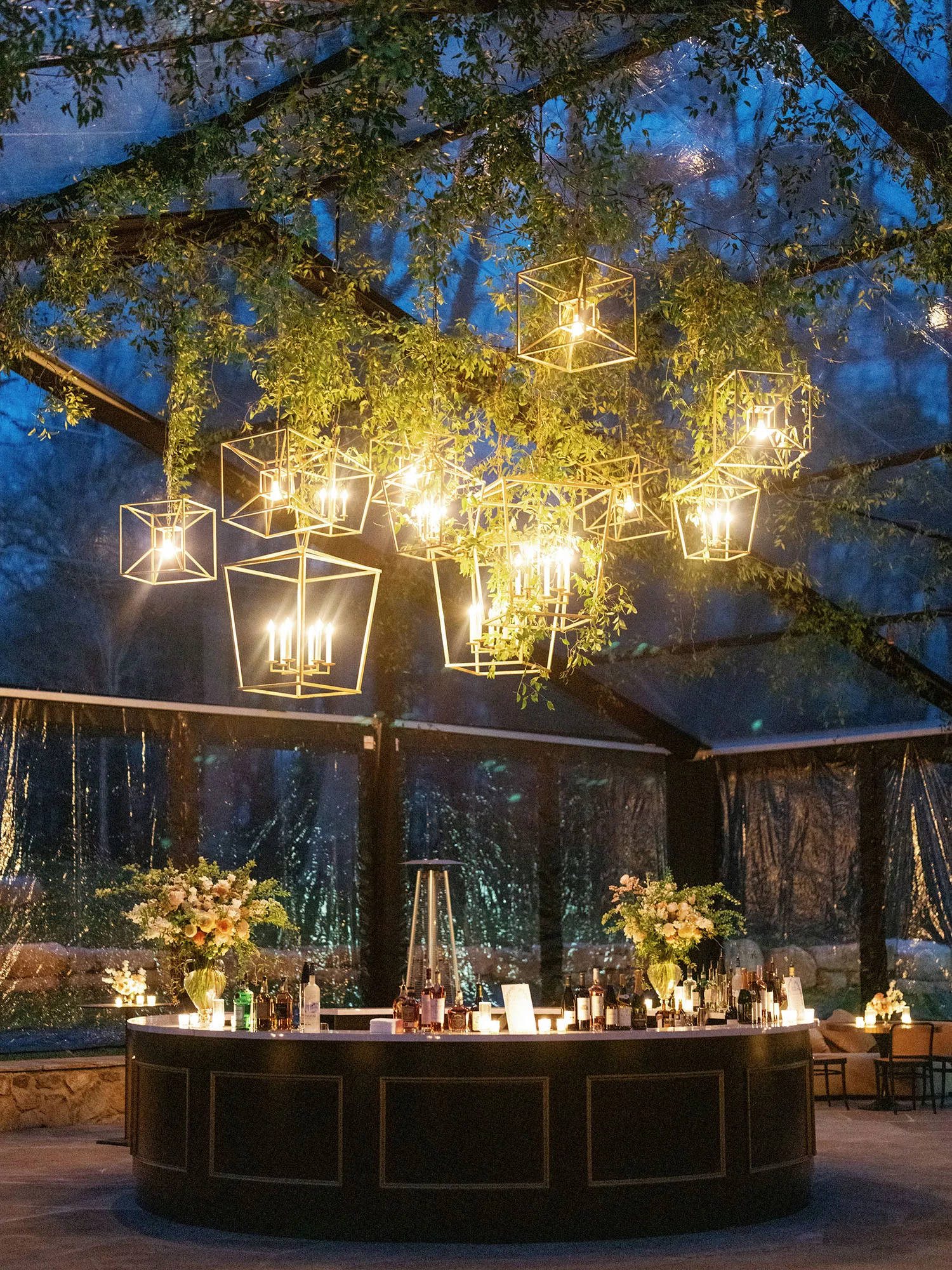
- Chandeliers: Add elegance and a clear focal point for formal events. They come in various styles, from classic crystal to modern minimalist designs, allowing customization to match the event’s theme.
- LED uplighting: Versatile color control to accent peaks, draping, and exterior structures. These lights can be programmed to change colors gradually or in sync with music, enhancing the immersive experience.
- String lights: Create warmth and intimacy when draped or layered. They are perfect for adding a soft glow that encourages social interaction and comfort.
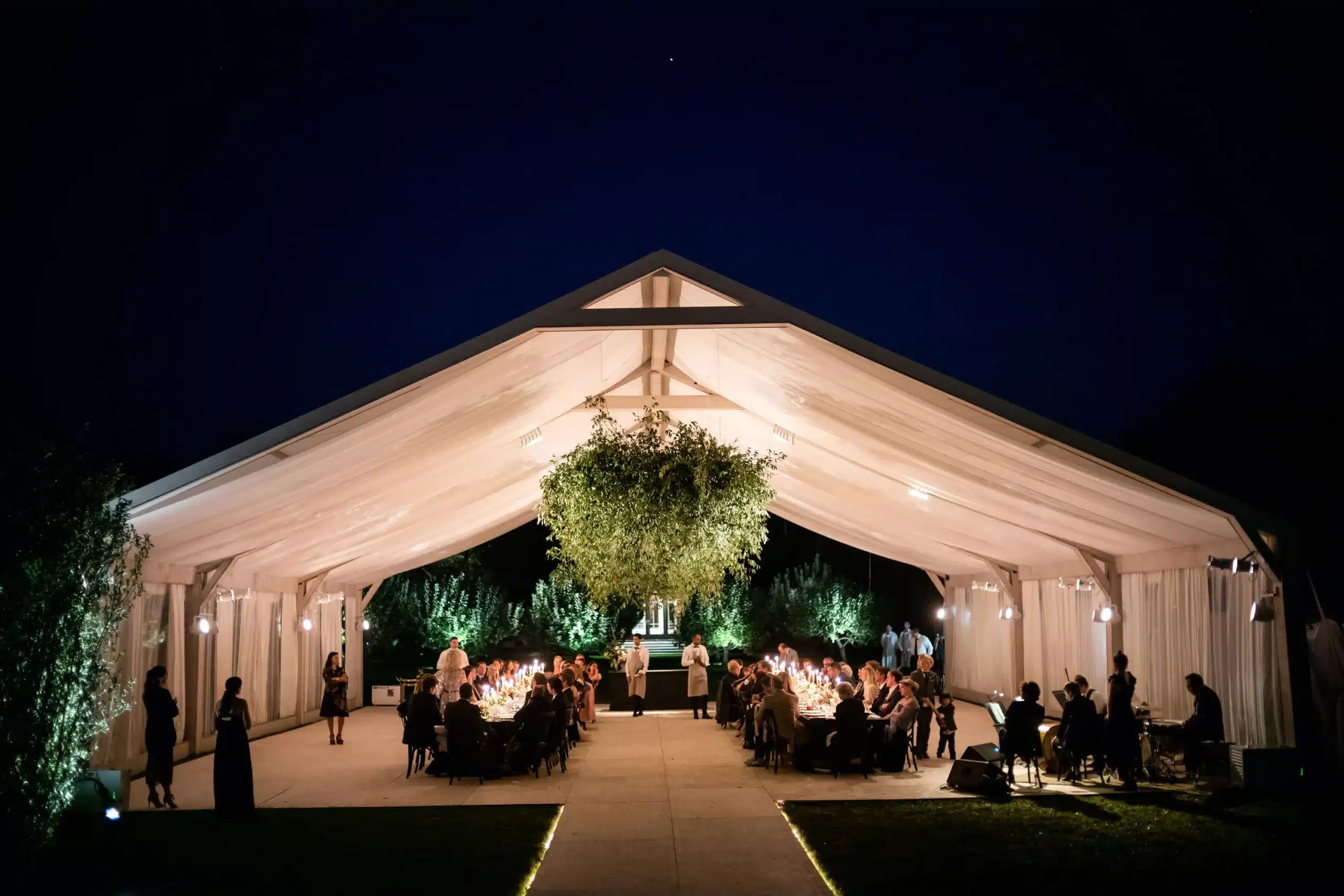
Combining these fixtures gives depth and a memorable visual character while supporting circulation and focal areas. Thoughtful integration of these elements ensures that the lighting complements the tent’s architecture and the event’s overall design, creating a cohesive and inviting environment.
Which LED and Ambient Lighting Types Enhance Tent Atmosphere?
LED and ambient systems shape mood and visibility with low heat and flexible control. Their adaptability makes them ideal for outdoor settings where temperature and weather conditions can vary. These lighting types also reduce energy consumption and minimize the risk of overheating, which is essential for safety and comfort.
- Chandeliers – serve as dramatic centerpieces. Their placement and style can define the event’s tone, whether it’s a grand gala or an intimate gathering.
- String lights – soft, unobtrusive glow for social zones. They help delineate spaces within the tent, such as lounge areas or dining sections, without overwhelming the senses.
- Colored uplighting – themeable accents that transform fabric and structure. This lighting can highlight architectural details or create visual interest by casting shadows and patterns.
Use layered control (dimmers, zones) so fixtures serve both ambience and wayfinding. This approach allows for seamless transitions between different parts of the event, enhancing guest experience and safety.
How Do Lighting Choices Complement Tent Structures and Decor?
Thoughtful placement and color lift architecture and decor. Lighting can emphasize the tent’s unique features, such as high peaks or transparent walls, while harmonizing with the interior design elements like drapes, floral arrangements, and furniture.
- Guides movement: Light paths and highlight entryways. Proper illumination ensures guests can navigate safely and intuitively, reducing confusion and congestion.
- Visual appeal: Accent peaks, drape, and centerpieces. Strategic lighting draws attention to key design elements, enhancing the overall aesthetic.
- Atmosphere: Vary intensity and hue to match programming. Different event segments, such as speeches or dancing, benefit from tailored lighting moods.
Coordinate fixtures with structural points (poles, beams) to enhance depth and cohesion. This integration not only supports the tent’s stability but also creates a polished, professional look that elevates the event’s prestige.
How to Plan and Install Tent Lighting for Outdoor Events Safely and Effectively?
Planning balances design, power, and safety from the start. Early collaboration with electricians, lighting designers, and venue managers ensures that all technical requirements are met without compromising the creative vision. You may also find Transform Your Tent: Creative Holiday Lighting Solutions helpful.
Effective event lighting combines aesthetic design with strategic installation to transform venues. Proper planning includes assessing power availability, selecting appropriate fixtures, and scheduling installation to minimize disruption.
- Layered design – combine ambient, task and accent for balance. This ensures that the lighting supports various activities and moods throughout the event.
- Secure mounts – fasten fixtures to rated points to prevent movement. Stability is crucial for safety and maintaining the intended lighting effects.
- Hire professionals for complex rigs or high-capacity power needs. Experienced technicians can troubleshoot issues and optimize system performance.
These steps protect attendees and ensure consistent visual quality. A well-executed lighting plan enhances the event’s professionalism and guest satisfaction.
What Are Essential Tent Lighting Installation Tips and Safety Guidelines?
Follow simple, proven practices to minimize risk. Safety should never be compromised for aesthetics.
- Use weather-rated fixtures for exposed or damp conditions. This prevents electrical hazards and extends fixture lifespan.
- Plan wiring routes to avoid trips and moisture exposure. Concealed and secured wiring reduces accidents and maintains a clean appearance.
- Inspect all connections and mounts before guests arrive. Routine checks catch potential failures early.
Prioritize durable fittings and documented inspections for liability and reliability. Keeping detailed records supports compliance with safety regulations and insurance requirements.
How Does Site Logistics and Power Planning Influence Lighting Setup?
Logistics determine what is practical and reliable on site. Understanding the venue’s infrastructure and limitations guides fixture selection and placement.
- Tent dimensions dictate fixture count and placement. Larger tents require more fixtures and careful zoning to avoid uneven lighting.
- Power assessment prevents overloads—allocate circuits and backups. Proper distribution avoids outages and equipment damage.
- Weather planning secures fixtures and protects feeds. Contingency plans for adverse conditions ensure uninterrupted lighting.
Early coordination with venue and power vendors avoids last-minute compromises. This collaboration streamlines setup and reduces stress on event day.
What Ambient Lighting Ideas Create Stunning Wedding and Luxury Event Tents?
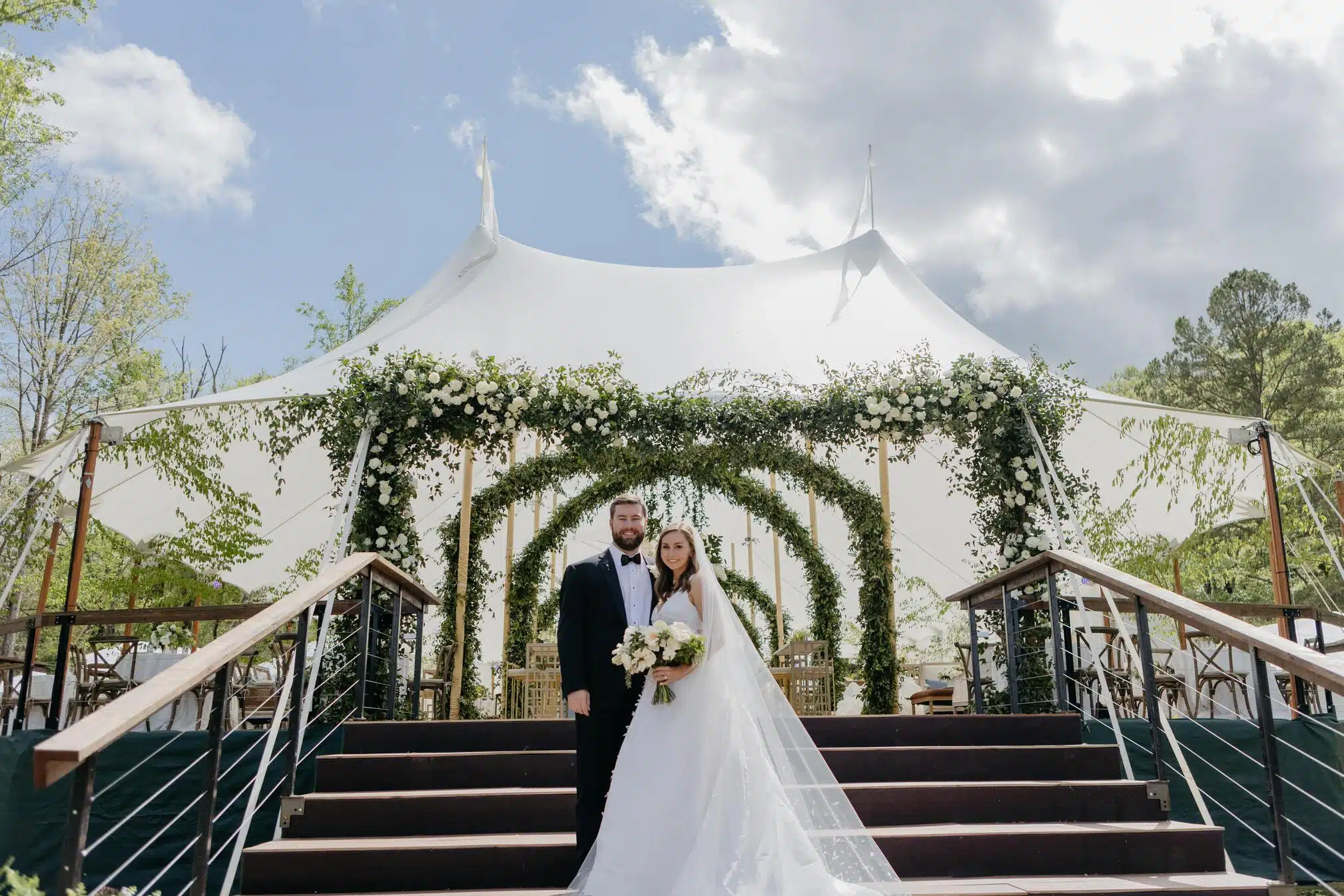
Ambient schemes set the tone for weddings and upscale events. They create an inviting and romantic atmosphere that enhances the emotional impact of the occasion. Lighting can be used to highlight special moments, such as the first dance or cake cutting, making them more memorable.
- Crystal chandeliers – dramatic, formal impact. Their sparkling facets reflect light beautifully, adding glamour and sophistication.
- LED uplighting – color accents for fabric and florals. These lights can be customized to match wedding colors and themes, creating a harmonious visual experience.
- Fairy lights – delicate layers for romantic settings. Their twinkling effect adds magic and charm, perfect for evening celebrations.
Thoughtful layering with decor, floor finishes, and centerpieces creates a cohesive luxury look. Coordinating lighting with other design elements ensures a seamless and immersive environment that delights guests. For more detail, see our article Event Tent Lighting Solutions: Bright Ideas for Brilliance.
Which Ambient Lighting Designs Elevate Wedding Tent Experiences?
Target focal fixtures to dining, ceremony and dance areas for clarity and mood. Each zone benefits from tailored lighting that supports its function and ambiance. We cover this further in Luxury Outdoor Tent Lighting Ideas for Stunning Events.
- String lights – intimate social areas. They encourage relaxed conversation and connection among guests.
- Chandeliers – ceremony and head-table focal points. These fixtures draw attention to key participants and moments.
- Uplighting – highlight florals and architectural lines. This adds depth and texture to the visual composition.
Use scenes to shift the tent from ceremony to reception without rewiring. Programmable lighting systems allow smooth transitions that maintain energy and engagement.
How to Integrate Lighting with Flooring and Decor for Cohesive Luxury Events?
Match lighting layers to textures and colors in flooring and decor. This coordination enhances the overall aesthetic and creates a unified design language.
- Layered lighting creates depth around seating and dance areas. It balances brightness and shadow to define spaces.
- Color coordination keeps palettes consistent across fixtures and fabrics. This avoids visual clashes and supports the event’s theme.
- Feature highlights draw attention to installations and signage. Strategic illumination guides guests and emphasizes important details.
A short mock-up or lighting plot helps visualize final impact. Testing different configurations before the event ensures the desired effect is achieved.
How to Choose Event Tent Lighting Based on Guest Count and Event Type?
Scale and style depend on attendance and program. Understanding the audience and event goals informs lighting decisions that enhance comfort and engagement.
- Guest count affects total lumen needs and fixtures. Larger groups require more comprehensive coverage to avoid dark spots.
- Event type determines style—formal, corporate, or party-driven looks differ. Each type demands a unique lighting approach to support its atmosphere.
- Tent size informs fixture spacing and zoned control. Proper spacing ensures even illumination and efficient power use.
Use zoned control to allocate brightness where needed while conserving power. This flexibility allows for dynamic adjustments throughout the event.
Why Does Guest Count Influence Lighting Intensity and Layout?
More guests need broader, consistent coverage; activity areas require focused light. Proper lighting supports safety, visibility, and mood.
- Larger events need additional fixtures for even illumination. This prevents overcrowding in well-lit areas and underlit zones.
- Multiple zones (dining, bar, dance) need different intensities. Tailoring light levels enhances functionality and comfort.
- Theme alignment ensures lighting complements the event concept. Cohesive design strengthens brand or personal expression.
Align fixture type and placement with the guest flow to avoid dark pockets. Thoughtful planning improves guest experience and event flow.
What Lighting Solutions Suit Different Event Types Like Corporate or Social Gatherings?
Tailor fixtures to function: clear, focused light for corporate; soft, warm for weddings; dynamic for parties. Each setting benefits from lighting that supports its unique activities and tone.
- Corporate – task lighting plus soft ambient for networking. This combination fosters professionalism and approachability.
- Weddings – warm, flattering light and decorative fixtures. These elements create a romantic and celebratory atmosphere.
- Parties – color-changing LEDs and controllable effects. Dynamic lighting energizes the crowd and encourages participation.
Plan control presets to switch quickly between program segments. Efficient control systems reduce downtime and maintain event momentum.
Frequently Asked Questions
What are the key considerations for outdoor tent lighting during different seasons?
Seasonally adjust brightness and equipment: summer may need less artificial light, while winter requires more power and weather protection. Select fixtures rated for expected conditions and secure mounts against wind, rain, or snow. Consider the angle of natural light during different times of the year to optimize artificial lighting use and reduce energy consumption.
How can I create a themed lighting design for my event tent?
Start with a concise color palette and fixture style. Use warm tones and lanterns for rustic themes or cool LEDs and strips for modern looks. Add gobos or projections for pattern work without overcomplicating the rig. Incorporate textures and layering to add depth and interest, ensuring the lighting complements other design elements like fabrics and floral arrangements.
What are the benefits of hiring a professional for tent lighting installation?
Professionals size power, specify compliant fixtures, and implement safe mounting and wiring. Their experience reduces risk and speeds setup, especially for multi-zone or high-capacity installs. They also bring creative insight, helping to maximize the impact of lighting within budget and logistical constraints.
How can I ensure my tent lighting is energy-efficient?
Choose LED fixtures, use dimmers and zoned control, and minimize fixture count by using targeted accents. For remote sites, consider battery or solar options where appropriate. Regular maintenance and timely replacement of outdated equipment further improve efficiency and reduce operational costs.
What safety measures should I take when using lighting in outdoor tents?
Use weather-rated gear, approved wiring methods, secure mounts, and perform pre-event inspections. When mains power is limited, rely on approved battery systems to reduce load and hazards. Establish clear emergency protocols and ensure all staff are trained to respond to electrical issues promptly. See every structure we offer in our luxury tent rentals.
How can I use lighting to enhance guest interaction at my event?
Define activity zones with distinct light levels: softer, warmer light for conversation areas; brighter, dynamic light for dance or performance zones. Highlight service and entertainment points to draw attendees. Interactive lighting elements, such as color-changing fixtures controlled by guests, can also increase engagement and create memorable experiences. For inspiration from past installs, browse our tent gallery.
Conclusion
High-end lighting, chandeliers, LED uplighting, and string lights, transforms tents into refined venues. Prioritize layered design, safe installation, and appropriate power planning to ensure a polished, reliable experience. Work with qualified technicians for complex setups and use zoned controls to adapt atmosphere across an event. Thoughtful lighting design not only enhances aesthetics but also improves functionality and guest comfort, making every event under the tent truly exceptional.