
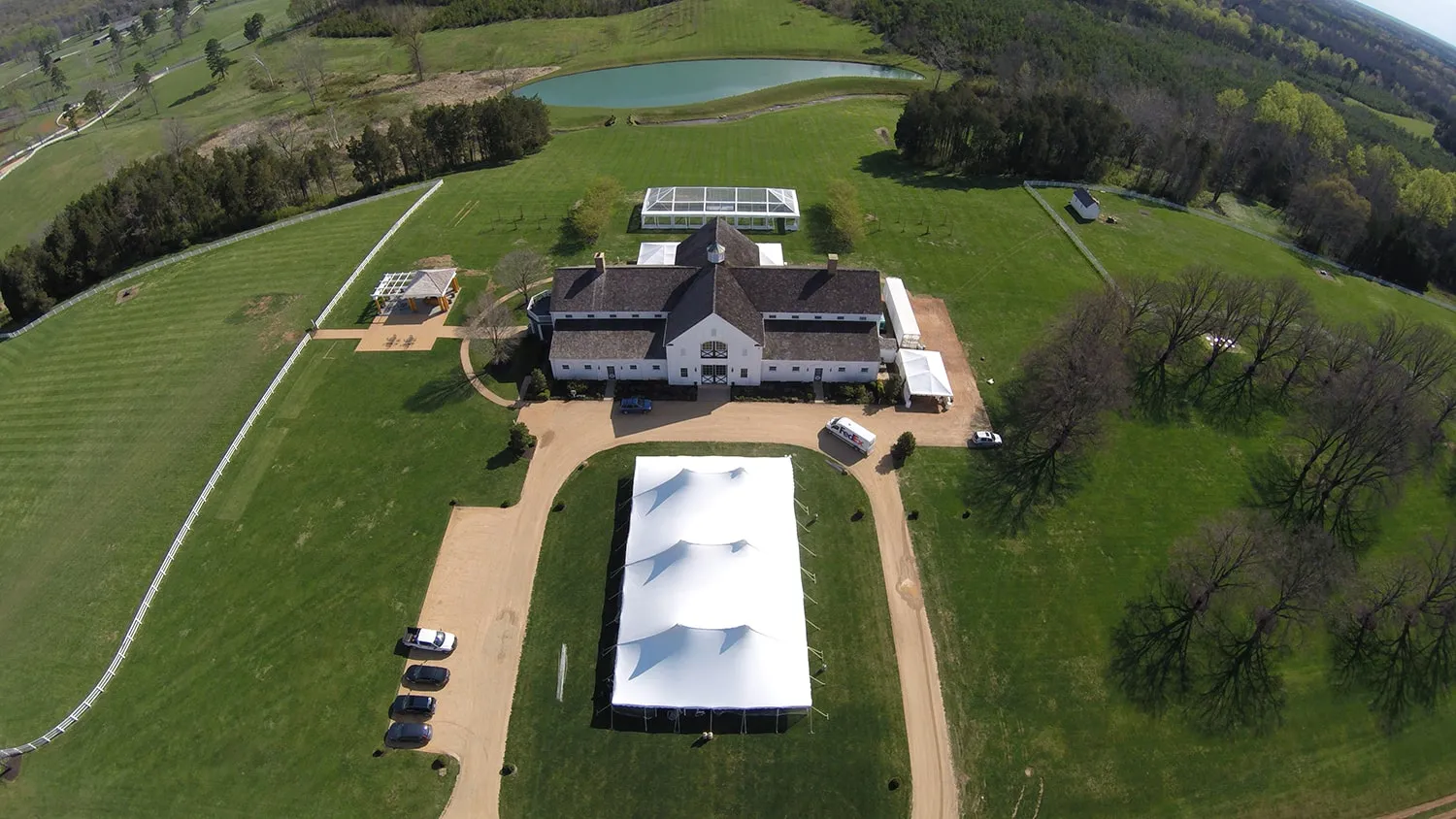
Choosing the right location for a wedding tent installation involves evaluating ground stability, accessibility, drainage, weather exposure, and permit requirements. The ideal site must safely support the tent structure while providing enough space for guest movement, vendor access, and event activities. When these factors are considered early in the planning process, couples and event planners can create a comfortable and visually appealing outdoor venue that operates smoothly throughout the celebration.
Outdoor weddings often rely on temporary structures to transform open spaces into elegant reception environments. The location of the tent plays a major role in determining how easily the event can be set up, how guests move through the space, and how well the structure performs during changing weather conditions outlined in a complete summer wedding tent guide. A thorough site evaluation helps ensure the tent installation supports both logistical efficiency and guest comfort. Taking the time to carefully select the site can also reduce last-minute challenges and unexpected costs, making the entire event experience more enjoyable for everyone involved.
Key Site Assessment Factors for Wedding Tent Placement
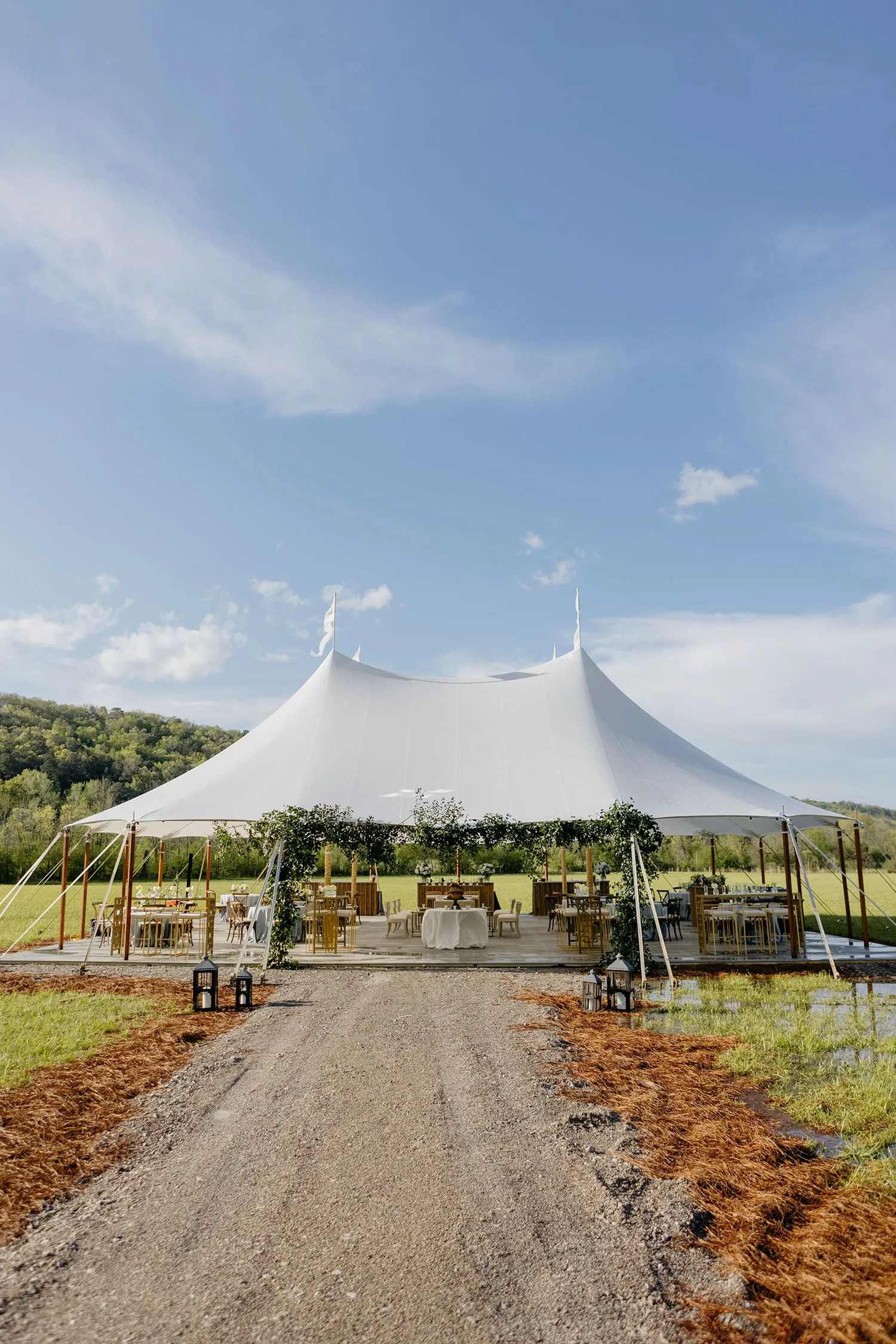
Before installing a wedding tent, planners must evaluate the physical characteristics of the site. Ground conditions, accessibility, and nearby utilities all influence how the tent will be installed and how the event will function.
A careful assessment helps avoid problems such as unstable anchoring, difficult vendor access, or limited space for event activities. It also allows planners to anticipate potential challenges related to weather or terrain, ensuring that the event runs smoothly from start to finish. Taking a comprehensive approach to site evaluation can improve safety, enhance guest experience, and optimize the overall flow of the event.
Ground Stability and Levelness
A stable and level surface is one of the most important requirements for professional wedding tent installation. Uneven terrain can create safety risks, interfere with seating arrangements, and make flooring installation more difficult.
Areas that collect water after rainfall or contain soft soil should be identified during the site inspection. Minor grading or temporary leveling systems can sometimes correct these issues and create a more suitable installation area. In some cases, additional reinforcement such as ground mats or platforms may be necessary to provide a secure foundation. Ensuring the ground is firm and even not only protects the tent structure but also enhances guest comfort and accessibility throughout the event.
Accessibility for Guests and Vendors
The tent location should allow easy access for both guests and service vendors. Guests should be able to reach the tent comfortably from parking areas or drop-off points without navigating difficult terrain.
Vendors such as caterers, equipment rental crews, and lighting technicians also need clear access routes to deliver equipment and complete installations efficiently. Planning for delivery vehicles and loading areas helps prevent congestion during setup. Additionally, considering the proximity of restrooms, power sources, and emergency exits during site selection can further improve the event’s functionality and safety. Thoughtful accessibility planning ensures that all participants can move freely and that the event proceeds without unnecessary delays. For more detail, see our article Evaluate Site Logistics for a Flawless Outdoor Event Setup.
Understanding Soil and Ground Conditions
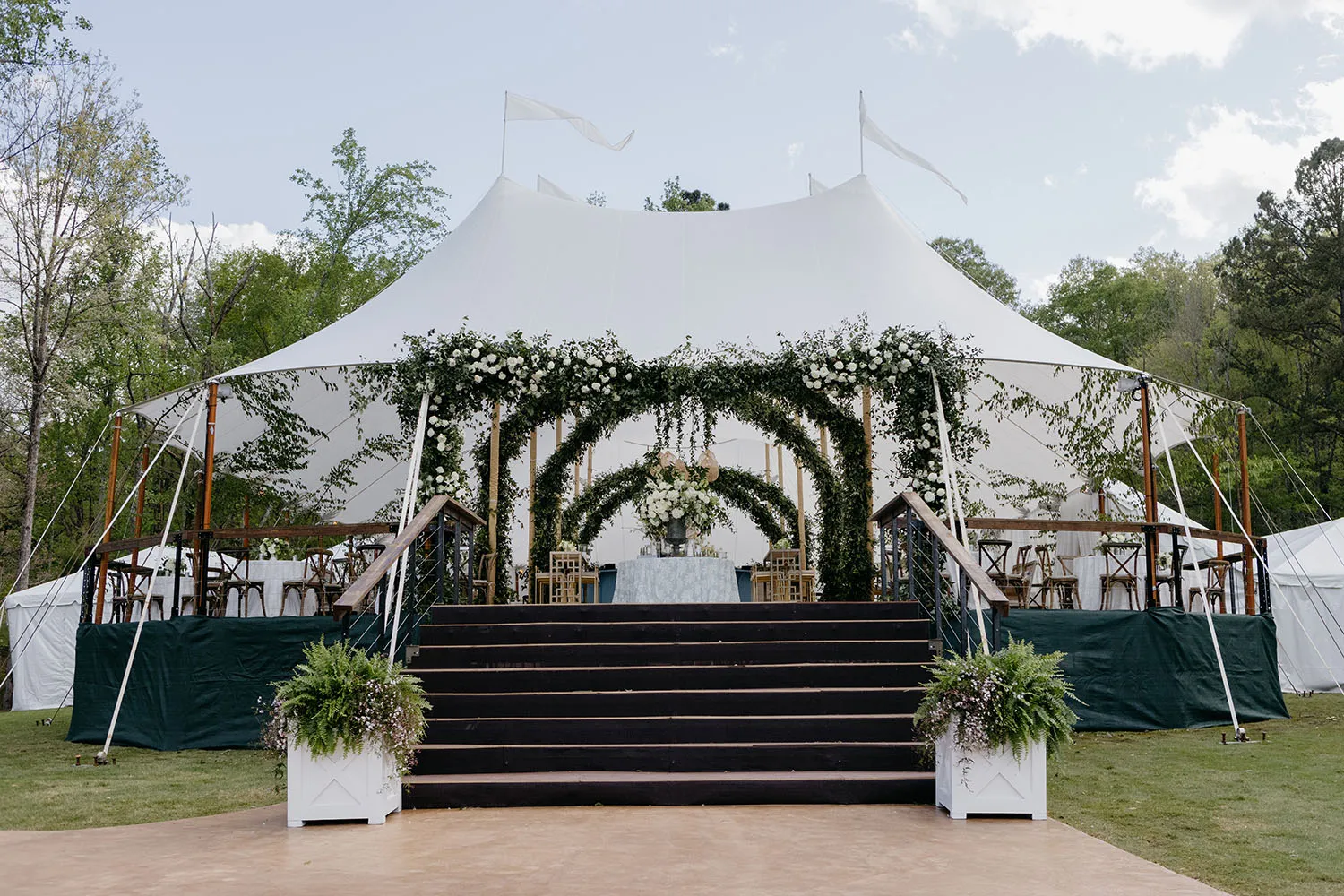
Different soil types affect how well a tent can be anchored. The stability of the ground determines which anchoring systems are most appropriate for securing the structure.
Evaluating soil conditions early allows planners to select the right installation methods and avoid structural problems during the event. Soil testing or consultation with a geotechnical expert may be beneficial for large or complex installations. Understanding the soil’s load-bearing capacity and moisture retention characteristics helps in choosing the best anchoring techniques and materials, ensuring the tent remains secure under various weather conditions. You may also find How to Choose the Right Event Tent Setup helpful.
How Soil Type Affects Tent Anchoring
Soil composition can influence how securely tent stakes hold in the ground. Sandy soil drains well but may require deeper anchors, while clay soil retains moisture and may become unstable after heavy rain.
Rocky or compact ground can make staking difficult, requiring alternative anchoring methods such as weighted ballast systems. In some cases, hybrid anchoring solutions combining stakes and weights provide the best stability. Selecting the appropriate anchoring system based on soil type is critical to prevent tent movement or collapse, especially during windy or stormy weather.
Creating a Level and Stable Installation Surface
A level surface improves both safety and guest comfort. If the ground slopes significantly, temporary flooring platforms or leveling systems may be necessary to create a usable event space.
These adjustments ensure tables, chairs, and dance floors remain stable while guests move throughout the tent. Using modular flooring systems can also protect the ground from damage and provide a clean, attractive surface. Properly preparing the installation surface contributes to a polished event appearance and reduces the risk of accidents or discomfort caused by uneven footing.
Managing Drainage and Terrain for Tent Installation
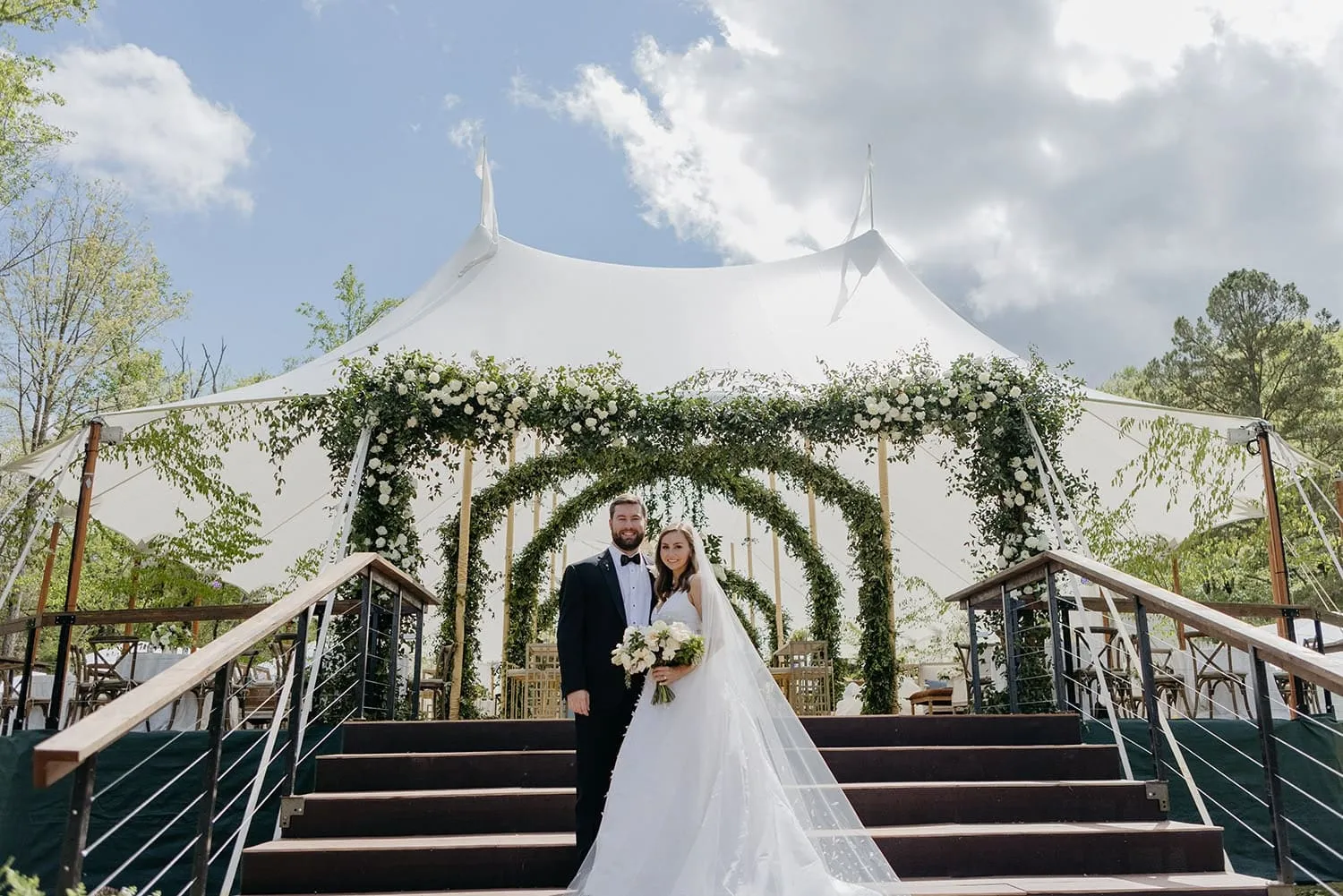
Proper drainage is essential when selecting a tent location. Water accumulation beneath the tent can affect both the structure and the guest experience.
Evaluating the slope and drainage characteristics of the site helps prevent water-related issues during the event. Incorporating natural drainage patterns into the site plan can reduce the need for extensive ground modifications. In some cases, installing temporary drainage channels or using absorbent materials can further protect the event area from moisture buildup.
Preventing Water Pooling Under the Tent
Sites with poor drainage may allow rainwater to collect beneath the tent floor. This can create muddy conditions and discomfort for guests.
Choosing slightly elevated areas or locations with natural drainage patterns helps keep the event space dry. Temporary flooring systems can also reduce the impact of ground moisture. In addition, placing the tent away from low-lying areas or natural water flow paths minimizes the risk of flooding. Proper site selection and preparation ensure that the event remains enjoyable even in wet weather conditions.
Evaluating Terrain Slope for Guest Safety
Steep slopes can create difficulties for seating arrangements and guest movement. A gentle slope may be manageable, but significant elevation changes should be addressed before installation.
Level surfaces allow safer walkways, better table placement, and easier navigation for guests of all mobility levels. When slopes cannot be avoided, installing ramps or handrails can improve accessibility. Careful terrain evaluation also helps in planning emergency evacuation routes and ensuring compliance with safety regulations. Prioritizing guest safety through terrain management enhances the overall success of the event. You may also find Know Tent Placement Restrictions for Your Event Location helpful.
Considering Weather and Environmental Conditions
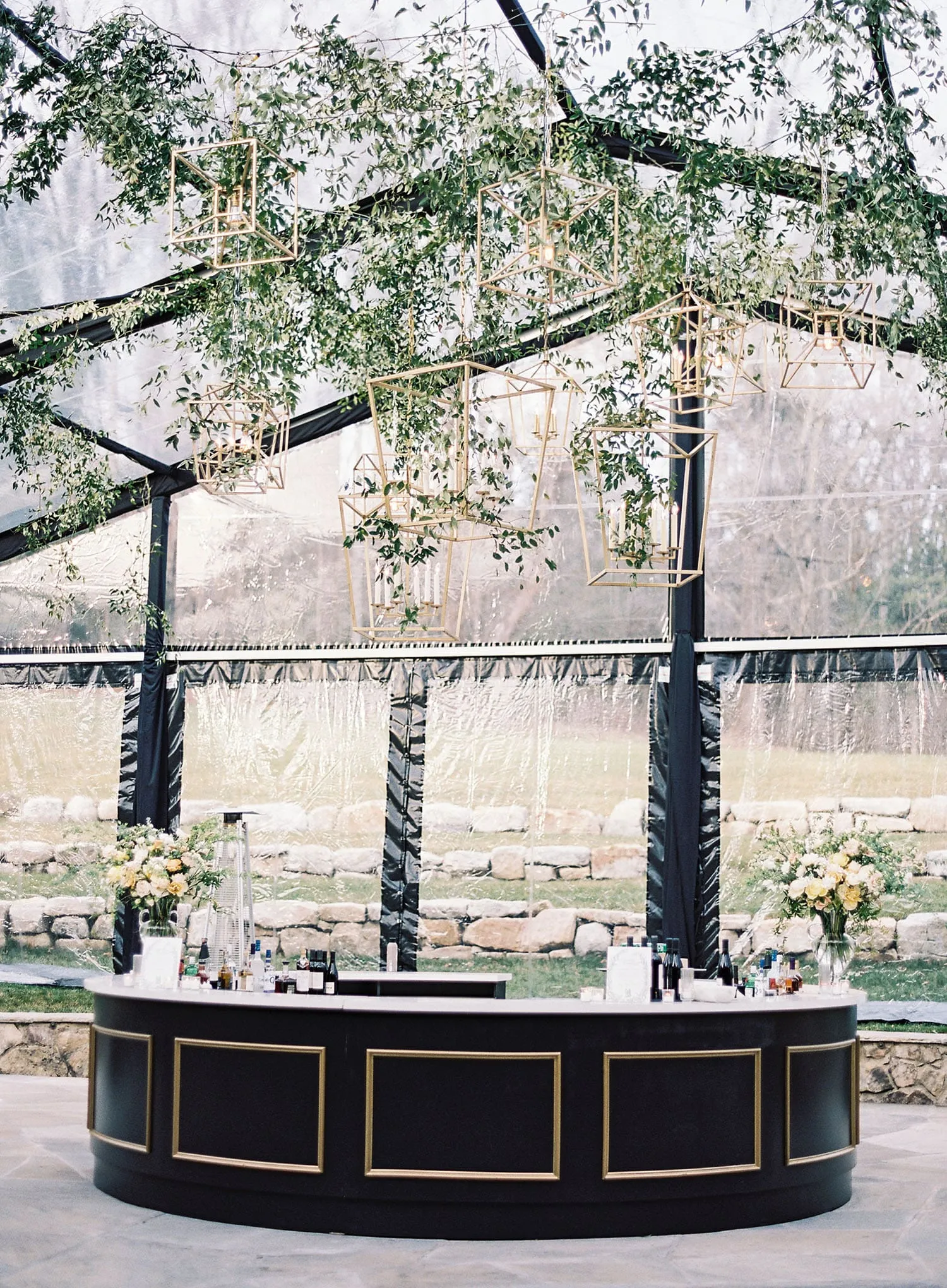
Weather conditions have a major impact on tent placement. Sun exposure, wind direction, and seasonal climate patterns should all influence site selection.
Understanding these environmental factors helps planners position the tent where it will perform best during the event. Considering the time of day and expected weather forecast can guide decisions about tent orientation and additional protective measures. Planning for contingencies such as sudden storms or temperature changes ensures the event remains comfortable and safe for all attendees.
Evaluating Wind and Rain Exposure
Wind can place significant stress on tent structures. Sites that offer natural wind protection from buildings, trees, or landscape features often provide better conditions for installation.
Rain exposure is another important consideration. Selecting areas with good drainage and minimal runoff helps protect the tent and surrounding event space. In some cases, installing windbreaks or additional anchoring can enhance stability. Monitoring local weather patterns and consulting with tent installation experts can help mitigate risks associated with adverse weather conditions.
Using Natural Features for Shade and Protection
Natural landscape elements can enhance the comfort of outdoor events. Trees, nearby buildings, or landscape features may provide shade during warm summer weddings.
At the same time, planners should consider potential risks such as falling branches or restricted anchor placement near tree roots. Balancing the benefits of natural shade with safety concerns is essential. Incorporating decorative elements like drapes or lighting can complement natural features and create a welcoming atmosphere. Thoughtful integration of the environment into the tent design elevates the overall guest experience.
Permits and Regulations for Wedding Tent Installations
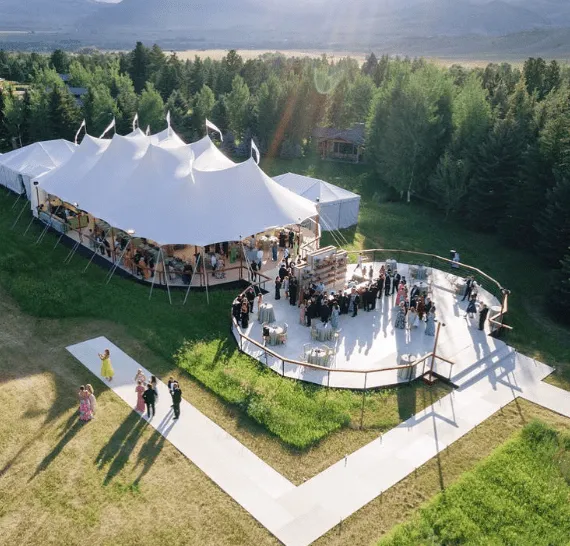
Temporary event structures often require permits depending on their size and location. Local regulations help ensure the installation meets safety and building standards.
Understanding these requirements early in the planning process helps prevent delays or unexpected complications. Engaging with local authorities and reviewing municipal codes can clarify necessary documentation and inspections. Early permit acquisition also allows for smoother coordination with other event vendors and stakeholders.
Common Permits Required for Tent Installations
Many municipalities require permits for large temporary structures such as event tents. These permits confirm that the installation meets local safety regulations.
Some locations may also require occupancy approvals or fire safety inspections for large gatherings. Compliance with these regulations protects both guests and organizers, reducing liability risks. Working with experienced tent providers who understand local permitting processes can streamline approvals and ensure all legal requirements are met.
Navigating Local Event Regulations
Outdoor events may be subject to additional regulations such as noise restrictions, curfews, or property access limitations. Checking these rules ahead of time allows planners to adjust the event schedule if necessary.
Working with experienced tent providers can help simplify this process because they are often familiar with local permitting requirements. Coordinating with neighbors and community organizations may also be beneficial to maintain positive relations and avoid complaints. Proactive communication and thorough planning contribute to a successful and compliant event.
Frequently Asked Questions
What is the most important factor when choosing a wedding tent location?
Ground stability and drainage are among the most important factors because they affect both safety and structural performance. A stable, level site helps ensure the tent remains secure throughout the event.
Can a wedding tent be installed on uneven ground?
Yes, but the ground may need preparation such as grading or temporary flooring systems. These adjustments create a level surface for seating and guest movement.
Do wedding tents require permits?
In many locations, large tents require temporary structure permits or safety inspections. Couples should check local regulations before scheduling installation. Answers to common rental questions are in our tent rental FAQs.
Conclusion
Selecting the right location for a wedding tent installation is essential for creating a safe, comfortable, and visually appealing event environment. Evaluating site conditions, weather exposure, accessibility, and permit requirements helps ensure the tent functions properly and supports a smooth celebration. You may also find What Site Preparation Is Required For A Wedding Tent Installation helpful.
Skyline Tent Company specializes in designing premium tent installations for weddings and large-scale outdoor events. Schedule a private consultation with our team to explore tent solutions that transform your venue into an unforgettable celebration space.