
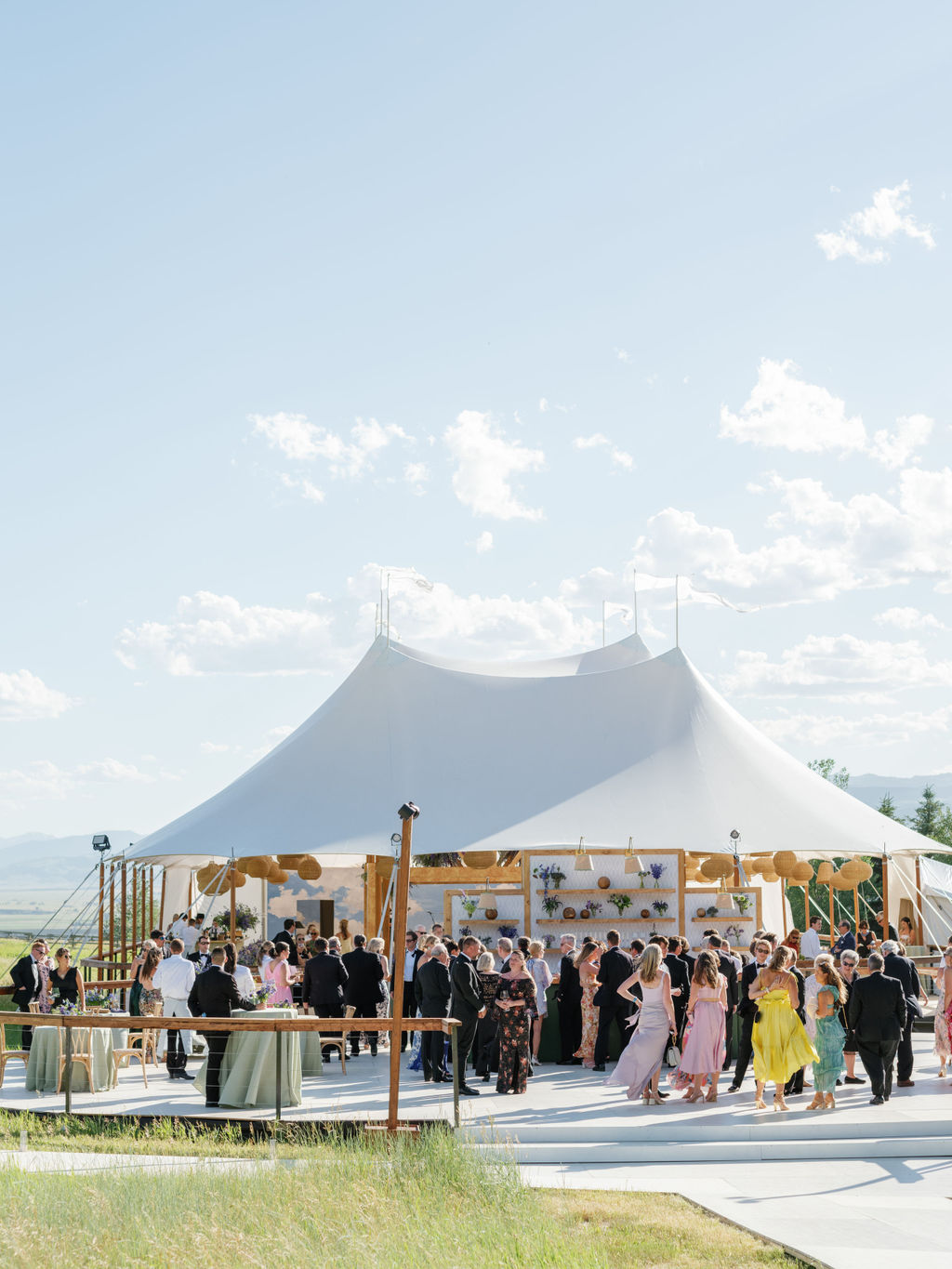
Outdoor events rely heavily on stable and uninterrupted power systems to support lighting, sound, catering equipment, climate control, staging, and operational infrastructure. Without a properly planned temporary power setup, even well-organized events can face equipment failures, safety risks, or operational disruptions that negatively affect guest experience and event execution.
Temporary power systems are especially important for weddings, corporate functions, luxury tented events, festivals, and multi-day productions hosted in locations without permanent electrical infrastructure. These systems provide scalable, transportable solutions that allow event planners to create fully functional venues in outdoor environments while maintaining safety, efficiency, and operational reliability.
Modern temporary power planning involves much more than selecting a generator. Event planners must evaluate electrical loads, generator capacity, distribution layouts, fuel logistics, safety compliance, and contingency planning to ensure systems perform effectively throughout the event lifecycle.
Temporary Power Solutions for Outdoor Events
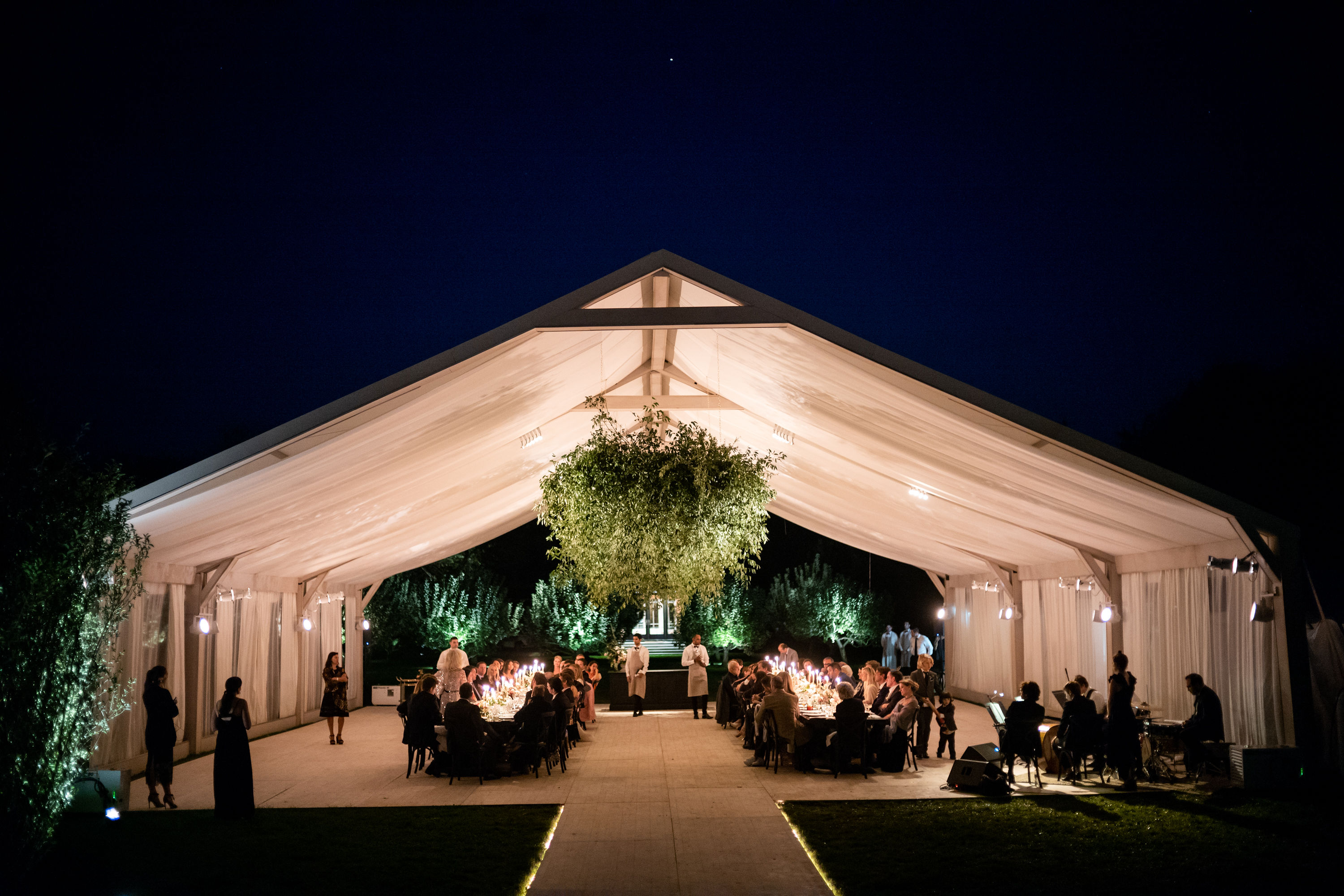
Temporary power systems are designed to deliver electricity safely and efficiently in locations where permanent utility infrastructure may not be available or sufficient. These systems support all operational components required for successful event execution.
A complete temporary power setup often includes generators, distribution panels, extension systems, grounding equipment, and backup power infrastructure working together as a unified system.
Core Components of Temporary Event Power Systems
Every event requires a structured power-distribution plan that matches the scale and technical complexity of the venue. Reliable infrastructure allows teams to operate lighting, audiovisual systems, HVAC equipment, and vendor services without interruption.
A standard temporary power system typically includes:
- Generators sized for operational demand
- Distribution panels and heavy-duty cabling
- Surge protection and grounding systems
Distribution equipment helps route electricity safely throughout the site while reducing overload risks and improving operational organization.
Well-designed systems also account for future scalability, allowing planners to adapt infrastructure if operational requirements change during the event lifecycle.
Why Reliable Power Is Essential for Event Success
Reliable power directly affects guest experience, operational continuity, and event safety. Lighting failures, interrupted presentations, or HVAC shutdowns can quickly disrupt the atmosphere and create logistical complications.
Consistent power supply improves:
- Performance of lighting and audiovisual systems
- Reliability of catering and refrigeration equipment
- Overall guest comfort and operational efficiency
Beyond convenience, reliable power also supports emergency communication systems, safety lighting, and critical operational equipment that protect attendees and staff during the event.
High-profile events especially depend on uninterrupted power because technical failures can negatively impact brand perception, media coverage, and overall event reputation.
Power Requirements and Event Load Demands
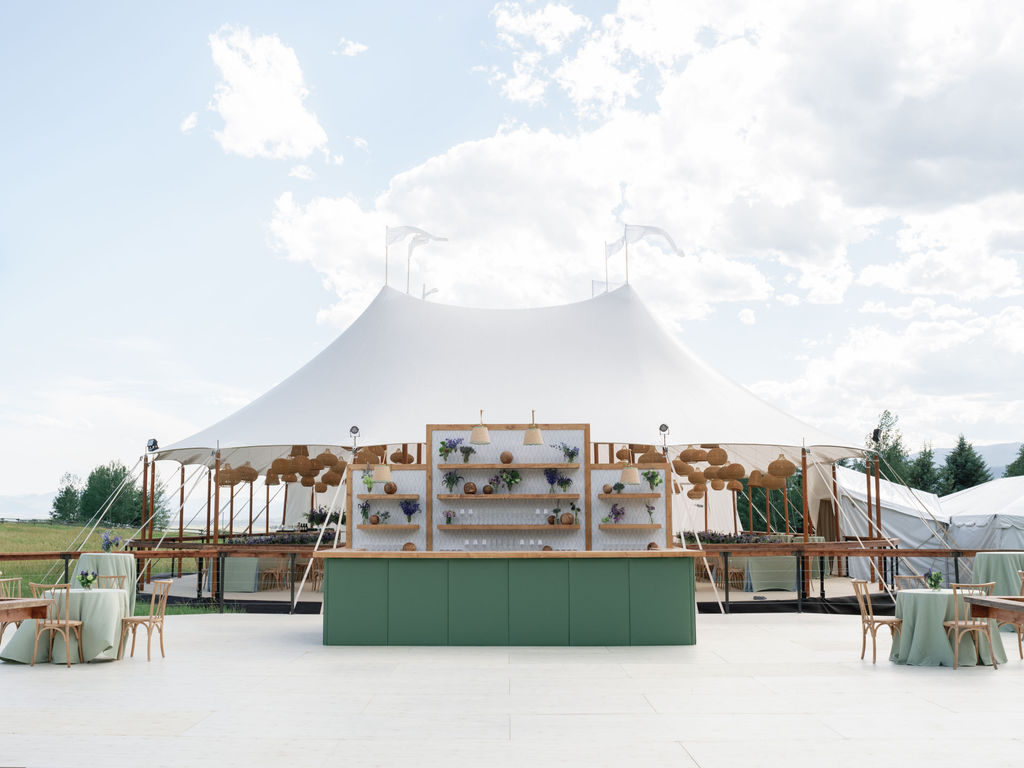
Accurate power assessment is one of the most important stages of event planning. Without a detailed understanding of electrical demand, generators may become overloaded or undersized, increasing the likelihood of outages and equipment instability.
Load planning should begin early so that technical teams can coordinate equipment requirements and distribution layouts effectively.
Calculating Total Wattage and Equipment Loads
Every powered device used during the event should be included in the electrical inventory. This includes lighting fixtures, HVAC systems, staging equipment, catering appliances, charging stations, and audiovisual infrastructure.
An accurate load assessment should include:
- Continuous running wattage for all equipment
- Startup surges from compressors and motors
- Safety margins for unexpected demand increases
Motor-driven systems such as air conditioners and refrigeration units often draw significantly higher power during startup than during regular operation.
Adding a safety margin of 20 to 30 percent above estimated demand improves operational stability and allows flexibility for unforeseen changes during the event.
Detailed load documentation also improves communication between event planners, electricians, and rental providers when specifying generators and distribution systems.
Understanding Event-Specific Power Requirements
Different event types create different operational demands. Weddings may prioritize decorative lighting and catering systems, while corporate events often require advanced AV systems, staging, and climate-control infrastructure.
Several factors influence event power demand:
- Tent size and structural configuration
- Guest count and operational duration
- Environmental conditions and climate-control needs
Large clearspan tents, for example, typically require more HVAC capacity and lighting infrastructure than smaller frame tents because of their larger enclosed interiors.
Power assessments should also account for backup systems and contingency equipment to ensure operational continuity during emergencies or unexpected demand increases.
Generator Types and Their Role in Outdoor Events
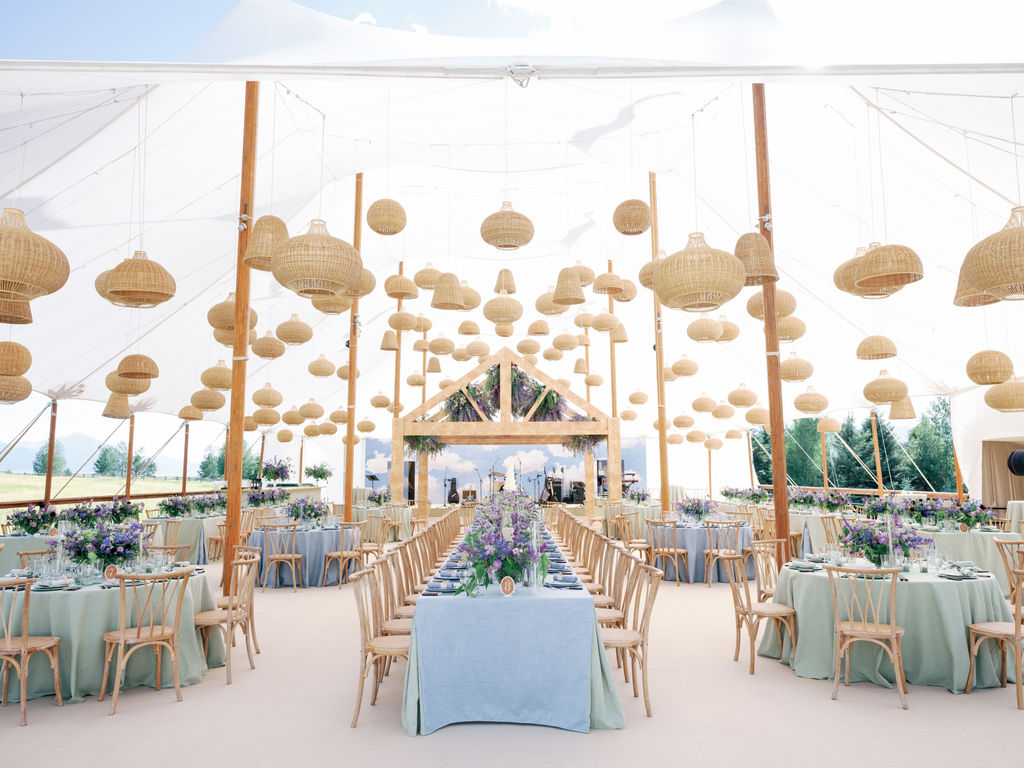
Generators provide the foundation of most temporary event power systems. Different generator types support different operational environments, load profiles, and technical requirements.
Selecting the correct generator depends on event scale, runtime expectations, environmental restrictions, and equipment sensitivity.
Portable, Standby, and Inverter Generators
Portable generators are commonly used for smaller gatherings, vendor booths, or supplementary backup power. They offer flexibility and mobility but are generally limited in output capacity.
Common generator categories include:
- Portable generators for small-scale operations
- Standby generators for continuous event power
- Inverter generators for sensitive electronic equipment
Standby generators are often preferred for large-scale outdoor events because they provide higher capacity and improved reliability for long operating periods.
Inverter generators are especially useful for audiovisual systems and production equipment because they produce cleaner electrical output with reduced voltage fluctuations.
Fuel Types and Operational Considerations
Generator fuel selection affects runtime, emissions, noise levels, and operational logistics. Each fuel type offers different advantages depending on event priorities and environmental conditions.
Important fuel considerations include:
- Diesel for long runtime and fuel efficiency
- Propane for quieter and cleaner operation
- Gasoline for portability and convenience
Diesel systems are widely used for large corporate events and festivals because they provide strong fuel efficiency under heavy loads.
Propane systems are often selected for luxury events or residential venues where noise reduction and cleaner emissions are higher priorities.
Fuel logistics should also include refueling schedules, spill-containment procedures, and local permitting requirements for fuel storage.
Temporary Power Distribution and Electrical Infrastructure
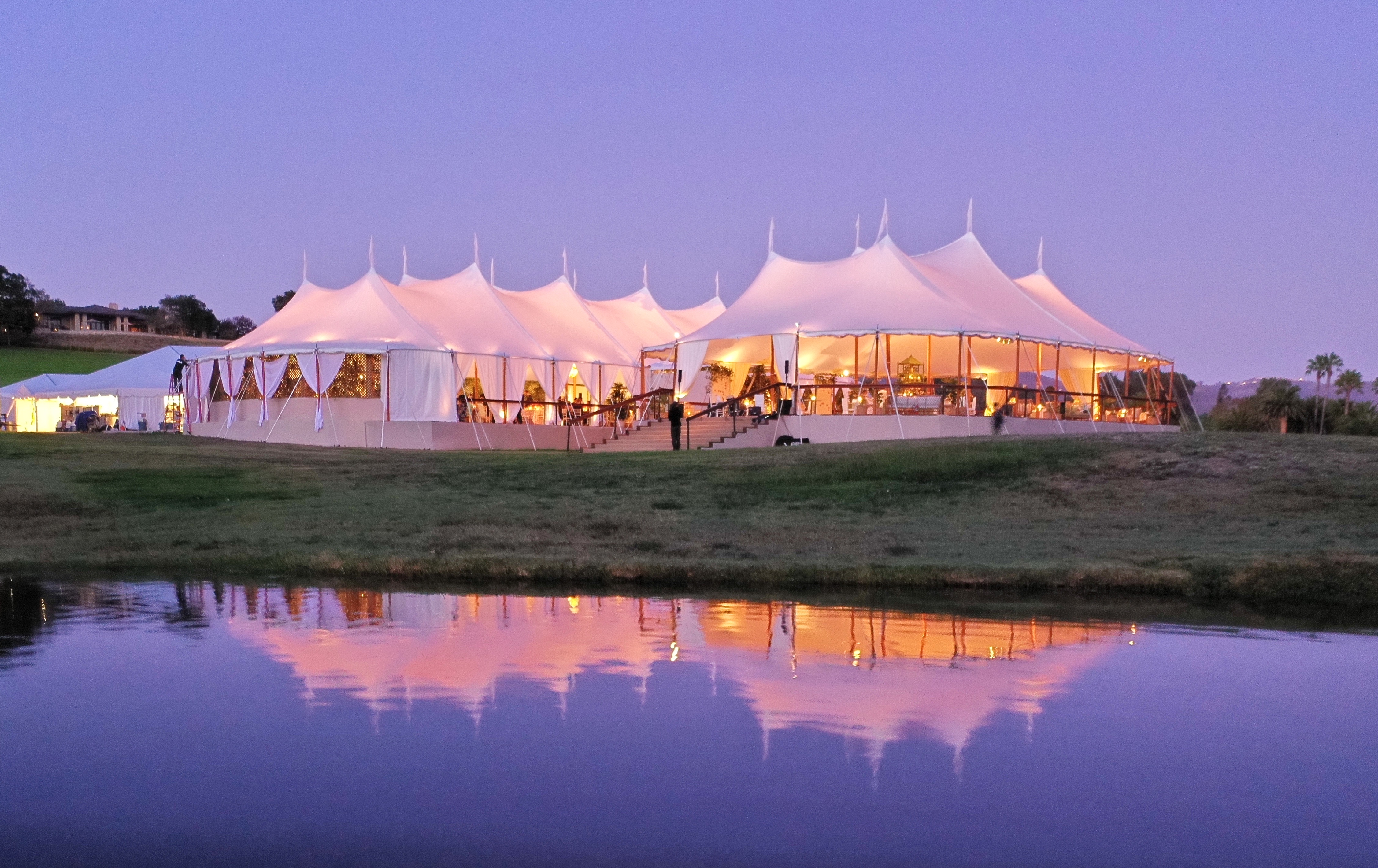
Generators alone cannot support an event without effective power-distribution systems. Distribution planning ensures electricity reaches every operational zone safely and efficiently.
Poor cable management or overloaded circuits often create operational risks that compromise both safety and reliability.
Power Distribution Panels and Cable Routing
Distribution panels divide incoming generator power into organized circuits that support lighting, HVAC equipment, AV systems, and catering operations.
Effective distribution planning improves:
- Circuit balancing and overload prevention
- Troubleshooting efficiency during operation
- Safe routing across high-traffic event areas
Extension cords and feeder cables should always be rated appropriately for outdoor environments and protected from physical damage.
Cable ramps and weatherproof coverings are especially important where guests or vehicles may cross active cable routes during the event.
Integrating Power With Tent Structures and Site Layout
Different tent structures influence how temporary power systems are installed and distributed across the venue.
Important integration considerations include:
- Ceiling heights and rigging locations
- HVAC placement and cable routing pathways
- Guest circulation and equipment accessibility
Clearspan tents often support more complex lighting and climate-control systems, requiring larger distribution infrastructure and additional temporary electrical panels.
Century pole tents and sailcloth structures may create unique routing challenges because center poles affect equipment placement and cable management strategies.
Early coordination between tent providers, production crews, and electricians helps reduce conflicts during setup and improves installation efficiency.
Safety Measures and Emergency Preparedness for Event Power Systems
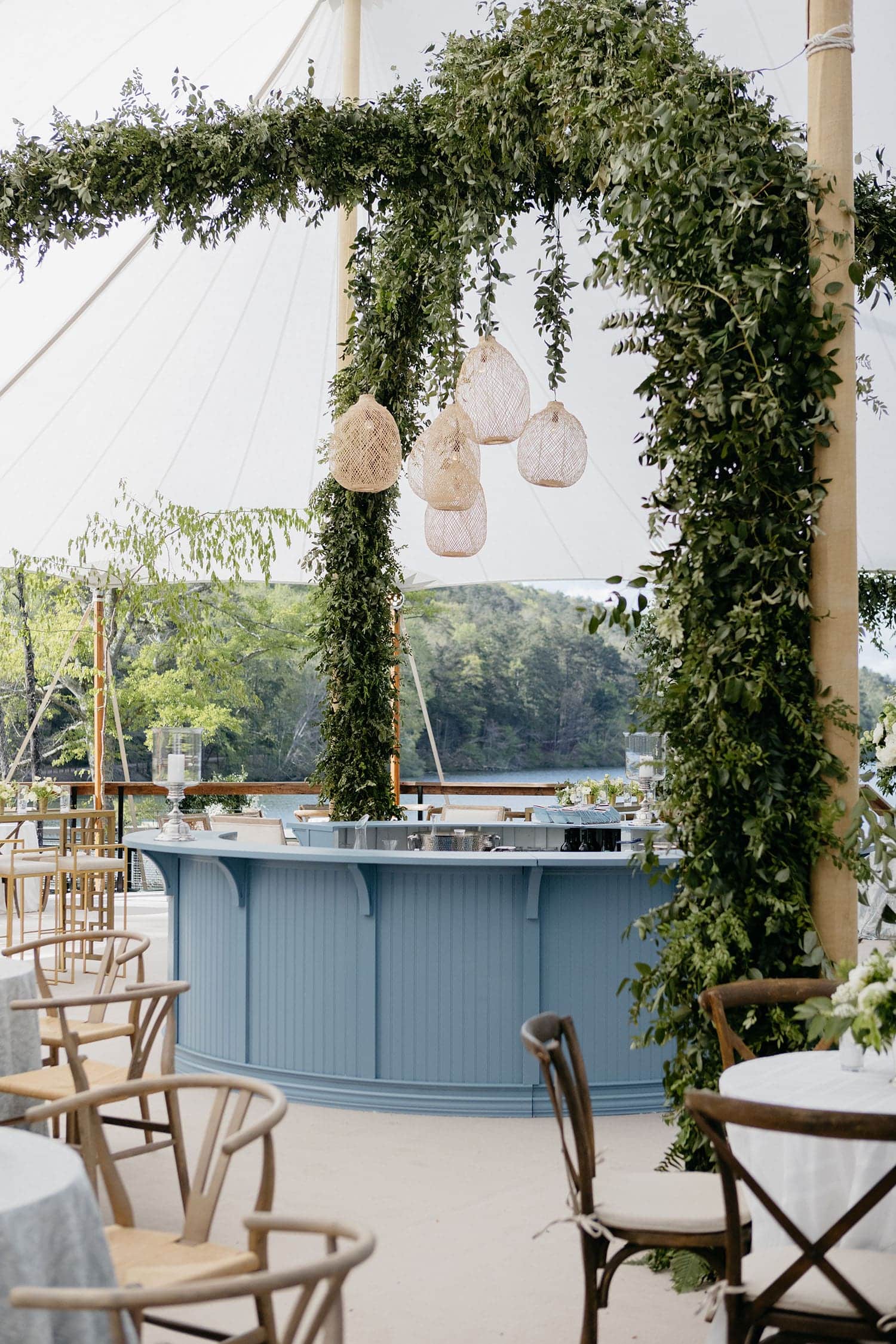
Electrical safety should always remain a top priority during outdoor event planning. Temporary systems operate in dynamic environments where moisture, weather exposure, and heavy foot traffic increase operational risk.
Proper safety planning reduces hazards while improving system reliability and compliance with local regulations.
Generator Safety and Compliance Standards
Generators and electrical systems must comply with local electrical codes, fire regulations, and manufacturer installation guidelines.
Important safety practices include:
- Proper grounding and surge protection
- Weatherproof connectors and outdoor-rated equipment
- Restricted access to active electrical zones
Generators should always be placed on stable surfaces with exhaust directed away from occupied spaces.
Temporary fencing, warning signage, and designated technician access routes also improve operational control and reduce the likelihood of unauthorized interaction with power systems.
Contingency Planning and Backup Power Strategies
Unexpected outages can affect lighting, sound systems, catering operations, and climate-control equipment. Backup planning ensures critical operations remain functional during equipment failure or environmental disruptions.
Reliable contingency planning should include:
- Secondary generators or backup battery systems
- Emergency communication and lighting circuits
- Documented shutdown and restart procedures
Pre-event testing is equally important because it verifies generator performance, transfer-switch operation, and load capacity before guests arrive.
Routine monitoring throughout the event also helps technicians identify overheating cables, unstable connections, or excessive electrical loads before larger issues develop.
Sustainable and Smart Power Solutions for Modern Events

Modern outdoor events increasingly prioritize sustainability and operational efficiency when designing temporary power systems. Hybrid technologies and smart monitoring tools now help planners reduce fuel consumption while improving energy management.
These systems support both environmental goals and long-term operational reliability.
Eco-Friendly Generators and Renewable Energy Systems
Many event organizers now integrate cleaner energy solutions into their temporary power strategies.
Sustainable power approaches may include:
- Solar-assisted battery systems
- Propane-powered generators with lower emissions
- Hybrid systems combining batteries and generators
Renewable systems are especially effective for charging stations, decorative lighting, and low-demand operational zones.
Hybrid power solutions also reduce generator runtime, lowering fuel consumption and operational noise during the event.
Smart Monitoring and Automated Load Management
Smart infrastructure systems improve operational oversight through real-time monitoring and automated power management.
Smart power technologies improve:
- Fuel efficiency and energy optimization
- Early detection of overload conditions
- Real-time reporting for operational adjustments
Remote monitoring tools allow technicians to track generator performance, load levels, and fuel usage throughout the event lifecycle.
Automated load-management systems can also prioritize critical circuits during periods of unusually high demand, helping maintain operational continuity and preventing unnecessary outages.
Frequently Asked Questions
Why are temporary power systems important for outdoor events?
Temporary power systems provide electricity for lighting, sound systems, catering equipment, HVAC infrastructure, and operational services in locations without permanent utility access.
How do event planners calculate generator size requirements?
Generator size is based on total equipment wattage plus an additional safety margin to account for startup surges and unexpected increases in demand.
What generator type is best for luxury outdoor events?
Standby generators are often preferred because they provide reliable long-term power capacity for lighting, HVAC systems, staging, and technical infrastructure.
Why is cable management important during outdoor events?
Proper cable management reduces trip hazards, protects electrical systems from damage, and improves operational safety throughout the venue.
Conclusion
Temporary power systems are essential for maintaining safe, reliable, and professionally managed outdoor events. From generator selection and load calculations to power distribution, safety planning, and backup infrastructure, every component of the electrical setup contributes directly to operational success and guest experience.
Effective power planning requires early coordination, accurate load assessments, and strong communication between planners, electricians, tent providers, and technical vendors. Well-designed systems improve operational efficiency while reducing the likelihood of outages, equipment damage, and last-minute technical disruptions.
Skyline Tent Company understands the importance of integrating dependable temporary power infrastructure into luxury outdoor event environments. Their planning-focused approach helps clients combine reliable generator systems, safe distribution layouts, and coordinated event infrastructure to support seamless operations throughout the event lifecycle.