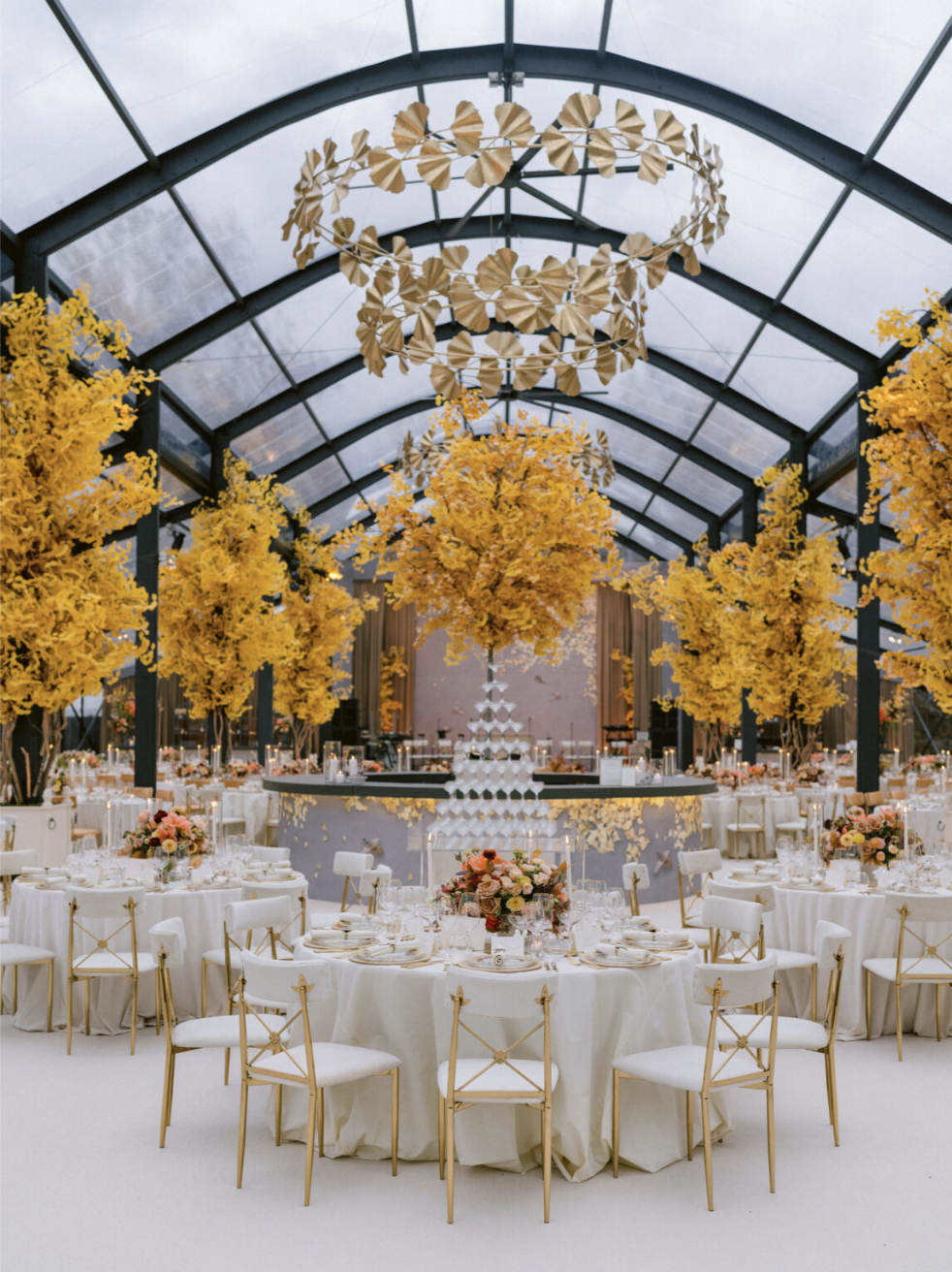
Summer is the peak season for outdoor celebrations, corporate events, luxury weddings, festivals, private parties, fundraising galas, and large-scale social gatherings. The appeal of beautiful weather, scenic venues, and open-air experiences continues to drive demand for sophisticated outdoor event environments. However, creating a successful summer event requires much more than selecting an attractive venue. Event planners must carefully consider guest comfort, weather protection, logistics, aesthetics, infrastructure, and overall functionality when choosing the right event structure. These factors combine to influence the event’s atmosphere, smoothness of operations, and ultimately, its success.
Whether planning an elegant wedding, executive retreat, luxury gala, or major community festival, understanding the strengths of different tent styles is essential. Selecting the right structure ensures a comfortable guest experience while creating a visually stunning environment that aligns with the event’s goals and brand identity. With the right knowledge, planners can elevate their events by seamlessly integrating aesthetics, infrastructure, and guest needs into a cohesive whole.
Understanding Premium Tent Structures for Summer Events
Choosing the right tent structure serves as the foundation for every successful outdoor event. Different tent styles offer unique advantages depending on venue conditions, guest count, infrastructure requirements, and desired aesthetics. This initial choice significantly affects logistical considerations such as setup time, power distribution, and safety protocols, making it a critical step in the event planning timeline.
Before making a selection, planners should evaluate how the structure will support the overall event experience. The ideal tent should balance functionality with visual appeal while accommodating both operational needs and guest expectations. Proper coordination with venue managers, local authorities, and suppliers ensures compliance with regulations and optimizes resource use.
Why Tent Selection Shapes the Guest Experience
Guests often judge an event within moments of arrival. The tent structure plays a significant role in creating those first impressions. Spacious layouts, comfortable environments, and elegant architecture all contribute to a positive experience. Moreover, a well-chosen tent can enhance acoustic quality and lighting dynamics, further impacting guest engagement and event mood.
Luxury events demand more than basic shelter. They require carefully designed spaces that support social interaction, hospitality, and memorable experiences. Attention to details such as entryways, restrooms, and storage areas within the tent contribute to overall guest satisfaction and operational smoothness.
Matching Event Goals with Tent Design
Every event has unique objectives. A corporate conference may require breakout spaces, presentation stages, and networking lounges, while a luxury wedding may prioritize dining layouts, dance floors, and dramatic décor installations. Festivals demand large, open spaces with robust infrastructure for vendor booths, stages, and crowd management.
Before selecting a structure, consider several important factors.
Key tent-selection considerations include:
- Expected guest count
- Event type and activities
- Venue conditions and terrain
- Infrastructure requirements
- Layout flexibility and design goals
- Regulatory and permit considerations
Evaluating these elements early helps streamline the planning process and supports better event outcomes. Collaboration among event teams, designers, and technical specialists enables integrated planning that anticipates challenges and maximizes opportunities.
Clearspan Structures for Luxury Outdoor Events
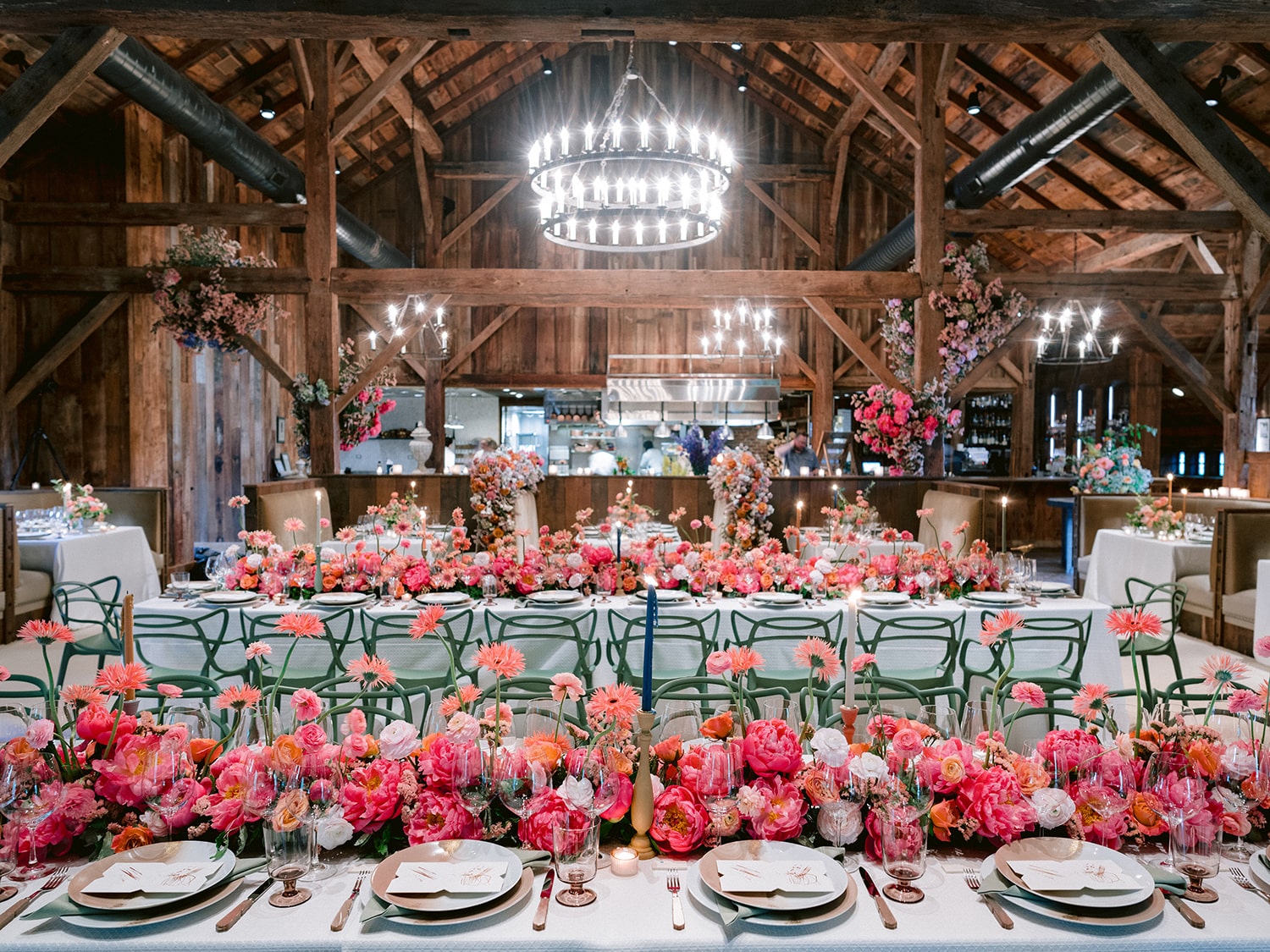
Clearspan structures have become the preferred choice for many premium events because they combine architectural sophistication with exceptional flexibility. Understanding clearspan structures versus traditional pole tents can help planners compare unobstructed interiors, installation requirements, layout flexibility, and aesthetic considerations before selecting the ideal structure. These designs prioritize durability and adaptability, making them suitable for diverse climates and terrains.
These structures are especially popular for high-capacity events where efficient layouts and luxury finishes are priorities. Their ability to span large areas without internal supports allows for unique design features including multi-level staging and expansive dance floors.
Benefits of Unobstructed Interior Space
Unlike traditional pole tents, clearspan structures eliminate interior support poles. This creates open floor plans that allow planners to configure seating, staging, bars, lounges, dining areas, and entertainment spaces without restrictions. The aerodynamic shape also provides enhanced wind resistance and stability, improving guest safety during variable weather conditions.
The absence of obstructions also improves sightlines and guest circulation. Attendees can move comfortably throughout the venue while maintaining clear views of key event features. Enhanced accessibility options can be more easily integrated, benefiting guests with mobility challenges.
For weddings and galas, this flexibility creates opportunities for more dramatic design concepts and customized guest experiences. The ability to suspend lighting rigs, décor elements, and sound equipment from clearspans adds a level of technical sophistication.
Clearspan Tents for Corporate, Wedding, and Festival Applications
Clearspan structures support a wide variety of event types. Their scalability makes them equally suitable for intimate celebrations and large public gatherings. Their modular components allow for easy expansions or reductions according to evolving requirements.
Several advantages make clearspan structures particularly attractive.
Reasons event planners choose clearspan structures include:
- Maximum usable interior space
- Flexible floor plan configurations
- Easy integration of HVAC systems
- Support for large-scale lighting and décor
- High structural strength and safety
- Compatibility with sophisticated event technology
These features allow planners to create highly customized environments that reflect the event vision. Their adaptability also reduces the need for additional infrastructure, reducing overall costs and environmental footprints.
Frame and Sailcloth Tents for Elegant Summer Gatherings

While clearspan structures dominate many large-scale events, frame tents and sailcloth tents offer equally compelling solutions for specific applications. Their unique forms and installation methods cater to diverse aesthetic preferences and logistical needs.
Each structure provides distinctive benefits that can enhance the atmosphere and functionality of an outdoor event. Understanding these benefits allows planners to match tent styles with event themes and site conditions effectively.
Advantages of Frame Tent Installations
Frame tents are among the most versatile event structures available. Their freestanding design allows installation on grass, concrete, asphalt, patios, and other surfaces where traditional staking may not be possible. This capability broadens venue options dramatically, including urban rooftops and hardscape patios.
Their clean lines and open interiors provide an elegant backdrop for weddings, receptions, and corporate gatherings while maintaining practical flexibility. Frame tents can also be combined modularly to create intricate layouts with multiple connected spaces.
Creating Sophisticated Atmospheres with Sailcloth Tents
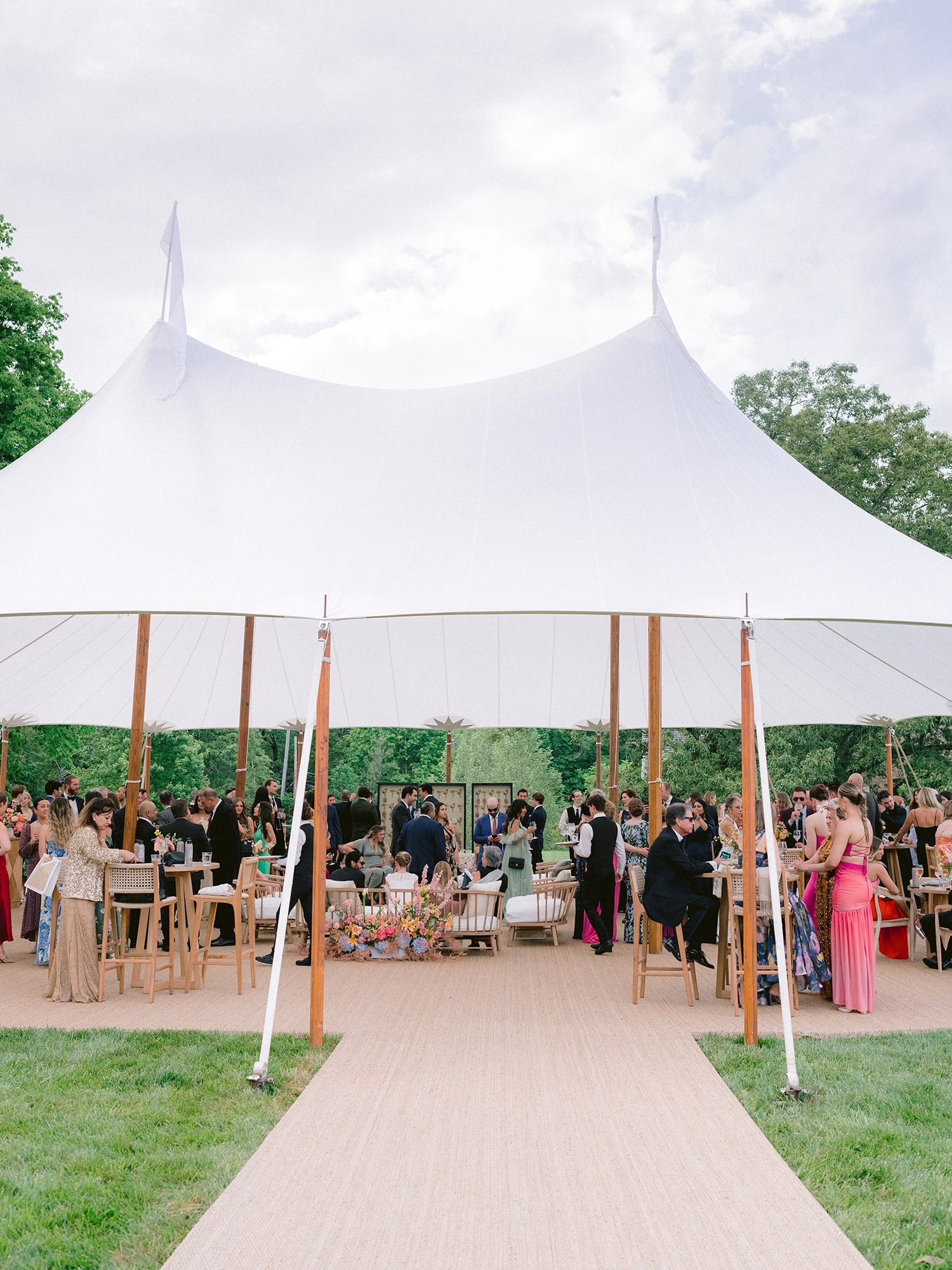
Few structures match the elegance of sailcloth tents. Their translucent fabric, graceful peaks, and natural wood poles create a warm and inviting atmosphere that feels both luxurious and timeless. These tents blend seamlessly into natural landscapes, enhancing outdoor settings with soft curves and organic textures.
Before selecting between frame and sailcloth options, planners should consider several important factors.
Popular reasons to choose frame or sailcloth tents include:
- Unique architectural appeal
- Versatile installation capabilities
- Elegant natural lighting effects
- Strong compatibility with luxury décor
- Faster setup on restricted or delicate grounds
- Enhanced guest comfort through natural ventilation
These structures continue to be favorites for upscale weddings and premium social events. Their aesthetic versatility supports styles ranging from rustic chic to contemporary minimalism.
Climate Control Solutions for Summer Event Comfort
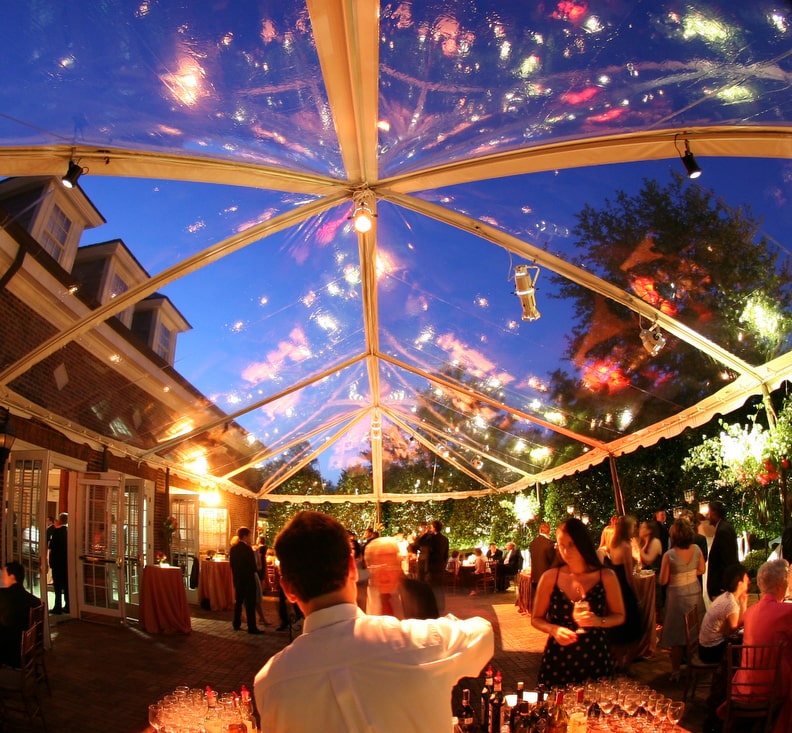
Guest comfort remains one of the most important factors influencing event success. Summer temperatures, humidity, and changing weather conditions require proactive planning to maintain ideal indoor environments. Climate control planning also considers noise levels, energy efficiency, and equipment placement to ensure a pleasant guest experience.
Modern climate-control technologies allow tented venues to deliver comfort levels comparable to permanent indoor facilities. The integration of monitoring systems enables real-time adjustments to optimize conditions continuously.
HVAC Systems and Cooling Strategies
Air-conditioning systems have become increasingly common in premium event tents. Exploring climate-control options for outdoor tented events can help planners compare ducted HVAC, portable cooling, ventilation, and airflow strategies for maintaining consistent temperatures throughout a summer celebration.The use of variable refrigerant flow systems enhances energy efficiency for varied occupancy levels.
These systems are especially valuable for all-day events, weddings, and executive gatherings where guest expectations are high. Proper integration with power systems and backup energy sources guarantees uninterrupted comfort.
Ventilation, Airflow, and Guest Comfort Planning
Cooling systems perform best when paired with effective ventilation. Proper airflow helps reduce humidity, improve air quality, and prevent heat buildup. Strategic placement of vents and exhaust systems ensures fresh air circulation.
Ventilation strategies should be incorporated into the overall tent design to maximize performance. Use of natural cross-ventilation through tent flaps or mesh panels can complement mechanical HVAC, reducing energy consumption.
Important climate-control considerations include:
- Tent size and occupancy
- Seasonal weather conditions
- Airflow and ventilation planning
- HVAC capacity requirements
- Integration with event lighting heat output
- Noise control for sound-sensitive events
Thoughtful climate-control planning ensures guests remain comfortable throughout the event. It also contributes to energy savings and sustainability goals.
Lighting and Flooring Features That Elevate Premium Events
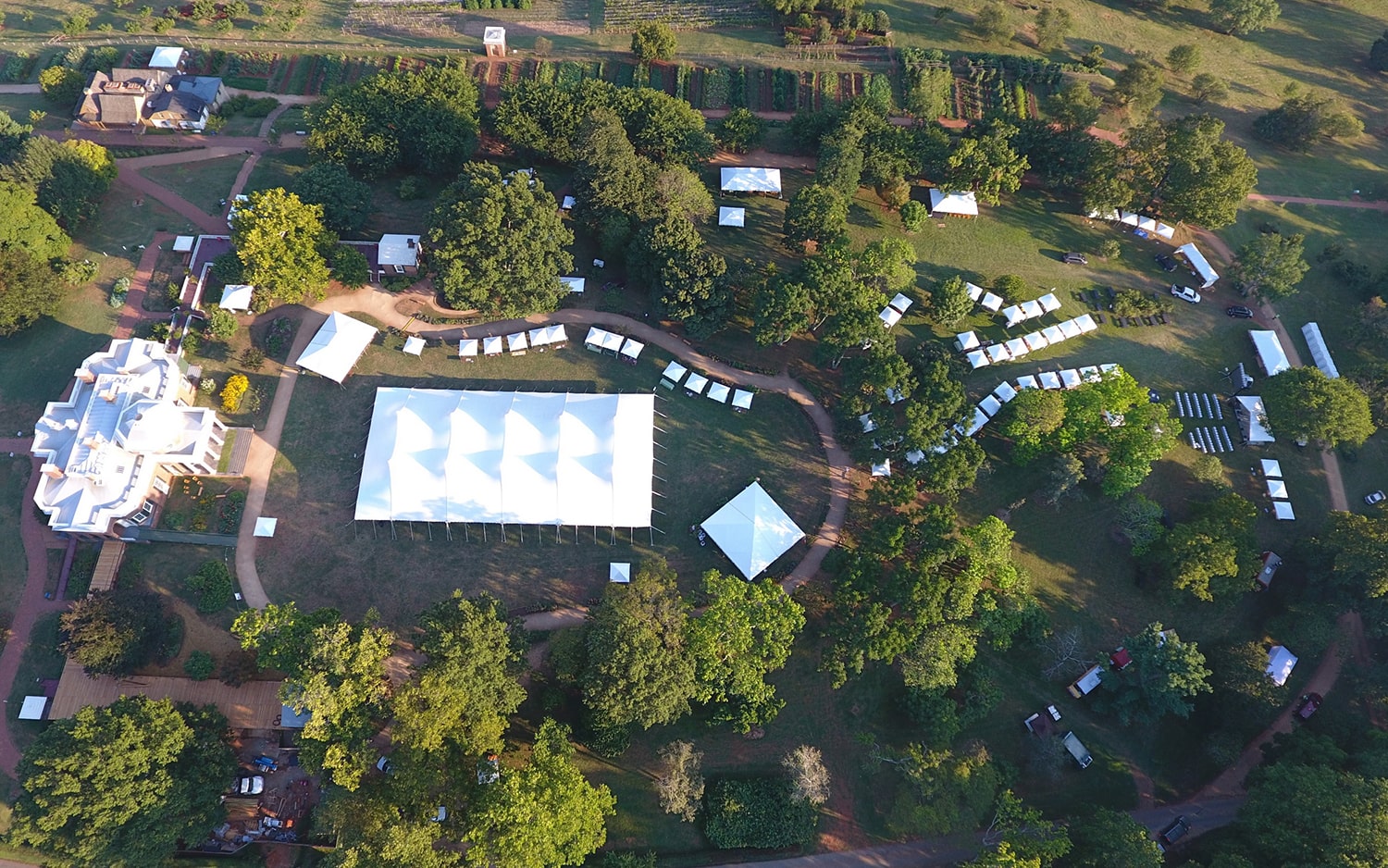
The most memorable outdoor events are those that create an immersive environment from the moment guests arrive. While tent architecture establishes the framework, lighting and flooring define the atmosphere and guest experience. These elements help transform temporary structures into sophisticated event venues that rival luxury hotels and ballrooms.
Carefully selected lighting and flooring solutions also improve functionality, allowing guests to move comfortably throughout the venue while enhancing the visual appeal of every event space. Additional options such as wireless controls and programmable scenes enable dynamic transitions adapted to event phases.
Luxury Tent Lighting Design
Lighting serves multiple purposes within a tented environment. Beyond visibility, it influences mood, highlights architectural features, showcases décor, and creates focal points throughout the venue.
Layering multiple lighting styles creates depth and sophistication while allowing planners to transition seamlessly from daytime activities to evening entertainment. Incorporating fiber optic effects or projection mapping can further enhance ambiance.
Flooring Systems for Comfort and Visual Appeal
Flooring provides more than a stable walking surface. It contributes to comfort, safety, aesthetics, and operational efficiency throughout the event. Proper flooring also helps protect the tent foundation and surrounding grounds from damage.
Hardwood flooring remains a popular choice for upscale weddings and galas because it creates an elegant appearance while supporting dancing and dining. Luxury carpeting offers warmth and sophistication, while modular flooring systems provide flexibility for larger installations. Options such as non-slip treatments and moisture barriers ensure safety in variable weather conditions.
Before selecting flooring and lighting options, planners should evaluate several key considerations.
Popular enhancements include:
- Hardwood flooring systems
- Luxury carpet installations
- Crystal chandeliers and pendant lighting
- LED accent and architectural lighting
- Modular raised flooring for cabling
- Flooring designs that reflect branding or event themes
Together, these enhancements help create polished event environments that impress guests and elevate the overall experience. Coordination between flooring and lighting teams ensures cohesive design integration.
Site Planning, Tent Sizing, and Event Logistics
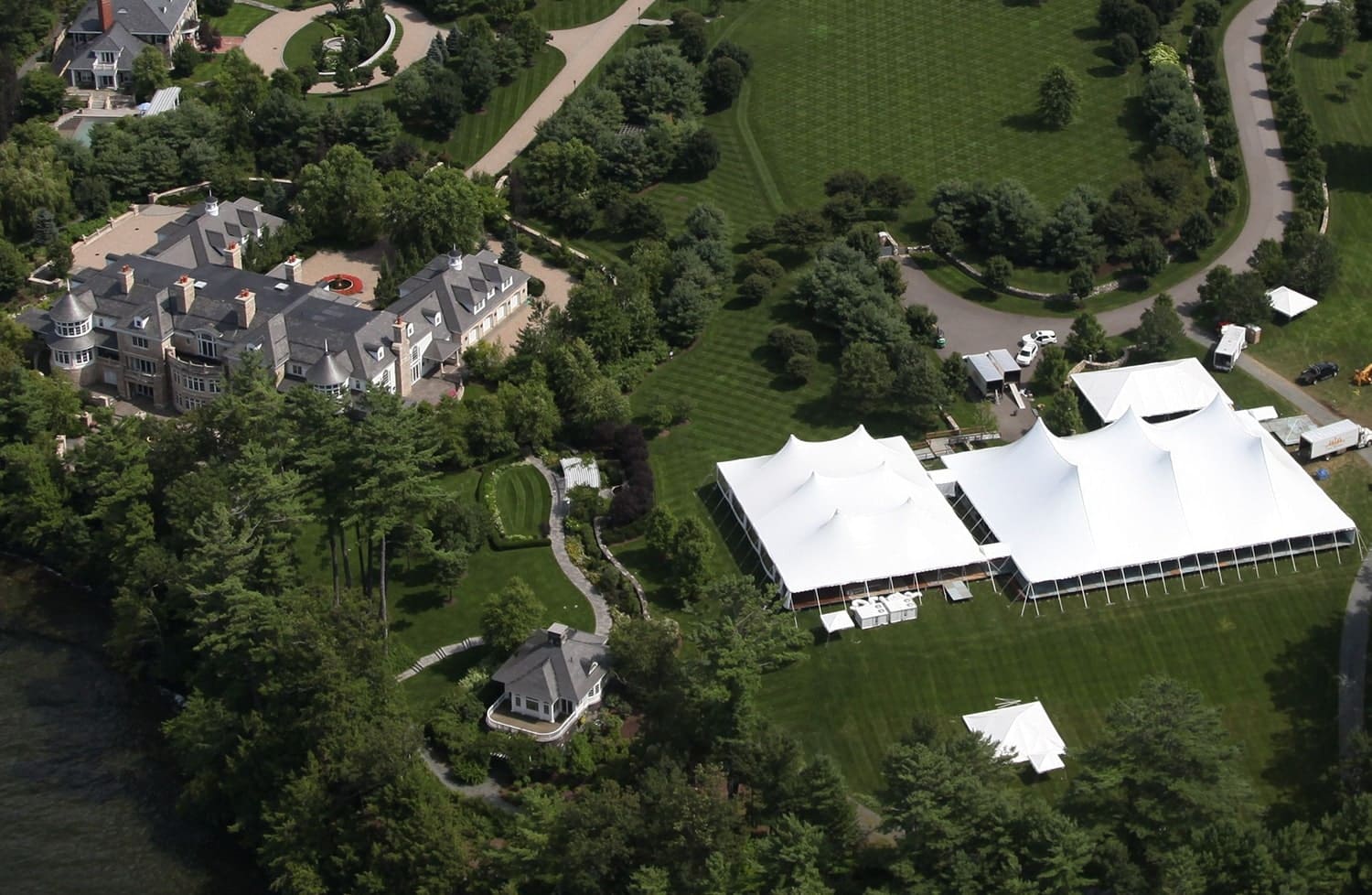
Even the most beautiful tent structure requires strategic planning and proper execution. Site conditions, guest capacity, infrastructure requirements, and logistics all influence the success of an outdoor event. Logistics plans typically include timelines, staffing needs, and emergency procedures, essential for flawless outcomes.
Early planning helps avoid costly adjustments while ensuring smooth event operations from setup through breakdown. Effective communication with vendors, venue personnel, and local authorities mitigates risks and promotes cooperation.
Determining the Right Tent Size
Tent size affects everything from guest comfort to operational efficiency. Underestimating space requirements can create overcrowding, while oversized tents may diminish atmosphere and increase costs unnecessarily. Accurate guest counts and activity mapping guide dimension decisions.
Planners should account for dining areas, bars, dance floors, stages, lounges, catering stations, and circulation pathways when determining tent dimensions. Adequate space for service operations and emergency egress is equally critical.
Understanding these variables allows planners to select structures that support both functionality and guest comfort. Use of 3D layout software and past event data enhances precision in decision making.
Managing Venue Access, Terrain, and Infrastructure
Every venue presents unique challenges and opportunities. Terrain conditions, accessibility, utility availability, and environmental considerations all influence tent installation and event logistics. Addressing these aspects mitigates hazards and enhances setup efficiency.
Proper site assessments help identify potential concerns before installation begins. These evaluations allow planners to coordinate power distribution, equipment placement, delivery routes, and vendor access effectively. Incorporating contingency plans for weather or equipment failure further ensures resilience.
Several logistical considerations deserve special attention during the planning process.
Critical site-planning priorities include:
- Ground stability and terrain conditions
- Vehicle and vendor access routes
- Electrical infrastructure requirements
- Emergency and contingency planning
- Drainage and environmental protection
- Noise and neighborhood impact management
Addressing these details early contributes significantly to successful event execution. Collaboration with local authorities and stakeholders fosters smooth permitting and community relations.
Emerging Trends in Luxury Summer Event Structures
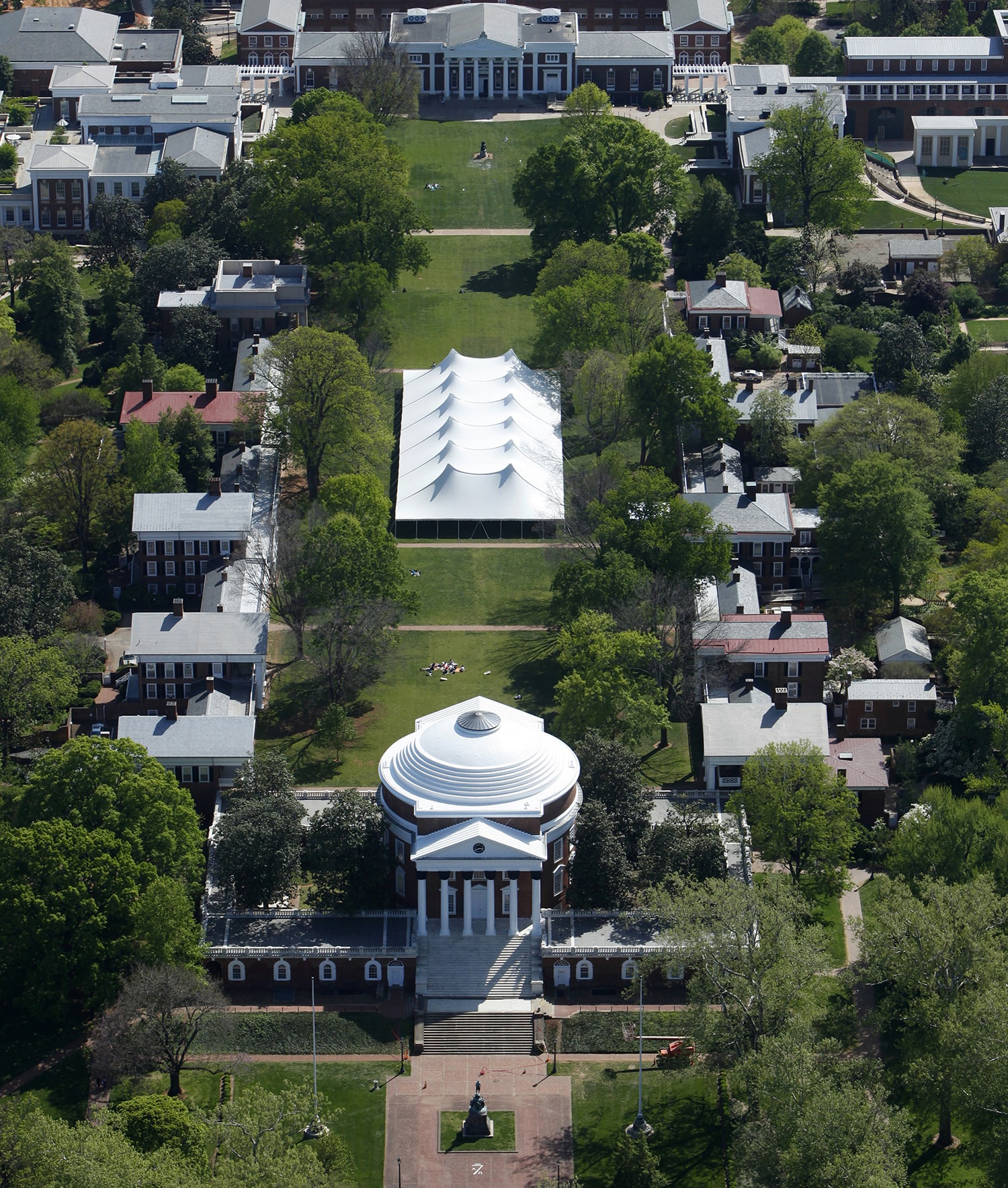
The event industry continues to evolve as technology, sustainability initiatives, and changing guest expectations drive innovation. Modern event structures increasingly focus on flexibility, environmental responsibility, and enhanced guest experiences. Adoption of integrated management tools streamlines operations and monitoring.
These advancements help planners create more sophisticated and efficient outdoor venues. The shift toward hybrid in-person and virtual events also influences tent design to incorporate audiovisual and connectivity infrastructure seamlessly.
Sustainable Event Tent Solutions
Sustainability has become an important consideration for luxury events. Clients increasingly seek environmentally responsible solutions that align with their values while maintaining premium aesthetics. This includes attention to carbon footprint, material recyclability, and waste minimization strategies.
Sustainable practices often extend beyond tent materials to include lighting systems, climate-control equipment, flooring solutions, and waste-reduction initiatives. These efforts help support responsible event production while meeting modern client expectations.
Smart Technology and Future Event Innovations
Technology is transforming outdoor event planning in exciting ways. Smart systems allow operators to monitor environmental conditions, adjust climate-control settings, and manage power consumption more efficiently. Real-time data analytics enable proactive troubleshooting and enhanced guest services.
Before implementing new technologies, planners should evaluate their impact on operations and guest experiences. Investments in staff training and technology support infrastructure maximize benefits and reduce risks.
Emerging event-technology trends include:
- Smart climate-control systems
- Energy-efficient LED lighting
- Sustainable infrastructure materials
- Integrated venue-management technologies
- Wireless communication networks for event staff
- Virtual and augmented reality enhancements
These innovations continue shaping the future of luxury outdoor events. Their adoption positions event professionals at the forefront of hospitality excellence.
Frequently Asked Questions
What tent style is best for large summer events?
Clearspan structures are often considered the most versatile option because they provide unobstructed interiors, support advanced infrastructure, and accommodate large guest counts.
Are sailcloth tents suitable for luxury weddings?
Yes. Sailcloth tents are among the most popular choices for luxury weddings due to their elegant appearance, translucent fabric, and romantic ambiance.
Can premium event tents be air conditioned?
Absolutely. Modern event tents frequently incorporate HVAC systems, portable cooling units, ventilation equipment, and customized climate-control solutions.
What flooring option is best for upscale events?
Hardwood flooring remains a preferred option for luxury weddings and galas, while carpeting and modular flooring systems provide excellent alternatives depending on event requirements.
How early should tent planning begin?
For large-scale summer events, planning should begin several months in advance to secure tent inventory, conduct site assessments, and coordinate infrastructure requirements.
Why is site evaluation important?
Site evaluations help identify logistical requirements, infrastructure needs, accessibility concerns, and potential installation challenges before the event.
What lighting options work best inside luxury tents?
Layered lighting designs that combine chandeliers, string lights, uplighting, and architectural fixtures typically provide the best balance of functionality and aesthetics.
Conclusion
Summer events offer the opportunity to create memorable experiences in unique outdoor settings, but successful execution depends on thoughtful planning, reliable infrastructure, and event environments designed around guest comfort and functionality.
Whether you’re organizing a wedding, corporate event, gala, festival, or private celebration, selecting the right tent structure helps establish the foundation for a seamless and visually impressive event. From clear span structures and sailcloth tents to climate control, flooring, lighting, and event infrastructure, every element plays a role in shaping the overall guest experience.
To learn more about luxury tent rentals, custom event structures, and event infrastructure solutions for your next outdoor event, explore Skyline Tent Company and discover how premium tent environments can help bring your event vision to life.