
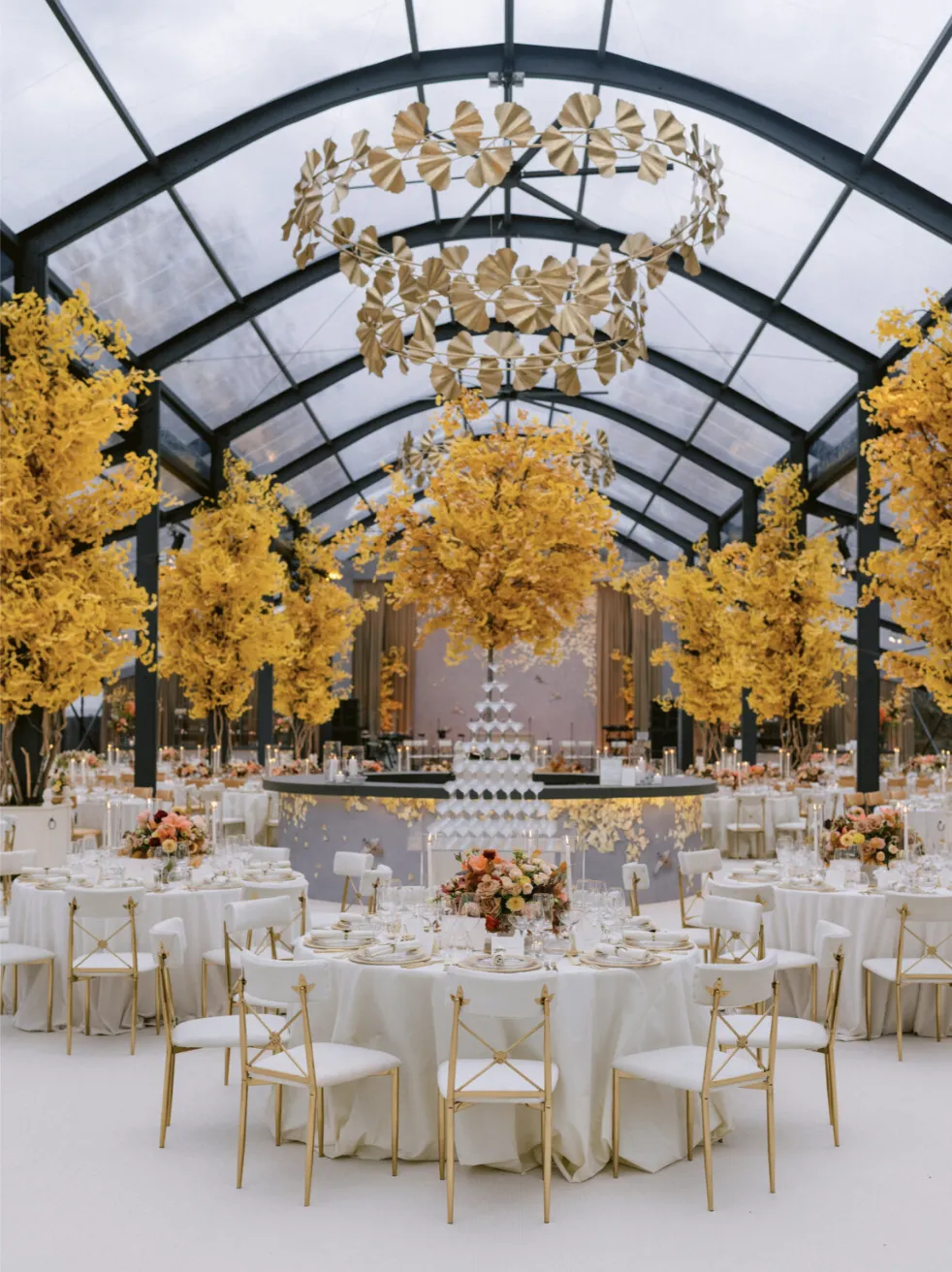
Planning the electrical requirements for a tented wedding is just as important as selecting the perfect venue, décor, or catering. From elegant lighting and climate control to entertainment, catering equipment, and audiovisual systems, every electrical component depends on a reliable power source. Underestimating your power requirements can lead to overloaded circuits, generator failures, or disruptions that impact the guest experience.
Accurate power planning begins with understanding your event’s total electrical load. Factors such as guest count, tent size, lighting design, climate control equipment, and specialty rentals all influence generator sizing and power distribution. By calculating these requirements early in the planning process, couples and event planners can create a safe, efficient, and comfortable environment that keeps every aspect of the celebration running smoothly. This guide explains how to estimate power requirements for a tented wedding while exploring generator sizing, electrical planning, backup systems, and practical strategies for ensuring uninterrupted power throughout your event.
Assessing Your Wedding’s Total Power Requirements
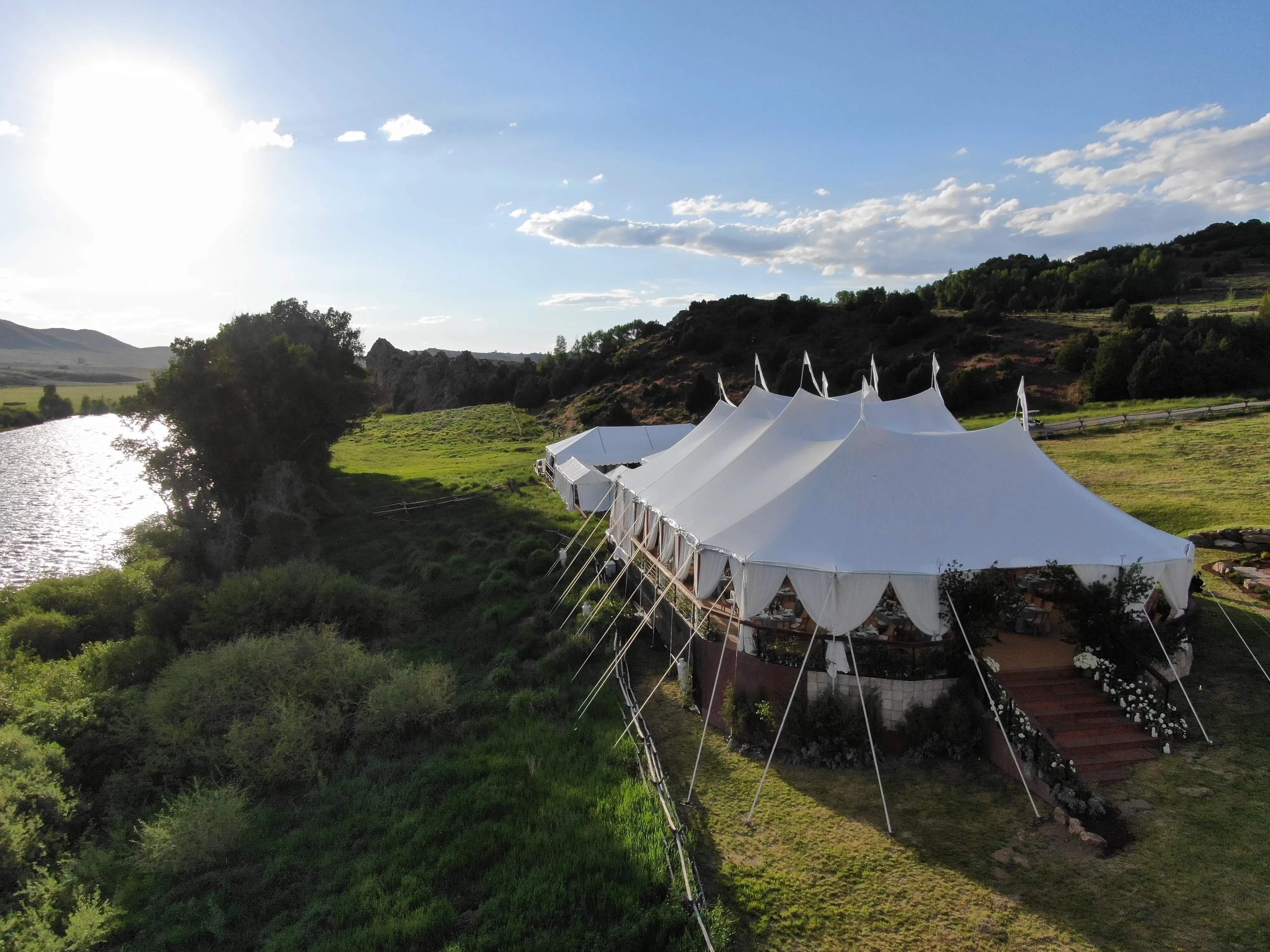
Every tented wedding has unique electrical demands based on the venue, guest count, entertainment, catering equipment, and event schedule. Before selecting a generator or creating a power distribution plan, it’s important to identify every piece of equipment that will require electricity throughout the day.
Creating a complete inventory of electrical devices allows planners to estimate total wattage accurately while avoiding costly surprises during installation. A detailed assessment also helps vendors coordinate equipment requirements before the event begins.
Identifying Every Electrical Load
Power calculations should include every electrical device used during the wedding, from decorative lighting to kitchen equipment and entertainment systems. Small appliances may consume relatively little electricity individually, but together they can significantly increase total power demand.
Listing each item and its wattage creates a clear picture of the overall electrical requirements while making generator sizing much more accurate.
Factors That Influence Overall Power Demand
Several variables directly affect the amount of electricity required for a successful outdoor wedding.
Before calculating total wattage, consider the following:
Total guest count.
Tent size and structure.
Decorative and functional lighting.
Sound systems and entertainment equipment.
Catering appliances and kitchen equipment.
Climate control systems and ventilation.
Total guest count.
Tent size and structure.
Decorative and functional lighting.
Sound systems and entertainment equipment.
Catering appliances and kitchen equipment.
Climate control systems and ventilation.
Evaluating these factors early allows planners to build a reliable power plan that supports every stage of the celebration without overloading the electrical system.
Choosing the Right Generator for Your Wedding
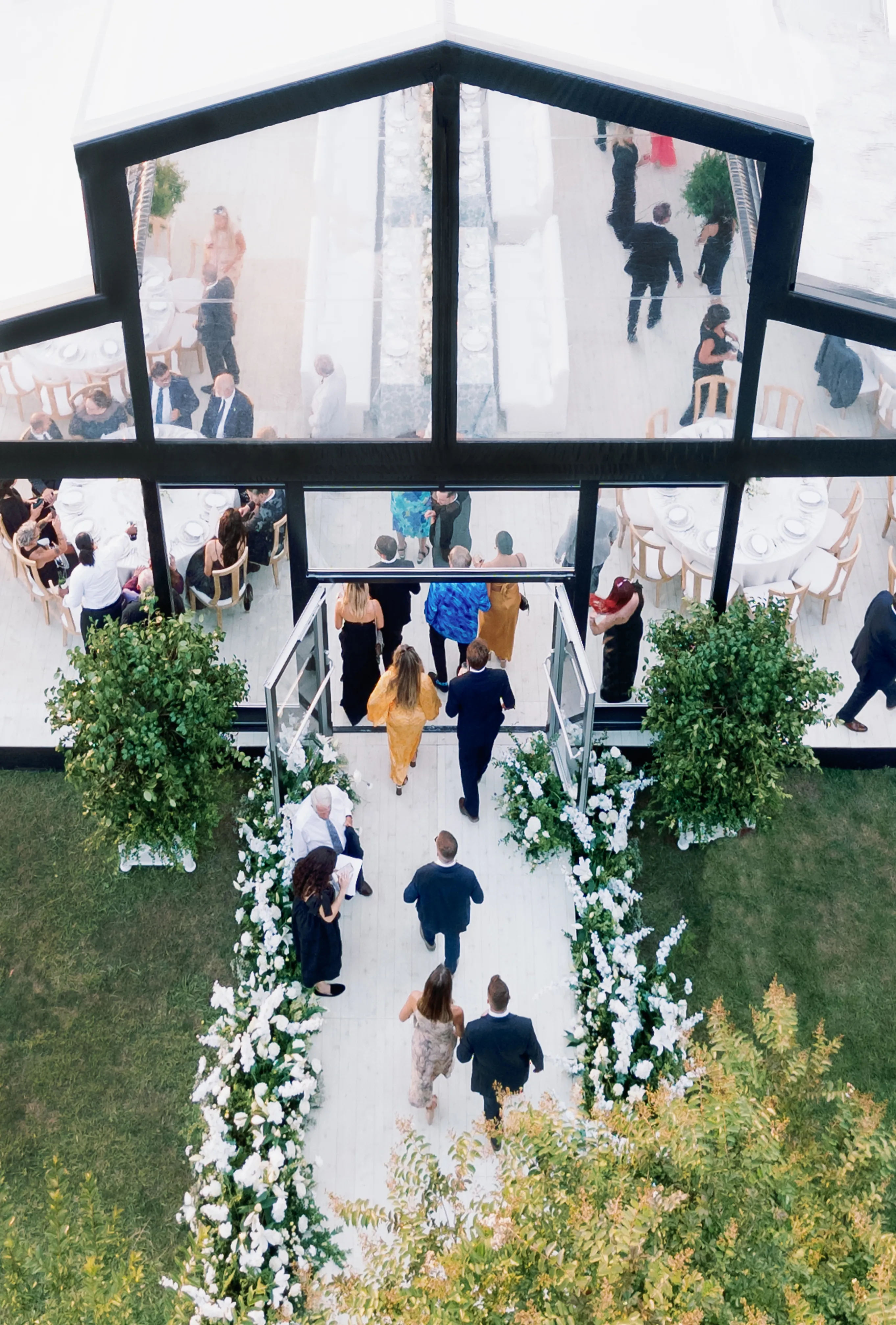
Once the total electrical load has been calculated, selecting the correct generator becomes much easier. The generator must be capable of supplying sufficient continuous power while also accommodating temporary power surges created when certain equipment starts operating.
An undersized generator increases the risk of outages, while an oversized unit may result in unnecessary rental costs. Proper sizing creates the ideal balance between efficiency, reliability, and event safety.
Calculating Generator Capacity
Begin by adding together the wattage of every electrical device that will operate during the event. This total should include lighting, entertainment, catering equipment, climate control systems, decorative features, and any specialty rentals requiring power.
Most professional event planners also include an additional safety margin to account for startup surges and unexpected electrical demands that may arise throughout the celebration.
Generator Sizing Best Practices
Choosing the right generator involves more than matching total wattage.
For reliable performance, follow these best practices:
Calculate the total continuous electrical load.
Add a 20 to 30 percent safety margin.
Account for equipment with high startup wattage.
Confirm vendor power requirements in advance.
Work with experienced generator specialists.
Test equipment before the wedding day.
Calculate the total continuous electrical load.
Add a 20 to 30 percent safety margin.
Account for equipment with high startup wattage.
Confirm vendor power requirements in advance.
Work with experienced generator specialists.
Test equipment before the wedding day.
A properly sized generator provides consistent power throughout the event, helping ensure that lighting, music, catering, and climate control continue operating without interruption.
Planning Safe Power Distribution Throughout the Venue
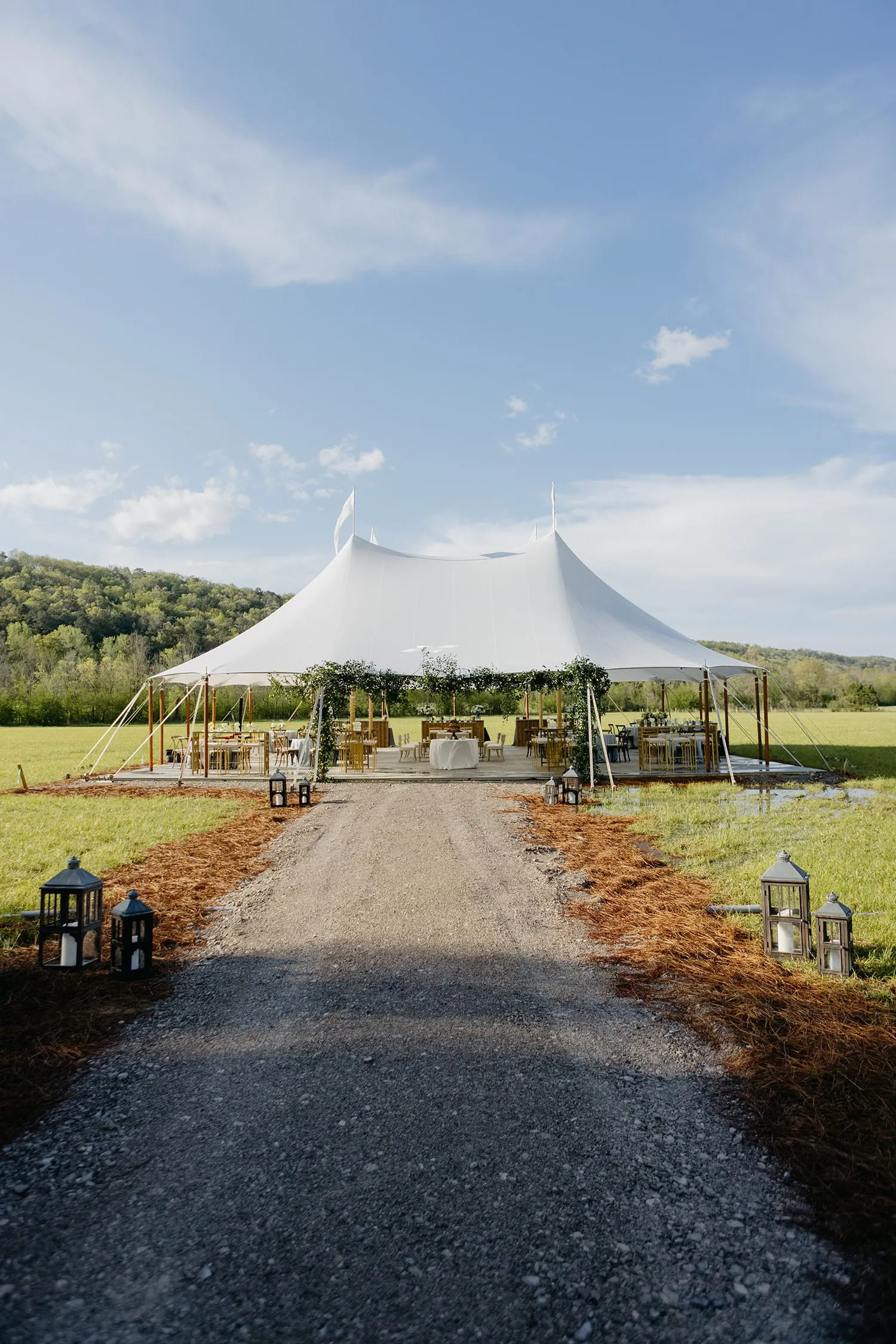
Supplying enough electricity is only part of the process. Power must also be distributed safely and efficiently throughout the wedding venue to ensure every vendor, piece of equipment, and guest area receives reliable electricity. A well-designed distribution plan reduces the risk of overloaded circuits while making setup and event operations much smoother.
Professional power planning also improves safety by minimising exposed cables, preventing voltage fluctuations, and ensuring vendors have convenient access to electrical connections without interfering with guest movement.
Designing an Efficient Power Distribution Layout
Power distribution should be planned alongside the overall wedding layout. Identifying where lighting, entertainment, catering equipment, bars, and climate control systems will be located allows electricians to position distribution boxes and outlets more effectively.
This approach also helps balance electrical loads across multiple circuits, reducing the likelihood of outages while simplifying installation for vendors.
Essential Power Distribution Considerations
A properly planned electrical layout keeps the venue organised while supporting safe event operations.
Key considerations include:
Install power distribution boxes for multiple circuits.
Properly ground all electrical equipment.
Position outlets close to vendor work areas.
Protect cables using covers and designated pathways.
Separate high-load equipment onto dedicated circuits.
Test all electrical connections before guests arrive.
Install power distribution boxes for multiple circuits.
Properly ground all electrical equipment.
Position outlets close to vendor work areas.
Protect cables using covers and designated pathways.
Separate high-load equipment onto dedicated circuits.
Test all electrical connections before guests arrive.
Following these best practices creates a safer environment while ensuring consistent electrical performance throughout the celebration.
Backup Power and Climate Control Planning
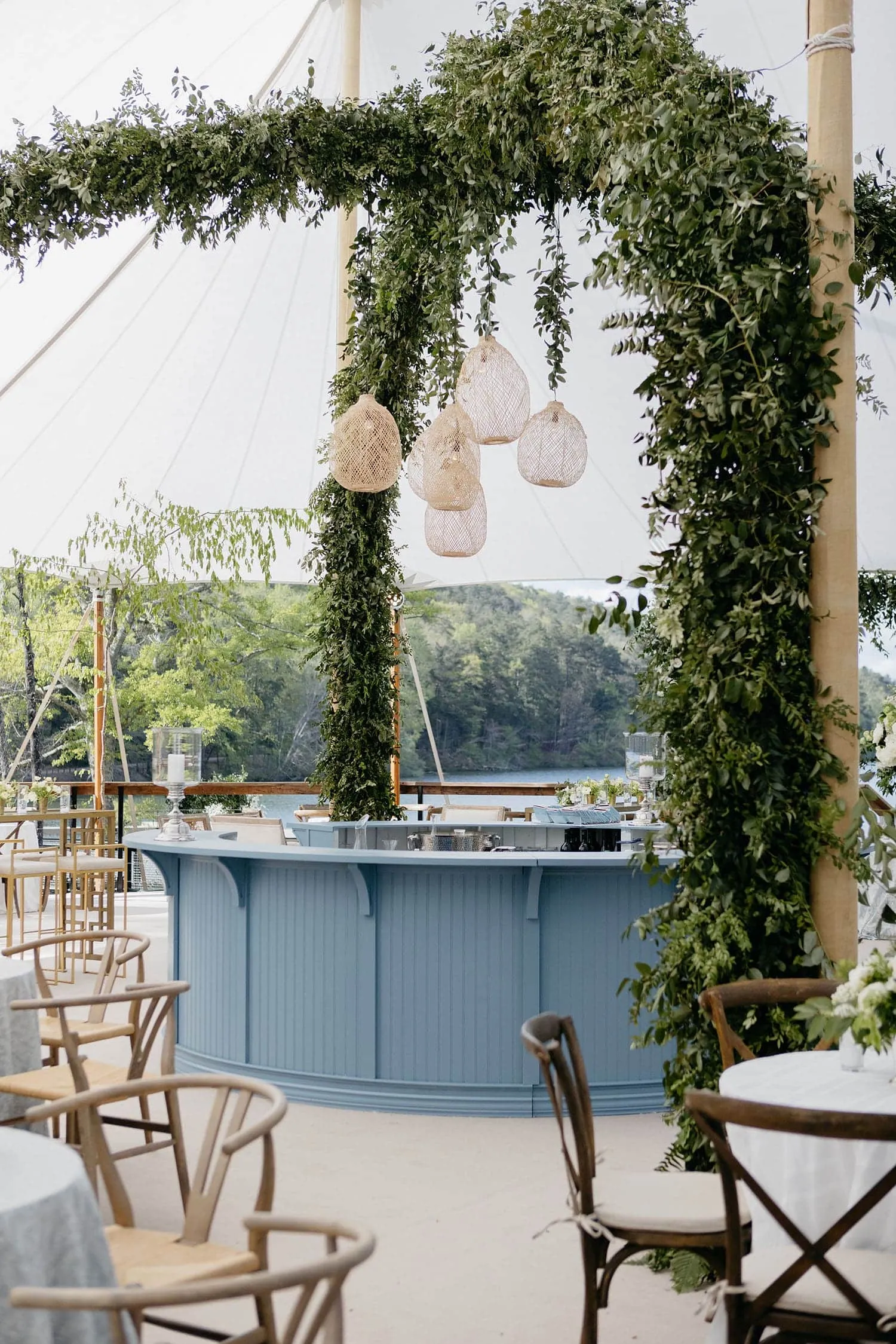
Even with careful preparation, unexpected electrical issues can occur. Having backup power solutions in place protects the event from interruptions while ensuring essential equipment continues operating if the primary power source experiences problems.
Backup planning is especially important for outdoor weddings where lighting, sound systems, catering operations, and climate control all depend on continuous electricity. Preparing for unexpected situations allows couples and planners to enjoy the celebration with greater peace of mind.
Preparing Reliable Backup Systems
Backup generators, battery systems, and uninterruptible power supplies (UPS) provide additional protection for critical equipment. Sensitive electronics such as audiovisual systems, wireless microphones, and event management equipment particularly benefit from backup power solutions.
Professional event planners often prioritise backup systems for lighting, entertainment, catering operations, and emergency communication equipment to minimise disruption if an outage occurs.
Calculating Climate Control Power Requirements
Heating and cooling systems are often among the largest electrical loads at a tented wedding, especially during warmer summers or cooler evenings.
When estimating climate control power requirements, consider:
Tent size and interior volume.
Expected guest count.
Seasonal weather conditions.
HVAC startup versus continuous operation.
Ventilation and airflow requirements.
Heating or cooling equipment specifications.
Tent size and interior volume.
Expected guest count.
Seasonal weather conditions.
HVAC startup versus continuous operation.
Ventilation and airflow requirements.
Heating or cooling equipment specifications.
Accurately calculating climate control loads helps maintain a comfortable environment while ensuring your generator has sufficient capacity to support every system operating throughout the event.
Understanding How Tent Types Affect Electrical Demand
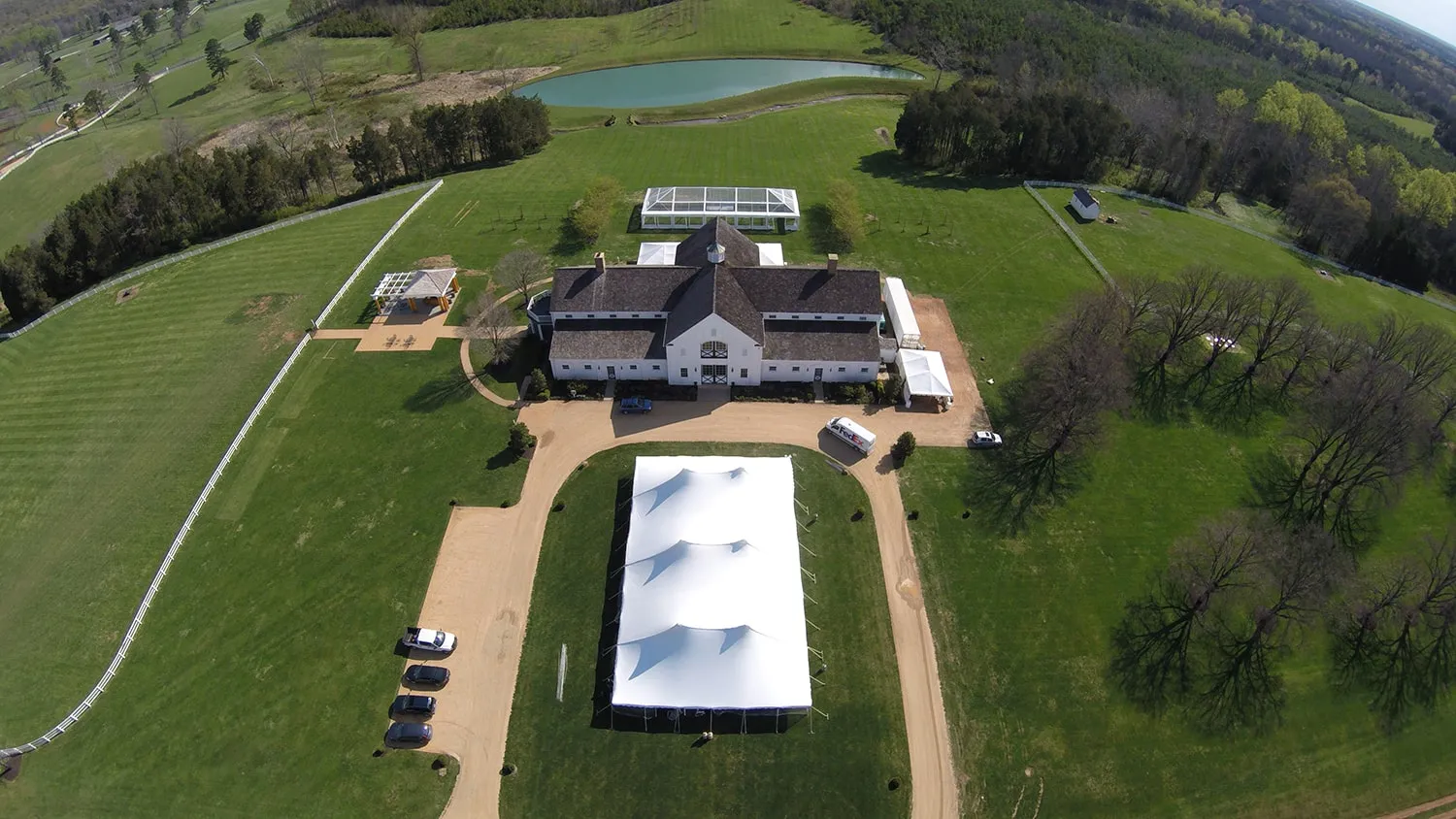
The type of wedding tent you choose has a direct impact on your overall power requirements. Different tent structures support different layouts, capacities, lighting designs, and climate control systems, all of which influence the amount of electricity needed throughout the event.
Understanding how various tent styles affect electrical load allows planners to select the appropriate generator while ensuring every feature operates efficiently from the ceremony through the final dance.
Comparing Clearspan, Frame, and Sailcloth Tents
Clearspan tents typically require more electricity because they are commonly used for larger weddings with premium lighting, audiovisual equipment, climate control, and luxury amenities. Their open interiors make them ideal for elaborate event designs but often increase electrical demand.
Frame tents generally require less power depending on their size and configuration, while sailcloth tents often emphasize decorative lighting and elegant ambience that can be achieved with carefully planned, energy-efficient fixtures.
Factors That Increase Electrical Load
Every tent style presents unique electrical considerations that should be evaluated during the planning process.
Important factors include:
Overall tent size and guest capacity.
Interior lighting design and decorative fixtures.
Audio, video, and entertainment systems.
Climate control equipment.
Catering and food preparation stations.
Specialty features such as LED dance floors or photo booths.
Overall tent size and guest capacity.
Interior lighting design and decorative fixtures.
Audio, video, and entertainment systems.
Climate control equipment.
Catering and food preparation stations.
Specialty features such as LED dance floors or photo booths.
Accounting for these variables helps planners develop accurate power estimates while preventing overloaded generators and electrical circuits during the event.
Estimating Lighting, Flooring, and Specialty Equipment Loads
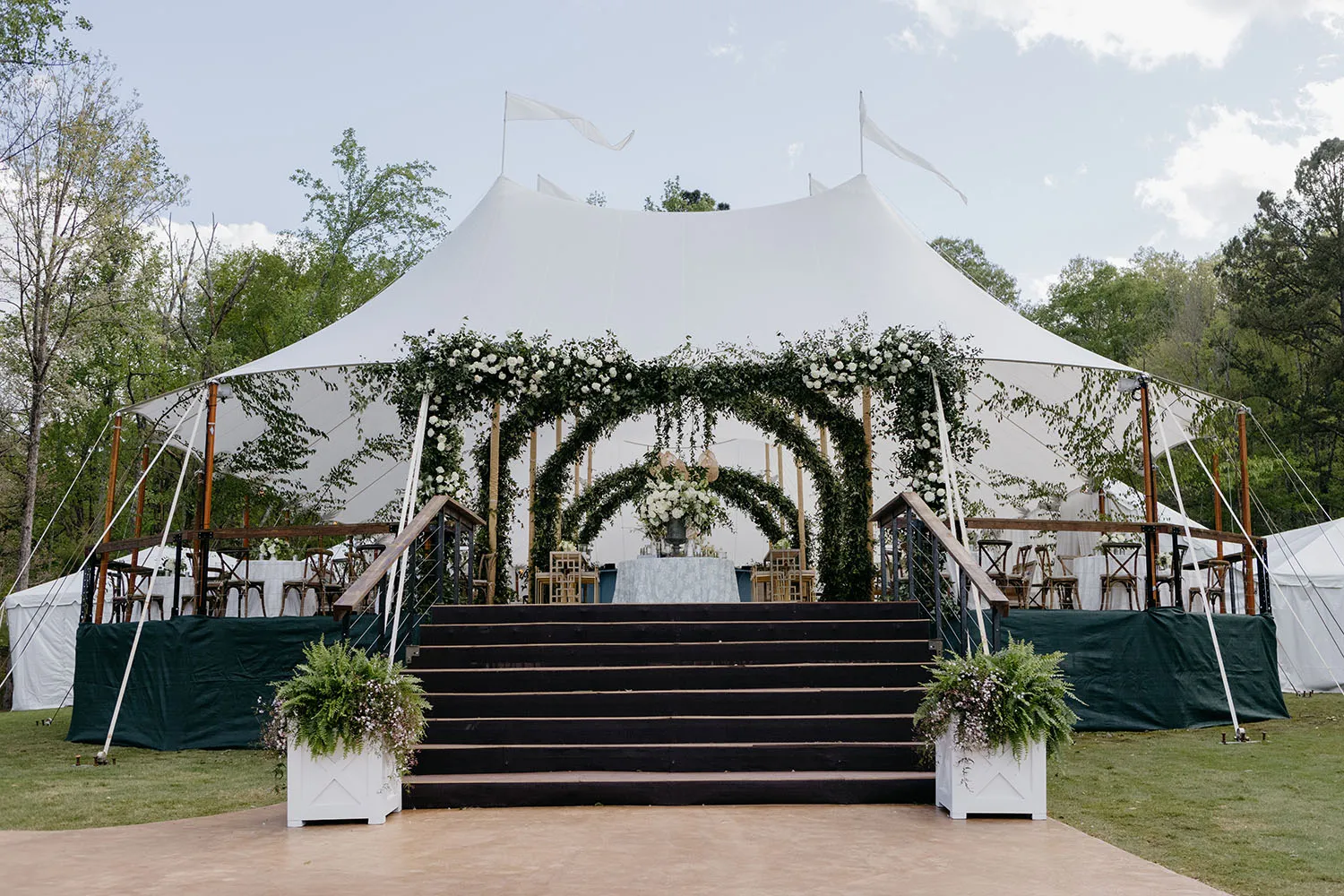
Lighting often represents one of the largest portions of a wedding’s electrical consumption. From chandeliers and uplighting to dance floor lighting and decorative string lights, every fixture contributes to the total power demand. Flooring features and specialty rentals can also require dedicated electrical circuits that should be included in generator calculations.
Creating a detailed inventory of every electrical component ensures nothing is overlooked while helping vendors coordinate installation before the wedding day.
Calculating Lighting Power Consumption
Each lighting fixture has its own wattage requirements. LED fixtures generally consume significantly less electricity than traditional lighting while still providing exceptional brightness and design flexibility.
Calculating the combined wattage of all lighting fixtures, then adding a reasonable safety margin, provides a more accurate estimate of the total electrical load required for the event.
Electrical Amenities to Include in Your Calculations
Many specialty rentals require dedicated power even though they are often overlooked during initial planning.
When calculating your total power requirements, remember to include:
Decorative chandeliers and uplighting.
LED dance floors and stage lighting.
Photo booths and interactive displays.
Catering appliances and beverage stations.
Audiovisual equipment and DJ systems.
Charging stations and miscellaneous vendor equipment.
Decorative chandeliers and uplighting.
LED dance floors and stage lighting.
Photo booths and interactive displays.
Catering appliances and beverage stations.
Audiovisual equipment and DJ systems.
Charging stations and miscellaneous vendor equipment.
Including every electrical device in your calculations helps create a reliable power plan that supports every aspect of your wedding without unexpected interruptions.
Why Professional Power Planning Makes a Difference
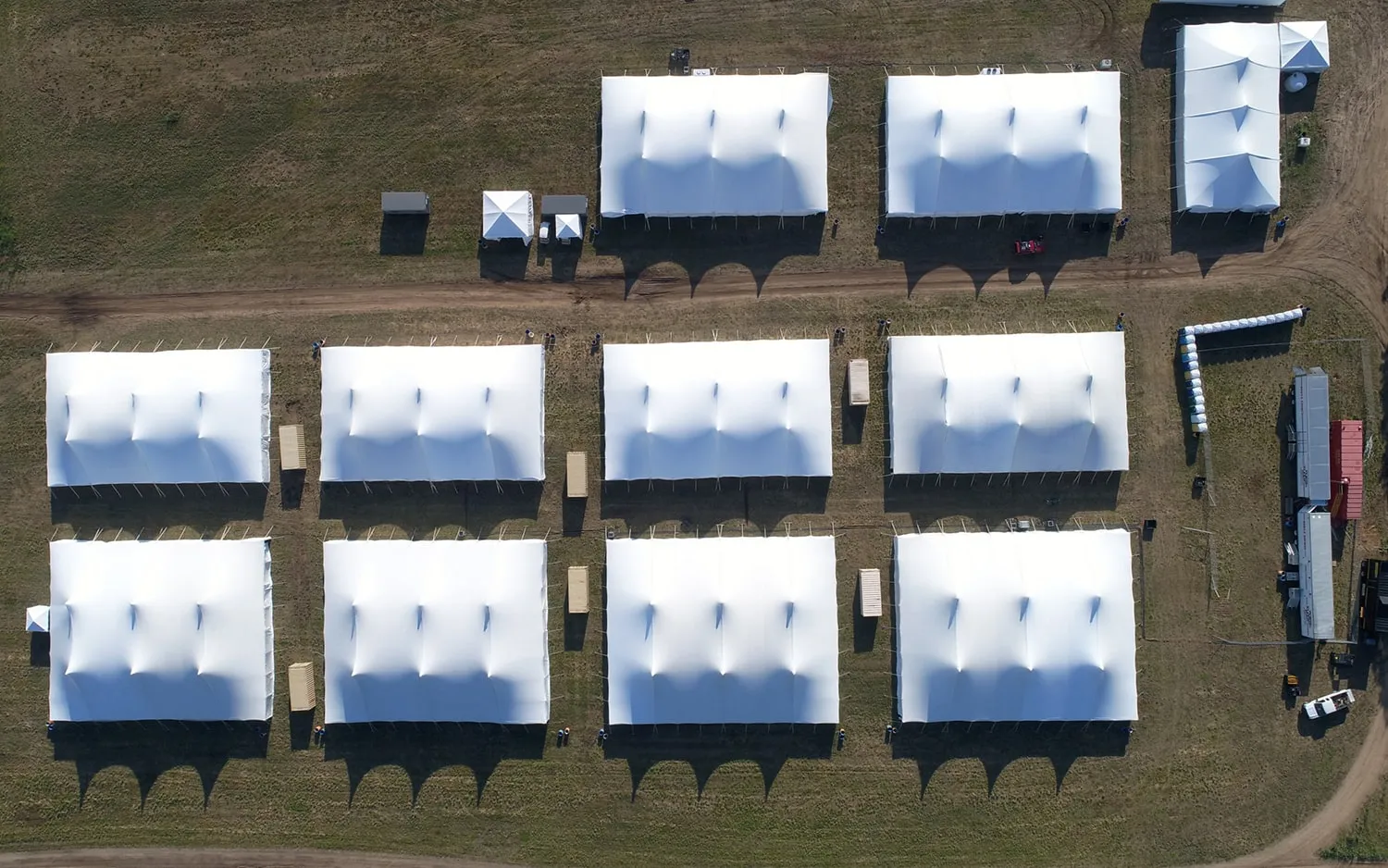
Accurate power calculations require more than adding together the wattage of lighting and equipment. Professional planning considers generator capacity, circuit balancing, backup systems, vendor requirements, and future electrical demands to create a reliable setup that supports the entire event. Working with experienced event professionals helps reduce risks while ensuring every electrical component performs as expected.
By developing a comprehensive power strategy before installation begins, planners can avoid costly delays, equipment failures, and unexpected interruptions on the wedding day.
Generator Capacity and Circuit Planning
Selecting the correct generator starts with calculating the total electrical demand of the event. Once the total wattage has been determined, an additional safety margin should be included to accommodate equipment startup loads and unexpected power fluctuations.
Circuit planning is equally important. Distributing electrical loads across multiple circuits prevents overloads while ensuring critical systems such as lighting, catering equipment, entertainment, and climate control continue operating efficiently throughout the event.
Best Practices for Reliable Event Power
A structured power plan improves safety and helps every vendor operate efficiently.
Follow these best practices for dependable event power:
Calculate total electrical demand before selecting a generator.
Include a safety margin for startup surges.
Map power distribution throughout the venue.
Separate high-demand equipment across multiple circuits.
Install reliable backup power systems.
Test generators and electrical equipment before the event.
Calculate total electrical demand before selecting a generator.
Include a safety margin for startup surges.
Map power distribution throughout the venue.
Separate high-demand equipment across multiple circuits.
Install reliable backup power systems.
Test generators and electrical equipment before the event.
Careful planning ensures every part of the wedding operates smoothly while providing a safe and comfortable experience for guests and vendors alike.
Frequently Asked Questions
How do I calculate power requirements for a tented wedding?
Start by creating a complete list of every electrical device, including lighting, sound systems, catering equipment, climate control units, and specialty rentals. Add the wattage of each item and include a 20 to 30 percent safety margin when selecting a generator.
How large should a generator be for a wedding tent?
Generator size depends on the total electrical load of the event. A professional power assessment helps ensure the generator can safely handle both continuous operation and startup surges.
Does tent size affect electrical requirements?
Yes. Larger tents typically require more lighting, climate control, and electrical equipment, which increases overall power consumption.
Should I have a backup generator for my wedding?
For medium to large outdoor weddings, a backup generator is highly recommended. It helps protect critical systems such as lighting, entertainment, catering equipment, and climate control if the primary generator experiences an issue.
What equipment uses the most electricity at a tented wedding?
Climate control systems, catering appliances, professional sound systems, decorative lighting, LED dance floors, and audiovisual equipment are usually the largest contributors to overall electrical demand.
Plan Your Wedding Power with Confidence
Reliable electrical planning is essential for creating a seamless tented wedding experience. From calculating total power requirements and selecting the correct generator to designing safe power distribution and preparing backup systems, every detail contributes to a successful event. Careful planning helps eliminate unexpected interruptions while ensuring guests remain comfortable throughout the celebration.
Skyline Tent Company works closely with couples, planners, and vendors to develop complete power strategies for luxury tented weddings. Our experienced team helps coordinate generator sizing, electrical layouts, climate control integration, and premium event rentals to ensure every celebration runs smoothly from start to finish.
Contact Skyline Tent Company today to learn how our expert tent planning and event solutions can help create a safe, elegant, and perfectly powered outdoor wedding.