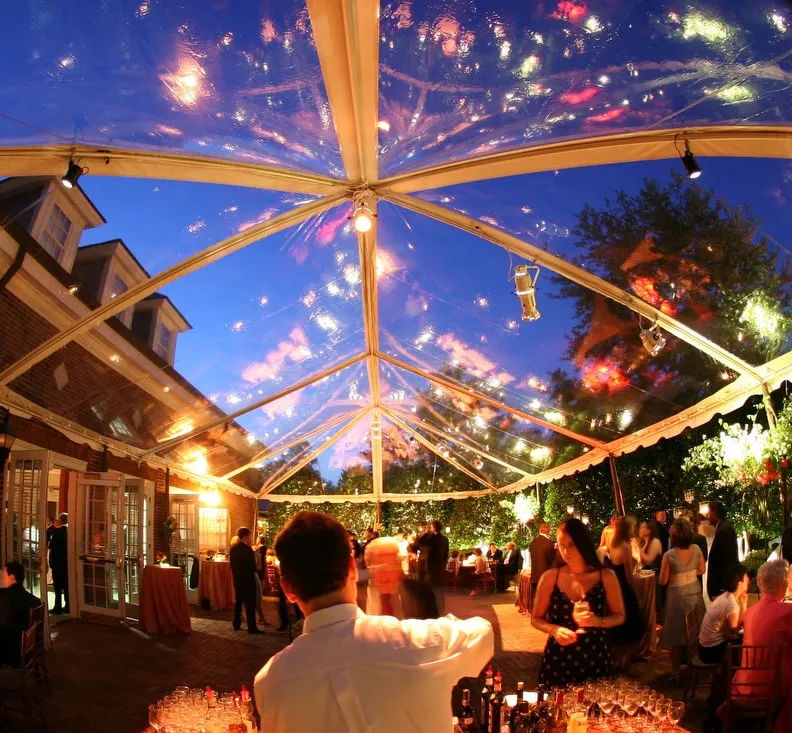
Hardwall and glass wall enclosures are increasingly important elements in luxury commercial event structures because they combine the sophistication of a permanent venue with the flexibility of a temporary installation. For corporate gatherings, high-profile weddings, galas, brand events, and other upscale outdoor occasions, these enclosure systems can create a more controlled environment while preserving the architectural character of the surrounding property. Hardwall systems use solid panels to provide privacy and protection, while glass walls introduce transparency, natural light, and a stronger visual connection to the landscape. Both can contribute to weather resistance, temperature regulation, guest comfort, and the polished appearance expected from premium temporary venues. Their performance also depends on the materials, supporting tent structure, insulation, climate-control strategy, flooring, lighting, and overall site plan. When these elements are coordinated from the beginning, planners can create a temporary event space that combines outdoor views with the comfort and refinement of an enclosed venue.
Understanding Hardwall and Glass Wall Event Enclosures
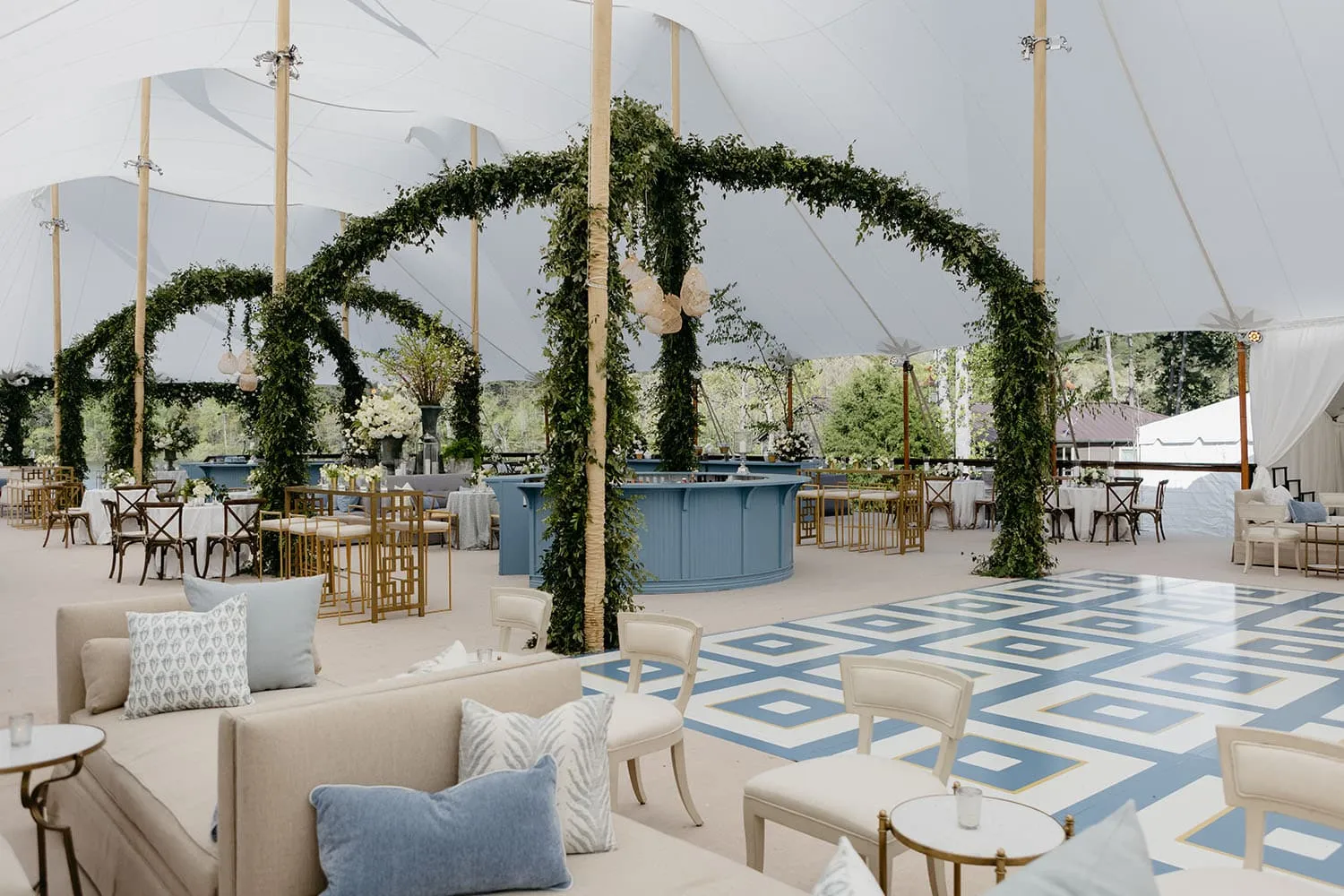
Hardwall and glass wall systems serve similar functional goals but create different visual experiences. The right choice depends on how much privacy, transparency, weather protection, and connection to the outdoors the event requires.
Both enclosure types can become important architectural features rather than simply practical boundaries around a temporary structure.
Hardwall Enclosures for Privacy and Structure
Hardwall enclosures typically use solid, durable panels to create a more defined separation between the event interior and exterior environment. They can give a temporary tent a more substantial architectural appearance while providing additional privacy for guests and event activities.
For commercial events, hardwalls can be useful where planners want portions of the venue to feel more enclosed or visually controlled. They can also contribute to insulation and help protect the interior from changing outdoor conditions.
Their clean surfaces can complement sophisticated interior designs, allowing furniture, lighting, décor, and branded elements to remain the visual focus of the space.
Glass Walls for Transparency and Natural Light
Glass wall enclosures provide a very different effect by maintaining visibility between the interior and surrounding environment. The source describes tempered glass as a way to create a transparent, open atmosphere while still providing the benefits of an enclosed structure.
This combination can be particularly effective at scenic properties where gardens, water, architecture, or surrounding landscapes are part of the event experience. Natural light can also enter the venue during daytime events, helping the interior feel more connected to the outdoors.
Hardwall and glass wall systems offer several advantages when they are properly matched to the event. The most important benefit is that planners do not have to choose between visual sophistication and practical protection. Instead, the enclosure can support comfort while becoming part of the overall design.
Enhanced guest comfort: Enclosures can support more stable interior conditions as outdoor temperatures change.
Contemporary aesthetics: Glass walls introduce clean lines, transparency, and natural light.
Privacy: Hardwall panels can create more defined and private event areas.
Weather protection: Enclosed structures provide an additional barrier against rain and wind.
Landscape visibility: Glass allows guests to continue experiencing the surrounding property.
Luxury presentation: Both options can help a temporary structure feel more architectural and refined.
These qualities make hardwall and glass wall systems particularly relevant for commercial venues where presentation and guest comfort need to work together.
Choosing Tent Structures for Hardwall and Glass Wall Systems
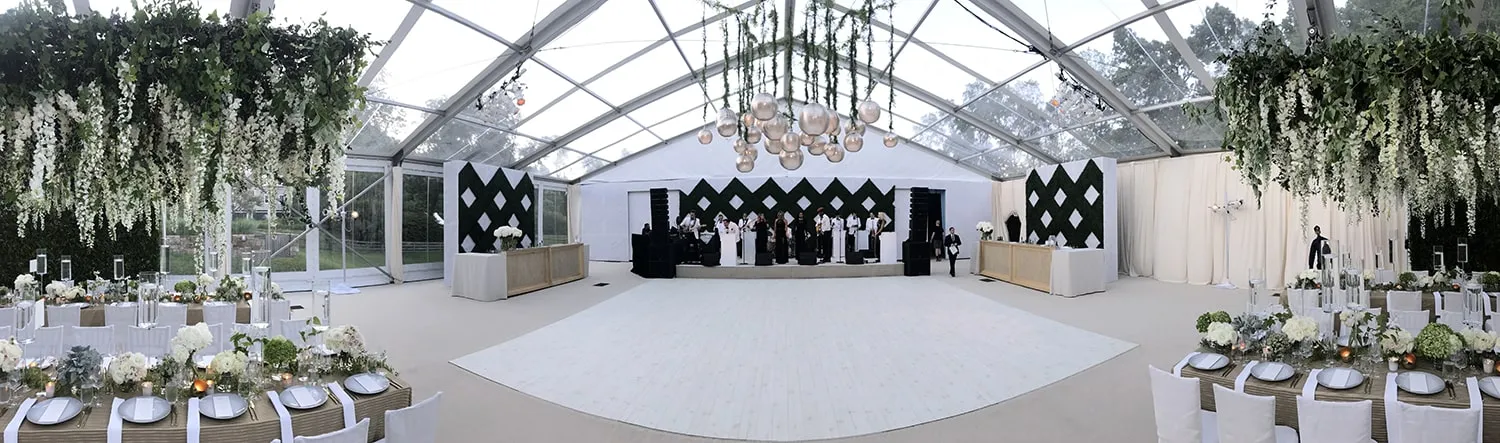
The enclosure system cannot be selected independently from the primary tent structure. The tent determines the available interior space, architectural style, installation requirements, and how supporting infrastructure can be incorporated.
The original content identifies clearspan, frame, and sailcloth structures as options that can be considered when planning hardwall or glass wall event environments.
Clearspan Tents for Large Enclosed Event Spaces
Clearspan tents provide unobstructed interiors, making them particularly attractive for large luxury events. Without internal support poles interrupting the floor plan, planners have more flexibility for dining arrangements, stages, lounge areas, bars, exhibitions, and other commercial event features.
Glass walls can complement this open architectural approach by extending sightlines toward the exterior. Rather than creating a visually closed temporary venue, the combination can provide substantial interior space while preserving views beyond the tent.
Clearspan structures can therefore work well for commercial events requiring both scale and a sophisticated architectural presentation.
Frame and Sailcloth Options for Different Event Styles
Frame tents provide flexibility in sizing and configuration, allowing them to accommodate different types of events and available site conditions. Their adaptable structure can make them useful where the event footprint or design requirements differ from those of a larger clearspan installation.
The source also identifies sailcloth tents as an aesthetically driven option. Their graceful form and naturally bright interiors can contribute to a softer luxury atmosphere, particularly during daytime events.
The final structure should be selected according to the specific enclosure system, event requirements, site conditions, and installation feasibility rather than appearance alone.
Improving Climate Control and Weather Protection
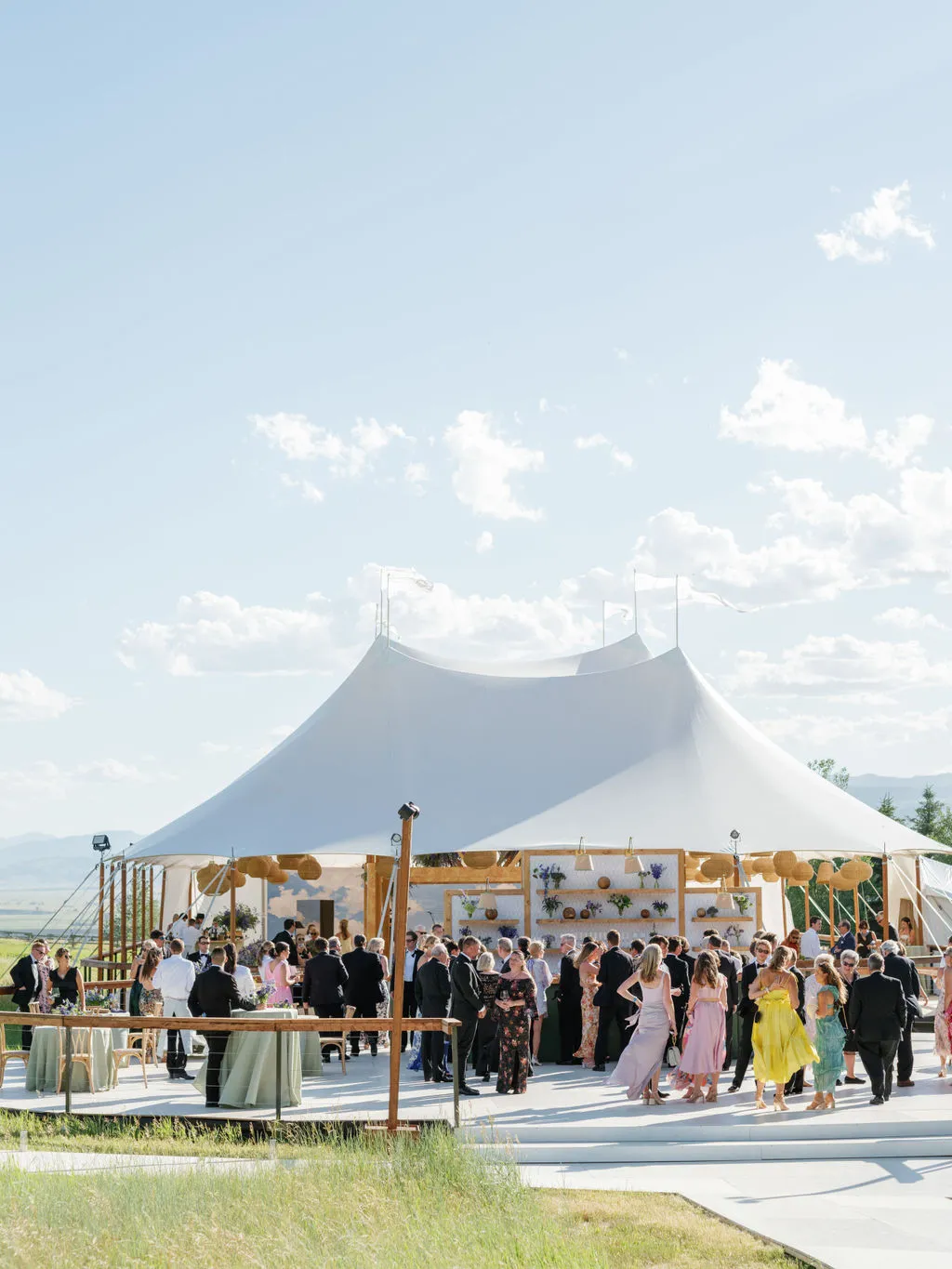
One of the strongest reasons to use hardwall and glass wall enclosures is their ability to create a more controlled environment inside an outdoor temporary venue. Luxury events often need to remain comfortable even when temperatures, wind, or rain change during the event.
The source specifically emphasizes temperature regulation, weather resistance, insulation, and material durability as important benefits of enclosed tent systems.
Maintaining More Stable Interior Temperatures
Enclosures can help reduce the direct exchange between the interior space and outdoor conditions. When integrated with an appropriate climate-control system, this can support more consistent temperatures throughout the venue.
Material selection influences how effectively the enclosure performs. The source notes that materials with stronger thermal resistance can help reduce heat loss in colder conditions and heat gain during warmer weather.
For climate-controlled event tents, enclosure design should therefore be considered alongside heating, cooling, ventilation, and overall energy requirements.
Protecting Events from Wind and Rain
Hardwall and glass wall systems also provide additional physical protection from outdoor elements. Complete enclosure can help keep wind and rain from entering the primary guest space, which becomes particularly important for events scheduled during variable seasons.
Material durability plays a major role in this performance. Strong frames, panels, and enclosure components need to work with the supporting tent structure to maintain a reliable event environment.
Climate and weather planning should begin before the enclosure system is selected. The structure, materials, degree of enclosure, and climate-control equipment all influence how the completed venue will perform. Coordinating these components allows planners to create a more dependable guest environment.
Insulation: Helps maintain more stable interior temperatures.
Wind protection: Enclosures provide an additional barrier between guests and exterior conditions.
Rain protection: Complete walls help keep precipitation outside the primary event space.
Heating efficiency: Appropriate enclosure materials can help reduce unnecessary heat loss.
Cooling efficiency: Controlled boundaries can support more effective cooling strategies.
Material durability: Strong structural materials contribute to reliable long-term performance.
A successful enclosed venue balances protection with the desired atmosphere instead of treating climate control as a separate technical addition.
Enhancing Luxury Events Through Transparency and Design
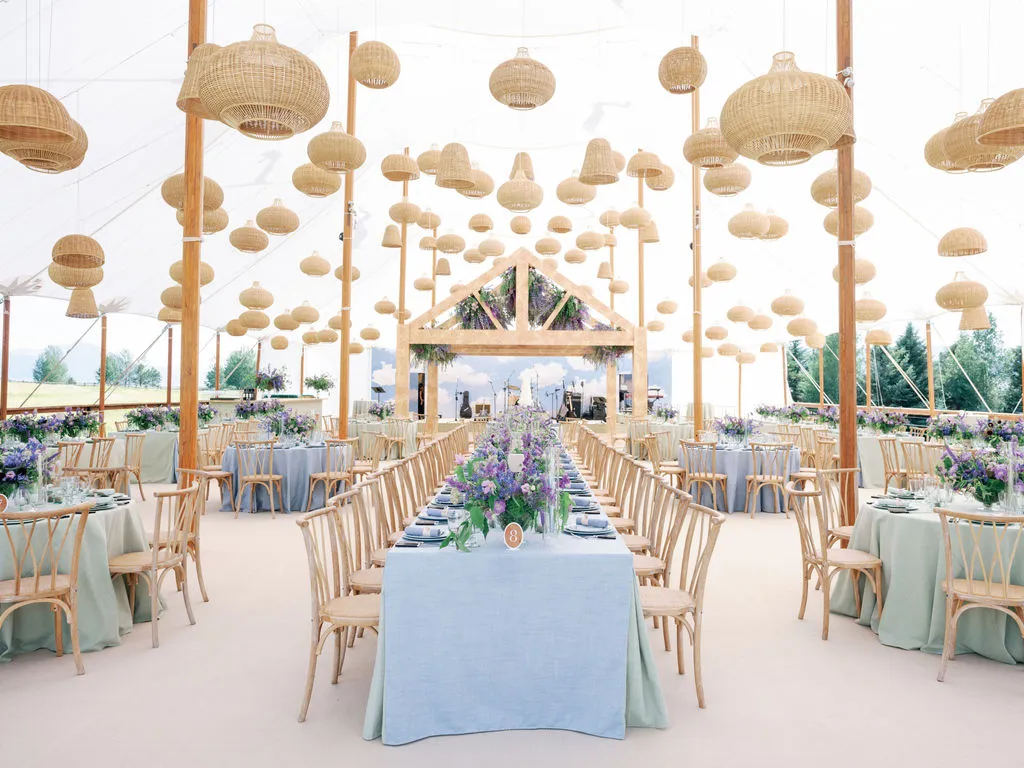
An enclosure does more than protect the interior. In high-end commercial events, walls influence how guests perceive the venue, how natural light enters the space, and how strongly the event remains connected to its setting.
Glass walls are especially valuable when the surrounding property is part of the visual experience.
Creating a Visual Connection to the Outdoors
Transparent walls allow guests to experience surrounding scenery while remaining inside a controlled temporary environment. This can be particularly effective for events held near gardens, waterfronts, estates, landscaped venues, or properties with architectural views.
The visual continuity between interior and exterior can also make the temporary venue feel more spacious. Instead of views ending at an opaque wall, sightlines continue toward the surrounding property.
The source describes this connection to nature as one of the primary benefits of glass walls, contributing to a stronger feeling of openness and immersion.
Coordinating Lighting, Flooring, and Interior Design
Glass walls can influence the lighting strategy because natural daylight may become part of the interior experience. As evening approaches, decorative lighting can transform the appearance of the space while the glass continues to maintain views outside.
Flooring should also complement the architectural quality of the enclosure. A polished temporary floor can create a more finished transition between the structural walls, furniture, and overall event design.
Hardwall surfaces may provide a different design opportunity, creating defined backgrounds for lighting, décor, branding, or presentation areas. The best approach is to coordinate enclosure materials with the rest of the event environment rather than selecting each component separately.
Planning Materials, Site Logistics, and Enclosure Performance
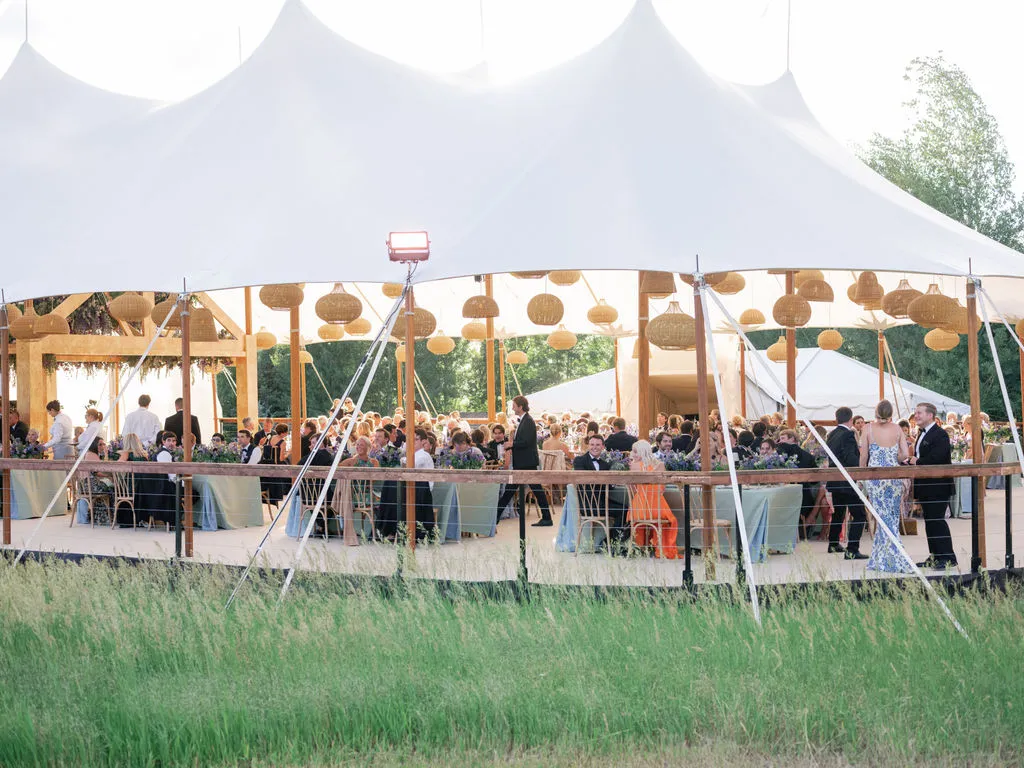
The visual result of a hardwall or glass wall venue depends heavily on technical planning behind the scenes. Materials, tent structure, terrain, accessibility, climate systems, and installation requirements all affect whether the enclosure can perform as intended.
Material properties deserve particular attention because they influence durability, insulation, appearance, and the overall character of the event space.
Select Materials Around Performance and Appearance
Durable framing and enclosure materials help the venue withstand repeated use and outdoor exposure. The source mentions aluminum framing, high-quality fabrics, insulation characteristics, and visual quality as factors that can influence enclosure performance.
A luxury structure should therefore be evaluated from both technical and design perspectives. A material may perform well structurally but still need to complement the atmosphere clients expect from an upscale event.
Glass, structural framing, tent fabric, flooring, and interior finishes should work visually as one architectural system.
Coordinate the Enclosure with the Complete Site Plan
Installation should take account of the size and orientation of the primary structure, surrounding terrain, equipment access, guest entrances, utilities, and the placement of climate-control systems.
Glass walls may also influence where planners orient dining, lounge, or reception areas because exterior views become part of the interior layout. Hardwalls can be placed where greater privacy or visual separation is more appropriate.
The best enclosure plan begins with a complete understanding of the property and event objectives. Material selection, tent architecture, interior comfort, and exterior views should be considered together. Several planning priorities can help guide the process.
Tent compatibility: Select an enclosure appropriate for the primary event structure.
Material durability: Consider how framing and panels will perform throughout the event.
Insulation needs: Match enclosure performance to expected temperatures and climate control.
View orientation: Position transparent walls to take advantage of important surroundings.
Guest experience: Balance openness, privacy, comfort, and circulation.
Overall aesthetics: Coordinate walls with lighting, flooring, furnishings, and décor.
This integrated planning approach helps the enclosure contribute to both the operational reliability and luxury presentation of the venue.
Frequently Asked Questions
What is the difference between hardwall and glass wall enclosures?
Hardwall enclosures typically use solid panels that create privacy and a more defined interior environment. Glass wall enclosures use transparent panels to preserve views and natural light while maintaining an enclosed event space.
Are glass wall tents suitable for luxury commercial events?
Yes. Glass walls can provide a contemporary architectural appearance, allow natural light into the venue, and maintain a visual connection to surrounding scenery, making them especially attractive for upscale outdoor events.
Do hardwall and glass wall systems help with climate control?
The source indicates that these enclosure systems can support better temperature regulation by creating a more controlled interior environment and providing insulation from outdoor conditions.
Which tent structures can work with these enclosure systems?
The original content identifies clearspan, frame, and sailcloth tents as structures that can be considered for hardwall or glass wall integration depending on event and site requirements.
Why are material properties important for event enclosures?
Durability, insulation, and aesthetics all influence how the enclosure performs and how the finished temporary venue looks. Selecting materials according to these factors can support both guest comfort and overall event presentation.
Create a Luxury Enclosed Event Venue with Skyline Tent Company
Hardwall and glass wall systems can transform a temporary tent into a more architectural and controlled luxury event environment. Solid panels can provide privacy and a defined interior, while glass walls preserve natural light, surrounding views, and the sense of openness that makes outdoor venues appealing.
The enclosure should be planned as part of the complete temporary venue. Tent structure, insulation, climate control, lighting, flooring, site conditions, and guest experience all influence the final result.
For commercial venues and planners creating upscale outdoor events, Skyline Tent Company provides luxury event infrastructure and tent solutions designed around sophisticated temporary spaces.
Contact Skyline Tent Company to discuss your event site, enclosure requirements, tent structure, climate-control needs, and luxury design goals. With a coordinated hardwall or glass wall solution, Skyline Tent Company can help create an elegant temporary venue that combines outdoor views, weather protection, guest comfort, and polished architectural design.