
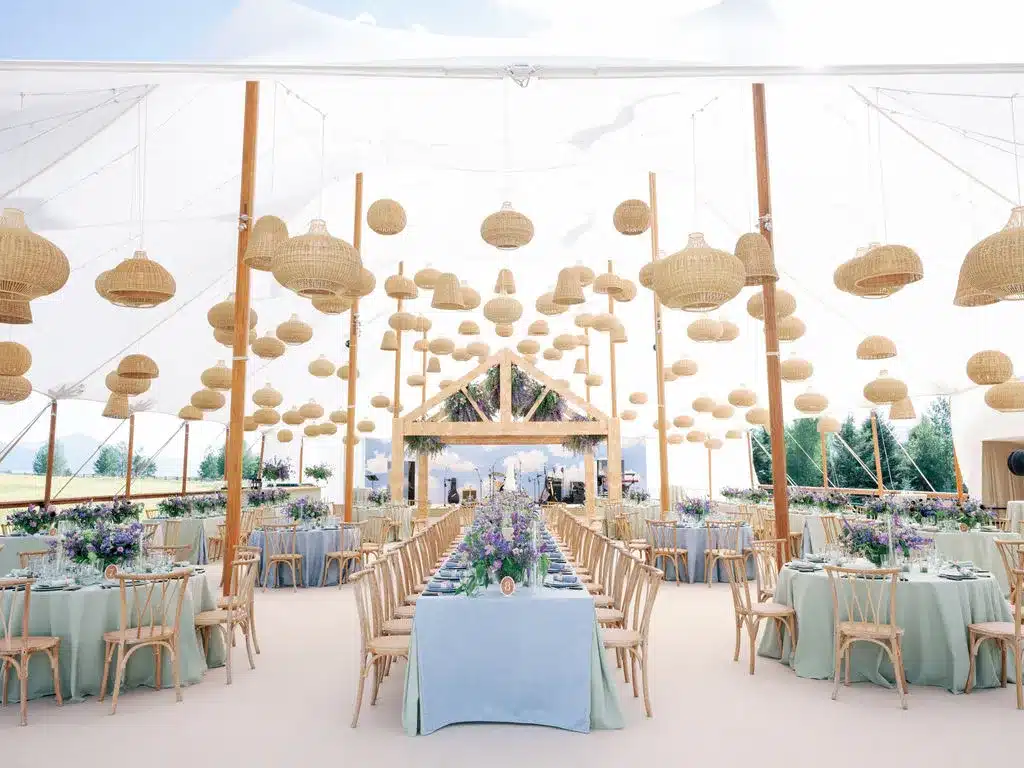
Event atmosphere depends on attention to detail, and tent design is one of the most influential elements. A customised tent aligns the venue with your theme and improves overall ambiance. This article outlines key aspects of tent customisation from structure selection to décor and lighting so you can deliver an event that meets and exceeds expectations.
The guide covers tent structure types suited to different themes, how décor and lighting elevate the guest experience, essential flooring and site-logistics considerations, and emerging custom tent design trends. Whether planning a wedding, corporate function, or festival, the information here offers practical insights for a successful event.
Which Tent Structure Types Best Suit Your Event Theme?
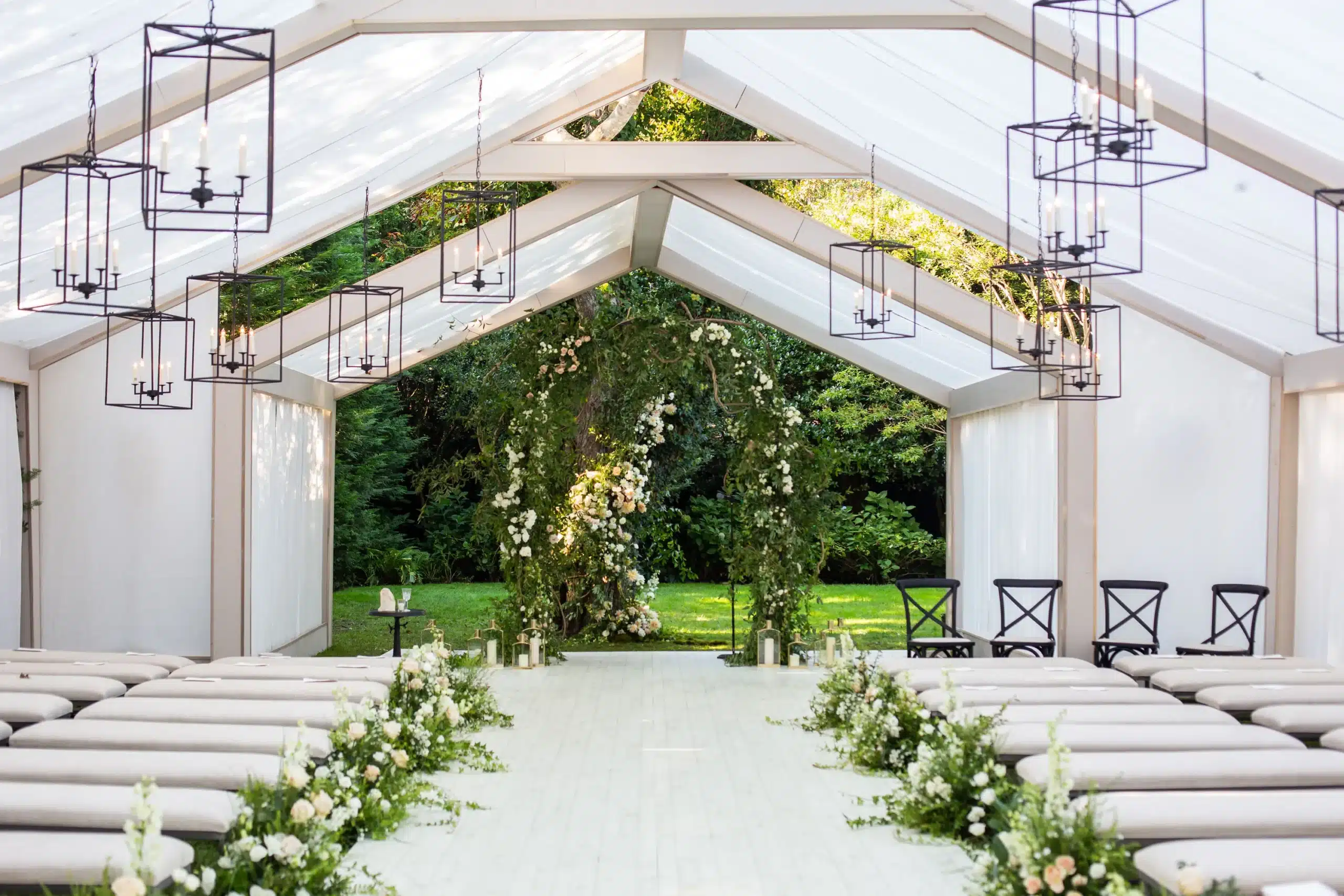
Selecting the right tent structure establishes the event’s character. Each type offers distinct technical and aesthetic qualities that suit particular themes and site conditions. Understanding those differences helps you choose a solution that meets design intent and operational needs.
When considering the event’s purpose, location, and expected weather conditions, the tent structure plays a pivotal role in ensuring both functionality and style. For example, a rustic outdoor wedding might benefit from a pole tent with its natural peaks and flowing lines, while a corporate event requiring a sleek, modern look might be better suited to a clear-span tent that offers unobstructed interior space and clean lines. The choice of tent structure also impacts the ease of installation and the potential for customization, so it is important to evaluate these factors early in the planning process.
What Are the Features of Frame, Pole, and Clear Span Tents?
When selecting a tent style, consider the structure’s features and how they support your event’s layout and aesthetic goals:
- Frame tents – Versatile structures that can be installed on concrete, asphalt, or grass, offering unobstructed interior space without center poles.
- Pole tents – Stake-supported tents with high peaks and elegant lines, ideal for formal ceremonies and visually refined settings.
- Clear-span tents – Rigid-framed structures without internal supports, providing maximum open space for stages, dance floors, or large guest layouts.
Each tent type offers distinct advantages, so choose the option that best aligns with your spatial requirements, venue conditions, and overall event vision.
How to Choose Tent Size Based on Guest Count and Event Environment?
Determine tent size from guest count and program needs. A common guideline is 10–12 square feet per seated guest and 5–6 square feet per person for standing receptions. Allow extra space for equipment, dance floors and service areas, and consider weather and terrain to ensure comfort and safety.
It is also important to factor in the type of event activities planned within the tent. For example, a seated dinner will require more space per guest than a cocktail reception. Additionally, consider the placement of furniture, buffet stations, and entertainment areas, which can significantly affect the usable floor space. Site-specific conditions such as slope, drainage, and accessibility should be evaluated to determine if additional space or specialized flooring is necessary to maintain guest comfort and safety.
How Can Tent Decor and Lighting Enhance Your Event Tent Design?
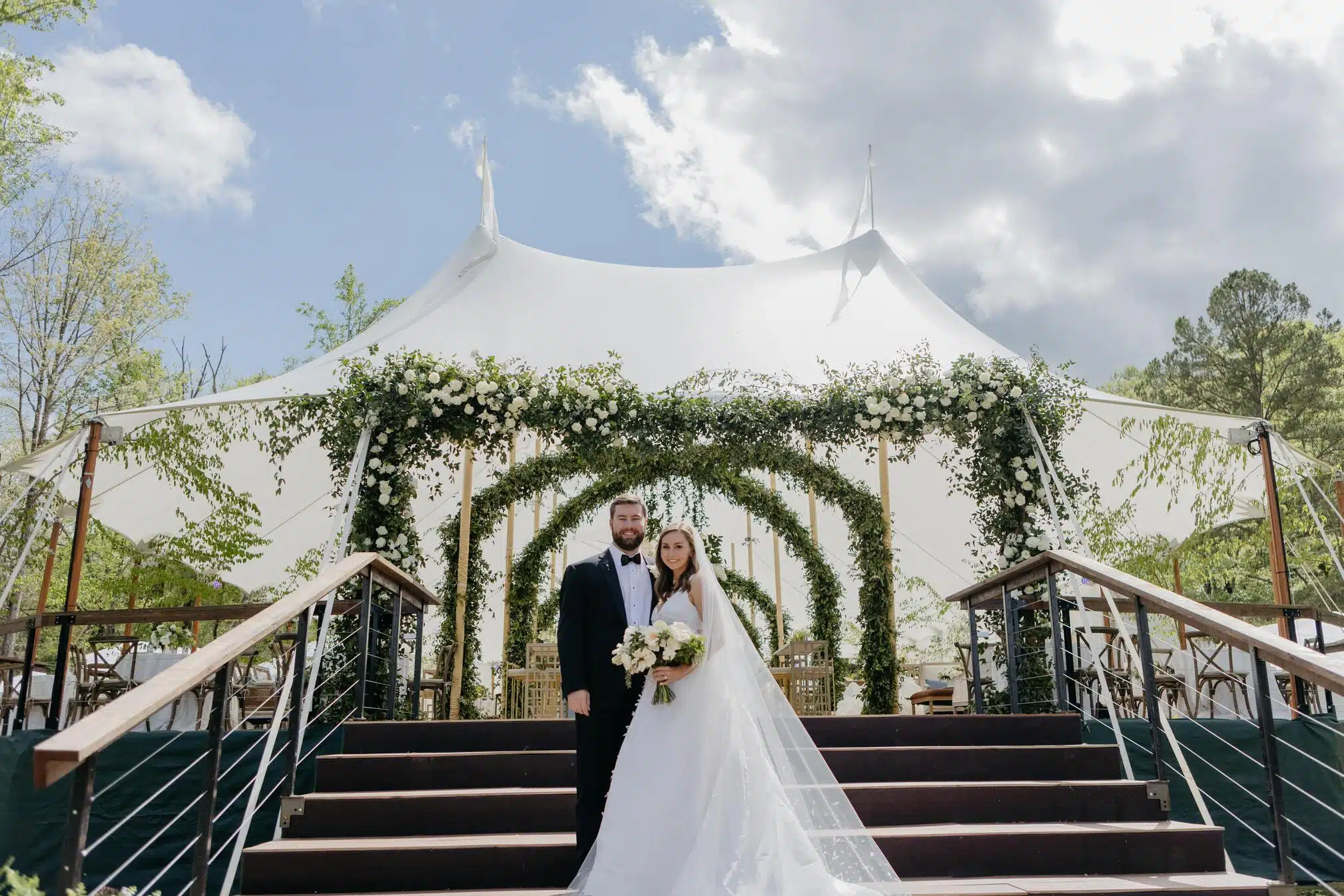
Décor and lighting transform a tent into a purpose-built environment that communicates your theme and supports guest experience. Carefully chosen elements create focal points, define circulation, and reinforce atmosphere.
The interplay between décor and lighting can dramatically alter the perception of space within a tent. Thoughtful use of color schemes, textures, and materials in draping and furnishings can complement lighting choices to evoke the desired mood. For instance, warm tones paired with soft, dimmable lighting can create an intimate and inviting atmosphere, while bold colors and dynamic lighting effects can energize a space for lively celebrations. Incorporating thematic elements such as floral arrangements, art installations, or branded signage further personalizes the environment and enhances guest engagement.
What Are Popular Tent Decor Elements for Luxury Event Themes?
For luxury events, use layered lighting, premium flooring and refined draping to elevate the setting. Soft ambient illumination produces warmth, while high-quality flooring improves comfort and visual appeal. Skyline Tent Company specialises in tailored luxury décor solutions to match specific event themes.
Additional décor elements that contribute to a luxurious ambiance include crystal chandeliers, elegant furniture, and custom-designed centerpieces. Incorporating metallic accents such as gold or silver can add a touch of glamour, while plush textiles like velvet or silk enhance tactile richness. The use of bespoke signage and personalized details also helps to create a unique and memorable experience for guests, reflecting the event’s exclusivity and attention to detail.
Which Lighting Options Optimize Ambiance and Functionality?
Lighting should balance aesthetic impact with operational needs. Chandeliers add formality, string lights create intimacy, and LED uplighting accentuates structural features. Consider illumination levels, control options and safety requirements to achieve a well-lit, functional environment.
Incorporating programmable lighting systems allows for dynamic changes throughout the event, such as transitioning from bright, functional lighting during dining to softer, mood-enhancing illumination for dancing or speeches. The use of color-changing LEDs can also support thematic color palettes or highlight key areas like stages and bars. Safety lighting, including emergency exits and pathway illumination, must be integrated seamlessly to maintain both compliance and guest comfort.
Research into custom venue design highlights that the strategic integration of lighting and staging is critical to creating dynamic, functional event spaces.
What Flooring and Site Logistics Should You Consider for Outdoor Events?
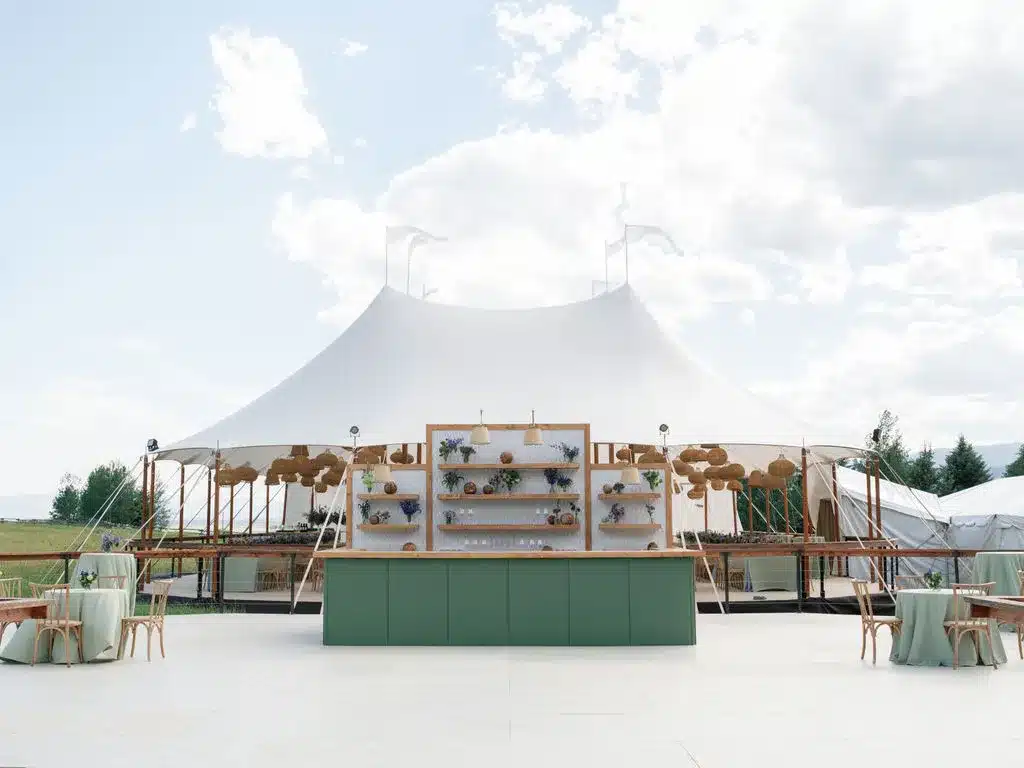
Flooring and site logistics are essential operational considerations for outdoor events. Appropriate flooring improves comfort and aesthetics; effective logistics enable efficient setup and reliable performance during the event.
The choice of flooring not only affects the visual appeal but also impacts safety and accessibility. For example, temporary flooring solutions can provide stable surfaces over uneven or soft ground, preventing trip hazards and protecting footwear. Site logistics planning should also include considerations for waste management, emergency access routes, and coordination with other vendors to ensure smooth operations. Early communication with the venue and rental providers helps to anticipate challenges and implement effective solutions.
How Do Flooring Systems Improve Comfort and Aesthetics in Tent Events?
Flooring choices such as hardwood, carpet, or preserving natural grass significantly influence both comfort and visual presentation. Hardwood delivers a polished finish ideal for formal affairs, carpet introduces warmth and softness underfoot, while natural grass maintains an authentic outdoor ambiance. Skyline Tent Company offers multiple flooring solutions designed to align aesthetic intent with guest comfort.
When selecting event flooring, consider:
- Hardwood flooring – Provides a refined, upscale appearance suited for weddings and formal galas.
- Carpeted flooring – Adds warmth, texture, and comfort for seated or lounge-style events.
- Natural grass preservation – Maintains an organic outdoor feel for garden or estate settings.
- Interlocking tiles or raised platforms – Offer stability on uneven terrain and enhanced structural support.
- Dedicated dance floors – Create defined entertainment zones with customizable finishes.
- Insulated flooring systems – Improve thermal comfort during cooler weather or evening events.
Proper installation and ongoing maintenance are essential to ensure durability, safety, and a seamless guest experience throughout the event.
What Site Logistics Impact Tent Layout and Installation?
Site logistics include ground conditions, access for delivery and installation, and utility planning. Confirm the site is level and clear of obstructions, and plan locations for electricity and water. Addressing these factors up front reduces on-site complications and supports a successful event operation.
Coordination with local authorities regarding permits and regulations is also a key aspect of site logistics. Understanding restrictions related to noise, lighting, and operating hours can influence tent placement and event scheduling. Planning for adequate parking, signage, and guest flow helps to create a seamless experience from arrival to departure. Contingency plans for adverse weather or unexpected site issues should be developed in collaboration with the rental company and event staff.
What Are the Latest Trends in Custom Tent Design?
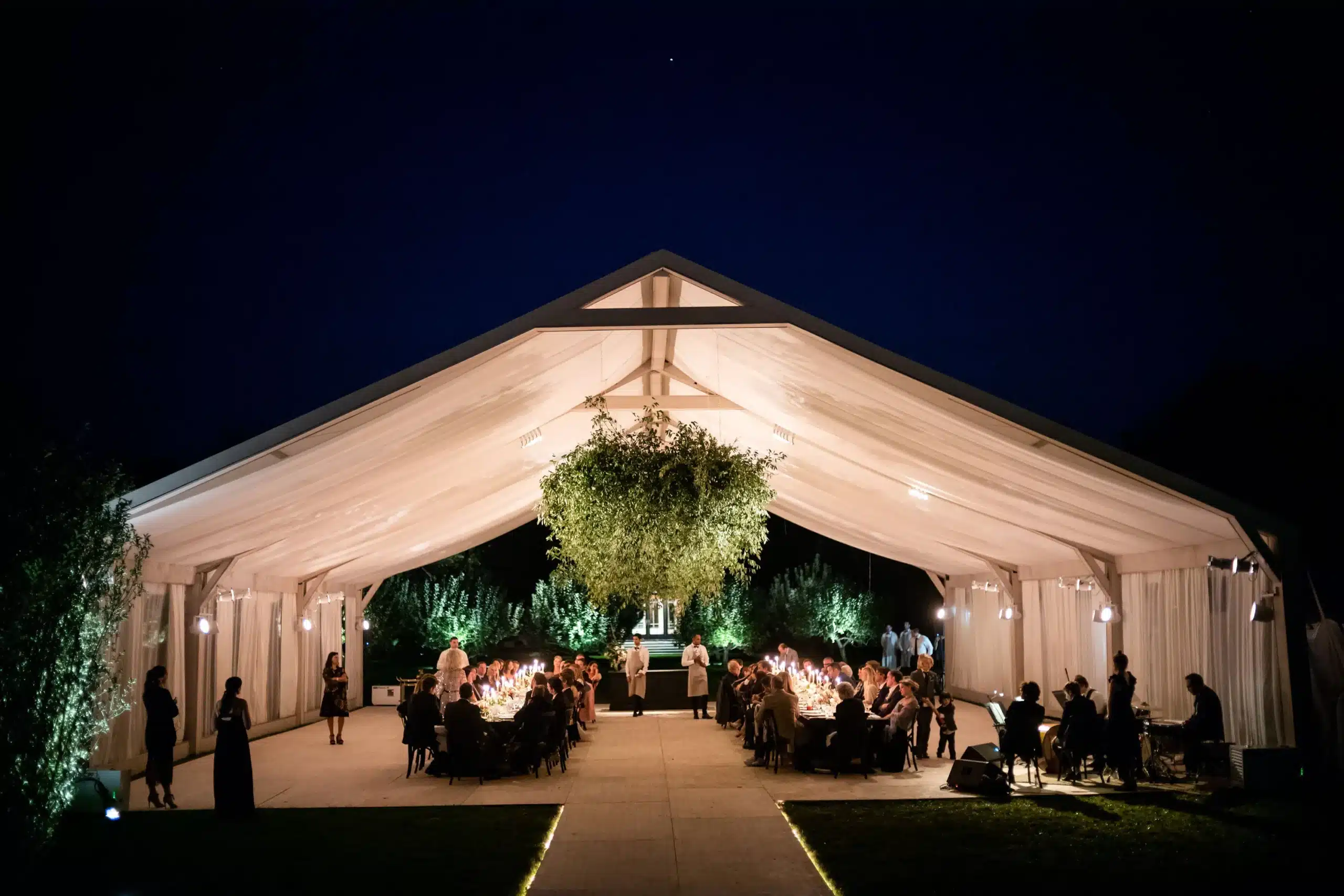
Custom tent design emphasises sustainability and integrated technology. These directions influence material choices, systems integration and overall venue performance.
The trend towards eco-conscious event planning is driving innovation in tent materials and construction methods. Lightweight, durable fabrics made from recycled or biodegradable materials are becoming more common. Technology integration extends beyond lighting to include climate control, sound systems, and interactive digital elements that enhance guest engagement. These advancements not only improve the event experience but also align with growing expectations for environmental responsibility and operational efficiency.
How Are Eco-Friendly Materials and Smart Lighting Integrated into Tent Designs?
Sustainable fabrics and recyclable components are increasingly specified in tent construction. Smart lighting systems that allow remote control and scene-setting are being adopted to reduce energy use and increase flexibility. These measures lower environmental impact while improving operational control and guest experience.
Key sustainability innovations include:
- Solar-powered and energy-efficient LED lighting
- Remote-controlled lighting via mobile apps or central panels
- Non-toxic, low-VOC tent materials and finishes
Together, these advancements reduce environmental impact while enhancing efficiency, adaptability, and overall event quality.
What Modular Features Enhance Flexibility and Luxury in Event Tents?
Modular tent systems allow straightforward expansion or reconfiguration to meet event-specific requirements. Integrated capabilities such as climate control and built-in technology enhance comfort and elevate the guest experience, making modular solutions attractive for high-end applications.
Modular designs facilitate quick assembly and disassembly, reducing labor costs and setup time. Features like removable walls, adjustable ceiling heights, and interchangeable panels allow customization of space and aesthetics. Advanced climate control options, including heating, cooling, and ventilation systems, ensure guest comfort regardless of external weather conditions. Integration of audiovisual equipment and connectivity infrastructure supports diverse event formats, from intimate gatherings to large conferences.
Frequently Asked Questions
What factors should I consider when planning the layout of my tent?
When planning layout, account for circulation flow, seating arrangements and placement of primary elements such as stage, dance floor and catering. Design clear pathways and ensure accessibility for guests with disabilities. Align layout decisions with the event theme to maintain a cohesive presentation.
It is also important to consider the location of emergency exits, restrooms, and service areas to optimize convenience and safety. Incorporating flexible zones within the tent can accommodate different activities and allow for smooth transitions during the event. Consulting with event planners and tent rental professionals can provide valuable insights to maximize space utilization and guest comfort.
How can I ensure my tent is secure and stable in various weather conditions?
Ensure tent stability by applying appropriate anchoring methods—stakes, ballast and tie-downs chosen for the tent type and ground conditions. Check tent specifications and material ratings for wind and rain. Monitor stability during the event and consult your rental provider for best-practice guidance.
Regular inspections before and during the event help identify any potential issues early. In areas prone to high winds or heavy rain, additional reinforcements such as windbreaks or sidewalls may be necessary. Training staff on emergency procedures and having contingency plans in place ensures preparedness for unexpected weather changes.
What are the benefits of hiring a professional tent rental service?
A professional tent rental service provides expertise in tent selection, site assessment, installation and logistics. Professionals ensure compliant, safe installations and can supply integrated amenities such as lighting, flooring and décor to streamline planning and execution.
Experienced rental companies also offer support with permits, insurance, and coordination with other vendors, reducing the burden on event organizers. Their knowledge of local regulations and best practices contributes to a smooth and successful event. Access to high-quality equipment and customization options allows for tailored solutions that meet specific event requirements.
How can I incorporate technology into my tent design?
Integrate smart lighting controls, audio-visual systems and reliable Wi-Fi access to enhance guest engagement and support event programming. Consider interactive stations such as photo booths and charging points to improve attendee convenience.
Technology can also include digital signage for wayfinding, live streaming capabilities for hybrid events, and environmental controls for temperature and air quality. Collaborating with technology providers during the planning phase ensures seamless integration and optimal performance. Providing technical support during the event helps address any issues promptly.
What are some creative themes for tented events?
Creative themes span rustic and bohemian to elegant and contemporary. Examples include garden parties with floral installations, vintage setups with period furnishings, and black-tie events featuring luxurious textiles and chandeliers. Seasonal themes such as winter wonderlands or summer beach motifs are effective when executed consistently across décor, lighting and layout.
Incorporating cultural or regional influences can add uniqueness to the event. Themes inspired by art movements, historical eras, or popular media also offer engaging opportunities for creative expression. Collaborating with designers and decorators helps bring these concepts to life in a cohesive and impactful manner.
What should I do if my event is affected by unexpected weather changes?
Maintain a contingency plan that includes sidewalls for wind and rain protection and heating or cooling options for temperature shifts. Communicate setup changes to guests and verify that your rental partner can implement adjustments to preserve safety and comfort.
Having backup equipment such as generators, fans, or portable heaters ensures readiness for sudden weather fluctuations. Clear communication with attendees regarding any changes in schedule or venue setup helps manage expectations and maintain a positive experience. Regular monitoring of weather forecasts leading up to the event allows for proactive decision-making.
Conclusion
Customising tent design materially enhances event atmosphere and alignment with your chosen theme. By selecting the appropriate structure, décor and lighting, you create a memorable environment for attendees. Adopt current sustainability and technology trends to further elevate the experience. Explore our range of customisable tent options today to begin planning your event.
