
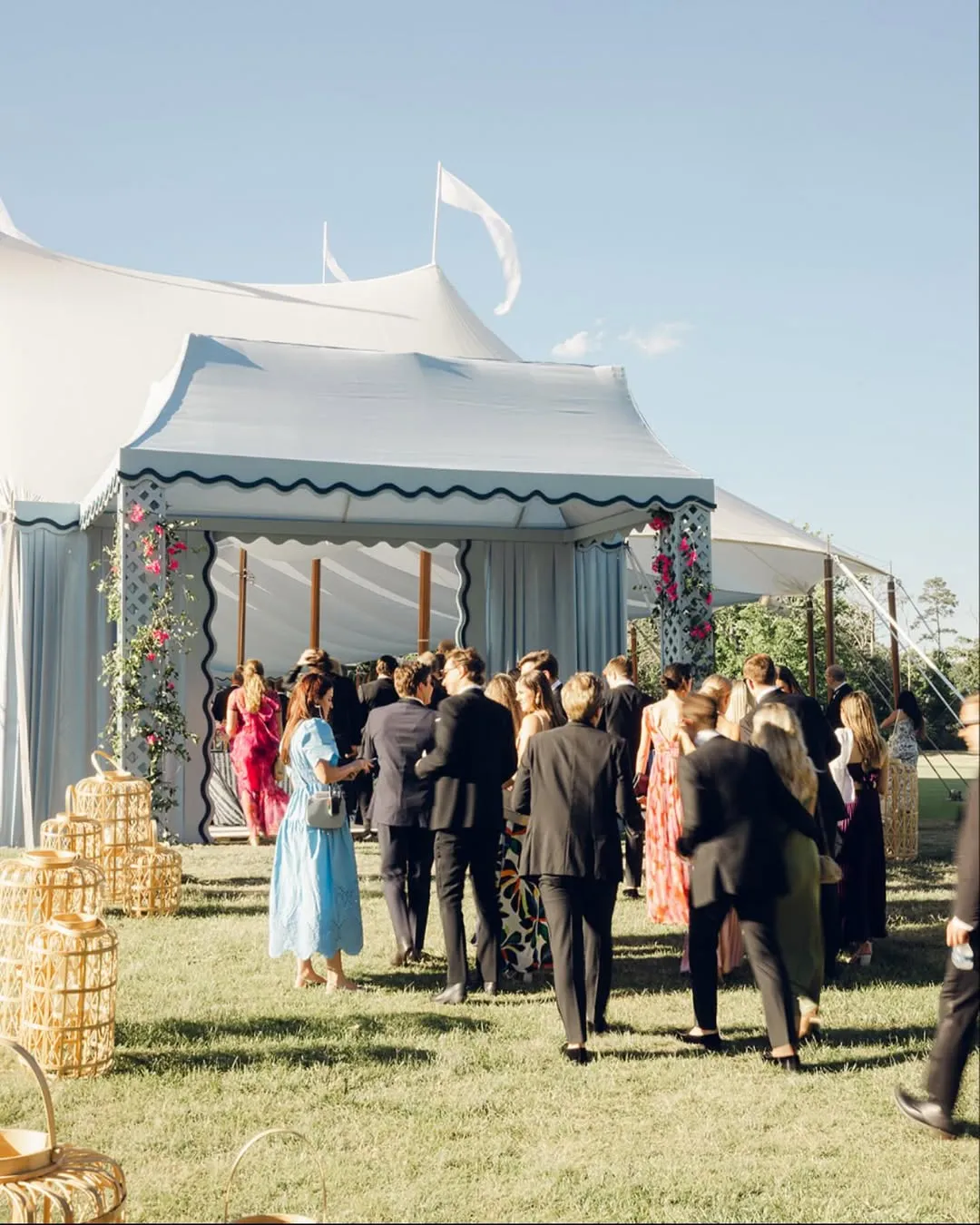
Creating luxurious, eco-friendly events that still feel opulent is no longer a far-off dream—it’s a reality driven by what clients want and what the industry is innovating. This guide dives into what makes sustainable luxury event planning tick, shows how premium tent rentals from Skyline Tent Company help make celebrations greener, explores eco-conscious decor and waste strategies, highlights working with like-minded vendors, and outlines how to measure and share your sustainability wins. You’ll find practical ways, unique advantages, and real-world examples proving that high-end events can reduce their environmental impact without sacrificing elegance. Through this step-by-step guide, event pros will get actionable ideas to weave grandeur with green values into every detail of design and execution.
Key Takeaways
- Sustainable luxury combines high design with smart resource choices to lower environmental impact.
- Reusable tent structures and energy-efficient lighting make a strong foundation for green events.
- Local florals, modular layouts, and upcycled decor reduce waste while elevating the look.
- Plan for recycling, composting, and fewer single-use items to move toward zero waste.
- Choose certified, ethical vendors and low-emission transport to align the full supply chain.
- Track carbon, diversion rates, and water use, then share clear reports to show results.E
What Defines Sustainable Luxury Event Planning?
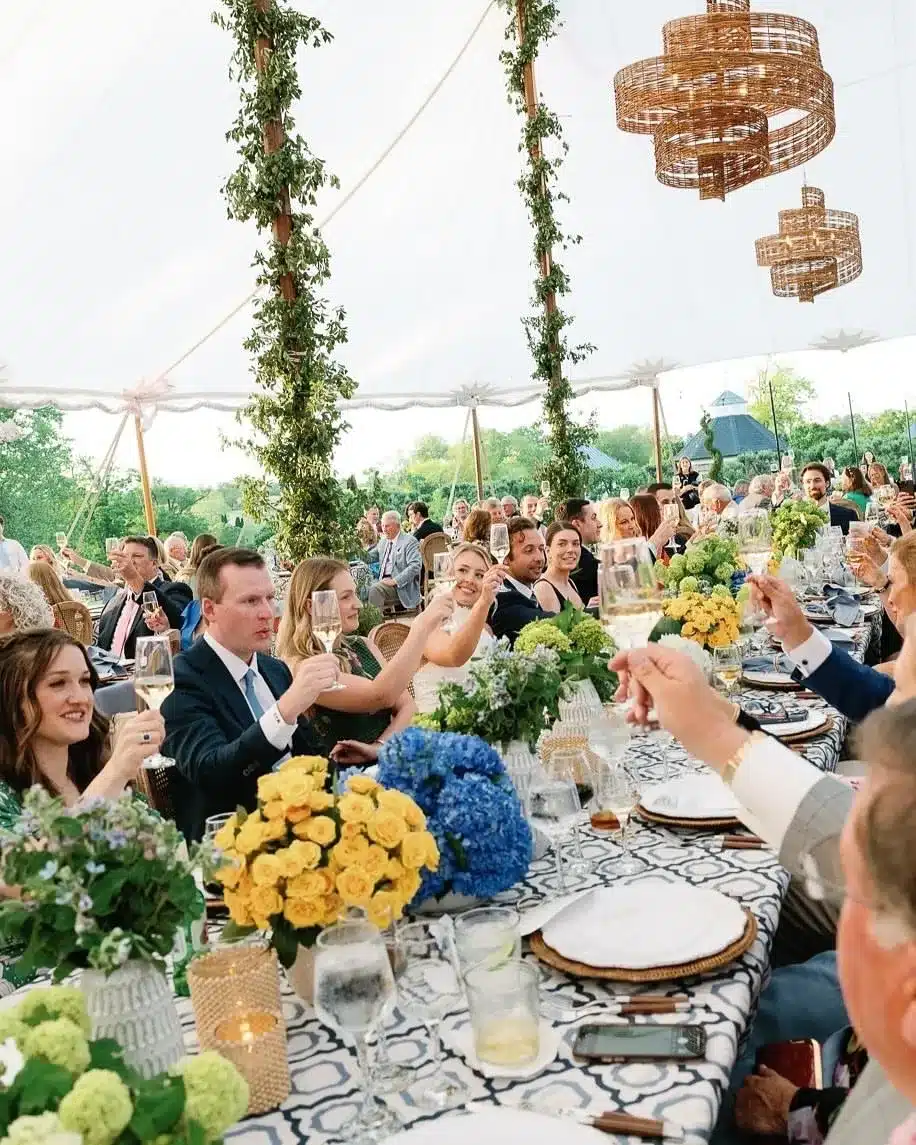
Sustainable luxury event planning blends high-end, experiential design with environmentally sound practices. The goal is to minimize ecological impact while delivering unforgettable guest experiences. This approach cuts down on resource use through smart choices—like energy-saving systems and circular production methods—all while maintaining the refined quality discerning clients expect. For instance, choosing structures and local materials that can be used again can slash waste by up to 50 percent, without compromising on looks. Embracing this model creates events that connect with today’s values of authenticity, craftsmanship, and positive social impact, setting the stage for all future eco-friendly luxury event designs.
How Do Eco-Conscious Event Design Principles Shape Luxury Events?
Eco-conscious design principles transform luxury events by focusing on smart resource use, meaningful stories, and supporting local communities.
- Thinking about the entire lifecycle ensures materials—from sturdy fabrics to tableware—can be reused or recycled when they’re no longer needed.
- Prioritizing modular design and flexible layouts encourages versatility and cuts down on single-use decor.
- Opting for biodegradable or renewable materials, like FSC-certified wood and plant-based linens, boosts authenticity and lowers carbon footprints.
- Weaving in local cultural elements builds community connections and reduces travel emissions by sourcing nearby.
Together, these principles enhance how guests perceive luxury by linking opulence with responsible stewardship.
What Are the Key Elements of Green Event Solutions?
Here’s a look at the core solutions that form the foundation of green event design within a luxury context:
Why Is Luxury Event Sustainability Increasingly Important in 2025?
Sustainability in luxury events is crucial in 2025 because affluent clients see environmental responsibility as key to prestige and lasting impact. Historic venues and top-tier hotels now require green certifications to stay relevant, signaling a move toward purposeful extravagance. The widespread use of digital media highlights every design choice, making eco-friendly efforts a visible testament to brand values. Plus, regulations in many areas offer incentives like tax credits and faster permits for low-emission events, making sustainable choices a smart operational move. Ultimately, sustainability enhances the narrative of exclusivity by showcasing thoughtful leadership and genuine positive impact.
How Can Skyline Tent Company’s Luxury Tent Rentals Support Eco-Friendly Events?
Skyline Tent Company’s top-tier tent infrastructure provides a flexible foundation for eco-friendly celebrations, combining durability with customizable efficiency. Their Sailcloth and Century tents use strong materials built for multiple uses, reducing waste from single-event venues. Built-in power generation and climate control services lower on-site energy needs with smart distribution and high-efficiency gear. Custom flooring and glass-wall options use recycled or long-lasting materials to extend the life of every component. Together, these features make Skyline Tent Company a creative partner that can deliver both stunning aesthetics and sustainable performance.
What Makes Sailcloth and Century Tents Durable and Sustainable?
Sailcloth and Century tents stand out for sustainability thanks to their high-strength fabrics and corrosion-resistant frames, designed to handle repeated use. Their waterproof and wind-resistant qualities mean no need for protective coatings or disposable covers, cutting down on chemical runoff and material waste. The modular design allows them to be reconfigured for different events, extending their lifespan and supporting circular rental practices. Regular maintenance also preserves their structural integrity, ensuring each setup offers maximum value without compromising safety or appearance.
How Does Energy-Efficient Lighting Enhance Tent Sustainability?
Energy-efficient lighting boosts tent sustainability by providing dynamic illumination with minimal power draw.
- LED uplighting creates vibrant color effects using up to 80 percent less energy than older fixtures.
- Solar-powered accent lights use natural energy for outer areas, reducing the need for generator time.
- Smart controls and dimming systems adjust brightness based on the event’s flow, optimizing energy use.
- Portable battery packs eliminate the need for constant fuel-powered energy, cutting greenhouse gas emissions.
These options fit seamlessly into tent designs, creating atmosphere without excessive resource consumption.
Which Eco-Conscious Flooring and Climate Control Options Are Available?
Here’s an overview of sustainable flooring and climate solutions that complement luxury tent settings:
Efficient HVAC systems paired with smart thermostats further reduce energy use by precisely managing temperature, ensuring guest comfort and lowering operational carbon footprints.
Can Luxury Tent Rentals Reduce Waste and Environmental Impact?
Yes, luxury tent rentals significantly cut down on waste and environmental impact by centralizing infrastructure reuse and eliminating the need for disposable items. By using durable structures, event teams avoid single-use frame materials and debris. On-site logistics optimize delivery routes and consolidate setups, reducing transportation emissions. Smart layout planning maximizes material use and minimizes excess decor orders. Thorough post-event takedown processes include inspecting, repairing, and returning equipment to the rental inventory, completing the resource cycle.
How Do Green Event Decor and Aesthetics Create Eco-Luxe Experiences?

Green event decor blends sophisticated design with environmental awareness, turning spaces into immersive, sustainable showcases. Natural textures, like potted plants and reclaimed wood, add authentic, tactile warmth that appeals to luxury audiences. Thoughtful color palettes inspired by nature create harmony and reduce reliance on synthetic dyes and disposable accents. Digital displays replace printed signs and programs, streamlining communication without paper waste. Every decor choice deepens guest engagement by highlighting a commitment to both elegance and ecological integrity.
What Are the Benefits of Locally Sourced Floral and Plant Decor?
Locally sourced floral and plant decor offers fresher beauty while cutting transportation emissions and supporting community growers. Seasonal potted plants serve as living centerpieces that can be replanted or donated after events, extending their ecological and social value. Using native species raises awareness of biodiversity and adds a distinct regional flair. Partnering with local nurseries ensures ethical growing practices and fair labor, reinforcing transparency in the supply chain for every arrangement.
How Can Reusable and Upcycled Decor Elevate Luxury Events?
Reusable and upcycled decor elevates luxury events by combining craftsmanship with sustainability.
- Hand-refurbished furniture and reclaimed wood pieces introduce unique textures that tell compelling stories.
- Upcycled glassware and metallic accents, sourced from architectural salvage, add subtle character and depth.
- Modular decor elements—like living green walls—can be rearranged across different venues, boosting creative flexibility and resource efficiency.
This design philosophy emphasizes longevity and narrative, allowing each piece to make a lasting impression across various occasions.
What Role Do Digital Signage and Paperless Solutions Play?
Digital signage and paperless solutions cut down on paper waste while offering dynamic, interactive guest experiences. E-invitations, live updates on screens, and QR-code access to programs streamline information sharing and allow for instant content changes. Motion-activated screens and ambient projections replace printed banners, saving materials and delivering tailored messages. These technologies enhance the event’s luxury feel by showcasing cutting-edge innovation and minimizing environmental impact.
What Waste Reduction and Resource Efficiency Strategies Are Essential for Luxury Events?
Effective waste reduction and resource efficiency strategies ensure that high-end events meet sustainability goals without sacrificing service quality. Comprehensive planning should include material reuse, streamlined logistics, and post-event recovery programs. Working with specialized waste management services allows for on-site composting, recycling, and donation options. Resource-tracking tools monitor usage in real time, guiding operational adjustments. By incorporating these tactics from the initial design stages, planners can aim for zero waste while delivering exceptional guest experiences.
How Can Comprehensive Recycling and Composting Be Implemented?
Comprehensive recycling and composting involve setting up dedicated collection points and using clear signs to guide guests. Separate bins for paper, glass, metal, and organic waste should be placed conveniently near dining areas and exits. Partnering with local composting facilities ensures that food scraps and biodegradable items become valuable soil enhancers instead of landfill waste. Staff training focuses on preventing contamination, maintaining program integrity, and maximizing diversion rates. This integrated approach transforms waste into a resource, supporting circular principles.
What Are Effective Ways to Minimize Single-Use Items at Events?
Minimizing single-use items means swapping disposable tableware and packaging for durable alternatives.
- Use reusable china, glassware, and metal cutlery, with organized rinse stations to keep service running smoothly.
- Provide self-serve beverage stations with reusable cups and eco-certified paper liners for easy refills.
- Encourage guests to choose cloth napkins and placemats over paper options.
- Implement deposit-return systems for portable chargers and keycards to encourage their return and reuse.
These measures balance operational efficiency with elegant presentation.
How Is Food Waste Managed and Donated at Eco-Friendly Events?
Effective food waste management combines planning ahead with real-time adjustments and community partnerships. Organizers estimate guest numbers and menu choices to optimize purchasing and preparation. Leftover cooked food is safely packaged and given to local shelters through trusted donation networks. On-site composting captures organic scraps, which are then processed into soil amendments for community gardens. This multi-pronged strategy cuts waste disposal costs and creates positive social impact through redistribution.
How Do Partnerships with Eco-Conscious Vendors Enhance Sustainable Luxury Events?
Collaborating with eco-conscious vendors boosts sustainability by extending green practices across catering, entertainment, and transportation. Vendor partnerships built on ethical certifications and transparent sourcing reinforce the event’s message of responsibility. Joint planning sessions incorporate each supplier’s environmental expertise, from zero-waste catering to low-emission travel. These alliances create cohesive value chains, ensuring every element—even guest transport—aligns with the luxury event’s environmental goals and brand identity.
Why Choose Eco-Certified Caterers and Ethical Vendors?
Partnering with eco-certified caterers and ethical vendors enhances quality while reducing environmental impact.
- Certified kitchen operations use organic, locally sourced ingredients and avoid single-use plastics.
- Fair-trade beverages ensure fair pay for producers and support sustainable farming methods.
- Ethical decor creators use reclaimed or sustainably harvested materials, adding value and minimizing resource extraction.
Such collaborations build guest trust and highlight the event’s dedication to comprehensive sustainability.
How Does Local Sourcing Support Green Event Goals?
Local sourcing cuts down on travel distances, lowering carbon emissions and strengthening local economies. Procuring seasonal ingredients and artisan goods from within a 100-mile radius minimizes fuel use and promotes regional character. Working with local vendor networks streamlines deliveries by consolidating shipments, simplifying logistics. These efficiencies result in fresher products, unique design elements, and clear support for local businesses.
What Are the Benefits of Green Transportation and Venue Selection?
Green transportation and venue selection optimize the environmental performance of luxury events in several ways:
Guests enjoy smooth, low-impact travel and attend events held in spaces designed for renewable energy use, water conservation, and responsible material management.
How Can Event Sustainability Be Measured and Communicated Effectively?
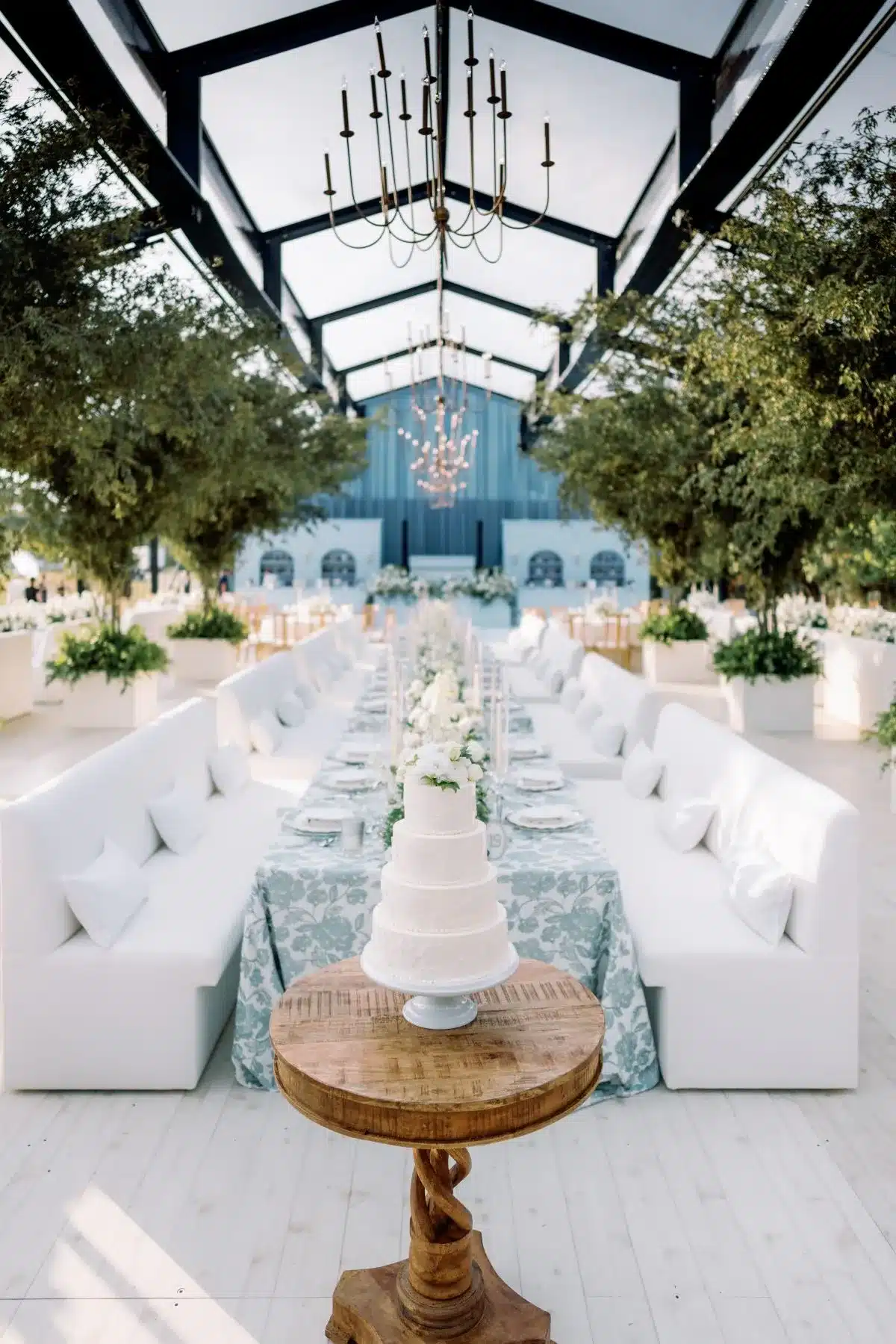
Measuring and communicating event sustainability involves combining data analysis with clear reporting to build trust and inspire stakeholders. Carbon footprint calculations quantify greenhouse gas emissions from energy, transport, and materials, providing a solid baseline for offsetting and reduction efforts. Environmental impact reports present metrics in easy-to-understand formats—like dashboards, infographics, and summaries—so clients and guests can grasp the progress and potential. Engaging attendees through interactive displays and digital highlights fosters a sense of shared responsibility. Recognized certifications and industry standards validate achievements, boosting reputation and driving future interest.
What Methods Are Used for Carbon Footprint Calculation and Offsetting?
Calculating a carbon footprint involves gathering emissions data from energy use, logistics, and consumables. Planners use established guidelines—like the Greenhouse Gas Protocol—to convert fuel and electricity consumption into CO₂ equivalent units. Offset programs then balance out remaining emissions through verified projects, such as reforestation and renewable energy investments. This transparent method quantifies environmental impact and shows a formal commitment to climate neutrality.
How Should Environmental Impact Reporting Be Structured?
Effective environmental impact reporting organizes data into clear sections—emissions overview, waste diversion rates, water usage, and community contributions.
- Provide high-level summaries for executives, highlighting key performance indicators.
- Include detailed appendices with raw data and methodology notes for technical audiences.
- Use visuals—charts and infographics—to illustrate trends and benchmarks.
This structure ensures stakeholders at all levels understand achievements and areas needing improvement.
How Can Guests Be Engaged in Sustainable Practices During Events?
Engaging guests involves interactive stations, informative signs, and digital prompts that tie into event themes. On-site helpers guide recycling efforts and explain the benefits of composting. Mobile apps offer real-time sustainability tips and track individual carbon savings. Incentive programs—like matching donations or eco-friendly giveaways—reward participation. These initiatives build a shared sense of purpose and reinforce the event’s environmental message.
Conclusion
Skyline Tent Company’s premium tent solutions, from Sailcloth to Century models, provide the essential structure for sustainable luxury events by combining durability, design flexibility, and integrated eco-friendly features. By incorporating energy-efficient lighting, reusable flooring, and expert waste management, planners can achieve unforgettable opulence without compromising environmental goals. Partnering with certified caterers, local artisans, and green transportation providers amplifies impact and builds cohesive value chains. Concrete measurement methods and transparent reporting ensure every celebration leaves a positive legacy beyond its luxurious appearance.
