
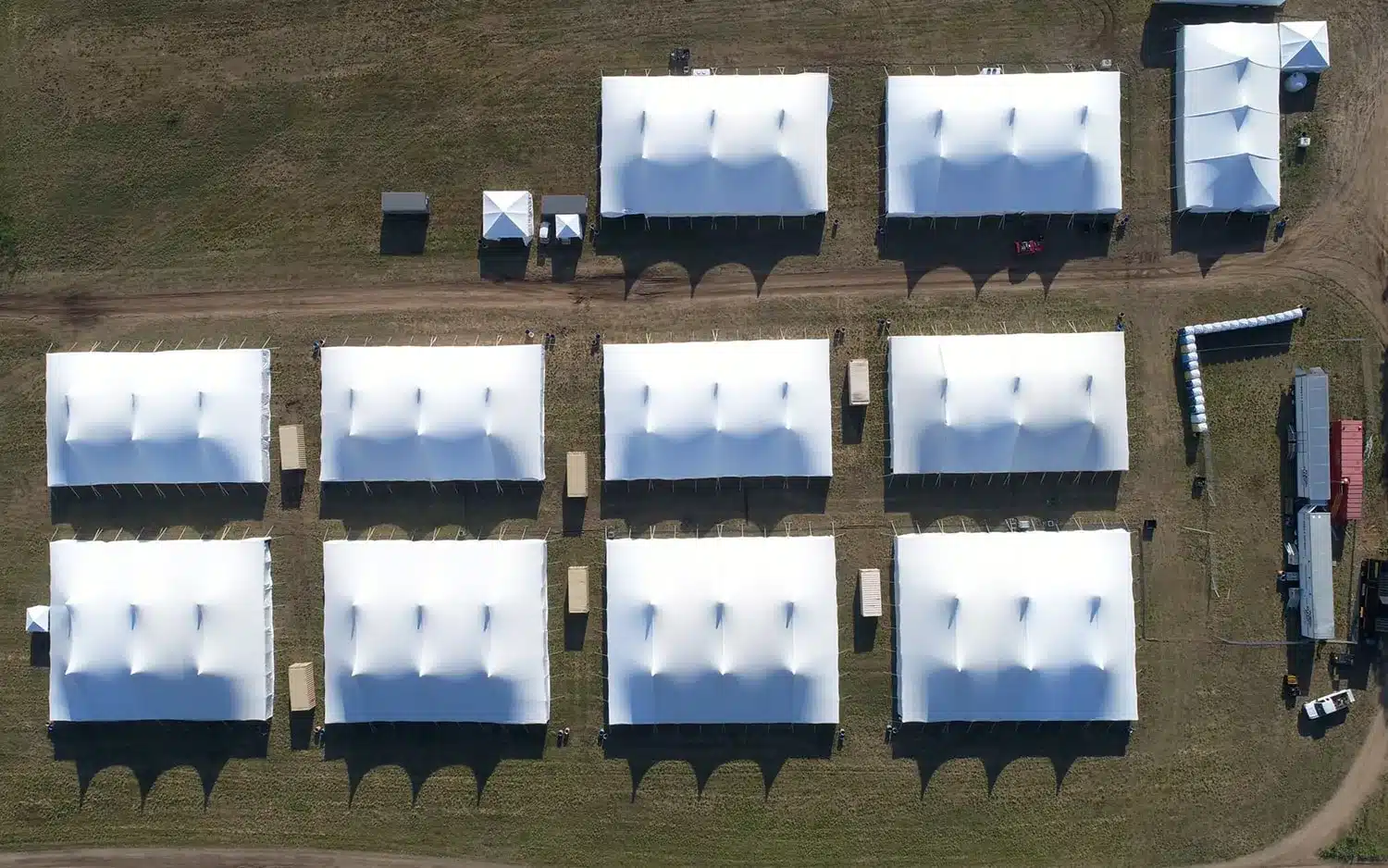
Outdoor weddings are unforgettable for their atmosphere, and unpredictable because of the weather. Luxury custom tents give you the best of both: beautiful, tailored design and reliable protection so your celebration goes off without a hitch. This guide walks through the tent styles, customization options, and design choices that elevate an outdoor wedding from lovely to remarkable.
We’ll cover why premium tent rentals matter, the top tent styles for receptions, engineered structures for large events, customization and décor ideas, the planning checklist, and sustainable options for eco‑minded couples. Use this as a practical roadmap to plan a seamless, stunning outdoor wedding.
Why Are Luxury Wedding Tents Essential For Outdoor Ceremonies?
Luxury tent rentals do more than shelter guests, they shape the experience. High‑end tents protect against weather while creating a refined backdrop that complements your wedding vision. Investing in a well‑designed tent ensures comfort, better flow, and a picture‑perfect setting no matter the forecast.
Beyond protection, premium tents act as a canvas for design. The tent envelope, ceiling height, and structural lines influence choice of lighting, draping, and hanging installations. When chosen and detailed carefully, tents help unify disparate elements on a site, connecting a lawn ceremony area to a formal reception under the same visual language.
How Do Custom Tent Designs Improve Your Wedding Day?
Custom tent design lets your wedding feel intentional, not improvised. From tailored floor plans and lighting to curated fabrics and color palettes, personalization creates a cohesive atmosphere that reflects your style. Thoughtful details, like draping that frames the dance floor or lighting tuned to the mood, make the space feel purposeful and welcoming for your guests.
Custom plans also solve practical problems. If the property has uneven terrain, narrow access, or sensitive landscaping, a bespoke layout and the right flooring choices preserve the site while delivering a seamless guest experience. Designers can also plan for vendor circulation, service aisles, and emergency egress so the event runs smoothly behind the scenes.
Why Pick High‑End Event Tent Solutions For Your Celebration?
Premium tents are built to perform. They use durable materials and professional engineering to resist weather and wear, and they come with the experienced crew needed for safe setup and teardown. That reliability, plus full‑service support, lets you enjoy the day while the logistics stay handled by pros.
High‑end providers also typically offer integrated services: site surveys, CAD layouts, and on‑site technicians during the event. Those capabilities reduce last‑minute surprises and let you coordinate lighting, sound, and HVAC with confidence. For couples who want a refined, low‑stress experience, this end‑to‑end approach is invaluable.
Which Tent Types Work Best For Stunning Outdoor Receptions?
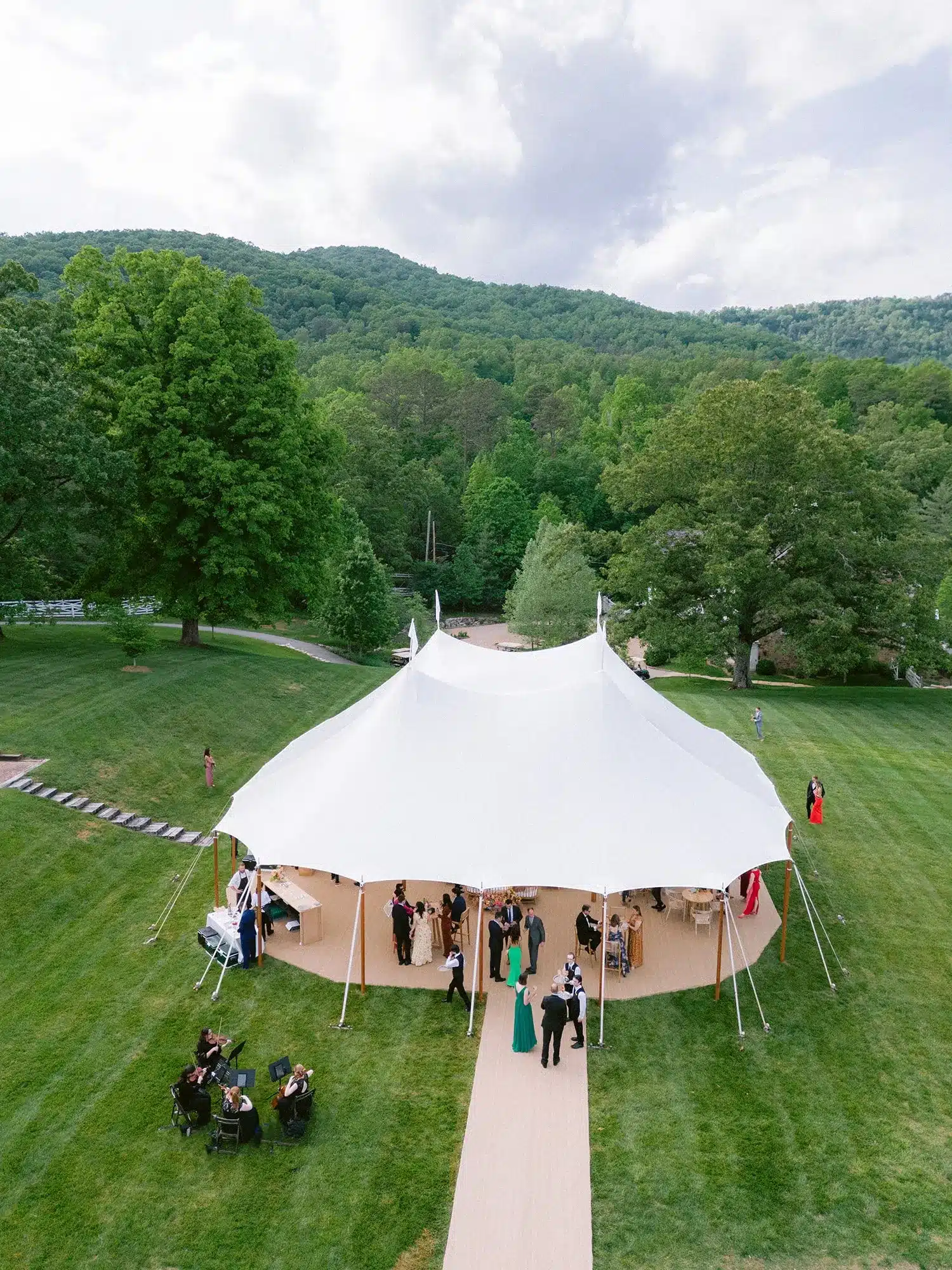
Choosing the right tent style sets the tone for your event. Different tents suit different aesthetics and function, from intimate garden parties to grand estate celebrations, so select a style that supports your guest count, site, and design goals.
When evaluating styles, consider ceiling height, sidewall options, the ability to hang décor and lighting, and how the tent frame or poles contribute to the overall look. Some venues require low visual impact, while others welcome dramatic architecture; match the tent to the setting.
What Makes Sailcloth Tents A Popular Wedding Choice?
Sailcloth tents offer an elegant, airy look and a soft, translucent ceiling that bathes the space in natural light. They pair beautifully with classic, rustic, or modern decor and provide a warm, flattering glow for both daytime and evening events.
Because sailcloth fabrics diffuse light, they reduce harsh shadows and photograph well. Their peaked poles create romantic silhouettes that look especially good with hanging florals and statement chandeliers. Sailcloth tents also read as intentional and upscale while maintaining a relaxed, outdoor character.
How Do Clear‑Top Tents Connect Your Wedding To The Outdoors?
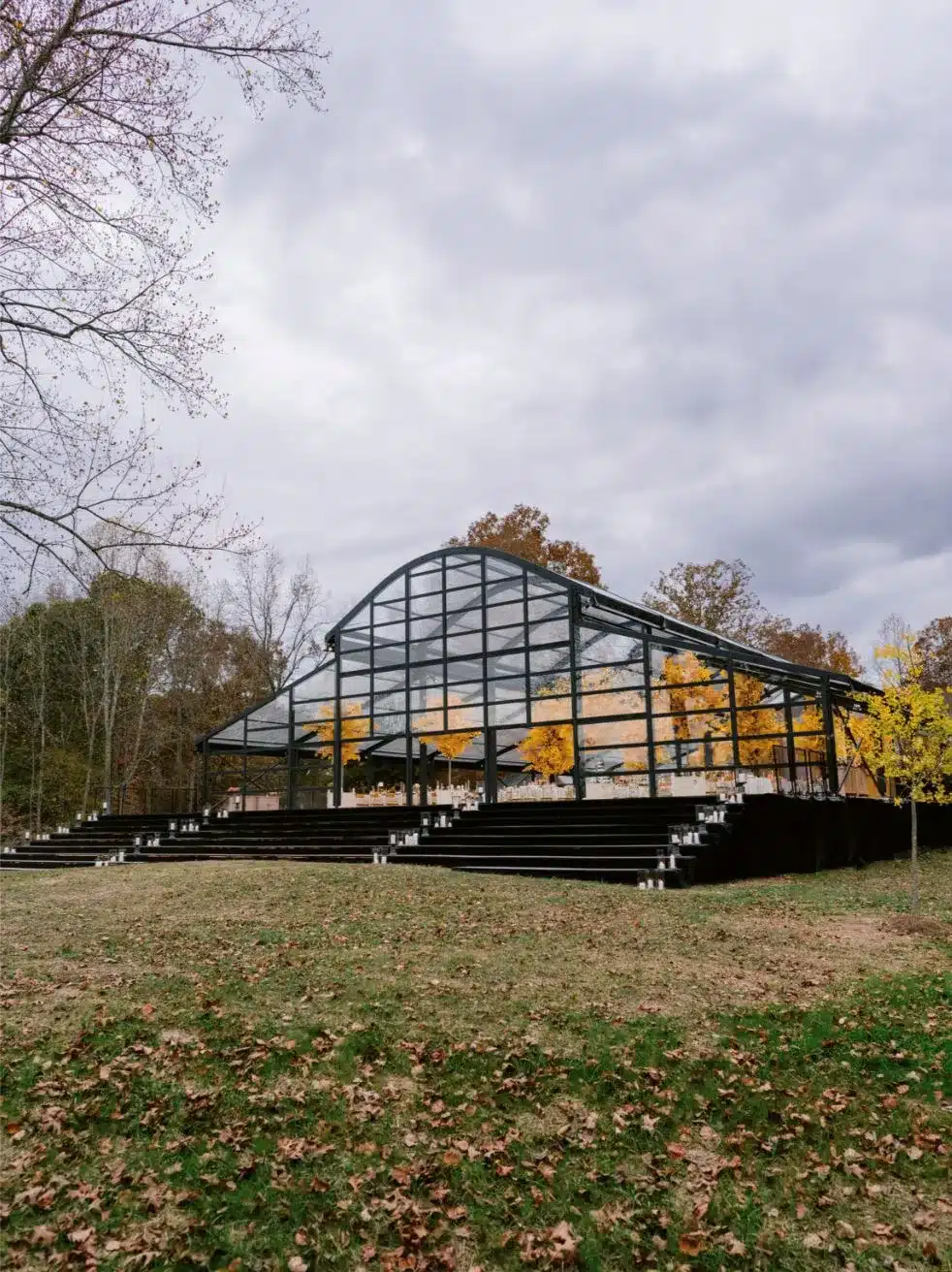
Clear‑top tents bring the sky into your design, perfect for sites with views or evening ceremonies under the stars. They create an immersive outdoor feel while keeping guests sheltered, and they work especially well with understated lighting and floral accents.
Clear tops are particularly effective where the setting, a row of trees, mountain horizon, or city skyline, is part of the guest experience. Nighttime events benefit from this style because the canopy refracts string lights and chandeliers, creating a layered, luminous ceiling that reads as part of the natural environment.
How Do Engineered Structures Support Large Outdoor Weddings?
Engineered structures are purpose‑built for scale and complexity. When you need to host a large guest list, accommodate multiple function areas, or support heavier lighting and décor, engineered tents provide the strength and configurability required for a safe, polished event.
These systems allow multiple spans, variable rooflines, and secure anchoring for heavy loads. For events that include substantial staging, large audiovisual rigs, or multiple vendor areas, engineered structures ensure the design intent can be realized without compromise to safety or performance.
What Features Make Engineered Wedding Structures Durable And Weather‑Resistant?
Engineered tents combine sturdy frames, weatherproof membranes, and tested anchoring systems to perform in variable conditions. Reinforced connections and certified installation practices make them a dependable choice for large gatherings and complex layouts.
Other practical features include modular sidewalls, integrated drainage strategies, and options for solid or glazed walls to block wind while preserving light. These details matter when planning multi‑day setups or events in regions with unpredictable weather patterns.
For a deeper look at the materials and structural principles behind these tents, see research on textile architecture and tensile structures.
How Can Engineered Tents Accommodate Complex Wedding Layouts?
Engineered tents are highly adaptable, they can be configured into separate zones for dining, dancing, and lounge areas, and they support heavier equipment like chandeliers, stages, and sound rigs. That flexibility makes it easier to realize multi‑element designs while maintaining clear circulation and sightlines.
When laying out multiple zones, designers often plan for buffer spaces: service corridors for catering, a dedicated vendor staging area, and clear pedestrian routes to restrooms and parking. These practical decisions preserve the guest experience while ensuring that service operations remain unobtrusive.
What Customization Options Elevate Outdoor Tent Experiences?
Customization turns a functional cover into a curated environment. From flooring and staging to climate control and lighting, the right options increase comfort and refine the aesthetic so your tent feels like a natural extension of your wedding design.
Customization also includes practical finish choices, sidewall treatments, window styles, and entrance systems, that affect both the look and the acoustics inside the tent. Early decisions about these elements allow the design team to coordinate with caterers, bands, and rental partners for a cohesive outcome.
How Do Custom Floors And Raised Platforms Add Comfort And Style?
Custom flooring stabilizes uneven sites and creates a clean, finished look underfoot. Choices like hardwood, patterned tiles, or carpet can anchor the design and make dancing, dining, and walking more comfortable, while raised platforms help where terrain or sightlines require elevation.
Flooring also affects electrical and HVAC planning; a solid floor simplifies running conduits and supports heavier furniture or stages. When selecting finishes, consider slip resistance, ease of cleaning, and whether the floor will need to protect delicate landscaping beneath.
What Climate Control Solutions Work Best For Outdoor Tents?
Effective climate control keeps guests comfortable year‑round. Heating systems for cool evenings, cooling and ventilation for hot days, and thoughtful airflow planning all help maintain a pleasant interior. Integrating climate solutions into the tent design preserves comfort without compromising aesthetics.
Providers can offer concealed ducting, decorative HVAC housings, or radiant heat options that blend with décor. For particularly hot or humid climates, plan for dehumidification and staged ventilation to keep the interior pleasant during peak guest counts or active dancing.
How Do Decor And Lighting Create A Luxurious Tent Ambiance?
Lighting and décor are where a tent becomes memorable. The right combination lifts the mood, highlights focal points, and makes photography sing, all while supporting the overall design concept.
Work with lighting designers who understand tent geometry: peaks, valleys, and sidewalls change how light behaves. Good lighting plans account for ceremony timing, dining ambience, and after‑party energy so transitions feel deliberate and cinematic.
What Lighting Strategies Enhance The Elegance Of A Tent?
Layered lighting, chandeliers over dining, string lights across the ceiling, and uplighting on key architectural elements, creates depth and warmth. Use dimming and color temperature control to set the mood from ceremony to after‑party.
Consider practical lighting too: clearly lit service aisles, illuminated steps, and discreet path lights for outdoor pathways improve safety without disrupting the design. For photography, soft, even light and a few highlight sources for key moments will help photographers capture flattering images.
How Do Draping And Floral Design Transform Tent Interiors?
Draping softens structural lines and adds intimacy; florals bring texture, color, and scent. Together they can disguise utilitarian elements, frame ceremony backdrops, and define VIP or lounge areas to match your wedding theme.
Work with florists and drapery teams early so rigging points are planned into the tent layout; heavy installations require structural consideration, and coordinating early avoids last‑minute changes that can affect safety or visuals.
What Is The Planning Process For Your Dream Tented Wedding?
Planning a tented wedding is a mix of site logistics and design choices. Start with the site and guest list, then layer in tent type, layout, and the technical needs for lighting, HVAC, and flooring to finalize a practical, beautiful plan.
Create a project timeline that includes a site survey, permit applications, vendor confirmations, and on‑site walk‑throughs. Allow time for contingency planning, alternate layouts and weather plans reduce stress in the weeks leading up to the event.
How Do You Assess Venue And Guest Capacity For Tent Selection?
Begin by mapping the usable footprint and noting access, slope, and obstacles. Match your guest count to appropriate square footage for dining, dancing, and vendor zones. That early sizing step determines the tent type and layout that will work best.
Useful practical checks include measuring load‑in points for equipment trucks, confirming parking and shuttle routes, and identifying nearby power sources. These operational details often determine the feasibility of certain tent sizes or structural anchors.
What Permits And Regulations Should You Check For Tented Events?
Local permits, fire codes, and site restrictions vary, check with the venue and local authorities early. Confirm requirements for anchoring, exits, electrical hookups, and any inspections so you avoid surprises during setup.
Also verify noise ordinances, curfew times, and any local rules about open flames or pyrotechnics. If you plan to hang heavy décor or install temporary stairs and ramps, confirm whether additional engineering sign‑offs or inspections are required.
Frequently Asked Questions
What Should I Look For When Choosing A Wedding Tent Rental Company?
Look for experience, a strong portfolio, and reviews that reflect consistent service. Ask about full‑service options (setup, takedown, on‑site support), customization capabilities, and whether the company handles permits and site logistics. A team that combines design sense with technical expertise will make planning far easier.
How Far In Advance Should I Book My Wedding Tent Rental?
Book as early as possible, generally 6 to 12 months ahead, and sooner for peak dates or popular venues. Early booking secures your preferred tent type and gives time for site surveys and layout planning.
If you have a seasonal or destination date, confirm timeline requirements for permitting and local inspections; some venues require documentation well in advance. Early planning also improves the chance of securing preferred partners (lighting, flooring, and florals) who complement the tent design.
Can I Reuse A Wedding Tent For Other Events After The Wedding?
Yes, many tents are suitable for future events like family gatherings or parties. Confirm condition and any rental agreement limits, and discuss maintenance or storage with your provider if you plan to reuse the tent.
If you own a tent, plan for professional inspection and custodial care between events. For rented tents, check the rental terms for allowable uses and any required maintenance obligations to keep future options open.
What Are Creative Ways To Personalize My Wedding Tent?
Personalization ideas include monogrammed linens, custom signage, curated lighting schemes, bespoke draping, and floral installations that reflect your palette. Small, consistent details tie the look together and make the space feel uniquely yours.
Another approach is curated vignettes, a lounge area with vintage furniture, a late‑night snack station with unique shelving, or a ceremony arch built from locally sourced materials. These elements add personality without overwhelming the overall design.
How Can I Make Sure My Tented Wedding Is Safe?
Work with a reputable rental company that follows industry installation standards and uses proper anchoring, certified equipment, and trained crews. Choose a site away from hazards, plan for weather contingencies, and confirm necessary inspections and permits in advance.
Additionally, communicate emergency plans with your venue and vendors, keep clear service aisles, and ensure exits remain unobstructed. For larger events, consider a short on‑site safety briefing with key vendors so everyone understands egress, power, and equipment locations.
Conclusion
Choosing luxury custom tent solutions gives you both the look and the reliability a great outdoor wedding needs. With the right tent type, thoughtful customization, and professional installation, you can focus on celebrating while the details stay covered. Contact us to explore options and bring your outdoor wedding vision to life.
If you’re ready to begin planning, schedule a site survey and share your guest count and preferred dates, early conversations unlock smoother logistics and a stronger final design that makes your day memorable for you and your guests.
