
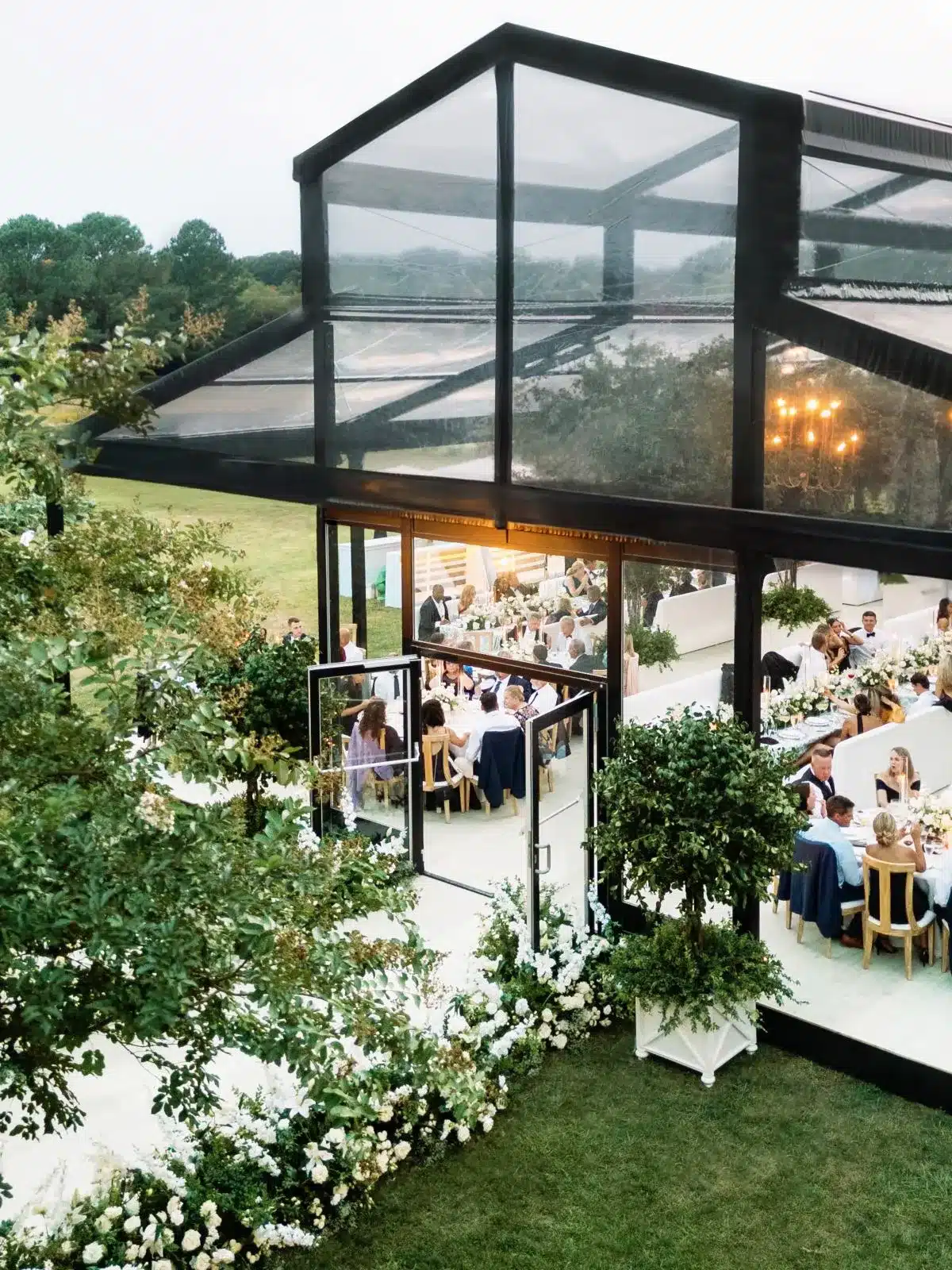
Elevate your luxury events with eco-friendly tent designs that seamlessly blend cutting-edge sustainability with sophisticated aesthetics, ensuring unforgettable experiences while minimizing environmental impact. Event planners are increasingly seeking innovative tent solutions for green events, combining premium materials like recycled polyester and bamboo with energy-efficient features such as solar lighting and passive ventilation. This guide will walk you through the core concepts, material choices, energy-saving technologies, sustainable practices, and tailored options for your audience, demonstrating how Skyline Tent Company brings these solutions to life. You’ll discover definitions, benefits, mechanisms, and actionable strategies for selecting tents that support a circular event framework, reduce carbon emissions, and align with the highest design standards. By the end, you’ll be equipped to create greener weddings, corporate galas, festivals, and glamping retreats, supported by real-world examples and clear next steps for consulting with our sustainable tent specialists.
Key Takeaways
- Eco-friendly luxury tents combine sophisticated aesthetics with sustainable materials like recycled polyester, organic cotton, hemp, and bamboo.
- Energy-efficient features such as solar lighting, passive ventilation, and insulated fabrics reduce power use while keeping guests comfortable.
- Sustainable practices like zero-waste strategies, carbon-neutral rentals, and responsible sourcing strengthen event credibility and brand reputation.
- Tailored tent options suit different event types, from weddings with biodegradable décor to corporate functions with ESG-focused designs.
- Luxury glamping tents and festival structures use modular, reusable systems that minimize environmental impact while offering high-end experiences.
- Skyline Tent Company provides expert solutions that help planners host unforgettable events with style, comfort, and a smaller carbon footprint.
What Are Eco-Friendly Tent Designs for Luxury Events?
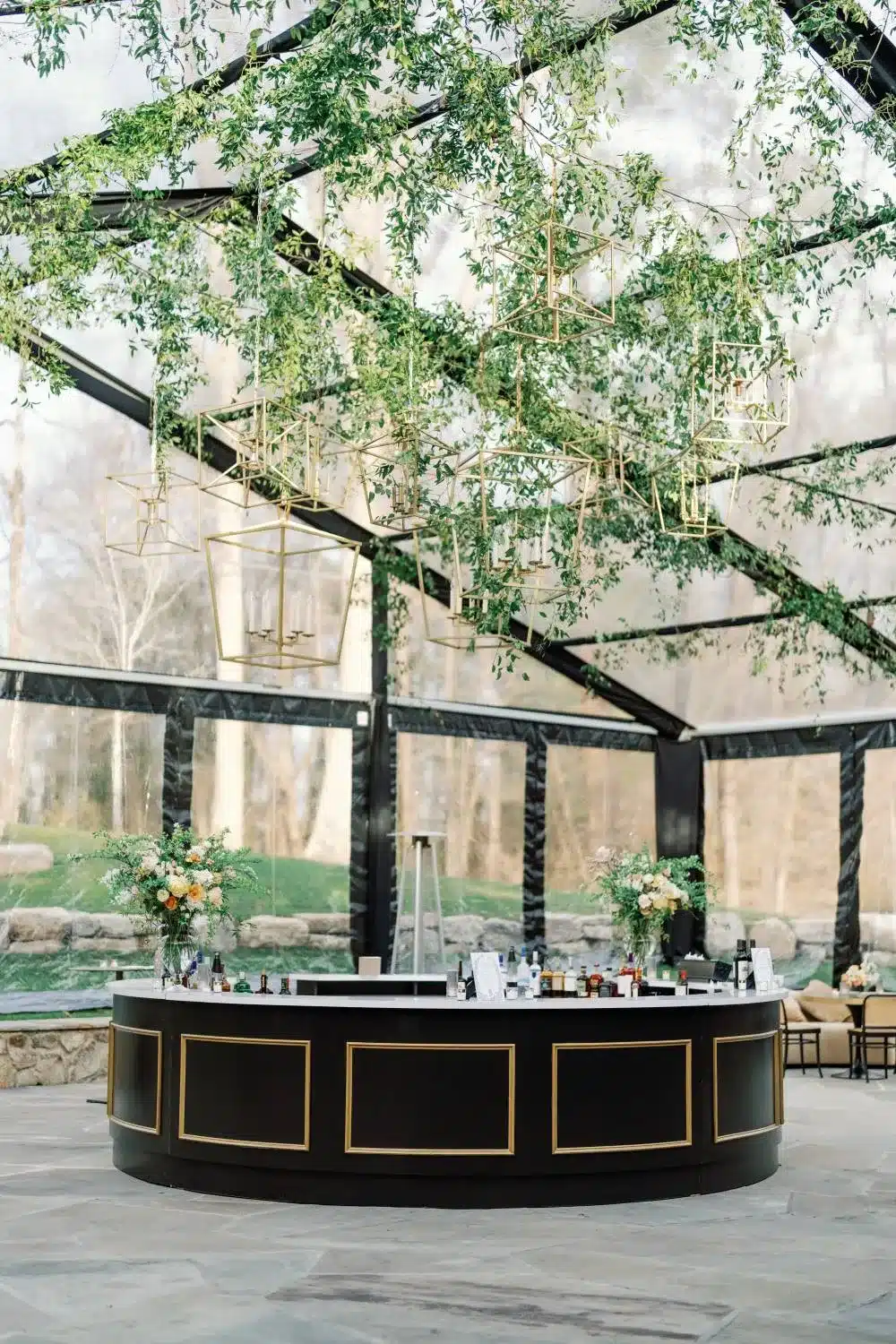
Eco-friendly tent designs for luxury events are structures meticulously crafted from renewable or recycled materials, engineered to significantly reduce energy consumption and prevent waste. These tents integrate sustainable fabrics, such as recycled polyester and organic cotton, with reusable frame systems, creating a truly circular event solution that minimizes landfill contributions. By pairing customizable aesthetics—including elegant drapes, ambient lighting, and bespoke branding—with lifecycle-oriented production and end-of-life biodegradability, these designs deliver unparalleled sophistication without ecological compromise. For instance, a clearspan marquee constructed from recycled PET fibers offers luxurious translucence while diverting plastic bottles from waste streams. Understanding these foundational principles naturally leads to exploring how material selection defines eco-tents and why discerning event planners prioritize sustainability in their luxury rentals.
How Do Sustainable Materials Define Eco-Friendly Tents?
Sustainable materials are the cornerstone of eco-friendly tents, defined by their origin, renewability, and end-of-life impact. Recycled polyester ingeniously repurposes plastic waste, while organic cotton and hemp cultivation avoid harmful pesticides and biodegrade naturally. Bamboo frames, known for their rapid growth and minimal water requirements, offer a renewable structural solution, complemented by biodegradable components like cornstarch-based grommets that complete the circular lifecycle. The inherent attributes of these materials not only drive positive environmental outcomes but also ensure robust structural performance, laying the groundwork for integrated energy-efficient features and custom luxury finishes that delight even the most discerning clients.
What Makes a Tent Design Suitable for Luxury Events?
A tent design destined for luxury events must masterfully balance striking visual impact, unwavering structural integrity, and extensive customization options. High-tensile fabrics, such as premium recycled polyester, provide exceptional weather resistance and enable expansive clearspan applications, while modular frame systems allow for bespoke layouts tailored to any vision. The seamless integration of decorative elements—including plush upholstery, sophisticated LED accents, and custom-printed branding—significantly elevates the overall guest experience. Furthermore, the inherent durability of these components ensures that reusable elements withstand multiple setups, effectively reducing lifecycle costs and minimizing waste. These combined qualities culminate in a premium presentation that perfectly aligns with ambitious sustainability goals and unique client visions.
Why Is Sustainability Important in Luxury Event Tent Rentals?
Sustainability is paramount in luxury event tent rentals, addressing the escalating expectations of clients, increasingly stringent regulatory landscapes, and robust corporate ESG commitments. Eco-friendly tent solutions serve as a powerful testament to environmental stewardship by demonstrably lowering carbon footprints, significantly cutting energy usage, and minimizing waste generation. These conscientious practices resonate deeply with audiences who increasingly value responsible hospitality, thereby cultivating positive brand perception for event organizers. As regulations surrounding single-use plastics and emissions continue to tighten, opting for sustainable tent rentals provides a proactive approach to compliance and essential future-proofing. Embracing these high standards also unlocks significant marketing opportunities, reinforcing event planners’ reputations as forward-thinking innovators in the realm of green luxury experiences.
Which Eco-Friendly Materials Are Used in Luxury Event Tents?
Luxury event tents increasingly rely on materials that artfully blend high performance with unwavering environmental responsibility. Recycled polyester, organic cotton, hemp, and sustainably sourced bamboo frames deliver exceptional strength, inherent biodegradability, and rapid renewability. Complementary accessories, such as biodegradable floor coverings, compostable grommets, and low-VOC coatings, complete these sophisticated assemblies. By meticulously selecting these premium inputs, event planners ensure that every element—from the primary canopy fabric to the smallest hardware component—is thoughtfully aligned with circular economy principles. The following table offers a comparative overview of key material properties, sustainability metrics, and the distinct benefits they provide to clients.
What Are the Benefits of Recycled Polyester in Event Tents?
Recycled polyester ingeniously transforms discarded plastic bottles into high-performance tent canopies, significantly reducing landfill waste and lowering fabric production energy consumption by up to 60 percent. This advanced fiber maintains UV resistance, tear strength, and colorfastness that are entirely equivalent to virgin polyester. Event tents crafted from recycled polyester expertly support expansive clearspan rooflines, effectively resisting wind uplift and rain intrusion to provide a flawless, luxurious silhouette. By embracing recycled polyester, organizers achieve uncompromising performance standards without sacrificing environmental responsibility—paving the way for seamless solar integration and enhanced passive climate control solutions.
How Do Organic Cotton and Hemp Enhance Tent Sustainability?
Organic cotton and hemp significantly enhance tent sustainability by completely avoiding toxic chemicals in their cultivation and actively promoting soil health. Organic cotton fields regenerate ecosystems through natural crop rotation practices, while hemp cultivation is renowned for its ability to sequester substantial amounts of carbon and its minimal irrigation needs. Fabrics woven from these natural fibers offer exceptional breathability and drape beautifully, lending themselves perfectly to luxurious décor. At the end of their lifecycle, both materials biodegrade naturally, effectively closing resource loops and preventing microplastic release—thereby fulfilling crucial circular event objectives.
Why Are Bamboo Frame Tent Structures Ideal for Green Events?
Bamboo frame tent structures offer exceptionally renewable support systems, as bamboo can reach maturity in just three to five years—a dramatically faster growth rate than traditional timber. Bamboo’s inherent tensile strength, when properly treated, rivals that of steel, enabling the construction of frames that are both lightweight and remarkably stable. Its rapid replenishment rate and significant carbon sequestration capabilities during growth contribute to a substantially lower overall environmental footprint. Furthermore, bamboo frames can be expertly dismantled, refurbished, and reused across multiple events, reinforcing circularity principles and reducing overall rental costs for sustainable luxury events.
What Biodegradable Components Are Available for Luxury Tents?
A range of innovative biodegradable components are now available for luxury tents, including grommets meticulously crafted from bio-resins, flooring tiles expertly made from recycled cork, and durable thread spun from PLA (polylactic acid). These advanced elements degrade efficiently under industrial composting conditions within mere months, effectively eliminating plastic pollution from event sites. Hardware components, such as connectors treated with eco-friendly water-based coatings, replace traditional solvent-based finishes, ensuring that every single part contributes positively to circular event design. The selection of such comprehensive, sustainable material choices significantly strengthens a tent’s environmental credentials and actively supports zero-waste strategies in the most upscale settings.
How Do Energy-Efficient Features Improve Eco-Conscious Luxury Tents?
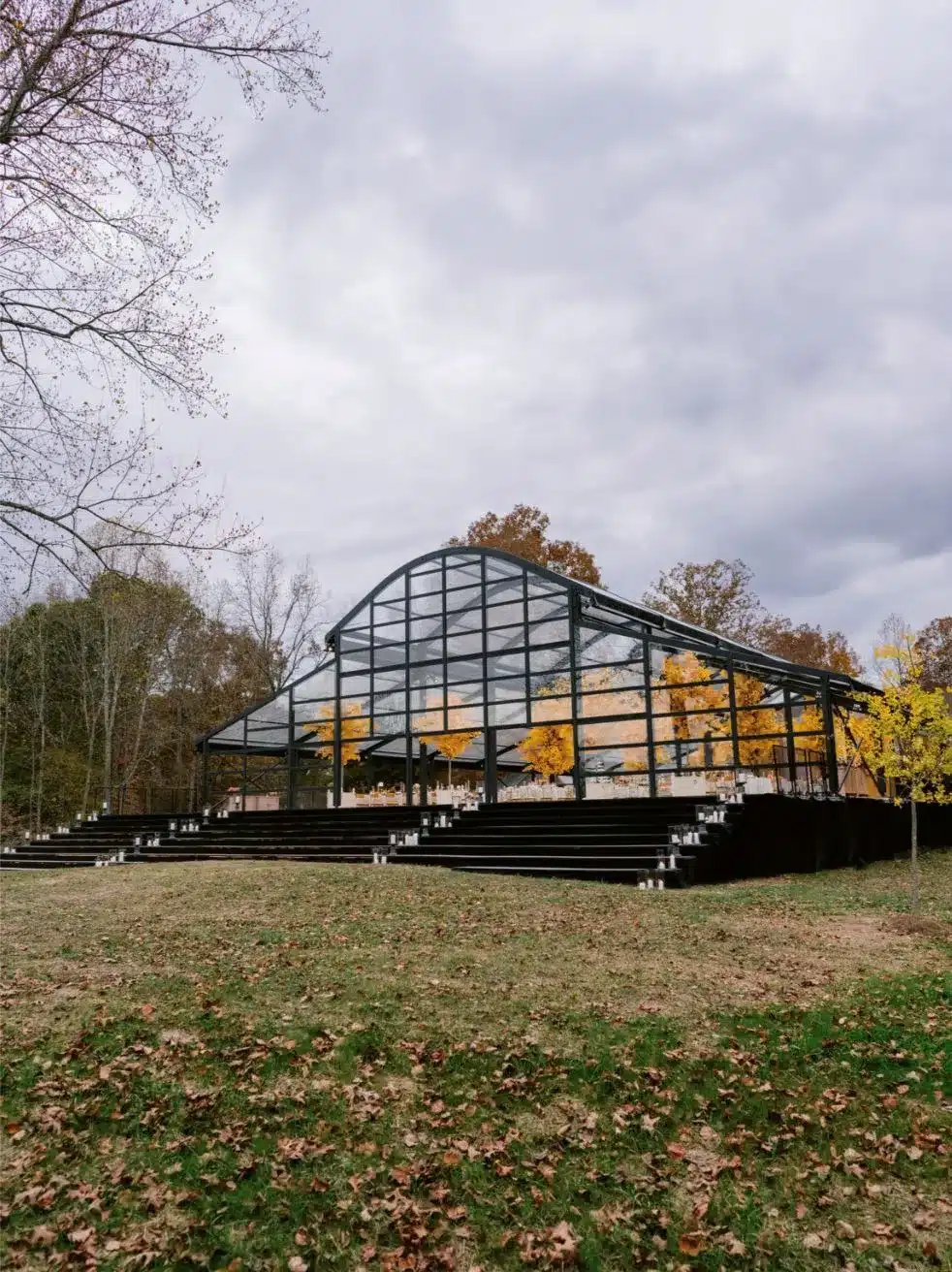
Energy-efficient features dramatically improve eco-conscious luxury tents by substantially reducing power consumption, enhancing overall guest comfort, and enabling seamless off-grid configurations. Solar-powered LED systems can cut generator runtime by as much as 70 percent, while strategically designed passive ventilation channels harness natural airflow to maintain optimal interior climate control without the need for mechanical HVAC systems. Insulated fabrics play a crucial role in limiting heat gain and loss, thereby lowering heating costs during cooler seasons and reducing cooling demands in warmer months. Emerging smart tent technologies, such as integrated energy-use sensors, provide real-time management capabilities for lighting and temperature. Collectively, these advanced solutions amplify sustainability claims and reinforce a truly luxurious experience that demonstrates profound respect for planetary boundaries.
What Are the Advantages of Solar-Powered Lighting in Event Tents?
Solar-powered lighting systems feature integrated photovoltaic panels, typically mounted on tent roofs or nearby trusses, designed to efficiently capture sunlight throughout the day and recharge onboard battery banks. This innovative approach completely eliminates the need for noisy, fuel-powered generators, significantly reduces noise pollution, and delivers a premium, ambient glow that enhances the overall event atmosphere. Solar arrays are capable of powering a wide range of fixtures—including elegant chandeliers, subtle uplights, and essential pathway lighting—for 8–12 hours, effortlessly supporting evening functions without reliance on the main grid. By enthusiastically adopting solar lighting, event planners powerfully demonstrate their commitment to clean energy leadership and achieve tangible cost savings on fuel and logistical operations.
How Does Passive Ventilation Enhance Comfort and Sustainability?
Passive ventilation ingeniously utilizes strategically placed roof ridge vents, adjustable sidewall flaps, and louvers to create natural airflow pathways through tent interiors. This elegant, natural convection mechanism effectively cools spaces without requiring any electrical fans, leading to energy consumption reductions of up to 50 percent during temperate weather conditions. Properly designed airflow paths actively prevent the formation of heat pockets and maintain consistently comfortable temperatures for all guests. Furthermore, passive systems minimize operational noise and mechanical complexity, contributing significantly to a tranquil, luxurious atmosphere that perfectly aligns with the core principles of green event planning.
Why Are Insulated Tent Fabrics Important for Energy Efficiency?
Insulated tent fabrics incorporate a lightweight, high-performance thermal layer strategically placed between the canopy layers, effectively preventing heat transfer through both conduction and radiation. This advanced construction method stabilizes interior temperatures, significantly cutting heating demands during cooler weather and substantially reducing air-conditioning loads in hot climates. Insulated canopies have the proven ability to lower overall energy consumption by up to 30 percent, directly translating into fewer generator hours and a marked reduction in carbon emissions. Crucially, these high-performance fabrics maintain luxurious finishes while meeting rigorous sustainability benchmarks.
What Innovative Technologies Are Emerging in Sustainable Tent Design?
A wave of innovative technologies is rapidly emerging in sustainable tent design, including advanced photovoltaic-integrated membranes, highly efficient modular snap-fit frames designed for tool-free assembly, and sophisticated sensor-driven climate control systems. Photovoltaic textiles embed solar cells directly into the canopy fabrics themselves, discreetly powering integrated lighting solutions. Modular frames utilize universal joints and collapsible beams to dramatically reduce transport volume and streamline assembly time. Furthermore, real-time energy dashboards leverage advanced AI algorithms to intelligently optimize lighting and ventilation schedules based on dynamic environmental data. These groundbreaking innovations are positioning tents as intelligent, low-impact venues perfectly suited for the next generation of luxury events.
How Can Sustainable Practices Make Luxury Events Greener?
Sustainable practices are instrumental in making luxury events significantly greener by embedding principles of circularity at every single stage—from the initial planning phases right through to the final teardown. Implementing robust zero-waste strategies prioritizes the use of reusable décor, ensures sustainable sourcing of all materials, and facilitates on-site composting. Carbon-neutral tent rentals actively offset unavoidable emissions through investments in renewable energy credits or dedicated tree-planting programs. Ethical supply chains guarantee complete material traceability and uphold fair labor practices. Furthermore, obtaining industry certifications serves to validate green claims for both corporate and private clients. The diligent implementation of these practices not only minimizes ecological impact but also substantially enhances brand prestige and elevates overall guest satisfaction.
What Are Zero-Waste Strategies for Tented Luxury Events?
Zero-waste strategies for tented luxury events encompass a comprehensive approach to eliminating single-use items, maximizing composting of organic waste, and ingeniously repurposing décor elements. Key actionable measures include:
- Establishing partnerships with local caterers who are committed to using reusable serveware and returnable containers.
- Providing clearly labeled, dedicated recycling and compost stations, ideally staffed by trained waste-sorting teams to ensure proper diversion.
- Arranging for the donation or repurposing of all event furnishings—including drapes, centerpieces, and seating—at the conclusion of the event.
How Do Carbon Neutral Tent Rentals Work for Corporate Events?
Carbon-neutral tent rentals operate by meticulously calculating the total carbon emissions generated throughout the entire lifecycle of the tent rental—from production and transport to operation and teardown. These calculated emissions are then offset through investments in verified renewable energy credits or impactful reforestation initiatives. Providers often integrate energy-efficient features into their offerings, utilize biodiesel generators where applicable, and partner with reputable offset programs to effectively neutralize any residual emissions. This comprehensive, turnkey solution delivers a demonstrably reduced carbon footprint for corporate events, powerfully reinforcing ESG commitments and simplifying sustainability reporting for clients.
Why Is Sustainable Sourcing Critical for Event Tent Supply Chains?
Sustainable sourcing is absolutely critical for event tent supply chains as it ensures that all raw materials—including fabrics, frames, and fittings—originate from ethically managed suppliers who rigorously adhere to stringent environmental and social standards. Robust traceability systems are employed to verify the precise origins of all fibers, while fair-trade certifications actively protect worker rights throughout the production process. By consciously selecting responsibly produced components, tent providers actively contribute to reducing deforestation, minimizing chemical pollution, and preventing exploitative labor practices, thereby strengthening the overall integrity and ethical foundation of luxury event supply chains.
What Are the Best Eco-Conscious Luxury Event Tent Options by Event Type?
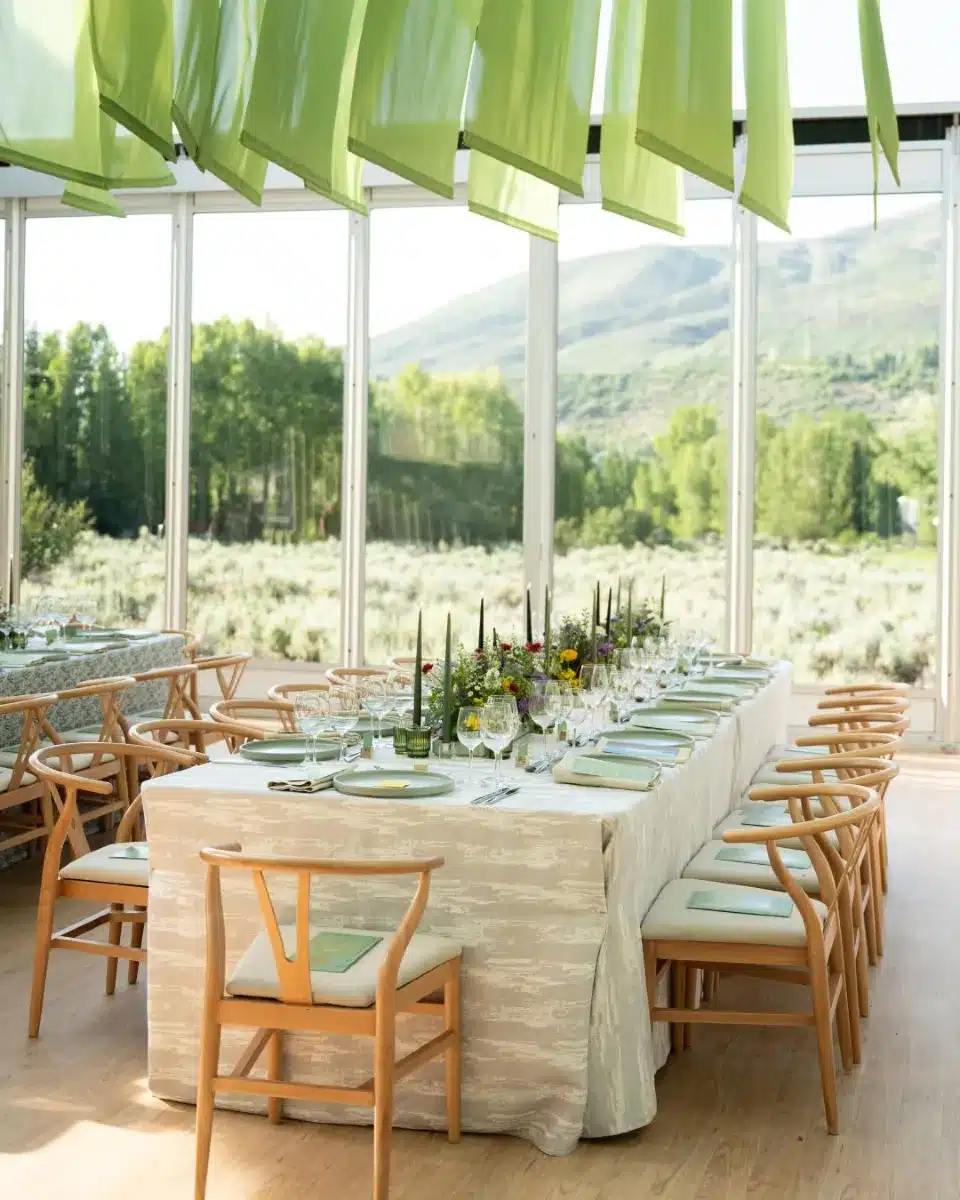
Eco-conscious luxury event tent options are thoughtfully tailored to suit a variety of occasions, offering bespoke solutions for weddings, corporate functions, glamping experiences, and large-scale festivals. Green wedding tents often feature delicate floral-printed organic cotton liners and charming solar-powered uplighting along guest pathways. Corporate marquees are designed to align seamlessly with ESG branding objectives, utilizing insulated PVC-free membranes and offering carbon-neutral rental packages. Luxury glamping tents artfully combine sustainable bamboo frames with efficient photovoltaic fabrics, creating ideal off-grid retreats. Festival structures employ modular, reuse-oriented designs that significantly simplify teardown processes and facilitate the redistribution of materials for future events. By precisely tailoring tent types to specific event goals, we maximize both guest impact and sustainability outcomes.
How Do Green Wedding Tent Designs Enhance Eco-Friendly Celebrations?
Green wedding tent designs significantly enhance eco-friendly celebrations by thoughtfully integrating biodegradable décor elements, ambient solar-powered uplighting, and charming reclaimed wood accents. Organic cotton liners create soft, inviting canopies, while beautifully crafted bamboo dance floors provide a sustainable foundation for evening festivities. Complementary offset programs for floral arrangements and catering further enhance the tent’s sustainable materials, delivering a cohesive, low-impact celebration that beautifully reflects the couple’s deeply held environmental values.
What Sustainable Tent Solutions Suit Corporate Events?
Corporate events are ideally suited for sophisticated insulated clearspan tents featuring integrated LED lighting controls and optional carbon offset packages. Modular sidewalls allow for impactful branded graphics printed on recycled fabrics, while advanced passive ventilation systems ensure consistently comfortable climates, even in formal boardroom-style setups. These comprehensive solutions effectively support critical ESG objectives and provide seamless, turnkey green event packages designed to impress all stakeholders.
How Do Luxury Eco Glamping Tents Offer Sustainable Experiences?
Luxury eco glamping tents masterfully combine high-end amenities—such as plush king-size beds, private en-suite bathrooms, and comfortable lounge areas—with sustainable renewable materials like natural bamboo frames and efficient solar-powered climate control systems. Off-grid configurations often incorporate innovative rainwater harvesting systems and eco-friendly composting toilets, delivering truly immersive natural retreats. These thoughtfully designed structures minimize ecological footprints while simultaneously elevating guest comfort through cutting-edge sustainable technologies.
What Are Environmentally Responsible Festival Tent Designs?
Environmentally responsible festival tent designs prioritize portable, collapsible frame systems that significantly reduce transport volumes and minimize assembly waste. Shade structures crafted from durable recycled polyester, paired with vibrant water-based banners, create striking branding opportunities that can later biodegrade or be recycled. Centralized solar charging stations and eco-friendly compostable flooring panels streamline essential infrastructure while facilitating rapid teardown and efficient material reuse for subsequent events.
Conclusion
Luxury eco-tent solutions empower event planners to create unforgettable experiences while prioritizing sustainability and reducing environmental impact. By integrating innovative materials and energy-efficient features, these tents not only enhance aesthetic appeal but also align with growing eco-conscious consumer expectations. For expert guidance on selecting the ideal sustainable tent for your next event, connect with our dedicated team today. Together, we can elevate your luxury event while championing responsible practices.
