
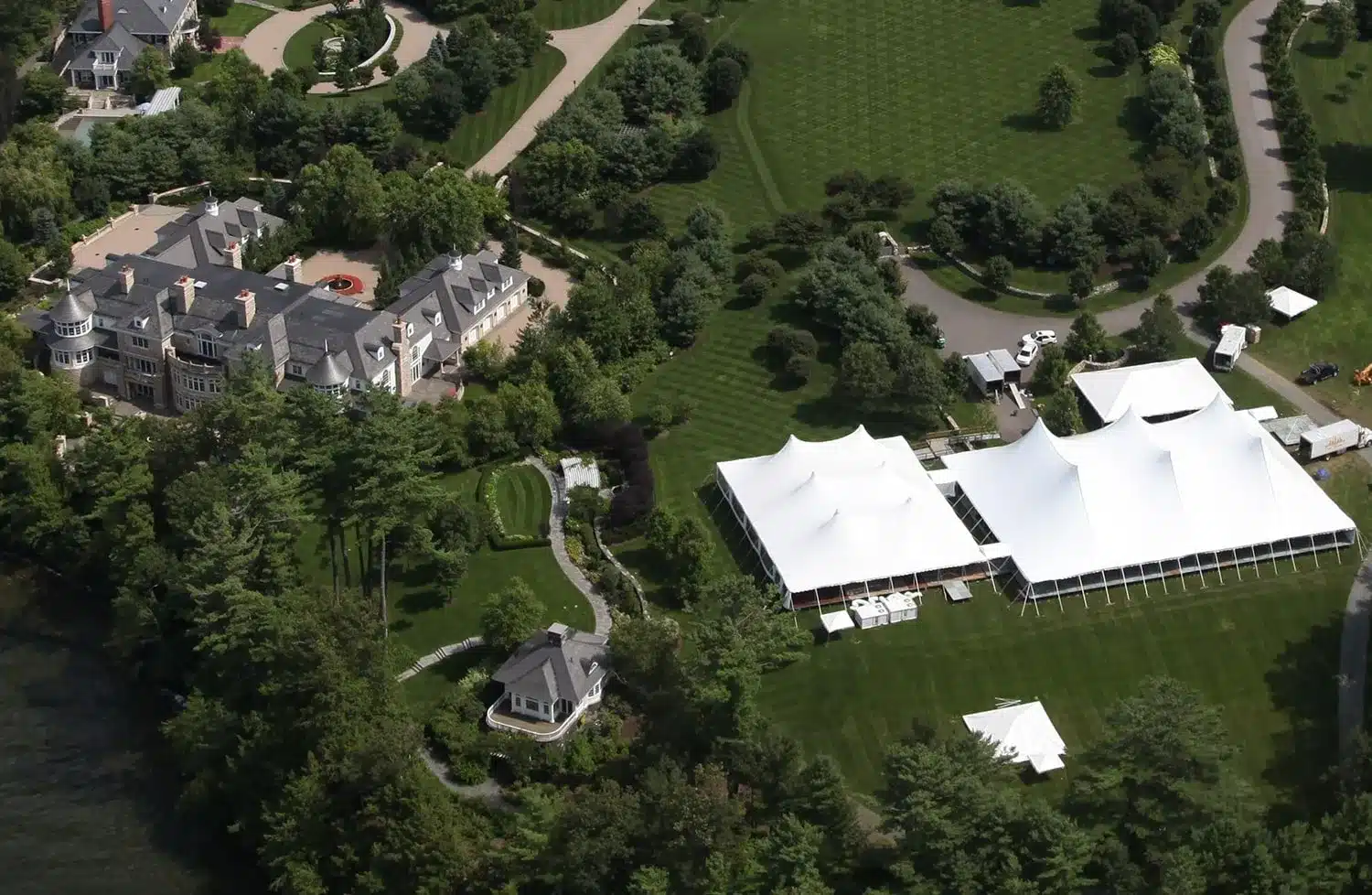
A warm and inviting winter tent experience seamlessly blends reliable climate control, smart insulation, and considered design to keep guests comfortable, safe, and delighted. This guide empowers planners to choose tent heating solutions, calculate BTU needs, select insulation and flooring, and design luxury winter wedding and corporate tent environments that balance ambiance with engineering-grade safety. Cold-weather events often fall short because of underpowered heating, poor air management, or inadequate flooring; this article provides practical solutions that prevent those pitfalls while preserving style. You will learn how to compare indirect-fired, propane, and electric heaters, apply insulated sidewalls and thermal liners effectively, choose flooring and engineered structure tents for snow-load resilience, and lay out luxury decor that elevates perceived warmth.
What Are the Best Heating Solutions for Winter Event Tents?
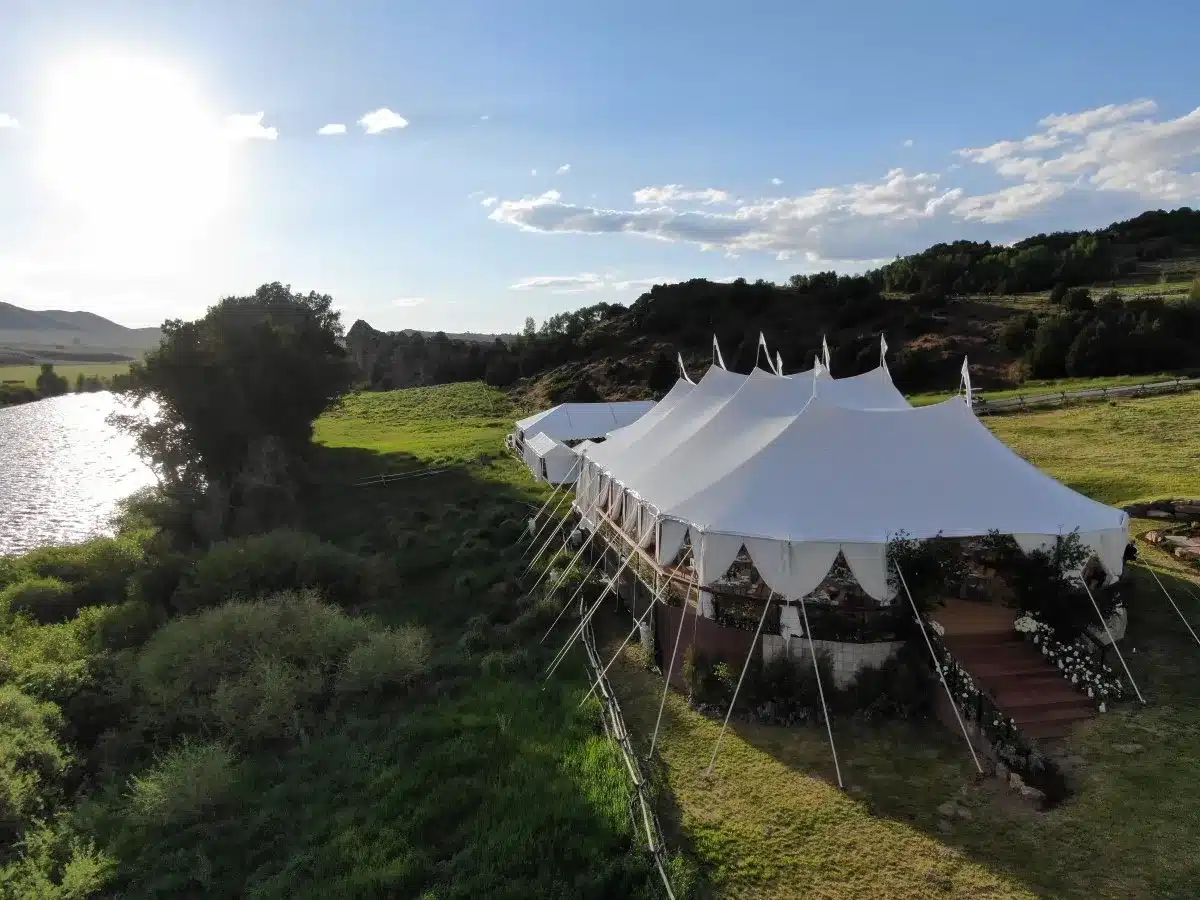
Heating a winter tent effectively requires aligning the heater type, BTU capacity, and distribution method with the tent’s size, occupancy, and insulation level. The right setup minimizes cold spots, maintains air quality, and ensures safety through proper ventilation and monitoring.
An optimal system combines the right heater with well-planned ducting, diffusers, and zoning to distribute heat evenly across the tent. This approach enhances comfort while improving fuel efficiency—creating a warm, inviting environment for weddings, galas, and corporate events alike.
Which Types of Tent Heaters Are Ideal for Winter Events?
Tent heaters generally fall into three main categories: indirect-fired, propane (forced-air), and electric unit heaters. Each option serves different event needs based on scale, duration, and available utilities.
- Indirect-fired heaters produce high BTU output with combustion located outside the tent, delivering clean, filtered air indoors. They are ideal for large or formal winter events where air quality and consistent temperature are essential.
- Propane forced-air heaters are portable and effective for short- to mid-term setups. They offer flexibility in locations with limited electrical infrastructure but require ventilation and carbon monoxide monitoring.
- Electric unit heaters provide clean, silent warmth with no combustion emissions, making them perfect for smaller, insulated luxury tents where reliable electrical power is available.
How Do Indirect-Fired, Propane, and Electric Heaters Compare?
Choosing the right heating system depends on event size, available power, and ventilation capacity.
Indirect-fired heaters are preferred for their efficiency and air quality control, while propane and electric systems are excellent alternatives for smaller or power-restricted sites.
What Are the Safety Best Practices for Heating Winter Tents?
Safety is paramount when planning heated winter tent rentals. Proper combustion control, ventilation, and certified installation protect both guests and event staff.
- Use indirect-fired systems whenever possible to keep combustion outside the tent.
- Install carbon monoxide detectors at multiple elevations.
- Maintain clear ventilation paths and ensure air diffusers remain unobstructed.
- Employ certified technicians to handle installation and confirm local code compliance.
- Store fuel in approved containers away from high-traffic areas and heat sources.
Following these precautions ensures safe, efficient operation and peace of mind throughout your winter event.
Why Choose Skyline Tent Company’s Climate Control Solutions for Winter Events?
Skyline Tent Company offers fully integrated climate control solutions designed for comfort, safety, and seamless execution. Their expertise covers indirect-fired, propane, and electric heating systems—each installed with professional ducting, diffusers, and CO monitoring.
Skyline’s turnkey service extends beyond equipment. Their team handles permitting, power generation, flooring integration, and on-site monitoring, allowing event planners to focus on design and guest experience. From intimate winter weddings to multi-zone corporate events, Skyline’s project managers deliver reliable, luxurious warmth tailored to every occasion.
For personalized planning, event organizers can request a heating consultation to determine BTU requirements and receive a customized solution built for both performance and style.
How Can Insulated Tent Rentals Enhance Warmth and Comfort?
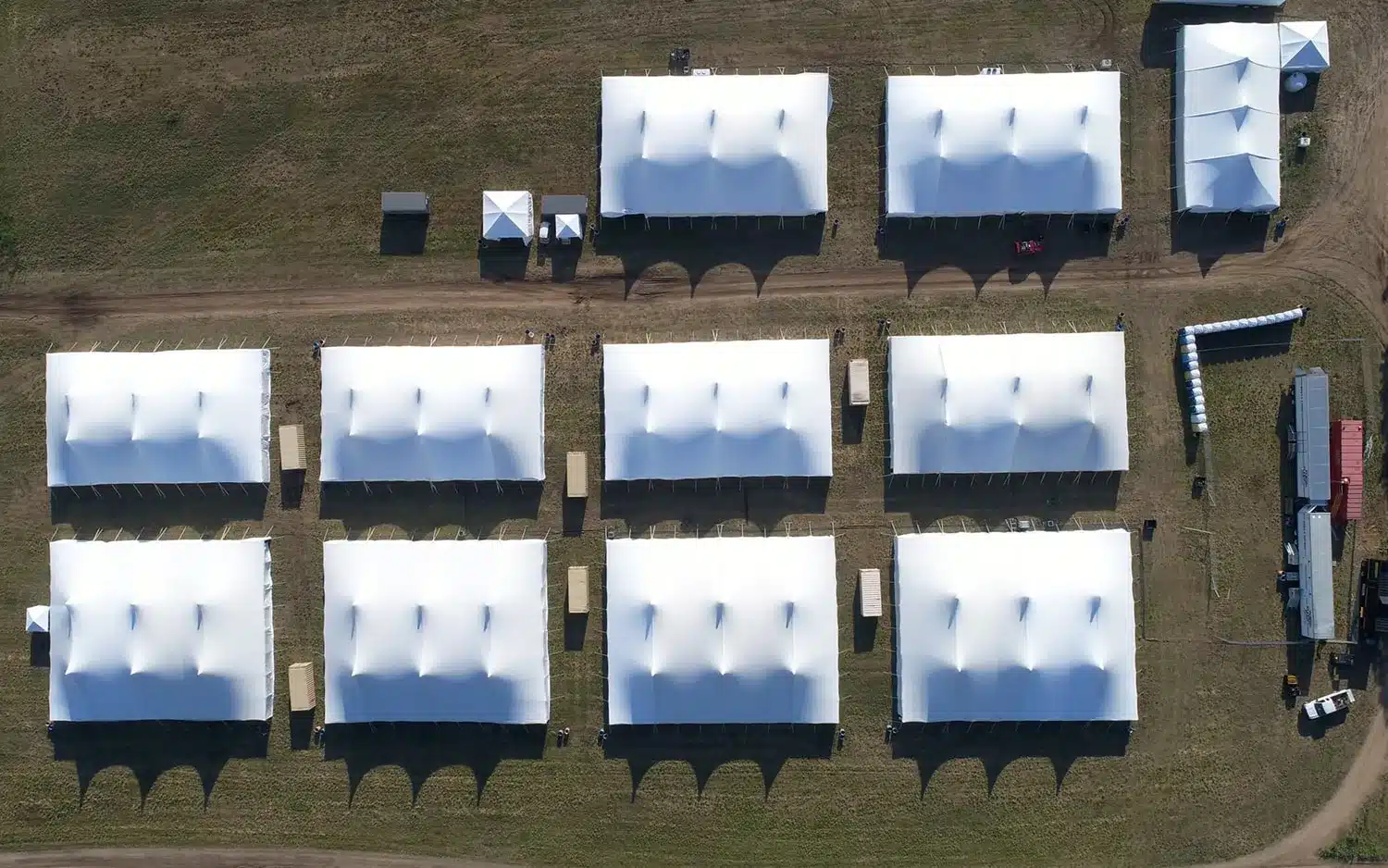
Insulated tent rentals significantly improve thermal performance by reducing heat loss through walls and roofs, controlling condensation, and lowering BTU requirements, which together raise guest comfort and reduce operational cost. Effective insulation strategies include insulated sidewalls, quilted thermal liners, and insulated flooring systems; when combined with proper heating, they create a tighter thermal envelope that optimally holds heat longer. Understanding the thermal characteristics of materials and how they integrate with lighting, decor, and HVAC systems elevates both function and aesthetics. Below we examine the benefits of sidewalls and liners, how flooring choices affect heat retention, and why engineered structure tents matter in winter environments.
What Are the Benefits of Insulated Sidewalls and Thermal Liners?
Insulated sidewalls and thermal liners increase R-value, reduce radiant heat loss, and limit condensation that can form on cold surfaces; these effects directly lower required BTUs and create more consistent interior temperatures, ensuring superior comfort. Thermal liners also provide improved acoustics and offer a neutral backdrop for lighting and decor, further enhancing perceived warmth for guests. Installation complexity varies, quilted liners attach to internal framing while panelized insulated walls often require additional anchoring—but all reduce heater runtime and significantly improve guest comfort. Selecting the right liner influences both HVAC sizing and the overall event aesthetic.
Insulated sidewalls yield three direct benefits:
- Heat retention that lowers operational heating demand.
- Condensation control that protects decor and flooring.
- Acoustic dampening that improves ambiance during speeches or music.
These advantages inform heater sizing and occupancy planning, and they seamlessly integrate into flooring choices discussed next.
How Does Custom Flooring Improve Heat Retention and Comfort?
Custom flooring, especially elevated platforms with insulated subfloor panels, effectively interrupts conductive heat loss to the ground and improves the thermal feel underfoot. Flooring options—wood panels, insulated deck systems, and carpet overlays—add comfort, protect HVAC performance, and create accessible paths for guests and service staff. Elevated platforms also simplify routing of ducting and power beneath the floor surface, enabling discreet distribution of heat and cables. Installation timelines and logistics must be planned, but the payoff is improved guest comfort, reduced chilled-floor sensation, and a truly luxurious experience.
How Do Engineered Structure Tents Withstand Winter Weather?
Engineered structure tents are designed with defined snow-load ratings, reinforced frames, and anchoring systems that resist wind uplift and accumulate loads with uncompromised safety. Their structural ratings determine allowable snow accumulation and inform site assessment, requiring planners to select an appropriately rated tent for regional winter conditions. Proper anchoring—ballasts, screw anchors, or concrete pads depending on substrate—and professional site surveys ensure secure placement. Choosing engineered tents affects heating strategy because a well-seated structure retains heat better and supports heavier thermal liners and glazing systems without ever compromising safety.
What Weatherproofing Techniques Ensure a Cozy Winter Tent?
Weatherproofing focuses on sealing eaves and entry points, creating vestibules to reduce cold air infiltration, and ensuring appropriate drainage and site preparation to keep water and snow away from the tent base, guaranteeing a cozy interior. Additional techniques include roof pitch considerations for snow shedding, using covered walkways for guest transitions, and deploying proactive snow management plans during multi-day events. Sealing gaps around doors and adding insulated entryways cut drafts and help maintain a balanced interior climate. These measures work in tandem with heating and flooring to preserve warmth and elevate guest comfort.
How to Design and Decorate a Luxury Winter Wedding Tent for Warmth and Ambiance?
Designing a luxury winter wedding tent seamlessly combines aesthetic choices that enhance perceived warmth with practical layout decisions that support heat distribution. Layered textiles, warm lighting, and curated lounge areas create intimate pockets of comfort, while strategic heater placement and expert circulation planning effectively sustain genuine warmth. Material choices should complement insulation and heating systems. Heavier fabrics retain heat and conceal thermal liners, while glass walls and clear roofs introduce daylight and views, but require additional heating or secondary glazing to manage heat loss effectively. This section explores decor, glazing choices, seating layouts, and romantic touches that make winter weddings feel both warm and truly elevated.
What Are Top Luxury Winter Decor Ideas for Tents?
Luxury decor focuses on layered textiles, ambient lighting, and intimate lounge vignettes that exquisitely signal warmth to guests. Use heavy draperies, table runners in warm tones, area rugs under seating clusters, and upholstered furniture to make spaces feel cozy and tactile. Candlelight or warm LED uplighting boosts perceived temperature, while strategically placed rugs and throws can create small, inviting areas near heating diffusers. These design choices both conceal functional equipment and significantly enhance guest comfort without compromising the tent’s engineered performance.
High-impact decor elements to elevate warmth:
- Layered textiles and area rugs in focal zones.
- Warm-toned uplighting and candle-like LEDs.
- Intimate lounge arrangements with plush seating.
These elements reinforce circulation plans that keep guests in thermal comfort areas, which we discuss next, ensuring a consistently pleasant environment.
How Can Glass Walls and Clear Roofs Enhance the Winter Tent Experience?
Glass walls and clear roofs offer panoramic views and abundant daylight, truly elevating the guest experience and creating a greenhouse-like ambiance that captures solar gain during daylight hours. However, glazing increases radiant heat loss at night and requires mitigation strategies like insulated framing, secondary glazing, or supplemental heating focused near transparent surfaces. Used judiciously with robust heating and insulation, glass walls offer dramatic sightlines while still allowing planners to maintain interior warmth for guests, creating an unforgettable atmosphere.
How to Arrange Seating and Layouts for Guest Comfort in Winter Tents?
Seating layouts should minimize exposure to doors, prioritize internal clusters that retain heat, and maintain clear circulation paths for staff and emergency egress, thereby optimizing guest flow and comfort. Arrange banquet rounds and lounge areas oriented toward central heating diffusers and away from frequent-entry zones; place vestibules or cloakrooms near entrances to reduce infiltration. Smaller clusters and lounge nooks create perceived intimacy and reduce the volume each heater needs to serve, enhancing the overall guest experience. Planning seating with HVAC mapping ensures no cold pockets near perimeters or glazing, guaranteeing consistent comfort.
What Are Romantic Winter Wedding Tent Planning Tips?
Timing and guest communication play a crucial role in shaping a romantic and comfortable wedding. Schedule key outdoor moments around daylight for warmth, advise guests on appropriate attire, and provide warm amenities like wrapped blankets or hot beverage stations to curate a truly memorable experience. Include contingency plans for extreme cold, such as backup heating or shortened outdoor transitions, and consider warm favors (hand warmers, personalized throws) to reinforce comfort. These practical touches amplify romance while maintaining operational predictability for planners and vendors, ensuring a seamless celebration.
What Are Essential Considerations for Corporate Winter Event Tent Setups?
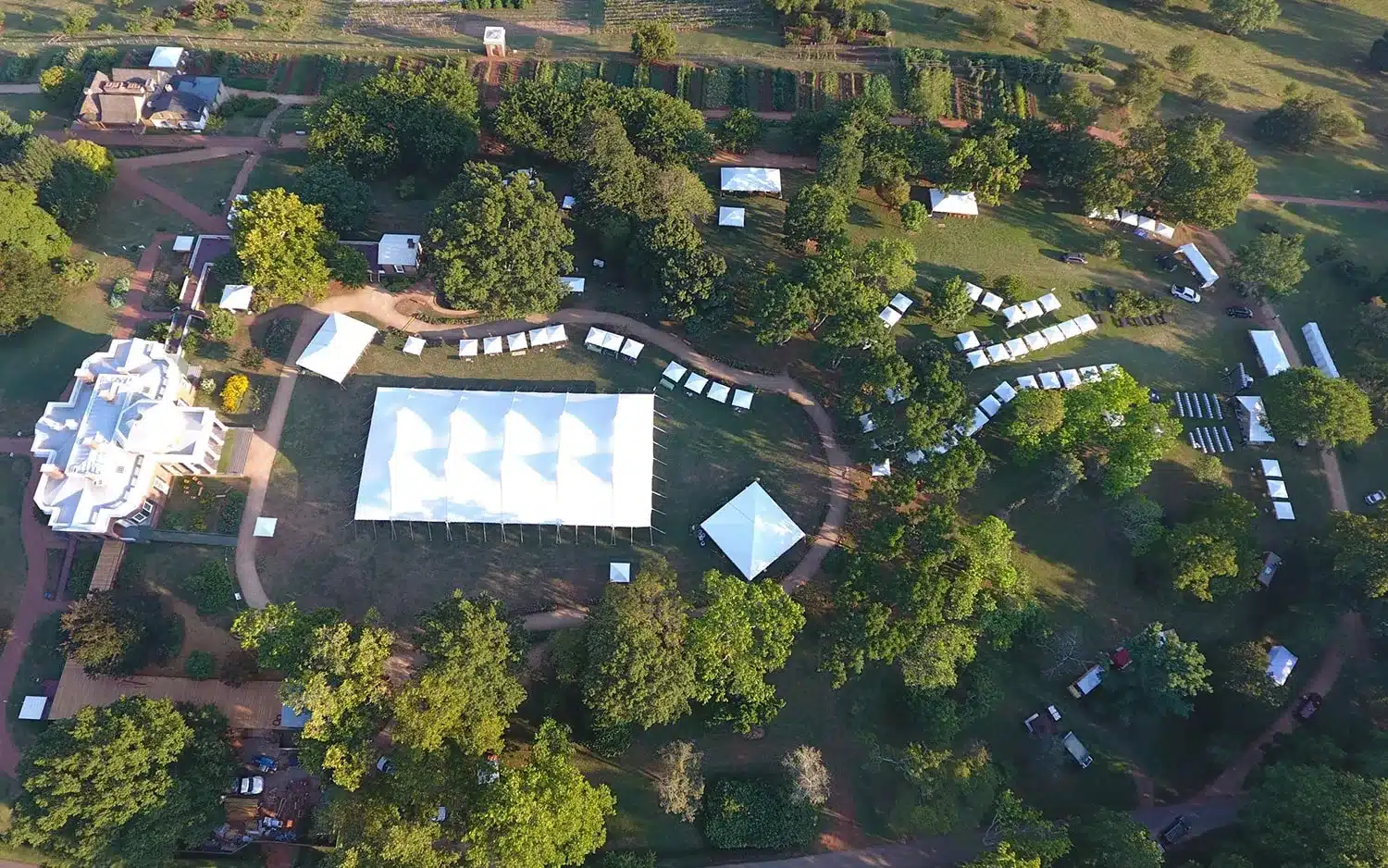
Corporate winter tents demand unwavering reliability, branding-appropriate decor, and robust logistics that address permits, power, and safety at scale. Unlike private events, corporate gatherings often require redundancy in heating and power, clear branding solutions that remain functional with HVAC systems, and tight timelines that leave little margin for error. This section covers scalable climate control strategies, decor that supports a professional tone while delivering warmth, and a logistics comparison to aid planners in choosing the right tent type and heating approach, ensuring a successful event.
How to Ensure Professional Climate Control for Large Winter Events?
Professional climate control at scale uses zoned heating, redundant units, and on-site technical monitoring to maintain consistent temperatures across large footprints, delivering unparalleled comfort. Deploy multiple heater zones with independent controls and backup power or generators to mitigate failures. Coordinate an on-site technician during critical hours and use ducted distribution with diffusers to avoid temperature stratification. These practices ensure guest comfort and operational continuity for presentations, receptions, and multi-session corporate agendas, guaranteeing a flawless event.
What Branding and Decor Options Suit Corporate Winter Tents?
Corporate decor should focus on durable fabrics, subtle warm accents, and modular furniture that elegantly supports both brand visibility and thermal efficiency. Use neutral palettes with warm lighting to maintain a professional tone, while incorporating branded elements in signage and projection surfaces that can withstand HVAC proximity. Select furniture and materials that are easy to position around diffusers and do not obstruct airflow, thereby maintaining both aesthetic appeal and system performance.
How to Manage Logistics and Safety for Corporate Winter Tent Events?
Effective logistics include securing permits, verifying insurance, planning emergency egress, and coordinating snow removal and access routes, ensuring comprehensive safety. Maintain a vendor coordination schedule that includes HVAC setup, generator testing, and safety inspections. Ensure crowd flow planning to separate high-traffic entry points from seated areas and establish medical and security staffing appropriate to expected attendance. These steps minimize risk and keep events on schedule, delivering peace of mind.
What Flooring and Insulation Options Maximize Warmth in Winter Event Tents?
Flooring and insulation choices directly reduce heat loss, improve guest thermal perception, and interact with HVAC selection to influence total BTU needs, optimizing overall performance. Elevated platforms, insulated subfloors, and carpet overlays reduce conductive loss to the ground and create accessible, comfortable walking surfaces. Insulated sidewalls and quilted liners lift effective R-values while maintaining aesthetics. This section compares flooring and insulation options, describes installation impacts, and recommends combinations for common event types, guiding you to the ideal solution.
How Do Elevated Platforms and Custom Flooring Improve Heat Retention?
Elevated platforms create an air gap between the tent floor and cold ground, effectively cutting conductive heat loss and offering a warmer underfoot feel. Insulated panels in subfloors further improve performance by adding thermal resistance; combined with carpet overlays, they deliver premium comfort and quieter acoustics. Elevated systems also simplify routing for ducting, power, and cable management, reducing visible equipment inside the tent. Installation requires lead time and site-specific anchoring but yields unparalleled thermal and accessibility benefits for winter events.
What Types of Insulated Sidewalls and Liners Are Available?
Insulation products include foam-backed panels, quilted thermal liners, and insulated wall panels designed for tensile tents and engineered structures, each offering distinct advantages. Foam-backed panels provide higher R-values and are ideal where aesthetics and insulation are top priorities. Quilted liners are lighter, simpler to install, and provide substantial condensation control with lower installation complexity, making them a versatile choice. Choose materials based on expected temperatures, visual requirements, and cleaning/maintenance needs to balance performance and elevated event design.
How Does Flooring Impact Overall Guest Comfort in Winter Tents?
Flooring affects thermal perception, acoustics, and accessibility; a warm underfoot surface increases perceived comfort even if air temperature is unchanged, contributing significantly to guest satisfaction. Flooring choices influence heel-friendly walking surfaces, service operations, and staff mobility, and they change how HVAC distributes heat (floors on platforms reduce the need for extremely high air temperatures). For high-end weddings and corporate galas, elevated insulated flooring paired with area rugs yields the strongest guest satisfaction metrics related to comfort, creating an unforgettable experience.
How to Request and Plan Your Warm Winter Tent Experience with Skyline Tent Company
Planning your winter event with a dedicated provider simplifies every detail—from technical setup to on-site execution. Skyline Tent Company offers a structured, concierge-style process that ensures comfort, safety, and design excellence at every stage. It begins with an initial consultation and site assessment, followed by proposal development, equipment selection, scheduling, installation, and final checks. The following steps outline how to request a quote, customize your tent setup, and prepare for a seamless, climate-controlled event.
What Is the Process for Booking Heated Winter Tent Rentals?
Booking a heated winter tent rental with Skyline Tent Company is straightforward and transparent. The process starts with an initial inquiry and site assessment to evaluate your location, guest capacity, and heating requirements. Next, you’ll receive a custom proposal detailing tent type, flooring, insulation, and power solutions tailored to your event. Once approved, Skyline schedules installation, conducts on-site testing, and provides ongoing monitoring during your event to ensure optimal comfort and reliability. Typical booking steps include:
- Initial consultation and site assessment to review site logistics and event needs.
- Proposal and equipment selection with customized heating and flooring options.
- Deposit, scheduling, installation, and final testing to ensure readiness before the event.
Early engagement is recommended to secure preferred equipment and prime installation dates during peak winter months.
How Can You Customize Your Winter Tent Setup?
Customization allows you to create a warm, elegant atmosphere while addressing your event’s specific requirements. Choose from engineered structure tents, sailcloth, or century-style tents, each designed for stability and aesthetics in winter conditions. Add insulated sidewalls, quilted thermal liners, and elevated flooring to enhance warmth and comfort. For visual appeal, consider glass walls or clear roof panels that introduce natural light while maintaining insulation.
Skyline’s team integrates all heating, flooring, and design elements into a cohesive, turnkey package—ensuring your winter event is both luxurious and technically sound.
Frequently Asked Questions
What Should I Consider When Choosing a Tent for Winter Events?
When selecting a tent for a winter event, focus on structural integrity, insulation performance, and snow-load ratings. Engineered structure tents are ideal for colder climates thanks to their reinforced frames and defined snow-load capacities. Assess the size of the tent based on guest count, floor plan, and layout to ensure it can accommodate heating equipment and maintain proper airflow. Finally, select design elements that enhance the atmosphere while maintaining a warm and inviting space.
How Can I Ensure Proper Ventilation in a Heated Winter Tent?
Proper ventilation is essential for maintaining air quality and preventing condensation in a heated tent. Use indirect-fired heaters that vent combustion safely outside the tent, and include ducting systems that distribute heat evenly throughout the space. Install monitored carbon monoxide detectors at multiple heights and regularly check that ventilation paths remain unobstructed by décor or furniture. These precautions ensure consistent comfort and guest safety throughout your event.
What Are the Best Practices for Setting Up a Winter Tent?
Successful winter tent setups start with a comprehensive site assessment to evaluate ground conditions, access routes, and weather exposure. Secure the tent using reliable anchoring systems such as ballasts or screw anchors to withstand strong winds and snow. Plan insulation and heating early—select flooring and sidewall combinations that reduce heat loss and create a consistent indoor temperature. Arrange the interior layout to minimize drafts near entrances and maintain an even distribution of warmth.
How Do I Manage Snow Accumulation on a Winter Tent?
Snow management is crucial to maintaining the integrity and comfort of your winter tent. Choose a tent with a certified snow-load rating and have a proactive plan for snow removal during the event. Regularly monitor roof conditions and remove accumulated snow using appropriate tools such as rakes or shovels. Tents with steeper roof pitches naturally shed snow more efficiently, reducing the risk of buildup and structural stress during prolonged cold spells.
What Are the Benefits of Using Elevated Flooring in Winter Tents?
Elevated flooring provides significant advantages for heated winter tent rentals. The air gap between the platform and the ground reduces heat loss, keeping guests warmer and more comfortable. It also creates a stable, level surface that improves accessibility and safety for guests and staff. Additionally, elevated flooring allows for hidden routing of ducts, electrical wiring, and power cables, maintaining a clean and elegant event presentation.
How Can I Enhance the Aesthetic Appeal of a Winter Tent?
A luxurious winter tent ambiance begins with layered textures, warm lighting, and inviting layouts. Use soft drapery, area rugs, and upholstered seating to enhance both comfort and style. Incorporate candle-like LEDs or amber uplighting to create a cozy, glowing environment. For an elevated touch, consider glass walls or clear roof panels to introduce natural light during the day while maintaining warmth and visibility. These design choices make your event feel both elegant and welcoming.
Conclusion
Creating a warm, comfortable winter tent environment depends on thoughtful design and reliable heating solutions. By combining insulated sidewalls, elevated flooring, and professional climate control, planners can achieve both efficiency and elegance in any cold-weather setting.
Skyline Tent Company specializes in tailored heated winter tent rentals that merge safety, comfort, and sophistication. Contact the Skyline team today to discover how expert climate control, insulation, and design can transform your winter event into an unforgettable experience.
