

A winter-ready luxury tent transforms a cold New Year’s Eve into a warm, elegant celebration that feels as polished as an indoor venue while preserving the atmosphere of an outdoor setting. With the right structure, dependable climate control, and a professionally coordinated installation, planners can create a comfortable, visually striking environment that performs well in changing weather and supports the evening’s key moments.
This guide walks through the essentials—selecting a tent built for winter conditions, incorporating heating and insulation, choosing flooring and finishes that enhance comfort, and understanding the planning steps that keep the installation on schedule. You’ll also learn how these elements work together to create a refined, secure, and weather-resilient setting for both private and corporate New Year’s Eve events.
Why Luxury Winter Tents Work So Well for New Year’s Eve
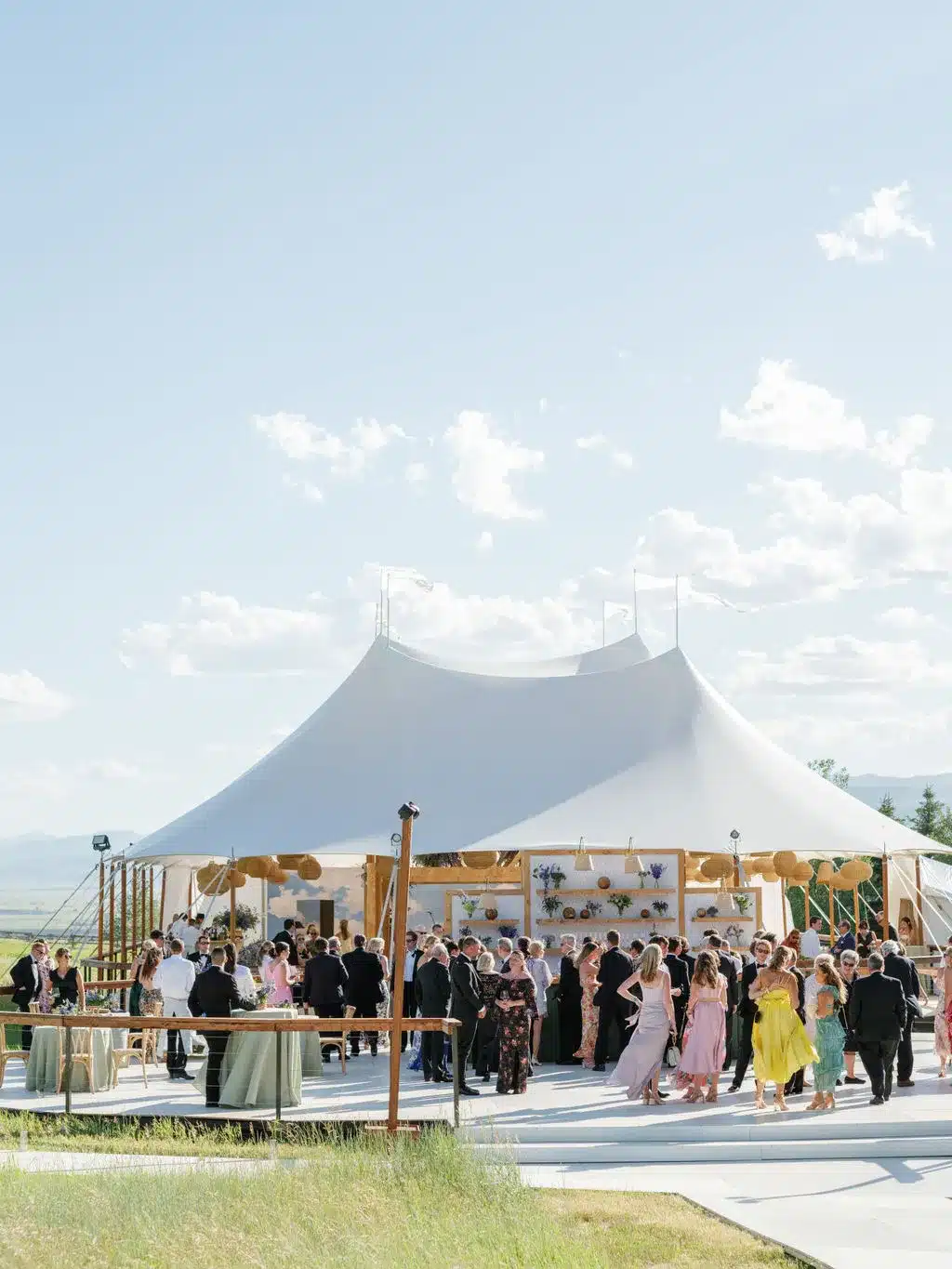
Luxury winter tents function as polished, weather-ready venues that allow New Year’s Eve celebrations to unfold comfortably outdoors. Built with durable frames, secure anchoring, and high-quality fabrics, these structures maintain warmth, limit drafts, and provide a stable environment for lighting, staging, and guest seating. Their ability to combine reliable climate control with a refined interior makes them ideal for events that require both elegance and dependable performance during cold-weather months.
For New Year’s Eve events, luxury winter tents offer three primary advantages:
- Consistent comfort through winter-ready heating and insulated sidewalls
- Strong weather performance thanks to stable frames and secure installation
- Flexible scale and design with clear-span interiors and customizable layouts
These benefits give planners the confidence to host milestone moments—such as countdowns or fireworks viewings—in a setting that remains warm and inviting regardless of outdoor conditions.
How Climate-Controlled Tents Keep Guests Comfortable in Winter
A well-planned winter tent creates a comfortable, indoor-quality environment even in cold temperatures. Heating systems sized for the tent’s footprint maintain steady warmth, while fitted sidewalls and insulation help limit heat loss. Flooring—particularly raised or insulated systems—adds comfort underfoot and minimizes cold transfer from the ground.
Ventilation is incorporated into the overall climate plan so air stays fresh and humidity is managed discreetly. When these elements work together, the tent stays warm, balanced, and pleasant for guests throughout the evening.
Why Engineered Structures and Sailcloth Tents Perform Well in Winter
Both engineered structure tents and sailcloth tents can excel during winter events, each bringing distinct strengths:
- Engineered structures provide excellent stability and generous clear-span interiors, making them ideal for larger guest counts or events requiring staging and production equipment. Their robust build supports dependable winter performance.
- Sailcloth tents offer an elegant silhouette with soft, natural light, paired with fabrics designed for weather resistance. When professionally installed and anchored, they provide a beautiful and reliable option for many New Year’s Eve settings.
Selecting between the two depends on the site, expected weather, and the atmosphere you want to create. Both options can be customized with flooring, lighting, and climate control to deliver a warm, memorable New Year’s Eve celebration.
Which Heated Tent Solutions Deliver Elegance and Comfort?
A refined heating plan brings comfort without feeling like a makeshift solution. Match the heater type and capacity to the tent’s volume and occupancy, limit noise and venting where necessary, and utilize custom flooring and insulation to reduce energy demand and enhance comfort underfoot. Power planning—generator sizing, fuel logistics, and redundancy—is essential so heating never fails during key moments like the midnight countdown. The table below compares standard heating systems and their pros and cons, allowing you to choose the one that best fits your tent size and guest experience priorities.
Common heating system choices for luxury winter tents:
- Indirect-fired heaters — high-capacity, rapid heating for large clear-span tents.
- Radiant (infrared) heaters — quiet, targeted warmth for dining and lounge areas.
- Electric HVAC or split systems — clean and quiet where venting or fuel storage is restricted.
Each option has trade-offs in output, noise, and footprint; the summary table helps align system attributes with event needs and safety planning.
Use this comparison to prioritize heating types for your layout; next we’ll cover flooring and insulation strategies that reduce load and reinforce a luxury feel.
What Heating Systems Are Common in Luxury Winter Tents?
Heater choice depends on the tent’s volume, guest count, and constraints such as exhaust access or noise sensitivity. Indirect-fired units provide high BTU output for large tents where fuel and venting are manageable. Radiant systems provide quiet, localized warmth without heating the entire air, making them ideal for dining areas and VIP sections. Electric HVAC and packaged units are suitable where fuel storage or exhaust isn’t possible, although they may require substantial electrical capacity. Safety is critical—use CO monitors, route exhaust correctly, and respect clearance requirements to protect guests and staff.
How Flooring and Insulation Improve Comfort in Winter Tents
Insulated, elevated flooring creates a thermal barrier between guests and cold ground, cutting conductive heat loss and noticeably improving comfort underfoot. Raised subfloors, insulated panels, and luxury finishes—such as hardwood inserts or plush rugs—enhance warmth and overall aesthetic, while perimeter thermal breaks prevent drafts. Flooring also supports HVAC planning by housing underfloor ducting or discrete heater placement and by protecting wiring and equipment. Together, insulation and thoughtful flooring reduce energy needs and create an interior that feels like an actual winter-ready venue.
How to Design the Right Ambience for New Year’s Eve Tent Events
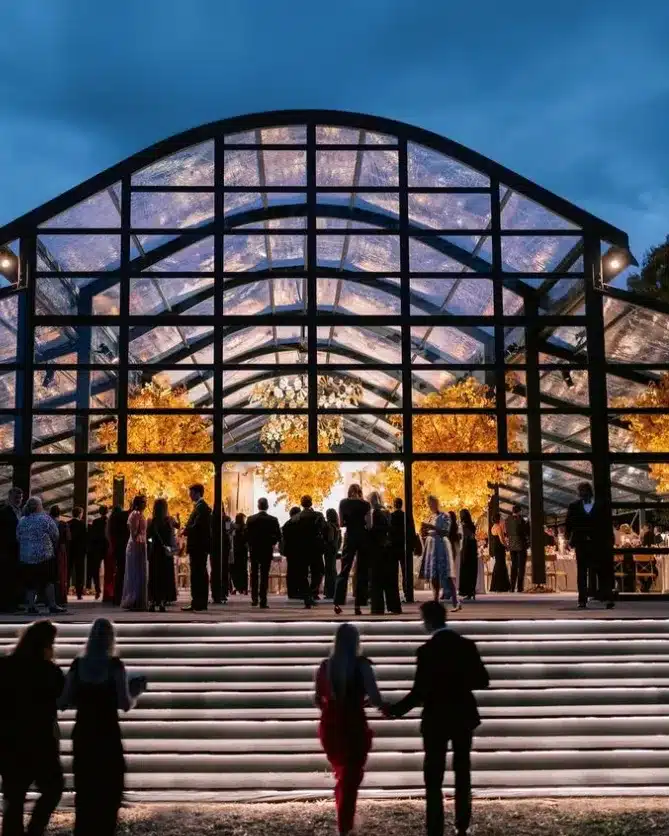
Creating the right atmosphere for a New Year’s Eve tent event begins with thoughtful lighting and a layout that enhances comfort and flow. Warm, layered lighting—such as chandeliers, soft ambient fixtures, and subtle perimeter accents—helps define the space and creates an inviting tone for a winter celebration. These lighting layers also highlight the tent’s structure, whether that’s the graceful peaks of a sailcloth tent or the clean lines of an engineered frame.
Clear walls or select clear-top sections can introduce skyline views or nighttime scenery, adding a memorable visual element without compromising warmth. When paired with a well-organized layout that supports seating, circulation, and guest gathering areas, these elements create an elegant and cohesive ambience suited for New Year’s Eve.
Practical Considerations for Décor and Lighting in Winter Tents
Décor inside a winter tent should support visibility, comfort, and safe movement. Keep these principles in mind:
- Use warm, low-glare lighting to maintain an intimate, comfortable atmosphere.
- Choose décor that complements the tent’s architecture and keeps sightlines open.
- Ensure all decorative elements maintain proper clearance from heaters, entrances, and walkways.
These considerations help maintain both comfort and safety during a winter event.
How Glass Walls and Elevated Platforms Add Luxury
Glass walls and elevated platforms can elevate the overall guest experience while preserving the tent’s comfort and functionality.
Glass walls maintain interior warmth while showcasing surrounding views—city skylines, waterfronts, or fireworks displays—allowing the outdoor environment to become part of the celebration.
Elevated platforms improve sightlines for stages or presentations and help define VIP or featured areas within the tent. Both elements integrate seamlessly with winter-ready tenting when professionally planned and installed.
Used thoughtfully, these structural enhancements add sophistication and visual depth, reinforcing the premium feel of a New Year’s Eve celebration.
Key Steps for Planning a Seamless Luxury Winter Event
Planning a winter tented event requires a clear, organized process that brings together site conditions, seasonal needs, and event design. A well-structured workflow helps ensure that the tent, heating, flooring, and power systems all come together smoothly—especially important for New Year’s Eve, when timing and comfort must be flawless.
The core planning steps include:
- Start with a site assessment.
This confirms access, ground stability, layout options, and any considerations that may influence tent style or placement. - Review required permits early.
Temporary structures and winter installations often involve local approvals, and early coordination keeps schedules on track. - Finalize tent type and layout.
Choose the structure, footprint, and interior zones—dining, lounge, staging—based on guest count and event flow. - Plan utilities and installation windows.
Power distribution, heating equipment, and delivery schedules should be mapped out in advance to avoid last-minute adjustments.
A thoughtful approach to these steps ensures reliable timelines and creates a foundation for a comfortable, well-executed winter celebration.
How Skyline Tent Company Helps Planners with Full-Service Solutions
Skyline Tent Company supports every phase of a winter event with a comprehensive, end-to-end service model. This includes:
- Site surveys and layout planning
- Guidance on permits and seasonal requirements
- Premium tent options—Sailcloth, Century, and Engineered Structure tents
- Climate control and power solutions sized for winter conditions
- Custom flooring, elevated platforms, glass walls, and additional structural enhancements
- On-site coordination and project management
By working with a single full-service provider, planners reduce the number of vendors they need to manage, streamline communication, and ensure all components—heating, power, flooring, and tent installation—are aligned. This integrated approach helps deliver a polished, on-schedule experience for New Year’s Eve events of any scale.
Essential Considerations for Winter Tent Setup and Safety
Winter installations require careful attention to comfort and reliability. Key considerations include:
- Using structures designed for seasonal conditions and installing them with proper anchoring and secure sidewalls
- Planning heating and ventilation to maintain comfort without compromising airflow
- Keeping entrances, exits, and walkways clear, especially during cold-weather conditions
- Coordinating monitoring and contingency plans with your tent provider to ensure the celebration continues smoothly, even if weather shifts
With professional planning and on-site support, winter tent setups remain safe, warm, and visually cohesive—allowing guests to enjoy a memorable New Year’s Eve experience regardless of the temperature outside.
How Luxury Tent Rentals Fit Corporate and Private New Year’s Events
While corporate and private events differ in scale and priorities, both rely on three core elements: weather protection, climate control, and premium finishes. Corporate clients typically require integrated staging, AV, branding, and controlled circulation for networking; private parties favor intimacy, bespoke décor, and localized heating for comfort. The same tent types and systems scale from gala affairs and awards nights to intimate family gatherings—what changes is the layout, technical infrastructure, and level of customization to meet each client’s goals.
Use this comparison to guide feature choices by audience:
- Corporate: staging, AV integration, hospitality suites, and crowd-flow planning.
- Private: cozy lounge areas, personalized décor, and localized heating for smaller footprints.
- Scalability: modular layouts and zoning that adapt from VIP suites to general-admission areas.
These distinctions shape decisions about technology, staffing, and atmosphere for the event you’re planning.
What Corporate New Year’s Tent Events Typically Require
Corporate events need dependable technical infrastructure—dedicated power distribution, stage rigging, professional AV, and branded environments that support presentations and networking. They often include secure VIP suites, clear ingress/egress for guest transportation, and staffing plans for registration, security, and production. These requirements influence tent choice and layout: engineered structures deliver the clear-span space for staging and heavy equipment, while glass walls and elevated platforms create premium sightlines and branding opportunities. Tight production timelines and strong project management ensure a consistent guest experience from arrival through the midnight countdown.
How Private New Year’s Tent Rentals Are Tailored for Intimacy
Private celebrations focus on warmth, comfort, and personalized details, including lounge vignettes, curated lighting, tailored playlists, and intimate dining zones that encourage conversation. Localized heating—radiant panels over tables, plush seating, area rugs, and decorative screens—creates cozy pockets without heating the entire volume. Smaller footprints mean more efficient generator and HVAC choices, lowering cost and complexity while preserving a high-end look with premium flooring, textiles, and table settings. Thoughtful customization keeps the event personal and comfortable without sacrificing style.
Frequently Asked Questions
What are the benefits of using luxury winter event tents for corporate events?
Luxury winter tents provide dependable weather protection, steady climate control, and a polished environment suited for professional gatherings. Clear-span interiors easily support staging, AV, and branded elements, while flexible layouts allow planners to create zones for presentations, networking, and guest flow. This combination of comfort and versatility makes winter-ready tents a strong fit for corporate New Year’s celebrations.
How do I choose the right tent type for my winter event?
Your tent choice should reflect the expected weather, guest count, and the overall atmosphere you want to create. Engineered structures offer strong winter performance and open interiors for larger events. Sailcloth tents provide an elegant look with dependable cold-weather capability. Century tents serve well for mid-size gatherings. Skyline’s team can guide you through site considerations and program needs to match your event with the right structure.
What safety measures should be taken for winter tent events?
Safety starts with using structures designed for winter conditions and installing them with proper anchoring and secure sidewalls. Clear entrances and exits, flame-resistant materials, and appropriate heating and ventilation are essential. Skyline manages permitting requirements and ensures all winter installations meet local codes and recommended best practices.
Can luxury winter tents be customized for specific styles or aesthetics?
Yes. Lighting, wall options, flooring, platforms, and glass elements can all be tailored to match your event’s look and atmosphere. These customizations work alongside the tent’s architecture to create a cohesive, elevated environment while maintaining comfort and safety.
What are the typical lead times for renting a luxury winter event tent?
For peak dates like New Year’s Eve, planning 3–6 months in advance is recommended. This allows time for site surveys, permitting, and securing preferred tent styles, flooring, and climate-control equipment. Early booking ensures availability and helps streamline event timelines.
How do I ensure my tent stays warm throughout the event?
Consistent warmth comes from a coordinated approach: properly sized heating, insulated or winter-ready sidewalls, and flooring that minimizes cold transfer. Zoning heat to areas where guests gather improves both comfort and efficiency. Skyline’s team designs, installs, and manages climate-control solutions to ensure a warm and reliable environment from arrival to the midnight countdown.
Conclusion
Luxury winter tents combine comfort, weather protection, and refined presentation to create a memorable New Year’s Eve experience—even in cold conditions. With the right structure, climate planning, and professional installation, an outdoor site becomes an elegant, dependable venue ready for a milestone celebration.
If you’re preparing for a winter event, exploring Skyline Tent Company’s premium tent options and full-service support is the best place to begin. Contact us to schedule a consultation and start planning a seamless, elevated New Year’s Eve gathering.
