
Bad weather can erase months of planning, put guests at risk, and turn a carefully budgeted event into an expensive cancellation. This guide explains how weather contingency tents act as practical insurance: they keep people safe, protect equipment, and allow your schedule to run as planned, so you can preserve contracts and your reputation. We walk through the most common weather threats to outdoor gatherings, show how tent materials and engineering mitigate those risks, recommend tent types based on exposure, and provide a clear checklist for building a resilient contingency plan for weddings, corporate events, and large-scale activations. Technical details—such as waterproofing, anchoring, and HVAC integration—are paired with operational steps for site assessment, add-ons, and insurance coordination. When you finish, you’ll be able to treat a tent as an active risk-management tool, not just rental gear.
What Are the Most Common Weather Challenges for Outdoor Events?
Planners regularly face a predictable set of weather hazards that cause the majority of cancellations, damage, and guest discomfort. Rain, wind, heat, snow and strong sun/UV each create different operational problems—from waterlogged grounds and AV failures to heat illness and dangerous roof loads—so knowing how each hazard causes harm makes it easier to choose the right mitigation. Industry feedback through early 2026 indicates that more planners are budgeting for contingency infrastructure, making weather-aware decisions central to logistics. Below we summarize the main threats and their immediate impacts to help you score risk before choosing tents and site treatments.
Outdoor events most commonly contend with these five weather challenges:
- Rain: soaks soil and surfaces, creates slip hazards, interferes with sound, and raises electrical risks.
- Wind: adds lateral forces to temporary structures, can pull loose elements free, and launches debris.
- Heat: increases heat‑stress risk for guests and can degrade lighting and AV gear.
- Snow & ice: add vertical roof loads and require load‑rated structures and snow‑clearance plans.
- Strong sun/UV: fades furnishings, overheats interiors, and raises health risks for attendees.
Each weather type calls for a different engineering response. That leads naturally to how tents layer protection—and when you should step up to engineered structures for higher exposures.
How Do Rain, Wind, Heat, and Snow Impact Outdoor Event Planning?
Rain reduces site usability by saturating soils and causing erosion; planners must address drainage, raise electricals, and install protective flooring to keep guests and equipment dry. Wind introduces complex forces on canopies that can tear fabric, dislodge sidewalls, or push anchoring systems to their limits; it also disrupts audio and decorative elements.
Heat events require properly sized HVAC, shaded zones, and hydration plans to avoid heat illness and maintain the event schedule. Cold and snow need heating, snow‑load calculations, and de‑icing to prevent structural failures.
Those practical impacts underline the value of technical features like waterproof membranes, rated anchoring, and climate control. We cover those features next and use them to guide tent selection.
Why Is Weather Risk a Top Concern for Event Planners in 2026?
In early 2026 planners reported growing concern about weather volatility—more intense precipitation and heat spells—so contingency infrastructure is moving from optional to expected in many budgets and contracts. The industry trend favors proactive spending on resilient tents, climate control, and backup power to avoid cancellations and reputational damage, and insurers increasingly require physical mitigation for higher‑risk policies. That puts planners in the position of weighing upfront contingency costs against potential financial and legal fallout from a disrupted event. Seeing tent-based mitigation as cost‑effective risk reduction—not a discretionary upgrade—helps justify the investment.
This market shift sets up a technical look at how tents deliver comprehensive protection through materials, anchoring, and climate systems.
How Do Event Tents Provide Comprehensive Weather Protection?

Tents lower weather risk by combining engineered materials, structural design, and on-site systems into a single protective envelope for people and assets. Waterproof membranes, taped seams and proper roof slope keep water out and channel runoff. Engineered frames and anchoring systems handle wind forces and keep the structure intact. Climate control, ventilation and sidewall options manage interior temperature and humidity to protect guests and sensitive equipment. Below are the core protective mechanisms and the direct benefits they offer attendees and operations.
- Waterproofing: coated fabrics and sealed seams stop precipitation and prevent interior damage.
- Wind resistance: engineered frames, cross‑bracing and rated anchors spread lateral loads to resist gusts.
- Anchoring systems: ground anchors, ballast and mechanical fastenings are sized to site soils for reliable holding power.
- Climate control: HVAC and ventilation systems keep temperatures and humidity within safe, comfortable ranges.
Understanding these features prepares you for a practical comparison of fabrics, seams and anchoring. The table below translates features into guest impact and risk reduction.
This breakdown shows why tents act as active risk controls and leads into matching tent types to exposure levels.
What Features Make Tents Waterproof and Wind‑Resistant?
Waterproofing depends on fabric choice, coatings, seam treatment and roof geometry; sailcloth and high‑grade PVC vary in breathability and look, but both can be finished for long‑lasting water rejection. Wind resistance comes from frame design—engineered trusses and cross‑bracing add stiffness—and from the right anchoring for the soil and exposure. Rated rigging points and clear load paths reduce failure risk. Field practices—correct tensioning, adequate roof pitch and secure sidewall connections—are just as important as component selection. Together, these choices define safe operating limits and whether a tent can serve as the primary contingency solution for a site.
How Does Climate Control Enhance Guest Comfort in Event Tents?
Good climate control matches HVAC capacity to tent volume, occupancy and outdoor conditions to prevent heat stress or cold exposure and to stabilize conditions for AV and catering. Sizing must account for solar gain, infiltration and latent heat from people and equipment, while placement reduces noise and keeps airflow even. Power planning—backup generators and dedicated circuits—keeps systems running during outages or grid instability. Well‑executed climate control minimizes program interruption and preserves the guest experience so scheduled activities proceed regardless of the weather outside.
Which Tent Types Offer the Best Weather Contingency Solutions?
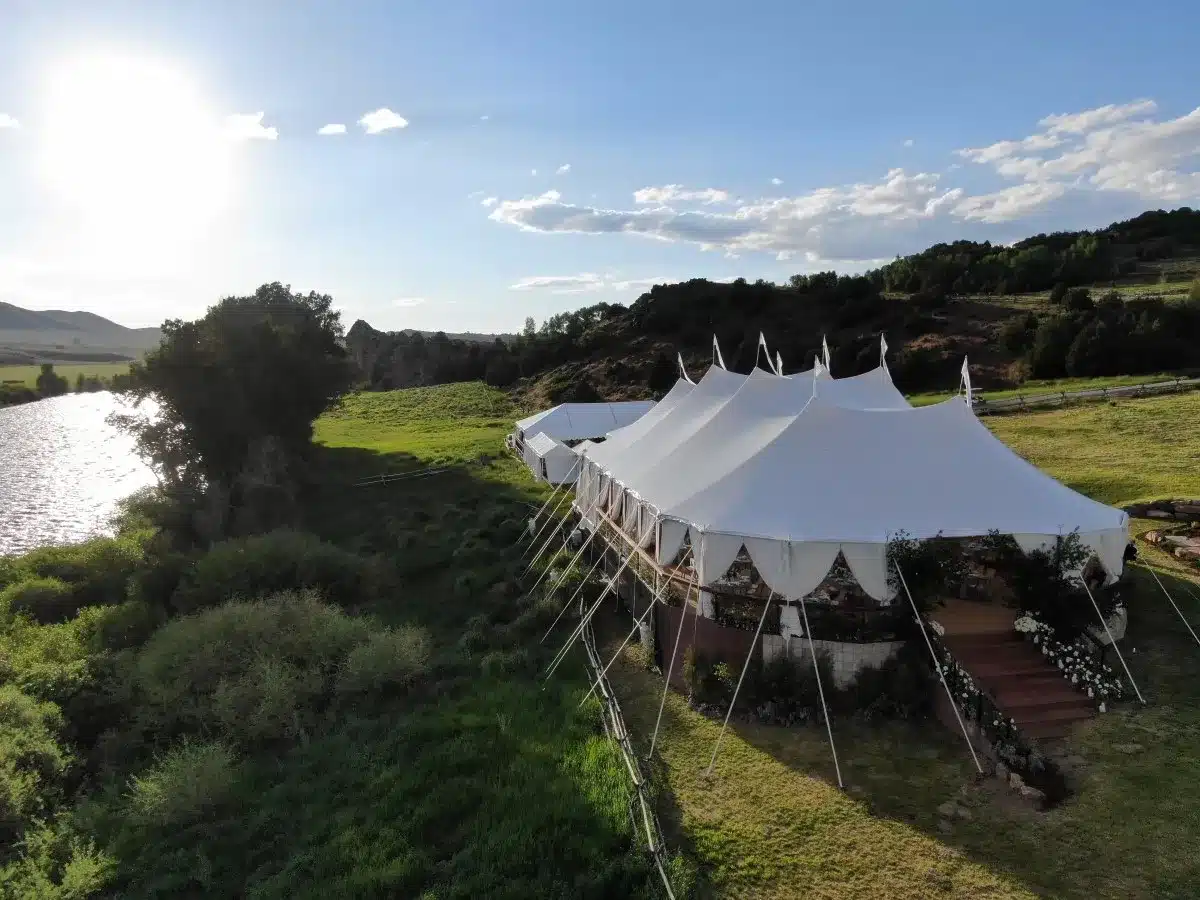
Choosing the right tent pairs event risk with structure capability: sailcloth for moderate exposure with strong aesthetics, engineered structures for severe weather, and clearspan or pole tents for specific layout needs. Match span, load rating and anchoring strategy to the site exposure and expected loads to avoid under‑specifying. The table below compares common tent types by weather strength and recommended use cases to simplify decision‑making for weddings, corporate events and festivals.
This comparison clarifies aesthetic versus performance trade‑offs and helps you pick the structure that matches your risk tolerance.
What Are the Benefits of Sailcloth Tents for Rain and Wind Protection?
Sailcloth tents marry a pitched profile with treated natural‑fiber or synthetic membranes that shed water and resist moderate winds, delivering both performance and visual appeal. The slope promotes runoff and reduces ponding; taped seams and full perimeter sidewalls give strong waterproofing for seated dinners and ceremonies. Tensioned poles and reinforced rigging handle gusts better than low‑slope canopies, though proper anchoring and site selection are essential to reach rated performance. For events that prioritize atmosphere without sacrificing meaningful weather protection, sailcloth is a balanced choice.
How Do Engineered Structures Ensure Safety in Severe Weather?
Engineered structures use calculated load paths, certified truss systems and site‑specific anchoring to deliver predictable performance under high wind or snow. Manufacturers provide load tables and installation protocols so engineers can verify safe operating limits for a given exposure. These systems span long distances without interior supports, preserving usable floorplans while meeting stricter safety standards for large crowds and heavy equipment. Where weather risk or regulatory review is a factor, selecting an engineered structure reduces liability and improves continuity of operations.
How Can You Create an Effective Outdoor Event Weather Contingency Plan?
A good contingency plan turns weather uncertainty into a short list of decisions: assess the site, choose tent type and placement, specify add‑ons, and communicate triggers and responsibilities. A formal plan sets timelines and measurable escalation thresholds (for example, sustained gusts or accumulated rainfall) and pairs equipment checklists with backup power and climate options. Below is a practical checklist to start your venue‑specific plan, followed by an assignment table mapping common tasks to owners and timelines.
- Conduct a site assessment: document drainage, soil type, slope and prevailing winds to guide tent placement.
- Define trigger thresholds: set measurable weather criteria that prompt mitigation or evacuation.
- Specify equipment and redundancies: list required sidewalls, flooring, HVAC capacity and power backup.
- Assign roles and communication protocols: name decision‑makers and establish day‑of communication channels.
These steps connect technical choices—tents, anchors, HVAC—to clear actions when conditions change. The table below maps each step to responsible parties and required tools.
This assignment table turns risk analysis into executable tasks and clarifies who sources technical services and when.
What Are the Key Steps in Site Assessment and Tent Placement?
A solid site survey records soil bearing capacity, slope, drainage paths and nearby obstructions—information that determines anchor type and optimal tent footprint. Basic rules—avoid low‑lying runoff channels for main guest areas, orient openings away from prevailing winds, and place heavy equipment on firm, elevated ground—reduce common failure modes. Coordinate early with authorities and utility providers to confirm access and emergency egress, and capture topography with sketches or photos to inform anchor layouts and ballast needs. Clear responsibilities and a documented placement plan speed installation and reduce day‑of errors.
Which Essential Add‑Ons Improve Weather Preparedness for Events?
Targeted add‑ons turn structural resilience into occupant comfort and operational continuity: sealed sidewalls, raised flooring, HVAC systems, backup power and glass walls for protected visibility. Each add‑on has installation needs—sidewalls require attachment points and crew time, elevated platforms need ADA ramps, and HVAC requires appropriate generator capacity and fuel planning. Prioritize add‑ons by dominant risk: waterproof flooring for heavy rain, elevated platforms for saturated sites, and extra HVAC for extreme heat. Account for lead times and power logistics so add‑ons arrive and integrate before installation day.
Why Should You Choose Skyline Tent Company for Weather‑Ready Event Solutions?
Skyline Tent Company stocks tents and services designed to turn contingency plans into executable installations focused on design and weather resilience. We offer sailcloth tents specified for waterproofing and improved wind performance, and engineered structures for weather‑tight installations in exposed sites. Our operations portfolio includes power generation, climate control, custom flooring, elevated platforms, glass walls, project management and event consulting. Through private consultations and project management, we match tent type, anchoring and add‑ons to each site’s risk profile so planners can treat a tent as active insurance rather than a passive rental. For teams who want a partner to translate risk assessments into installed infrastructure, Skyline’s inventory and consultative approach streamline quoting and execution.
Below is a short summary of how our inventory aligns with common weather contingencies and what engagements typically look like.
How Do Skyline’s Sailcloth and Engineered Tents Perform in Extreme Weather?
Our sailcloth tents use treated, water‑repellent membranes and pitched profiles to encourage runoff and reduce ponding—performing well in heavy rain and moderate winds while delivering a refined look. Our engineered structures are specified for higher wind and snow loads, with certified frames and anchoring options that allow installations on more exposed sites where standard canopies would be under‑rated. Performance here means predictable load capacity, verified anchoring schemes and integrated sidewall and HVAC solutions that keep interiors usable in adverse conditions. The right Skyline product depends on exposure, occupancy and local regulations, which we address in private consultations and planning sessions.
What Custom Services and Consultations Does Skyline Offer for Event Weather Insurance?
We provide consultative project management that starts with a private site assessment and continues through specification, procurement and day‑of installation oversight so contingency measures work when you need them. Operational services include sourcing and integrating climate control units, arranging power generation and distribution, installing custom flooring and elevated platforms, and fitting glass walls or sidewalls where a weather‑tight environment is required. These services slot into each contingency step—assessment, selection, procurement and activation—and our event consulting helps planners document trigger thresholds and resource lists for rapid mobilization. Request a private consultation to align tents and add‑ons with your contingency plan and get a coordinated quote to support decision‑making and budget approval.
What Are the Best Practices for Event Tent Safety and Risk Management?
Safe tent operations combine appropriate specification, engineered anchoring, routine inspections and clear insurance coordination to reduce liability and protect guests. Anchors must be sized to soil conditions with documented load calculations, inspections should take place before and during occupancy, and emergency procedures must be practiced with staff and vendors. On the insurance side, confirm policy language for weather‑related damage and cancellation and ensure contracts specify required equipment and professional installation. These practices create defensible processes that lower the chance of catastrophic failure and support recovery if damage occurs.
How Do Tent Anchoring and Structural Integrity Protect Against High Winds?
Anchoring options—mechanical soil anchors, helical piles, deadman anchors and ballast systems—should be chosen for soil type, expected loads and the tent’s rated uplift resistance, with calculations that convert wind speeds and gust factors into anchor loads. Structural integrity depends on correct frame assembly, verified rigging points and cross‑bracing to avoid resonance and localized overstress; pre‑event and event‑day inspections check for loose hardware, tension loss and deformation. For severe exposures, engineering reviews and stamped installation plans add a further safety layer and are often required by authorities. Regular checklists and an immediate action plan when thresholds are reached close the gap between specification and safe operation.
Why Is Event Insurance and Weather Contingency Planning Crucial for Outdoor Events?
Insurance and contingency planning work together to limit financial exposure: documented mitigation—rated structures, anchoring plans, HVAC redundancy, lowers the chance of claims and strengthens your position when weather causes damage or cancellation. Planners should verify policy terms for weather events, cancellation rights and vendor responsibilities, and require contract language that mandates appropriate equipment and professional installation. Physical contingency measures reduce the likelihood of business interruption claims and can improve insurer assessments, while recorded trigger thresholds and activation logs demonstrate due diligence. Treating tents and contingency systems as part of your insurance strategy creates a defensible, operationally aligned approach to risk.
Frequently Asked Questions
What should I consider when selecting a tent for my outdoor event?
Pick a tent based on expected weather, guest count and the activities planned. Evaluate material and frame strength for rain, wind or snow, and factor in the look you want. Think about add‑ons, sidewalls, flooring, HVAC, and consult an experienced provider to match tent type to your site’s risk profile.
How can I ensure my event tent is properly anchored?
Use an anchoring system suited to your soil and wind exposure, mechanical anchors, deadman anchors or ballast, following manufacturer specifications. Schedule pre‑event and on‑day inspections to spot wear or loosening. Hiring a professional installer adds assurance that anchors are sized and installed correctly.
What are the advantages of using climate control systems in event tents?
Climate control keeps temperatures and humidity in safe ranges, improving guest comfort and protecting AV and catering equipment. Properly sized HVAC prevents heat stress and condensation issues. When paired with backup power, it also helps events continue through grid disruptions or severe weather.
How do I create a weather contingency plan for my event?
Start with a thorough site assessment, set clear trigger thresholds for action, specify required equipment and redundancies, and assign roles and communication protocols. Document everything so the team can respond quickly and consistently when weather changes.
What types of add‑ons can enhance the safety and comfort of my event tent?
Key add‑ons include sealed sidewalls, raised flooring, HVAC systems, backup power and glass walls for sheltered visibility. Choose add‑ons based on your dominant risk, waterproof flooring for rain, elevated platforms for saturated sites, extra HVAC for heat, and plan for their installation and power needs.
How can I assess the risk of weather‑related disruptions for my event?
Review historical weather for the location and season, inspect the site for drainage and exposure, and use weather‑monitoring services during the planning window. Combine those inputs into a risk score to guide tent selection and contingency planning.
Conclusion
Weather‑protection tents are an essential line of defense for outdoor events—protecting guests, equipment and your event schedule. By recognizing specific weather threats, choosing an appropriate tent type and building a clear contingency plan, planners can significantly reduce disruption risk. Skyline Tent Company provides tents, add‑ons and project support to turn those plans into reliable installations, making tents a proactive investment rather than just a rental. Contact us to discuss how our offerings can protect your next outdoor event.
