
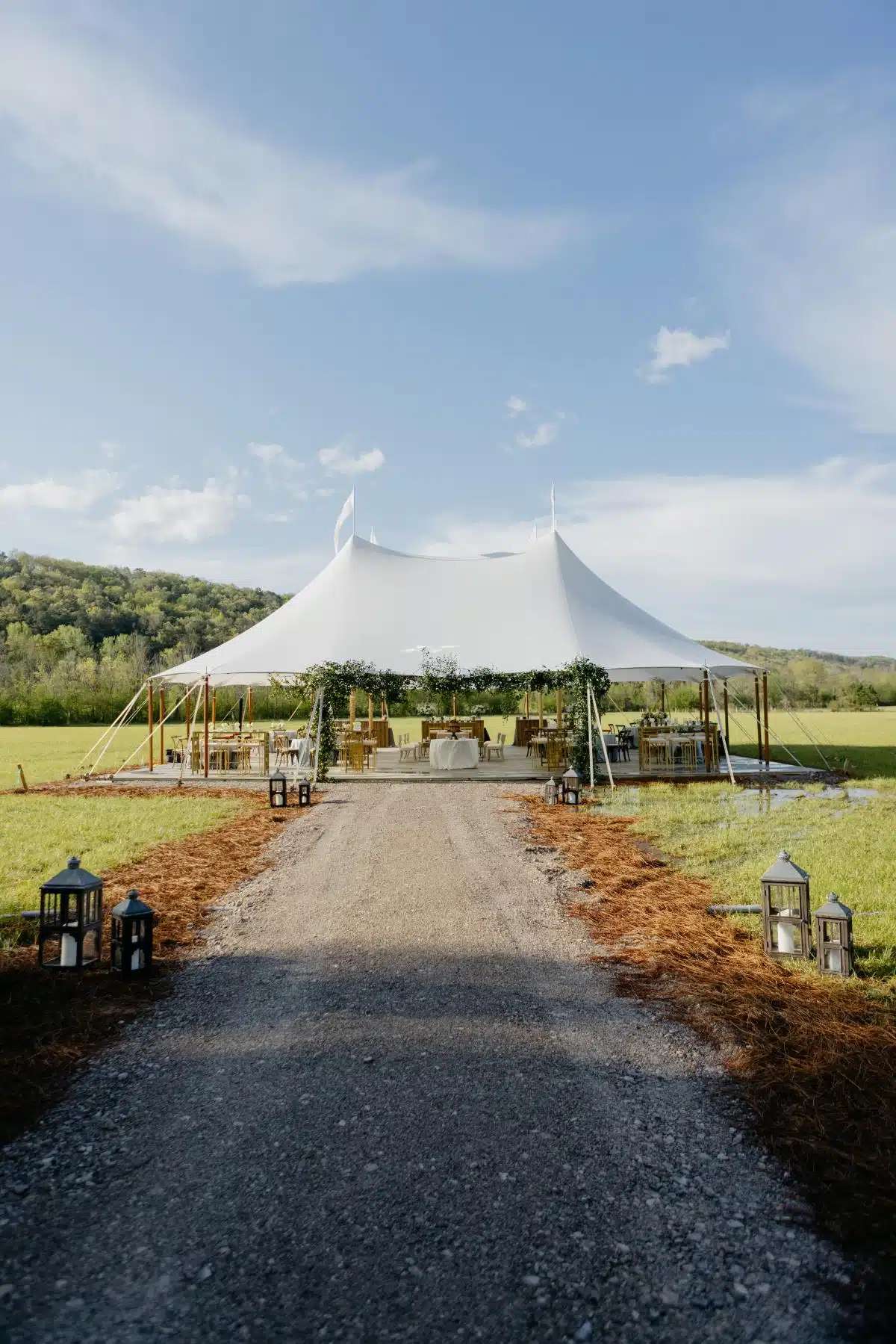
The tent style you select shapes guest comfort, guides logistics, and anchors the visual program for luxury weddings and corporate events. This guide breaks down modern options—engineered structures, clear span systems, and clear-top tents—and classic choices like sailcloth, century pole, frame, and pole tents. We compare how each performs for looks, capacity, and site constraints, and offer a practical framework to weigh weather resistance, usable interior space, surface compatibility, and budget trade-offs without sacrificing design intent.
You’ll find clear definitions, side‑by‑side comparisons, a decision checklist, and answers to common planning questions, plus a short overview of how Skyline Tent Company supports high‑end installs in Charlottesville, Virginia. Start here to match your event goals with the tent type that best delivers appearance, guest comfort, and operational reliability.
Why planners choose modern tent styles for luxury events?
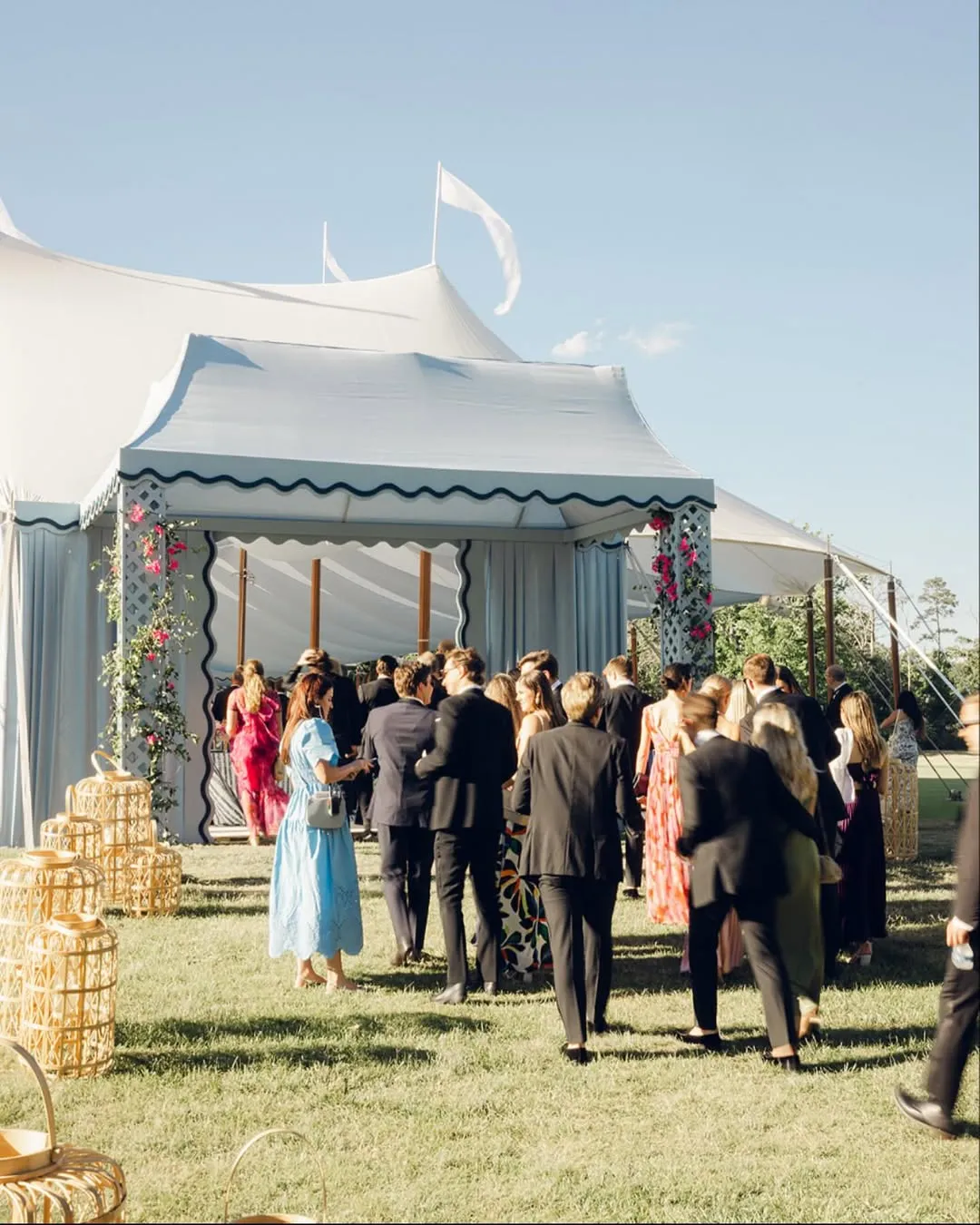
Modern tents emphasize clean geometry, engineered performance, and flexible interiors built for large productions and high guest counts. These systems remove interior obstructions, deliver predictable load ratings, and simplify integration of lighting grids and climate control. If you need a contemporary aesthetic that also handles heavy technical requirements, modern tents provide a reliable, high‑performance foundation for branded environments, staged presentations, and large receptions. The sections that follow describe common modern systems and when each one is the right fit.
Modern tent systems bring three clear advantages to luxury events:
- Unobstructed interiors: Clear span and engineered systems maximize usable floor area for circulation, staging, and seating.
- Surface versatility: Frame and engineered options install on hard or soft surfaces without relying on traditional staking.
- Technical readiness: Higher load capacities support lighting trusses, audiovisual rigs, and HVAC equipment.
These practical benefits make it easier to decide when engineered performance outweighs a more romantic silhouette.
What are engineered-structure tents and when do you choose them?
Engineered-structure tents are temporary buildings designed with certified load ratings, engineered connections, and documented components to meet site and weather demands. They use calculated frames, anchors, and modular spans to create large, column‑free interiors safe for heavy lighting, staging, and high guest counts. Opt for engineered structures when event scale, production needs, or site complexity—hard surfaces, tight urban lots, or high‑wind exposure—require verified engineering and predictable performance. These systems are the go‑to for corporate galas, trade shows, and any reception where reliability under load and weather resistance are non‑negotiable.
In short, engineered structures let you pursue ambitious interiors without compromising structural safety.
How clear span and clear‑top tents affect aesthetics and function
Clear span tents use rigid frames to deliver wide, uninterrupted interiors ideal for flexible layouts, while clear‑top tents emphasize a visual connection to the sky with transparent canopies that flood the space with daylight. Choose clear span when maximum usable space and easy placement of flooring or stages matter; choose clear‑top when views and natural light are central to the guest experience and photography. Both accommodate climate control and sidewall options, though clear‑top installations often need extra planning for shade, glare, and temperature control.
Recognizing the difference between structural capacity (clear span) and visual transparency (clear top) helps you decide whether technical performance or immersive views should drive the tent choice.
What are classic tent styles — and why they remain popular for traditional weddings
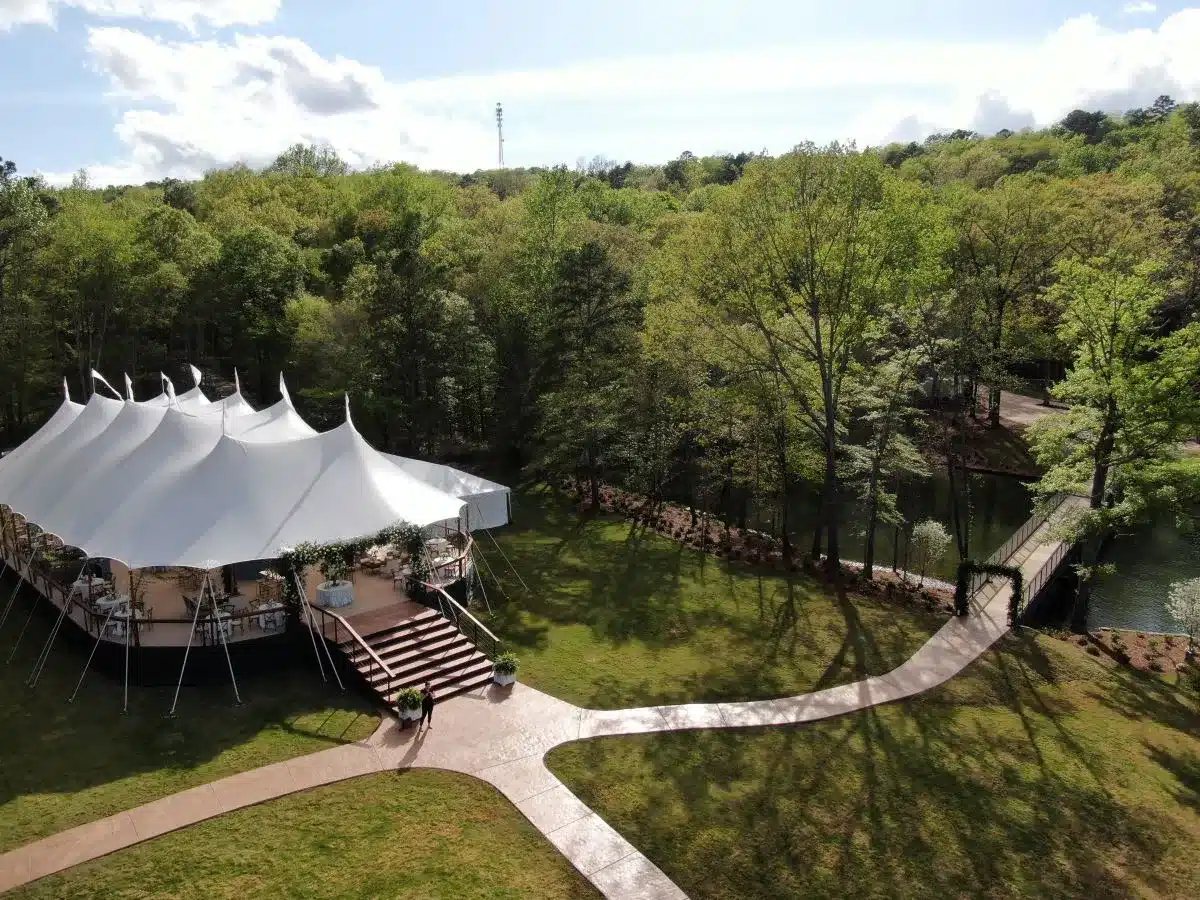
Classic tents—sailcloth, century pole, frame, and pole tents—offer timeless silhouettes and soft, romantic light that have long defined traditional weddings. Their peaked centers, translucent fabrics, and elegant profiles create an intimate mood that flatters ceremony backdrops and reception decor. Classic styles pair naturally with gardens, waterfronts, and historic venues where a nostalgic, formal aesthetic is preferred. Below we highlight the features that make sailcloth and century pole tents so appealing and explain how frame and pole tents add practical flexibility.
Classic tents combine visual warmth with event‑driven considerations like staking needs, surface suitability, and opportunities for interior draping that affect layout and décor choices.
Why sailcloth and century pole tents feel so elegant
Sailcloth and century pole tents are distinguished by tall center peaks, translucent canopies, and graceful side profiles that create soft ambient light and flattering silhouettes for photography. During the day they diffuse sunlight; by night they form a lantern‑ready ceiling for candles and string lighting. These styles perform best on lawns and firm soil where center poles and staking can secure the canopy, so site prep and surface compatibility are important parts of planning.
Their character pairs beautifully with wooden floors, candlelight, and organic floral design to achieve a timeless wedding look.
How frame and pole tents deliver versatility with classic charm
Frame tents and pole tents represent two practical options within the classic family: frame tents remove center poles for flexible layouts on hard surfaces, while pole tents create iconic peaks and dramatic profiles on turf. Frame tents rest on a metal structure and work well on patios, asphalt, or other areas where staking is restricted, offering modular sizing and clear sightlines. Pole tents require staking into the ground and produce sculptural high points that feel ceremonial, but they need appropriate turf and anchoring plans. Both styles provide an excellent canvas for draping, chandeliers, and layered flooring, letting planners tailor classic charm to logistical realities.
Skyline Tent Company’s inventory includes sailcloth and century options that pair with traditional wedding décor, and we offer complementary services—custom flooring, climate control, and more—to protect décor and guest comfort when conditions are challenging. Those services show how a full‑service provider translates visual goals into a reliable build.
How modern and classic tent styles compare: attributes and suitability
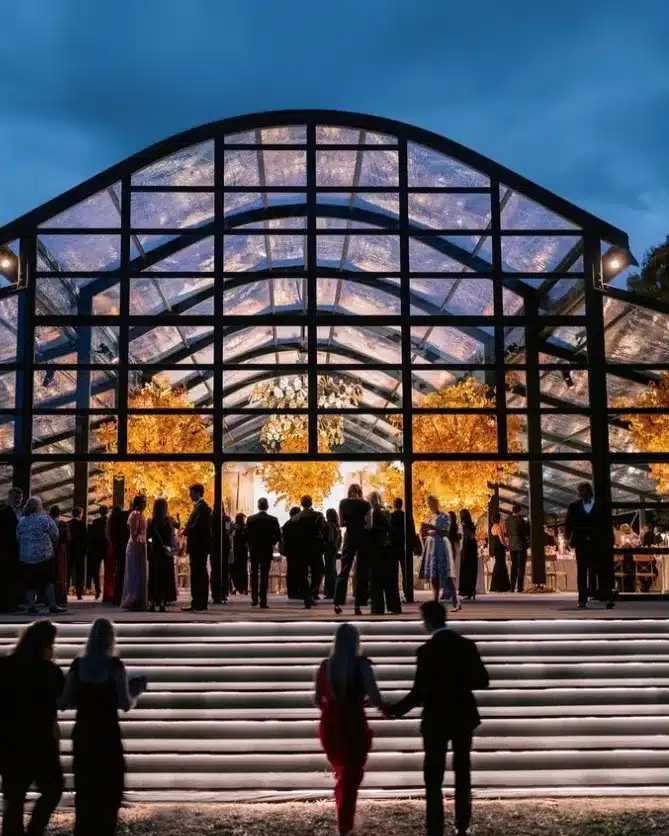
Matching a tent to event goals means weighing structure, aesthetic intent, weather performance, and site constraints. Modern tents prioritize engineered stability and clear interiors for production‑heavy events; classic tents emphasize peaked profiles and diffused fabrics ideal for romantic weddings. Engineered and clear span systems generally carry higher certified load ratings and better wind resistance, while sailcloth and pole tents deliver memorable silhouettes that perform best under favorable ground and weather conditions.
The table below summarizes key attributes to guide planners.
Structure, aesthetics, and weather resistance — what to expect
Engineered and clear span tents rely on calculated frames and certified anchors to meet load and wind criteria, delivering predictable weather performance for events with trussing, lighting, or heavy climate control. Classic sailcloth and pole tents create their look through fabric tension and center poles; they offer romantic shapes but depend more on suitable ground and favorable conditions. Visually, modern tents read as minimal and architectural, while classic tents feel warm and traditional—yet both families can be dressed to create hybrid looks that suit branding or wedding themes. Knowing these structural and visual differences helps you choose a tent that satisfies both experience and safety requirements.
Those differences lead directly into cost, space, and surface trade‑offs that determine practical deployment.
How cost, interior space, and surface compatibility differ between styles
Price generally reflects structural complexity and site work: engineered and clear span systems carry higher rental and installation costs due to certified engineering and heavier components, while classic pole and sailcloth tents may have lower base pricing but require appropriate ground and more site prep for heavy use. Usable interior space is highest in engineered and frame tents, which avoid center poles and allow continuous flooring and staging; pole tents’ center poles can limit layout options. Surface compatibility is decisive: frame and engineered tents install on hard surfaces without staking, making them ideal for urban or paved sites, while pole and sailcloth tents require lawns or turf for anchors. Planners should balance budget, capacity needs, and surface availability to find the most functional, cost‑effective style.
To make those trade‑offs actionable, the next section maps planning scenarios to recommended tent features.
How to choose the right tent style for your event: a practical checklist
Start with a simple checklist that prioritizes venue constraints, guest experience, production needs, and budget, then map those priorities to tent features. A clear decision framework reduces uncertainty: assess site and surface first, confirm guest count and layout, evaluate production requirements, gauge weather risk, and finalize aesthetic priorities. Permitting timelines and installation windows also affect choices, especially for engineered systems that require documented engineering. The checklist below breaks these steps into actionable items to guide planners from assessment to specification.
Use this checklist to turn preferences into specifications:
- Assess site & surface: Verify if the location allows staking or requires hard‑surface installation.
- Confirm guest count & layout: Plan tables, stages, and circulation to calculate needed square footage.
- Specify production needs: Identify lighting, truss, HVAC, and weight requirements to select the right structure.
- Set aesthetic priorities: Decide if panoramic views, romantic ambience, or minimalist design will lead the look.
- Plan for permits & timeline: Account for engineering approvals, delivery windows, and installation days.
Working through this checklist narrows your options to tents that meet both logistics and creative goals. The next subsection pairs common event types with the tent styles that typically fit best.
Which tent styles work best for luxury weddings, corporate events, and galas?
Luxury weddings often favor sailcloth, clear‑top, or frame tents depending on whether natural light, views, or surface flexibility is most important—sailcloth and clear tops deliver romantic light and great photos, while frames offer layout flexibility when staking is limited. Corporate events and galas usually require engineered structures or clear span tents to support lighting grids, audiovisual rigs, and predictable load behavior. Large branded galas with tiered seating and heavy production typically need the engineering certainty of clear span or engineered systems. The right choice comes down to whether the priority is spectacle and technical infrastructure or intimate atmosphere and natural light.
How venue, budget, and desired ambiance shape the decision
Venue constraints—access, surface type, and permitting—often determine your practical tent options from the start. A narrow lawn may suit a pole tent for its vertical drama; a parking lot activation typically calls for a frame or engineered tent. Budget influences finishes—clear walls, custom flooring, and glass walls raise costs—so budgets will decide whether a full glass‑wall clear‑top is feasible or an approximation with fabric and lighting is better. Desired ambiance drives finishes and accessories: romantic receptions benefit from translucent canopies and soft lighting; corporate launches need crisp sightlines and branded surfaces. Evaluate venue, budget, and ambiance together to choose a tent that balances beauty with feasibility.
To bring these decisions to life on site, the next section outlines how a full‑service provider supports execution.
Why choose Skyline Tent Company for modern and classic tent rentals?
Skyline Tent Company acts as a design‑minded partner for planners who need both aesthetic expertise and operational scale. Our inventory spans modern engineered structures and classic sailcloth and century tents sized for luxury weddings and corporate installs. Beyond tents, we provide integrated services—power generation, climate control, custom flooring, elevated platforms, glass walls, project management, and event consulting—to reduce vendor complexity and mitigate production risk. Those combined capabilities let planners focus on guest experience while relying on a single partner to coordinate technical systems and design execution.
Showing both inventory and integrated services is how design ambition becomes a managed installation.
How Skyline’s design expertise elevates luxury events
Our consultative process centers on collaborative site surveys, schematic layouts, material selection, and finish recommendations, turning a planner’s creative brief into a practical tent specification. We advise on canopy types, wall options, and interior systems that preserve the intended ambiance while meeting structural and permitting requirements. By aligning engineering constraints with decorative goals, we seamlessly integrate lighting, flooring, and climate systems to maintain a luxury standard for guest comfort and visual coherence. That collaborative approach keeps design choices buildable and safe while prioritizing the experiential elements that make an event memorable.
These consultative steps set up a reliable build process that protects aesthetic intent from planning through strike.
What comprehensive services support your tent rental and event needs?
We offer a range of complementary services meant to streamline production, minimize coordination risk, and keep guests comfortable. Our services include power generation for AV and HVAC, climate control to maintain interior comfort, and custom flooring and elevated platforms to create level, finished surfaces. Additional options—glass walls, project management, and event consulting—help with sightlines, weather protection, permitting, and timeline coordination from survey to strike. Bundling these services under a single project manager reduces the number of contractors you manage and creates clearer accountability on complex builds.
- Power generation: Dedicated, event‑grade electrical capacity for lighting and systems.
- Climate control: Reliable heating and cooling to maintain guest comfort.
- Custom flooring and elevated platforms: Level, finished surfaces for dining and staging.
Coordinating these services through one provider reduces logistical friction and helps preserve design integrity from blueprint to event day.
Frequently Asked Questions
What factors should I consider when choosing a tent for my event?
Start with the venue’s surface type, guest count, production needs, and the aesthetic you want to achieve. Confirm whether staking is allowed or if you need a hard‑surface solution. Plan your layout for tables, stages, and circulation, then evaluate weather exposure and how it affects your choice. These practical constraints, combined with your desired ambiance, will narrow the tent options quickly.
How do I ensure my tent can withstand adverse weather conditions?
Choose a tent with certified load ratings and strong weather resistance—engineered structures and clear span tents offer the highest predictability for wind and rain. Work closely with your rental provider to monitor forecasts and confirm anchoring, sidewall, and drainage plans. When in doubt, rely on a professional site survey to identify the safest solution for your conditions.
Can I customize the interior of my tent for my event?
Absolutely. Interior customization options include draping, layered lighting, custom flooring, and tailored furniture layouts. Many rental companies, including Skyline, offer packages that add chandeliers, specialty flooring, and integrated climate control so the tent interior matches your design brief and comfort requirements.
What is the typical lead time for renting a tent for an event?
Lead time varies with size and complexity, but we generally recommend booking 3–6 months in advance, especially for peak wedding seasons and large corporate events. That window allows for site surveys, permitting, and customization. If your timeline is shorter, reach out—many providers can still help, depending on availability.
Are there any additional services I should consider when renting a tent?
Yes. Consider climate control, power generation, custom flooring, and project management to reduce onsite risk and improve guest comfort. These services make installations smoother and let planners focus on the guest experience rather than coordinating multiple subcontractors.
How do I determine the right size tent for my event?
Start with guest count and the seating format. As a rule of thumb, allow about 10 sq ft per person for standing events and 12–15 sq ft per person for seated dining. Account for dance floors, stages, and buffets. Your tent provider can convert your layout into the correct tent size and recommend any additional space needed for production elements.
Conclusion
Choosing the right tent style is a key decision for creating memorable luxury weddings and corporate events that balance aesthetics with functionality. By understanding the strengths of modern and classic tents—and applying a simple checklist—you can match design goals to a tent system that performs on the day. For tailored recommendations and site‑specific guidance, contact Skyline Tent Company to explore our inventory and integrated services. Schedule a consultation to move from concept to a confident, buildable plan.
