
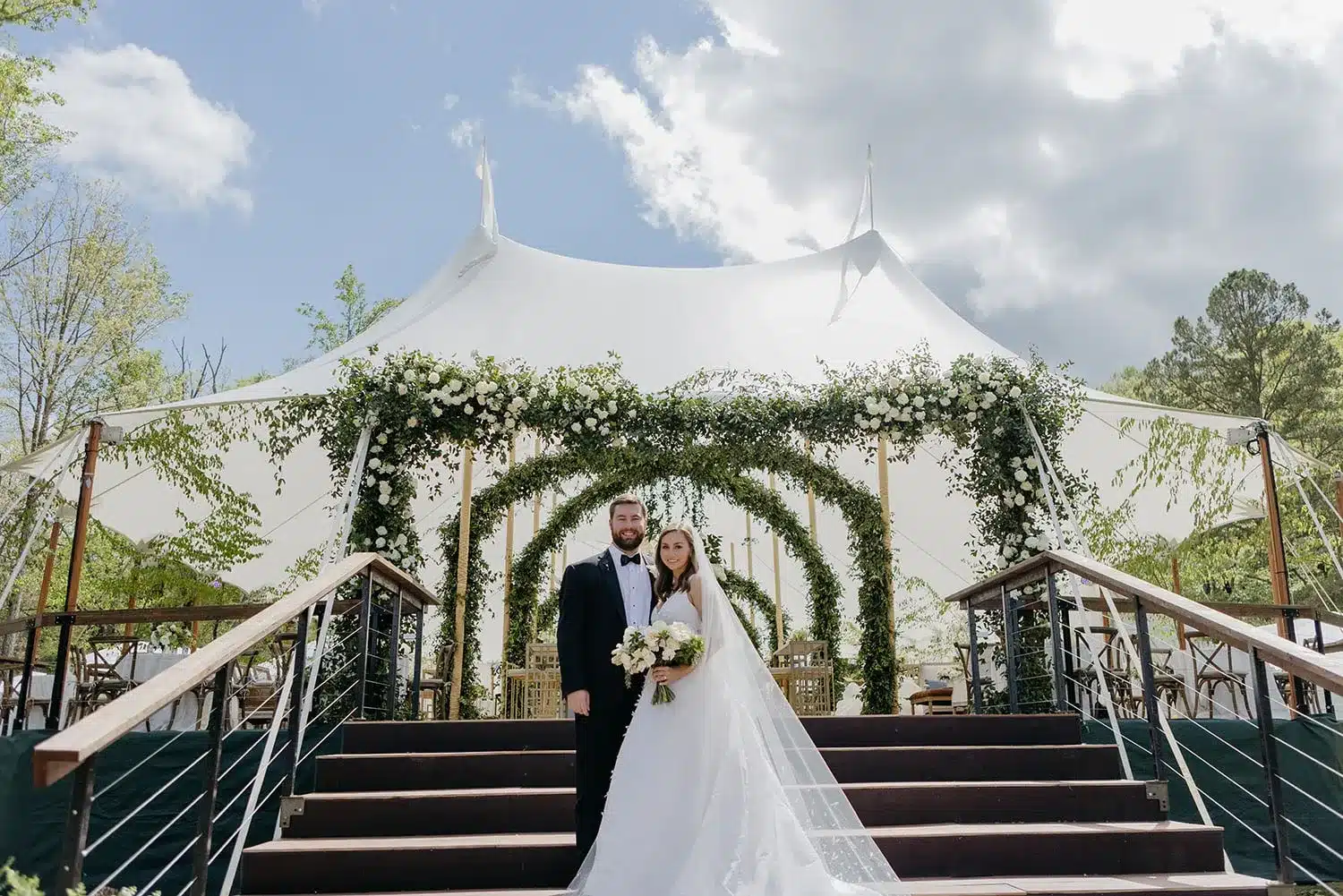
A luxury winter wedding tent transforms a seasonal challenge into a stunning design opportunity. These refined structures combine durability, advanced temperature control, and tailored interiors to create a space that feels both elegant and inviting, no matter how cold it is outside.
Couples are increasingly drawn to winter weddings for their serene landscapes, availability of premium venues, and romantic atmosphere. Yet, hosting in colder months requires thoughtful planning to balance beauty with practicality. A well-designed winter-ready tent does exactly that—offering warmth, safety, and endless creative potential for décor and layout.
In this guide, we’ll explore how winter wedding tents elevate every aspect of the celebration—from the structure itself to the heating, insulation, flooring, and design details that make your event both visually stunning and effortlessly comfortable.
Why Choose a Luxury Winter Wedding Tent for Your Cold-Weather Celebration?
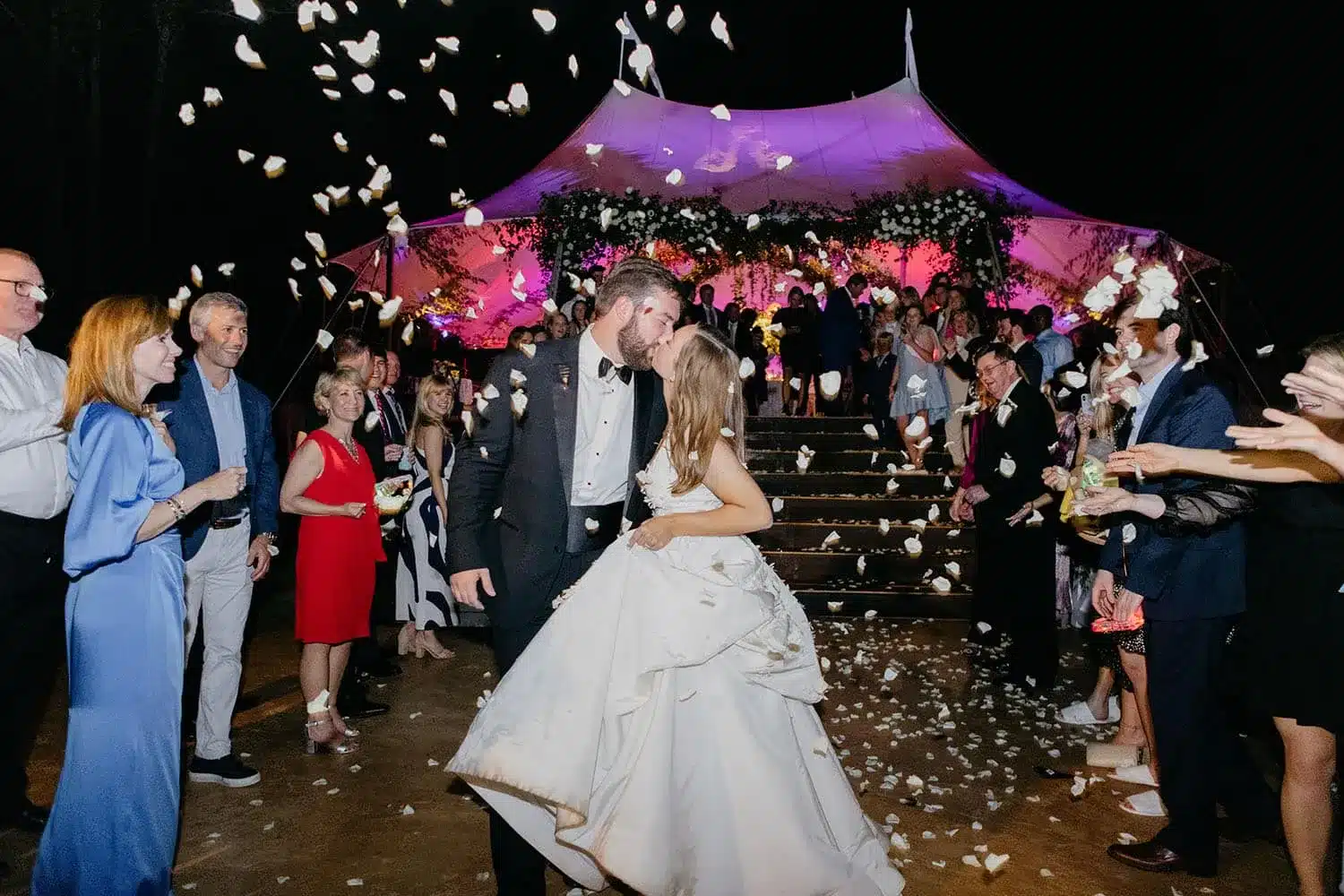
A luxury winter wedding tent creates a controlled, comfortable environment that turns unpredictable weather into a design opportunity. These refined structures protect guests and vendors from cold, wind, and snow while offering endless possibilities for customization. With integrated heating and insulated components, they maintain steady warmth—ensuring comfort, food safety, and smooth vendor operations, even in the heart of winter.
Beyond comfort, luxury tents are a canvas for breathtaking design. Expansive glass walls, flowing drapery, crystal chandeliers, and custom flooring all take on new depth against the crisp beauty of the winter landscape. Under soft seasonal light, these details create an atmosphere that feels both dramatic and intimate—a setting where every moment feels cinematic.
Choosing a luxury winter-ready tent means planning with confidence. Instead of worrying about weather disruptions, couples and planners can focus on curating an unforgettable celebration that blends warmth, elegance, and effortless logistics.
What Are the Benefits of Heated and Weather-Resistant Wedding Tents?
Heated and weather-resistant tents are designed to maintain a consistent, comfortable interior climate no matter the conditions outside. Through efficient heating systems, insulated sidewalls, and protective flooring, these tents preserve warmth, protect décor and catering elements, and ensure uninterrupted operations throughout your event.
The benefits are both practical and aesthetic:
- Guest Comfort: Steady temperatures create a welcoming, cozy environment for dining, dancing, and conversation.
- Vendor Reliability: Stable conditions safeguard food, flowers, and equipment, allowing every professional to perform at their best.
- Peace of Mind: Engineered for winter performance, these structures minimize the risk of weather-related delays or cancellations.
When thoughtfully implemented, these features go beyond technical function—they create an atmosphere of refined comfort and reliability that defines a true luxury event experience.
How Do Custom Features Enhance the Winter Wedding Tent Experience?
Customization is what transforms a practical shelter into an extraordinary space. Features such as glass walls, elevated insulated flooring, layered draping, and artful lighting allow you to personalize every aspect of your event while maintaining warmth and functionality.
Glass walls frame sweeping views of the winter landscape, while insulated curtains can retain heat when temperatures drop. Elevated flooring adds a subtle sense of formality and ensures guests stay comfortable underfoot. Textural details—like plush rugs, rich fabrics, and warm lighting—bring depth and intimacy to the design.
Prioritizing high-impact upgrades such as flooring insulation, zoned climate control, and statement lighting delivers the greatest blend of comfort and visual impact, creating a space that feels both luxurious and intentionally crafted for the season.
What Type of Tent Is Best for a Winter Wedding?
Choosing the right tent is the foundation of every successful winter wedding. The tent you select determines not only the look and feel of your celebration but also how well it performs against cold temperatures, wind, and snow. Understanding how each tent type functions in winter conditions helps you balance design aspirations with comfort and safety.
Why Do Engineered Structure and Sailcloth Tents Stand Out in Winter?
Two tent styles consistently lead the way in luxury winter weddings: engineered structure tents for their dependability and sailcloth tents for their graceful beauty.
Engineered structure tents deliver unmatched strength and versatility. Their wide, open interiors accommodate elegant lighting, décor, and climate systems without compromise. Even in harsh weather, these tents maintain consistent comfort and create a sophisticated, architectural feel that enhances any setting.
Sailcloth tents, while lighter in structure, captivate with their airy elegance and natural light diffusion. Their signature peaks glow softly under chandeliers or string lights, producing a romantic, ethereal atmosphere that complements winter’s serene landscapes. When properly lined and anchored, they perform beautifully in cool-weather conditions.
Both options benefit from key enhancements like insulated flooring, sealed sidewalls, and snow-shedding gutters, ensuring a warm and visually harmonious experience for every guest.
How Do Frame and Clear-Top Tents Compare for Winter Weddings?
Frame tents and clear-top tents both offer versatility and charm, though they serve different priorities. Frame tents are ideal for planners seeking flexibility, they can be configured on challenging sites and customized with insulated liners and sidewalls to create intimate, comfortable environments.
Clear-top tents, by contrast, make a statement through transparency. They invite guests to connect with the surrounding landscape and winter sky, producing magical views both day and night. While they require additional heating and moisture management, the payoff is unmatched ambiance, especially when paired with warm lighting, plush seating, and soft draping.
Choosing between these options comes down to your vision. Frame tents excel in adaptability and function, while clear-top tents emphasize atmosphere and natural beauty. Either can shine in a winter setting when thoughtfully designed for warmth and guest comfort.
How Do Heated Tent Systems Keep Guests Warm During Winter Weddings?
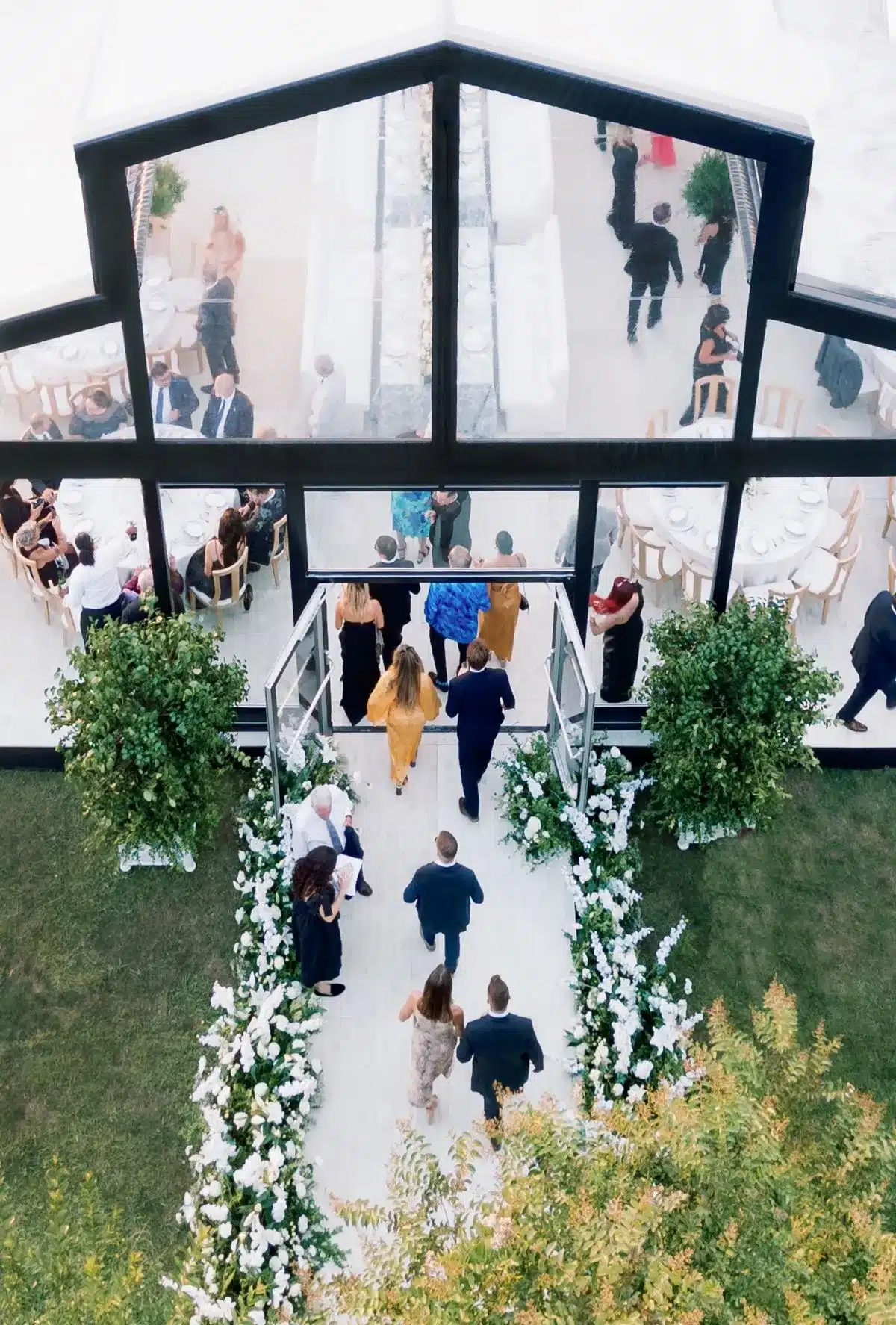
A well-heated tent is the heart of any winter celebration. The right system ensures guests stay comfortably warm while maintaining clean air, quiet operation, and an elegant atmosphere. The key is balance, enough warmth to feel cozy without creating dry or uneven pockets of air.
Larger structures, such as engineered or clear-span tents, often rely on indirect or forced-air systems that distribute warmth evenly throughout the space. These systems work seamlessly with insulated flooring and sidewalls to maintain steady temperatures without drafts. For smaller or more intimate spaces, electric or infrared heaters can add targeted warmth in lounge areas or entryways.
Every installation is designed with comfort and safety in mind. Heaters are placed discreetly and monitored by professionals to ensure proper airflow, ventilation, and temperature consistency. The result is a warm, inviting atmosphere where guests can enjoy the event without ever noticing the technology working behind the scenes.
Which Heating Systems Work Best for Winter Wedding Tents?
Different tent styles and layouts call for different heating solutions. Choosing the right one depends on the size of the structure, the number of guests, and the desired ambiance.
- Forced-Air Systems: The most powerful and efficient choice for large-scale receptions. These systems deliver even warmth throughout engineered or clear-span tents while maintaining a clean, fresh air environment.
- Indirect (Vented) Systems: Ideal for fully enclosed tents, these heaters exhaust combustion gases outside the space, ensuring excellent air quality while providing consistent warmth.
- Infrared Heaters: A great complement for smaller areas or outdoor lounges, providing gentle, direct warmth where guests gather or relax.
Often, a combination of systems works best, primary units for broad heat coverage and smaller, supplemental heaters for specific zones. The goal is simple: even, comfortable warmth that supports your event’s flow and design.
How Do Insulation, Sidewalls, and Flooring Improve Tent Warmth?
Heating is only one part of keeping a winter tent comfortable; insulation and structure play equally vital roles. Insulated flooring prevents cold air from seeping up from the ground, while lined sidewalls and ceiling liners help retain warmth and block drafts.
Adding vestibules at entry points creates natural buffer zones, helping maintain a consistent temperature as guests arrive and leave. Elevated platforms not only enhance aesthetics but also serve as a thermal barrier, keeping the floor surface warm and stable throughout the evening.
Together, these elements reduce heating demand, conserve energy, and make every corner of the tent feel consistently comfortable. It’s this combination of design and engineering that transforms a winter event from simply manageable to effortlessly luxurious.
How Can You Design a Magical Winter Wedding Tent Décor That Feels Warm and Elegant?
Creating an enchanting winter wedding tent is all about striking a balance, capturing warmth and beauty while maintaining a comfortable and safe space for guests. The key lies in layered textures, warm lighting, and thoughtful layout that work together to create a sense of intimacy and refinement.
Rich materials, such as velvet linens, plush rugs, and faux fur throws, instantly evoke luxury and comfort, while metallic accents and seasonal greenery add a natural elegance. The interplay of these textures brings depth and visual warmth to the tent, turning a simple space into an unforgettable setting.
- Glass Walls + Chandeliers + Warm Uplighting: Showcase winter views while adding a soft, romantic glow.
- Insulated Flooring + Textured Rugs + Lounge Vignettes: Keep guests cozy underfoot and create inviting gathering spaces.
- Layered Textiles + Faux Fur + Metallic Tableware: Introduce cozy sophistication with materials that complement the season’s charm.
Every design detail, from drapery to furniture arrangement, should enhance the guest experience while maintaining smooth circulation throughout the space. The goal is to make warmth feel effortless and beauty feel natural.
How Does Lighting Transform the Ambiance of a Winter Tent?
Lighting defines the tone of a winter celebration, creating a sense of intimacy and comfort that transcends the cold outdoors. The right combination of chandeliers, pendants, and string lights can transform the tent into a glowing, welcoming haven.
Warm white lighting creates an amber glow that flatters fabrics, reflects off glass walls, and invites guests to linger. Meanwhile, uplighting and dimmable controls allow you to shift the mood seamlessly, from romantic dinners to lively dancing.
Lighting should always complement both décor and comfort. When strategically layered, it not only enhances the atmosphere but also makes the entire space feel warmer, proving that visual warmth is just as powerful as physical heat.
What Flooring and Furnishing Choices Enhance Comfort and Style?
Flooring and furniture form the foundation of your winter tent’s atmosphere. Beyond style, they play a crucial role in warmth and functionality. Insulated subflooring and elevated platforms create a stable, warm base that keeps the chill of the ground away, while elegant hardwood overlays or plush carpeting add texture and acoustic softness.
In lounge and dining areas, upholstered seating in rich, tactile fabrics provides both luxury and comfort. Mixing soft textiles with sleek surfaces, like polished wood tables or metallic side accents—creates depth and cohesion across the design.
When arranged with intention, each element contributes to a setting that feels seamless, elegant, and effortlessly warm. Guests should experience the comfort first and only later realize the precision and planning that made it possible.
How Can You Plan and Prepare for a Seamless Winter Wedding Tent Event?
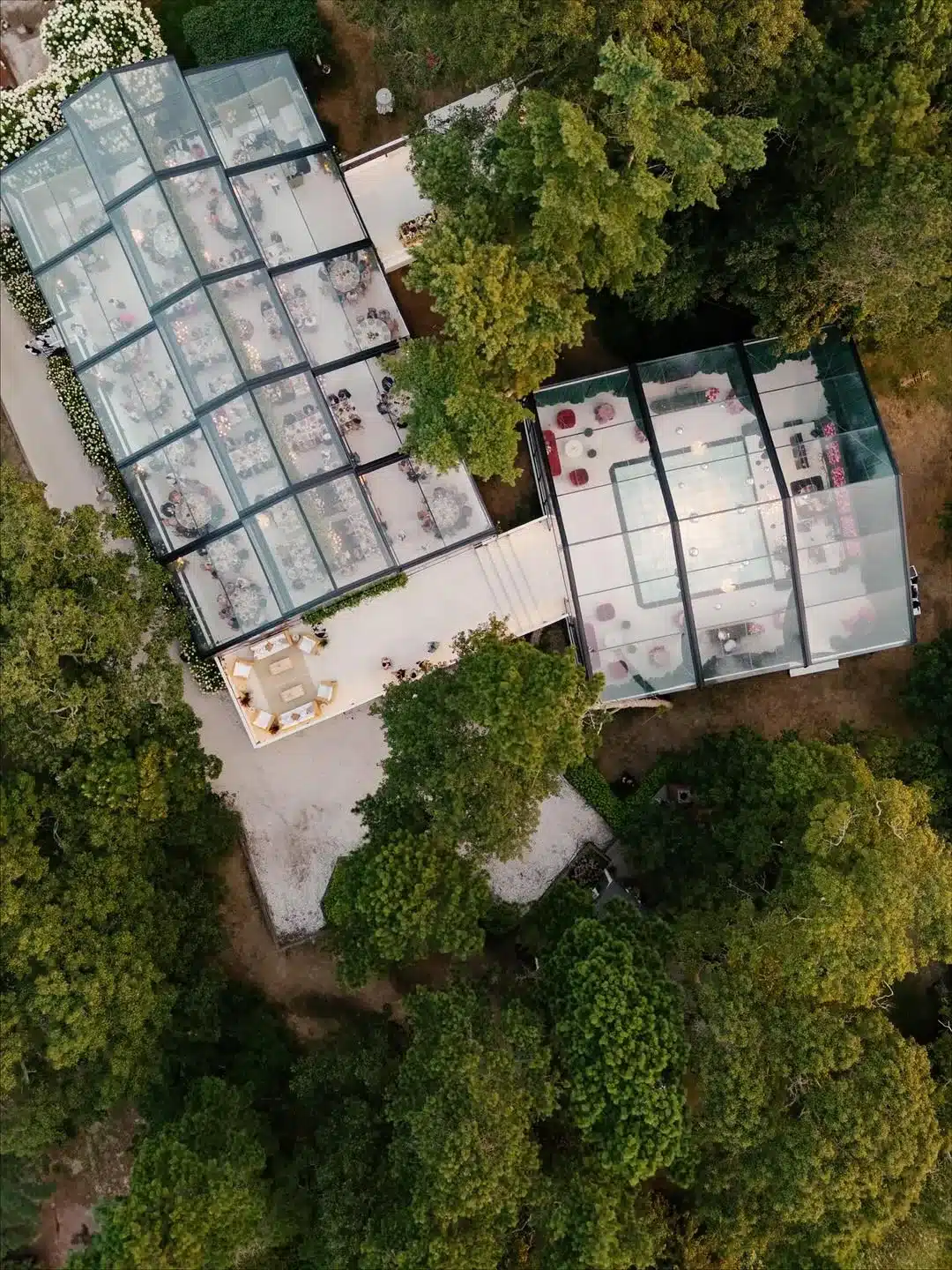
A flawless winter wedding begins long before the first guest arrives, it starts with planning. Every detail, from site conditions to power access, plays a vital role in ensuring your tented venue remains safe, comfortable, and visually stunning throughout the event.
Begin with a thorough site assessment, noting the terrain, drainage, and access points for vendor deliveries and guest arrivals. Understanding these factors helps your event team determine optimal tent placement, anchoring, and flooring solutions. It’s equally important to confirm all necessary permits and insurance ahead of time to keep your event timeline on track.
Preparing for winter conditions also means planning for the unexpected. A clear snow and ice management plan, coupled with well-marked emergency exits and heated walkways, ensures both safety and convenience for everyone on site. Assigning experienced staff to monitor structural loads, heating systems, and weather changes provides an extra layer of assurance that your celebration will proceed smoothly, no matter what the forecast holds.
What Site Safety and Preparation Steps Are Essential for Winter Tent Weddings?
Safety begins with precision. Before installation, ensure that the event site is properly leveled and graded to support stable tent anchoring. Map out clear access lanes for vendors and emergency vehicles, and confirm that drainage systems will prevent ice buildup near entrances or service areas.
Once the tent is in place, designate team members responsible for monitoring snow accumulation and maintaining heated or slip-resistant walkways. Keep all entrances well-lit and accessible, and clearly label emergency exits with visible signage. A comprehensive safety plan, including snow removal, carbon monoxide monitoring, and staff training, keeps guests secure while allowing your event to unfold seamlessly in comfort and style.
How Does Reliable Power Generation Support Winter Tent Operations?
Behind every luxurious winter tent lies a carefully planned power system. From heating and lighting to catering and entertainment, each element relies on dependable energy delivery.
Generators should be appropriately sized and positioned to handle peak demands, especially during colder evenings when heating requirements rise. Including a backup generator or parallel system ensures uninterrupted operation, even in the event of an outage. Proper placement of fuel storage, exhaust management, and sound barriers ensures that essential systems run safely and discreetly, preserving the quiet elegance of your event.
Partnering with a professional team ensures every circuit, outlet, and light is perfectly coordinated with your heating and décor layout. When expertly designed, your power system becomes invisible to guests but indispensable to the comfort and success of your celebration.
Frequently Asked Questions
How Do I Choose the Right Location for a Winter Wedding Tent?
Selecting the right site is one of the most important steps in planning a winter tented celebration. Look for a level, well-drained area that provides enough room for the tent, walkways, and essential utilities like heating equipment. Accessibility for both vendors and guests is key, as is proximity to reliable power sources for lighting and climate control. Before finalizing your site, confirm permit requirements and local snow management regulations to ensure a seamless and compliant setup.
How Can I Keep Guests Safe and Comfortable During a Winter Wedding?
Guest well-being begins with thoughtful design and proactive planning. Keep walkways clear and well-lit, and use heated mats or runners to prevent slipping on icy surfaces. Inside the tent, maintain proper air circulation and ventilation to ensure consistent warmth and air quality. Assign experienced staff to monitor weather conditions, snow buildup, and heating systems throughout the event. These small but crucial measures keep your celebration secure, smooth, and worry-free.
What Flooring Options Work Best for Winter Wedding Tents?
For both comfort and safety, elevated insulated flooring is the best foundation for a winter tent. It provides a thermal barrier that prevents cold from seeping up from the ground and ensures guests stay warm even during long evening events. Hardwood overlays or engineered panels add a polished finish, while layered rugs and runners enhance coziness in lounge or dining areas. Choose flooring materials that integrate seamlessly with the tent’s structure, maintaining stability and unobstructed heating flow.
How Do I Manage Heating and Ventilation Inside the Tent?
Effective heating in a winter wedding tent requires balance and precision. Larger spaces often rely on indirect or forced-air heaters to distribute warmth evenly, while smaller areas may benefit from electric or infrared heaters for targeted comfort. Ensure all systems are professionally installed with proper ventilation and air monitoring to maintain a safe, breathable environment. Consistent temperature control ensures guests remain comfortable from the ceremony to the final toast.
How Can I Create an Inviting Winter Tent Décor?
A beautiful winter tent is designed through layering textures, lighting, and warmth. Incorporate rich materials like velvet, faux fur, and soft woven fabrics to add depth and comfort. Combine warm-toned chandeliers and string lighting to create a soft, romantic glow. Seasonal touches, such as evergreens, candles, and metallic accents, add natural charm and elegance. Thoughtful furniture placement, cozy lounge vignettes, and ambient lighting transform a practical structure into an unforgettable experience.
How Should I Budget for a Luxury Winter Wedding Tent?
Start your planning by identifying the major cost factors: tent size and style, heating systems, flooring, and décor. Request detailed quotes from reputable vendors and confirm what’s included, from installation to permits. Prioritize comfort and functionality before embellishments, ensuring essentials like insulation and heating are accounted for. By allocating your budget strategically, you’ll create a luxurious, comfortable environment without unnecessary overspending.
Conclusion
A luxury winter wedding tent is more than a venue, it’s a warm, elegant haven that allows couples to celebrate in comfort and style, even amid the coldest months. With Skyline Tent Company, you gain a trusted partner experienced in crafting exceptional cold-weather events. Our premium tenting, climate solutions, and tailored design support ensure your winter celebration is as seamless as it is spectacular.
Contact us today to explore our custom tent options and discover how we can help you bring your dream winter wedding to life.
