
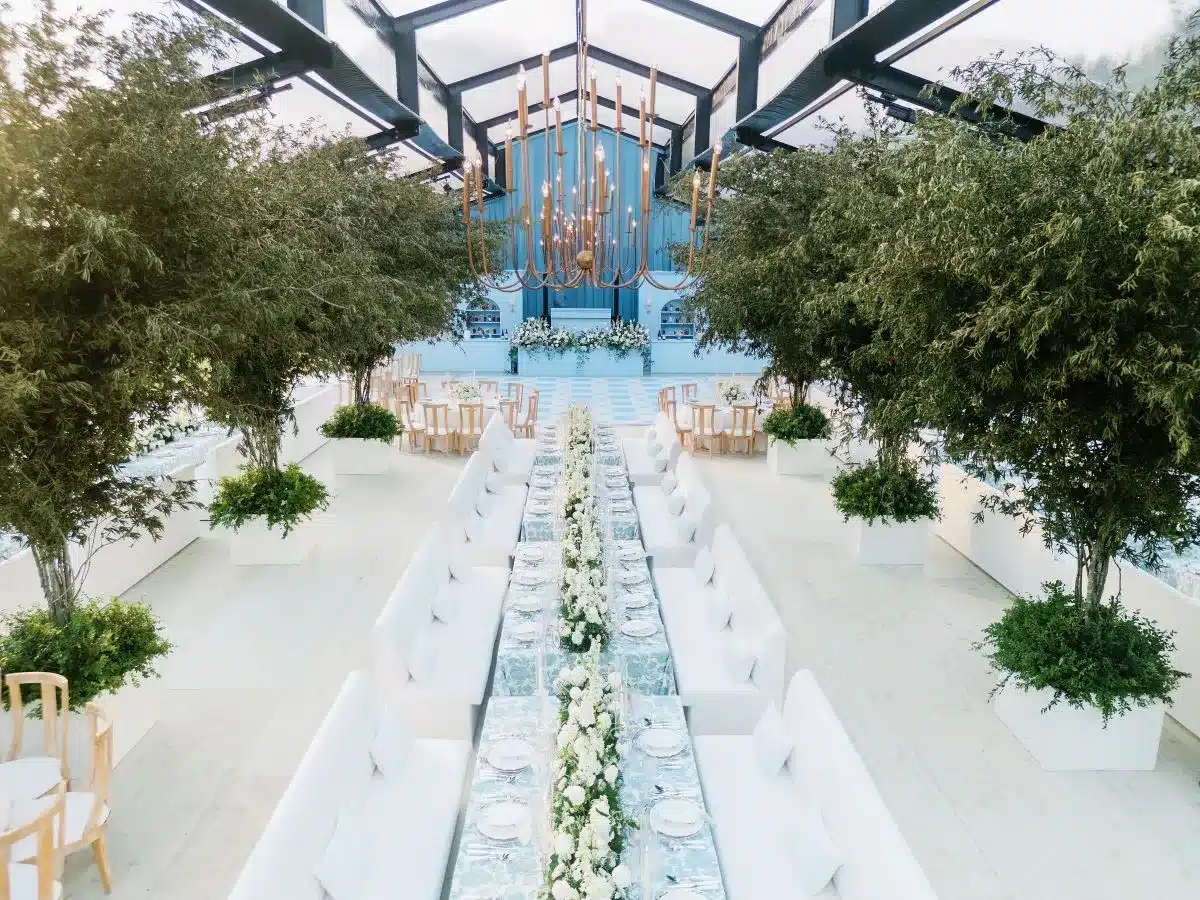
Tent draping turns an empty tent into a finished, memorable interior by layering fabric, light, and structure to create texture, color, and theatrical scale. This guide explains why luxury draping matters, how different styles and materials affect sightlines and sound, and practical steps planners can take to match draping choices to event goals. Many planners struggle to translate a tent’s frame into a cohesive room; intentional draping solves this by concealing hardware, improving acoustics, and creating a clear visual hierarchy. You’ll get step-by-step overviews of ceiling, wall, and pole techniques, a usable fabric-selection guide, lighting-integration strategies, and checklists tailored to weddings and corporate galas. We also cover how draping interacts with lighting, power, flooring, and climate control, as well as where to seek expert help. By the end, you’ll have design ideas and concrete next steps to plan elegant, scalable draping for luxury events.
Key Takeaways
- Tent draping uses fabric inside a tent to hide the frame and make it feel like a real venue.
- Draping improves the guest experience by softening sound, shaping sightlines, and creating focal points.
- Common looks include starburst ceilings, ballroom-style canopies, layered wall panels, and pole wraps.
- Fabric choice matters for both design and safety, so planners should check weight, sheerness, flame retardancy, and maintenance.
- Lighting brings draping to life, so plan chandeliers, string lights, and uplighting with load points, power, and color temperature in mind.
What Is Tent Draping and Why Is It Essential for Luxury Events?
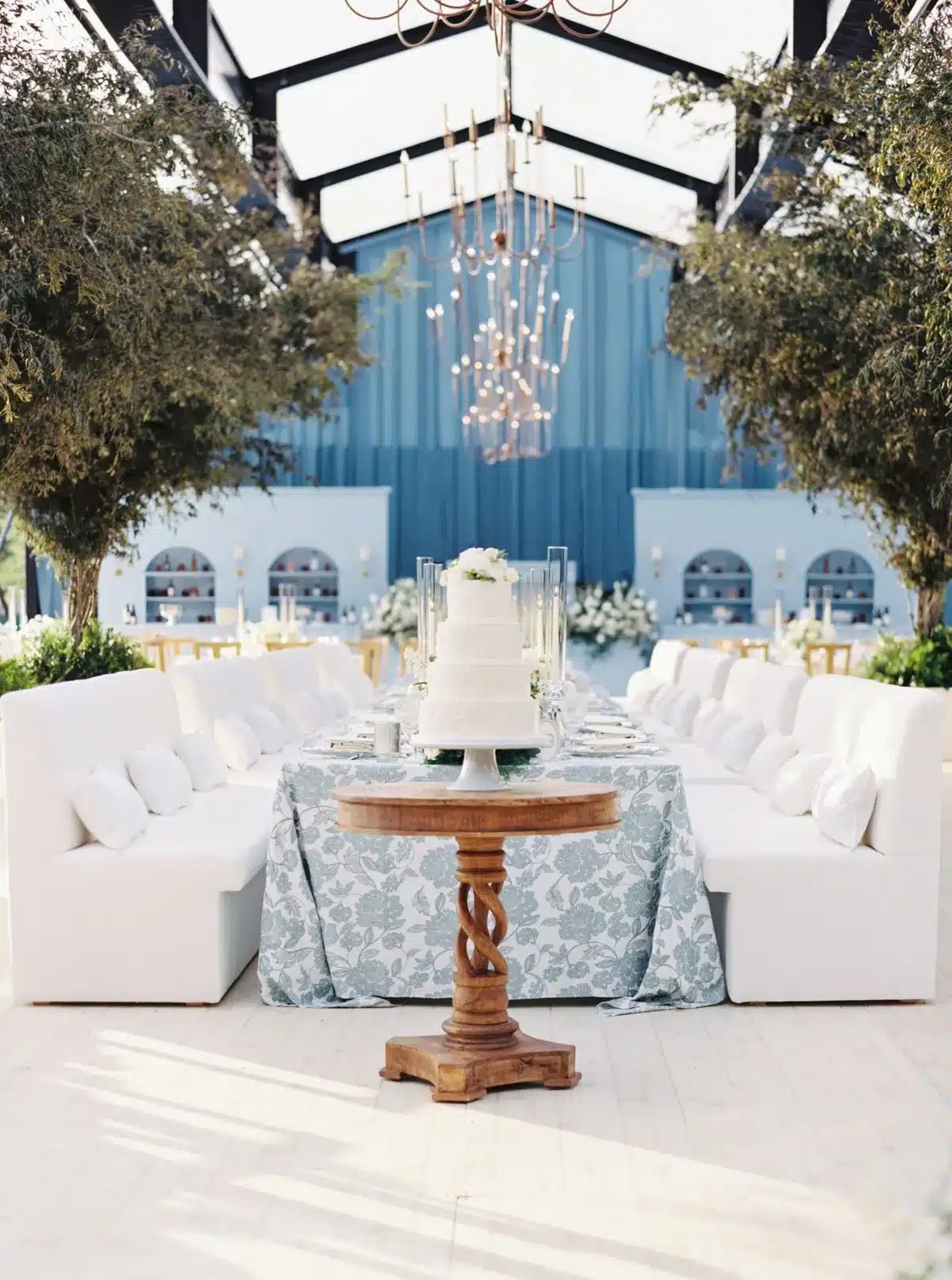
Tent draping is the deliberate placement of fabric and soft goods inside tent structures to shape texture, color, and perceived scale while hiding rigging and mechanical elements. Proper draping adds soft surfaces that absorb sound, creates focal areas for lighting, and visually converts a temporary shelter into an intimate, ballroom-like setting. For evening receptions and high-profile gatherings, luxury draping sets the tone, improves acoustics, and focuses sightlines—so planners rely on it to lift the guest experience. Understanding the difference between draping and liners enables you to select the finish that best suits your event. Below, we unpack what draping is and how its components function in real installations.
What Defines Tent Draping and Its Role in Event Design?
At its core, tent draping is a combination of fabric, hardware, and lighting that work together to redefine interior surfaces within temporary structures. Fabrics are selected for their weight, drape, and translucency, so they behave predictably under load and respond to lighting as intended. Hardware—rings, ties, and cables—distributes loads and creates anchor points. In practice, draping can form a continuous ceiling canopy, layered wall panels, or decorative pole wraps that delineate dance floors, lounges, and dining areas, making tents read as intentional interiors rather than temporary shelters. Planners use draping to conceal trusses and ventilation, improve sightlines, and create attractive photographic backdrops; a simple canopy over a reception table, for example, can make an outdoor tent feel like an indoor ballroom. With those material and structural roles clear, it’s easier to see how draping also improves ambiance and acoustics.
How Does Tent Draping Enhance Ambiance, Acoustics, and Aesthetics?
Fabric surfaces alter reverberation by incorporating soft layers that absorb mid and high frequencies, thereby reducing ambient noise and enhancing the clarity of speech and music in large tent volumes. Color and texture shift perceived temperature and intimacy: warm tones and velvet feel cozy, while light sheers with uplighting create airy, ethereal spaces. Draping also conceals mechanical items—such as wires, generators, and HVAC systems—so visuals remain uninterrupted. Carefully placed seams and pleats guide the eye to focal points, like a stage, sweetheart table, or chandelier. Understanding these acoustic and visual effects helps you choose draping styles and installation methods that deliver drama while meeting technical limits.
Which Tent Draping Styles Create Dramatic and Elegant Event Spaces?
Draping styles are specific treatments—ceiling canopies, starbursts, layered wall panels, and pole wraps—each producing a distinct visual effect and requiring different anchor strategies and installation complexity. The right style depends on tent type, interior height, and desired formality: some approaches emphasize verticality, others create soft horizontal planes that make a tent feel cozier. Below are common ceiling and wall/pole treatments with practical notes to help match style to tent and event goals.
- Starburst Ceiling: Fabric radiates from a central point to create a dramatic, focused canopy.
- Ballroom Canopy: A continuous pleated or soft-sweep ceiling that reads like an indoor venue.
- Layered Wall Panels: Vertical fabric layers that add depth and conceal mechanical elements.
- Pole Wraps and Cascades: Decorative wraps that soften structural poles and offer a place for florals.
Each style needs different support points and coordination with tent rigging; next we’ll go deeper into ceiling techniques and their installation specifics.
What Are Popular Ceiling Draping Techniques Like Starburst and Canopy?
Starburst and canopy ceilings are foundational treatments that reshape tent volumes. A starburst radiates panels from a secure central hub to highlight a chandelier or dance floor, while a canopy creates continuous spans that conceal tent peaks and lend a ballroom feel. Mechanically, starbursts require a firm central attachment and evenly spaced perimeter anchors for tension; canopy systems use multiple tie-ins along ridge lines and perimeter poles to form smooth pleats. Visually, starbursts draw the eye to the center and create dynamic radial lines, while canopies produce consistent pleats that lower perceived ceiling height and increase intimacy. Installation planning should include load calculations for chandeliers and coordination with rigging to avoid conflicts. From there, wall and pole treatments further define interior zones.
How Do Wall Draping and Pole Draping Transform Tent Interiors?
Wall draping and pole wraps subdivide space, improve acoustics, and create polished backdrops for photography and staging by adding vertical planes that guide guest flow and sightlines. Wall panels can be full-height or layered swags that conceal tent walls and refine the perimeter, while pole wraps and cascades soften structural elements and pair well with floral or lighting accents. Layering sheers over opaque panels adds depth and lets lighting washes read differently across surfaces; single heavy panels give formality and saturated color. Complexity ranges from simple single-panel installs to multi-layer systems that require matched seams and tiebacks—choose the approach that fits your program and tent type. These style choices lead directly into fabric selection, the next big decision for luxury draping.
How Do You Choose the Best Fabrics for Luxury Tent Draping?
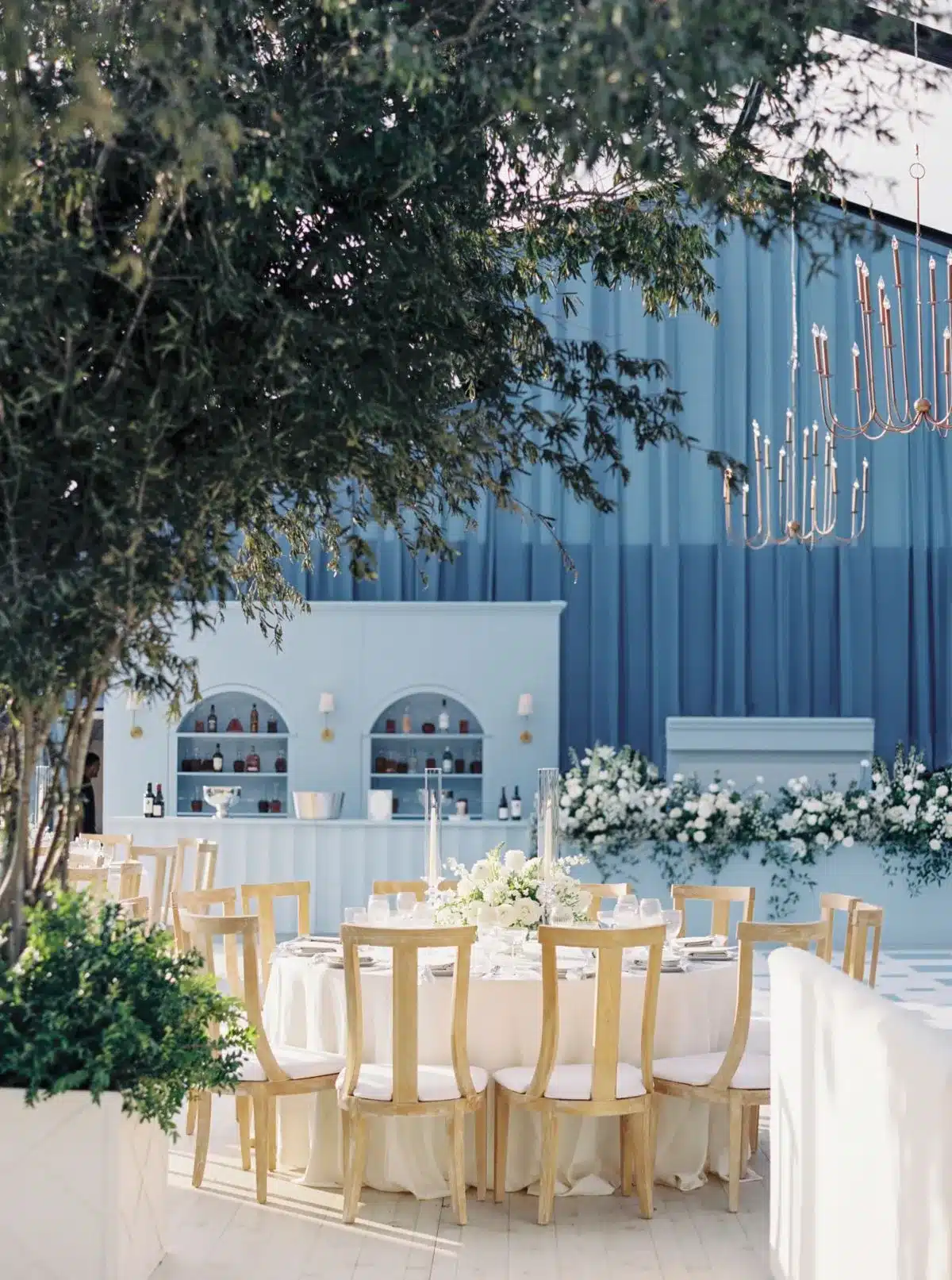
Picking fabrics means balancing sheerness, weight, texture, flame retardancy, and maintenance so the material supports the look, safety requirements, and installation logistics. Fabrics react differently to light and load: sheers diffuse light and read luminous, while velvets and satins reflect and absorb light to read richer. These properties affect both guest experience and rigging needs. Safety is non-negotiable—materials must meet flame-retardant standards—so verify fire performance and cleaning protocols. Use the checklist below to prioritize fabric attributes before ordering samples and mockups.
- Sheerness & Light Behavior: Sheers for translucency and diffusion; opaques for saturated color and intimacy.
- Weight & Drape: Choose lighter fabrics for suspended ceilings; reserve heavier materials for when support and rigging permit.
- Flame Retardancy & Maintenance: Confirm certifications and cleaning methods to ensure safety and reuse.
After narrowing priorities, compare options and request physical swatches to see how fabrics look with your lighting and tent type.
Intro to the fabric comparison table: Below is a quick reference summarizing common draping fabrics, their key attributes, and recommended uses to guide selection.
Summary paragraph after table: Use this table to shortlist fabrics, then verify appearance with swatches and in-situ lighting tests; matching fabric to tent type and event goals reduces rework and ensures the drape performs for aesthetics and safety. If you want hands-on help, Skyline Tent Company provides fabric selection support and sample swatches for Sailcloth, Century, and engineered-structure tents—book a consultation to align fabrics, tent type, and installation logistics.
How Can Lighting Be Integrated to Elevate Tent Draping Designs?
Lighting makes draping come alive. Chandeliers, string and fairy lights, uplighting, and color washes can accent pleats, create depth, and shift mood through the night. Integrating lighting requires planning load points, power distribution, and color temperature so fixtures enhance fabric texture without causing hot spots or distracting shadows. Thoughtful lighting highlights pleats, layers walls, and uses silhouetting to make sheer fabrics glow, while supporting practical needs like sightlines for presentations. Below are actionable fixture roles and strategies to help you develop a lighting-plus-drape plan that balances aesthetics and engineering.
- Chandeliers: Serve as central anchors for starburst or canopy ceilings—create a focal point and distribute downward light.
- String and Fairy Lights: Tuck behind sheers or weave through pleats for diffuse sparkle and intimate ambiance.
- Uplighting and Color Washes: Bring out texture and deepen color on opaque fabrics.
These strategies clarify the roles of statement lighting—especially chandeliers—and how to coordinate mounts and power needs.
What Role Do Chandeliers and Statement Lighting Play in Tent Draping?
Chandeliers are both anchors and focal pieces in draped tents. They organize starburst patterns or center a canopy, but they also impose structural and electrical requirements that must be planned into the rigging. Confirm rated attachment points with your tent manufacturer and coordinate with rigging crews to ensure loads remain within allowable limits. Plan electrical service to prevent voltage drop or overload. Style choices matter, too: crystal chandeliers pair well with glossy fabrics for formal events, while modern metal fixtures suit contemporary draping. When chandeliers are specified, mockups and approved load diagrams are essential to ensure safety and the intended appearance before installation.
Once chandeliers and main fixtures are defined, layering with smaller light sources refines the ambiance and highlights fabric texture.
How Do String Lights, Fairy Lights, and Uplighting Enhance Ambiance?
String and fairy lights deliver fine-grain illumination that enhances sheerness, suggests a starry sky, and adds depth when woven into pleats or placed behind translucent fabrics. They’re low-load and repeatable. Uplighting and color washes precisely emphasize textured, opaque fabrics—warm tones increase intimacy, cool tones broaden perceived space—so color temperature should align with your fabric choices. Technically, ensure dimming control and consistent color temperatures across fixtures to avoid clashes; LED fixtures reduce heat on fabrics and lower power demands, which matters for long evening events. Combining small-source lights with larger fixtures creates layered illumination that reads the drape as three-dimensional, not flat decoration.
What Are the Key Tent Draping Considerations for Weddings and Corporate Events?
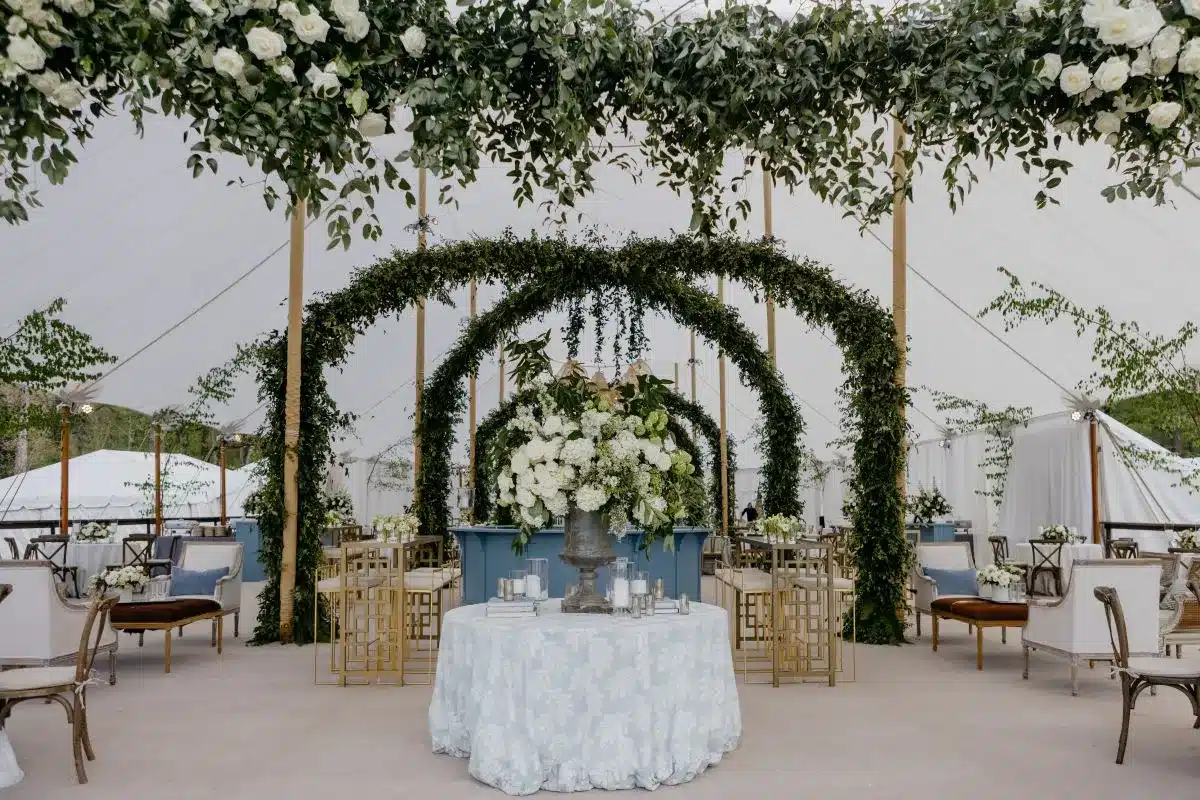
Draping priorities shift by audience and function: weddings focus on romance, soft lines, and guest comfort; corporate events prioritize brand clarity, presentation sightlines, and AV compatibility. Consider day versus evening timing (which affects translucency choices), load-in/strike timelines, and venue requirements for flame certification and anchors. Checklists turn these considerations into actionable specs for designers, production teams, and venue staff. Below is a concise checklist that applies to both event types.
- Event Timing & Lighting Needs: Choose fabrics that perform well under the planned lighting—sheers for an evening glow, and opaques for consistent daytime color.
- Guest Comfort & Flow: Use draping to shape circulation and define lounge zones while preserving egress and HVAC effectiveness.
- Technical Integration: Confirm rigging points, power access, and AV sightlines before locking in drape layouts.
These planning points lead into more specific wedding and corporate draping solutions below.
How to Tailor Wedding Tent Draping for Romantic and Elegant Settings?
Wedding draping favors soft sheers, layered canopies, and warm, diffused light to create flattering portrait conditions and a romantic mood. Fabrics that diffuse light—like chiffon layered over subtle satin—photograph well. Neutral and pastel palettes read consistently across daylight and incandescent sources; delicate string lights or lantern clusters behind sheers add sparkle without harsh shadows. For ceremonies, a framed canopy or pleated backdrop creates a strong photographic focal point; for receptions, canopies and lower draped ceilings promote intimacy and encourage dancing.
What Are Effective Draping Solutions for Corporate and Gala Events?
Corporate and gala draping reinforces brand identity and supports presentations. Structured panels, clean pleats, and saturated color washes create polished backdrops for stages, projection screens, and keynote addresses. Durable, reusable materials and streamlined attachment systems suit multi-day conferences and touring events where quick installs and strikes are valuable. Lighting should prioritize sightlines and camera-friendly color temperatures, so opaque panels with controlled uplighting often outperform loose sheers for corporate needs. To clarify cost influences without fixed pricing, the table below outlines primary cost drivers and their typical budget impact.
How Does Skyline Tent Company Deliver Expert Luxury Tent Draping Services?
We deliver luxury tent draping by pairing design experience with production-scale capabilities and integrated services, so clients get interiors that perform visually and technically. Skyline specializes in Sailcloth, Century, and engineered-structure tent rentals and offers complementary services—power generation, climate control, custom flooring, and turnkey project management—so draping integrates with the full production plan. Our design content documents draping approaches and inspiration, including wedding-focused options, and guides material selection and installation workflows. Below is how our client process reduces risk, speeds execution, and preserves the design intent.
What Is Skyline’s Design Process for Creating Awe-Inspiring Draped Spaces?
Our process starts with discovery—clarifying event goals, tent type, and constraints—then moves to concept design where fabric palettes, lighting schemes, and installation diagrams are proposed for review. After sample approvals, we source approved fabrics and coordinate logistics for power, HVAC, and flooring to ensure the drape performs in real conditions; project managers schedule rigging and mockups so technical and creative teams align before load-in. On-site installation follows engineered plans with crew oversight to maintain quality and safety, and post-install inspections verify sightlines, lighting behavior, and fabric tension. Clients can request a consultation or quote to review swatches, sample setups, and bundled services that pair draping with Skyline’s lighting, power, and climate capabilities.
Practical Planning Checklist (Embedded Guidance)
Use this short checklist to turn draping decisions into an executable plan: confirm flame-certificates, verify anchor and load capacities, schedule lighting mockups with chosen fabrics, and align power and climate plans with your installation schedule. These steps help translate concept into a safe, timely installation and limit changes during load-in.
- Confirm material flame certification and cleaning instructions.
- Verify tent anchor points and load capacities with rigging team.
- Schedule lighting mockups with selected fabrics and finalize dimming control.
- Align power generation and climate control requirements with installation schedule.
These operational checkpoints close the loop between design intent and safe, timely installation while preserving the visual goals.
This embedded EAV table clarifies cost drivers without publishing fixed prices and helps planners anticipate where budget will be allocated.
This section demonstrates Skyline’s ability to turn design into installed reality and invites planners to request a consultation or quote for custom draping and integrated event services.
Frequently Asked Questions
What are the benefits of using luxury tent draping for outdoor events?
Luxury draping elevates outdoor events by turning a simple tent into a refined venue. It improves aesthetics with rich fabrics and considered color, enhances acoustics by absorbing sound, and conceals structural and mechanical elements so the space feels intimate and cohesive. The result is a more comfortable, photogenic experience—ideal for weddings, corporate events, and galas.
How can I ensure my tent draping is safe and compliant with regulations?
Safety starts with certified materials: use fabrics that meet flame-retardant standards and verify anchor points and load capacities with your rigging team. Check local codes for temporary structures and fire safety, and schedule mockups and inspections before the event to catch installation or safety issues early. These steps keep your draping both beautiful and compliant.
What is the typical timeline for planning and installing tent draping?
Timelines vary by complexity, but we recommend beginning planning 3–6 months out. That window allows for fabric selection, mockups, and vendor coordination. Installation usually happens 1–2 days before the event to allow adjustments and final touches. Early planning minimizes surprises and keeps install day efficient.
Can tent draping be customized for different themes or color schemes?
Absolutely. Draping is highly customizable—choose from a wide range of fabrics, colors, and techniques to match any theme, from romantic and rustic to modern and minimalist. The right combination of style and materials helps convey your event’s aesthetic and strengthens the overall design.
What are some common mistakes to avoid when planning tent draping?
Common errors include underestimating fabric behavior under light, neglecting lighting coordination, and leaving insufficient time for mockups and installation. Choosing the wrong weight or finish can cause tension and visual issues. Coordinate early with lighting and production teams and schedule in-situ tests to avoid last-minute fixes.
How does weather impact tent draping choices?
Weather affects fabric choice and installation. Wind and rain may call for heavier, more durable fabrics; hot weather favors lighter, breathable materials for guest comfort. Consider how conditions will affect installation logistics and pick materials that suit the expected climate.
Conclusion
Luxury tent draping transforms outdoor spaces into elegant, acoustically improved venues. By balancing fabric, lighting, and installation technique, planners can create cohesive, inviting atmospheres for any occasion. If you’re ready to elevate your next event, contact Skyline Tent Company to explore our draping services, review swatches, and start planning a custom solution that fits your vision.
