
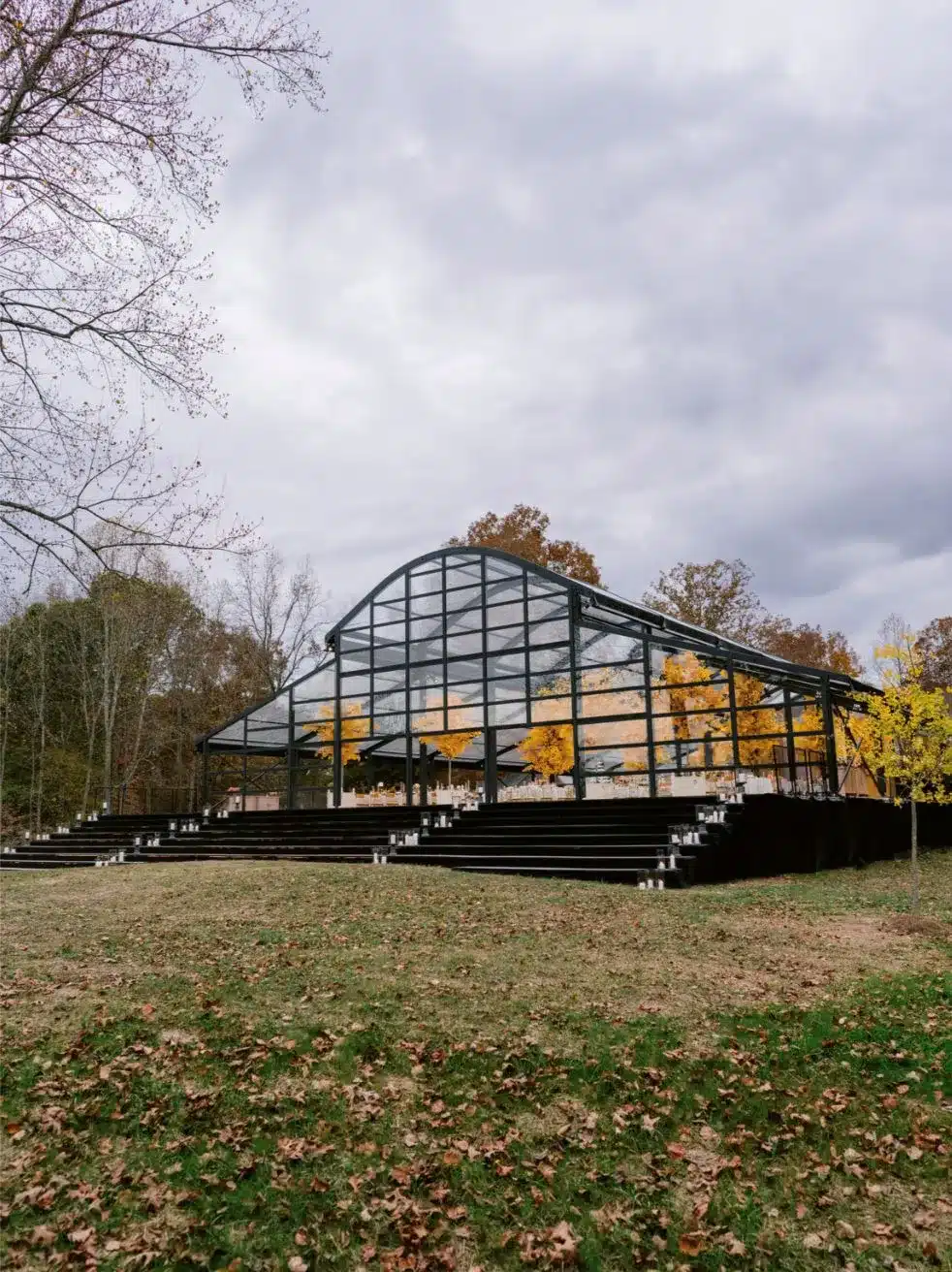
Luxury tent flooring pairs engineered subfloors, premium surface materials, and purpose-built integrations to create comfortable, safe, and visually cohesive event spaces. This guide walks planners and designers through temporary flooring options, from hardwood and parquet to plush carpet, vinyl, and elevated platform systems, showing how each element improves guest comfort, protects the venue, and amplifies visual impact for high-end weddings and corporate events. You’ll find clear explanations of material performance, practical installation steps, and decision criteria for matching floors to event goals like dance longevity, acoustic control, and weather resilience. We also cover customization, ground-protection strategies, and how flooring integrates with climate control, cable management, and tent architecture.
Key Takeaways
- Luxury tent flooring combines a strong subfloor with a premium top surface to improve comfort, safety, and style.
- A good floor creates a level, insulated, slip-resistant surface that reduces trips, fatigue, and ground chill.
- Common finishes include hardwood/parquet, plush carpet, vinyl or modular tiles, and elevated platform systems.
- Flooring helps the event run smoothly by supporting heavy loads and allowing cable routing and HVAC openings.
- Design choices can define zones like dining, lounge, and dance, and can include custom colors, patterns, or logos.
- The best choice depends on site and program needs like weather exposure, dancing, acoustics, accessibility, and venue protection.
Why Is Premium Tent Flooring Essential for Comfort and Style in Luxury Tents?
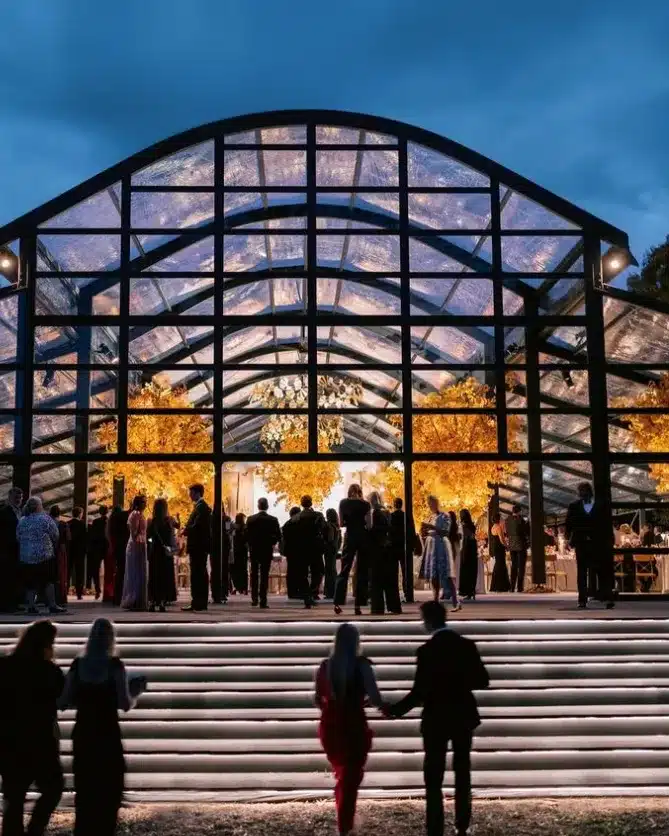
Premium tent flooring is the engineered foundation that directly improves guest comfort, safety, and the perceived quality of an event. A well-specified temporary floor creates level, insulated, and slip-resistant surfaces that reduce trip hazards, limit ground chill, and dampen noise. Beyond performance, flooring defines visual zones, dining, lounge, and dance, letting finishes, furniture, and lighting read as a single, intentional composition. Good flooring simultaneously protects sensitive turf or surfaces and simplifies logistics for caterers, AV crews, and vendors, so comfort, safety, and style become integrated outcomes rather than afterthoughts.
Flooring systems also play operational roles: routing cables, accommodating HVAC penetrations, and distributing loads for heavy bars or stages. Below we outline the concrete ways flooring improves guest comfort and reduces safety risks, plus a short checklist planners can use when evaluating options.
- Premium tent flooring delivers three practical benefits planners value most:
- Stable, level surfaces that reduce trip hazards and guest fatigue.
- Insulation from ground chill and improved acoustic comfort in dining and lounge areas.
- Clear visual framing of zones so lighting, furniture, and tent architecture read as a unified design.
Those benefits translate into better guest flow, stronger photographs, and fewer operational surprises—making flooring selection a strategic design decision, not just logistics.
How Does Tent Flooring Improve Guest Comfort and Safety?
A quality tent floor creates a uniform walking surface over uneven or soft ground. Subfloor panels and rim joists distribute loads and eliminate depressions, while insulated underlayers reduce cold transfer so carpet or wood finishes feel warmer underfoot during evening events. Surface choices control traction, textured vinyl for damp conditions, sealed hardwood for dancing — and reduce fall risk. Insist on verified slip ratings, smooth edge transitions, and continuous grade checks during installation to minimize trip hazards and maintain accessible routes for all guests.
Those same safety steps protect equipment and create predictable staging areas for caterers and AV teams. Confirming load-bearing capacity and emergency egress paths during planning avoids last-minute changes and keeps guest comfort consistent throughout the event.
In What Ways Does Flooring Elevate the Style and Aesthetic of Luxury Tents?
Flooring contributes texture, tone, and pattern that become key components of a tent’s design language, whether a sailcloth canopy paired with warm hardwood or a contemporary structure framed by pale vinyl. Surface finishes, inlays, and edge treatments define focal points such as entrance aisles, dance floors, and lounge perimeters, guiding sightlines and guest movement. Color and material choice also affects perceived scale: darker wood creates a grounded, intimate feel, while lighter tones visually expand a tent. With thoughtful flooring, designers can reinforce brand colors, event themes, and picture-perfect moments throughout a luxury setting.
Intentional flooring design anchors furniture and enhances lighting schemes; the next section explains how specific floor types perform in typical wedding and corporate scenarios.
What Are the Best Types of Tent Flooring for Luxury Weddings and Events?
Choosing the right material depends on your priorities: visual warmth, dance durability, weather resistance, or fast install speed. Planners commonly select hardwood and parquet for premium appearance and dance performance; plush carpet for comfort and acoustic control; vinyl and modular tiles for weatherproofing and quick installs; and elevated subfloor systems for leveling, drainage, and utility integration. The table below summarizes how each type maps to common event priorities and site conditions.
Use this comparison to match material strengths with the venue and event program: hardwood for covered receptions and dance floors; carpet for ceremonies and lounges; vinyl for catering and quick-turn events; and elevated platforms where terrain or service routing demands an engineered base.
What Are the Benefits of Elegant Wood Flooring in Luxury Tent Events?
Wood and parquet bring a classic, high-end look while offering a resilient surface for dancing and heavy furniture. Species and finish influence slip resistance and sheen, matte-sealed hardwood reduces glare while remaining dance-capable. Wood panels sit on subfloor grids that distribute loads and hide service runs, minimizing visible seams and providing a continuous plane beneath tent fabrics. On-site maintenance is simple, periodic sweeping and spot cleaning, and wood’s warmth translates well in photos and guest perception.
Wood performs best under dry or covered conditions and pairs beautifully with sailcloth or century-style tents for formal ceremonies and receptions.
How Does Plush Carpet Flooring Enhance Comfort and Sophistication?
Plush carpet softens acoustics and creates intimate zones ideal for seated ceremonies, lounges, and VIP areas. Carpet tiles and wide rolls let you customize color and pattern for branded or thematic installs that coordinate with floral and fabric choices. Pile height affects comfort and upkeep: lower piles hide furniture marks and clean more easily; higher piles feel more luxurious but demand stricter spill protocols. For multi-day events or heavy traffic, sacrificial runners and stain-resistant treatments help maintain appearance across long service windows.
Carpet performs best when paired with moisture barriers and entrance mats to protect pile during outdoor ingress and egress.
Why Choose Durable Vinyl and Modular Flooring for Outdoor Tent Events?
Vinyl and interlocking modular tiles are practical workhorses: fast to install, waterproof, and simple to clean — ideal for unpredictable weather or large footprints. Modern SPC, LVT, and reinforced vinyl mimic wood or stone while resisting moisture and heavy foot traffic in catering and bar zones. Modular tiles interlock for scalable coverage and can be replaced in sections if damaged, minimizing disruption during teardown. These surfaces work well with elevated subfloors when quick assembly and flexibility are priorities for corporate events or festival-style receptions.
Because textures and slip ratings vary, pick a vinyl subtype that matches expected conditions to ensure safety and a cohesive look.
When planners need both inventory and installation as part of a turnkey event package, Skyline Tent Company offers custom flooring and engineered platforms alongside tent rentals and interiors. Our portfolio includes hardwood finishes, modular vinyl systems, and subfloor platforms that support large spans, integrated power, and climate control. Our design team consults on both aesthetic and technical fit during planning to turn concepts into executable plans.
How Can Custom Tent Flooring Design Reflect Your Event Vision and Branding?
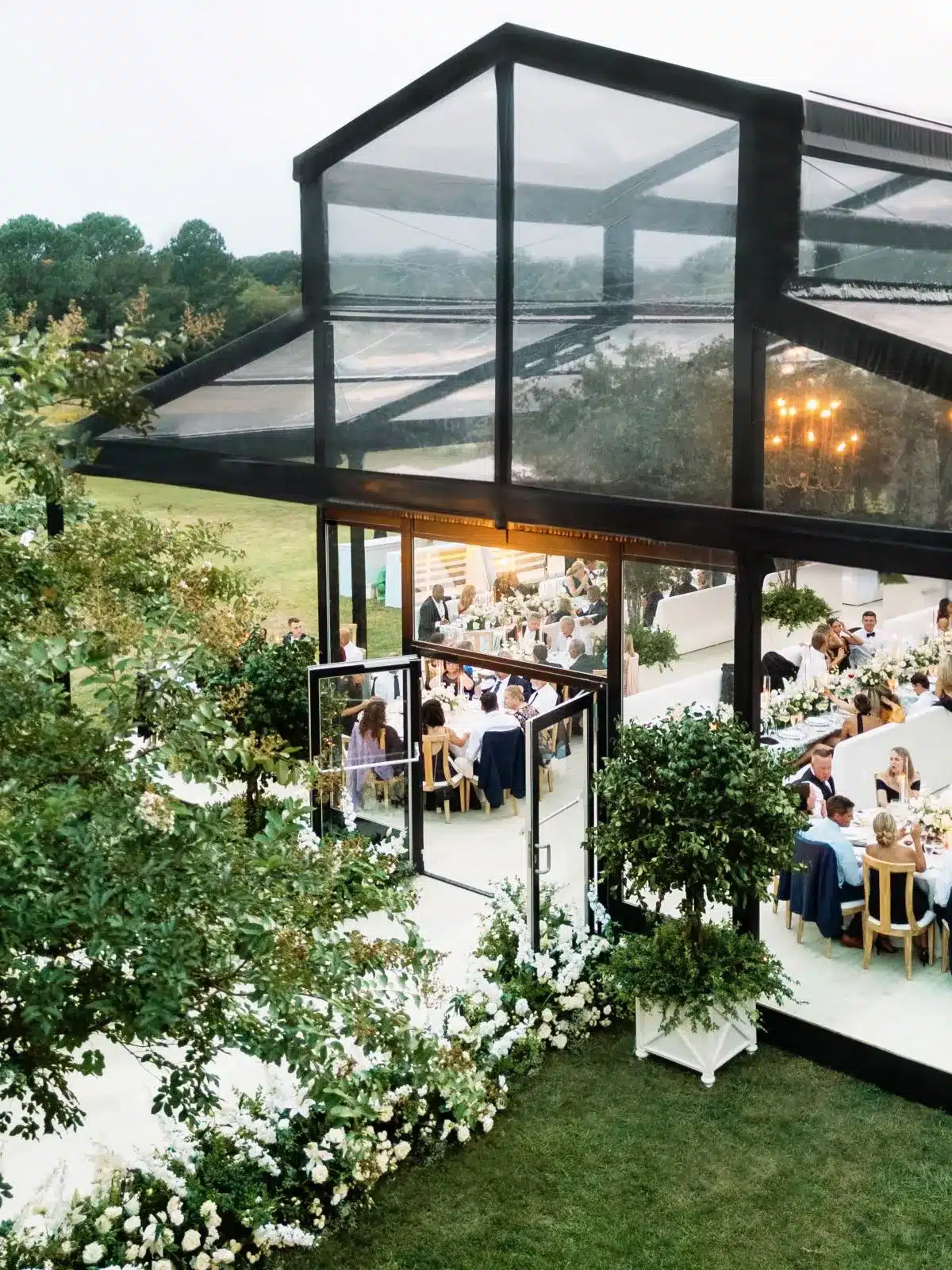
Custom tent flooring lets planners and brands express identity through tailored colors, inlays, and parquet patterns that connect arrival to last dance. Options range from branded carpet runners and painted or inlaid logos on hardwood dance floors to bespoke parquet patterns and refined perimeter treatments that complement the tent architecture. Design planning accounts for lead times, reuse expectations, and whether single-use customization or modular branding is more practical. Early collaboration with a flooring designer enables mockups and material tests so lighting, tent walls, and floors coordinate for the best photography and guest experience.
- Common customization choices that reinforce event vision include:
- Branded carpet runners and tile patterns that showcase sponsor or wedding monograms.
- Painted or inlaid logos on hardwood dance floors for a signature focal point.
- Refined edge treatments and transitions that define zones and conceal service joints.
Thoughtful custom elements make the floor an active part of the event narrative while also informing technical needs like uplift allowances and protective coatings.
What Flooring Customization Options Are Available for Luxury Tent Events?
Customization ranges from repeatable branded zones to one-off visual statements. Carpet tiles allow for repeatable branded areas with replaceable pieces; inlaid parquet and painted hardwood create singular focal floors ideal for ceremonies and featured dance areas. Edge solutions — metal thresholds or custom skirting — provide refined transitions and conceal seams for a cleaner presentation. Discuss mockups and production schedules early to ensure bespoke inserts and logos fit installation timelines and rental lifecycles.
Designers should balance unique details with practical considerations around storage, transport, and reuse to optimize cost and visual impact.
How Does Flooring Integration Complement Tent Decor and Overall Event Style?
Flooring integration aligns texture, color, and scale with tent fabric, lighting, and furniture to create a cohesive visual hierarchy that guides guest movement and sightlines. A dark wood dance floor can anchor a stage while lighter perimeter vinyl reduces glare in bar areas; carpeted lounge islands soften sound for conversation. Lighting designers can use floor reflectance and texture strategically — matte wood cuts glare on camera, patterned carpets add visual interest in expansive white tents. Early collaboration between riggers, lighting, and flooring specialists avoids clashes and makes sure floors accommodate hanging loads, HVAC penetrations, and decor placements.
Bringing flooring choices into the design conversation early reduces on-site changes and preserves the intended look from install through teardown.
What Is the Professional Tent Flooring Installation Process for Luxury Events?
A professional flooring install follows five stages: site assessment, subfloor or platform assembly, surface finish installation, safety verification, and teardown with site restoration. Each phase has specific resource needs and time windows; coordinated scheduling with tent, climate control, and power teams keeps handoffs efficient. Proper installs include leveling on uneven ground, mechanically securing interlocking panels, sealing seams where moisture is a risk, and performing load checks in heavy-equipment zones. Safety measures — slip-rating verification, ramped transitions for accessibility, and confirmed emergency egress — protect guests and satisfy venue or insurer requirements.
This timeline highlights where planners should expect resource commitments and which milestones require close coordination with other vendors or venue staff.
For practical clarity, installation follows a clear on-site sequence; the numbered list below outlines the critical steps you’ll see during setup.
- Conduct a detailed site survey and confirm permits and venue constraints.
- Assemble the elevated subfloor or platform grid and level as required.
- Install finish surfacing, seal seams, and create accessible transitions.
- Perform safety checks, gather documentation, and secure client sign-off before event start.
Following these steps minimizes downtime and ensures the floor both looks and performs as planned. For planners who want flooring integrated with tents, HVAC, and power, Skyline Tent Company provides design expertise, inventory, and installation capacity to execute complex visions. We coordinate subfloor engineering, finish installation, and utility integrations to deliver turnkey flooring solutions — reach out for a quote or consultation.
How Is Site Assessment and Preparation Conducted for Tent Flooring?
Site assessment begins with mapping grade changes, soil composition, and drainage, while documenting access routes for trucks and staging zones with photos and annotated measurements. Request elevation points, utility locations, and venue restrictions (tree protection, turf limits) to determine whether a platform system or sacrificial ground protection is required. The survey also identifies staging areas for materials, crane or forklift needs, and proximity to power and water to streamline installation. A clear site plan and checklist at this stage reduces surprises and speeds approval of installation drawings and load calculations.
Thorough preparation prevents schedule slippage and lets crews pre-stage components for efficient assembly on install day.
What Are the Key Steps in Expert Tent Flooring Setup and Safety Assurance?
Expert setup addresses structural stability, surface finish, and documented safety verification using mechanical fastening, leveling shims, and load-distribution checks. Installers secure subfloor panels to rim joists and verify tolerances for movement and deflection under expected loads, especially in areas with heavy bars or stages. Finish surfaces are fitted with attention to transitions, slip ratings, and protective coatings; teams perform slip-resistance testing and visual inspections before client sign-off. Documentation — photos, test results, and a signed checklist — supports insurance requirements and helps plan teardown.
Which Outdoor Event Flooring Solutions Best Protect Ground Surfaces and Enhance Event Functionality?
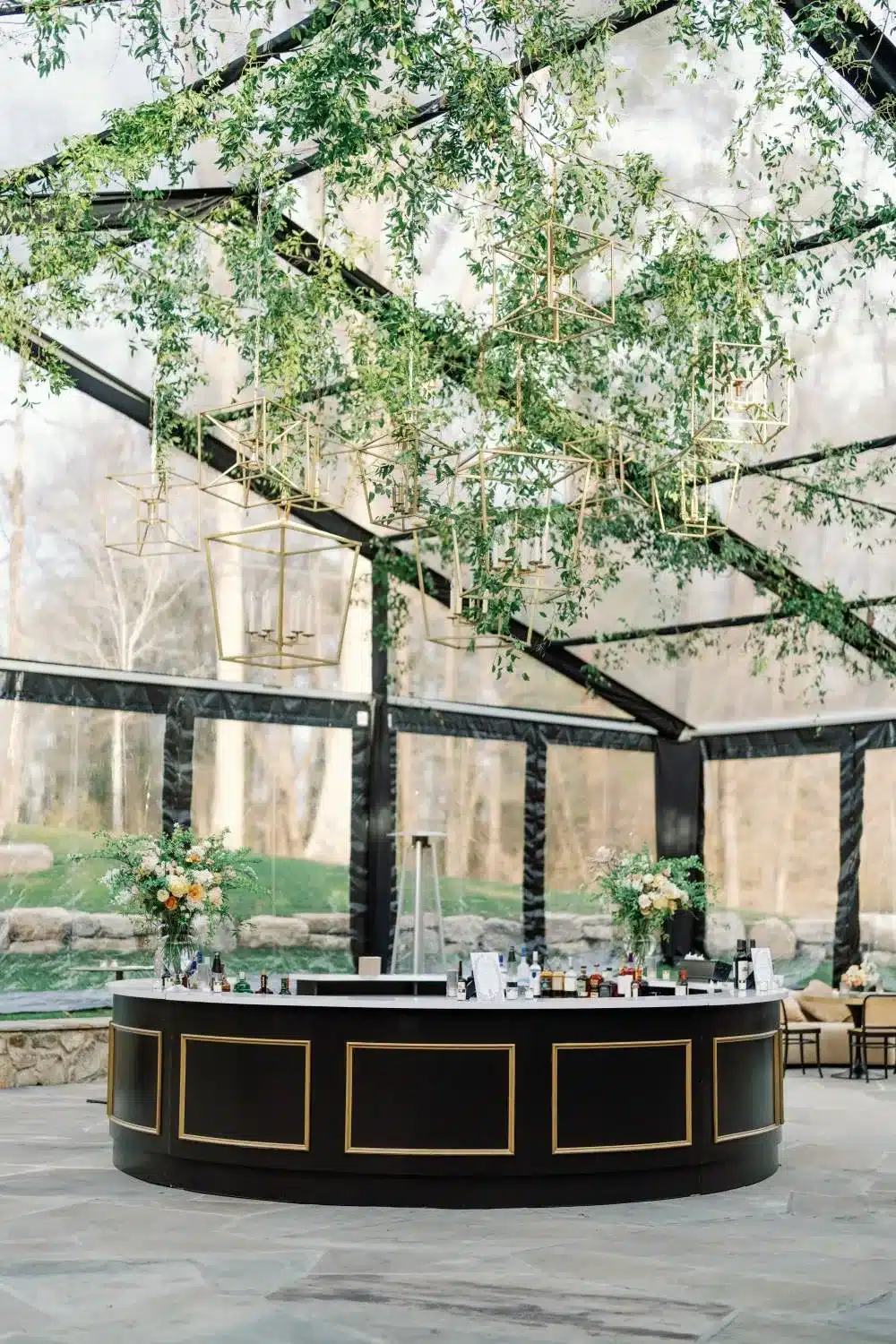
Protecting venue grounds while keeping your event functional means choosing barrier and load-distribution systems that match site sensitivity and traffic patterns. Options include heavy-duty ground protection panels for turf preservation, moisture barriers under carpet in catering zones, and sacrificial entrance runners to limit dirt ingress. The right choice depends on environmental sensitivity, expected foot traffic, and whether heavy equipment will be staged on grass. A proper protective system prevents damage, reduces restoration costs, and preserves venue relationships for repeat business.
How Does Flooring Protect the Venue and Improve Event Cleanliness?
Flooring protects venues by placing a physical barrier between activity and sensitive ground surfaces: load-distributing panels, moisture membranes, and sacrificial coverings capture spills and grease in catering zones while entrance runners limit dirt tracked into the tent. Regular on-site cleaning — scheduled sweeps, spot-clean stations, and spill kits — preserves appearance and reduces long-term wear on rental surfaces. These layered protections help maintain turf health and minimize post-event restoration, which is especially important for high-profile or repeat-use venues.
A tailored protection plan for each event zone lowers the risk of venue complaints and supports more sustainable event practices.
What Flooring Options Offer Weather Resistance and Durability for Outdoor Events?
Weather-resistant flooring focuses on waterproof surfaces, UV-stable finishes, and secure edge sealing to prevent water ingress and material degradation. Vinyl and modular interlocking tiles offer strong water resistance and can provide drainage paths when combined with engineered subfloors. Elevated platforms that allow airflow underneath prevent pooling and lower mold risk in humid climates. If severe weather is a possibility, specify finishes with proven UV stability and retention warranties to keep appearance consistent across repeated rentals.
Selecting materials rated for outdoor use and pairing them with appropriate subfloors reduces mid-event repairs and extends service life.
How Can You Choose the Best Flooring for Your Luxury Tent Wedding or Corporate Event?
Choosing the right floor means balancing guest comfort, aesthetic goals, budget, and logistical realities like site access and weather exposure. Prioritize in this order: guest experience (comfort and safety), site constraints (terrain and venue sensitivity), event program (dancing versus seated), then budget. Hybrid approaches — for example, a hardwood dance center with a vinyl service perimeter — often deliver the best mix of durability and luxury while managing cost. Use the checklist below to quickly evaluate options during early planning.
- Clarify event priorities: heavy dancing, seated comfort, or heavy-equipment staging.
- Assess terrain and venue rules: turf sensitivity, slope, and access limitations.
- Match material to exposure: vinyl for wet conditions, hardwood for covered formal receptions.
- Plan logistics: delivery windows, install/teardown times, and vendor coordination.
After narrowing choices with this checklist, compare shortlisted options against the scenario examples in the table below to confirm the best fit.
Ready to turn a chosen approach into an actionable plan? Request a professional site survey and detailed quote. Skyline Tent Company offers comprehensive services beyond tent rentals — custom flooring, elevated platforms, glass walls, power and climate control, and tailored interiors — so planners can realize creative visions with a single, turnkey partner.
What Factors Should Event Planners Consider When Selecting Tent Flooring?
Planners should factor in guest count, expected foot traffic, weather exposure, aesthetic aims, install time windows, and site preservation requirements. Accessibility, continuous ramps and slip-rated transitions, must be part of the plan to meet guest needs and safety rules. Budgeting should include rental fees, installation labor, protective underlays, and any bespoke customization lead times. Coordinating early with tent, AV, and catering teams ensures the floor supports operational needs and avoids last-minute compromises. Putting guest comfort and safety first while aligning the floor with logistical limits yields choices that perform reliably and look intentional.
How Do Wood, Carpet, and Vinyl Flooring Compare for Luxury Tent Events?
Wood, carpet, and vinyl each have clear trade-offs across comfort, durability, cost, and weather suitability. Wood offers unmatched warmth and dance performance but needs covered conditions and tight moisture control. Carpet excels at comfort and sound control but requires protective measures in catering areas and can increase cleaning needs. Vinyl is the most weather-tolerant and cost-effective for large areas and service corridors, though perceived luxury depends on finish quality. Hybrid installations often deliver the best result by placing premium materials where guests see them and resilient surfaces where wear or moisture is highest.
- Material selection in brief:
- Use hardwood in visible, dance-forward areas under cover for a premium presentation.
- Choose carpet for ceremony aisles and lounge zones where comfort and acoustics matter.
- Deploy vinyl or modular tiles in catering, bar, and high-traffic perimeter zones for protection and easy maintenance.
Applying these guidelines lets planners mix materials strategically to control costs while maximizing guest experience and operational reliability.
Frequently Asked Questions
What are the key considerations for selecting flooring for outdoor events?
Consider the site (terrain and slope), likely weather, and expected foot traffic. Choose materials that handle moisture and provide stable footing on uneven ground. Match the floor’s look and comfort to the event’s tone, and account for budget and installation logistics (setup and teardown windows) to keep the day running smoothly.
How can flooring choices impact the overall guest experience at events?
Flooring affects comfort, safety, and the visual tone of an event. A stable, slip-resistant surface reduces trip hazards and fatigue; acoustically thoughtful surfaces improve conversation; and the floor’s appearance helps set the event’s style. Well-chosen flooring makes guests more comfortable and photos more compelling.
What maintenance practices should be implemented during events to preserve flooring?
Implement scheduled sweeps, spot-clean stations, and readily available spill kits. Use sacrificial runners in high-traffic approaches, and train staff to monitor key zones. Prompt attention to spills and routine touch-ups preserve appearance and limit post-event refurbishment.
How does flooring integration affect the logistics of event setup?
Flooring dictates part of the install sequence and requires coordination with tent erection, lighting, and other vendors. Knowing the floor’s load limits and access needs ahead of time prevents conflicts, streamlines the schedule, and avoids on-site changes that can delay the event.
What are the environmental considerations when choosing flooring for events?
Look for reusable or recyclable materials and solutions that minimize ground impact, like heavy-duty protection panels. Reusing flooring components across events and choosing durable finishes reduces waste. Protecting turf and reducing restoration needs are important sustainability and venue-relations considerations.
Can flooring customization enhance branding at events?
Absolutely. Branded runners, inlaid logos, and custom parquet patterns create memorable visual moments that reinforce sponsors or wedding monograms. Thoughtful customization ties the floor to the broader design and leaves a lasting impression on guests and in photography.
What are the benefits of using elevated subfloor systems for tent events?
Elevated subfloors level uneven ground, improve drainage and insulation, and provide a stable foundation for heavy equipment and furniture. They also allow for integrated HVAC, cable management, and clear routing of services — creating a dry, secure surface that protects both the event and the underlying ground.
Conclusion
Luxury tent flooring is a strategic element of any high-end event — it improves comfort and safety, protects the venue, and completes the visual story. By selecting materials and systems that match the site and program, planners can deliver both performance and beauty. Explore our premium flooring options to elevate your next tent event, and contact Skyline Tent Company to discuss a site survey, design plan, or quote to bring your vision to life.
