
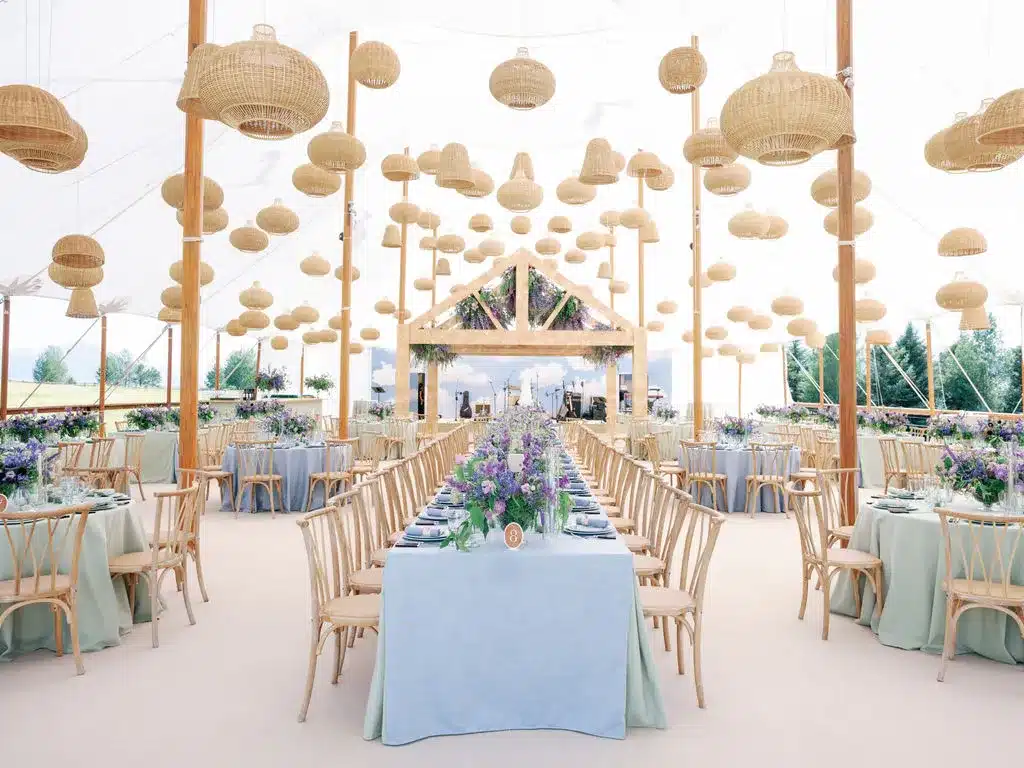
Selecting the appropriate tent is essential to achieving the atmosphere you intend for your wedding. Incorporating practical event planning tips for tented weddings, such as evaluating site conditions, guest flow, and vendor access, helps ensure a seamless experience. Assessing tent types, sizing, and logistics improves guest comfort and event delivery, helping you choose a structure that complements your aesthetic while accommodating guest count and layout. You will understand tent typologies, sizing calculations, lighting options, and how decor and logistics contribute to a successful event. Careful consideration of these factors ensures that your wedding day runs smoothly and leaves a lasting impression on all attendees. The tent not only provides shelter but also sets the tone for the celebration, making it a central element in your overall wedding planning.
What Are the Main Types of Outdoor Wedding Tents?
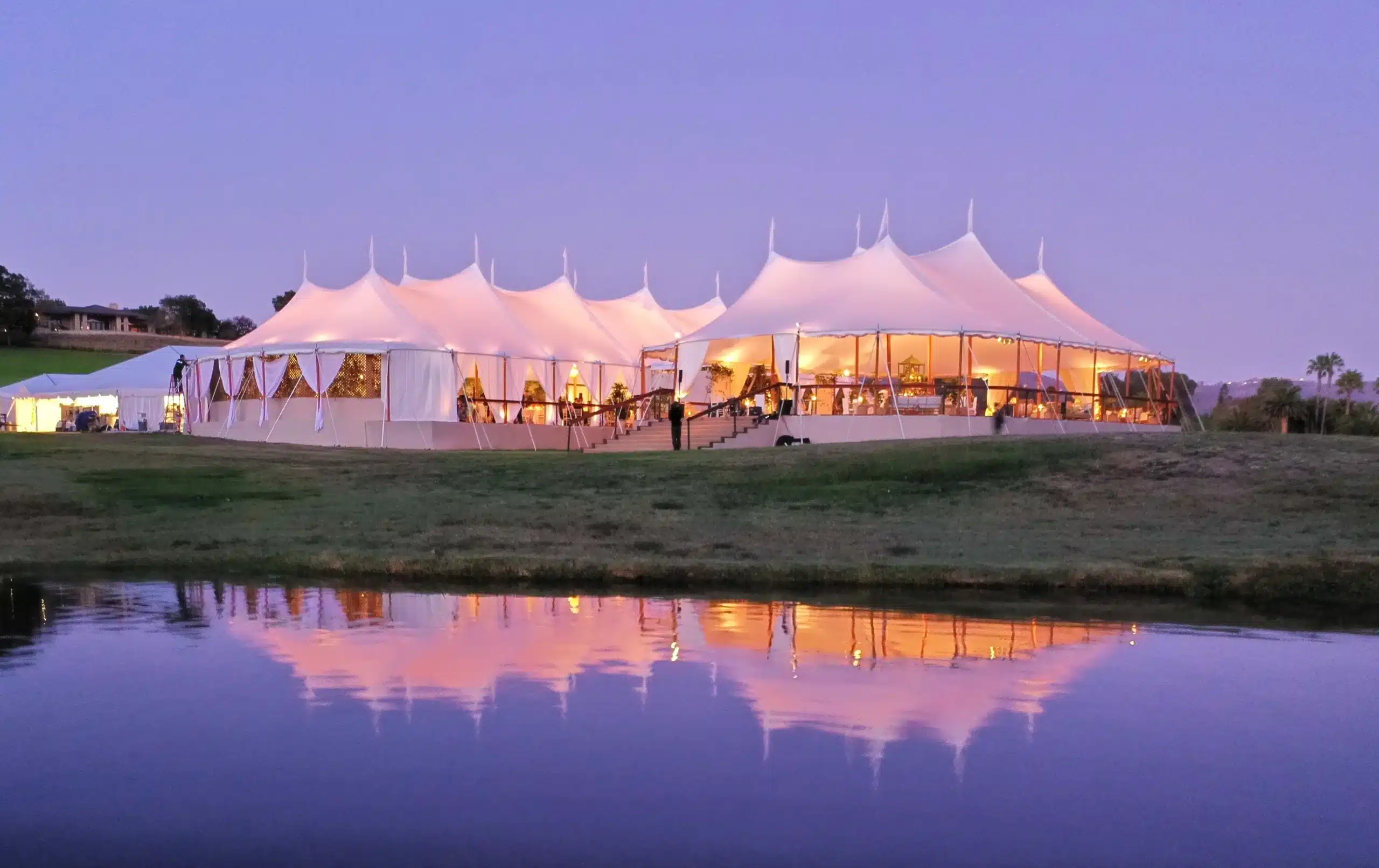
When planning an outdoor wedding, evaluate principal tent constructions and their performance characteristics. Each type has structural and aesthetic attributes suited to particular site conditions and event styles, and understanding those differences supports an informed selection. The choice of tent can influence everything from the visual appeal to the practical aspects of setup and breakdown. Knowing the strengths and limitations of each tent type allows you to align your choice with your wedding vision and logistical needs, ensuring a harmonious and functional event space.
How Do Frame, Pole, and Clear Span Tents Differ?
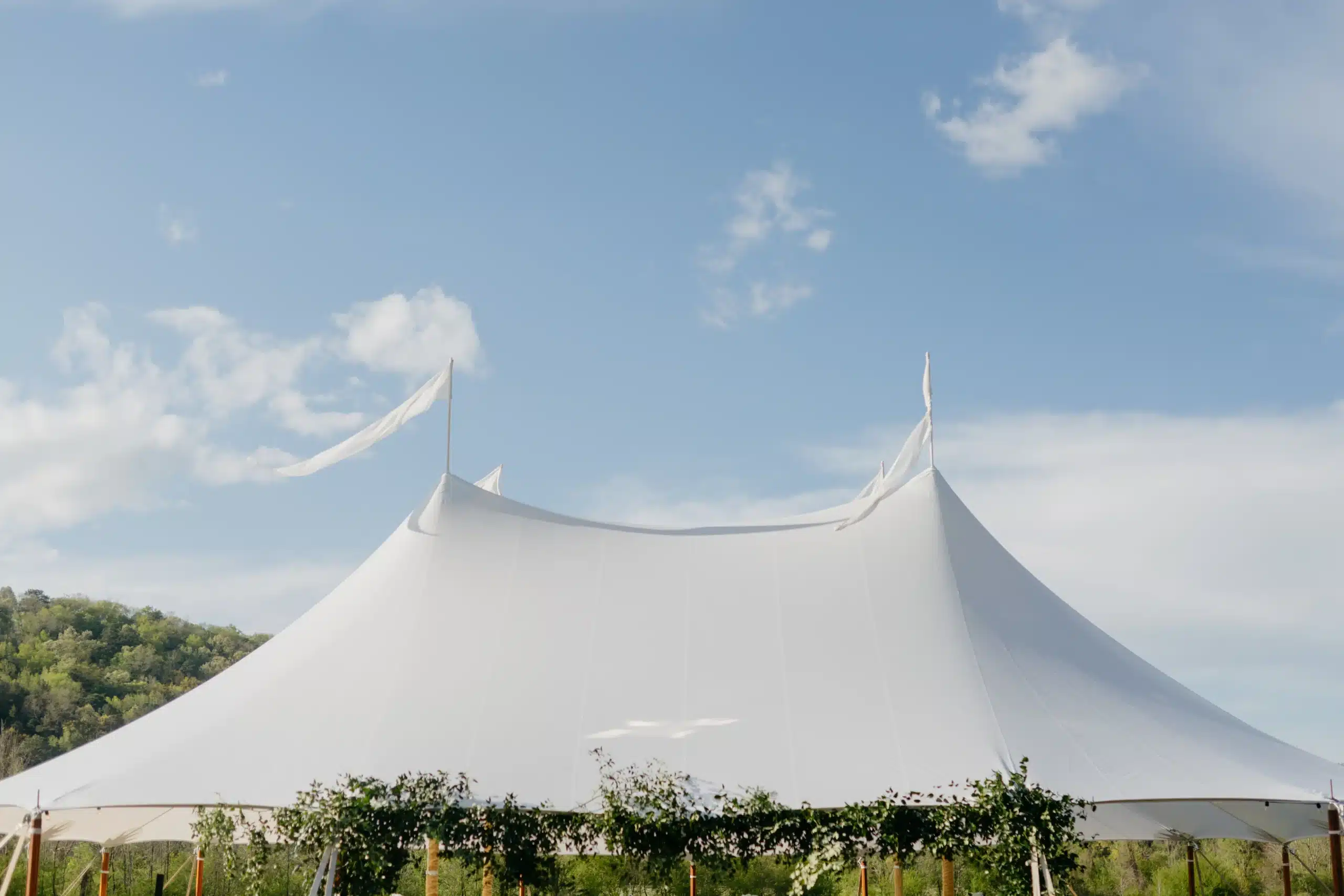
Frame tents use a metal framework to support the cover, offering flexible layouts without center poles. Pole tents rely on center poles and perimeter rigging for a classic silhouette but limit interior planning. Clear span tents use engineered trusses to create a wide, uninterrupted interior suited to large assemblies and contemporary installations. Choose the construction that meets your aesthetic and operational needs. Frame tents are particularly advantageous for uneven terrain or locations where staking is restricted, as they can be installed without penetrating the ground. Pole tents provide a traditional and elegant look, often favored for rustic or vintage-themed weddings. Clear span tents, with their open interiors, are ideal for events requiring large dance floors or stages, allowing for versatile interior design without obstructions.
Which Tent Type Best Suits Different Wedding Environments?
Tent choice depends on both site conditions and design intent. Evaluating how each structure performs within a specific environment ensures the tent complements the setting while supporting the event’s layout and program requirements.
- Pole tents complement rustic or pastoral settings, such as vineyards or countryside estates, where their peaked silhouette enhances a romantic, traditional atmosphere.
- Clear span tents suit modern venues and urban rooftops that require open, column-free interiors to maximize usable floor space and accommodate complex layouts.
- Frame tents adapt well to constrained or irregular sites like gardens, beaches, or properties with mixed surfaces, offering flexibility without relying heavily on staking.
Matching functional attributes to the environment and event program helps create seamless integration between the tent structure and its surroundings, ensuring both visual harmony and operational efficiency.
How to Determine the Right Wedding Tent Size for Your Guest Count?
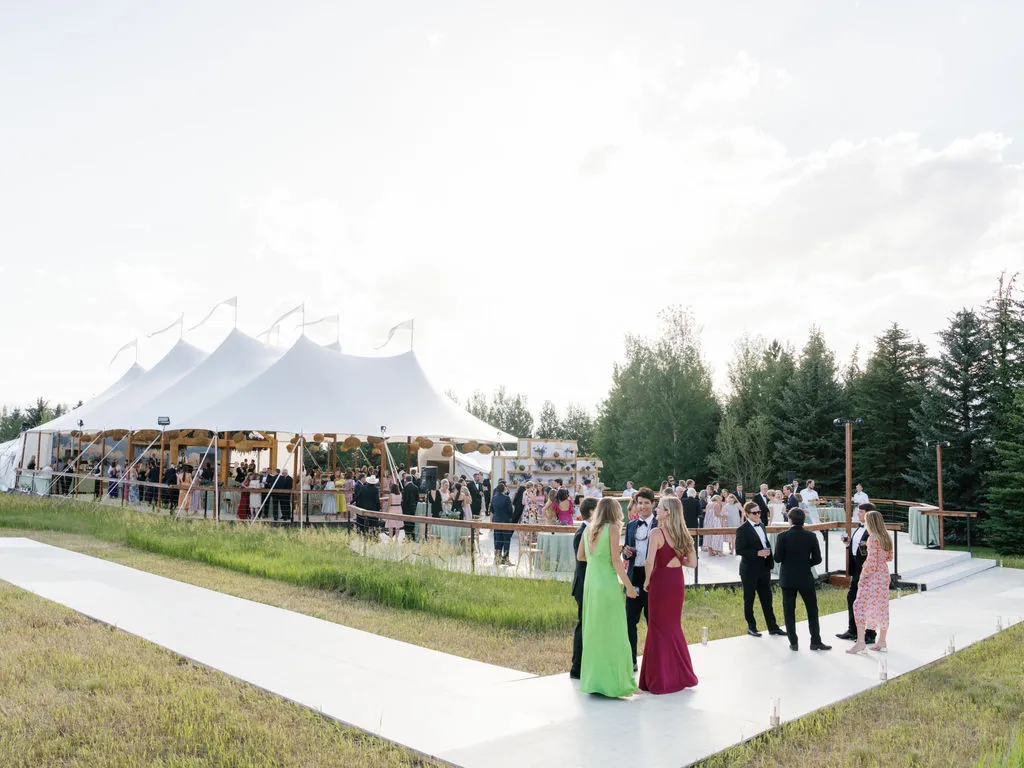
Accurate tent sizing is critical to guest comfort and operational flow. Calculations must account for seated capacity as well as ancillary elements such as tables, service stations, stages, and dance areas. Overcrowding can lead to discomfort and safety hazards, while an excessively large tent may feel empty and detract from the atmosphere. Taking a comprehensive approach to sizing ensures that all aspects of the event are accommodated without compromise.
What Are the Standard Tent Size Guidelines for Weddings?
Proper tent sizing begins with understanding how much space each guest requires based on the event format. Seating style, entertainment elements, and service areas all influence the final square footage needed.
- Seated dinners typically require about 10–12 square feet per guest. For example, a 100-guest seated reception usually needs approximately 1,000–1,200 square feet.
- Cocktail receptions generally require 6–8 square feet per guest, since fewer tables and chairs are used.
- Additional functional areas such as dance floors, buffet stations, bars, service corridors, and staging should be factored into the final dimensions.
- Special accommodations including space for a live band or DJ, children’s activity areas, or lounge zones may require extra square footage beyond standard guidelines.
These benchmarks provide a solid starting point, but adjusting for layout details and event amenities ensures the tent supports both comfort and smooth event flow.
How to Match Tent Size with Event Layout and Amenities?
Plan layout around movement and amenity locations. Ensure clear circulation between tables, food stations, and restrooms, and provide dedicated zones for service and activities. Consulting a tent rental professional will yield practical recommendations for optimising space relative to your specifications. Thoughtful placement of elements such as bars, lounges, and photo booths can enhance guest experience and prevent bottlenecks. Consider the flow of guests from arrival through dining and dancing to departure, designing pathways that feel natural and unobstructed. Incorporating flexible furniture arrangements can also help adapt the space as the event progresses.
What Are Effective Lighting Solutions for Wedding Tents?
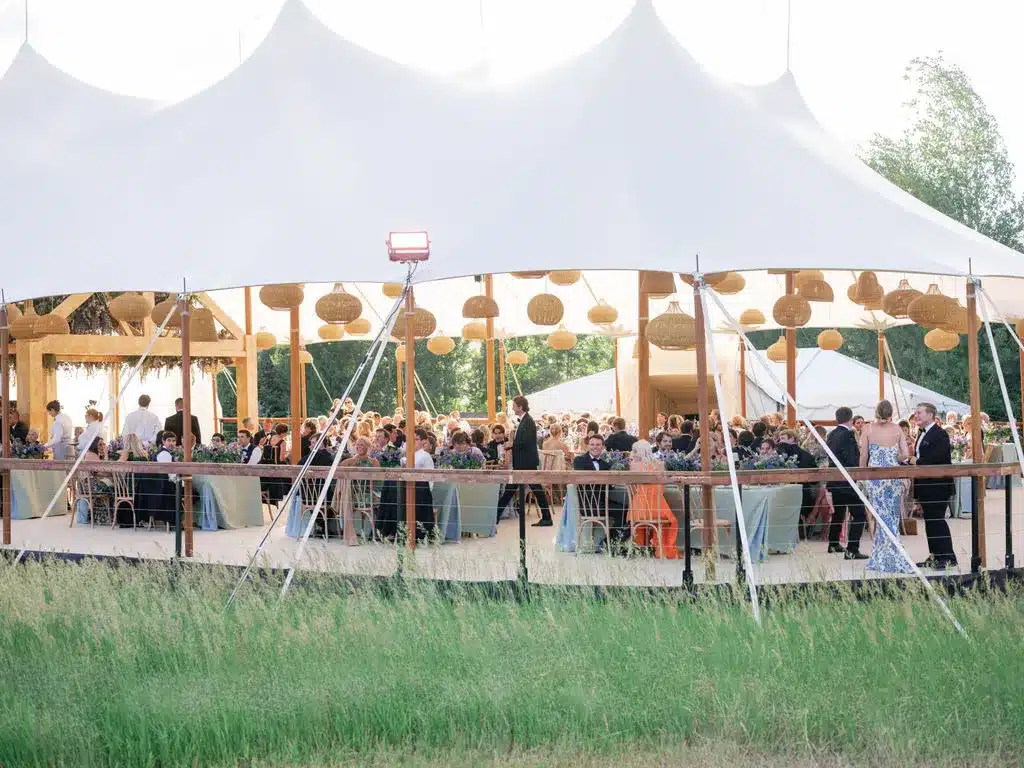
Lighting is a key design element that defines atmosphere and visibility. Appropriate fixtures and layered strategies transform tent interiors and support event programming. The right lighting can highlight architectural details, create mood shifts throughout the event, and ensure safety during evening hours. Considering both natural and artificial light sources allows for a dynamic environment that adapts to changing conditions and activities.
How Does Tent Lighting Enhance Wedding Ambiance?
Purposeful lighting creates warmth and intimacy while highlighting architectural features and décor. String lights, chandeliers, and uplighting each deliver distinct effects; combining treatments adds depth and ensures even illumination across the schedule. Lighting can also be used to draw attention to focal points such as the head table, cake display, or dance floor. Color temperature and intensity adjustments help transition the space from ceremony to reception, supporting different moods and functions. Incorporating dimmers and programmable controls offers flexibility to tailor lighting to the event’s progression.
What Are Modern Lighting Technologies for Luxury Tent Rentals?
Contemporary solutions such as LED fixtures and programmable systems provide flexible control and energy efficiency, enabling dynamic scenes through the event. Skyline Tent Company offers specialist consultation to tailor lighting plans that balance functionality and visual impact. LED technology reduces heat output and power consumption, making it ideal for extended events and environmentally conscious couples. Integration with smart controls allows for synchronized lighting effects that can be coordinated with music or special moments like the first dance or cake cutting. These advancements elevate the overall guest experience and contribute to a memorable celebration.
How Can Tent Decor and Site Logistics Elevate Your Wedding Experience?
Decor and logistics materially affect guest experience and operational reliability. Coordinated choices on finishes, circulation, and support services create a cohesive environment that meets aesthetic and safety objectives. Thoughtful decor enhances the theme and personal style of the wedding, while efficient logistics ensure smooth transitions and minimize disruptions. Together, these elements contribute to an event that feels both beautiful and well-organized.
What Are Trending Wedding Tent Decor Ideas?
Current decor trends emphasise natural elements, greenery and floral installations, to create a romantic atmosphere. Personalised touches like custom signage and distinctive table settings enhance cohesion. Draping and soft finishes refine the tent interior and introduce elegance. Incorporating elements such as hanging gardens, fairy lights woven through foliage, and rustic wooden accents can add texture and depth. Using sustainable and locally sourced materials aligns with eco-conscious values and adds authenticity. Layering textures and colors thoughtfully creates a rich sensory experience that resonates with guests and reflects the couple’s personality.
How to Plan for Weather and Site Logistics with Tent Rentals?
Prepare for weather and site constraints by assessing ground conditions, confirming power access, and establishing an emergency response plan. Skyline Tent Company can coordinate logistics to ensure safe, efficient installation so you can focus on the event. It is important to consider seasonal weather patterns and have contingency plans for rain, wind, or extreme temperatures. Site logistics also include parking arrangements, accessibility for vendors and guests, and compliance with local regulations. Early communication with all stakeholders helps anticipate challenges and implement solutions proactively.
This table provides a concise reference for aligning tent footprint with guest count and typical space requirements. It serves as a practical tool during the initial planning stages, helping to visualize the scale of the event and make informed decisions about tent selection. Keep in mind that these recommendations may vary based on specific event features and personal preferences.
Selecting the ideal tent requires evaluating construction type, capacity, lighting, and décor so the venue supports both aesthetic and operational needs. With this knowledge you can plan an outdoor wedding that is memorable and well executed. Taking the time to research and consult with professionals ensures that your tent choice enhances the overall experience and accommodates all necessary functions seamlessly.
Frequently Asked Questions
What factors should I consider when choosing a wedding tent location?
Evaluate accessibility, site grade, and proximity to utilities such as power and restrooms. Confirm the site is level and clear of obstructions to facilitate safe installation. Consider views and landscape as design assets, and verify local regulations or permits for outdoor events. It is also wise to assess potential noise restrictions and neighborhood considerations that might impact the event. Early site visits and discussions with venue managers or local authorities can prevent unexpected issues and help secure necessary approvals.
How can I ensure my wedding tent is secure during inclement weather?
Work with an experienced rental provider that specifies appropriate materials and engineered anchoring. Use adequate staking or ballast to resist wind and install sidewalls where rain protection is needed. Maintain a contingency plan, including alternative indoor venues if conditions become unsafe. Monitoring weather forecasts closely in the days leading up to the event allows for timely adjustments. Communication with guests about potential changes ensures safety and minimizes inconvenience.
What are the best ways to personalize my wedding tent decor?
Personalisation can include custom signage, bespoke centrepieces, and distinctive table settings that reflect your theme. Incorporate meaningful items or heirlooms and coordinate draping, lighting, and florals with your colour palette for a cohesive presentation. Engaging a professional decorator or florist can help translate your vision into reality, blending aesthetics with practical considerations. Interactive elements such as guest books, photo walls, or themed favors add unique touches that guests will remember.
How do I choose the right lighting for my wedding tent?
Define the mood you want and select fixtures accordingly: string lighting for warmth, chandeliers for formality, and uplighting to accent features. Specify dimmable controls to adjust ambience and consult a lighting specialist for a comprehensive scheme. Consider the timing of different lighting effects to complement the event schedule, such as brighter illumination during dining and softer tones for dancing. Incorporating battery-powered or wireless options can enhance flexibility and reduce setup complexity.
What should I include in my wedding tent rental contract?
Ensure the contract specifies tent type, dimensions, and installation date, plus accessories such as sidewalls, flooring, and lighting. Confirm rental period, delivery and pickup windows, cancellation terms, and setup and takedown responsibilities. Clarify liability and insurance provisions to reduce risk. It is advisable to review the contract carefully with legal counsel or a trusted advisor to understand all obligations and protections. Clear communication with the rental company helps avoid misunderstandings and ensures expectations are met.
How can I effectively manage guest flow within the tent?
Design clear circulation paths between seating, food service, and amenities. Use signage to direct guests and position furniture to encourage movement. Allocate dedicated activity zones photo booths or guest-book tables, to minimise congestion and support steady flow. Consider the placement of entrances and exits to facilitate smooth arrivals and departures. Employing event staff or ushers to guide guests can further enhance the experience and prevent bottlenecks.
Conclusion
Choosing the right tent is a strategic decision that shapes guest experience and event operations. By assessing tent types, sizing, lighting, and logistics you can deliver a comfortable, visually coherent venue. Engage experienced professionals to tailor the installation to your requirements and ensure a successful occasion. Thoughtful planning and attention to detail in tent selection contribute significantly to the overall success and enjoyment of your wedding day, creating a setting that reflects your style and accommodates your guests with ease.
