
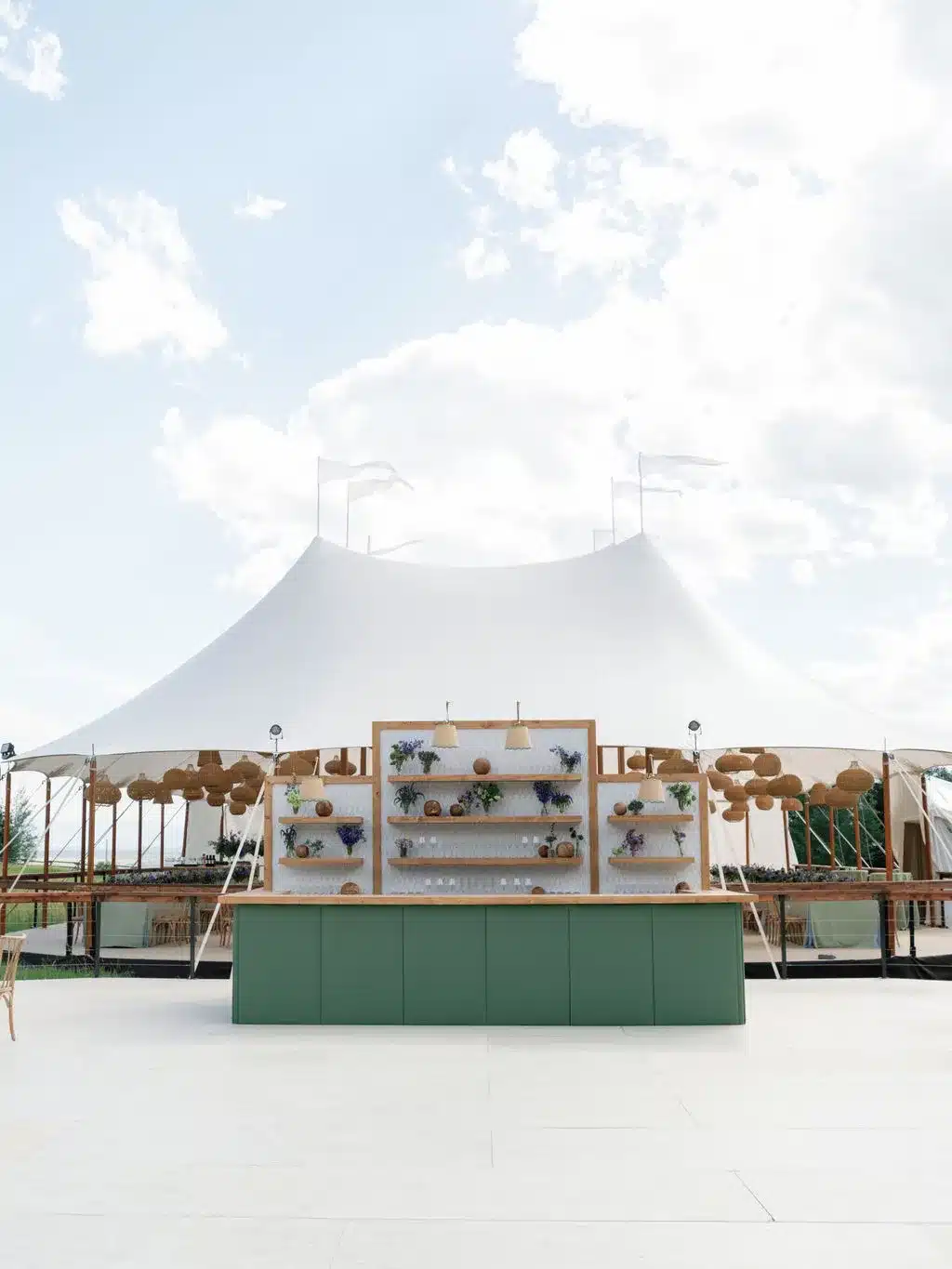
Choosing the right tent affects guest comfort, safety, and event operations. This concise guide gives five practical steps to measure your site, compare tent systems, and finalize a rental checklist so your venue fits the event, whether a wedding, corporate function, or outdoor festival. Selecting the appropriate tent not only enhances the visual appeal of your event but also ensures that logistical challenges are minimized, creating a seamless experience for both hosts and guests. Understanding the nuances of tent sizing, layout, and accessory options can significantly impact the overall success of your event.
How Do You Accurately Measure Your Event Space for Tent Planning?
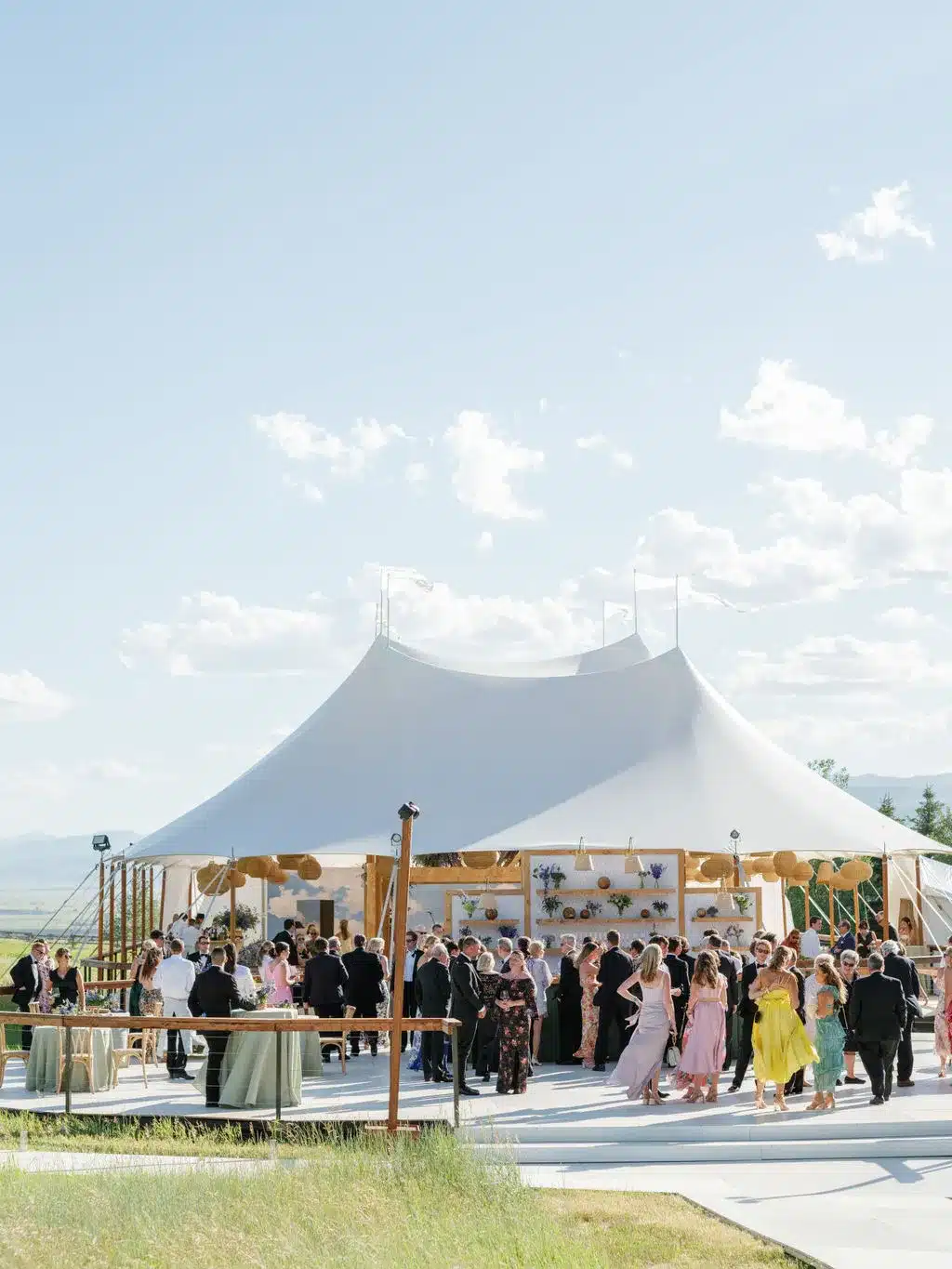
Accurate measurements are essential. Use appropriate tools, mark boundaries, and calculate the tent footprint plus service zones so the tent fits the site and supports guest circulation. Taking the time to thoroughly assess the space allows you to anticipate potential obstacles and optimize the placement of the tent to maximize usability. Consider environmental factors such as sunlight direction, prevailing winds, and proximity to amenities, which can influence the tent’s orientation and setup.
What Are the Key Dimensions to Consider for Tent Placement?
When measuring, cover these essentials:
- Guest Count: Estimate attendees to size the footprint.
- Event Layout: Account for seating, stages, and service areas.
- Site Conditions: Note terrain, obstacles, and access constraints.
These inputs form the site plan and guide placement choices. It is also important to factor in emergency access routes and any local regulations that may dictate tent positioning. Mapping out these dimensions on a scaled drawing can help visualize the space and identify any potential conflicts before the setup begins.
How Does Guest Count Influence Tent Size Requirements?
Guest count drives tent size. Use common allocation rules of about 10–12 sq ft per person for seated events and 5–6 sq ft for standing receptions to set a minimum footprint. Remember that tent style affects usable area and circulation efficiency. For example, tents with center poles may reduce usable space, requiring a larger overall footprint to accommodate the same number of guests comfortably. Planning for additional space beyond the minimum requirements can improve guest comfort and allow for features such as dance floors, buffet stations, or lounge areas.
Which Tent Types Are Best Suited for Different Outdoor Event Sizes?
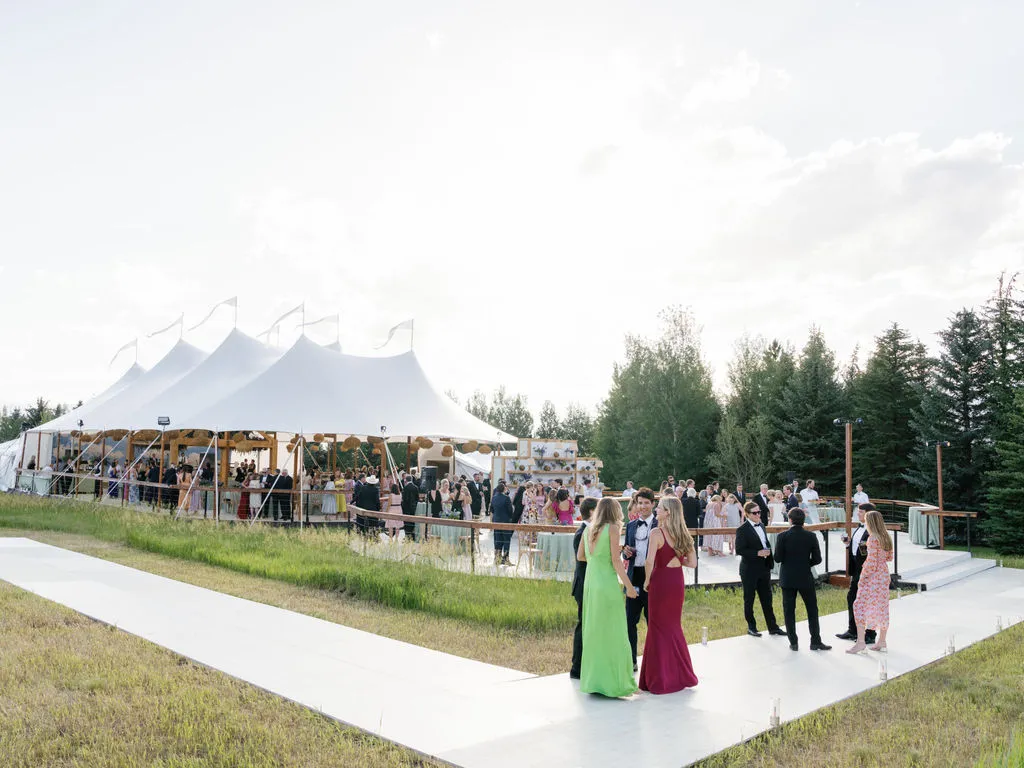
Match tent type to capacity, aesthetics, and site limits. Each structural system differs in load capacity, anchoring, and clear-span capability; review options to choose the best fit for your event size. Understanding the strengths and limitations of each tent type helps in selecting a structure that not only fits the physical space but also complements the event’s theme and functional needs. Consider how weather conditions and duration of the event might influence the choice of materials and design.
What Are the Features of Popular Tent Structures for Events?
Use these traits to align aesthetics and function when selecting a system. For instance, clear span tents are ideal for events requiring large open spaces without obstructions, while pole tents offer a classic ambiance but need careful planning around poles. Frame tents provide flexibility in shape and size, making them suitable for a variety of event types. Sailcloth tents add a sophisticated touch with their unique fabric and lighting effects, perfect for upscale occasions.
How Do Tent Types Affect Layout and Guest Experience?
Structure influences interior layout and traffic. Frame and clear-span tents offer unobstructed space for flexible seating and clear sightlines. Pole tents need planning around center/perimeter poles, which alters table geometry and circulation. Pick a structure that supports your planned layout to reduce constraints and improve the guest experience. The choice of tent type can also impact acoustics, lighting options, and climate control, all of which contribute to the overall atmosphere and comfort of the event. Thoughtful selection ensures that guests can move freely and enjoy the event without feeling cramped or restricted.
What Are Essential Tips for Effective Event Tent Layout Planning?
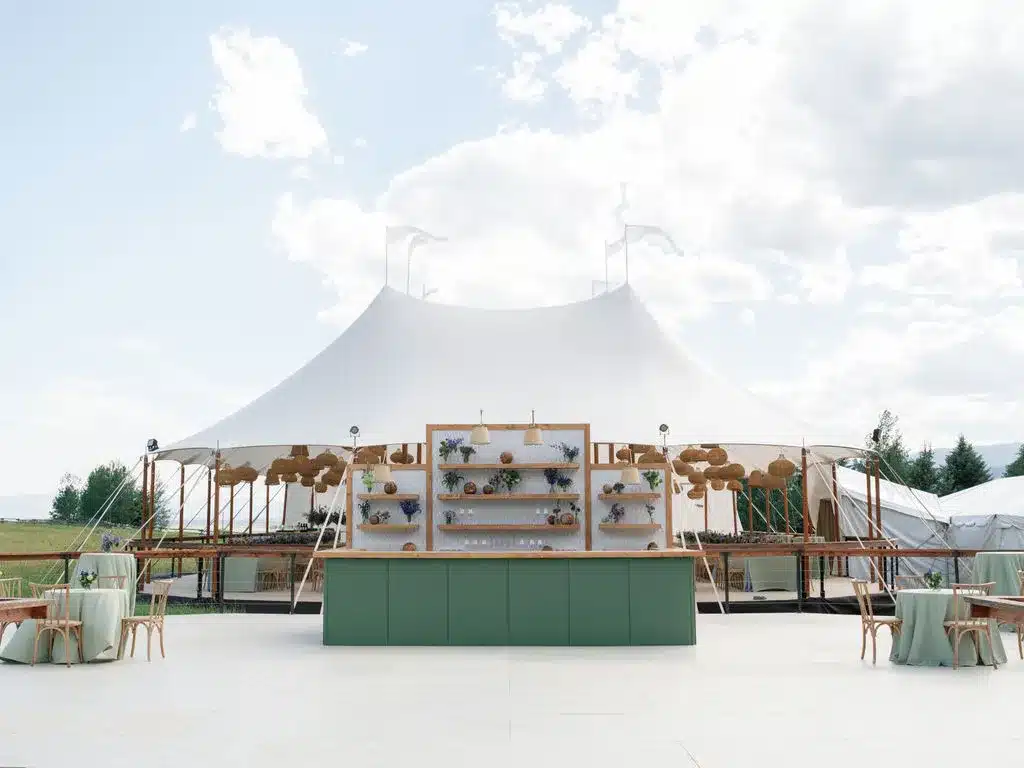
Good layout maximizes usable area and keeps circulation efficient. Consider relationships among service zones, seating, and access to create a functional flow. Planning the layout with attention to detail helps avoid congestion and ensures that all event components work harmoniously. Incorporate flexibility in the design to accommodate last-minute changes or unexpected needs. Taking into account the flow of guests, staff, and supplies can prevent operational hiccups during the event.
- Maximize Space: Arrange furniture and stations to use the tent footprint efficiently.
- Account for Tent Shape: Place tables and stages in ways that suit the tent’s geometry.
- Consider Power Sources: Plan outlet locations for lighting and equipment access.
These steps help produce a practical, orderly environment that supports operations. Including clear signage and designated zones for different activities can further enhance the guest experience and ease navigation within the tent. Planning for adequate spacing between tables and pathways also contributes to comfort and safety.
How to Optimize Tent Layout for Guest Flow and Site Logistics?
To improve guest flow, adopt these strategies:
- Design an Effective Floor Plan: Create clear pathways between areas.
- Strategic Placement of Furniture: Position tables and seating to encourage interaction while keeping routes open.
- Create Smooth Traffic Flow: Ensure entrances and exits are clear to avoid bottlenecks.
Applying these strategies enhances accessibility, circulation, and comfort. Consider the placement of service areas such as bars, food stations, and restrooms to minimize cross-traffic and maintain a steady flow. Incorporating multiple entry and exit points can also reduce crowding and improve emergency egress. Testing the layout with a mock setup or digital simulation can identify potential issues before the event day.
What Role Do Lighting and Flooring Systems Play in Tent Layout?
Lighting sets ambience and defines zones; flooring provides support, slip resistance, and a finished look. Coordinate lighting and flooring choices with layout needs and load requirements. Thoughtful lighting design can highlight focal points such as stages or dining areas, while appropriate flooring enhances safety and comfort, especially on uneven or soft ground. Consider the integration of power sources and wiring to avoid hazards and maintain aesthetics.
- Lighting for Ambiance: Use softer fixtures for mood areas and brighter lights where tasks occur.
- Flooring for Stability and Aesthetics: Choose flooring that fits the surface and theme while ensuring safety.
Well-integrated lighting and flooring improve presentation and operations. Incorporating adjustable lighting options allows for changes in mood throughout the event, from bright and energetic to soft and intimate. Flooring materials should be selected based on the expected foot traffic, weather conditions, and the type of event to ensure durability and ease of maintenance.
How Can You Finalize Tent Selection with a Rental Checklist and Expert Consultation?
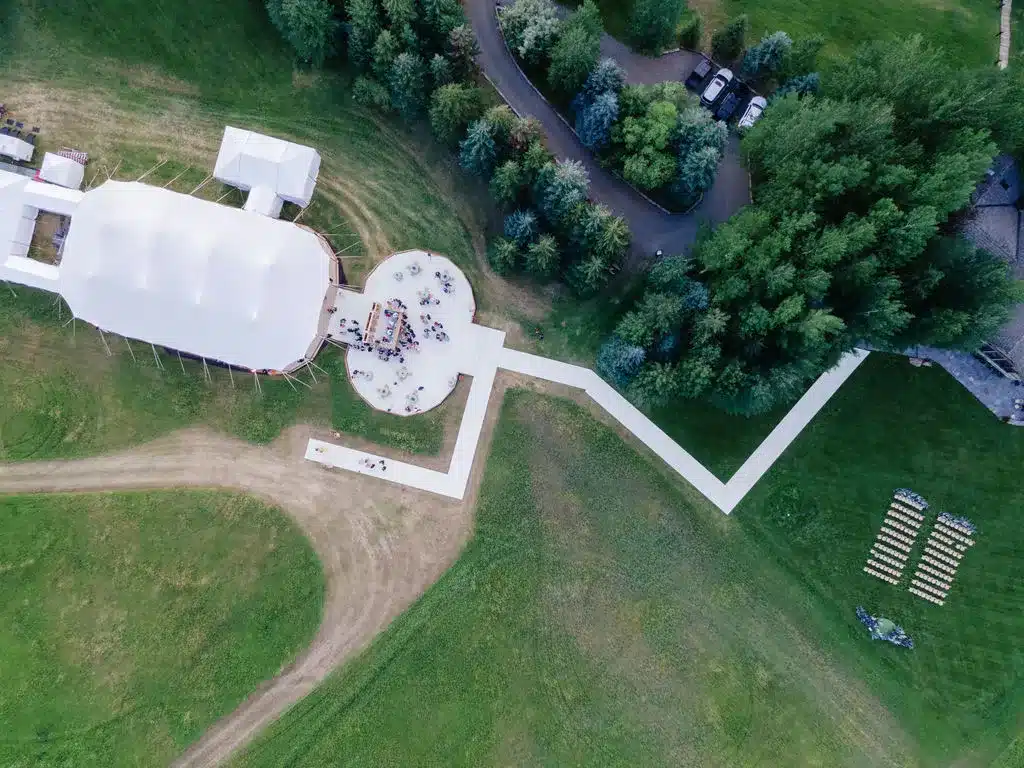
Finalize selection by collecting site data and consulting qualified professionals. A checklist plus expert review reduces risk and ensures the correct tent system and services are procured. Engaging with experienced rental companies early in the planning process can provide valuable insights and help avoid costly mistakes. A comprehensive checklist serves as a roadmap to track all necessary components and deadlines, ensuring nothing is overlooked.
What Items Should Be Included in a Tent Rental Checklist for Parties?
A practical checklist should include:
- Tent Selection Criteria: Size, type, and style required.
- Accessories Needed: Lighting, flooring, sidewalls, and other essentials.
- Site Planning Considerations: Access, power, slope, and local restrictions.
This checklist keeps planning organized and reduces oversights. Additional items to consider include delivery and setup timelines, insurance requirements, and contingency plans for adverse weather. Confirming these details in advance helps streamline communication with vendors and ensures a smooth execution on the event day.
How Does Professional Consultation Enhance Tent Choice and Event Success?
Experienced rental specialists and consultants validate load assumptions, identify site constraints, and suggest practical options before procurement. Their expertise can help tailor solutions that fit unique site conditions and event goals, often providing creative ideas that improve functionality and aesthetics. Professionals can also assist with compliance issues, ensuring that all safety and regulatory standards are met.
- Expert Advice on Tent Selection: Recommendations tailored to your event needs.
- Site Assessments for Optimal Placement: On-site evaluation to determine best placement and anchoring.
- Customization Options for Events: Suggestions for layouts and finishes that match your theme.
Professional input increases the chance of a smooth, successful event. Their involvement can also reduce stress for event planners by handling technical details and coordinating logistics, allowing you to focus on other aspects of your event.
Frequently Asked Questions
What factors should I consider when choosing a tent for different weather conditions?
Choose tents rated for wind, waterproofing, and thermal performance. Use weather-resistant fabrics, check seam/coating specs, and verify manufacturer ratings. Provide ventilation or cooling in heat and heating or insulation in cold conditions. Planning for weather contingencies such as rain or strong sun is crucial to maintain guest comfort and protect equipment. Consider adding sidewalls, heaters, fans, or air conditioning units as needed to adapt to changing conditions.
How can I ensure my tent is safe and compliant with local regulations?
Check permits and inspections early. Many jurisdictions require permits over certain sizes. Use approved anchoring, flame-retardant materials, and follow local fire and installation codes; coordinate compliance with your rental provider. Staying informed about local laws and building codes helps avoid fines and delays. Documentation and certification from rental companies can provide assurance that the tent meets all necessary standards.
What are the best practices for setting up a tent on uneven ground?
Survey slopes, obstructions, and drainage first. Use leveling tools, platforms, or shims where needed, and adapt anchoring for soil and slope. Ask your rental company for engineered solutions if conditions exceed normal tolerances. Proper preparation of the ground surface can prevent structural issues and improve safety. In some cases, temporary flooring or decking may be required to create a stable and comfortable surface for guests.
How do I choose the right tent accessories for my event?
Prioritize lighting, flooring, and sidewalls for comfort and function. Specify lighting levels and appropriate flooring for the surface, and include climate-control devices as needed. Confirm compatibility with the tent system through the rental company. Accessories such as heating units, fans, decorative elements, and audiovisual equipment can enhance the event experience. Planning these details early ensures availability and proper integration with the tent structure.
What are the common mistakes to avoid when planning a tent layout?
Avoid underestimating space, neglecting circulation, and ignoring accessibility. Allocate room for seating, services, and clear pathways, and design entrances/exits to prevent congestion. Overlooking these factors can lead to discomfort, safety hazards, and operational challenges. Regularly reviewing the layout with stakeholders and conducting walkthroughs can help identify and correct potential issues.
How can I effectively communicate my tent needs to a rental company?
Provide event type, date, location, guest count, preferred systems, required accessories, budget limits, and logistical details such as power and site access. Clear information enables accurate recommendations. Sharing detailed site plans, photos, and any special requirements helps rental companies tailor their proposals and avoid misunderstandings. Maintaining open communication throughout the planning process fosters a collaborative relationship and successful outcome.
Conclusion
Choosing the right tent supports comfort, efficiency, and the event’s presentation. Use measured site analysis, compare structural options, plan layouts, and compile a detailed checklist. Consult industry professionals to finalize specifications so your tented venue meets its objectives. Thoughtful planning and expert guidance ensure that your event space is not only functional but also inviting and memorable. Investing time in these steps pays off with a smooth setup, satisfied guests, and a successful event overall.
