
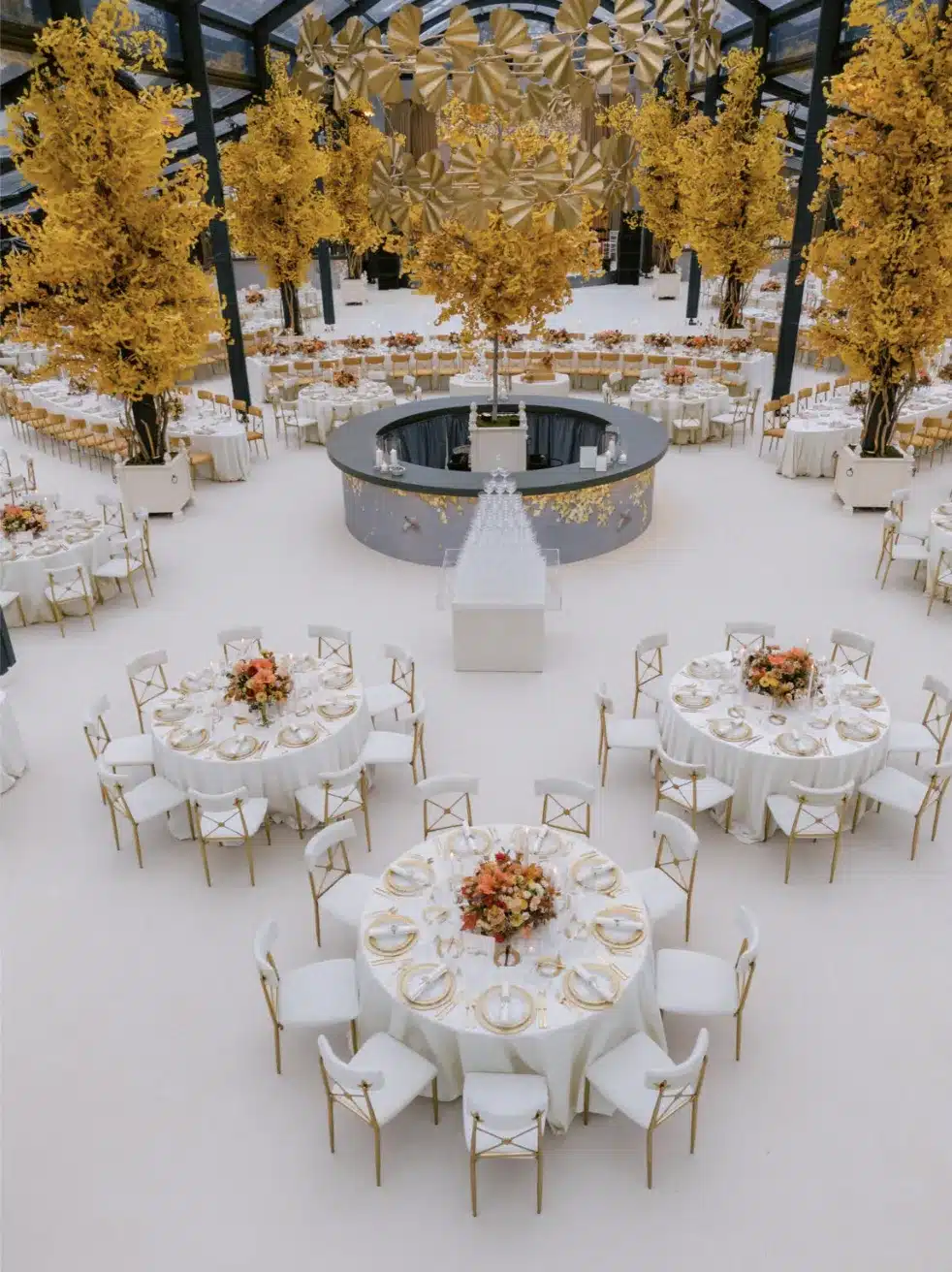
Lighting defines how a tented event is experienced from arrival through the final moment of the evening. In a luxury setting, illumination shapes atmosphere, enhances architectural lines, supports guest flow, and elevates photography. The right lighting plan balances visual impact with safety and technical precision, ensuring the environment feels intentional and cohesive.
This guide explores the most effective lighting options for outdoor event tents, outlines best practices for safe installation, explains how premium tent and flooring rentals support successful lighting design, and details how to begin planning with a professional consultation.
What Are The Best Lighting Options For Outdoor Event Tents?
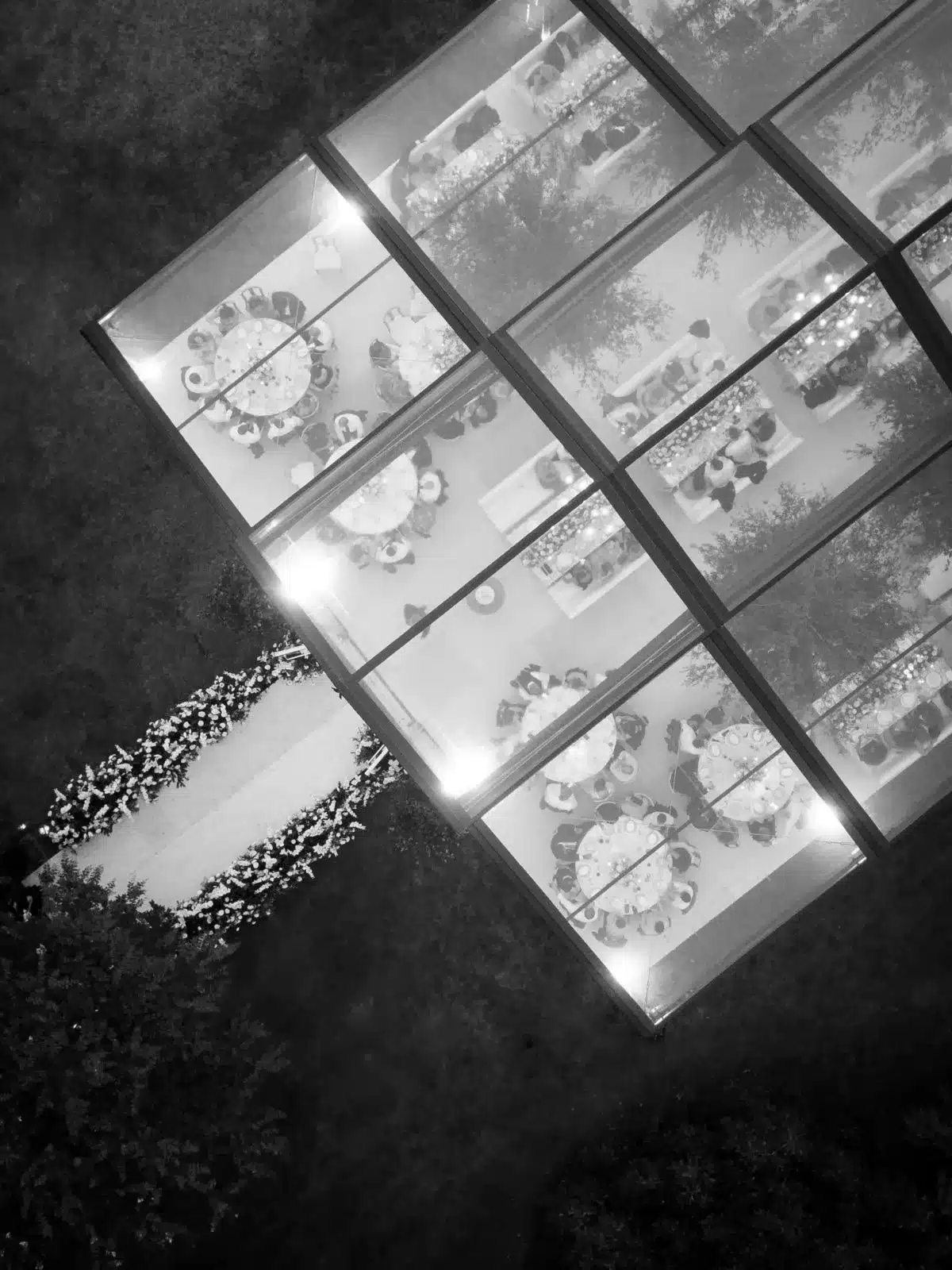
Lighting shapes the tone, functionality, and visual impact of a tented event. A well-designed plan incorporates multiple fixture types to support dining, circulation, focal points, and ambiance. Selecting the right combination depends on the event style, tent structure, ceiling height, and how guests will move through the space.
Thoughtful lighting design balances atmosphere with practicality, ensuring the environment feels refined while remaining fully functional.
Which Types Of Lights Enhance Luxury Tent Ambiance?
Certain fixtures consistently elevate tented environments by adding dimension and architectural emphasis.
- Chandeliers: Chandeliers introduce scale and sophistication, serving as statement pieces above dining tables, dance floors, or lounge areas. They establish a focal point and enhance the perceived permanence of the tent structure.
- String Lighting: String lights create a soft, ambient glow that defines the ceiling plane and adds warmth throughout the space. Suspended across peaks or layered with draping, they contribute to an intimate and inviting atmosphere.
- Uplighting: Uplighting enhances tent walls, drapery, and structural elements by adding depth and controlled color. It creates a polished visual effect and supports branding, floral palettes, or thematic design elements.
When layered intentionally, these fixtures create a cohesive and memorable lighting experience.
How Do LED Lights Compare To Traditional Tent Lighting?
LED lighting has become the preferred standard for modern tent installations due to its performance and adaptability.
- Energy Efficiency: LED fixtures require significantly less power than traditional incandescent options, reducing strain on generators and simplifying power distribution planning.
- Operational Reliability: With longer operational life and consistent output, LEDs minimize maintenance interruptions during extended events.
- Design Flexibility: LED systems allow precise control over brightness and color temperature, supporting everything from warm, classic tones to dynamic color transitions.
These qualities make LED lighting an effective and versatile solution for luxury outdoor tent environments.
How A Layered Lighting Plan Transforms A Tented Event
A refined tented event relies on more than a single light source. Layered lighting introduces depth, balance, and dimension, allowing the space to feel intentional rather than flat or overly bright. By combining multiple lighting types, planners create an environment that supports both design and function.
Ambient Lighting Establishes The Foundation
Ambient lighting provides the overall glow within the tent. Chandeliers, overhead washes, or suspended string lights create consistent illumination that defines the tone of the event. Properly calibrated ambient light ensures guests feel comfortable while preserving warmth and elegance.
Task Lighting Supports Functionality
Task lighting focuses on areas where clarity is essential, such as dining tables, bars, buffet stations, and stages. This layer enhances visibility for guests and service teams while remaining discreet within the overall design. Balanced task lighting allows the event to operate smoothly without distracting from the aesthetic.
Accent Lighting Adds Depth And Emphasis
Accent lighting highlights architectural elements, drapery, floral installations, or branded features. Uplighting and pin spots introduce contrast and dimension, preventing the tent interior from feeling visually uniform. When layered over ambient and task lighting, accent elements create a dynamic and immersive environment.
Together, these layers produce a cohesive lighting plan that enhances atmosphere, supports functionality, and elevates the overall guest experience.
Day-To-Night Lighting Transitions For Outdoor Tents
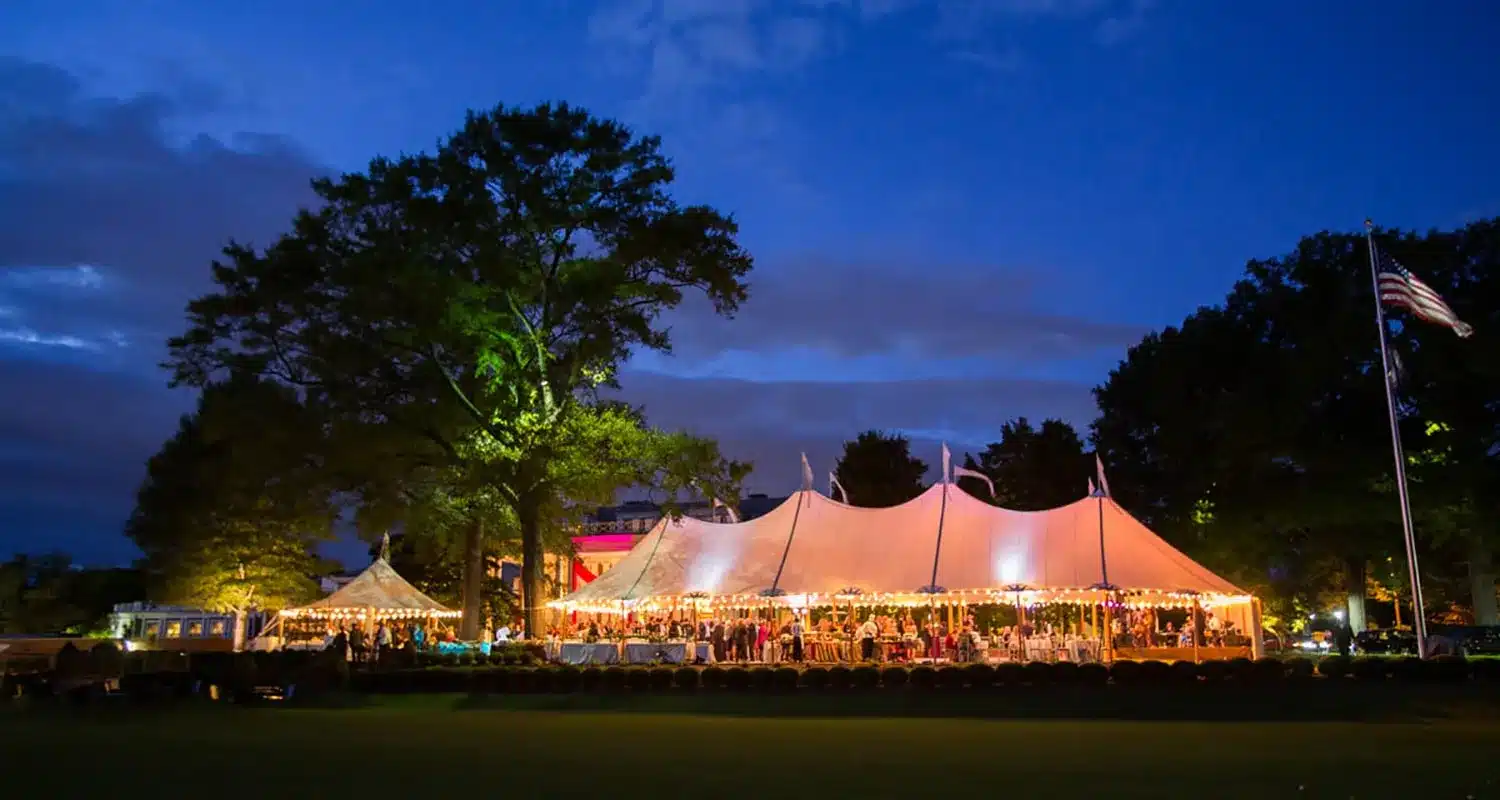
Outdoor tented events evolve as natural light shifts throughout the day. A strategic lighting plan anticipates this change, ensuring the environment remains visually balanced from afternoon arrival through evening celebration.
Adjusting As Natural Light Fades
During daylight hours, lighting supports visibility without overpowering natural illumination. As sunset approaches, artificial lighting gradually increases in intensity to maintain clarity and warmth. This measured transition prevents sudden shifts and preserves a polished ambiance.
Supporting Event Phases With Lighting Cues
Weddings and corporate events often move through multiple stages, including welcome reception, dinner, and dancing. Programmable lighting systems allow smooth adjustments in brightness and color temperature to align with each phase. Subtle tonal shifts can transition the atmosphere from relaxed dining to energetic celebration.
Enhancing Evening Visual Impact
Evening lighting defines the final impression of the event. Warm tones flatter guests and décor, while accent lighting draws attention to focal points such as dance floors or statement installations. Thoughtful calibration ensures photographs and videography capture the space accurately and beautifully.
A well-executed day-to-night transition keeps the tent feeling cohesive and intentionally designed at every stage.
How Lighting Influences Event Flow And Atmosphere
Lighting shapes how guests move through a tent and how they perceive the space. Strategic placement directs attention, defines zones, and subtly guides behavior without physical barriers.
Defining Zones Within An Open Tent
In an open tent structure, lighting distinguishes dining areas, lounge spaces, bars, and dance floors. Brighter focal lighting naturally attracts attention, while softer illumination signals relaxed gathering zones. This visual hierarchy helps guests navigate comfortably.
Creating Focal Points And Energy Centers
Statement fixtures above key areas establish visual anchors that organize the space. A chandelier above a dance floor or concentrated uplighting behind a stage draws guests toward those areas and reinforces the event’s central moments.
Shaping Mood And Energy Levels
Color temperature and intensity influence how guests feel within the environment. Warm lighting fosters intimacy and conversation, while higher-intensity or color-enhanced lighting supports energetic phases of the event. Adjusting these elements allows planners to guide atmosphere organically throughout the evening.
Through intentional design and precise execution, lighting becomes an architectural tool that enhances both movement and mood within a tented event.
What Luxury Tent And Flooring Rental Services Support Effective Lighting?
Lighting performs best when it is planned alongside the tent structure and flooring system. High-quality tents provide the structural integrity and rigging capability required for suspended fixtures, while well-designed flooring supports safe cable routing and guest circulation. Partnering with a rental provider that understands lighting integration ensures placement, power distribution, and structural considerations are addressed from the outset.
How Do Premium Tent Rentals Facilitate Optimal Lighting Setups?
Premium tent systems are designed to accommodate lighting safely and effectively. Clear-top tents enhance natural daylight and allow artificial lighting to take prominence as evening approaches. Engineered frames provide secure attachment points for chandeliers and overhead installations, while coordinated crews manage power distribution and fixture placement to maintain both visual balance and structural safety.
Early coordination between tent and lighting teams results in a cohesive installation that looks intentional and performs reliably.
What Flooring Options Complement Outdoor Tent Lighting Solutions?
Flooring contributes to both the aesthetic and technical success of a lighting plan. A stable, level surface improves safety, enhances reflections, and protects electrical components.
- Hardwood Flooring: Hardwood surfaces provide a polished finish that reflects warm ambient lighting beautifully, enhancing the overall glow of the tent interior.
- Vinyl Flooring: Vinyl offers durability and ease of maintenance in high-traffic environments. Its clean surface supports a modern aesthetic and withstands outdoor conditions effectively.
- Raised Platforms: Subfloor or platform systems create level surfaces on uneven terrain and allow for organized cable management beneath the floor. This improves sightlines while keeping wiring protected and discreet.
When tent structure, flooring, and lighting are coordinated, the result is a safe and visually cohesive environment.
How To Schedule A Consultation For Tent Lighting Services
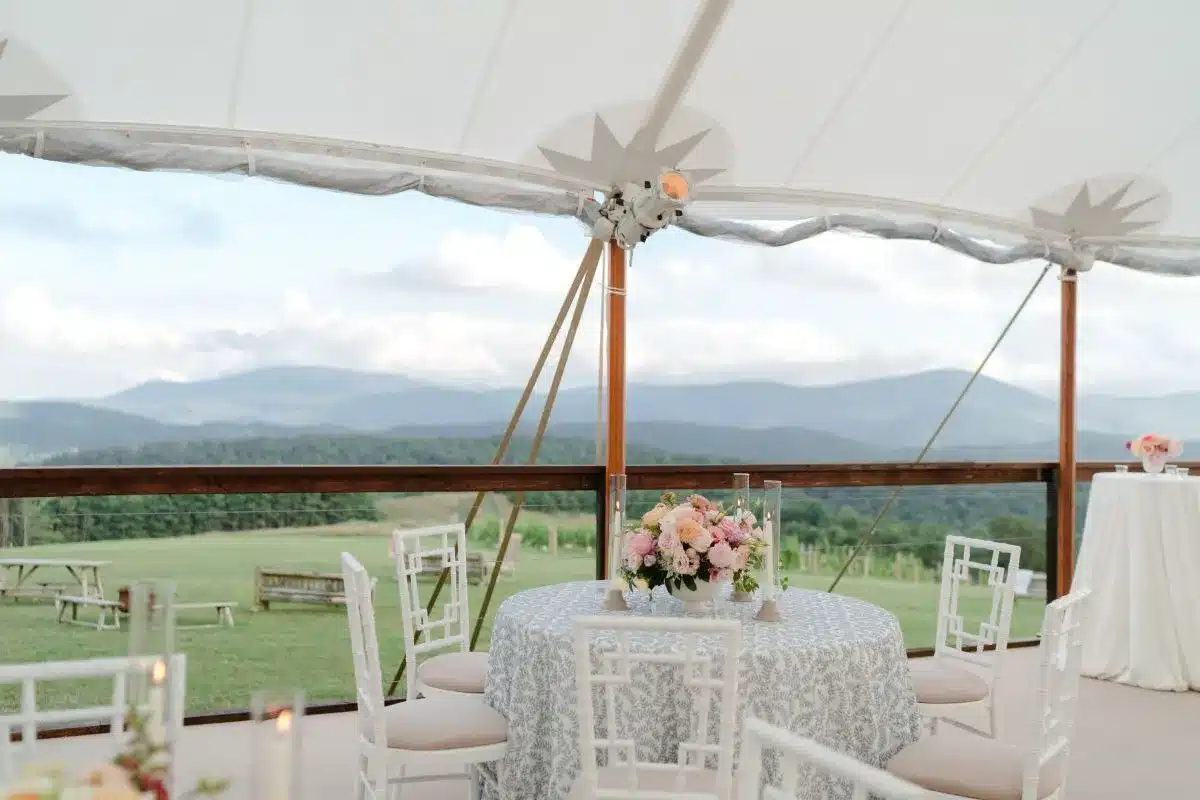
Engaging a lighting specialist early in the planning process helps align design goals with structural and technical requirements. A structured consultation ensures accurate planning and efficient execution.
What Is The Process For Booking A Private Lighting Consultation?
Preparing key details in advance allows for a focused and productive discussion.
- Provide Event Information Share your event date, venue location, estimated guest count, and any layout sketches or inspiration images.
- Schedule A Consultation Contact the team by phone or email to arrange a site visit or virtual planning session.
- Discuss Vision And Technical Needs Outline your aesthetic direction, desired lighting effects, and any timeline considerations so the plan reflects both design and logistics.
Thoughtful preparation enables a precise and practical lighting strategy.
How To Obtain An Accurate Lighting Proposal
Accurate proposals depend on clear information and site awareness.
- Confirm Tent And Layout Details Provide tent dimensions, ceiling height, and anticipated layout to determine fixture quantity and placement.
- Review Power Access Discuss available electrical sources or generator requirements to ensure appropriate distribution planning.
- Clarify Customization Requirements Identify preferences for color temperature, dimming capabilities, or scene programming so the lighting plan aligns with your event flow.
With these details, a comprehensive proposal can be developed that reflects the scope and complexity of your tented event.
Frequently Asked Questions
What Are The Benefits Of Using Solar-Powered Lights For Outdoor Tents?
Solar-powered lighting can be effective for remote venues where access to traditional power sources is limited. These fixtures reduce generator demand and minimize visible wiring, contributing to a cleaner installation. Performance depends on sunlight exposure and battery capacity, so supplemental power planning may be necessary for extended evening events.
How Can I Create Different Lighting Moods Within The Same Tent?
Creating distinct moods requires layered lighting and zoned control. Warm string lighting works well over dining areas, focused pendants or spot lighting support bars and service stations, and uplighting or color washes energize dance floors. Dimming systems and programmable scenes allow seamless transitions throughout the event without changing fixtures.
What Are Best Practices For Maintaining Tent Lighting During An Event?
All fixtures and connections should be tested before guest arrival. Assigning a technician or designated staff member to monitor lighting ensures prompt response to adjustments or technical concerns. Keeping spare components and tools on-site helps maintain uninterrupted performance.
Can Smart Lighting Systems Be Used In Outdoor Tents?
Smart lighting solutions provide remote control over brightness, color temperature, and programmed scenes. These systems can enhance flexibility and timing precision when properly configured. Reliable connectivity and weather-rated equipment are essential for consistent outdoor performance.
How Should I Select Lighting Colors For My Event Theme?
Color temperature influences atmosphere and guest perception. Warm tones between 2700K and 3000K create an inviting and flattering environment, while cooler tones support modern or dramatic aesthetics. Accent colors should complement décor and architectural elements without overwhelming the space.
How Can Lighting Be Integrated Into Tent Décor?
Lighting can function as both a design element and a practical feature. Suspended lanterns or illuminated centerpieces enhance visual interest, string lighting defines the ceiling plane, and uplighting highlights drapery or floral installations. Pathway lighting and subtle floor accents improve visibility while reinforcing the overall aesthetic.
Conclusion
Strategic lighting transforms a tented structure into a fully realized event environment. By selecting appropriate fixtures, prioritizing safe installation, and coordinating lighting with tent and flooring systems, planners create an atmosphere that supports both beauty and function. Working with an experienced tent lighting partner ensures every detail is thoughtfully executed, resulting in a refined and memorable experience from arrival through the final moment of the evening.
