
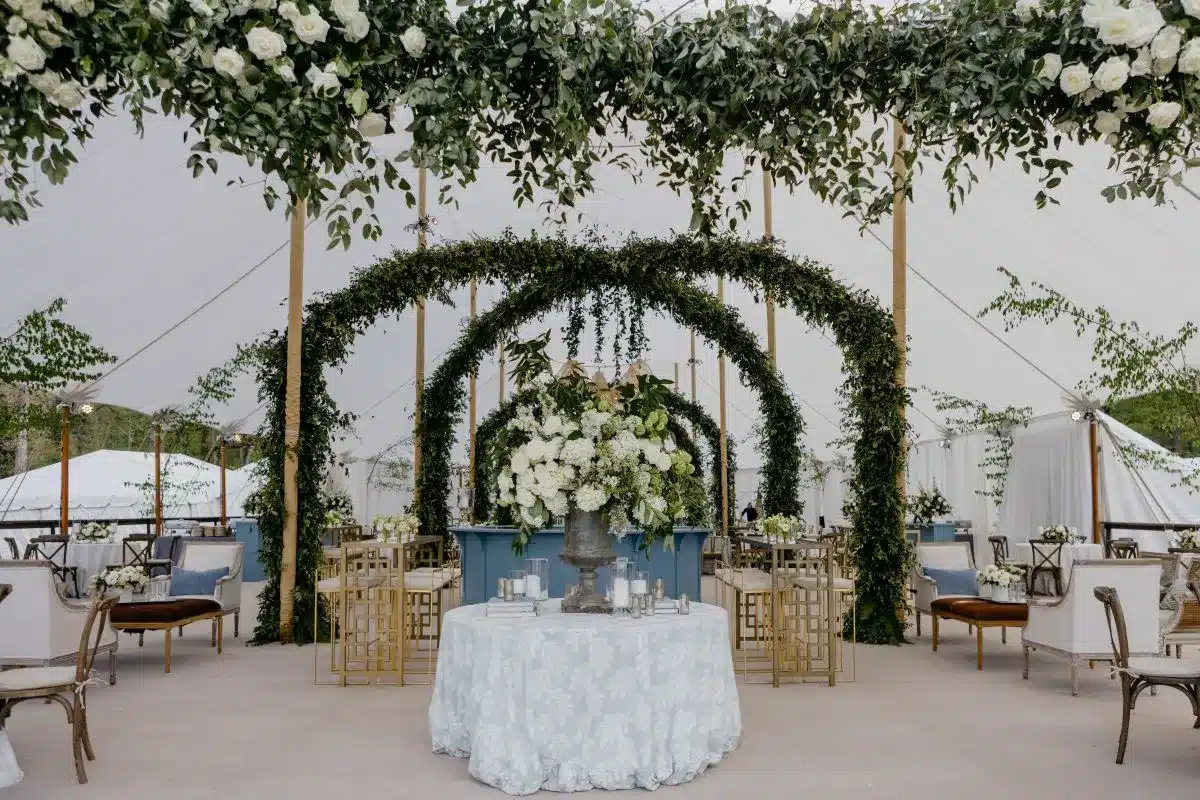
A backyard tent transforms a familiar outdoor space into a refined, functional event setting. With the right structure and thoughtful planning, a tent provides comfort, protection from the elements, and a polished environment that feels intentional rather than improvised.
From selecting the appropriate tent style to preparing the site and designing the interior, every decision contributes to how smoothly the event unfolds. This guide outlines the key considerations for creating a backyard tent setup that feels secure, comfortable, and visually elevated.
How Do You Choose the Right Tent for Your Backyard Event?
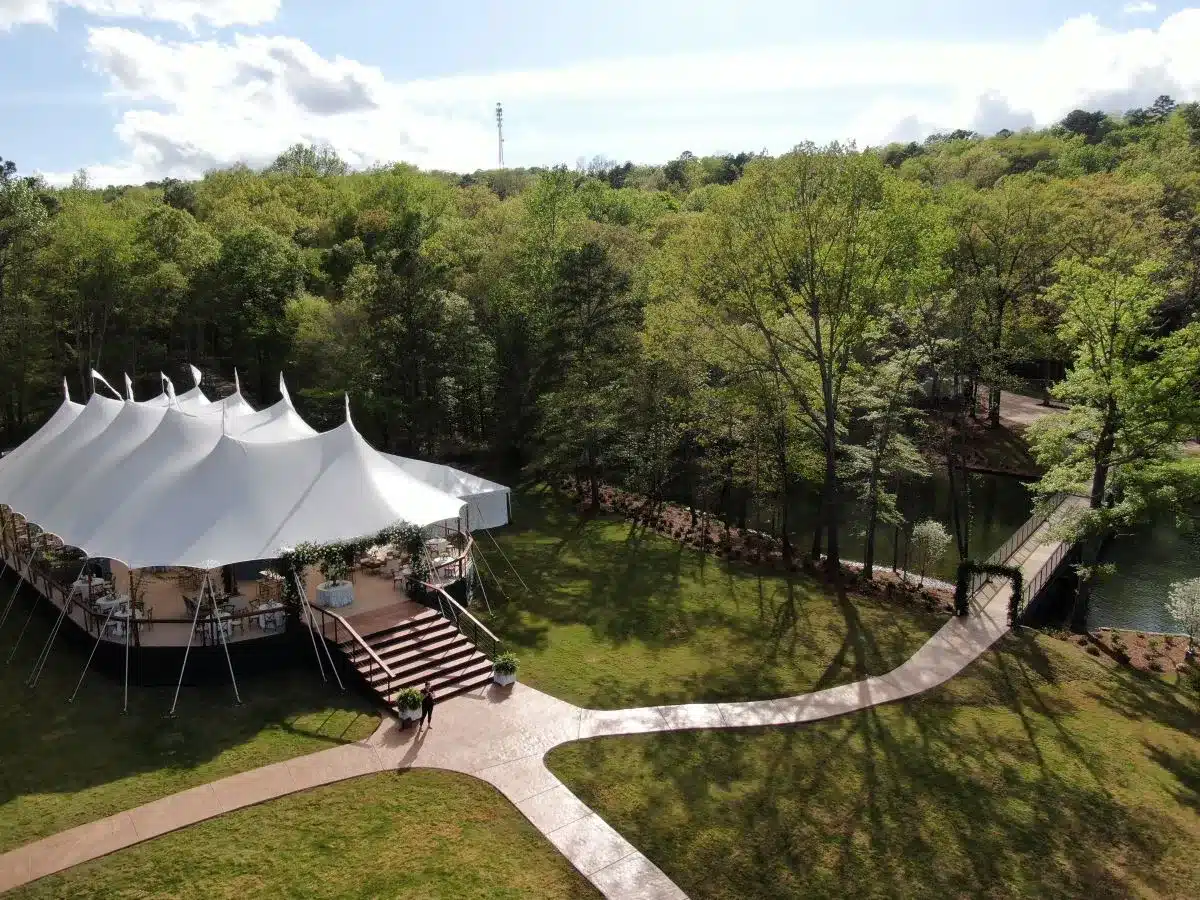
Choosing the right tent begins with understanding how the space will be used. Guest experience, event flow, and environmental conditions all influence which structure will work best.
A well-chosen tent supports both function and atmosphere. It should feel proportionate to the gathering, complement the setting, and provide the coverage needed for a seamless event experience.
What Tent Types Are Best Suited for Backyard Gatherings?
Different tent styles offer different advantages, depending on the setting and event vision.
- Sailcloth Tents
Sailcloth tents feature soft peaks and translucent fabric that allows natural light to filter through. They create an open, elegant atmosphere that works well in residential landscapes. - Engineered Structure Tents
Engineered structures provide enhanced stability and design flexibility. These tents are well suited for larger backyard events or situations where environmental conditions require additional support. - Frame Tents
Frame tents do not require center poles, allowing for open interior layouts. Their versatility makes them a practical option for smaller gatherings or spaces with layout constraints.
Selecting the right style ensures the tent enhances the environment rather than overpowering it
How Does Tent Size and Layout Affect the Event Experience?
Tent size is about more than accommodating guests. The structure must allow room for circulation, furnishings, and key event elements without feeling crowded.
A professional layout considers how guests will move through the space, where focal points are located, and how different areas connect. This planning creates a comfortable flow and supports a relaxed guest experience.
What Are the Key Steps for Backyard Site Selection and Preparation?
Proper site preparation lays the groundwork for a successful installation. A clear, well-evaluated area allows the tent to be installed securely and efficiently.
Early planning helps identify potential challenges such as slope, access points, or nearby landscaping, allowing solutions to be addressed before event day.
How Are Ground Conditions and Utilities Evaluated?
Ground conditions influence anchoring methods and overall stability. Soil type, firmness, and surface material are all considered during site evaluation.
It is also important to identify underground utilities before installation. Confirming utility locations protects the property and ensures anchoring methods are selected safely and appropriately.
How Is Tent Space Measured and Laid Out?
Accurate measurements ensure the tent fits comfortably within the space while allowing room for walkways and design elements.
Marking the footprint in advance helps visualize placement and supports a smooth installation process. A well-planned layout reduces adjustments and keeps timelines on track.
How Is a Backyard Tent Secured and Anchored?

Anchoring is a critical component of tent installation. The method used depends on the surface, surrounding conditions, and tent structure.
Professional anchoring ensures the tent remains stable and secure throughout the event, even as conditions change.
What Anchoring Methods Are Used for Different Surfaces?
Grass and soil surfaces typically allow for driven anchors designed to hold firmly below ground. Hard surfaces require weighted ballast systems that provide stability without penetration.
Matching the anchoring method to the surface ensures the tent performs as intended and maintains a clean, polished appearance.
How Are Wind and Environmental Factors Addressed?
Additional support systems may be incorporated to enhance stability. These elements are planned as part of the overall installation strategy, not added as an afterthought.
A well-designed anchoring approach prioritizes safety while maintaining the visual integrity of the tent.
Common Backyard Challenges and How Professional Planning Solves Them
Backyard events offer a personal, intimate setting, but they also present unique challenges that require thoughtful planning. Unlike traditional venues, residential spaces vary widely in layout, access, and infrastructure, making professional oversight essential.
Working Around Landscaping, Trees, and Uneven Terrain
Backyards often include established landscaping, slopes, or natural features that cannot be altered. These elements influence tent placement, anchoring methods, and layout options.
A professional tent team evaluates these conditions during a site assessment, designing a solution that respects the property while maintaining stability and visual balance.
Managing Limited Access and Tight Installation Areas
Residential properties may have narrow gates, driveways, or limited access points. These constraints affect delivery, installation sequencing, and crew movement.
Experienced teams plan around these limitations in advance, ensuring installation proceeds efficiently without disrupting the property or surrounding areas.
Respecting Property Boundaries and Neighboring Spaces
Backyard events require sensitivity to neighboring homes and shared boundaries. Noise considerations, access routes, and placement of entrances and exits all play a role.
Thoughtful planning helps contain the event within the intended space while preserving privacy and minimizing disruption.
How Tent Design Enhances the Guest Experience at Backyard Events
Tent design directly influences how guests experience a backyard event. When structure, layout, and finishes are planned intentionally, the space feels comfortable, welcoming, and cohesive.
Creating a Memorable Arrival and First Impression
The tent often serves as the visual focal point upon arrival. Its placement, scale, and entry design shape guests’ first impressions and set the tone for the event.
A well-positioned tent creates a clear sense of arrival, guiding guests naturally into the space and establishing an inviting atmosphere.
Supporting Natural Movement and Comfortable Gathering
Backyard spaces benefit from thoughtful circulation planning. Clear pathways and defined zones help guests move easily between seating, social, and activity areas.
When movement feels intuitive, the event flows smoothly and guests can engage without congestion or confusion.
Balancing Comfort With a Refined Atmosphere
Comfort is essential, especially in outdoor residential settings. Proper ventilation, climate planning, and lighting ensure guests remain at ease throughout the event.
At the same time, design choices maintain a polished aesthetic, allowing the tent to feel elevated without overpowering the setting.
What Working With a Professional Tent Company Provides

Partnering with a professional tent company brings structure, expertise, and confidence to backyard event planning. This level of support ensures every detail is addressed with care and precision.
Design Guidance Tailored to Your Property
Professional teams assess each property individually, considering scale, surroundings, and layout before recommending a tent solution.
This tailored approach results in a design that feels natural within the space while supporting the event’s overall vision.
On-Site Expertise From Planning Through Breakdown
A full-service tent partner remains involved throughout the process. From early planning conversations to final breakdown, their oversight ensures consistency and reliability.
This hands-on presence allows for clear communication and thoughtful adjustments as needed.
Seamless Coordination and Dependable Execution
Professional tent companies coordinate closely with planners, venues, and other vendors to keep timelines aligned and logistics organized.
This coordination reduces stress for hosts and supports a smooth, well-executed event from start to finish.
How Can You Enhance Comfort and Safety Inside Your Backyard Tent?
Plan lighting, flooring, and climate control to match your guest list and season to make the tent inviting and functional.
What Interior Design Elements Improve Lighting, Flooring, and Climate Control?
Simple, effective upgrades:
- Lighting: String lights, lanterns, or dimmable fixtures for atmosphere and visibility.
- Flooring: Temporary options (carpet runners, interlocking tiles, or wood panels) level the surface and ease movement.
- Climate Control: Fans or passive ventilation for heat; electric or radiant heaters for cool weather.
Thoughtful layout and features increase guest comfort and the tent’s usefulness.
Careful planning of tent layout and features improves both function and guest comfort at outdoor events.
What Safety Guidelines and Permits Should You Follow for Backyard Tent Events?
Follow local rules and best practices from the start. Keep fire extinguishers accessible, use flame-retardant materials when required, and plan clear exit routes for emergency access.
- Check Local Rules: Confirm permit requirements early, particularly for larger or public events.
- Fire Safety: Use approved materials and keep extinguishers nearby.
- Emergency Access: Mark exits and maintain clear paths for quick egress.
Adhering to codes and guidance reduces risk and keeps the event lawful and safe.
Practical how-to resources and local codes offer helpful, detailed guidance for safe backyard tent setups.
The right tent delivers clear benefits:
- Looks Matter: A fitting tent elevates your event’s appearance.
- Weather Protection: Tents shield guests from sun and light rain.
- Flexibility: Select styles and sizes to suit the event scale.
Follow these setup essentials and your backyard gathering will be safer and more comfortable. If you prefer professional help, Skyline Tent Company offers rental and installation services from Charlottesville, VA.
Frequently Asked Questions
What should I consider when choosing a location for my tent?
Pick a level spot away from hazards and utility lines, with reasonable access to power and facilities. Consider soil type for anchoring needs.
How can I ensure my tent is safe during inclement weather?
Use a tent rated for wind and rain, anchor appropriately (stakes for turf, weights for pavement), add guy lines where possible, and monitor forecasts. For severe weather, move activities indoors.
What are some creative ways to decorate my tent for an event?
Layer lighting, use coordinated linens and draping, and create functional zones (dining, lounging, dancing) so decor supports both mood and movement.
How do I handle waste management during my backyard event?
Place labeled trash and recycling bins around the site and near exits; for larger events, hire a waste service. Compostable or reusable serveware reduces landfill waste.
What are the benefits of renting a tent versus purchasing one?
Renting offers flexibility in size and style without storage or maintenance. Rental companies often handle delivery, setup, and teardown to save time and reduce risk.
Are there any specific permits required for setting up a tent in my backyard?
Permit rules vary by location and tent size. Small private setups may not need permits, but larger or commercial events often do, check with your local zoning office early.
Conclusion
A backyard tent has the power to transform a familiar space into a thoughtfully designed event environment. When planning is approached with intention, considering site conditions, layout, guest flow, and comfort, the result feels polished, welcoming, and effortless for both hosts and guests.
By understanding the unique challenges of residential settings and working with a team that prioritizes design and execution, hosts can move forward with confidence. A professional tent partner brings clarity to the process, anticipates potential obstacles, and ensures every element supports the overall event experience.
Skyline Tent Company combines custom tent design, hands-on service, and dependable operations to create refined backyard event spaces. From initial site evaluation through installation and breakdown, their team focuses on delivering seamless, elevated environments that allow hosts to enjoy their event while every detail is expertly managed.
