

Planning a backyard event involves more than choosing a date and inviting guests. Residential sites come with unique constraints, limited space, variable ground conditions, local regulations, and exposure to weather, that all influence how well an event will function. Without thoughtful planning, these factors can affect guest comfort, circulation, and overall execution.
This guide outlines the foundational steps for planning a successful outdoor event at home, with a focus on site assessment, tent selection, infrastructure planning, and logistical coordination. From measuring your yard and evaluating layout options to selecting the appropriate tent system, equipment, and permits, we’ll walk through the considerations that help transform a backyard into a reliable, well-organized event environment.
By approaching backyard events with the same level of planning used for larger venues, hosts and planners can avoid common challenges and move forward with confidence. With professional tenting solutions and expert guidance from Skyline Tent Company, even complex residential sites can support polished, comfortable outdoor events that perform smoothly from setup through teardown.
How Do You Begin Planning a Successful Backyard Event?
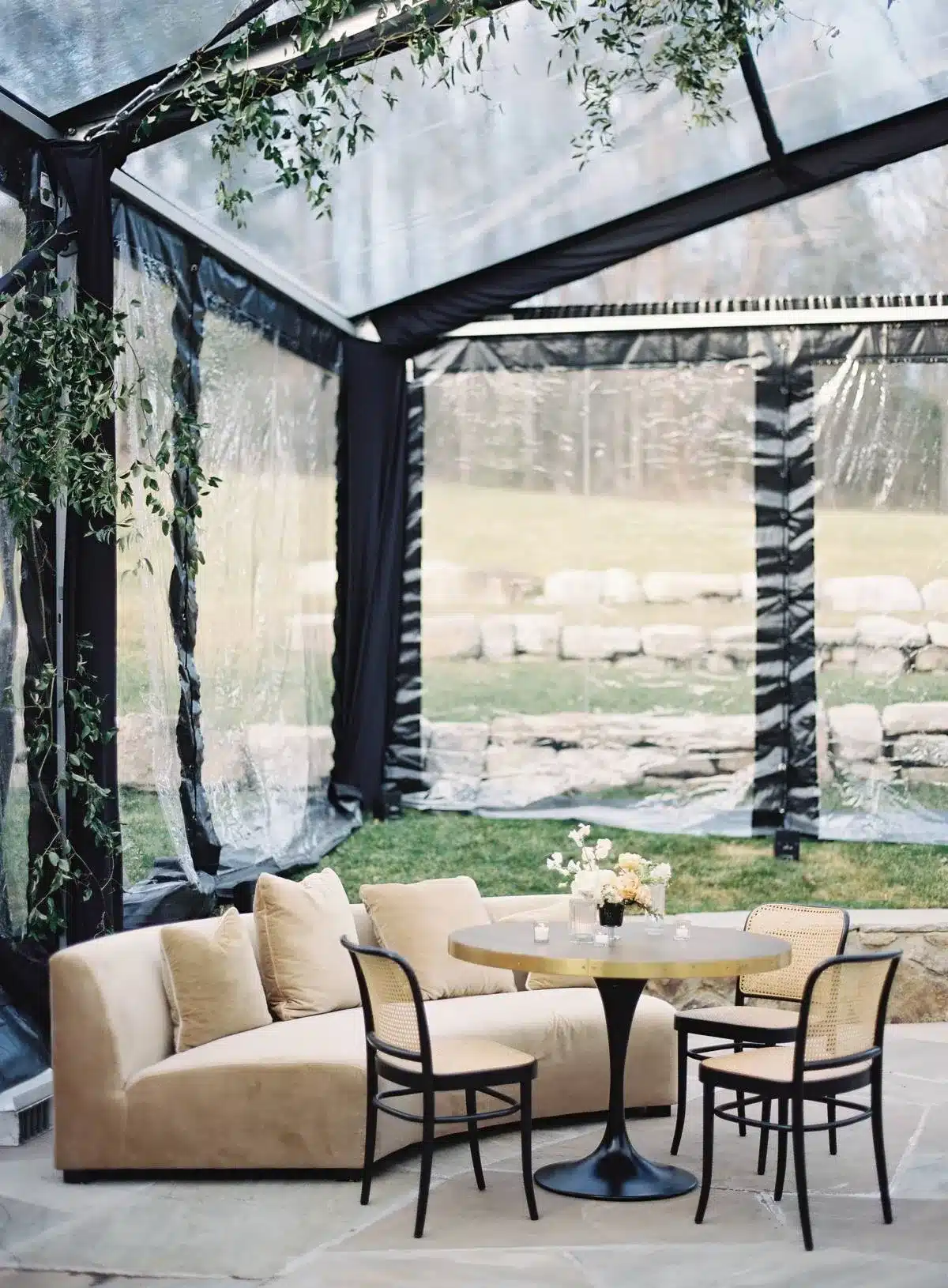
Effective backyard event planning starts with a few foundational decisions that influence every other aspect of the setup. First, define the event format and functional requirements, including expected attendance and how the space will be used. Next, confirm accurate yard measurements and anticipated guest count to determine appropriate tent sizing, circulation paths, and seating capacity. Finally, establish a planning timeline that accounts for layout development, equipment rentals, site evaluation, and any required permits.
Addressing these elements early helps ensure the event environment is designed to function smoothly rather than being adjusted reactively.
What Types of Events Are Well-Suited to Backyard Settings?
Residential outdoor spaces can accommodate a range of event formats, from intimate weddings to milestone celebrations and family gatherings. Selecting the right approach depends on a few key planning factors:
- Guest Count: Influences tent size, layout configuration, and required infrastructure.
- Event Requirements: Determines seating arrangements, service zones, and equipment needs.
- Season and Timing: Affects daylight availability, climate-control requirements, and weather planning.
Balancing these considerations helps align the event format with the capabilities of the site and the level of infrastructure required.
How Should You Assess Your Backyard Space and Guest List?
A clear understanding of site conditions and anticipated attendance is essential for successful planning. Accurate measurements and intentional layout planning help create a space that supports comfort, circulation, and accessibility.
- Layout Planning: Identify zones for seating, service areas, and restrooms to maintain clear movement throughout the space.
- Circulation and Spacing: Allow adequate room between tables and pathways to prevent congestion as guests move through the event.
- Accessibility Considerations: Plan clear, level access routes to accommodate mobility needs, strollers, and service equipment.
A well-developed site plan supports efficient installation, enhances safety, and ensures the event environment functions as intended.
Which Outdoor Tent Rental Options Are Best Suited to Backyard Events?

Selecting the right tent is a foundational decision in backyard event planning. The tent must provide reliable protection from sun and rain while supporting the event layout, guest circulation, and site constraints. Tent selection should be based on guest count, available space, ground conditions, and expected weather exposure, not aesthetics alone.
Professional tent systems range from lighter, open-feel designs to engineered structures built for higher capacity and more demanding conditions. Matching the tent type to the site and functional requirements ensures the event environment performs as intended.
What Are the Key Features and Benefits of Sailcloth Tents and Engineered Structures?
- Sailcloth Tents
Sailcloth tents feature translucent, waterproof fabric and streamlined support structures. Their design allows natural light to filter through the canopy while maintaining protection from the elements. These tents are well-suited for smaller to mid-sized events where site conditions allow and where flexibility and visual openness are priorities. - Engineered Structures
Engineered tent structures are designed for larger guest counts, extended event durations, and more variable weather conditions. With reinforced framing, higher load ratings, and expanded anchoring options, these systems provide increased stability and performance in challenging environments.
Selecting between these options depends on anticipated attendance, site limitations, weather considerations, and overall layout requirements.
How Can an Event Tent Size Calculator Help Determine Tent Requirements?
Tent size calculators provide a helpful starting point for estimating space needs. By entering the expected guest count and selecting a seating or layout configuration, calculators generate recommended tent dimensions that account for circulation and functional areas.
While these tools help remove initial guesswork, final tent sizing should be confirmed through professional planning. Site constraints, equipment needs, service zones, and accessibility requirements can all affect the appropriate tent footprint. Using a calculator alongside expert guidance helps ensure the selected tent supports both comfort and functionality without overcrowding.
What Essential Equipment and Services Support a Well-Functioning Backyard Event?
A successful backyard event depends on more than the tent itself. Supporting infrastructure—such as flooring, climate control, and power—plays a critical role in guest comfort, safety, and overall functionality. Prioritizing these elements ensures the event environment performs reliably from setup through breakdown, regardless of weather or site conditions.
Rather than optional upgrades, these components should be treated as foundational to the planning process.
How Do Flooring, Climate Control, and Power Improve Outdoor Events?
- Flooring Systems
Temporary flooring creates a level, stable surface for seating, dining, and high-traffic areas. It improves accessibility, reduces trip hazards, and protects grass or landscaping—especially in wet or uneven conditions. - Climate Control Solutions
Heating and cooling systems help maintain consistent comfort as temperatures fluctuate. Fans, heaters, or air-conditioning units are selected based on tent size, enclosure level, and seasonal conditions to support guest comfort throughout the event. - Power Distribution and Generation
Reliable power is essential for lighting, audiovisual equipment, catering operations, and climate-control systems. When permanent power sources are limited or unavailable, portable generators and proper power distribution ensure consistent performance without interruptions.
Together, these systems support safety, comfort, and operational continuity within a tented event environment.
How Should Seating, Lighting, and Event Elements Be Integrated Within a Tented Space?
Seating, lighting, and event elements should be planned in coordination with the tent structure and overall layout to support circulation, visibility, and safety. Seating configurations must allow for clear pathways and service access, while lighting should be sufficient for navigation, task areas, and emergency egress.
Any decorative or visual elements should be selected with outdoor conditions in mind and installed using approved attachment methods to avoid interfering with airflow, structural integrity, or accessibility. When these elements are integrated thoughtfully, the space remains organized, functional, and cohesive, without relying on excess or clutter.
How Do You Manage Permits, Budgeting, and Logistics for Backyard Events?
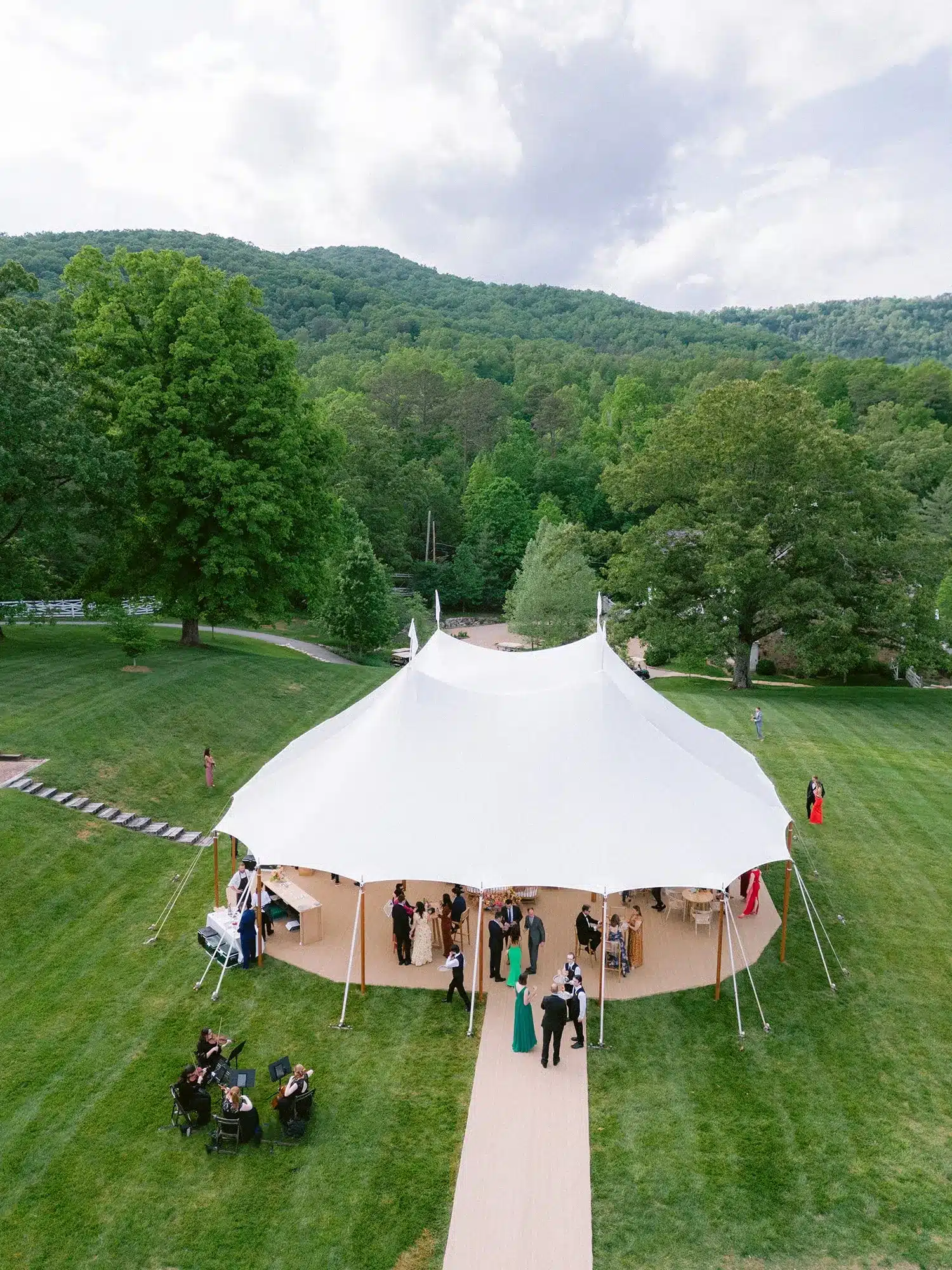
Effective backyard event planning extends beyond layout and tent selection. Permits, budgeting, and logistical coordination play a critical role in ensuring the installation is compliant, properly equipped, and executed on schedule. Addressing these elements early helps avoid last-minute adjustments and supports a smooth installation process.
A structured approach to regulations and budgeting allows the event environment to be designed intentionally rather than reactively.
What Are the Local Permit Requirements for Backyard Events in Charlottesville, VA?
Some residential events in Charlottesville—particularly those involving larger tents, amplified sound, or increased attendance—may require permits or local approvals. Requirements can vary depending on event size, duration, and location.
Key considerations may include:
- Permit Types: Temporary structure permits, noise permits, or other local approvals.
- Application Process: Submission deadlines, required documentation, and associated fees.
- Safety and Compliance: Regulations related to fire access, anchoring methods, and structural safety.
Confirming permit requirements in advance helps ensure compliance and prevents delays during installation or inspection.
How Should You Build a Realistic Backyard Event Budget?
A well-planned budget prioritizes infrastructure and site readiness while accounting for necessary services and contingencies. Rather than focusing solely on aesthetics, budgeting should reflect the functional requirements of the event environment.
Key budgeting considerations include:
- Itemized Infrastructure Costs: Tent systems, flooring, climate control, power distribution, delivery, and labor.
- Priority Allocation: Ensuring essential components are properly sized before adding optional elements.
- Professional Guidance: Working with experienced rental providers helps avoid under-sizing equipment or overlooking site-specific requirements that can lead to unexpected costs.
Clear budgeting and early coordination support efficient planning and predictable execution.
Essential Infrastructure Components for Backyard Events
These core components transform a backyard setup into a dependable, event-ready environment capable of supporting guests, vendors, and equipment safely and efficiently.
Frequently Asked Questions
What factors should guide planning decisions for a backyard event?
Planning should begin with site conditions, guest count, and functional requirements. Evaluating available space, ground conditions, access points, and anticipated attendance helps determine appropriate tent size, layout, and infrastructure needs. Focusing on these fundamentals ensures the event environment is practical, safe, and well-organized.
How can accessibility be addressed in a backyard event setting?
Accessibility is supported through intentional layout planning and infrastructure selection. Clear, level pathways between entrances, seating areas, and restrooms help accommodate mobility needs. Temporary flooring systems and properly spaced seating layouts further improve access for guests using mobility aids or strollers.
How should weather-related challenges be managed for outdoor events?
Weather planning should be incorporated early in the process. Weather-rated tents, sidewalls, appropriate anchoring systems, and flooring provide protection from rain and wind, while climate-control equipment helps manage temperature fluctuations. Monitoring forecasts allows for timely adjustments without disrupting the event setup.
How does site coordination support catering and service operations?
Effective site coordination ensures vendors can operate efficiently without interfering with guest circulation or safety. Providing clear service zones, adequate power access, and designated load-in areas helps support catering and other services within the tented environment. Coordinated planning minimizes congestion and supports smooth event operations.
How can backyard events support entertainment and activities safely?
Entertainment planning should account for available space, power requirements, and sound considerations. Layouts should allow adequate clearance for equipment, performers, and guest movement while maintaining safe access points and egress routes. Infrastructure planning helps ensure activities integrate smoothly into the event environment.
What information is important for ensuring a smooth event experience?
Providing accurate site details to vendors and rental providers, such as access points, layout plans, and timelines, supports efficient installation and breakdown. Clear coordination among all involved parties helps ensure the event environment is prepared and functions as intended.
Conclusion
Great backyard events start with practical choices: the right tent, a clear layout, and equipment that ensures comfort. Plan early, partner with experienced rental pros, and confirm permits so you can focus on enjoying the day. Ready to get started? Our planning resources and rental team can help turn your backyard into a flawless event space.
