
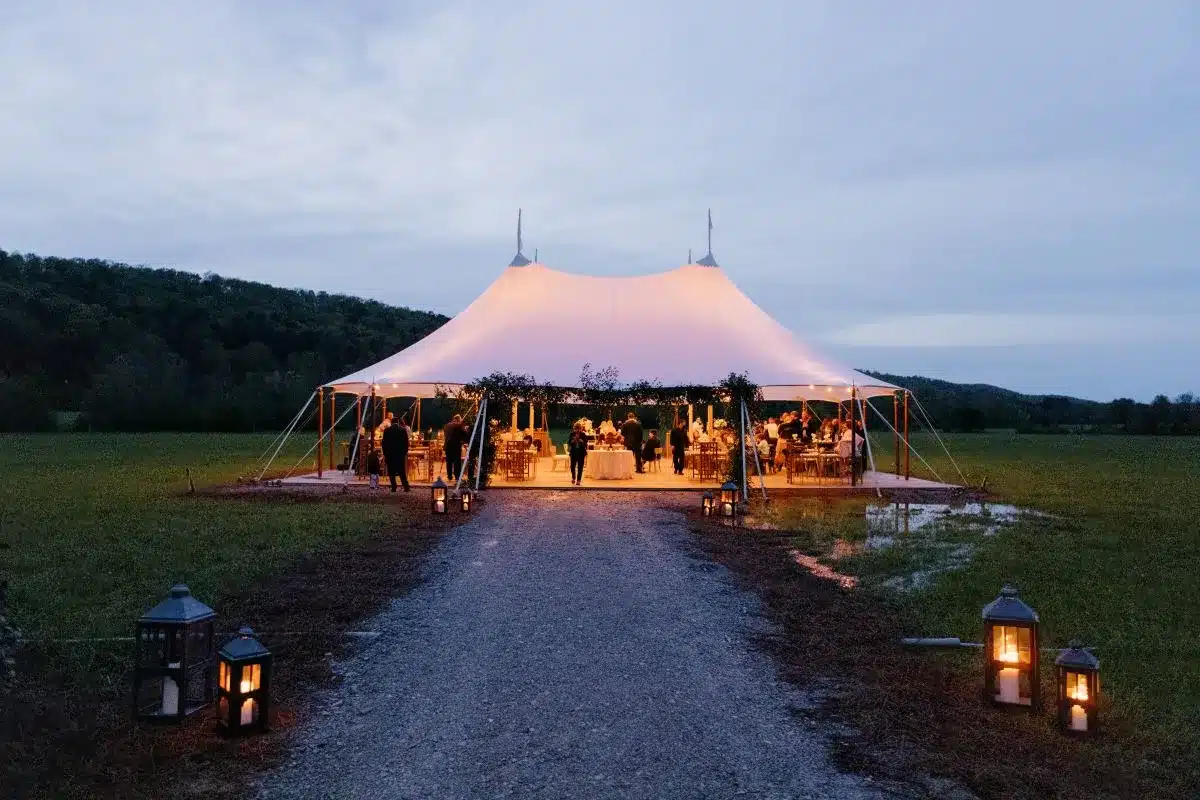
When tent décor and the landscape work together, an outdoor luxury event stops feeling staged and starts feeling inevitable. Aligning materials, sightlines, and lighting with site-specific features improves guest comfort, strengthens photography, and elevates the entire experience. This guide explains why that alignment matters and then walks planners through practical choices: how to select tent styles, layer decor and technical supports, choose florals and furniture, execute a unified theme, and specify operations and sustainability measures that honor both beauty and function. You’ll learn how tent attributes—canopy translucency, span capacity, sidewall options—interact with gardens, coastlines, forest canopies, and urban estates to create refined visual continuity. We also address real constraints like slope, wind, and power, and offer stepwise planning advice to preserve views while keeping guests comfortable.
How Do Different Tent Styles Enhance Natural Outdoor Settings?
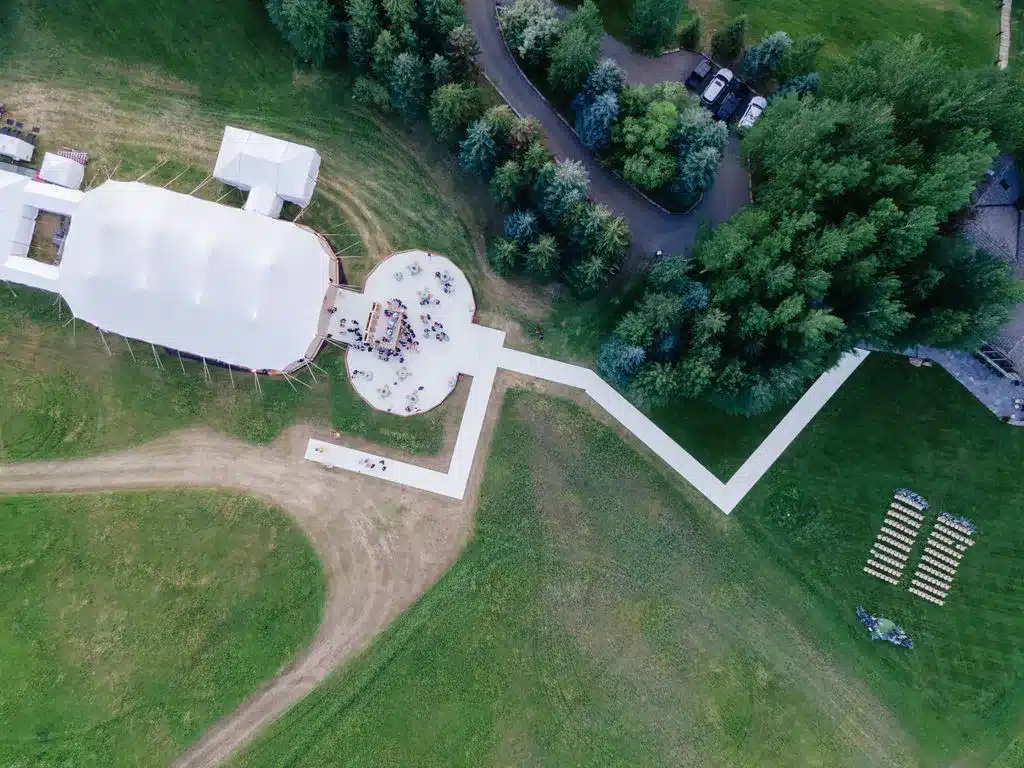
Tent style defines how a space reads within its setting: ceiling lines shape sightlines, materials control transparency, and structural systems determine what you can hang or install. A translucent sailcloth canopy softens coastal light; a century tent creates a formal peaked silhouette for gardens and estates; engineered structures deliver long clear spans that keep views open in forests or on rooftops. Those differences drive which decor elements will feel harmonious, whether it’s flowing drapery, crystal chandeliers, or glass walls, so tent selection should be your first design decision. Below is a concise reference to match tent types with common venues and decor advantages.
This table compares tent types, suited venues, and typical decor pairings to help planners choose a style that complements the landscape.
In short: canopy translucency, span capacity, and ceiling height aren’t just technical specs—they shape mood, sightlines, and what décor will read as cohesive on your site.
How Do Sailcloth Tents Blend with Coastal and Garden Venues?
Sailcloth tents work with coastal and garden settings because their soft peaks and neutral, semi-translucent fabric let daylight wash interiors in a warm, diffused glow. That gentle light reduces harsh shadows, preserves the natural color palette, and makes photography more flattering while keeping guests connected to the sky and foliage. Practically, sailcloth installations require careful anchoring and wind mitigation—ballast or engineered anchors secure scalloped edges without interrupting sightlines. Styling tends toward hanging greenery, woven textures, and warm-tone string or fairy lighting to underscore natural materials rather than compete with them.
What Makes Engineered Structures Ideal for Urban and Forest Landscapes?
Engineered structures excel in urban and forested sites because their modular frames and high load capacity enable large, unobstructed spans, glass walls, and heavier lighting or AV rigs without structural compromise. In a forest clearing, they can be sited to frame canopy views while keeping sidewalls transparent; on a rooftop, their clean geometry complements modern lighting and furniture palettes. Their compatibility with suspended installations and climate systems means designers can specify sculptural lighting, projection surfaces, and HVAC without improvised supports—resulting in a contemporary finish that reads as intentional, not intrusive.
Those structural capabilities also open the door to integrated technical systems—climate routing and power distribution—that keep guests comfortable while supporting refined design choices discussed below.
What Decor Elements Create Seamless Integration Between Tent and Landscape?
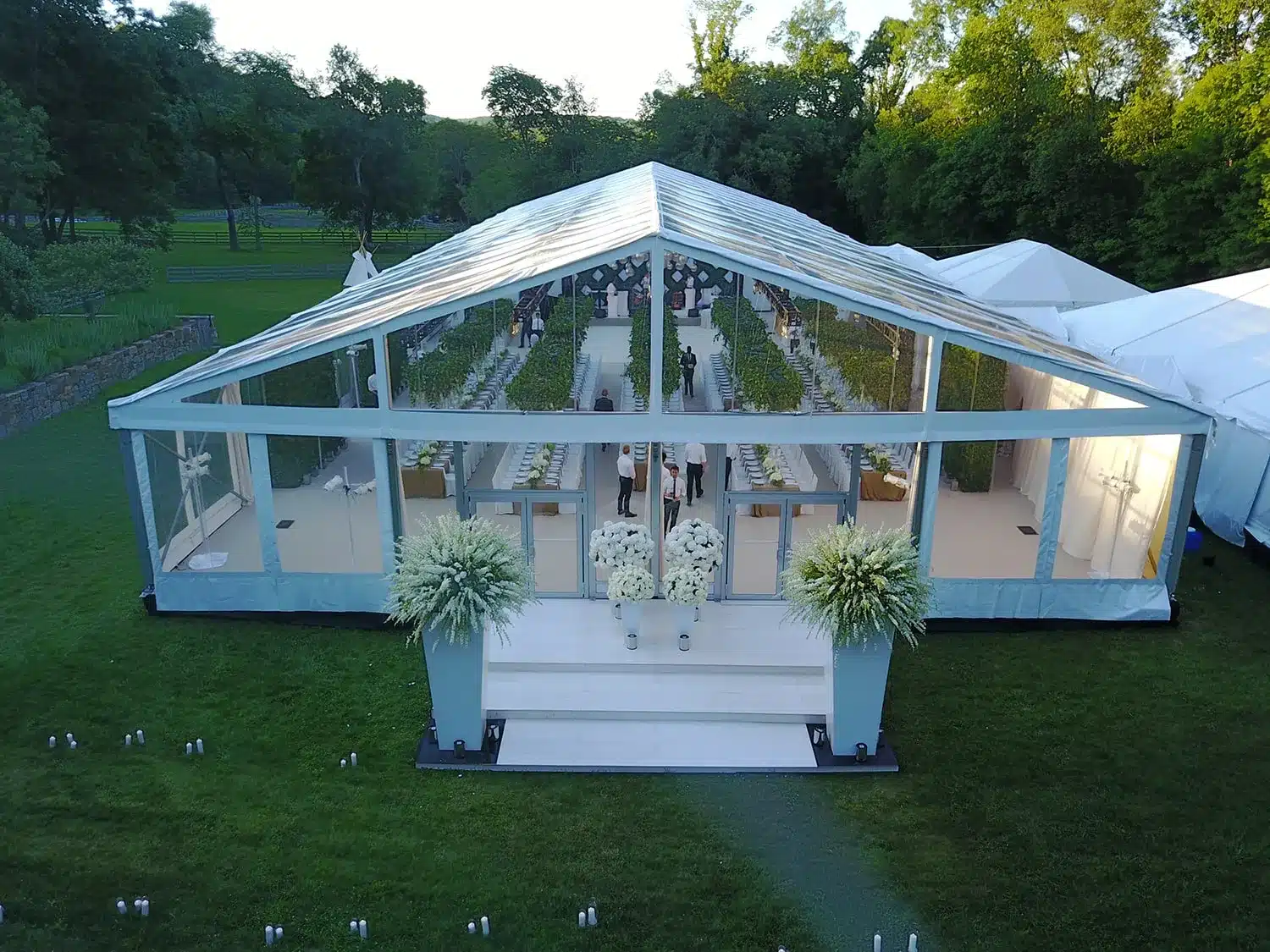
Flooring, platforms, lighting, and sidewalls are the physical and visual bridge between tent interior and landscape. The right flooring creates a continuous plane from lawn to interior; the right sidewalls preserve views; layered lighting links interior ambiance to exterior focal points; and furnishings that echo site textures reinforce cohesion. The table below maps decor elements to functional attributes and aesthetic benefits so you can prioritize which elements to specify for a seamless outcome.
Flooring and sidewall choices are as much aesthetic decisions as technical ones—installed well, they make the tent feel like a natural extension of the site.
Practical installation and finish choices determine whether a décor element enhances or competes with the landscape. Below are common flooring options and their typical trade-offs.
- Wooden decking: Warm, natural appearance and stability on uneven ground.
- Modular subfloors: Fast install and adaptability for sloped sites.
- Temporary vinyl floors: Customizable finishes but require moisture management.
How Does Custom Flooring and Elevated Platforms Ground Tent Décor in Nature?
Custom flooring and platforms convert variable terrain into level, intentional surfaces that read as part of the landscape rather than an interruption. Materials such as wood or modular decking add texture that resonates with gardens and wooded sites; engineered subfloors protect turf and provide a stable base for furniture and circulation. Key installation considerations include drainage, ventilation under elevated decks, and discreet skirting that hides structure while preserving sightlines. When flooring tone and grain are chosen to complement surrounding vegetation and finishes, the floor becomes an extension of the site.
Flooring choices also set furniture weight limits and determine traffic flow, influencing layout decisions we cover in the furniture section.
Which Lighting Designs Best Enhance Outdoor Tent Ambiance?
Layered lighting—chandeliers, string lights, uplighting, and accents—creates depth and links the tent interior to exterior focal points while minimizing light pollution. Warm color temperatures and dimming controls keep the light feeling natural and comfortable: chandeliers anchor dining zones, uplighting sculpts tent peaks, and exterior floods highlight specimen trees or water features. Route power discreetly through flooring or platform cavities and zone circuits so lighting scenes change without visible equipment. Use shielded fixtures and considerate placement to protect nocturnal wildlife and neighborhood relations while preserving a luxury atmosphere.
Lighting must be coordinated with power and climate equipment placement to avoid visible cabling or noisy systems near guest areas—a topic in the operational checklist below.
Recommended lighting types and ideal uses:
- Chandeliers: Anchor dining areas and echo tent peaks with an elegant focal point.
- String lights: Soften edges and create a canopy-like connection to the outdoors.
- Uplighting: Accent canopy, trees, and architecture without overwhelming the landscape.
Thoughtful fixture selection and sequencing help the tent glow in harmony with the site, preserving visual continuity and nighttime comfort.
How Can Floral and Furniture Choices Bring the Outdoors Inside Your Tent?
Floral and furniture choices are the most direct way to translate the landscape into the tent: texture, scale, and material selection should mirror local ecology. Coastal events favor airy grasses and white blooms; garden settings allow lush seasonal peonies and roses; forested sites benefit from textured greenery and specimen potted trees. Furniture materials—rattan, reclaimed wood, linen—reinforce an outdoor aesthetic while durable finishes uphold luxury under variable conditions. Position open lounge vignettes toward key views and run banquet seating along sightlines so guest flow and photos stay site-centric.
Match floral and furniture strategies to site ecology, then plan installation logistics and maintenance so arrangements stay fresh and the landscape is protected.
What Floral and Greenery Installations Best Complement Outdoor Surroundings?
Choose flowers and greenery that match scale, texture, and seasonality so arrangements feel like an extension of the landscape. Coastal sites thrive with salt-tolerant grasses, eucalyptus, and pale blooms; garden venues feature dense, layered local blossoms; forested sites benefit from vertical greenery and potted specimen trees that mimic the trunks. Local, seasonal sourcing reduces transport impact and often increases stem life; potted plants double as reusable focal pieces. Plan for water access, drip trays, and staging areas to facilitate maintenance, protecting both floral quality and the venue.
These plant-driven decisions also influence furniture and flooring choices, ensuring materials and color temperatures complement the botanical palette.
How Do Lounge Furniture and Seating Areas Extend Comfort into the Landscape?
Lounge and seating areas feel like an extension of the landscape when scale and materials echo the outdoors and layouts prioritize sightlines. Choose weather-resistant fabrics and finishes—performance linens, sealed woods, synthetic rattan—that read as luxury while tolerating dew. Use zoning—rugs, platform edges, and furniture groupings—to define intimate lounges without blocking views. Natural-hued textiles and tactile weaves help indoor furnishings blend with surrounding vegetation and terrain, creating an effortless transition between interior and exterior.
Plan furniture placement early so traffic, service access, and vendor operations remain unobstructed—essential for a smooth event flow.
What Thematic Approaches Elevate Luxury Tent Décor in Outdoor Events?
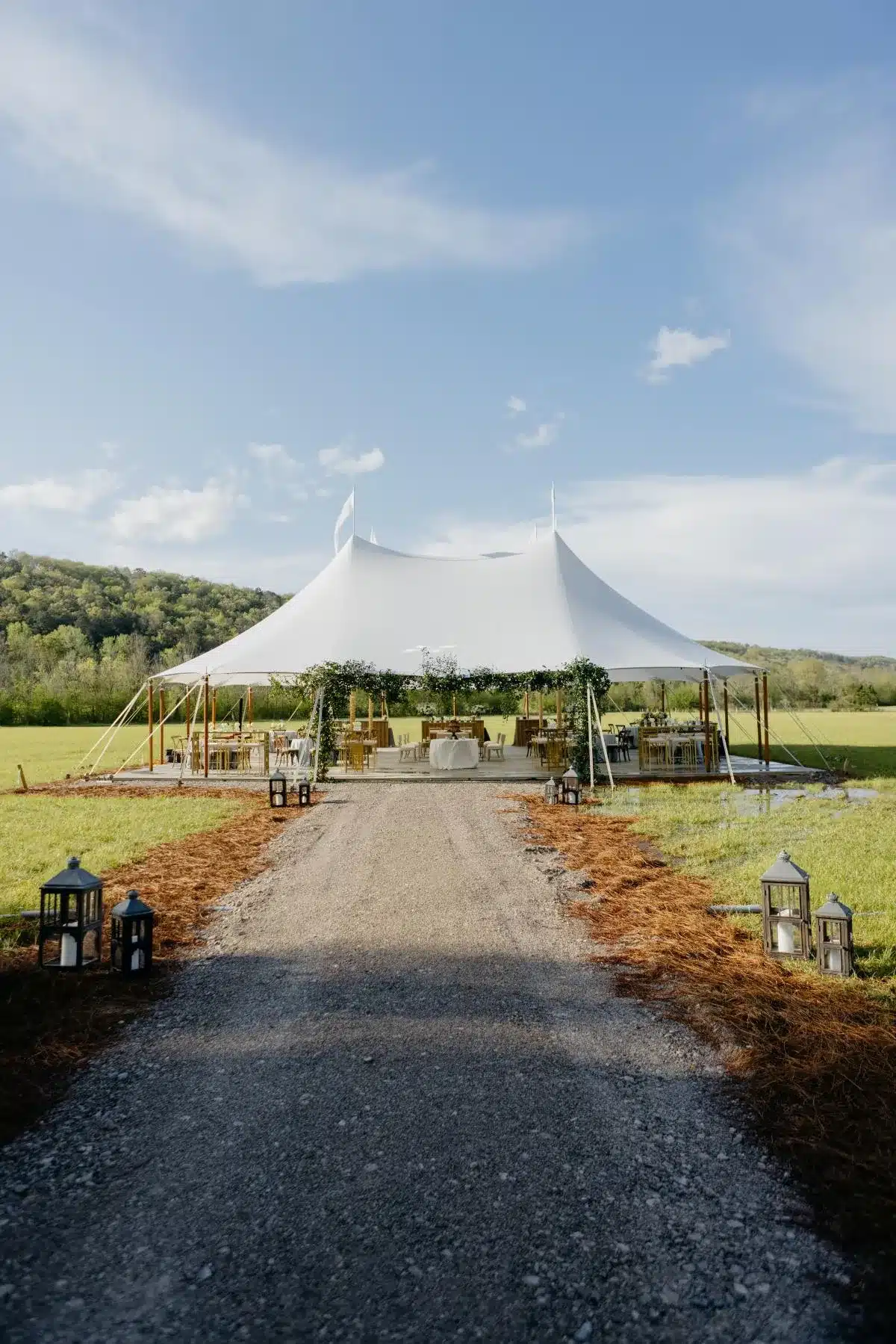
High-level themes—rustic luxury, bohemian chic, modern minimalist, classic elegance—translate landscape cues into cohesive palettes, textures, and focal treatments without overwhelming the site. Each theme uses material and lighting cues to maintain a sense of place: rustic luxury pairs raw woods with refined metals; bohemian chic layers textiles and eclectic seating; modern minimalist emphasizes sculptural lighting and negative space; classic elegance relies on symmetry and formal plantings. Choosing a dominant theme early keeps decisions about flooring tone, floral scale, and fixture finishes consistent. Below are signature elements to guide each approach.
- Rustic Luxury: Live-edge wood, leather accents, and warm chandeliers for tactile richness.
- Bohemian Chic: Layered rugs, mixed seating, and abundant hanging greenery for an intimate, eclectic feel.
- Modern Minimalist: Clean-lined furniture, a restrained palette, and sculptural lighting to emphasize space.
Applying a single theme across lighting, florals, and furniture creates a unified guest experience and preserves the site’s character. These decisions should inform operational limits—like weight allowances for suspended elements—so coordinate with technical teams early.
How Does Rustic Luxury Integrate Natural Materials with Elegant Touches?
Rustic luxury pairs reclaimed wood and stone with refined accents—crystal fittings, polished metals—to create layered contrast that reads both authentic and upscale outdoors. Execution is about scale and balance: chunky table planks with slender, warm-tone chandeliers, textured garden-style florals on wood surfaces, and silk runners or linen napkins for subtle sheen. The result feels tactile and rooted while retaining the polish expected at luxury events.
That material play calls for careful installation and finish protection in outdoor environments, which we cover in the operations section.
What Defines Bohemian Chic and Modern Minimalist Outdoor Tent Themes?
Bohemian chic celebrates layered textures, eclectic furniture, and handcrafted accents—patterned rugs, mixed seating, macramé, and hanging plants—to create intimate, tactile spaces. Modern minimalist does the opposite: it uses negative space, sculptural lighting, and a restrained palette so the landscape remains the star. Hybrid approaches can borrow a single accent—a sculptural chandelier in a bohemian layout—to add contrast while maintaining cohesion, but discipline in material selection is essential to avoid visual clutter. Both themes must factor in outdoor durability and cleaning logistics to balance ambition with practicality.
Choosing a theme early guides every subsequent selection, from flooring tone to lighting scenes, making collaboration between design and operations crucial.
What Practical Considerations Ensure Cohesion and Comfort in Outdoor Tent Events?
Operational planning—climate control, site placement, power, and access—decides whether a well-designed tent remains comfortable and visually cohesive all night. Thoughtful routing for climate systems, power generation planning, and clear ingress/egress preserve design intent without visible equipment or disrupted sightlines. The table below pairs common challenges with practical solutions and shows how those solutions support aesthetics and comfort so planners can prioritize services during procurement.
How Does Climate Control Maintain Comfort Without Disrupting Natural Aesthetics?
Good climate control hides equipment from primary sightlines and minimizes noise—locate compressors away from guest areas and route ductwork through floor cavities or platforms. Choose systems appropriate to the tent envelope and transparency so vents don’t obstruct views or interfere with lighting. Low-profile diffusers, mufflers, and matching covers help mechanical systems blend with architecture, while redundancy and zoning keep comfort consistent across changing conditions. Coordinate climate choices early with lighting and flooring teams to avoid conflicts where ducts or vents must be concealed.
How Can Site Planning Maximize Views and Natural Features for Tent Placement?
Start site planning with a structured survey: map sightlines, chart the sun path and prevailing winds, identify focal features (water, specimen trees), and mark service access. Orient main guest spaces toward primary views, use platforms to level grades while protecting root zones, and site service areas out of primary sightlines with discreet access routes. Follow a stepwise checklist—survey, sightline mapping, terrain mitigation, ingress/egress planning—so décor and technical systems integrate without last-minute adjustments. Sample tactics: site a ceremony beneath a specimen tree and place reception tents perpendicular to that view; tuck stages or bars along natural edges to keep sightlines open.
Frequently Asked Questions
What are the key factors to consider when selecting a tent for an outdoor event?
Select a tent based on venue type, weather exposure, guest count, and your desired sightlines. Consider structural attributes—canopy translucency, peak height, and sidewall options—and how they support your decor goals. Practical needs like anchoring, power access, and load capacity are equally important for safety and for making sure your design survives load-in and the event itself.
How can I ensure my tent decor aligns with the surrounding environment?
Use materials, textures, and colors that reflect the site: local flora in arrangements, furniture finishes that echo natural surfaces, and lighting that respects the landscape’s color temperature. Orient furniture and focal points toward key views and choose flooring and sidewalls that preserve those sightlines. The result should feel like a deliberate extension of the place, not an overlay.
What are some sustainable practices for outdoor tent events?
Prioritize locally sourced and reclaimed materials, reusable rentals (potted plants, furniture), LED lighting, and efficient power plans. Work with vendors who offer modular elements that can be reused and select durable finishes that reduce single-use waste. These choices lower environmental impact while adding a narrative of provenance and craftsmanship to your event.
How can I effectively plan for climate control in a tented event?
Choose heating, cooling, and ventilation systems that suit the tent envelope and site. Hide equipment from primary sightlines, route ducts through floors or platforms, and use low-profile diffusers and mufflers to minimize noise and visual impact. Coordinate climate planning early with lighting and flooring teams so equipment routing doesn’t conflict with design elements.
What role does lighting play in enhancing the atmosphere of an outdoor tent event?
Lighting defines space, sets mood, and ties interior ambiance to exterior features. Use layered lighting—such as chandeliers, string lights, and uplighting—to create a hierarchy and depth. Warm color temperatures and zoning controls maintain flexible and natural-looking scenes, while careful placement preserves landscape views and protects wildlife.
How can I incorporate floral arrangements that complement the outdoor setting?
Match scale, texture, and seasonality to the site: airy grasses and pale blooms for coastal settings, dense layered local flowers for gardens, and vertical greenery or potted specimens for forest sites. Plan for water access and maintenance, and consider potted plants for reuse across events to reduce waste and extend the installation’s life.
What are some common challenges in outdoor tent events and how can they be addressed?
Common challenges include uneven terrain, weather exposure, temperature swings, and remote power needs. Address these with elevated platforms and custom flooring, engineered anchoring and sidewalls, climate control with discreet routing, and on-site power generation. Early planning and a detailed checklist help avoid last-minute compromises.
Conclusion
When tent décor is chosen and installed with the landscape in mind, luxury outdoor events feel seamless, intentional, and memorable. Thoughtful tent selection, coordinated decor and technical systems, and sustainable material choices keep sightlines clear, guests comfortable, and the site respected. If you’re ready to elevate an outdoor event, our premium tent options and consultative approach help translate design intent into a flawless execution. Contact Skyline Tent Company to begin planning a site-specific, elevated experience.
