
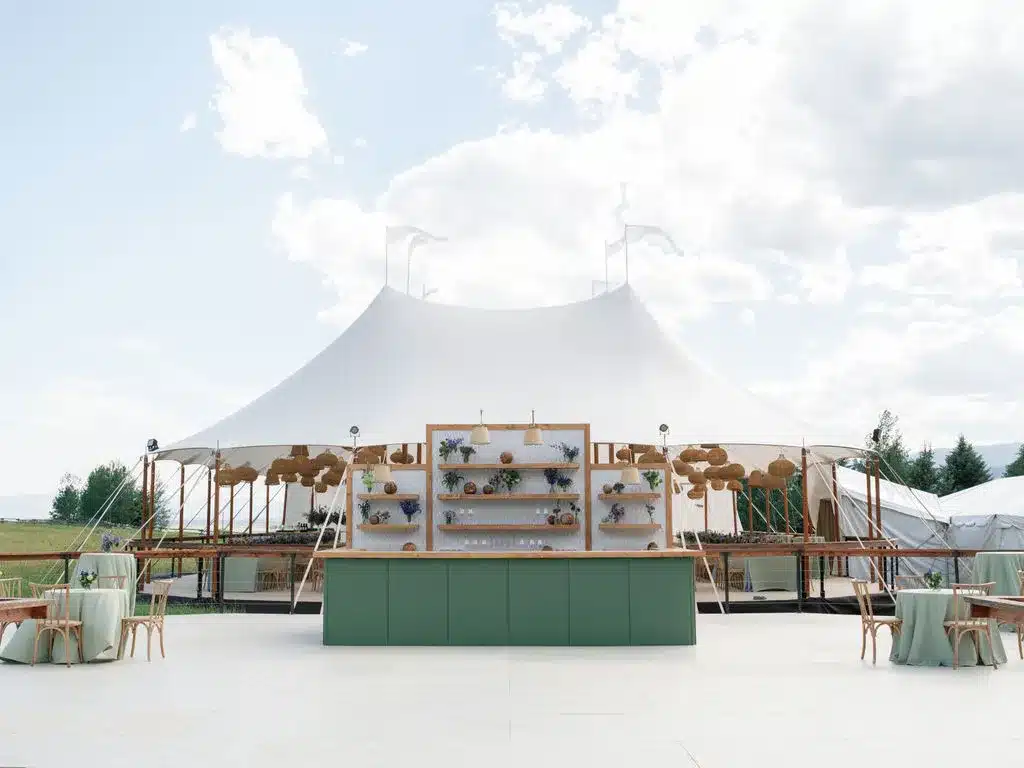
Planning a large outdoor event requires choosing tenting solutions that both shelter guests and shape the overall atmosphere. Professional tent rentals for large gatherings provide the scale, structural integrity, and design flexibility needed to execute memorable events with confidence. This guide outlines core decisions for large-scale tent rentals, including structure types, lighting and décor approaches, flooring systems that provide stability and comfort, and the logistics required for dependable setup.
Understanding the nuances of each element will help you create an event that is not only functional but also leaves a lasting impression on attendees. From intimate weddings to corporate galas, the right tent rental transforms an ordinary space into an extraordinary experience.
How to Choose the Right Tent Structure for Large Outdoor Events
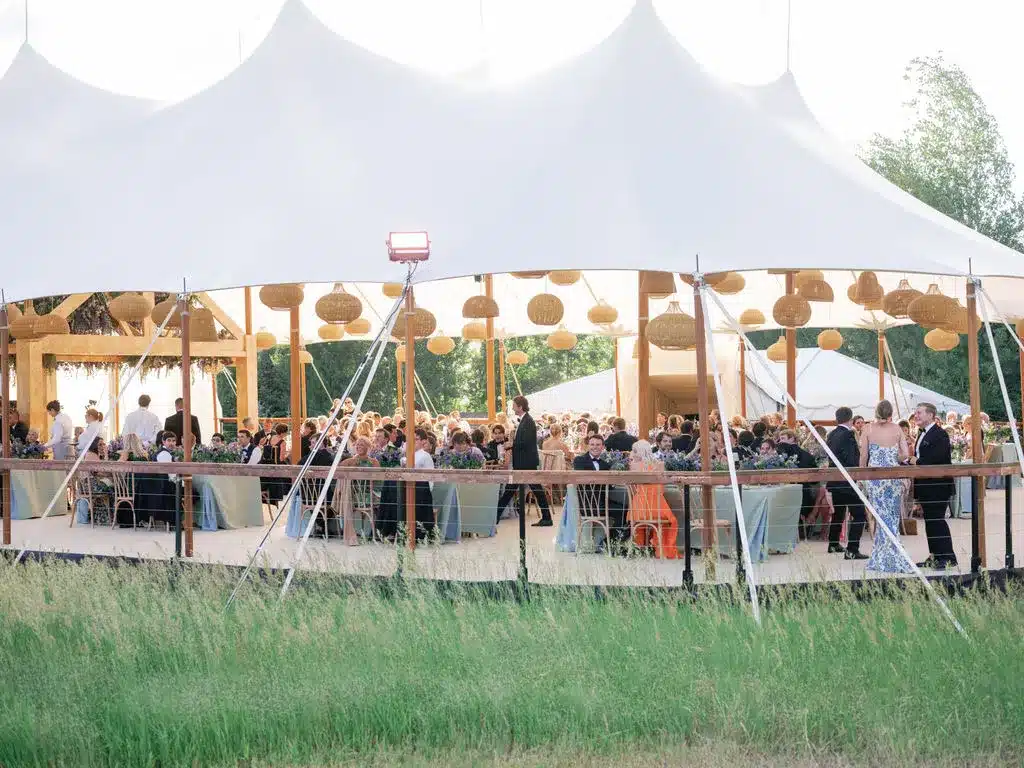
The tent defines circulation, sightlines, and operational capability. Base the choice on venue layout, likely weather, and confirmed guest capacity to ensure functionality and comfort. Consider the flow of guests and how the tent’s design will impact movement and interaction. The tent’s size and shape can influence acoustics, lighting placement, and even temperature control, all of which contribute to the overall event atmosphere. Taking time to evaluate these factors early in the planning process can prevent costly adjustments later.
What Are the Main Types of Event Tent Structures?
Common tent types address different operational and aesthetic needs:
- Frame Tents: Versatile and usable on most surfaces; no center poles so interiors are unobstructed. These tents are ideal for locations where staking into the ground is not possible, such as concrete or asphalt. Their modular design allows for easy expansion or reduction in size, making them suitable for events with fluctuating guest counts.
- Pole Tents: High peaks with a formal look; require staking, which can limit placement. The dramatic peaks create a classic, elegant ambiance that works well for weddings and upscale gatherings. However, the need for stakes means they are best suited to grassy or soft ground surfaces where anchoring is feasible.
- Clear Span Tents: Wide, column-free interiors suited to large gatherings and exhibitions. These tents provide unobstructed floor space, making them perfect for events that require flexible layouts, such as trade shows or large banquets. Their sturdy construction can withstand harsher weather conditions, offering peace of mind for outdoor events.
Match tent type to event goals and site constraints for the best outcome. It is also important to consider the ease of installation and dismantling, as well as the availability of accessories like sidewalls, windows, and climate control options that complement the chosen structure.
How Does Guest Count Influence Tent Size Selection?
Estimate square footage from guest count: roughly 10–12 sq ft per person for seated dinners, 6–10 sq ft for cocktail receptions. Include tables, aisles, dance floors, and staging when calculating total area; for example, 100 seated guests generally need about 1,000–1,200 sq ft depending on layout. Planning for additional space beyond the minimum ensures comfort and allows for unexpected needs such as buffet stations or entertainment areas. It is also wise to consider the type of seating arrangement—round tables require more space than banquet-style seating. Consulting with your tent rental provider can help refine these estimates based on your specific event design.
What Are Effective Tent Lighting and Decor Ideas for Outdoor Events?
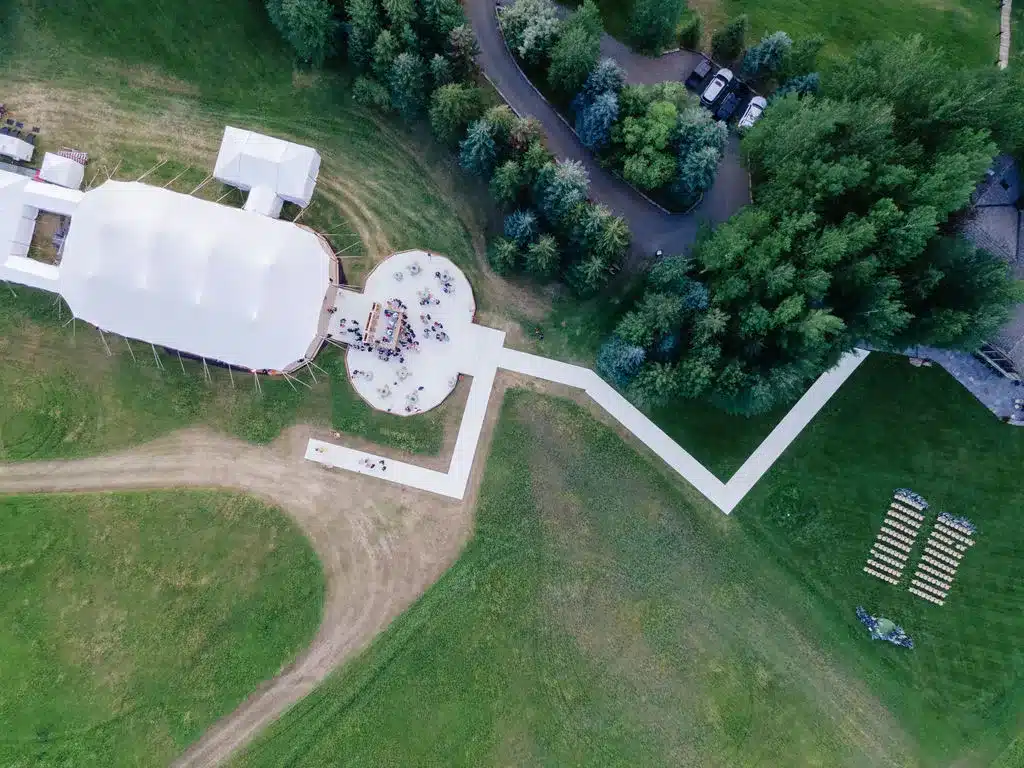
Lighting and decor determine guest perception and practical usability. Combine systems and finishes to support sightlines, circulation, and the desired ambiance. Thoughtful lighting can highlight architectural features of the tent and create zones within the space, such as intimate seating areas or lively dance floors. Decor elements should complement the lighting to enhance textures and colors, contributing to a cohesive visual story that aligns with the event’s theme and purpose.
Which Lighting Systems Enhance Event Ambiance?
Consider layered lighting to balance atmosphere and function. Different lighting types serve unique purposes and can be combined to achieve a dynamic environment that adapts throughout the event.
- String Lights: Add warmth and can be draped across the tent or tied to poles. Their soft glow creates a welcoming and festive atmosphere, perfect for casual or romantic settings.
- Chandeliers: Create focal elegance, especially effective in pole tents. They bring a touch of sophistication and can be customized with crystals, candles, or LED bulbs to match the event style.
- Uplighting: Illuminates walls and decor to add depth and color. This technique can transform plain tent walls into vibrant backdrops, enhancing the overall mood and highlighting key areas such as stages or bars.
Choose treatments that meet aesthetic goals while maintaining safe illumination levels. It is important to ensure that lighting does not cause glare or shadows that could interfere with guest comfort or event activities. Working with a lighting professional can help optimize placement and intensity.
How to Integrate Tent Decor with Event Themes?
Coordinate finishes and furnishings with the theme to create a cohesive environment that supports branding and guest experience. Every element, from fabric textures to furniture styles, should contribute to the narrative you want to convey.
- Draping: Fabric draping softens interiors and introduces color accents. It can also conceal structural elements and create a more intimate atmosphere within large tents.
- Centerpieces: Select centerpieces that echo the event motif and scale of the space. Consider height, materials, and lighting to ensure they complement rather than obstruct sightlines.
- Color Coordination: Keep color palettes consistent across linens, lighting, and decor. This harmony enhances visual appeal and reinforces the event’s identity, whether it’s a corporate brand or a personal celebration.
Thoughtful draping, centerpieces, and palettes reinforce identity and engagement. Incorporating natural elements like flowers or greenery can add freshness and texture, while custom signage and branded items personalize the space further.
What Flooring Options Support Stability and Comfort in Large-Scale Tent Rentals?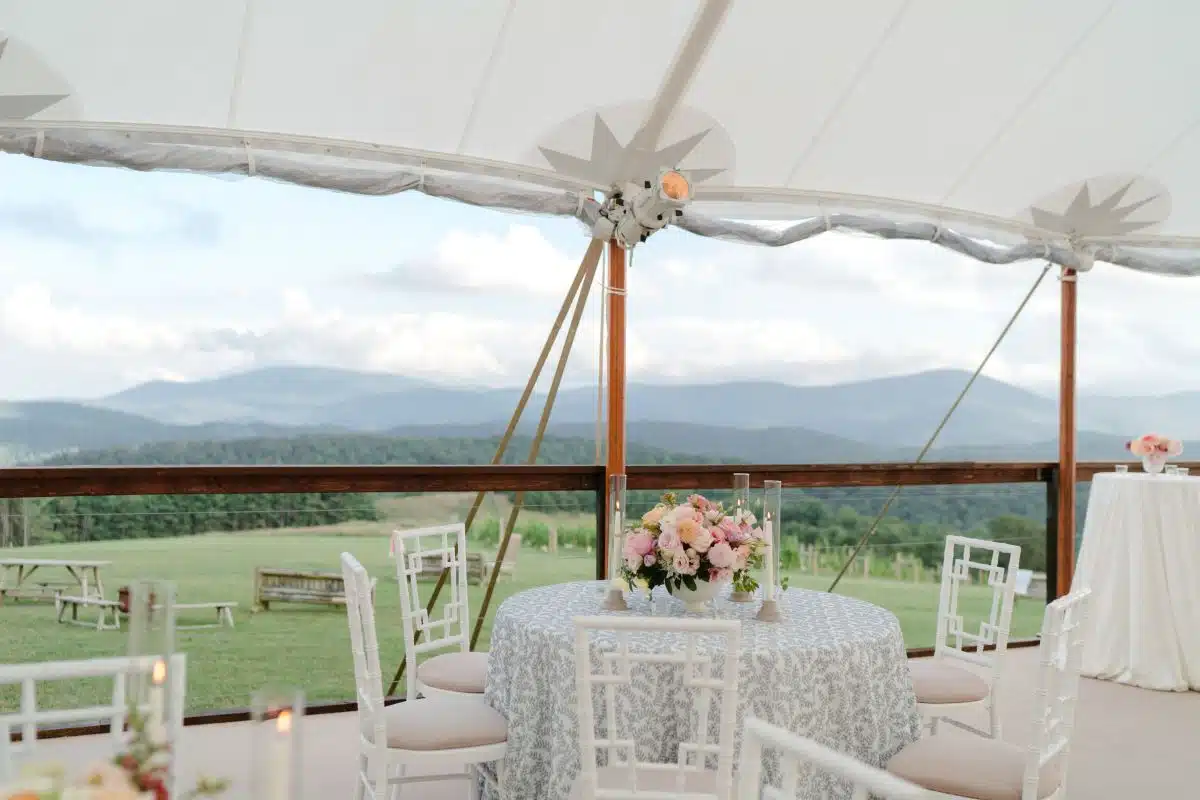
Flooring affects safety, accessibility, and presentation. Choose a system that suits ground conditions and load needs. The right flooring not only protects guests from uneven or wet terrain but also enhances the overall aesthetic and comfort of the event space. Consider the type of footwear guests will wear and the activities planned when selecting flooring materials.
Comparing Flooring Materials: Carpet, Wood, and Modular Systems
Verify load ratings, accessibility, and visual goals before selecting flooring. Some modular systems offer options with built-in drainage or anti-slip surfaces, which can be critical for outdoor events subject to weather changes. Flooring can also be customized with overlays or finishes to match the event’s style.
How Do Site Conditions Affect Flooring Choices?
Evaluate ground profile, drainage, and access to determine whether sub-flooring, elevated platforms, or water-resistant materials are needed. Site conditions can vary widely, and a thorough assessment helps avoid last-minute complications.
- Uneven Ground: Use elevated platforms or adjustable sub-floors to level surfaces. This approach ensures guest safety and comfort, especially for those with mobility challenges.
- Moisture: Prefer water-resistant options and non-slip finishes where needed. Protecting flooring from water damage extends its usability and maintains a clean appearance throughout the event.
- Accessibility: Ensure transitions and surfaces accommodate mobility devices and staff movement. Smooth, stable flooring supports efficient service and guest navigation.
A complete site assessment reduces surprises and supports guest safety. Collaborate with your rental provider and event planner to address any unique site challenges early in the process.
How to Plan Site Logistics for Successful Large-Scale Tent Events?
Detailed logistics planning reduces installation risk and supports smooth operation on the event day. Effective coordination among all parties involved—from vendors to venue staff—ensures that the event unfolds seamlessly and that any issues are addressed promptly.
What Are Key Considerations for Tent Setup and Permits?
Confirm local regulations and secure permits early. Conduct site surveys to identify obstacles and plan vendor sequencing. Understanding the legal and physical constraints of your event location is essential to avoid delays or fines.
- Local Regulations: Check rules for tent sizes, placement, fire safety, and setbacks. Compliance with these regulations protects your event and guests.
- Site Assessments: Map access routes, obstructions, and ground conditions. This information guides equipment delivery and installation strategies.
- Vendor Coordination: Build a master timeline for deliveries and installations. Clear scheduling prevents conflicts and ensures that each phase of setup is completed on time.
Early coordination of permits, surveys, and vendor timing ensures a controlled setup. Regular communication and contingency plans for unexpected issues further enhance reliability.
How to Coordinate Infrastructure Components for Seamless Events?
Integrate power, AV, HVAC, and access early. Define responsibilities and interfaces so systems work together without last-minute conflicts. Infrastructure elements are the backbone of a successful event, supporting everything from lighting and sound to climate control and security.
- Clear Communication: Set vendor contact points and on-site communication protocols. This clarity helps resolve issues quickly and keeps everyone informed.
- Contingency Planning: Prepare backups for weather, power, and equipment failures. Having alternative solutions ready minimizes disruptions.
- Timeline Management: Use a detailed schedule to sequence critical tasks and avoid bottlenecks. This approach maximizes efficiency and resource use.
Structured communication, contingency plans, and strict timelines support reliable delivery. Regular progress reviews and flexibility to adapt plans as needed contribute to overall success.
Frequently Asked Questions
What factors should I consider when selecting a tent rental company?
Check experience, reputation, client references, and insurance. Confirm tent styles and sizes, delivery and installation services, and availability of complementary equipment like lighting and flooring. Providers who assist with permits and local rules reduce risk. It is also beneficial to inquire about their responsiveness and ability to handle last-minute changes or emergencies, as these qualities can significantly impact your event’s smoothness.
How far in advance should I book a tent rental for my event?
Book three to six months ahead for most dates; reserve earlier for peak seasons to secure preferred equipment and allow time for permits and logistics. Early booking also provides more options for customization and better pricing. If your event coincides with popular dates or holidays, securing your rental as soon as possible is advisable.
What should I do if the weather forecast predicts rain on the event day?
Activate a contingency plan: waterproofing, secure anchoring, sidewalls or windbreaks, and identified indoor or sheltered alternatives for key activities. Communicate changes promptly to vendors and guests. Having a clear plan in place reduces stress and ensures safety. Consider renting additional equipment such as heaters or fans to maintain comfort despite weather conditions.
Can I customize the tent layout for my event?
Yes. Rental firms typically customize layouts for capacity, seating, and functional zones such as stages or dance floors. Collaborate early to align spatial plans with programming needs. Customization can also include the integration of special features like bars, buffet stations, or lounge areas. Sharing detailed event plans with your rental provider helps optimize the layout for flow and guest experience.
What are the best practices for maintaining tent cleanliness during an event?
Zone food and beverage areas, provide waste and recycling bins, and schedule staff to service high-traffic spots. For long events, plan periodic cleanings to maintain hygiene and comfort. Using floor mats at entrances can reduce dirt tracking, and having a dedicated team for quick spill response helps keep the environment pleasant. Clear signage encourages guests to dispose of waste properly.
Are there any additional costs associated with tent rentals I should be aware of?
Expect delivery and installation fees that vary by distance and complexity. Additional charges may include lighting, flooring, sidewalls, furniture, and permit facilitation. List potential fees in the contract. It is important to review all terms carefully and ask for a detailed quote to avoid surprises. Some providers offer package deals that can be more cost-effective when bundling multiple services.
Conclusion
Selecting the right large-scale tent rental improves guest experience and operational reliability. By assessing tent structures, lighting, flooring, and logistics, you can design a venue that meets functional and aesthetic aims. Start planning with clear requirements and consult providers early to secure the best options. Thoughtful preparation and attention to detail will help ensure your outdoor event is not only successful but also memorable for all the right reasons. Investing time in understanding each component of tent rental will pay off in a seamless and enjoyable event for you and your guests.
