
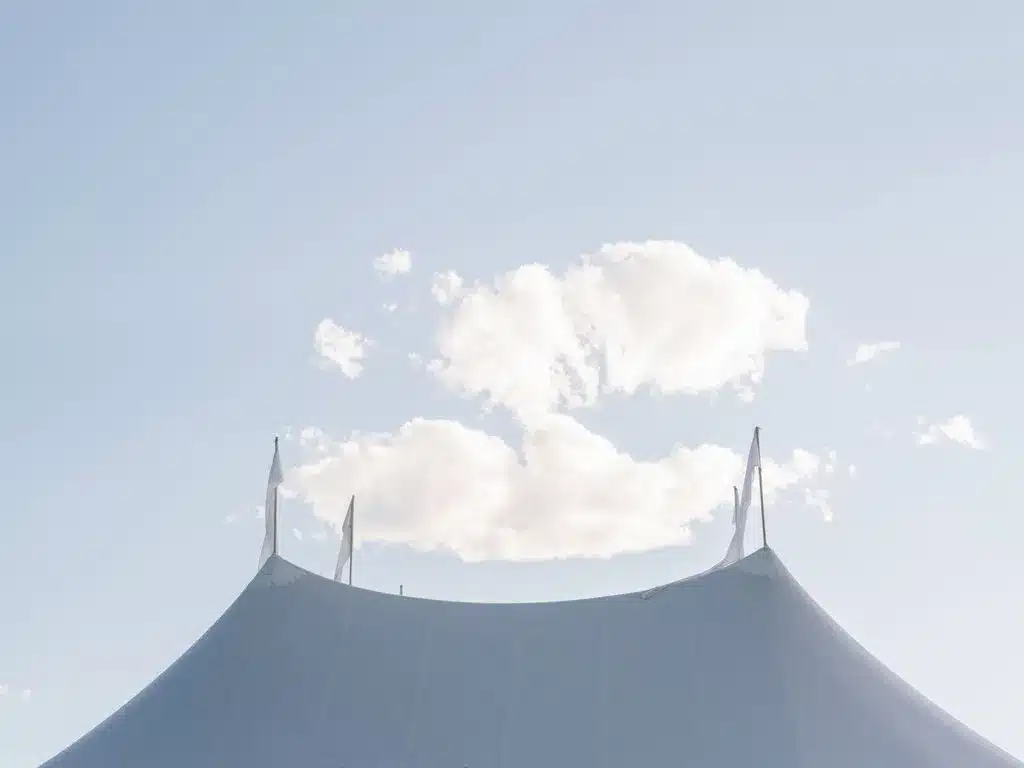
When planning a luxury outdoor event, the tent isn’t just a shelter—it’s the architectural centerpiece of the entire experience. With their dramatic peaks and spacious interiors, Century Pole Tents are a preferred choice for upscale weddings, galas, and private celebrations. But to create a comfortable and visually striking environment, it’s essential to understand how tent capacity, layout, and infrastructure work together.
From selecting the right tent size to accounting for seating arrangements, dance floors, and premium amenities, every square foot counts. Accurate capacity planning ensures guests can move freely, services operate efficiently, and every element—from the bar to the band—fits seamlessly within the tented space.
This guide offers event planners a clear, strategic overview of how to calculate and optimize Century Pole Tent capacity for a flawless event. With thoughtful design and support from an experienced provider like Skyline Tent Company, your event space can be as refined as the occasion it celebrates.
Key Takeaways
- Century Pole Tent capacity depends on event type, seating style, and space allocations.
- Round tables, banquet seating, and mixed layouts all influence how guests move and interact.
- Dance floors, stages, and bars should be factored into your total square footage early in planning.
- Flooring, lighting, and climate control enhance both comfort and aesthetic appeal.
- Permitting and site logistics must be addressed early to ensure proper placement and safety.
- Working with an experienced provider ensures accurate setup and a seamless event experience.
Key Specifications of Century Pole Tents

Century Pole Tents are known for their sweeping peaks and open interiors, making them a sophisticated choice for high-capacity outdoor events. Their design balances visual elegance with engineering strength, providing both form and function in luxury settings. These tents feature tall vinyl peaks supported by center poles, reinforced tension walls, and perimeter anchoring systems that offer both stability and weather protection. Understanding the structure and spatial capabilities of a Century Pole Tent is essential for accurate guest capacity planning and successful event layout design.
Common Sizes and Guest Capacity Ranges
Century Pole Tents are available in a range of sizes to suit events of varying scale—from intimate receptions to expansive galas. Here’s a look at some typical configurations and what they accommodate:
- 20′ x 20′ Tent: Suitable for small gatherings, with room for up to 40 guests in a cocktail-style layout.
- 30′ x 40′ Tent: Works well for seated dinners of up to 80 guests, with space for basic infrastructure.
- 40′ x 60′ Tent: Ideal for larger events such as banquets, comfortably hosting up to 150 guests.
These figures are general benchmarks. Final capacity depends on your layout preferences, whether you include dance floors, lounge areas, or additional service stations.
Design Features That Support Capacity and Comfort
The materials and engineering behind Century Pole Tents contribute directly to guest experience and usable interior space. High-performance vinyl with UV and fire-resistant properties ensures durability while maintaining a clean, luxurious appearance. Center poles, held under tension, support dramatic ceiling heights and reduce visual clutter inside the tent.
Additionally:
- Reinforced tension walls minimize sag and maximize usable floor space.
- Fewer interior obstructions mean flexible layouts for furniture, stages, and décor.
- Rigid vinyl panels retain their shape under varying conditions, contributing to a polished and reliable setup.
These attributes allow event planners to accommodate more guests without sacrificing comfort or flow.
Wind and Weather Protection Capabilities
Century Pole Tents are engineered to perform in a variety of outdoor conditions. When properly installed, they can withstand strong winds, thanks to their structural tension and secure perimeter anchoring. Weather-tight features help maintain a comfortable and dry interior environment, even in challenging conditions. Key weather-resilient elements include:
- Welded seams that prevent water from entering through the roof panels
- Optional gutter systems that manage rain between adjoining tent sections
- Sidewalls with clear window panels that protect against wind while maintaining visibility
These details allow your event to continue smoothly—regardless of unexpected shifts in the forecast.
Calculating Century Pole Tent Capacity for Different Event Types

Determining how many guests a Century Pole Tent can accommodate requires more than a simple headcount. Several factors, including the event format, seating style, and any additional elements like stages or dance floors influence capacity. For luxury events, where comfort and aesthetic flow matter just as much as function, thoughtful spatial planning is key.
Space Guidelines by Event Style
Tent capacity begins with estimating the square footage needed per guest. This varies based on the type of experience you’re creating:
- Standing receptions or cocktail-style events require less space per guest, allowing for a higher overall capacity.
- Seated dinners need more room per person to accommodate tables, chairs, and service aisles.
- Lounge-style layouts may reduce seating capacity in favor of open social zones and softer furnishings.
Selecting the right format helps balance ambiance and practicality, ensuring your guests have room to move comfortably while maintaining visual appeal.
How Seating Styles Affect Capacity
The layout of tables and chairs directly shapes how much usable space is available:
- Round tables offer an elegant look and support natural conversation but require more square footage per guest.
- Banquet-style tables seat guests in long rows, which can reduce the overall footprint but limit flexibility in movement.
- Cocktail lounge setups allow for creative vignettes and free-flowing mingling but trade formal seating for atmosphere.
Each seating choice influences guest flow and defines how the event feels—from intimate and refined to open and energetic.
Accounting for Dance Floors, Stages, and Service Zones
Luxury events often include more than just seating. Elements like dance floors, performance stages, and catering stations take up significant floor space and should be planned into your tent layout from the start.
General space allowances include:
- Dance Floor: Allocate 100–200 square feet for smaller groups, and up to 500 square feet for large-scale celebrations.
- Stage Area: Reserve approximately 200–300 square feet, especially if including musical acts or keynote speakers.
- Buffet or Food Stations: Ensure clear service paths with at least 8–10 feet of linear space per station, plus a few feet for circulation.
Factoring in these amenities ensures you don’t crowd your layout and helps preserve a seamless guest experience.
Maximizing Century Pole Tent Capacity with Luxury Event Layouts

A well-planned layout is essential to maximizing both the capacity and elegance of a Century Pole Tent. For luxury events, it’s not just about fitting more guests—it’s about ensuring that every space feels intentional, fluid, and visually balanced. Smart layout design aligns with the event’s flow, allowing guests to move comfortably between dining areas, lounges, service stations, and entertainment zones.
Seating Styles That Support Flow and Comfort
The arrangement of tables and seating plays a major role in defining the event’s tone and overall footprint:
- Round tables create intimate, conversation-friendly clusters but require more space between settings. Ideal for formal dinners where guest interaction is key.
- Banquet tables offer a more compact layout and can streamline service but may reduce mobility if space isn’t thoughtfully planned.
- Mixed seating—a combination of formal dining and relaxed lounge areas—offers flexibility, visual variety, and an upscale social atmosphere.
Balancing these styles allows you to tailor the environment to your guest list, while still preserving open space for movement and engagement.
Integrating Bars, Catering, and Lounge Areas
Service zones and social spaces should enhance—not interrupt—the guest experience. Strategic placement helps maintain natural flow and minimizes congestion:
- Bars positioned near tent entrances or corners help disperse traffic while staying accessible.
- Catering stations placed along tent perimeters protect central space for seating or entertainment.
- Lounge areas can be styled with low-profile seating and accent lighting to create relaxed conversation pockets that don’t interfere with foot traffic or table arrangements.
When amenity zones are thoughtfully integrated, the tent feels larger, more comfortable, and easier to navigate.
Sample Layout Concepts for Guest Counts
The following layout concepts illustrate how a Century Pole Tent can adapt to a variety of luxury event sizes:
- For 100 guests: A mid-sized tent with banquet-style seating, two buffet stations, a central dance floor, and a single bar near the entrance.
- For 200 guests: A larger structure featuring three distinct seating zones, an elevated stage, and separate areas for cocktails and lounging.
- For 300 guests: A grand setup with banquet tables throughout, an oversized dance floor in the center, dual bars, and a VIP-style lounge tucked into a corner for private conversation.
Each layout should reflect the event’s tone and purpose while keeping sightlines open and transitions smooth.
Enhancing the Century Pole Tent Experience Beyond Capacity

While tent size and layout determine how many guests you can host, it’s the thoughtful additions that truly elevate the experience. Luxury events demand more than functionality—they require curated environments that feel immersive, polished, and comfortable. Key upgrades like flooring, lighting, and climate control not only improve practicality but also contribute to the ambiance and overall guest impression.
Flooring That Grounds the Atmosphere
The right flooring transforms a tent from a basic structure into a cohesive, finished venue. For formal affairs or multi-zone layouts, elegant flooring choices reinforce both style and comfort.
- Hardwood platforms offer a solid, refined surface that’s perfect for dance floors or high-traffic areas.
- Custom carpeting brings warmth, color alignment, and texture to seating areas, creating a more inviting space.
- Interlocking vinyl tiles deliver a clean, uniform look while standing up to moisture and wear—ideal for transitional weather or rapid setups.
These options help define zones within the tent while ensuring a smooth, stable foundation beneath every detail.
Lighting That Shapes Mood and Design
Lighting is a powerful design element that can shift the tone of an event from simple to spectacular. It directs attention, enhances architecture, and sets the emotional tone of the evening.
- Chandeliers draw the eye upward and add elegance under the soaring peaks of the tent.
- Uplighting placed along interior poles highlights structural lines and adds dimension with soft washes of color.
- String lights offer a subtle glow, perfect for creating intimacy during evening receptions or romantic moments.
A layered lighting plan turns the tent into a fully styled environment, supporting branding, mood, and guest engagement.
Climate Control That Ensures Guest Comfort
Luxury is inseparable from comfort. Temperature control within a Century Pole Tent can make the difference between a pleasant experience and an uncomfortable one—especially in unpredictable outdoor settings.
- Heating systems provide warmth during cool evenings or shoulder-season events.
- Cooling and ventilation help circulate fresh air and maintain comfort in warmer months.
- Humidity control ensures the tent interior stays crisp, protecting décor and minimizing condensation.
Thoughtful climate management ensures your event environment feels as carefully considered as any indoor venue—no matter the season.
Permitting and Site Considerations for Century Pole Tent Installations

Beyond aesthetics and layout, the success of a tented event depends on careful attention to site logistics and permitting. Local regulations, terrain conditions, and access points all play a crucial role in determining what’s possible—and what needs to be planned around—when setting up a Century Pole Tent.
Navigating Permits and Compliance
Before installation begins, most municipalities require specific approvals for temporary structures like pole tents. Regulations may govern the size of the tent, fire safety standards, and emergency access. Planners should be prepared to provide documentation such as engineering certifications, flame-resistance verifications, and site accessibility plans. Meeting these requirements early prevents last-minute changes that could impact your layout or reduce guest capacity.
Working closely with an experienced tent provider helps streamline this process, ensuring that all safety and zoning standards are met while preserving the integrity of your design.
Understanding Site Conditions and Their Impact
The layout and placement of a Century Pole Tent must be adapted to the unique characteristics of each event site. Sloped or uneven terrain may require leveling systems or elevated flooring to create a smooth foundation. Underground utilities can influence where center poles are positioned and how anchoring is executed. Accessibility for delivery vehicles, vendors, and guests must also be factored in to avoid delays or congestion during setup and teardown.
Conducting a thorough site survey well in advance gives planners the clarity needed to optimize tent size, orientation, and infrastructure placement. It ensures that every square foot serves its purpose—without surprises on event day.
Why Partner with Skyline Tent Company for Your Century Pole Tent Event
Executing a high-end tented event requires more than just equipment—it calls for vision, precision, and a trusted team that understands the demands of luxury environments. With years of experience in tent design and installation, Skyline Tent Company offers planners the guidance and infrastructure needed to bring elegant outdoor experiences to life.
From layout planning and structural coordination to the integration of lighting, flooring, and climate control, their approach ensures every detail works in harmony. With a dedicated team managing logistics and execution, you can focus on the event itself—confident that the space will reflect both your standards and your guests’ expectations.
When every square foot matters, partnering with a seasoned tent provider helps turn capacity planning into a refined guest experience.
Conclusion
Designing a luxury tented event starts with knowing how to use space wisely—and that begins with understanding your Century Pole Tent’s true capacity. Whether you’re hosting an elegant seated dinner, a standing cocktail reception, or a celebration filled with dancing and entertainment, accurate planning ensures every guest feels comfortable and every design detail functions effortlessly.
From seating arrangements and service zones to flooring, lighting, and climate control, your layout choices shape not just the look of your event, but the overall guest experience. With thoughtful strategy and the right tent partner, you can transform a wide-open space into a polished environment that balances elegance with efficiency.
Frequently Asked Questions
How do I know what size Century Pole Tent I need for my event?
Tent size depends on your guest count, seating arrangement, and any additions like dance floors or stages. Starting with square footage per guest and layering in your amenities helps guide your choice.
What’s the difference between banquet and round seating in terms of space?
Round tables create a more spacious, conversational layout but require more room per guest. Banquet seating allows for a tighter footprint but may limit guest flow.
Can I include a dance floor or stage without losing too much capacity?
Yes, but it’s important to subtract their square footage from your total area. Plan early to balance entertainment zones with seating and circulation.
Do site conditions affect which Century Tent I can use?
Absolutely. Sloped ground, underground utilities, and access routes can influence tent size, layout, and anchoring methods. A site survey helps address these factors.
Are upgrades like lighting and flooring necessary?
They’re not mandatory, but they greatly enhance the guest experience. These upgrades also help define different areas within the tent and contribute to a cohesive, polished design.
