
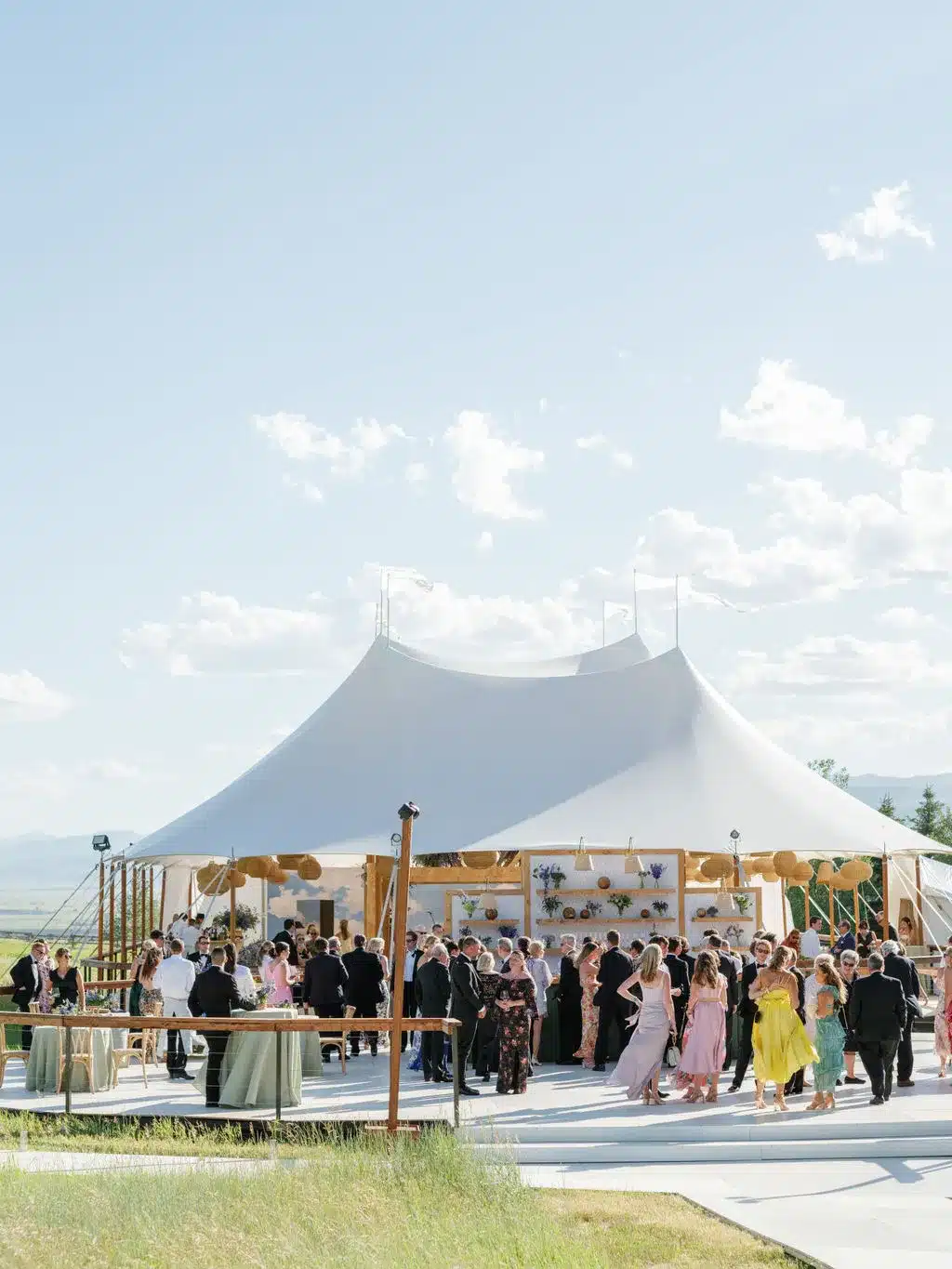
Luxury tent lighting combines premium fixtures, layered control, and placement that respects tent architecture to shape mood, sightlines, and photo-ready moments for weddings, galas, and branded events.
This guide walks through how light, via color temperature, intensity, direction, and dynamic control, redefines tented spaces. You’ll get practical steps used by designers and planners to craft memorable, high-end ambience: which fixtures elevate a tent, technical approaches for uplighting and gobos, and proven methods for layered, zoned plans that support guest flow and function. We include checklists, comparison tables, and templates to help event teams specify lighting and coordinate with vendors. Later, we outline how Skyline Tent Company delivers bespoke lighting design, safe installation, and hands-on project management for every tented event.
What Is Luxury Event Tent Lighting and Why Does Ambience Matter?
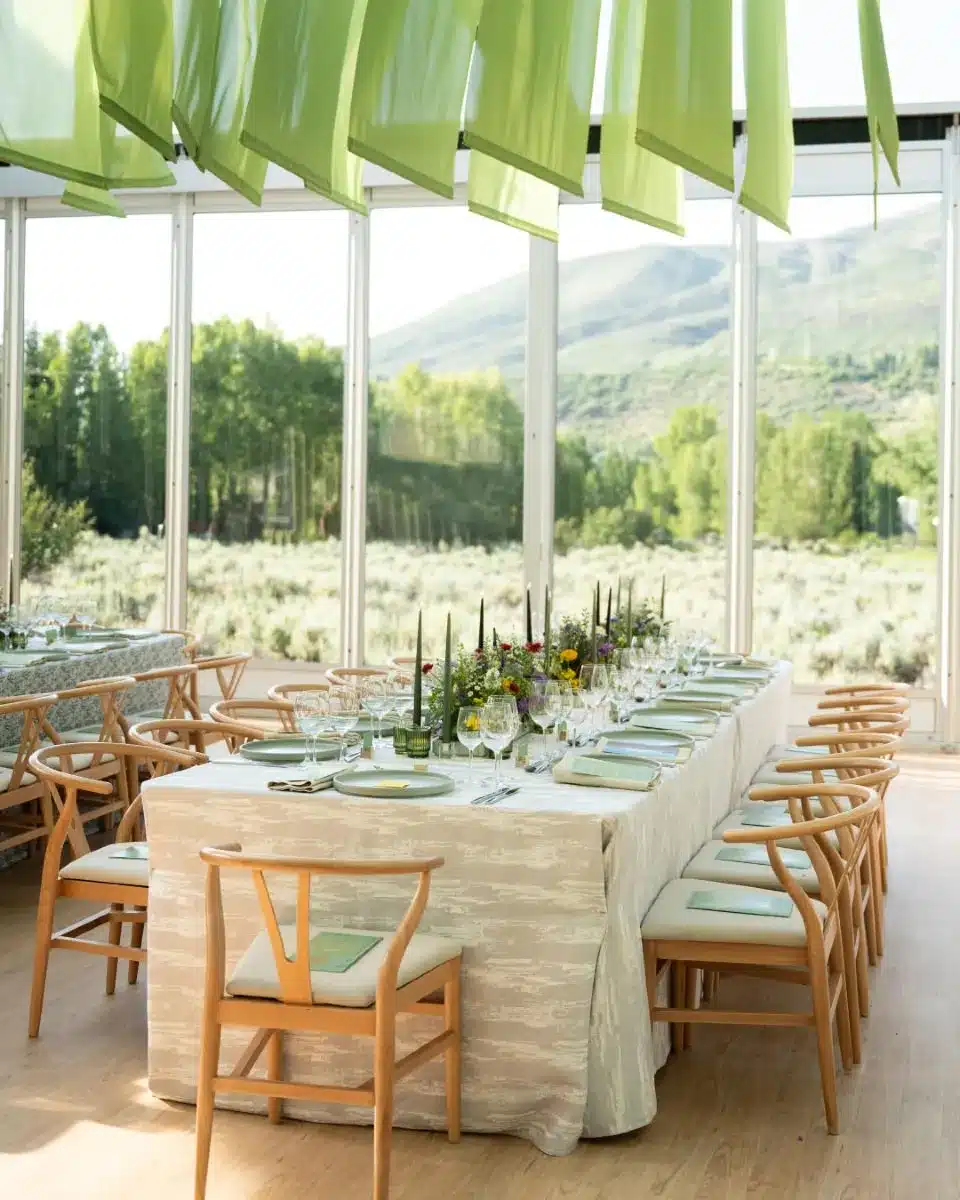
Luxury event tent lighting is a deliberate design discipline that pairs high-quality fixtures, layered controls, and tent-conscious placement to tell a cohesive visual story and leave a lasting impression. It sculpts color, brightness, and direction to highlight focal points, guide circulation, and flatter people for photography, outcomes that directly improve atmosphere and reinforce brand presentation. Ambience matters because it shapes emotional response, defines event zones, and raises perceived value, essential for weddings, product launches, and fundraising galas.
Successful events align lighting with florals, furniture, and rigging so surfaces reflect or absorb light in complementary ways. Once you see how those elements interact, choosing lighting that supports the mood inside the tent becomes much simpler.
How Does Lighting Influence Mood and Atmosphere in Event Tents?
Light changes mood through measurable qualities, color temperature, intensity, and contrast, that alter how a tent feels. Warm color temperatures (about 2,700–3,200K) produce a soft, intimate glow ideal for romantic ceremonies; cooler whites (3,500–5,000K) read as crisp and professional for corporate gatherings. Intensity and contrast guide attention: tight, high-contrast beams create drama for stages or displays, while soft, even ambient light supports relaxed dining and conversation. For example, a sunset ceremony benefits from warm uplighting that complements golden-hour tones, while a product reveal needs cooler, color-accurate washes and task lighting. Those creative choices point directly to the technical details, fixture types, dimming, and placement, that make the design achievable on site.
What Makes Tent Lighting Design Essential for High-End Events?
Tent lighting design is critical because tents introduce specific structural, material, and safety constraints that influence fixture selection, rigging, and electrical planning.
Designers must consider ceiling height, rigging points, fabric reflectivity, and power distance when specifying chandeliers, uplights, or gobos, wrong choices can create glare, heat buildup, or uneven coverage. Use this short checklist to capture essentials before design begins:
- Tent ceiling height and clearance
- Available rigging points and load limits
- Power distribution and generator capacity
- Surface reflectivity of tent fabric and finishes
Addressing these items early reduces on-site changes and protects photography, sightlines, and guest comfort.
With that foundation, you can select fixtures, chandeliers, string lights, uplighting, and projection, that match both the event’s aesthetic and technical constraints.
Which Types of Luxury Lighting Fixtures Elevate Tent Ambience?
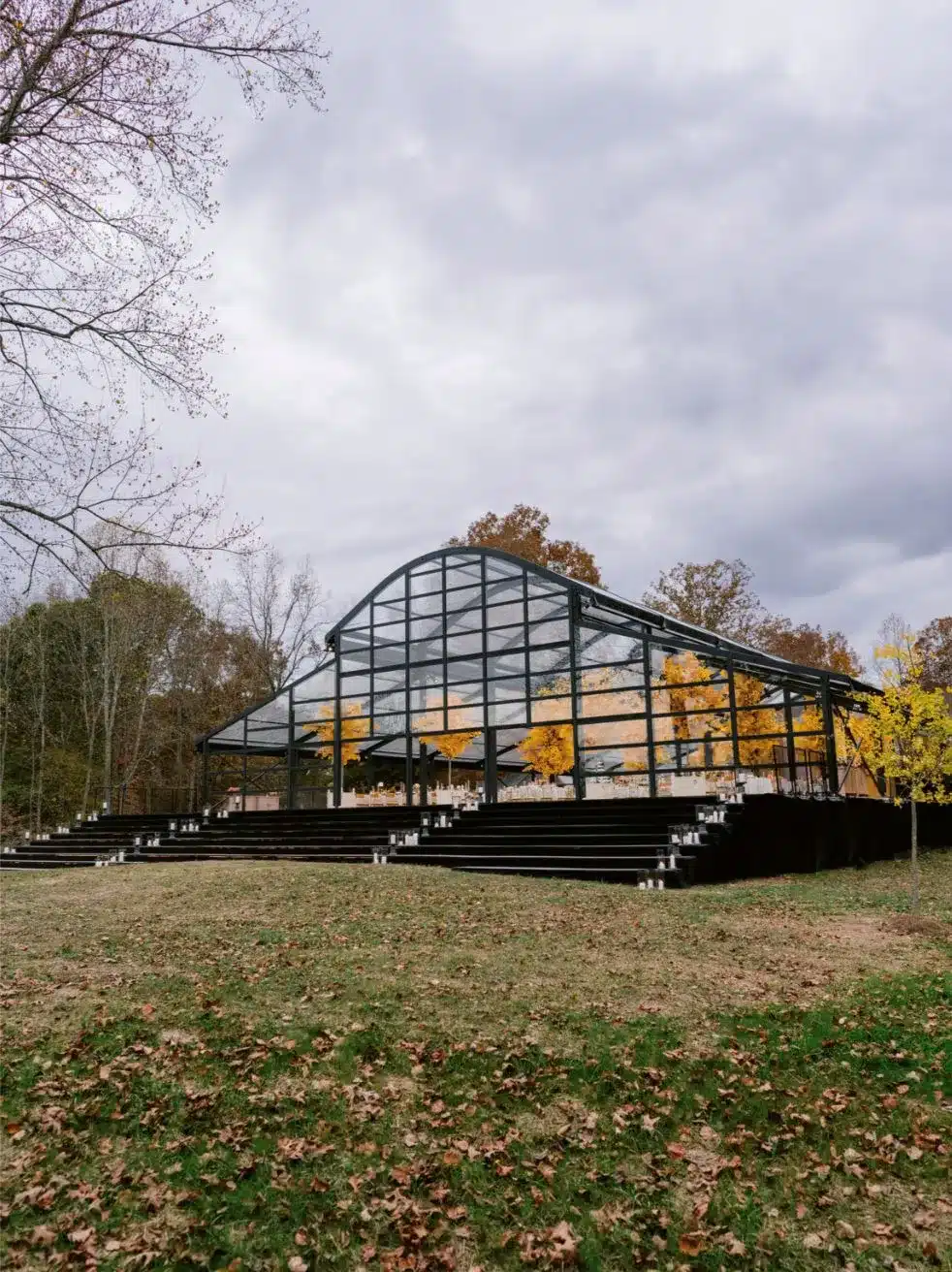
The most effective fixtures for upscale tents are chandeliers, string/bistro lights, uplights, and gobo projectors, each serves a specific visual and functional purpose depending on scale and style. The right choice balances impact, installation complexity, and power demands so the plan is both beautiful and buildable. Below are the primary fixtures with quick benefits to guide early decisions.
- Chandeliers: Provide elegant overhead anchors and focal points for dining and ceremony areas.
- String and Bistro Lights: Add warm canopy texture and intimacy to lounge and reception zones.
- LED Uplighting and Washes: Define architecture, separate color zones, and deliver brand-accurate fields.
- Gobo Projections: Personalize floors or entrances with monograms, patterns, or logos for signature moments.
Choosing fixtures also means evaluating power, rigging complexity, and complementary pairings, chandeliers with uplighting, for example, that inform specifications and installation planning.
The sections that follow take a closer look at chandeliers and string lighting.
The table below compares common luxury fixture types to help planners decide before buying or renting.
This comparison clarifies trade-offs between aesthetic return and technical investment so planners can match fixtures to event priorities. From there, placement and scale rules make sure each element reads correctly in tented volumes.
How Do Chandeliers Create Elegance in Wedding and Gala Tents?
Chandeliers create elegance by defining an overhead focal point, scattering light through crystal or polished finishes, and visually anchoring tables and traffic flow. Pick a profile that suits tent proportions: low-clearance tents need compact or semi-flush designs, while cathedral sailcloth tents can support large, multi-tier fixtures. Simple scale rules, such as matching chandelier diameter to the width of a primary table grouping or occupying roughly one-third of a central bay, help maintain balance. Safety is non-negotiable: certified rigging points, accurate load calculations, and redundant supports are required. Proper placement and secure installation deliver the luxury look and allow for on-site testing before guests arrive.
What Are the Benefits of String and Bistro Lights for Intimate Settings?
String and bistro lights provide warm, low-glare ambient light that creates intimacy without competing with other design elements. Different patterns, parallel runs, zig-zags, or canopy weaves, change perceived ceiling height and texture, making it simple to define dining and lounge zones cost-effectively. Keep lumen targets moderate so guests can read at table without washing out candles or uplighting accents; spacing should align with bay widths and drape attachment points. Include wiring, weatherproofing, and secure anchors in the plan to avoid failures. These practical details set the stage for uplighting and dynamic effects that shape event moments.
How Can Uplighting and Dynamic Effects Transform Corporate and Private Events?
Uplighting and dynamic effects bring color, depth, and motion that amplify storytelling and create choreographed moments guests remember. Uplights call out architectural features, poles, drape, valances, while moving fixtures and washes transition spaces between ceremony, reception, and entertainment. Control systems such as DMX or modern wireless consoles enable synchronized cues and music-reactive effects, but they require planning for control racks, DMX runs or wireless spectrum, and power distribution. Use cases vary: corporate briefings favor subtle, brand-aligned washes; private events may use dramatic time-based effects for reveals or performances. Knowing these operational needs lets planners specify power, control, and safety for a seamless execution.
Before we dig into techniques, the table below summarizes common dynamic effects and their technical constraints for evaluation.
This table helps corporate and production teams weigh setup complexity against desired impact and plan rigging and power accordingly. With those constraints clear, LED uplighting techniques for architectural highlighting are straightforward to apply.
What Are Effective LED Uplighting Techniques for Architectural Highlighting?
Effective LED uplighting begins with carefully chosen placement, beam angles, and color temperatures that accentuate the tent architecture without causing glare or color imbalance. Place fixtures at pole bases and behind drape seams to trace vertical lines; use narrow beams for column definition and wider washes for valances, mix angles for layered texture. For accurate skin tones in dining zones, favor neutral ambient light and reserve saturated hues for accents or brand areas. When power is constrained, battery-powered wireless uplights are a practical option; for sustained high output, mains-powered fixtures are preferable, plan battery swaps and charge cycles into your timeline.
How Do Custom Gobo Projections Personalize Event Lighting Experiences?
Custom gobos personalize a tent by projecting monograms, logos, or patterns onto floors, drapes, or arrivals, creating signature branding and photo moments. Success depends on matching projector lumens and throw distance to the surface: a dance-floor monogram typically needs a high-lumen projector with short throw and a matte, even surface for crisp definition. Simple, high-contrast graphics reproduce best, complex imagery can blur at distance. Common uses include a couple’s monogram on the dance floor, a company logo at arrival, or pattern washes behind a head table. Understanding these limits helps planners commission gobos that read well in photos and on stage.
What Are the Best Practices for Designing Layered and Zoned Lighting Ambiences?
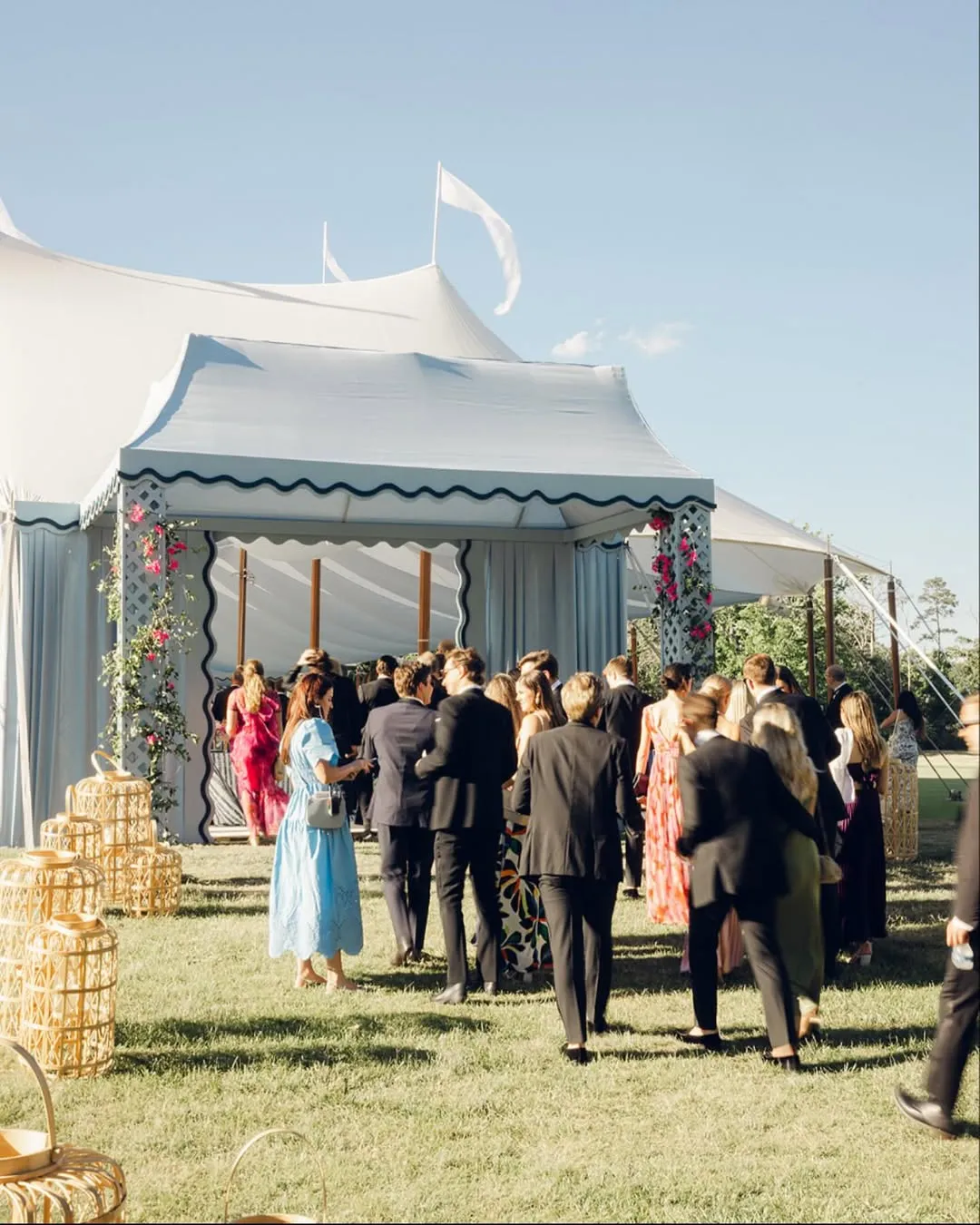
Layered, zoned lighting combines ambient, task, and accent layers, then zones them to support circulation and function across tented areas, balancing beauty with usability. Layering builds depth: ambient light sets the base mood, task light gives functional clarity for dining or speaking, and accent fixtures call attention to flowers, art, or architecture. Zoning separates the tent into dining, dance, lounge, and service areas so presets can adjust independently throughout the event. Use this practical checklist to coordinate power, sightlines, and control before installation:
- Map event zones: Identify dining, dance, lounge, presentation, and service areas.
- Assign layers per zone: Specify ambient, task, and accent fixtures for each zone.
- Plan power and control: Confirm circuits, DMX runs, and control locations with production.
These steps guide fixture placement and control programming. The table below defines typical layers and recommended fixture pairings for quick reference.
Coordinated layering resolves visual and operational challenges, enabling dimmed presets and scene controls that follow event flow.
How Does Layered Lighting Add Depth and Functionality to Tent Spaces?
Layered lighting adds depth by overlapping sources at different intensities and directions so surfaces reveal texture and people read as three-dimensional. Ambient layers set the base; task layers provide enough light for reading and service work; accent layers spotlight centerpieces and décor without compromising camera exposures. Recommended lumen targets vary by function, ambient dining is soft but clear, task zones need higher lux, and accent spots are brighter and narrow, so assign lumens per layer to keep scenes balanced. Dimming curves and preset cues let you move smoothly between dinner, speeches, and dancing without manual adjustments.
What Role Does Color Theory Play in Creating High-End Tent Lighting?
Color theory informs perception by linking palette choices to emotion and ensuring skin tones and brand colors reproduce accurately in photos. Warm palettes (peach, amber) feel intimate and romantic; cool palettes (teal, indigo) read modern and corporate. Mixing neutral ambient light with saturated accents preserves natural skin rendering. Sample approaches include warm ambients with soft rose accents for weddings, corporate neutrals with brand washes, and high-contrast pairings for lively receptions. Beware over-saturation, it can shift skin tones and camera white balance, so use calibrated fixtures and moderated saturation. Prioritizing accessibility and photographic needs keeps creative palettes impactful, not distracting.
How Does Skyline Tent Company Customize and Install Luxury Tent Lighting?
Skyline Tent Company supplies tents and integrated services built for high-end events. Our offerings include Sailcloth, Century, and Engineered Structure tents plus power generation, climate control, custom flooring, and full project management. We also provide lighting design and installation, tailored solutions that scale from intimate weddings to large branded events.
We pair site-aware lighting plots with certified rigging and an experienced installation crew so safety and visual impact arrive together. Our project managers coordinate timelines, vendors, and contingencies to reduce surprises. For planners, our approach is direct and action-oriented, moving from concept to on-site execution with clear milestones.
- Consultation: Discover event goals, site constraints, and visual direction.
- Design & Mockups: Deliver lighting plots, moodboards, and fixture lists for approval.
- Installation & Commissioning: Execute certified rigging, cable management, and on-site testing.
- QA & Event Support: Final checks, cue programming, and contingency plans.
What Is the Process for Bespoke Lighting Consultations and Design?
Our bespoke process begins with a discovery call and site survey to log tent type, Sailcloth, Century, or Engineered Structure, ceiling heights, rigging points, and power plans. That information shapes fixture choices and load calculations. We deliver moodboards, scaled lighting plots, and sample fixture lists so clients can visualize and approve the plan; lead times for custom gobos or specialty chandeliers are discussed up front. Typical deliverables include a lighting plot, control strategy, and power consumption estimate so generators or mains capacity can be provisioned. Preparing these materials minimizes last-minute substitutions and keeps all vendors aligned.
How Does Professional Installation Ensure Safety and Flawless Presentation?
Professional installation delivers safety and polish through certified rigging, accurate load calculations, and disciplined cable management so fixtures stay secure and circuits are protected. Our installation teams test dimmers, DMX paths, and emergency lighting, and they build redundancy for critical cues to avoid single-point failures. Expect a pre-event test, a cue run-through with AV partners, and clearly labeled circuits and control points to speed troubleshooting. These practices reduce risk and let the lighting perform reliably throughout the event.
What Are the Latest 2026 Trends in Luxury Event Tent Lighting Design?
In 2026, three trends shape luxury tent lighting: efficient LED systems, interactive and music-reactive installations, and bold color-blocked zoning that uses saturated palettes for memorable moments. LEDs lead for their efficiency, lower heat output in fabric tents, and tighter color control, advantages that reduce generator needs on remote sites. Interactive setups, music-reactive floors, app-controlled accents, and guest-triggered moments, enhance engagement and social sharing. Zoned color strategies separate dining, lounge, and entertainment areas with distinct palettes while keeping a cohesive ambient base. These trends scale well when power, control, and photography are planned early.
How Do Bold Colors and Zoned Lighting Enhance Event Atmosphere?
Bold colors and zoned lighting create distinct emotional experiences inside a single tent by assigning saturated palettes to specific zones while preserving neutral ambient light for skin tones and photography. For example, warm amber over dining paired with a teal lounge creates contrast that guides movement and frames photo backdrops, while a vibrant, dynamic dance floor drives energy. Designers must control saturation and use narrow-beam accents or gobos to avoid color bleed that can affect camera white balance and accessibility. Thoughtful zoning improves navigation and produces layered photo opportunities without sacrificing comfort or visibility.
Skyline Tent Company provides Sailcloth, Century, and Engineered Structure tents along with power generation, climate control, custom flooring, and project management. We include lighting as a core service and combine design expertise with professional installation to execute events of any scale.
If you’re ready to request a lighting consultation or quote, gather site diagrams, estimated guest counts, preferred palette samples, and timeline constraints so we can produce an accurate lighting plot and power estimate. Contact our project management team with those materials to schedule a discovery session and confirm mockups, lead times for specialty fixtures, and installation windows.
Frequently Asked Questions
What are the key considerations for selecting lighting fixtures for luxury events?
When selecting fixtures, consider the event’s theme, tent architecture, and the atmosphere you want to achieve. Key factors include event type (wedding, corporate), tent scale, and which zones need illumination. Also evaluate power requirements, installation complexity, and how fixtures interact with florals and furniture. A holistic approach ensures lighting enhances aesthetics while meeting practical needs.
How can lighting design impact guest experience at events?
Lighting shapes guest experience by setting mood, guiding movement, and improving visual appeal. Thoughtful lighting creates intimate dining environments, energizing dance floors, or clear presentation areas. Layered lighting, ambient, task, and accent, lets each area serve its purpose while maintaining a cohesive look. Good lighting also improves photography, making moments more memorable for attendees.
What are the safety considerations for installing lighting in tents?
Safety centers on certified rigging, accurate load calculations, and tidy cable management. Installers should secure fixtures to rated rigging points and protect circuits. Conduct pre-event testing of dimmers, control paths, and emergency lighting, and prepare contingency plans for power or equipment failures. Prioritizing safety creates a secure environment while preserving the event’s visual impact.
How do you determine the right color temperature for different event types?
Choose color temperature to match the event’s emotional tone and visual needs. For romantic weddings, warm temperatures (2,700–3,200K) feel intimate; for corporate events, cooler whites (3,500–5,000K) read as clean and professional. Also consider existing venue light and photographic outcomes, balancing those factors preserves skin tones and supports the event’s look.
What role does technology play in modern luxury event lighting?
Technology enables dynamic effects, precise control, and enhanced engagement. DMX and wireless consoles let you program synchronized cues and music-reactive moments. Interactive installations, app control or guest-triggered effects, create memorable, shareable experiences. Technology also simplifies complex designs when power, control, and pre-programming are planned properly.
How can planners effectively communicate their lighting vision to vendors?
Communicate clearly with moodboards, lighting plots, and fixture lists. In early consultations, describe theme, atmosphere, and key lighting needs. Share photos or reference events to clarify intent, and maintain regular check-ins during planning. Clear documentation and open dialogue help vendors deliver the look you envision.
Conclusion
Luxury tent lighting transforms a temporary structure into a purposeful, photo-ready environment that elevates guest experience and brand presentation. By understanding fixture types, color temperature, and layered design, planners can create stunning, functional spaces. Partnering with an experienced provider like Skyline Tent Company brings coordinated design, certified installation, and project management that keep your event running smoothly. Start your next high-end event by requesting a bespoke lighting consultation with our team.
