
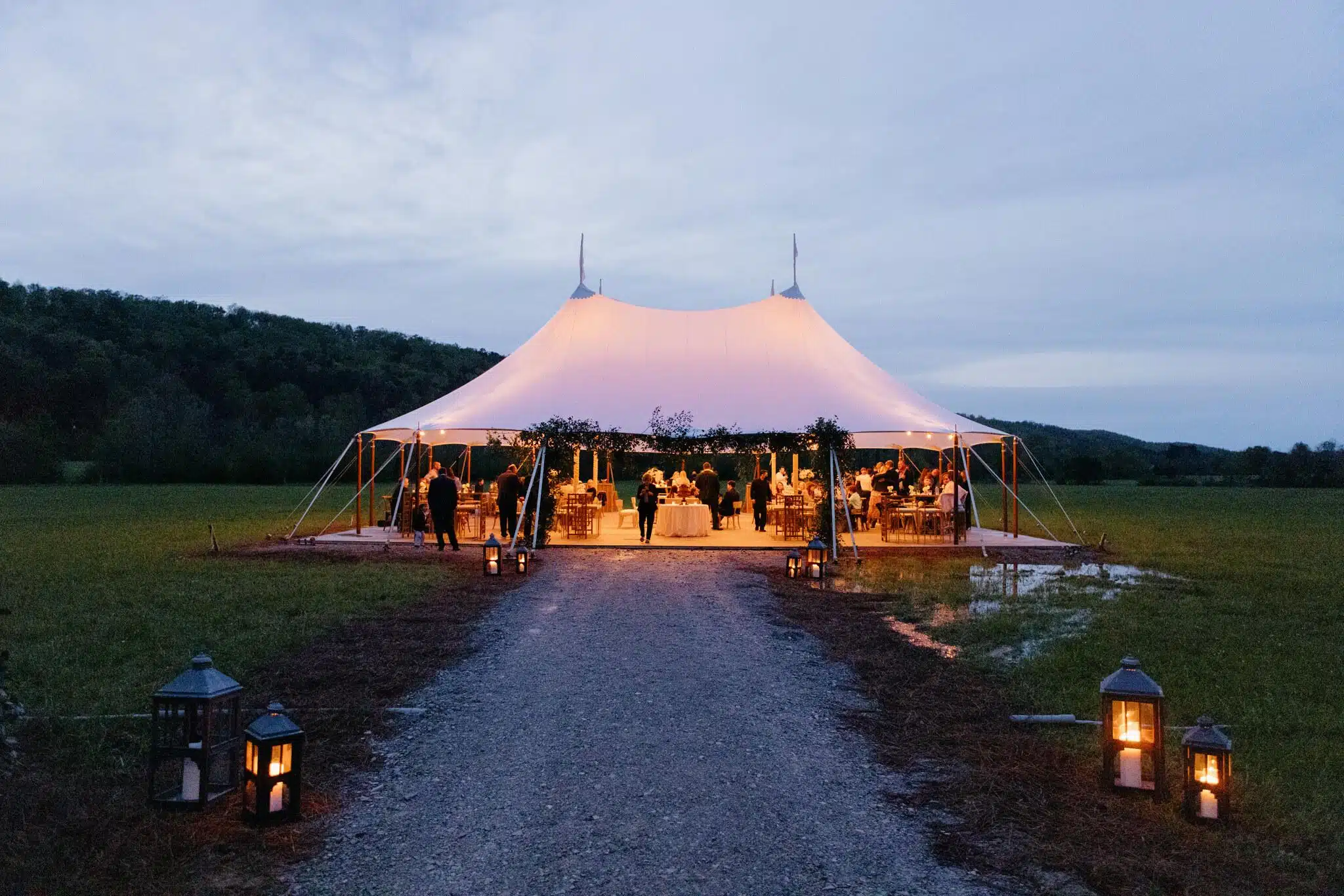
Good lighting is essential for any outdoor tented event. Thoughtfully curated luxury outdoor tent lighting ideas help shape the mood and define the visual character of the space. Luxury tent lighting combines ambiance and functionality; this guide summarizes practical approaches, from layered ambient lighting to flooring and logistical considerations, to help you plan a polished, comfortable experience for weddings, corporate events, and private receptions.
Thoughtful lighting not only enhances the aesthetic appeal but also ensures functionality, safety, and guest comfort throughout the event duration. By carefully selecting and positioning lighting fixtures, you can transform a simple tent into an enchanting venue that leaves a lasting impression on attendees.
What Are the Best Tent Lighting Designs for Luxury Outdoor Events?
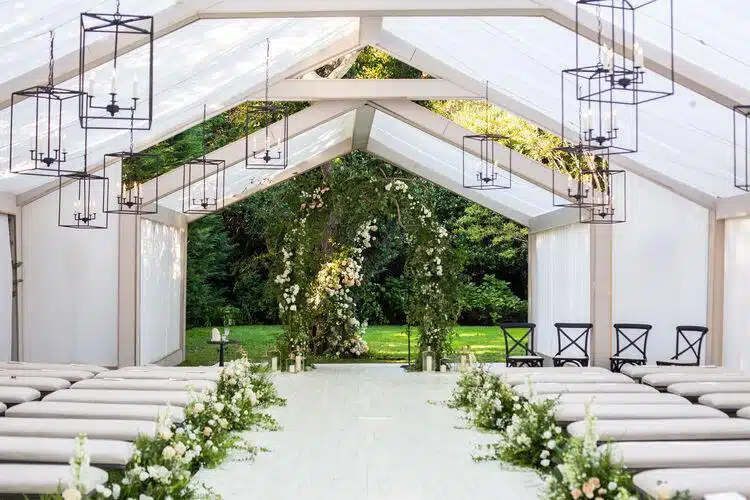
Lighting choice strongly affects atmosphere. Use layered fixtures to mix ambient, accent, and task light so the tent reads well in photographs and feels inviting for guests. Each type of lighting serves a unique purpose: ambient lighting provides overall illumination, accent lighting highlights architectural or decorative features, and task lighting ensures functional areas are well-lit. Combining these layers creates depth and visual interest, making the space feel dynamic and thoughtfully designed. Consider the event’s theme and time of day when selecting lighting styles and intensities to achieve the desired mood.
- Chandeliers : High-impact focal fixtures that lend formal elegance and can be sized to suit the tent’s peak. Chandeliers often become the centerpiece of the lighting design, drawing guests’ eyes upward and adding a touch of grandeur. They come in various styles, from classic crystal to modern minimalist, allowing customization to match the event’s decor. Proper installation is crucial to ensure safety and stability, especially in outdoor settings where wind and weather can be factors.
- String Lights : Versatile and warm; ideal for draping, grids, or outlining structure. String lights create a cozy, inviting atmosphere and can be arranged in creative patterns to enhance the tent’s architecture. They are particularly effective for casual or rustic-themed events and can be combined with other lighting types to add sparkle and charm. Their flexibility and ease of installation make them a popular choice for many event planners.
- LED Uplighting : Clean, programmable accents for walls, columns, and foliage. LED uplights offer vibrant color options and can be synchronized with music or event themes for dynamic effects. They are energy-efficient and generate less heat, making them suitable for extended use. Uplighting can dramatically alter the perception of space by adding depth and highlighting textures, contributing to a sophisticated ambiance.
Skyline Tent Company supplies tents and infrastructure and can advise on practical fixture choices and safe installation. Their expertise ensures that lighting integrates seamlessly with the tent’s design and structural capabilities, avoiding common pitfalls such as overloading rigging points or inadequate power supply. Collaborating with experienced providers helps guarantee a smooth setup and a stunning final presentation.
Exploring Ambient Lighting Options for Tents
Ambient light sets the base level so guests feel comfortable while accent elements add drama. Aim for even, glare-free coverage that supports focal fixtures. The quality of ambient lighting influences how guests perceive the space and can affect their mood and interaction. Soft, diffused light reduces harsh shadows and creates a welcoming environment. Consider using dimmable fixtures to adjust brightness throughout the event, accommodating different activities such as dining, dancing, or speeches.
- Fairy Lights : Delicate and decorative when woven into beams or fabric. Fairy lights add a whimsical touch and can be used to highlight architectural details or create a starry effect on the tent ceiling. Their subtle glow complements other lighting layers without overpowering the scene.
- Lanterns : Portable, decorative sources for perimeter or table lighting. Lanterns provide localized pools of light that enhance intimacy and can be styled to match the event’s theme, from rustic to modern. They also serve as functional lighting for pathways or seating areas.
- LED Strip Lights : Discreet outlines for eaves, stages, or bar fronts. LED strips offer continuous illumination and can be color-customized to reinforce branding or event colors. Their slim profile allows for hidden installation, maintaining clean lines and an uncluttered look.
Layer ambient sources under your accent and task lighting to create depth and flexibility. This approach allows for easy adjustments during the event and ensures that lighting can adapt to changing needs, such as transitioning from a bright cocktail hour to a dimmed dance floor.
Choosing Between String Lights, Chandeliers, and LED Systems
Select fixtures to match tone, budget, and operations: string lights for casual warmth, chandeliers for formality, and LED systems for energy-efficient, programmable effects. Each option offers distinct advantages and challenges, so understanding their characteristics helps in making informed decisions. Consider the event’s scale, desired ambiance, and technical requirements when selecting the primary lighting system.
- String Lights : Affordable, easy to install, highly adaptable. They are ideal for creating a relaxed, festive atmosphere and can be used in various configurations to suit different tent shapes and sizes.
- Chandeliers : Statement pieces that require secure rigging. While they add sophistication, chandeliers demand careful planning for weight support and electrical connections, especially in temporary structures.
- LED Systems : Colour control and low energy use for dynamic scenes. LEDs offer versatility in color and intensity, enabling customized lighting scenes that can be programmed to change throughout the event.
Balance aesthetic goals with power, rigging, and maintenance considerations when choosing a primary system. Early collaboration with lighting designers and tent providers ensures that the chosen fixtures integrate well with the overall event plan and infrastructure.
How to Evaluate Tent Structures for Optimal Lighting Compatibility?
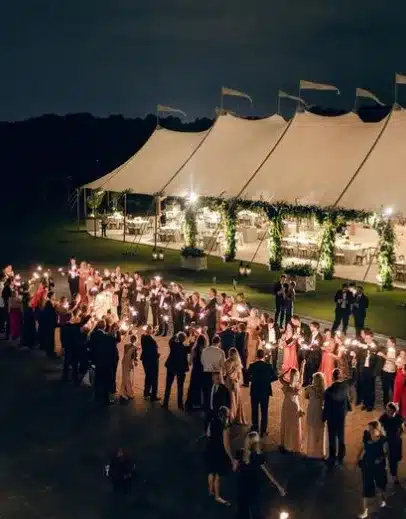
Tent geometry, footprint, and fabric all shape light distribution. Check structure plans before finalising fixture counts and mounting strategies. Understanding the physical characteristics of the tent helps anticipate how light will behave, where shadows may fall, and which areas require additional illumination. This evaluation prevents last-minute adjustments and ensures a cohesive lighting design.
- Tent Size : Larger volumes need more output or additional layers. The scale of the tent influences the number and type of fixtures required to achieve balanced lighting without dark spots or excessive brightness.
- Tent Shape : Peaks and sidewalls influence reflection and shadowing. Complex shapes may create challenging lighting conditions that require strategic fixture placement to avoid uneven illumination.
- Material : Fabric weight and color affect diffusion and bounce. Translucent or light-colored fabrics can enhance ambient light by reflecting it, while darker or heavier materials may absorb light, necessitating stronger sources.
A structural review helps ensure fixtures perform as intended and comply with load limits. It also aids in identifying suitable rigging points and electrical access, which are critical for safe and effective installation.
Assessing Tent Types Based on Event Size and Environment
Match tent type to guest count and site constraints so lighting can achieve the desired effect without excessive equipment. Selecting the appropriate tent style simplifies lighting design and enhances the overall event experience by providing a suitable canvas for illumination.
- Small Gatherings : Intimate tents work well with fewer, warmer fixtures. These settings benefit from cozy lighting that encourages conversation and comfort.
- Large Events : High-peak tents allow dramatic central fixtures and layered rigs. The spacious interiors accommodate grand chandeliers and complex lighting setups that create visual impact.
- Outdoor Conditions : Account for daylight, sightlines, and weather when planning coverage. Natural light levels and environmental factors influence fixture selection and placement to maintain consistent ambiance.
Choosing the right tent simplifies lighting design and improves sightlines and atmosphere. It also reduces the need for excessive power consumption and equipment, contributing to a more sustainable event.
Integrating Lighting Systems with Tent Architecture
Plan installations to respect rigging points, clearances, and electrical safety; collaborate with designers who understand tent engineering. Proper integration ensures that lighting fixtures complement the tent’s structure without causing damage or safety hazards.
- Consultation : Involve lighting and tent specialists early. Their combined expertise helps identify potential challenges and innovative solutions.
- Safety Considerations : Use weather-rated gear, correct cabling, and licensed electricians. Compliance with safety standards protects guests and staff while preventing equipment failure.
- Aesthetic Harmony : Select fixtures and finishes that complement the tent’s style. Cohesive design enhances the overall visual appeal and reinforces the event’s theme.
Proper coordination between designers and installers reduces risk and improves the finished look. It also streamlines the setup process, minimizing disruptions and delays.
What Role Does Flooring Play in Enhancing Tent Lighting Ambiance?
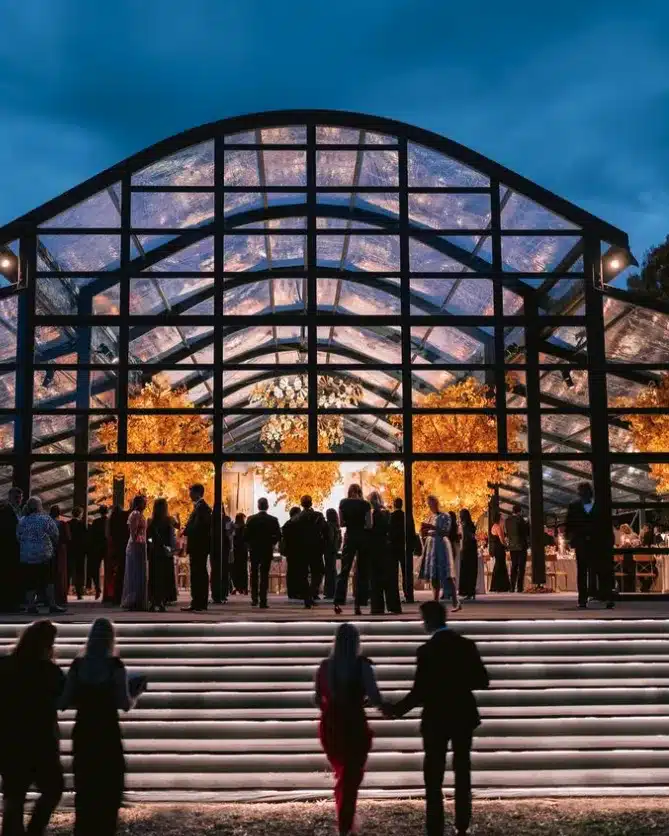
Flooring changes perceived brightness and comfort; reflectivity and texture affect how light reads across the space. The choice of flooring material can either amplify or soften lighting effects, influencing the mood and functionality of the event area. Flooring also contributes to guest safety and comfort, which are essential for a successful event.
- Reflectivity : Shiny finishes increase bounce; matte finishes absorb light. Reflective floors can make spaces feel larger and brighter, while matte surfaces create a more subdued, intimate atmosphere.
- Color Coordination : Floor tones should support your lighting palette and décor. Harmonizing floor colors with lighting hues enhances visual cohesion and prevents clashes that distract guests.
- Comfort : Choose durable, comfortable surfaces for guest ease. Flooring should accommodate high foot traffic and provide a stable, pleasant walking experience.
Select floors that meet aesthetic and safety needs while helping achieve your lighting goals. Consider the event’s duration and activities when choosing materials to ensure longevity and performance.
Selecting Flooring Materials That Complement Lighting Effects
Consider how finishes react to warm or cool light and choose durable options that support event use. The interaction between flooring and lighting can enhance textures and colors, adding richness to the environment.
- Wooden Flooring : Adds warmth under soft lighting. Wood’s natural tones and grain patterns create a welcoming ambiance and pair well with traditional or rustic themes.
- Vinyl Flooring : Versatile colours and easy maintenance. Vinyl offers practical benefits for outdoor events, including water resistance and quick installation, while available in a range of finishes to suit different styles.
- Carpet : Improves acoustics and comfort. Carpeted floors absorb sound and provide a cushioned surface, enhancing guest comfort during longer events.
The right floor complements both technical and stylistic aspects of your lighting plan. It also contributes to the overall sensory experience, affecting how guests perceive the space.
Impact of Flooring on Light Reflection and Guest Experience
Reflective surfaces can enlarge the visual volume while softer floors improve acoustics and comfort; always prioritise safety in high-traffic zones. Flooring choices influence not only the visual but also the tactile and auditory environment, shaping guest satisfaction.
- Light Reflection : Use reflectivity to amplify ambient levels where appropriate. Strategic placement of reflective flooring can reduce the need for additional lighting fixtures.
- Guest Comfort : Comfortable surfaces encourage guest enjoyment. Flooring that supports prolonged standing or dancing enhances the overall event atmosphere.
- Safety : Ensure floors are slip-resistant and stable. Safety measures prevent accidents and liability issues, especially in outdoor or variable weather conditions.
Combining reflection, comfort, and safety produces a more enjoyable event environment. Thoughtful flooring selection works hand-in-hand with lighting to create a cohesive and inviting space.
How to Plan Site Logistics for Effective Outdoor Tent Lighting?
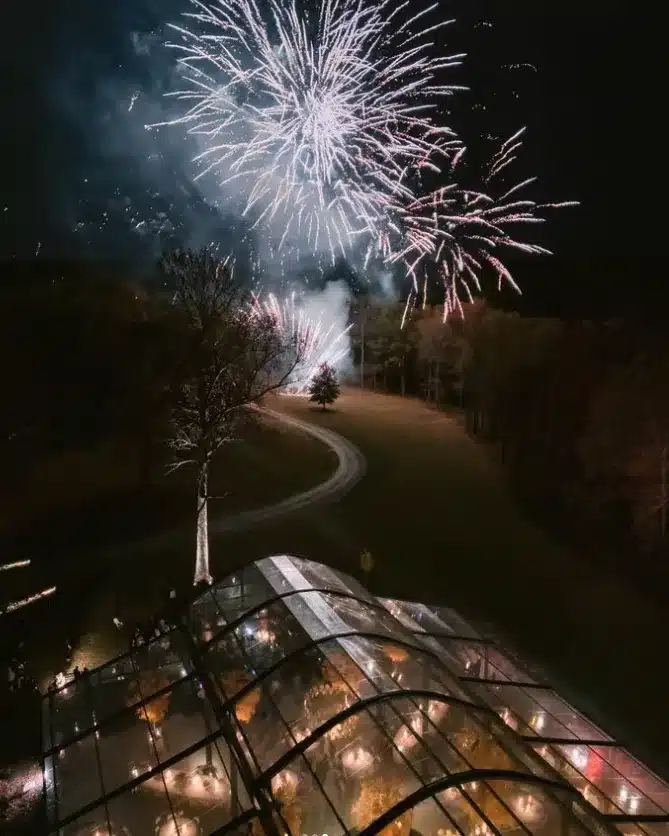
Confirm site power, installation windows, and guest flows early so lighting plans are realistic and safe. Effective logistics planning prevents costly delays and ensures that lighting systems function optimally throughout the event.
- Power Requirements : Verify supply, distribution, and backup capacity. Understanding the electrical infrastructure helps avoid overloads and outages.
- Installation Timing : Coordinate sequencing with other trades. Scheduling installation to minimize conflicts improves efficiency and reduces stress.
- Guest Count : Adjust fixture counts and zoning to match occupancy. Proper scaling of lighting ensures comfort and visibility without waste.
Proper logistics reduce setup time and operational friction. They also contribute to a safer environment for staff and guests by ensuring all equipment is installed and tested correctly.
Coordinating Lighting Installation with Site Environment and Guest Count
Use accurate measurements and area maps to place fixtures for dining, staging, circulation, and service zones. Detailed planning allows for tailored lighting that supports each functional area’s needs.
- Measuring Tent Dimensions : Confirm clearances and mounting points. Precise measurements prevent installation errors and ensure fixtures fit as intended.
- Mapping Functional Areas : Prioritise zones for ambient, task, and accent lighting. This approach enhances usability and visual appeal by addressing specific lighting requirements.
A walkthrough before the event validates coverage and highlights adjustments. This final check helps identify any overlooked issues and allows for last-minute refinements.
Incorporating Energy-Efficient and Smart Lighting Technologies
LED fixtures, smart controls, and solar options cut energy use and increase operational flexibility, valuable for both sustainability and scene management. These technologies not only reduce environmental impact but also offer creative possibilities for dynamic lighting effects.
- LED Lighting : Efficient, long-lived, and colour-capable. LEDs provide consistent performance with minimal maintenance, making them ideal for extended events.
- Smart Control Systems : Scene programming and easy dimming. These systems allow precise control over lighting moods and transitions, enhancing the guest experience.
- Solar-Powered Lights : Useful for perimeter and low-power needs. Solar options reduce reliance on grid power and can be deployed in remote locations.
Integrating these technologies supports a refined visual result with lower running costs. They also align with growing expectations for environmentally responsible event planning.
Research underlines the benefits of advanced energy-efficient and smart lighting solutions for sustainable event design. These innovations contribute to long-term cost savings and improved operational efficiency, making them a wise investment for event organizers.
Frequently Asked Questions
What are the key factors to consider when choosing tent lighting for different types of events?
Prioritise event theme, guest count, and the desired mood; align fixture choice with the tent structure and photographic needs. Consider the duration of the event and any special activities that may require focused lighting, such as performances or speeches.
How can I ensure my outdoor tent lighting is safe and compliant with regulations?
Use licensed electricians, weather-rated equipment, and local-code checks; protect connections and avoid overloads. Regular inspections and testing before and during the event help maintain safety standards.
What are some creative ways to incorporate lighting into the tent’s decor?
Layer fabric-integrated lights, varied-height lanterns, coloured uplighting, or projections to reinforce theme while keeping practical illumination. Experiment with textures and colors to create immersive environments that engage guests visually.
How do I choose the right lighting color temperature for my event?
Warm 2700K–3000K for intimate, flattering light; cooler 4000K–5000K for clearer, more functional scenes, match to décor and camera needs. Mixing temperatures can define zones within the tent, such as warmer dining areas and cooler task zones.
What are the benefits of using smart lighting systems for outdoor events?
Smart systems enable scene programming, precise dimming and colour control, and can reduce energy use while improving operations. They also allow quick adjustments in response to changing event dynamics or guest preferences.
How can I effectively integrate lighting with the tent’s flooring?
Choose floor reflectivity and texture to support your lighting plan; use perimeter LED strips to define circulation and transitions. Coordinating floor and lighting colors enhances spatial perception and guides guest movement.
What are some tips for planning the layout of lighting in a large tent?
Start with a zoned plan (dining, stage, circulation, service), assign ambient/task/accent fixtures, and perform an on-site walkthrough to confirm coverage. Allow flexibility for adjustments based on real-time observations and feedback.
Conclusion
Thoughtful tent lighting, combining chandeliers, string lights, LEDs, appropriate flooring, and careful logistics, creates a cohesive, comfortable, and photogenic environment. Work with tent and lighting professionals to balance aesthetics, safety, and efficiency for a memorable outdoor event. Investing time in detailed planning and collaboration ensures that every element works harmoniously, resulting in an event space that delights guests and meets all functional requirements. The right lighting design elevates the overall experience, making your event truly unforgettable.
