
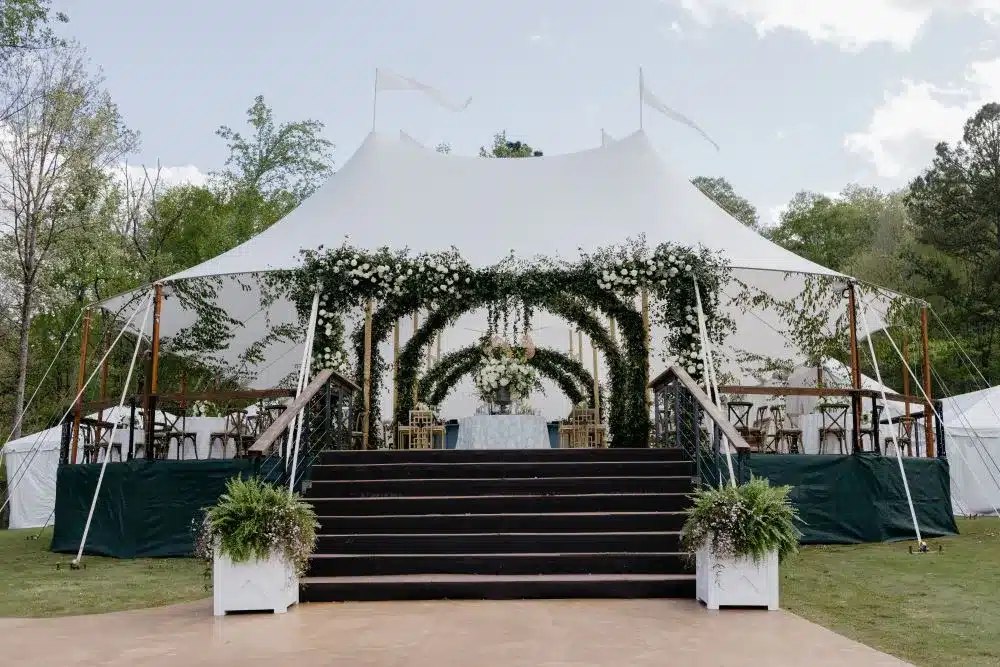
A luxury tent event is part design, part engineering, and entirely dependent on timing. The earlier you lock the structure, site plan, and technical systems, flooring, climate control, and power—the more seamless the guest experience will feel. This timeline guides you through key decisions made 12+ months in advance, confirmations at 6–12 months, and finalizations at 3–6 months, as well as the on-site build process that culminates in the weeks leading up to your event. Along the way, we’ll highlight the decisions that most affect permitting, inventory availability, and installation sequencing, so your event opens on time, looks effortless, and performs reliably in real conditions.
What Are the Key Phases in a Luxury Event Planning Timeline?
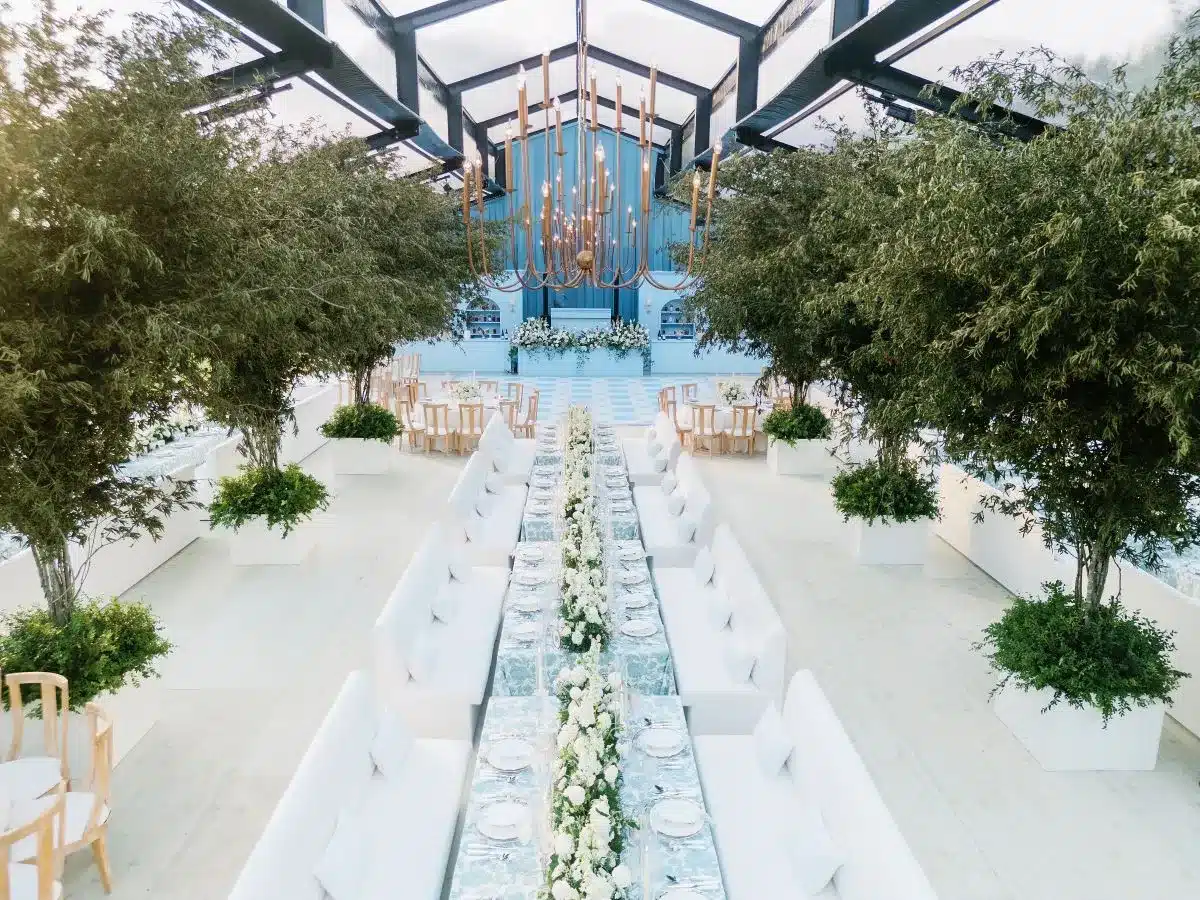
We break luxury tent-event planning into four phases that match real-world inventory, engineering, permitting, and installation lead times: Vision & Foundation (12+ months), Design & Vendor Coordination (6–12 months), Logistics & Refinement (3–6 months), and Setup & Execution (weeks/days). Each phase builds on the last—so your structure, flooring, climate control, and power are sized correctly, your permit packet is ready when needed, and your on-site build stays clean and predictable.
Following this sequence helps avoid the most common (and most expensive) late-stage issues: undersized HVAC, insufficient generator capacity, or flooring and platforms that exceed the planned structure or site conditions.
Phase checklist (quick reference)
- Vision & Foundation (12+ months): Confirm guest count, define the experience and priorities, outline a preliminary budget, and evaluate site fit to choose the right tent family.
- Design & Vendor Coordination (6–12 months): Complete site surveys, select the tent system and flooring approach, begin HVAC/power planning, and start permit documentation if thresholds or engineered structures apply.
- Logistics & Refinement (3–6 months): Finalize vendor scopes, lock specialty systems (flooring, climate control, power distribution, rigging/AV support), and conduct walkthroughs to confirm access, staging, and final layout flow.
- Setup & Execution (weeks/days): Execute the build sequence (anchors → structure → flooring → systems → finishes), complete quality checks, and align final walkthroughs/inspections before guest arrival.
These phases set the foundation for how early decisions shape the structure, the systems, and the build plan.
How Does the Vision and Foundation Phase Shape Your Event?
Vision & Foundation is where aesthetics become requirements. Early choices—an intimate dinner under sailcloth versus a large-scale gala with unobstructed sightlines—drive the tent family, footprint, and whether an engineered structure makes sense. This is also the moment to capture “must-haves” that affect technical planning: stages, lounge zones, band platforms, glass walls, elevated flooring, or large floral/lighting installs.
During early site reconnaissance, document the practical constraints that determine feasibility and cost: access routes, service corridors, anchoring zones, grade/slope, and any utility considerations. A clear foundation lets your tent partner and technical vendors build accurate quotes, realistic lead times, and a smoother path through permitting if required.
What Happens During Design and Vendor Coordination?
This phase turns the vision into a coordinated plan that vendors can execute without rework. It typically includes finalizing the tent system, confirming flooring and platform needs, planning HVAC and power based on occupancy and layout, and identifying rigging/AV locations that won’t conflict with structure or egress.
A reliable sequencing approach is:
- Structure + engineering scope (and permit documentation when applicable)
- HVAC + power planning to match the footprint and guest load
- Flooring/platforms + finishes that integrate cleanly with the build plan
When these elements are coordinated early—along with clear load assumptions and sightline goals—bids tighten up, scope creep drops, and approvals move faster.
How to Define Your Luxury Tent Event Vision 12+ Months Out
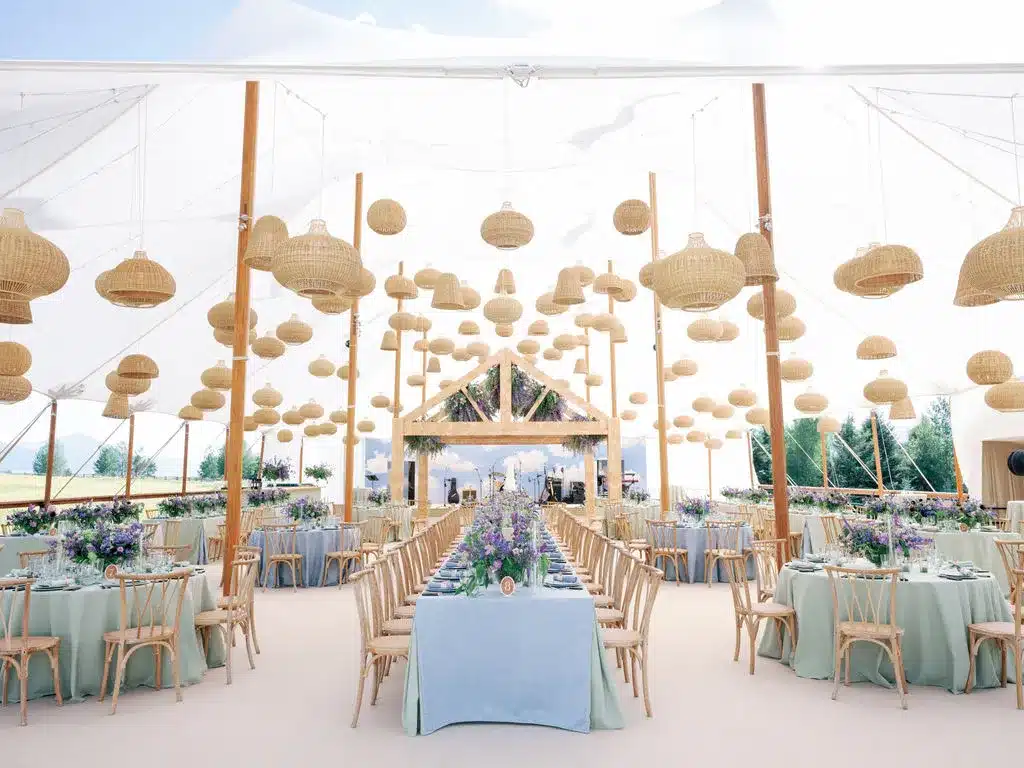
Twelve months (or more) is when a luxury tent event moves from inspiration to a plan that can be engineered, permitted, and executed without compromises. Start with a structured vision conversation so every design choice—tent style, layout flow, flooring, climate control, and power—supports the guest experience and performs reliably on site.
Begin by defining the atmosphere you want guests to feel the moment they arrive: intimate and airy, lounge-forward, formal dining, or gala-scale and dramatic. Then document your non-negotiables—elements like a band stage, elevated flooring, statement entries, glass walls, or major floral/lighting installs. These decisions directly shape the tent family, footprint, and technical requirements, and they help your tent partner recommend a structure that protects sightlines, circulation, and comfort.
Once the vision is clear, schedule a private consultation to review the site, confirm feasibility, compare tent systems, and map the key technical considerations that should be addressed early (engineering documentation when required, permitting thresholds, installation sequencing, and site logistics).
What Questions Help Clarify Your Luxury Event Vision?
A focused set of questions reveals the priorities that drive tent selection, system planning, and site design:
- What should the experience feel like: formal, airy, architectural, lounge-forward, or theatrical?
- How many guests—and how should movement flow between arrival, dining, dancing, bar, lounge, and exits?
- What are the must-have build elements: stage, elevated flooring, custom entries, glass walls, large suspended installs?
- What season and location factors matter most: heat, humidity, wind exposure, rain plan?
- What accessibility and service needs exist: ramps, smooth transitions, discreet service corridors, vendor staging zones?
- Which trade-offs are acceptable if the site or permitting requirements require adjustments: scale, layout, tent style, or finishes?
With these answers documented, your team can translate vision into a clear initial spec that supports permitting (when needed), smooth vendor coordination, and a build plan that feels effortless on event day.
How to Translate Vision Into a Build-Ready Plan
Luxury tents perform best when design and systems are planned together. As your vision solidifies, align early on:
- Structure choice: Sailcloth, Century, or engineered clear-span based on capacity, sightlines, and weather-readiness
- Flooring approach: Leveling, elevated platforms, stages, and seamless transitions for comfort and accessibility
- Climate + power strategy: Quiet, even comfort tailored to occupancy and layout, with power distribution planned to match
- Layout flow: Guest circulation, service corridors, and exit paths designed in from the start
- Site logistics: Access routes, staging zones, anchoring areas, and emergency access reflected in the plan set
These early decisions make the 6–12 month phase faster and cleaner—because your structure, systems, and layout are already aligned before details and finishes are finalized.
What Are the Best Practices for Tent Design and Vendor Integration 6-12 Months Before the Event?
At the 6–12 month mark, focus on specifying finishes, confirming system compatibility, sequencing vendor commitments, and submitting permits to lock timelines and pricing. Design priorities include unobstructed sightlines, durable flooring with correct load capacity, and HVAC placement that avoids drafts and excessive noise. Technical integration requires early coordination among structural engineers, HVAC providers, power vendors, and rigging teams to verify anchor points, cable runs, and equipment access. Working with partners who offer engineered-structure tents, climate solutions, and specialty flooring simplifies integration, those vendors can coordinate system-level trade-offs and supply engineering details for permit packages.
Intro to tent-type comparison: The table below compares common tent families so you can choose a structure based on capacity, weather resistance, and design flexibility.
This comparison clarifies how tent choices align with scale and environmental risk, helping technical teams define the right engineering scope.
- Integration checklist for this phase: Confirm structural engineering and submit permit packages. Sequence HVAC and power orders to match tent procurement. Specify flooring finishes and platform load ratings in vendor contracts.
Following these practices moves the project toward procurement and logistics finalization at the 3–6 month stage.
How to Craft a Bespoke Tent Design Including Flooring and Climate Control?
A bespoke tent design balances look and performance: choose flooring that meets load and drainage needs, select finishes that support your palette, and place climate control for quiet, even comfort. Flooring options, from modular raised platforms to hardwood, must account for subgrade conditions and emergency egress. HVAC planning should be occupancy‑based, positioned to preserve sightlines, and include redundancy to prevent outages; quieter units and careful duct routing minimize disturbance near dining or performances. Engage vendors who provide engineering specs for flooring and HVAC so load calculations and anchor details are included in the tent drawings.
These material and system choices feed directly into permitting and site logistics documentation for municipal review.
What Permits and Site Logistics Are Required for Luxury Tent Events?
Typical permits and logistics include temporary structure permits, fire department approvals, electrical permits for generators, and possible environmental or land‑use clearances depending on the site. Site logistics need a detailed map showing delivery routes, staging areas, anchor zones, drainage plans, and emergency egress. Planners, site surveyors, and the tent provider should agree on permit submission deadlines to avoid late fees or schedule shifts. Municipal requirements vary, so begin permits during the 6–12 month window to allow time for reviews and any engineering revisions.
- Permit & logistics checklist: Submit temporary structure and electrical permit applications early. Provide site surveys and anchor/load calculations to authorities. Plan staging, drainage mitigation, and service vehicle access.
Completing permits and logistics prepares teams for the intensive vendor coordination and confirmations required in the 3–6 month phase.
How to Manage Logistics and Refine Event Details 3-6 Months Out?
In the 3–6 month window, finalize vendor contracts, secure specialty rentals, confirm power and HVAC specs, and run full walkthroughs to validate guest flow and safety. This is when lead times for climate control and specialty flooring must be met, ordering now avoids rush premiums and allows for test installations. Coordinate delivery windows, lock load‑in sequences, and schedule technical rehearsals. Establish a responsibility matrix and a communications protocol to reduce day‑of conflicts and align installation crews.
Intro to lead-time table: The table below lists recommended booking windows for core services so you can prioritize procurement within the 3–6 month timeline.
This lead‑time guide emphasizes ordering HVAC, power, and flooring during this phase to avoid schedule risk and ensure compatibility with the tent structure.
- Logistics checklist for 3–6 months: Confirm final equipment specs and delivery windows with vendors. Schedule a full site walkthrough with all core vendors. Lock delivery and installation sequences to minimize overlap and crane conflicts.
Finalizing these logistics sets the stage for installation plans and crew assignments that will guide the weeks and days before the event.
What Climate Control and Power Solutions Ensure Guest Comfort?
Guest comfort starts with HVAC sized to occupancy and event activity, with attention to noise, airflow patterns, and redundancy. HVAC sizing relies on heat‑load calculations, accounting for people, lighting, cooking equipment, and solar gain, so choose units rated for quiet operation in dining and performance areas. Power plans should include generator capacity sized for HVAC and AV peaks, well‑placed distribution panels, and backup systems to handle unexpected demand. Redundancy and sound attenuation reduce the risk of interruptions and help preserve a premium guest experience.
Share these technical specs with installation crews and integrate them with anchor and flooring plans to avoid conflicts during setup.
How to Finalize Event Layout and Optimize Guest Experience?
Finalize the layout to optimize sightlines, circulation, and accessibility by mapping seating density, service corridors, VIP areas, and emergency exits around tent columns and rigging points. Allow adequate space per guest for seating and movement, and position service corridors to keep operations discreet yet efficient. Place VIP zones and stages with clear sightlines and easy access for performers and staff. Ensure accessibility with ramps, platform tolerances, and smooth surface transitions to meet safety and comfort standards.
These layout decisions inform installation sequencing and placement of critical systems that crews install in the weeks before the event.
What Is the Professional Tent Setup and Event Execution Process Weeks and Days Before?
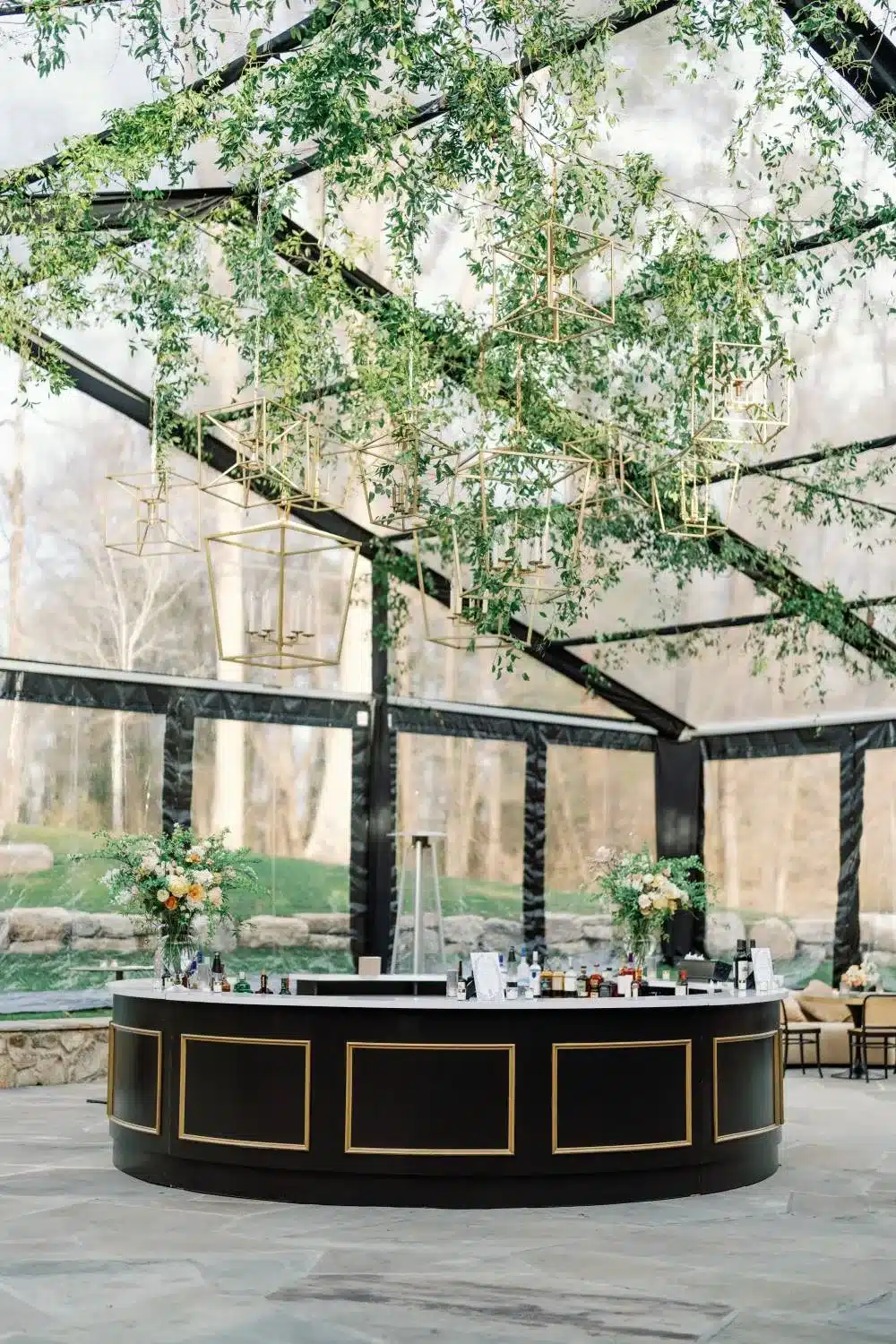
Professional setup follows a staged installation schedule beginning with site prep and anchors, then structural erection, membrane installation, finishes, inspections, and rehearsals. Sequencing matters: anchors and site preparation must be complete before frames or engineered structures are installed, and flooring typically goes in before heavy AV rigging. Final inspections for structural integrity, electrical safety, and fire protection occur after systems are in place but before dress rehearsals. A clear responsibilities matrix for installation crews, vendor leads, and venue staff keeps the site safe and efficient through teardown.
This installation approach leads to the operational procedures that govern event‑day management and an orderly teardown.
What Steps Are Involved in the Tent Installation Process?
Installation typically begins with site grading and anchor placement, then assembling frames or engineered components, deploying the membrane or fabric, and installing flooring, interiors, and technical systems. Each step includes QA checks, anchor pull tests, bolt torque checks, and membrane tension readings, to confirm specs are met. HVAC ducting and generator placement generally occur after the structure is weather‑tight but before interior finishes to minimize rework. A day‑by‑day sample schedule helps vendors coordinate crane time, crew shifts, and final inspections to meet the event start date.
Well‑planned installations lead to rehearsals and pre‑event checks that make event day run smoothly.
How to Ensure Flawless Event Day Management and Efficient Teardown?
Flawless event‑day management needs a central operations lead, a clear communications protocol, staged vendor access windows, and contingency plans for weather or technical failures. Assign roles for timing, crowd flow, emergency contacts, and vendor liaisons so decisions are made quickly and responsibilities are clear. Plan teardown in advance: remove non‑dirt‑sensitive finishes first, coordinate equipment returns, and schedule cleanup and site restoration to meet venue agreements. Conduct a post‑event assessment — documenting damages, inventory returns, and crew hours — to capture lessons for the next event.
These operational practices inform future booking choices and vendor consultations.
When Should You Book Luxury Tent Rentals and Services?
Reserve luxury tents and core services 6–12 months in advance to secure inventory, allow custom design lead times, and complete engineering and permits without rush fees. For peak seasons or events that require engineered structures and bespoke finishes, aim for the earlier side of that window to guarantee availability and integration time for HVAC, power, and flooring. Early booking also gives flexibility in vendor sequencing and reduces the chance of costly last‑minute changes. We recommend the 6–12 month window and offer private consultations to align tent style and engineering with your schedule and budget.
- Reasons to book early: Greater availability of premium tent options and custom finishes. Engineering and permit lead times that often exceed standard rental windows. Smoother vendor sequencing and a lower likelihood of expedited fees.
The points above explain why late bookings force compromises and how to prepare for a consultation.
Why Is Early Booking 6-12 Months in Advance Crucial?
Early booking matters because seasonal demand for premium tent styles — sailcloth and engineered structures — can deplete inventory and push prices up if reservations are delayed. Engineered structures require finished load calculations and drawings for permits, and HVAC/power providers need time to source quiet, redundant equipment. Late booking often forces smaller tents, less desirable dates, or expedited engineering costs that dilute the original vision. Booking in the recommended window preserves design choices and gives planners time to coordinate permits and specialty contractors.
These timing realities make scheduling a private consultation the logical next step to secure requirements and timelines.
How to Coordinate with Skyline Tent Company for Private Consultations?
To set up a private consultation with Skyline Tent Company, come prepared with the event date, estimated guest count, site photos, and a list of non‑negotiable design elements so the meeting focuses on feasibility and budget. Expect a site review discussion, preliminary structure recommendations (sailcloth, Century, or engineered structure), and an outline of engineering and permit needs. Our consultations typically result in a preliminary quote, recommended procurement timelines, and next steps for detailed engineering if required. Bringing clear priorities and any site survey data maximizes the session’s value.
- Consultation checklist: Provide the event date, guest count, and site images. Share desired finishes and critical technical requirements. Request preliminary structure and systems recommendations.
These consultation steps complete the planning loop and position planners to lock bookings within the recommended 6–12 month window.
Frequently Asked Questions
What are the common challenges faced during luxury tent event planning?
Common challenges include coordinating multiple vendors, meeting tight timelines, and securing permits — especially for engineered setups. Weather contingencies and site limitations can complicate plans. Budget pressures often come from high‑end materials and specialty systems. Clear communication, realistic lead times, and a detailed timeline are the best tools to manage these risks and keep the event on track.
How can I ensure my luxury tent event is environmentally friendly?
Make your event greener by choosing sustainable materials, energy‑efficient HVAC and LED lighting, and vendors who prioritize waste reduction and responsible sourcing. Use digital invites, minimize printed collateral, and plan for on‑site recycling and composting. Discuss eco‑friendly options with vendors early so procurement aligns with your sustainability goals.
What types of flooring options are available for luxury tent events?
Flooring options for luxury tent events include hardwood for an upscale look, carpet for comfort, and modular raised platforms for adaptability. Specialty surfaces include dance floors, weather‑tolerant outdoor finishes, and drainage‑ready systems for wet sites. When choosing flooring, consider load capacity, installation time, and compatibility with the tent’s anchoring and HVAC plans.
How do I choose the right tent style for my event?
Select a tent style based on event theme, guest count, and site conditions. Sailcloth tents offer refined aesthetics and natural light; engineered structures deliver large clear spans and weather resilience; Century tents provide a classic peaked silhouette. Review sightlines, accessibility, and technical needs with your tent expert to match form with function.
What are the key considerations for tent setup and teardown?
Key setup items include site preparation, anchoring, and phased installation of structure, flooring, and technical systems. For teardown, plan the sequence to protect finishes, coordinate returns, and restore the site to venue standards. Clear role definitions and a written schedule reduce overlap and improve safety during both setup and teardown.
What should I include in my event day management plan?
Your event‑day plan should include a master timeline, roles and responsibilities, and a communications protocol for handling issues. Appoint a central operations lead, define vendor access windows, and keep contingency plans ready for weather or technical failures. Finish with a post‑event review to capture lessons learned for future events.
Conclusion
A structured timeline transforms a luxury tent concept into a reliably executed event, aligning design, logistics, and vendor coordination to ensure guests enjoy an elevated experience. Following the phases in this guide helps mitigate risk, manage cost, and preserve the look and function of your event. When you’re ready to move from planning to procurement, schedule a consultation with our team to discuss your vision and requirements. Together, we’ll turn your ideas into a beautiful, dependable reality.
