
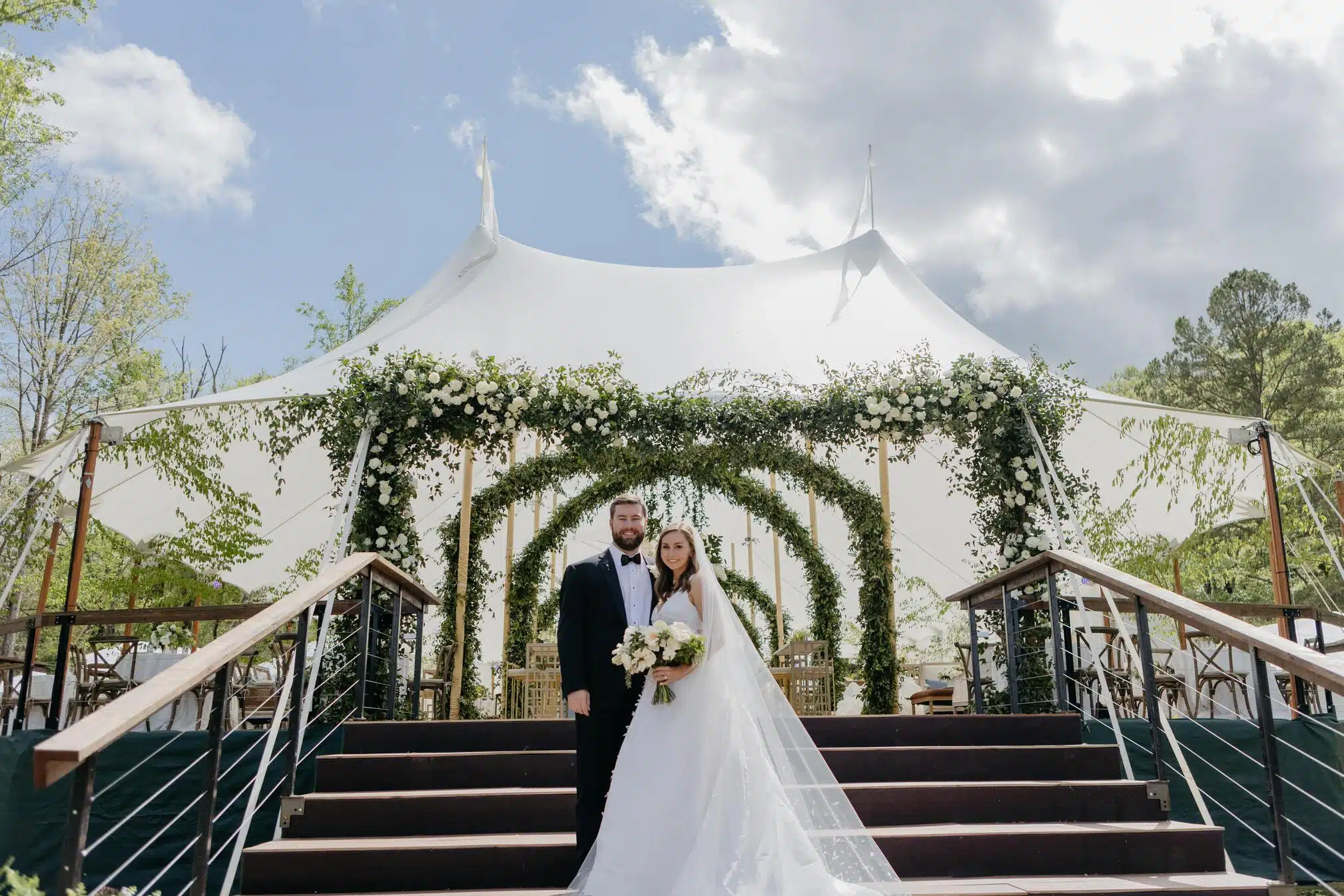
Selecting the right tent style shapes shelter, ambiance, and guest experience for an outdoor celebration. Understanding different outdoor wedding tent styles helps couples balance aesthetics, functionality, and logistical needs. This guide summarizes common tent types—frame, pole, clear span, sailcloth, and clear-top, and provides concise sizing, logistics, flooring, lighting, and décor guidance to support thoughtful planning.
Choosing the perfect tent not only protects guests from the elements but also sets the tone for the celebration, blending practicality with refined design to create a memorable atmosphere. By understanding the unique features and benefits of each tent type, you can make informed decisions that align with both your vision and your venue requirements.
What Are the Different Types of Outdoor Wedding Tents?
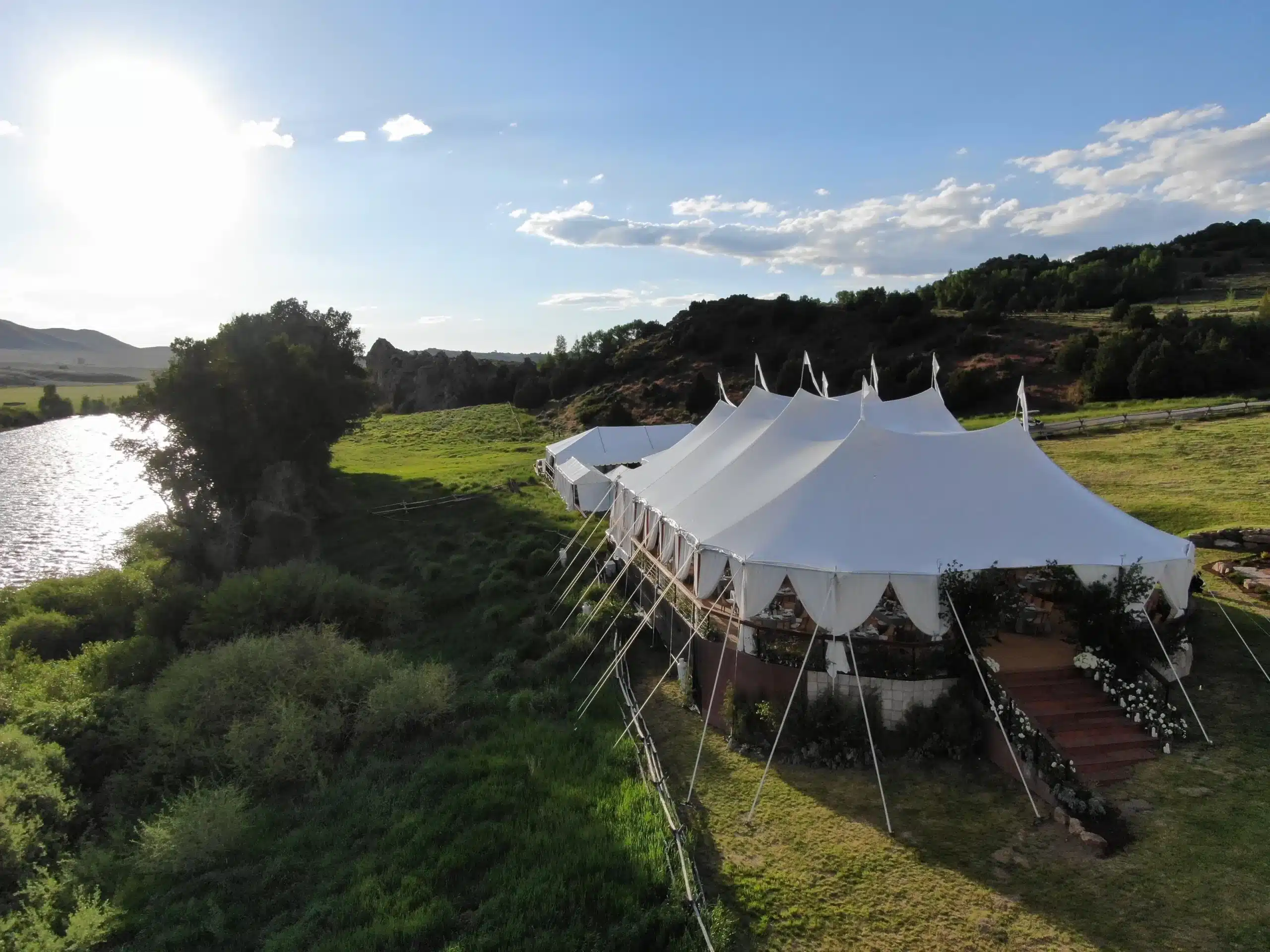
Common tent styles vary by structure, installation needs and look; choose based on site, guest count and desired atmosphere. The primary types include:
- Frame Tents: Metal-frame tents with open interiors and no center poles, suitable for hard or soft surfaces and various weather conditions.
- Pole Tents: Classic peaked tents anchored by stakes, ideal for soft ground and romantic outdoor settings.
- Clear Span Tents: Rigid aluminum-framed tents offering large, unobstructed interiors for grand events and flexible layouts.
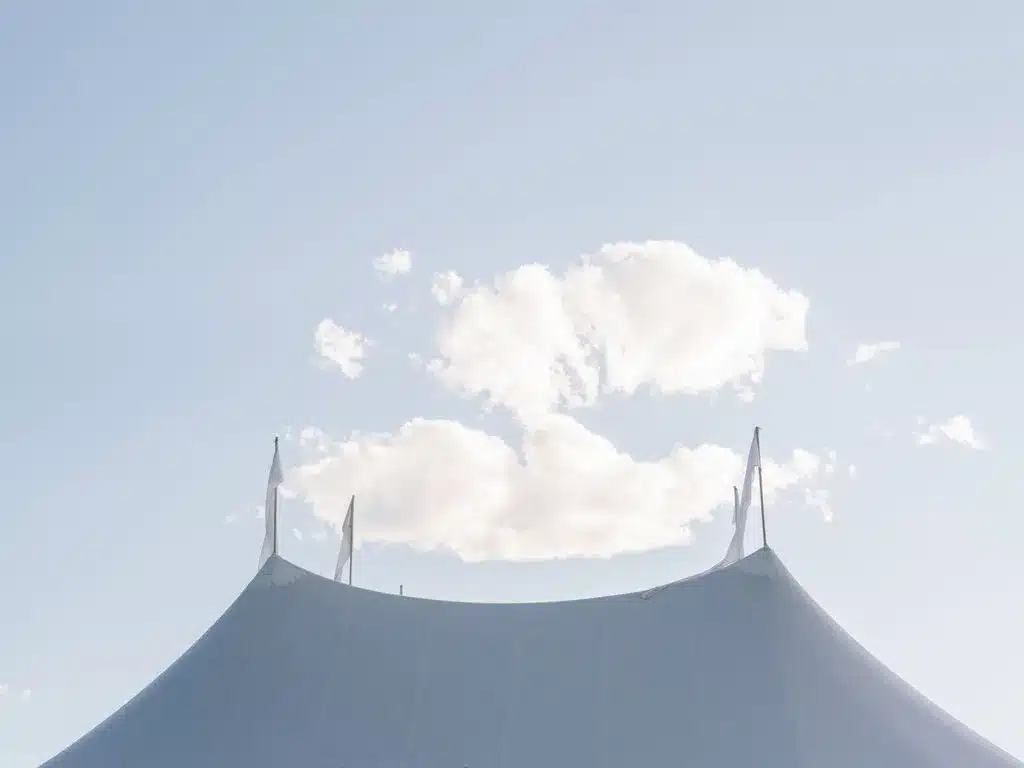
- Sailcloth Tents: Translucent fabric tents with elegant curves that create an airy atmosphere and a warm glow when illuminated.
- Clear-Top Tents: Transparent-roof tents that provide sky views while keeping guests protected, perfect for evening celebrations.
Skyline Tent Company can advise which style fits your design and operational needs. Their expertise ensures that you select a tent that complements your venue, accommodates your guest list, and aligns with your event’s theme and logistical requirements.
How Do Frame, Pole, and Clear Span Tents Differ?
Frame, pole and “clear span tents” differ in support systems, anchoring and interior layout: frame tents use perimeter frames, pole tents rely on center and side poles, and clear span tents use rigid structural sections for wide, open spans. These differences influence not only the tent’s appearance but also the flexibility of interior design and the ease of installation.
- Frame Tents: No center poles; suitable for concrete, asphalt or grass. Their perimeter support allows for maximum usable space inside, making them ideal for events requiring flexible layouts. Installation is relatively straightforward, and they can be anchored with weights when staking is not possible.
- Pole Tents: High peaks anchored with stakes; require soft ground and reduce usable floor area where poles stand. The poles create natural divisions within the tent, which can be used creatively for decor or seating arrangements but may also limit open floor plans.
- Clear Span Tents: Modular aluminum frames that maximize usable interior for large layouts. These tents are engineered for strength and stability, capable of supporting heavy lighting and sound equipment, making them suitable for elaborate productions.
Which Tent Style Best Suits Your Wedding Venue?
Match tent type to site conditions, guest count and aesthetic: pole tents suit park or garden sites, clear span or frame tents work on hard surfaces, and sailcloth or clear-top tents support more stylized looks. Considering the natural environment and the infrastructure of your venue is crucial to ensure a seamless setup and a harmonious event atmosphere.
- Venue Type: Check surface, access and any restrictions before choosing a tent. Some venues may have limitations on staking or require permits for certain tent sizes, so early communication with venue management is essential.
- Guest Count: Larger groups tend to need frame or clear span tents for unobstructed seating. Smaller, more intimate gatherings might benefit from the charm of pole or sailcloth tents, which offer a cozy and elegant ambiance.
- Aesthetic Preferences: Choose sails, clear tops or peaks to match your visual goals. The tent’s style should complement your wedding theme, whether it’s rustic, modern, classic, or whimsical.
How Do You Choose the Right Tent Size for Your Outdoor Wedding?
Proper sizing maintains comfort and operational flow; plan for seating, circulation and activity areas when selecting a footprint. An adequately sized tent ensures guests have enough room to move freely, enjoy the festivities, and feel comfortable throughout the event.
- Guest Count Considerations: Use roughly 10–12 sq ft per person for seated dinners and 7–8 sq ft per person for cocktail-style events as a starting point. These estimates account for tables, chairs, and personal space, but additional space may be needed for other event elements.
- Space for Activities: Add allowance for dance floors, buffets, bars and aisles so service and movement are not constrained. Planning for these areas prevents overcrowding and enhances the overall guest experience.
- Weather Considerations: When weather is uncertain, reserve additional space to add sidewalls, coat areas or flexible seating. This flexibility allows you to adapt to changing conditions without compromising comfort or safety.
What Is the Guest Capacity for Common Tent Sizes?
Typical capacities for common footprints (approximate, confirm with your rental supplier):
Use these figures to estimate the footprint you need, then confirm precise layouts (tables, stage, dance floor) with your provider. Keep in mind that the shape of the tent and the arrangement of furniture can also influence how many guests can be comfortably accommodated.
How Does Site Logistics Affect Tent Size and Setup?
Logistics access, ground type and power determine installation method and may affect the tent footprint and equipment required. Early planning around these factors can prevent delays and additional costs on the event day.
- Accessibility for Setup: Verify access for delivery vehicles and clearances for cranes or manual crews. Narrow roads, low-hanging branches, or limited parking can complicate delivery and installation.
- Ground Conditions: Soft ground permits staking for pole tents; hard surfaces typically require weighted anchors for frame and clear span tents. Understanding the soil type and terrain helps in selecting the appropriate anchoring system to ensure safety and stability.
- Power Source Considerations: Plan electrical needs (lighting, catering, AV) and arrange on-site power or generators as needed. Confirm the availability of outlets and the capacity to handle your equipment to avoid last-minute technical issues.
What Are the Best Flooring and Lighting Options for Outdoor Wedding Tents?
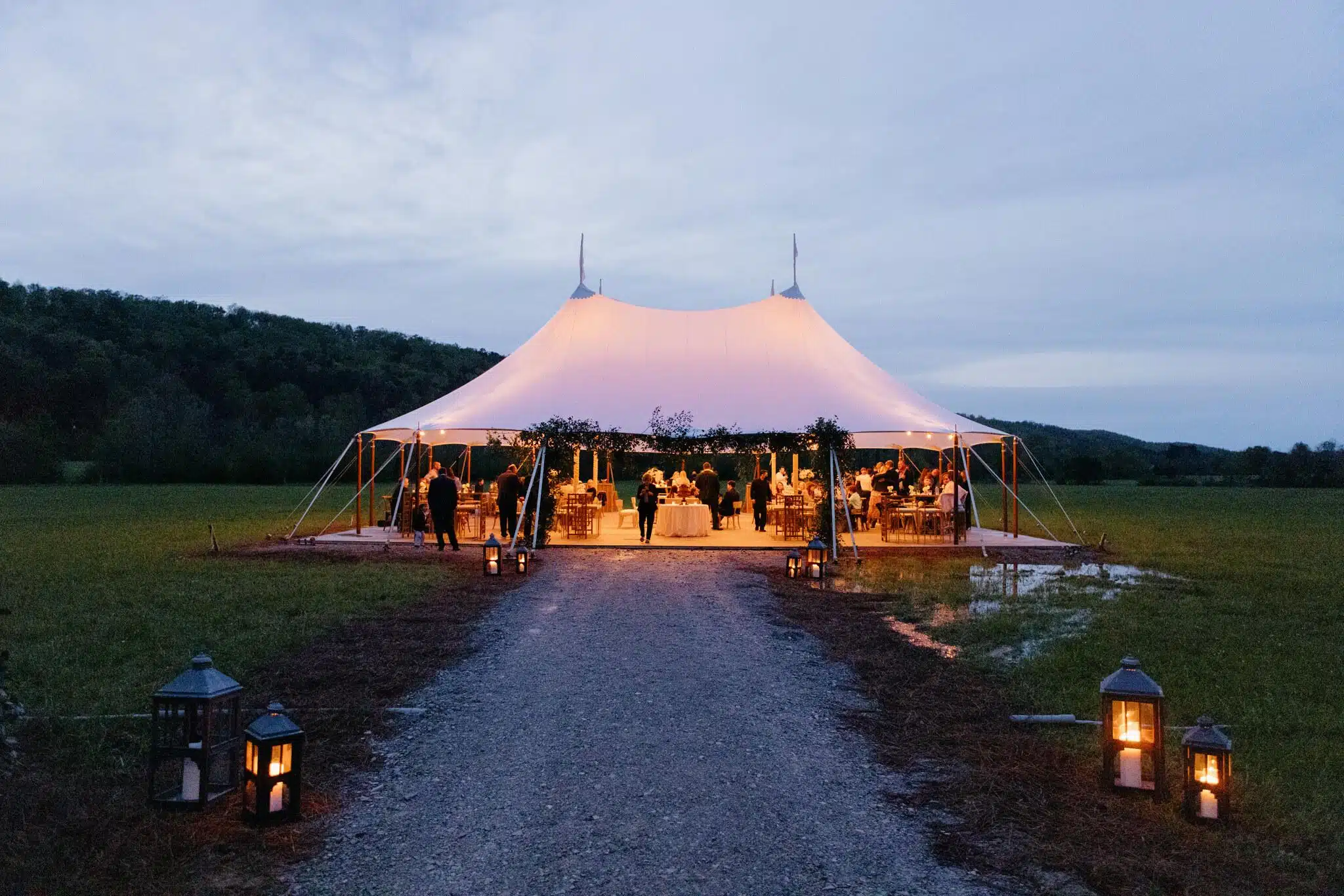
Flooring and lighting significantly affect comfort, safety and atmosphere; choose solutions that fit the tent type, guest needs and weather. Thoughtful selection of these elements enhances the overall aesthetic and functionality of your event space.
- Types of Flooring Available: Options include wood panels, modular dance floors, carpet, vinyl and floor panels over grass to protect footing and reduce moisture issues. Each type offers different benefits, from elegance to practicality, and can be tailored to your event’s style and budget.
- Lighting Options and Their Effects: String lights, chandeliers, uplighting and LEDs each create different moods; combine sources for layered effects and dimming where possible. Lighting can transform the tent’s interior, highlight key areas, and contribute to the event’s theme.
- Importance of Ambiance: Flooring and lighting together define the visual and practical experience, prioritise safety and cohesion with your theme. Coordinated design elements ensure a seamless and inviting environment for your guests.
Which Flooring Types Enhance Comfort and Safety?
Choose flooring to provide stable, level surfaces for dining and dancing and to minimise mud or tripping hazards. The right flooring protects guests from uneven terrain and weather-related issues, contributing to a polished and comfortable event.
- Wood Flooring: Stable and elegant for dining and dancing; elevates the guest experience. It offers a classic look and can be installed over various surfaces, providing a smooth and attractive foundation.
- Carpet: Adds softness and warmth but requires careful outdoor installation. Carpeting can enhance comfort and style but must be chosen with weather resistance and maintenance in mind.
- Grass: Natural look; use panels or rugs to improve stability and cleanliness. Maintaining the natural environment can be appealing, but precautions are necessary to ensure guest safety and comfort.
How Can Lighting Solutions Elevate Your Tent Ambiance?
A lighting plan supports function, wayfinding, task lighting and safety, while creating the desired mood for different parts of the event. Effective lighting balances practicality with artistry to enhance the guest experience.
- Mood Setting Capabilities: Warm, low-level lighting lends intimacy; brighter zones support dancing and service areas. Adjusting light intensity throughout the event helps maintain energy and focus where needed.
- Highlighting Decor: Use focused fixtures to accent floral and architectural elements. Strategic lighting draws attention to key design features and adds depth to the space.
- Guiding Guest Movement: Light paths and exits clearly for safety at night. Proper illumination ensures guests can navigate the venue confidently and safely.
How Can Luxury Decor Integrate with Outdoor Wedding Tent Styles?
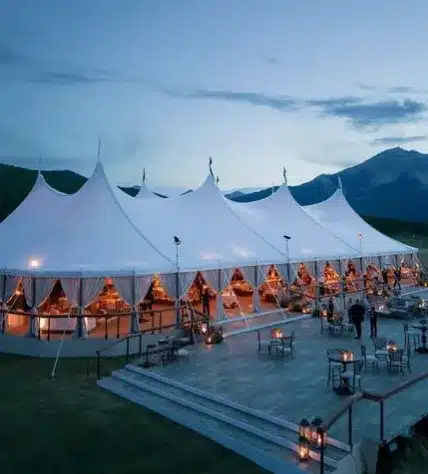
Luxury decor should complement tent architecture to reinforce a cohesive event concept and guest experience. Thoughtful decor choices enhance the tent’s features and elevate the overall ambiance, making your wedding truly unforgettable.
- Choosing Decor That Complements Tent Style: Match draping and centerpieces to the tent form, soft draping for frames, bold centers for clear-tops. Tailoring decor to the tent’s structure highlights its unique qualities and creates visual harmony.
- Layering Lighting for Effect: Combine chandeliers, uplights and stringing to add depth. Layered lighting enhances textures and colors, contributing to a rich and inviting atmosphere.
- Creating a Cohesive Aesthetic: Coordinate linens, florals and furniture so all elements read as a single design. Consistency in style and color palette ensures a polished and professional look.
What Are Popular Wedding Tent Decor Ideas for a Bespoke Event?
Proven ideas include seasonal floral centerpieces, elegant draping and themed accents that reflect your personal style. Customizing your decor allows you to infuse personality and create a unique celebration that resonates with you and your guests.
- Floral Arrangements: Use seasonal blooms for color and scent. Fresh flowers bring life and fragrance, enhancing the sensory experience.
- Draping: Soft fabrics transform structural lines and add warmth. Draping can soften the tent’s framework and create intimate spaces within larger areas.
- Themed Decor: Add curated props or finishes to personalise the space. Incorporating meaningful elements or motifs ties the event together and tells your story.
These strategies help translate your vision into a tailored, cohesive environment. Working with experienced designers or rental companies can further refine your ideas and ensure flawless execution.
How Does Tent Style Influence Decor and Lighting Choices?
Tent architecture sets constraints and opportunities for decor and lighting, zchoose elements that work with roof lines, pole placement and transparency. Understanding these factors allows you to maximize the tent’s potential and avoid design conflicts.
- Matching Decor to Tent Style: Light, airy decor suits sailcloth; dramatic elements fit pole tents. Each tent style invites a different approach to decoration, from minimalist elegance to bold statements.
- Lighting Considerations Based on Tent Type: Clear-top tents benefit from ambient and focal lighting to balance the view and interior warmth. Lighting should enhance the tent’s transparency without overpowering the natural surroundings.
- Creating a Cohesive Event Experience: Coordinate decor, lighting and layout so guests experience a unified design. Seamless integration of all elements ensures that the event feels intentional and well-planned.
Thoughtful integration of tent, decor and lighting yields predictable logistics and a strong look. Early collaboration among your rental company, designer, and lighting specialist will streamline the process and enhance the final outcome.
Frequently Asked Questions
What factors should I consider when choosing a wedding tent rental company?
Check experience, reviews and range of tent styles; confirm delivery, setup, takedown and available accessories (flooring, lighting, sidewalls). Ask about permits and local regulation support. Reliable companies will provide clear contracts, insurance coverage, and responsive customer service to ensure peace of mind.
How far in advance should I book my wedding tent?
Book 6–12 months ahead for peak seasons; earlier for popular dates or complex installs to secure preferred equipment and crew. Early booking also allows more time for customization and coordination with other vendors.
Can I customize the tent decor to match my wedding theme?
Yes. Most rental companies offer draping, floral packages and themed accessories or can coordinate with your designer to achieve a cohesive look. Customization options may include lighting styles, furniture rentals, and specialty flooring to enhance your theme.
What should I do if the weather forecast predicts rain on my wedding day?
Add sidewalls, ensure waterproofing and anchoring, and keep an indoor backup or contingency plan for severe weather; coordinate with your rental provider on options. Having a flexible plan helps maintain comfort and safety regardless of weather conditions.
Are there any additional costs associated with renting a wedding tent?
Expect setup/takedown labour, delivery charges, permits and optional items (flooring, lighting, sidewalls). Request a detailed estimate to avoid surprises. Some companies may also charge for insurance or require deposits.
How can I ensure my tent is safe and secure for guests?
Use professional installation, proper anchoring (stakes or ballast), inspect the site for hazards, keep pathways clear and mark emergency exits. Safety protocols should be a priority throughout the planning and execution stages.
Conclusion
Choosing the right tent style, size and decor is central to a successful outdoor wedding. Each tent type offers distinct operational and aesthetic benefits; consult your rental partner to align choices with your venue, guest needs and design goals. Thoughtful planning and attention to detail will create a comfortable, beautiful setting that enhances your celebration and leaves lasting memories for you and your guests.
