
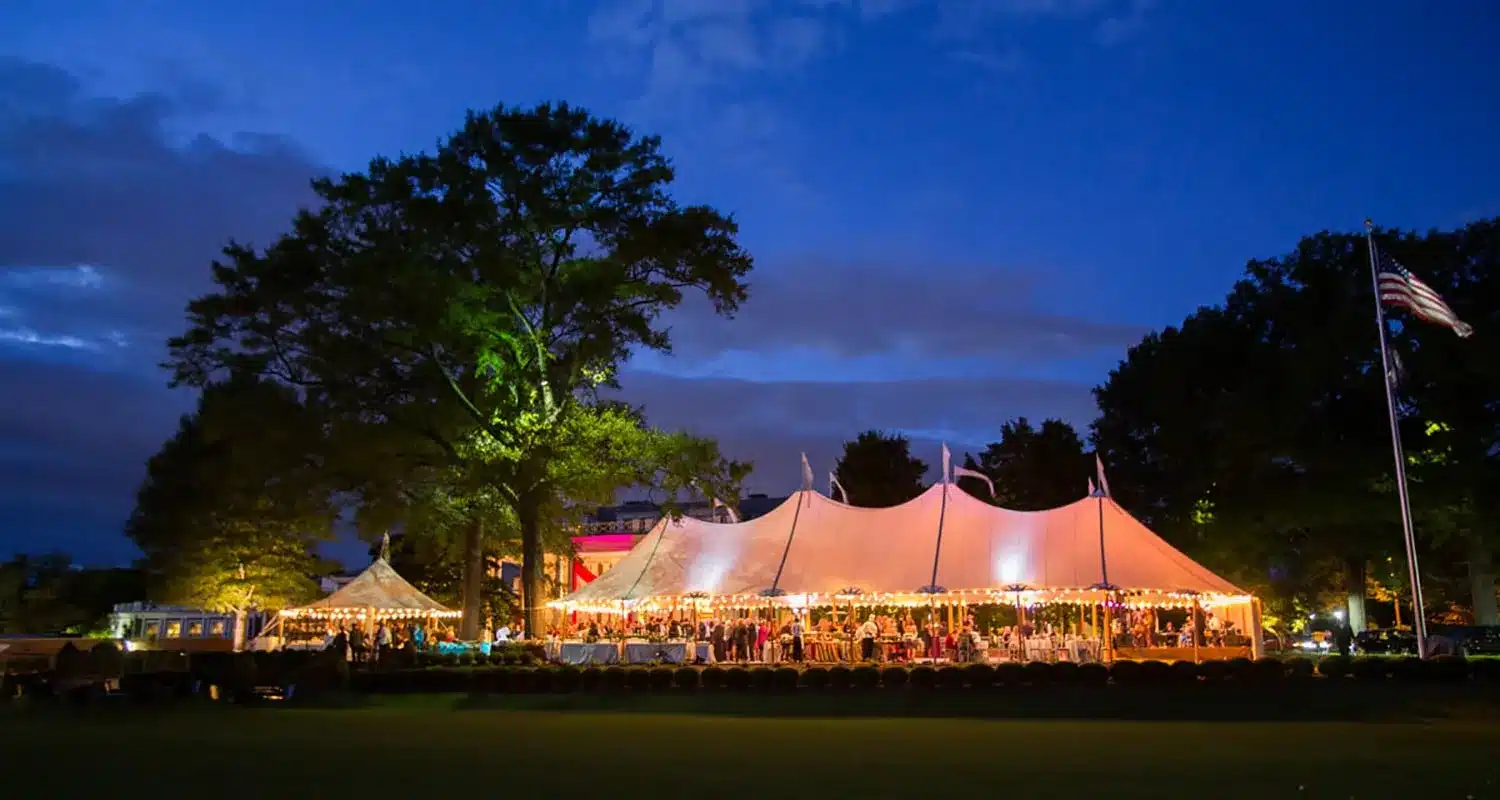
A successful outdoor event begins with the right tent size. Century pole tents bring elegance, structure, and atmosphere to luxury celebrations. Their high peaks and sweeping lines create an open setting that feels both festive and refined.
When planning for 50 to over 200 guests, knowing the correct dimensions is essential. This guide simplifies the process by showing how guest count, seating style, and event layout shape the ideal tent footprint. From dinner service to dancing space, every detail plays a role in choosing a tent that supports both comfort and visual impact.
Key Takeaways
- Century pole tents are ideal for luxury outdoor events due to their iconic peaks and open interiors.
- Tent size depends on guest count, seating layout, and added features like dance floors or stages.
- Banquet seating needs more space per guest than cocktail or theater-style setups.
- Site conditions and anchoring requirements play an important role in installation.
- Custom flooring, lighting, and climate control enhance comfort and atmosphere.
- Book tent rentals well in advance to secure your preferred date and layout.
Choosing the Right Century Pole Tent Size Based on Guest Count
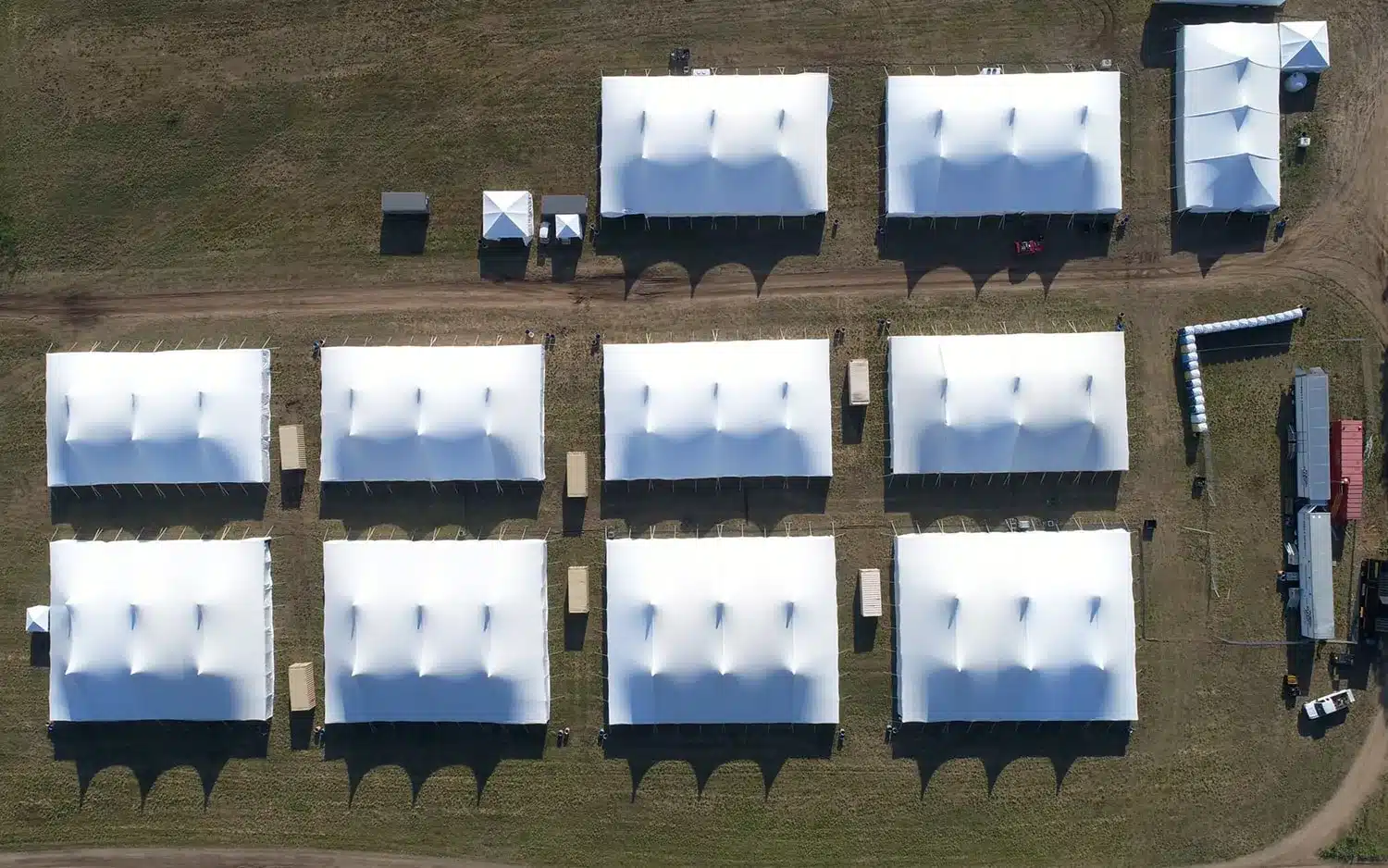
The size of your tent should reflect how your guests will interact with the space. Guest count, seating style, and additional elements like dance floors or buffet stations all shape the footprint you’ll need. A well-sized tent creates room for movement, conversation, and celebration without feeling crowded.
How Much Space Does Each Guest Need?
Each event style requires a different amount of space per person. Banquet seating uses the most room due to table sizes and service aisles. Cocktail setups allow guests to mingle and stand, needing far less space. Theater-style arrangements fall somewhere in the middle.
Using these ranges, you can estimate the total area required for your guest list and begin matching it to a standard tent size.
Tent Size Recommendations by Guest Count
Century pole tents are available in a range of standard dimensions. The examples below help illustrate which sizes work best for different gatherings.
For example, a 30×60 tent accommodates 100 guests at banquet tables, with space remaining for buffet lines or a small dance floor.
How Seating Layouts Influence Tent Size
The way you arrange the space has a major impact on how large the tent should be.
- Banquet Style: Round tables require 15–20 square feet per person, which includes chairs, aisles, and room for servers.
- Cocktail Layout: With high-top tables and limited seating, only 8–10 square feet per person is needed.
- Ceremony Rows: Seating for ceremonies typically uses 6–8 square feet per chair, but this space is usually temporary if followed by a reception.
Space Requirements for Key Event Elements
Don’t forget to account for other features that belong inside the tent. Each one adds to your total square footage needs.
By combining guest seating and functional zones, you can create a layout that fits your vision while staying within the footprint of a well-sized Century pole tent.
How Event Type Impacts Tent Layout and Size
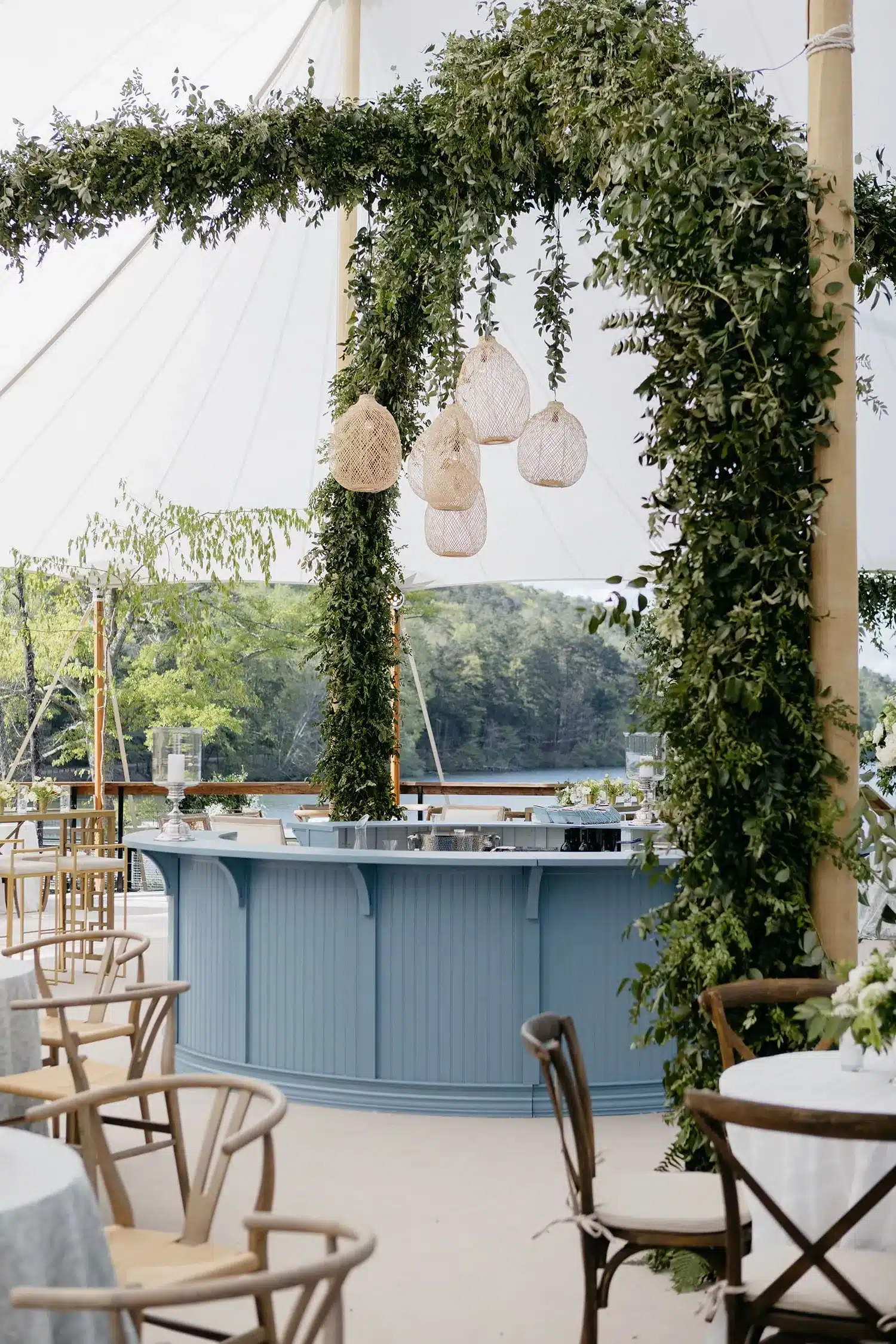
Each event brings a different rhythm to the space. A wedding flows through ceremony, dinner, and dancing. A corporate gala calls for presentations, audience seating, and social lounges. Private celebrations may center around entertainment and dining. The purpose of your gathering shapes the layout inside the tent and affects the overall size you’ll need.
Recommended Layouts for Luxury Weddings
Weddings often divide the tent into distinct zones, each with its own purpose and atmosphere.
A smooth layout places ceremony seating near the entrance, leads into reception tables, and finishes with a dance floor centered beneath the highest point of the canopy. This flow invites movement and keeps the event experience unified.
Layout Strategies for Corporate Galas and Formal Events
Corporate events prioritize presentations and guest networking. The layout should support both.
- Place a stage and screen at one end of the tent. Allocate 200–300 square feet for this area.
- Arrange seating based on the presentation format. Use 10–12 square feet per guest for rows or 15–20 square feet for banquet-style setups.
- Designate areas along the sides for standing tables or seating pods to encourage conversation during intermissions.
- Keep a small entry zone open for check-in tables, signage, and coat storage.
This kind of setup helps maintain a clear view for all attendees while allowing pockets of space for quieter interaction.
Accounting for Catering and Bar Service
Food and beverage areas should be easy for guests to find but never obstruct foot traffic. Plan to add 10 to 15 percent more space beyond your guest seating to make room for these zones.
- Place buffet lines and bars close to tent access points for smooth restocking.
- Keep high-traffic zones away from dance floors and stages.
When service zones are built into the tent layout, they enhance the experience rather than compete with it.
Site Conditions That Influence Tent Size
Before finalizing your tent dimensions, evaluate the venue. The condition of the site can limit what’s possible.
- Slopes or uneven ground may reduce usable interior space.
- Concrete or hard surfaces require alternative anchoring solutions.
- Trees, light posts, and other obstacles may interfere with peak pole placement.
- Local regulations may limit how far out the stakes can extend.
A clear, well-prepared site allows the tent to reach its full design potential. If adjustments are needed, your tent provider can recommend layout modifications that protect both the structure and the event experience.
What Makes Century Pole Tents Ideal for Luxury Events
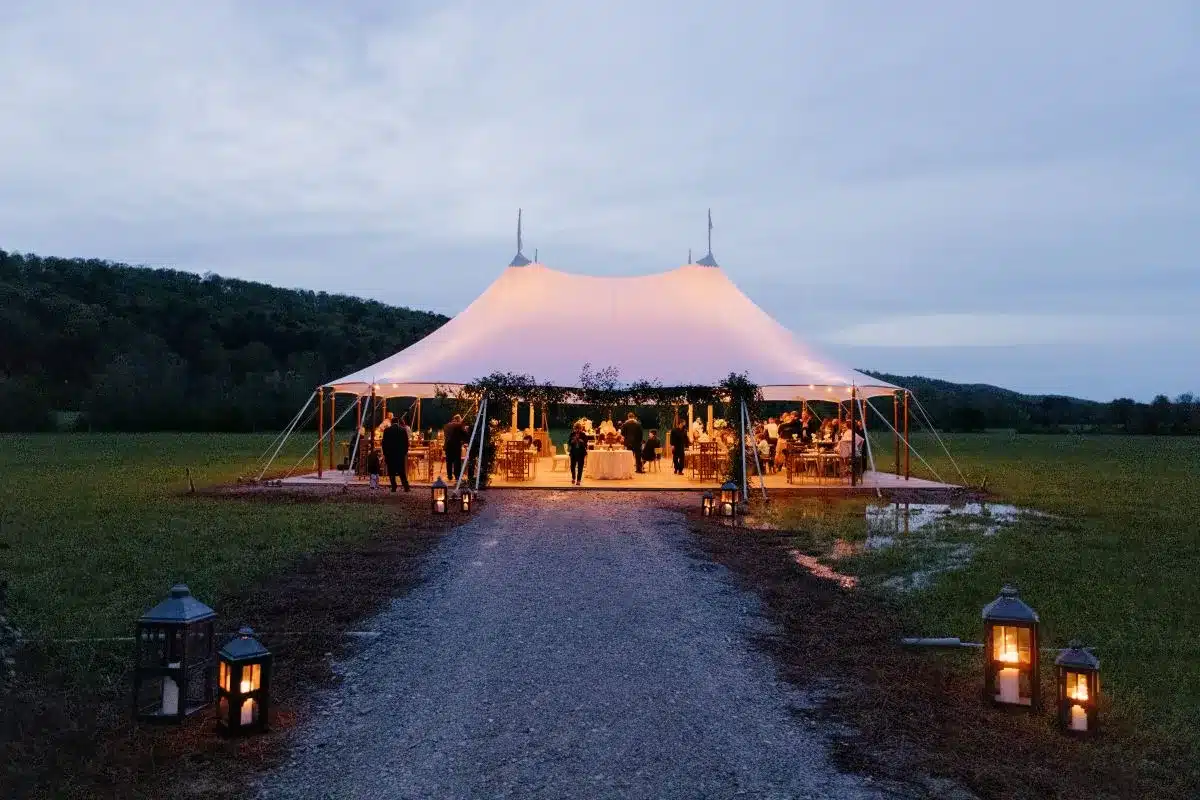
Century pole tents offer more than just coverage—they define the atmosphere of an upscale gathering. With tall center peaks and sculpted lines, these tents create a striking first impression and an open, spacious interior that elevates every moment.
Signature Features That Enhance the Event Experience
Century pole tents are known for their visual and structural qualities that support elegant design and guest comfort.
- Tall center poles create natural focal points and invite dramatic lighting.
- Open interiors feel spacious without overwhelming the layout.
- Sidewalls can be left open for fresh air or enclosed to create intimacy.
- The classic silhouette complements a wide range of décor styles, from modern minimalism to garden romance.
The combination of height, openness, and versatility allows planners to design a space that feels both refined and inviting.
Comparing Century Pole Tents to Other Tent Styles
While Century pole tents remain a favorite for many luxury events, it’s helpful to understand how they compare to other structural options.
Each tent type serves a different purpose. Century pole tents provide elegance and structure for events where aesthetics and atmosphere lead the vision.
Flooring and Climate Options That Add Comfort
To elevate both function and feel, many events incorporate flooring and climate control inside the tent.
- Raised wood or vinyl flooring helps level uneven ground and adds a finished look.
- Carpeting or polished dance floors enhance the interior style.
- Heaters or radiant panels create warmth for cooler months.
- Fans or portable air-conditioning units improve airflow during warm-weather gatherings.
These additions work together to ensure guests remain comfortable throughout the event, regardless of location or season.
How to Calculate the Right Tent Size?
Choosing the correct tent size comes down to more than just the number of guests. It requires a thoughtful look at what your event includes and how the space will be used.
Key Elements That Influence Tent Size
- Guest count and the type of seating arrangement.
- Zones inside the tent for dining, dancing, or presentations.
- Support areas like catering stations, bars, and storage.
- Site characteristics, including terrain, slope, and anchoring options.
By combining these factors, you can build a complete picture of your tent’s footprint and choose a size that supports the event without feeling overbuilt.
Using Tent Size Charts Effectively
Tent size charts simplify the process by matching event details to standard tent dimensions. With your square footage needs calculated, you can identify the right size for your setup and seating style.
These charts help translate your event plan into clear numbers, keeping the decision practical and grounded.
Customizing Century Pole Tents for a Luxurious Experience
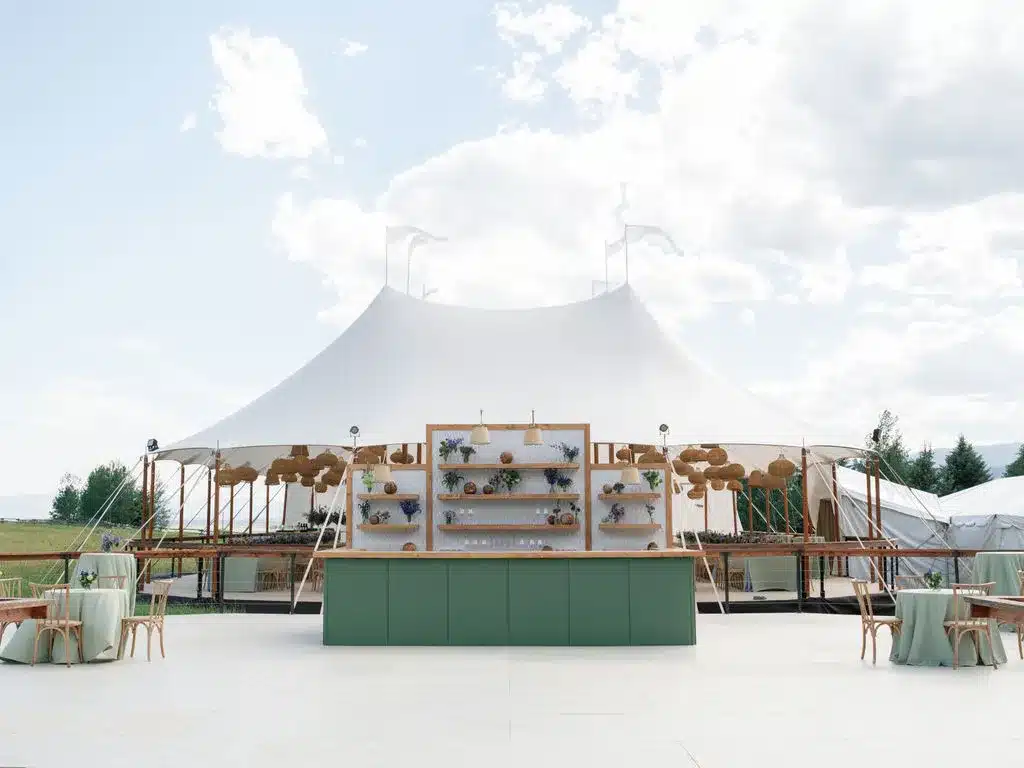
Once the right tent size is selected, customization brings the event environment to life. From flooring underfoot to lighting overhead, these enhancements create a cohesive atmosphere that reflects the occasion’s tone and vision.
Flooring, Fabric, and Structural Accents
Thoughtful upgrades can elevate both comfort and presentation.
- Flooring: Raised hardwood platforms, vinyl surfaces, or plush carpeting add polish and provide stability on uneven ground.
- Draping and Sidewalls: Sheer fabric treatments, elegant pleated drapes, or patterned sidewalls help define zones and soften the space.
- Entry Points: Framed entrances, fabric archways, or canopy-lined walkways can make arrivals feel ceremonial and welcoming.
These elements turn the tent into a styled environment that feels intentional from every angle.
Maintaining Comfort with Climate Control
Temperature plays a major role in guest comfort, especially in outdoor settings. Climate solutions keep the atmosphere steady and pleasant regardless of season.
- Warm-Weather Events: Misting fans and portable air-conditioning units support airflow and reduce heat buildup.
- Cool-Weather Events: Radiant heaters and ducted warm-air systems help maintain a cozy, balanced climate within the tent.
Placing these systems discreetly within the structure preserves the visual appeal while delivering consistent comfort.
Lighting and Décor That Set the Mood
Lighting transforms a tent’s interior from practical to enchanting. Whether dramatic or subtle, these options help define the mood of the evening.
- Overhead Fixtures: Crystal chandeliers or modern pendant lights suspended from center poles create a visual focal point.
- Ambient Glow: String lights, festoon strands, or paper lanterns offer warm, inviting illumination for evening events.
- Uplighting: Colored lighting projected against tent walls adds dimension and ambiance, especially after sunset.
- Textile Accents: Swags, sashes, and ceiling drapes add softness and movement to the structure.
By layering these elements, the interior of a Century pole tent becomes more than a venue—it becomes a curated space that reflects your style and intention.
Planning and Logistics for Century Pole Tent Rentals
A successful tented event depends on more than choosing the right size and layout. Planning for setup, permits, and site conditions helps ensure the tent is installed on time and functions as intended. Early coordination and clear communication with the venue and rental team will support a smooth process.
Site Requirements for Tent Installation
Century pole tents require specific conditions to install properly and safely. Prepare the event site with these key factors in mind:
- Choose a level, unobstructed area with enough space for the full footprint and guy lines.
- Ensure access for large trucks and equipment needed for delivery and setup.
- Mark and avoid underground utilities or irrigation systems.
- Confirm the space allows for perimeter staking, typically every 8 to 10 feet.
If adjustments are needed due to hard surfaces, slopes, or existing structures, speak with your tent provider about alternate anchoring options or layout modifications.
Permits and Regulations
Larger tent structures often fall under local permitting rules. In many areas, tents over a certain square footage require inspections, safety certifications, or temporary structure permits. Fire safety measures—such as flame-retardant materials and adequate exits—may also be required.
Start the permit process early by checking requirements with both the venue and the local municipality. Clear documentation helps prevent delays during setup and ensures full compliance with event guidelines.
Timeline for Booking and Setup
Tent rentals for high-profile events should be reserved well in advance. Six months ahead is a safe window for popular seasons and weekends. Early booking allows time for site evaluations, customization requests, and scheduling flexibility.
Final guest counts and layout details should be confirmed about one month before the event. This gives your tent provider enough lead time to prepare materials and coordinate installation.
Common Questions About Century Pole Tent Sizes for Luxury Events
Choosing the right tent size involves practical planning and thoughtful consideration of your event’s style and structure. These frequently asked questions help clarify what to expect when planning with Century pole tents.
What Size Century Pole Tent Works Best for 100 Guests?
A 30×60-foot Century pole tent (1,800 square feet) comfortably fits 100 guests using banquet seating. This setup also allows space for buffet tables, a modest dance floor, and decor that complements the open canopy.
How Do You Calculate Tent Size for 150 Guests at a Gala or Corporate Event?
Begin with the guest count and seating format. Banquet or theater-style arrangements typically require 15 to 20 square feet per guest, totaling 2,250 to 3,000 square feet. Add space for a stage, bar, or lounge areas—about 300 to 500 square feet—bringing the total to approximately 3,800 square feet. A 40×100 or 40×90 tent is often a strong fit for this scale.
Can Century Pole Tents Accommodate Events Over 200 Guests?
Yes. For large-scale events, tents measuring 60×120 feet (7,200 square feet) offer generous room for guest seating, large dance floors, entertainment stages, and full-service catering stations. For even larger layouts, multiple Century pole tents can be combined to create cohesive zones while maintaining the tent’s architectural elegance.
Conclusion
Choosing the right Century pole tent size starts with understanding your guest count, seating arrangement, and event flow. These tents offer both visual elegance and structural versatility, making them ideal for weddings, galas, and upscale private celebrations. With thoughtful planning and site preparation, you can create a seamless environment that feels both welcoming and luxurious. Whether you’re hosting 50 guests or over 200, the right tent size ensures your event looks and feels well-designed from start to finish.
Frequently Asked Questions
How do I calculate the square footage I need for my guest list?
Multiply your guest count by the square footage recommended for your seating style. For example, banquet seating usually requires 15–20 square feet per person.
Can I fit a dance floor and dining area in the same tent?
Yes. Just be sure to calculate additional square footage for each feature. A 30×60 tent can accommodate around 100 guests with banquet tables and a modest dance floor.
What if my event site is uneven or has trees?
Your tent provider can evaluate the site and suggest layout adjustments or alternative anchoring solutions to work around slopes, trees, or hard surfaces.
Is it possible to connect multiple tents for larger events?
Absolutely. Multiple Century pole tents can be combined to form larger, functional zones while maintaining visual flow.
How far in advance should I book a tent rental?
Booking 4 to 6 months ahead is recommended, especially for high-demand dates. Confirm guest counts and details about 30 days before the event.
